REVIEW · CAIRO
Cairo: Private Half-Day Local Market and Souq Tour
Book on GetYourGuide →Operated by Emo Tours Egypt · Bookable on GetYourGuide
Cairo’s markets grab you fast. This private half-day loop mixes everyday shopping spots like El Ghorya with the city’s oldest bazaar, Khan el-Khalili, so you get both local texture and serious souq energy. You’ll also pass famous landmarks like Al Azhar mosque and Bab Zuwayla on the way.
I like that the tour is built around a private guide who helps you shop smarter, including bargaining skills instead of sending you off to guess. I also like the comfort factor: all round-trip transfers are private and air-conditioned, so the heat and traffic don’t take over your day.
One drawback to consider: if you’re expecting a heavy focus on produce, meat, and fish type markets, you might find some stops skew more toward the shopping-and-souvenir side of Cairo rather than pure “food market” browsing.
In This Review
- Key things I’d watch for
- Why this market-and-souq route makes sense in Cairo
- El Ghorya start point and the Gamalia Street walk-by moments
- El Mosky for practical goods (where everyday shopping feels real)
- Tent Market and the price-hunt mindset
- Khan el-Khalili: oldest bazaar energy, with copper and oriel windows
- Kushari lunch: your break and your shortcut to tasting Cairo
- Bargaining help: how to save money without turning it into a fight
- Transport, timing, and how to fit four hours into your day
- Who this tour suits best
- Price and value: why $35 can be a smart deal here
- Should you book this Cairo market and souq tour?
- FAQ
- FAQ
- How long is the Cairo private market and souq tour?
- What’s included in the price?
- Where does the tour start and what are the pickup options?
- Which markets and souqs will we visit?
- What food is included for lunch?
- What languages are the tour guides available in?
Key things I’d watch for
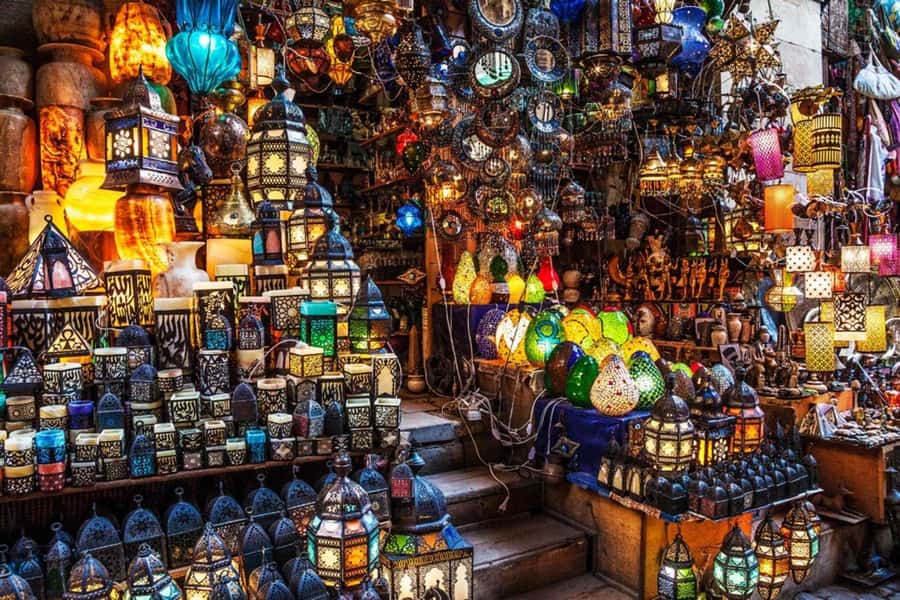
- Bargaining lessons with a private guide so you’re not just guessing prices
- Khan el-Khalili details like oriel windows and copper water fountains
- A focused 4-hour format with time built in for actual browsing
- Kushari lunch (rice, macaroni, lentils with tomato-garlic sauce, chickpeas, and fried onions)
- Door-to-door private transfers in an AC vehicle, not a shared shuttle scramble
- A possible split in shopping style depending on what you want to buy or see
Why this market-and-souq route makes sense in Cairo
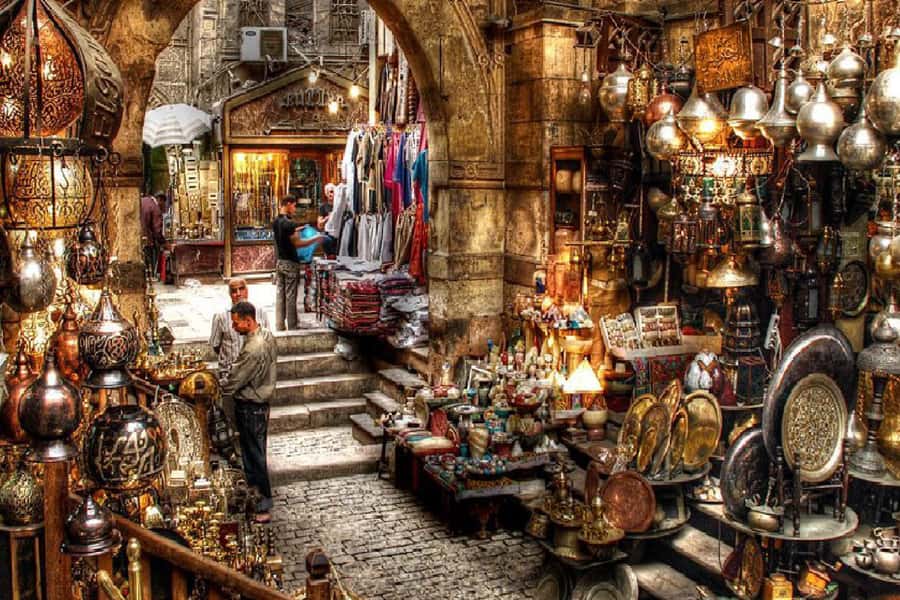
Cairo shopping can feel like a full contact sport: crowd flow, pushy sales energy, and too many storefronts all at once. This tour helps you move with a plan. You start with local bazaars, then transition into Khan el-Khalili, which is where the scale and variety really hits.
The private format matters. In the reviews, guides like Hakiem and Hamada stand out for matching the vibe—one guest wanted less buying and more looking, and the guide adapted. If you’re the kind of person who gets overwhelmed, a guide can keep you from spiraling into random shops that don’t fit your style.
The other big reason this route works is lunch. You’re not “shopping nonstop” for four hours and hoping you don’t get hungry. You’re scheduled for a real Egyptian meal—kushari—which gives your feet and brain a needed reset.
You can also read our reviews of more private tours in Cairo

El Ghorya start point and the Gamalia Street walk-by moments
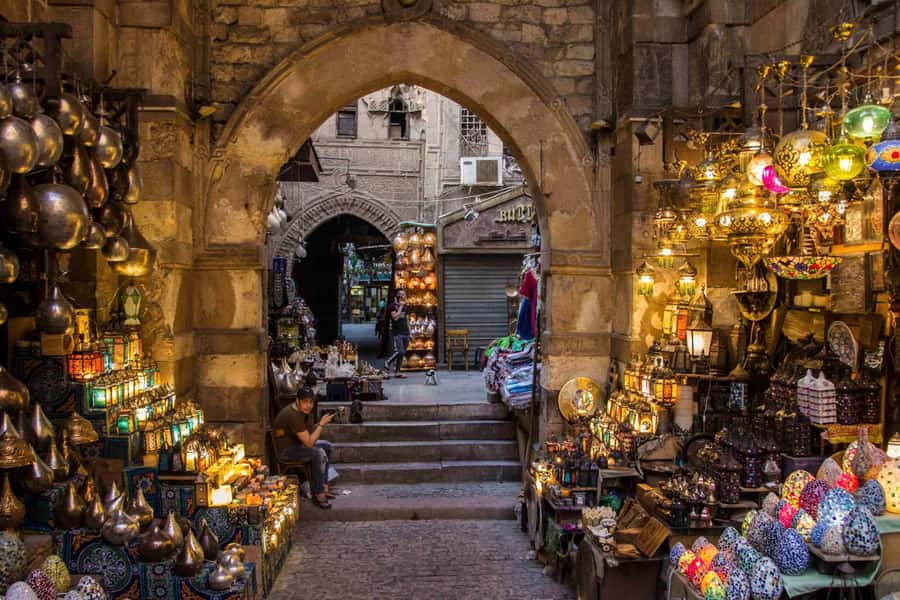
You begin at El Ghorya market, then move along Gamalia street and pass major sights like Al Azhar mosque and Bab Zuwayla. That street-and-stone sequence is more than sightseeing padding. It helps you understand the city’s layout—how markets, gates, and landmark zones connect.
Bab Zuwayla is one of the three remaining gates of Cairo’s old walls, and seeing it in passing gives the “souq” part context. You’re not only shopping; you’re moving through layers of the city—old gate, big mosque area, and then the markets.
Tip for your expectations: this part is a walk-by. You’re not promised a full guided deep dive into architecture here, so if you want long, stop-and-explain museum-style narration, focus your questions on your guide as you go.
El Mosky for practical goods (where everyday shopping feels real)
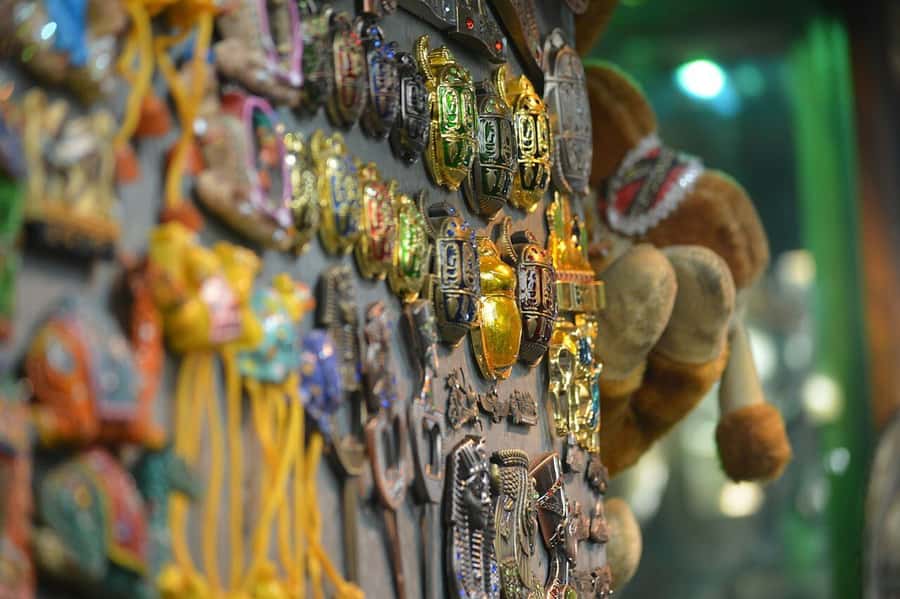
Next comes El Mosky, described as a big market that covers mixed categories—home utensils and clothes among them. This stop is where you often get the most “real Cairo shopping” feel, because people aren’t just buying tourist souvenirs. They’re picking everyday items.
If you enjoy the small texture of travel—seeing how locals think about household basics and clothing—this is the kind of market stop you can actually browse without it turning into a photo-only mission. It’s also a good spot to practice the bargaining rhythm your guide teaches, because prices tend to vary by item type and stall style.
Possible mismatch: if your shopping list is extremely specific (one exact item type, one brand, one gift), mixed markets can require patience. You’ll do better if you give yourself permission to browse broadly, then narrow in.
Tent Market and the price-hunt mindset
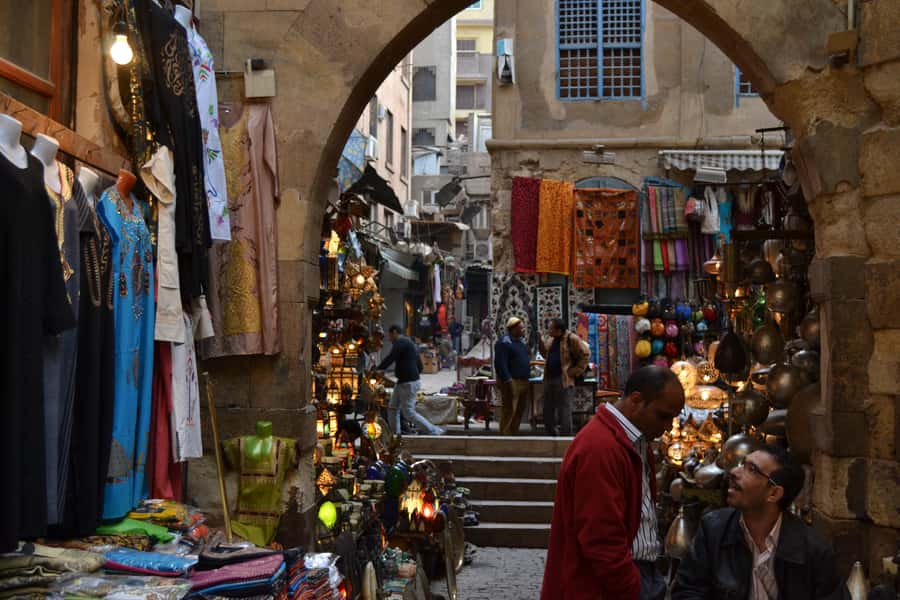
The tour includes the Tent Market as one of its four market stops. While the details of what you’ll see there aren’t spelled out beyond the name, the key value is psychological: this is a place where bargaining is part of the experience, not an optional add-on.
That matters because Cairo markets often reward confidence and clarity. In the reviews, multiple guides—like Mostafa, Andreas’s guide, and others—were praised for helping guests feel safe and supported, including translating and negotiating. In other words, the guide isn’t just pointing; they’re helping you stay in control of the conversation.
Just be aware: bargaining doesn’t always mean you’ll get the absolute lowest number. One guest felt their guide pushed communication and pricing a bit too hard toward a “just pay” outcome. So if you prefer a slow, independent back-and-forth, tell your guide early that you want to lead the negotiation style.
Khan el-Khalili: oldest bazaar energy, with copper and oriel windows
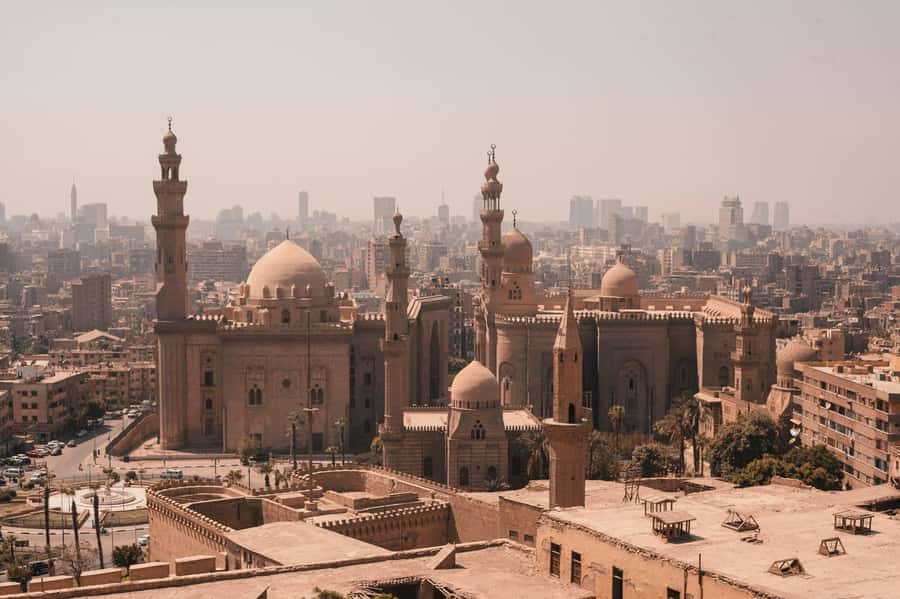
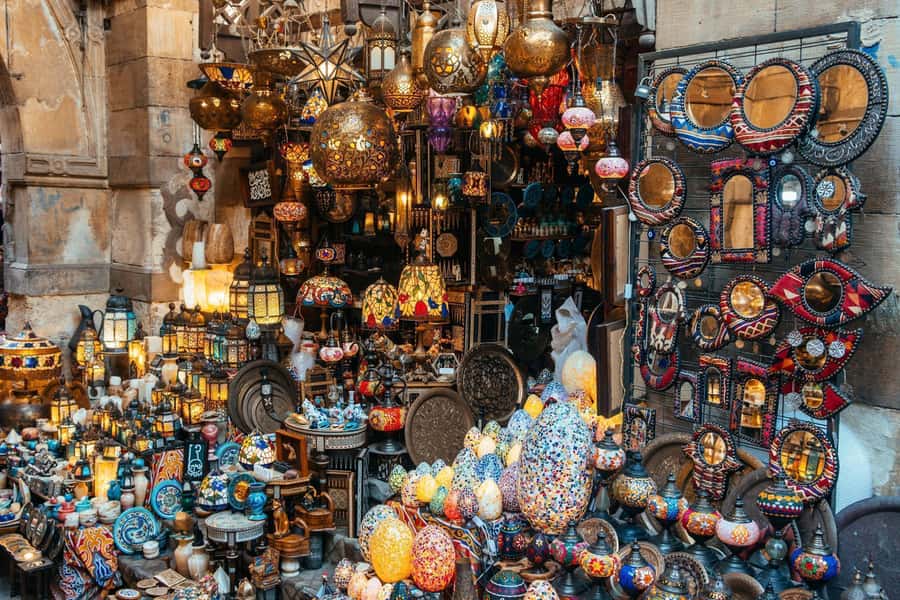
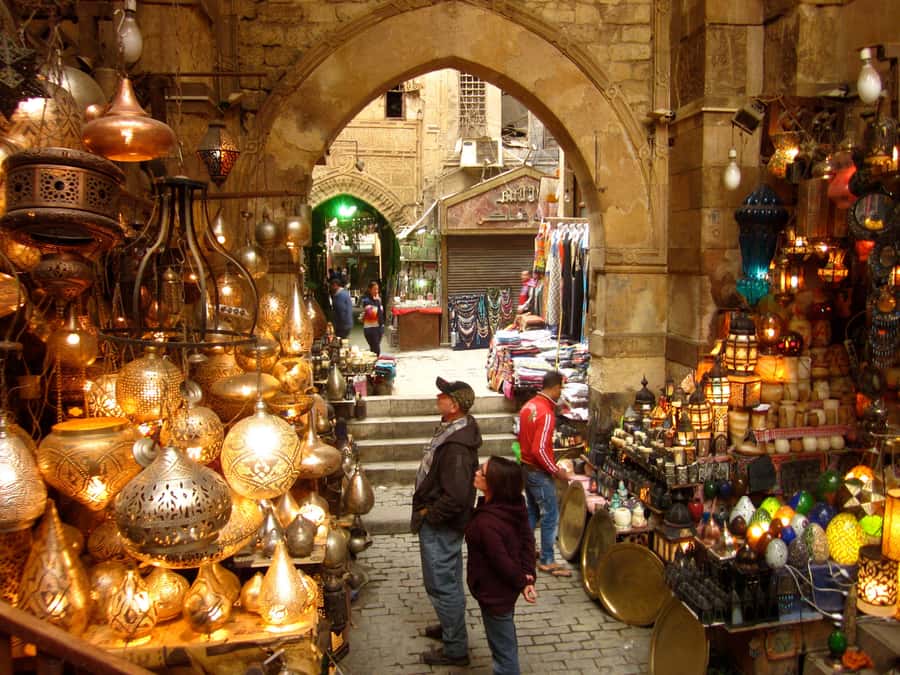
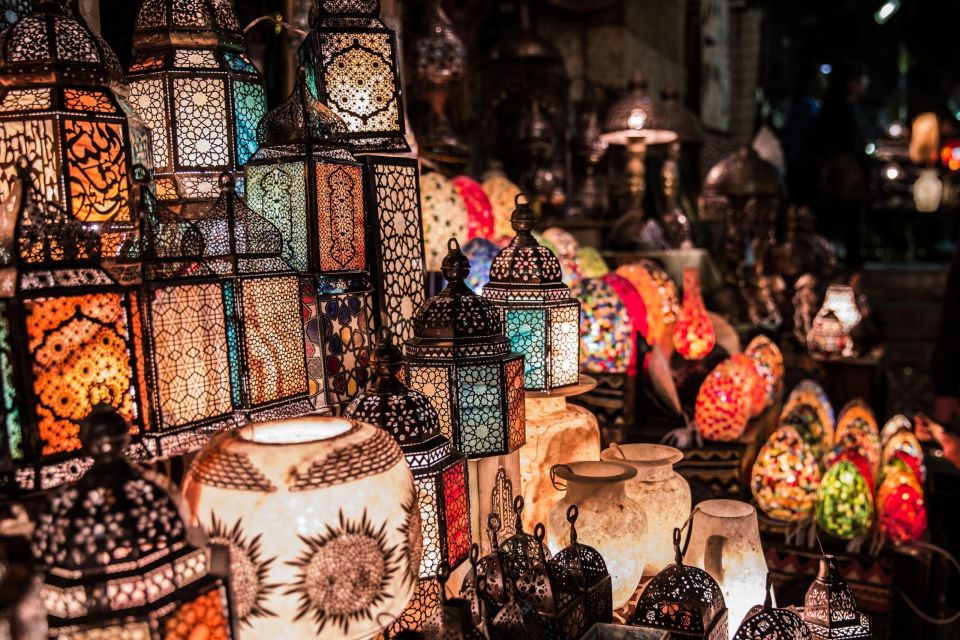
Then you reach Khan el-Khalili, the oldest and most prestigious bazaar in Cairo. This stop is scheduled for about two hours of shopping, and it’s the centerpiece if you want the iconic souq experience.
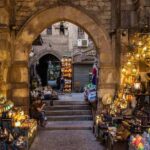
What makes it more interesting than a generic market is the built-environment detail. It was built over the tombs of the Fatimid caliphs, and the bazaar includes oriel windows overlooking the streets—so you can literally see how upper-level views connect with ground-floor trade. There are also public water fountains made from copper, which gives the area a distinctive look and feel.
This is where your shopping options likely broaden the most. You can find things like spices, perfumes, jewelry, and all kinds of souvenirs. If you’re buying gifts, this is the stop where you’ll feel the “I’ve arrived” moment.
Two practical points for your time here:
- Your guide can help you compare and bargain, so you’re not just grabbing the first good-looking item.
- Use your guide’s guidance to avoid wasting time in the wrong stalls for what you want.
Also, note the tradeoff: Khan el-Khalili is iconic, which means it can feel more tour-focused than the earlier markets. If you want that iconic vibe, great. If you want pure local routines, you might enjoy the earlier stops more.
You can also read our reviews of more shopping tours in Cairo

Kushari lunch: your break and your shortcut to tasting Cairo
Between the markets, you stop for lunch at a restaurant serving kushari, one of Egypt’s most common dishes. Kushari is built from rice, macaroni, and lentils, topped with a spiced tomato and garlic sauce, then finished with chickpeas and crispy fried onions.
That combination is why kushari works so well on a market day. It’s filling, it’s flavorful, and it’s not a fragile “one-bite” food. In the reviews, guests mentioned lunch positively, including one person who specifically enjoyed the lunch a guide recommended.
If you’re curious about Egyptian comfort food, this is a strong choice because it’s a single meal that gives you several textures—soft grains, saucy heat, crunchy onions—without requiring you to decode a menu on the spot.
Bargaining help: how to save money without turning it into a fight
The tour’s big promise is “essential bargaining skills” taught by your private guide. That’s not just about getting a better price. It’s about learning the flow of Cairo market conversations so you don’t feel pressured or confused.
In the feedback, guides like Tasnim and Aladin were praised for stopping in shops when guests wanted time to look and for explaining key streets and buildings. Other guides—like Hamad, Abdul’s mention, and Omar and Atiya—were praised for translation and for making bargaining feel manageable, especially for solo travelers.
Here’s what to do before you bargain:
- Tell your guide what you want to do: shop hard, browse lightly, or buy only a few items.
- Ask them to guide you on which stalls to approach first.
And here’s what to watch:
- Some guests reported guides stepping into conversations to counter a low offer. That can be helpful if you want a quick win, but if you prefer full independence, set that expectation early.
The best-case scenario is that your guide turns bargaining into a skill you can use on your own later, not a one-off “tour trick.”
Transport, timing, and how to fit four hours into your day
This is a 4-hour private tour with pickup and drop-off from several areas: 6th of October City, Cairo, Al Haram, and Giza District. Door-to-door private transfers keep things simple. You’re not negotiating meeting points, and you’re not stuck waiting around for a shared group to finish shopping.
The air-conditioned vehicle also matters in Cairo. Market streets can be tiring quickly, and this tour uses that comfort strategically—get you from zone to zone while you’re still fresh enough to browse.
One timing note: the tour focuses on a tight set of stops, with Khan el-Khalili getting the longest shopping window. That’s good if you want variety without losing the plot. If you want a slow, lingering, half-day photo shoot in every alley, you may want a longer format.
Who this tour suits best
This is a great match if you want:
- a private guide to help you navigate the language and pace of Cairo markets
- an actual lunch included, not just snack-time guessing
- the famous bazaar experience at Khan el-Khalili without feeling thrown in alone
- a safe-feeling structure, especially if you’re traveling solo (several reviews mention feeling safe and cared for)
It may be less perfect if you’re specifically hunting for a “pure food market” itinerary. One review flagged a lack of vegetable/fruit/meat/fish type markets and felt the stops leaned more touristy. If that’s your priority, ask your guide beforehand what kind of stalls you’ll spend time in.
Price and value: why $35 can be a smart deal here
At $35 per person for a 4-hour private tour, the value comes from what’s included: private air-conditioned transfers, hotel pickup and drop-off, a live guide, lunch, and bottled water.
If you tried to recreate this on your own—hire a guide for the right mix of markets, arrange transportation, and then add lunch—you’d likely spend more than $35 without the “market route logic” guiding you from one spot to the next. Even if you don’t plan to buy much, the guide’s help with bargaining and navigating the souq flow can be worth it.
Also, the private group angle helps. You’re not waiting your turn, and guides can tailor the pace. That’s especially useful if your goal is photos, explanations, and atmosphere, not shopping carts full of items.
Should you book this Cairo market and souq tour?
Yes—if you want a structured way to see Cairo’s market side and you like the idea of Khan el-Khalili plus local bazaars in one tight half-day. The included Kushari and the door-to-door private transfers make it feel more like a planned day out than a rushed shopping errand.
Hold off or ask extra questions if your top priority is a specific type of market shopping (like heavy produce/food stalls). And if you’re strongly independent with bargaining, tell your guide up front how you want negotiations handled so you stay in charge of the final calls.
FAQ
FAQ
How long is the Cairo private market and souq tour?
The tour lasts 4 hours.
What’s included in the price?
It includes hotel pickup and drop-off, all transfers by a private air-conditioned vehicle, a tour guide, lunch, and a bottle of water.
Where does the tour start and what are the pickup options?
Pickup is available from 6th of October City, Cairo, Al Haram, and Giza District. The tour starts at the El Ghorya market.
Which markets and souqs will we visit?
You’ll visit four different bazaars, including Khan el-Khalili and the Tent Market.
What food is included for lunch?
Lunch is Kushari, made with rice, macaroni, and lentils, topped with spiced tomato and garlic sauce and garnished with chickpeas and crispy fried onions.
What languages are the tour guides available in?
Live guides are available in English, Spanish, German, and Arabic.