REVIEW · CAIRO
Cairo: 3-Day Private Siwa, El-Alamein & Safari Adventure.
Book on GetYourGuide →Operated by Sun Pyramids Tours · Bookable on GetYourGuide
Siwa feels like another planet. This private 3-day trip from Cairo pairs Cleopatra’s Spring with a real soak at Bir Wahed, plus it layers in Siwa’s ancient temple stops and Amazigh culture. The route also builds in the kind of downtime deserts are famous for, so you get more than just sightseeing boxes.
One thing to plan for: it is a long road trip. You’ll spend significant time crossing Egypt’s Western Desert, and the schedule starts early, so pack patience along with sunscreen.
In This Review
- Key highlights at a glance
- Cairo to Siwa with WWII history in the rearview mirror
- Alamein Military Museum: a WWII stop that makes the drive feel purposeful
- Shali Old Town: Amazigh architecture you can still read
- The Siwa Museum: everyday culture in silver, weddings, and music
- Amoun (Om Obayda) and the Oracle Temple of Alexander
- Cleopatra’s Spring and lunch by the water
- Bir Wahed: hot and cold springs in the dunes, with sunset overhead
- Dead Mountain and Gara Cave: added geology and quieter time
- Desert guide and driver quality: the difference you feel day to day
- Price and value: $668 per person for a remote, private 3-day loop
- Who this Siwa, Alamein and Sahara safari fits best
- FAQ
- How long is the private trip?
- What’s included in the price?
- Do I need to pay extra for meals or drinks?
- Which pickup and drop-off areas are included from Cairo?
- What languages is the guide available in?
- Is it wheelchair accessible?
- Should you book this Siwa, Alamein & Sahara adventure?
Key highlights at a glance
- Door-to-door private transport that saves you from Cairo-to-Siwa logistics stress
- Cleopatra’s Spring swim and Cleopatra’s Pool time with a lunch stop by the water
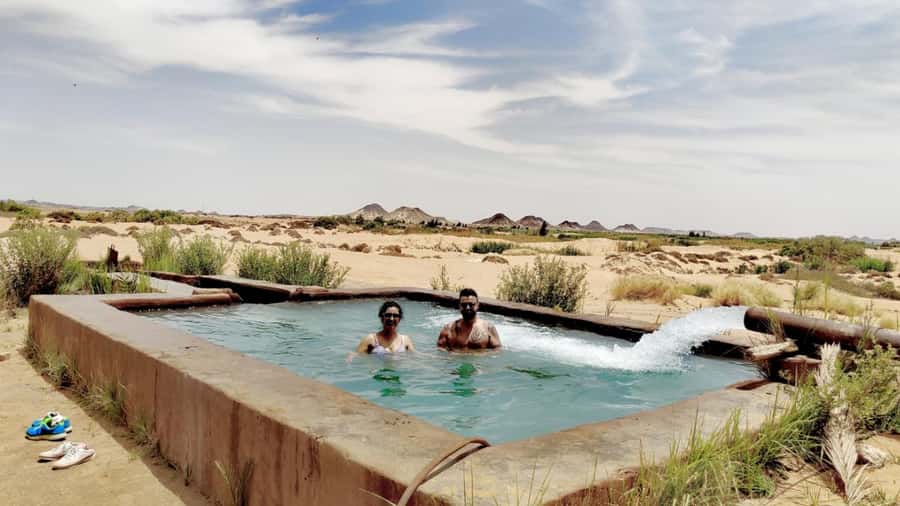
- Bir Wahed hot and cold springs set near the Great Sand Sea, plus a sand-dune sunset
- Shali Old Town and a Siwa Museum that explain Amazigh life through the stuff people actually used
- Oracle Temple of Alexander plus Amoun (Om Obayda) for the temple-and-legend combo
- Alamein Military Museum WWII relics as a strong history detour
Cairo to Siwa with WWII history in the rearview mirror
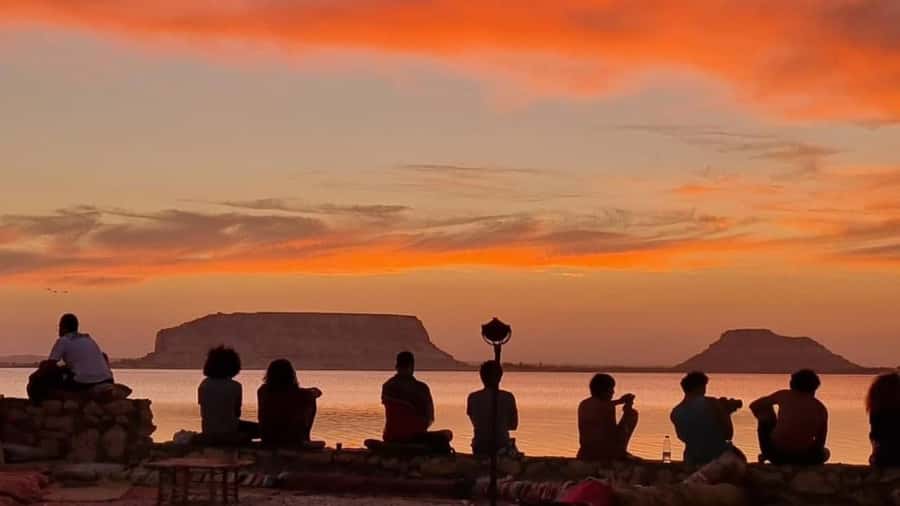
The best part of this trip is how it refuses to be just one theme. You start from Cairo early, then the drive slowly changes you from city pace to desert pace. You’re in a private, air-conditioned vehicle with bottled water, and a desert guide is in place for the on-site moments so you’re not left trying to translate ruins and place-names on your own.
About halfway through the day flow, you pause for a WWII stop at the Alamein Military Museum. It’s a good reset: you’re sitting in the middle of Egypt’s modern layers, then you roll right back into desert country. After that, you reach the Mediterranean area for lunch in Marsa Matrouh before continuing on to Siwa.
This is also why the private format matters. It’s not just comfort. It’s control over timing and transitions, which matters when your destination is remote and your day includes multiple environments: museum rooms, desert roads, and then finally Siwa’s oasis air.
You can also read our reviews of more private tours in Cairo
Alamein Military Museum: a WWII stop that makes the drive feel purposeful
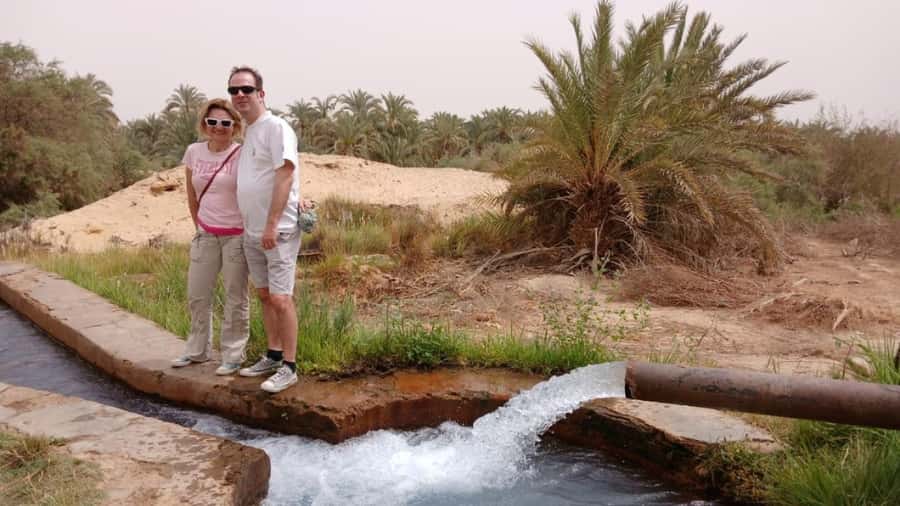
If you’re the type who likes your travel stories to have chapters, this museum break works well. Alamein Military Museum is the itinerary anchor for WWII relics, and it lands before you fully commit to Siwa’s ancient and natural world.
Why it’s worth the stop: it gives context to the wider region. You’re not only traveling through time via Roman and Egyptian sites, you’re also seeing how the 20th century left marks on this part of Egypt. It’s the kind of contrast that keeps a long day from turning into simple transportation.
Practical note: museum time is usually easier to manage in the heat than outdoor walking. That helps you conserve energy before Siwa, where you’ll likely want to be ready for temple steps and later swimming.
Shali Old Town: Amazigh architecture you can still read
Siwa’s Shali Old Town is one of the most interesting places on the route because it feels lived-in, even when it’s in decline. The buildings there use salt, mud, and plaster, and over time they weaken and fall into ruin year after year. You don’t get a “perfect” restoration story. You get a real one: how people adapted their homes to the environment, and how weather slowly reclaims them.
You also get to see why Amazigh heritage is not just something to photograph. It’s visible in the way the town is shaped, built, and maintained, even when portions are crumbling. This is the kind of stop that makes the rest of Siwa feel more personal, because you understand you’re looking at a community’s relationship with place.
If you like cultural travel that connects objects to daily life, Shali Old Town sets that tone quickly. It also pairs nicely with what comes next at the Siwa Museum.
The Siwa Museum: everyday culture in silver, weddings, and music
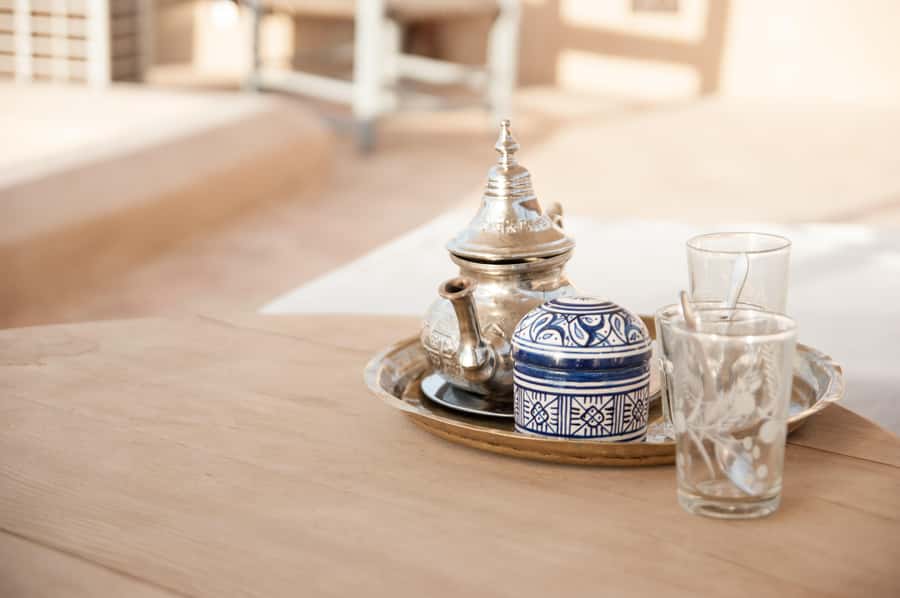
After Shali Old Town, the Siwa Museum gives you a clear bridge from ruined buildings to household life. It’s set in a traditional Siwan house, and the focus is on artifacts tied to daily routines and life events—things like silver items, jewellery, music instruments, wedding costumes, baskets, and ceramics.
This is the kind of museum that works even if you aren’t a “museum person.” It’s not trying to overwhelm you with labels. You’re looking at objects that have roles: dressing up, celebrating, making music, carrying goods. You start to understand that Amazigh heritage lives in practical, repeatable traditions, not just in legends.
I also like that this stop fits the Siwa vibe. It doesn’t fight the desert. It complements it.
Amoun (Om Obayda) and the Oracle Temple of Alexander
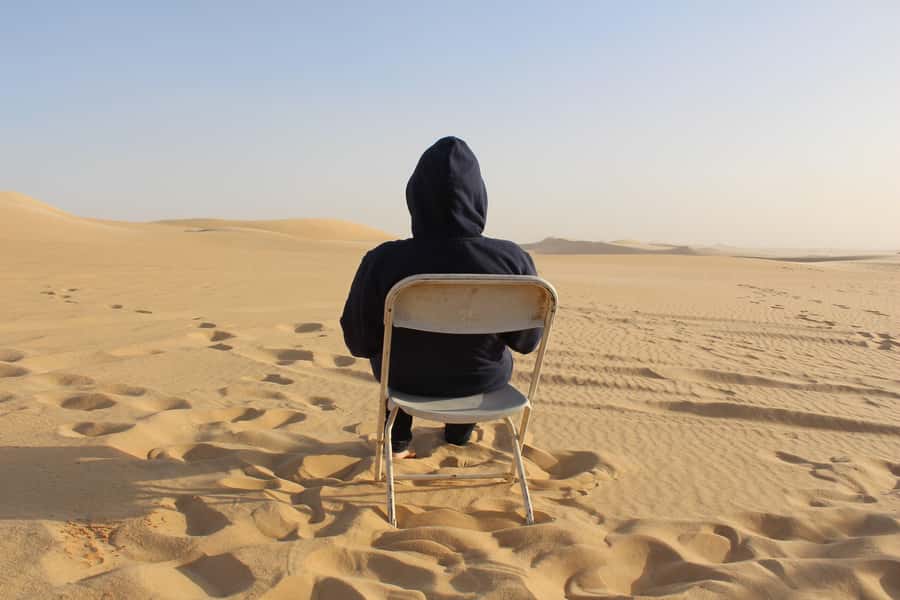
Siwa’s temple stops are where the trip turns from culture to legend in a serious way. You’ll visit Amoun (also known as Om Obayda), a site connected to the 30th Dynasty. After that, the Oracle Temple is the big story: Alexander the Great is said to have consulted the oracle there to validate his status as the son of Zeus and therefore a legitimate ruler.
Even if you know the legend already, the value here is how it’s presented in an actual desert temple environment. When the place looks like it belongs to the edge of the world, the story feels less like trivia and more like something people once believed enough to change their decisions.
One consideration: temple time can be short, and steps and uneven ground can be part of the deal. If you have mobility limits, it’s still noted as wheelchair accessible, but you’ll want to go in expecting that ancient sites are uneven by nature.
You can also read our reviews of more tours and experiences in Cairo


Cleopatra’s Spring and lunch by the water
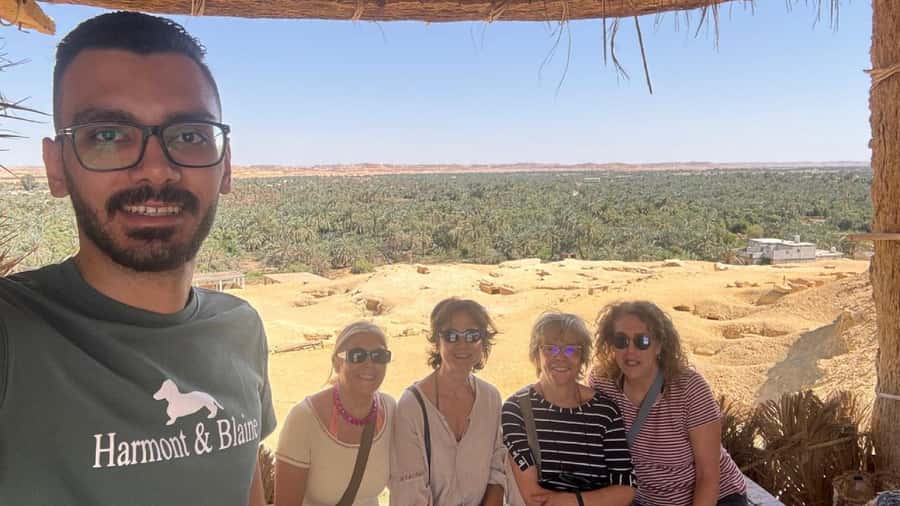
Then you hit the water stop. Cleopatra’s Spring is one of the most memorable moments on the route, and it isn’t just scenic. You get actual time to swim, which changes your whole perception of Siwa. Instead of seeing the oasis as a viewpoint, you experience it as a place that gives you something immediate: cool relief and a break from the desert heat.
Lunch is handled nearby at a local cafeteria by the spring. That’s a smart pairing, because you’re not forced to transition from swim time to a long transport block. You can rinse off, eat without rushing, and keep your energy for what’s next.
If you’re wondering how this fits with the itinerary’s Cleopatra’s Pool reference, think of it as the same “Cleopatra water” idea at Siwa: famous springs and pools that people associate with the legend and with oasis life.
Bir Wahed: hot and cold springs in the dunes, with sunset overhead
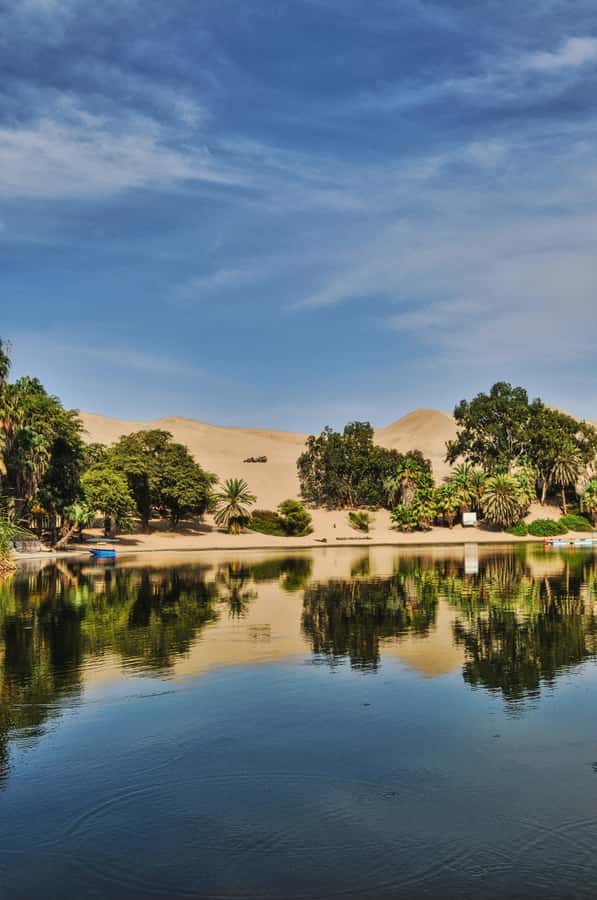
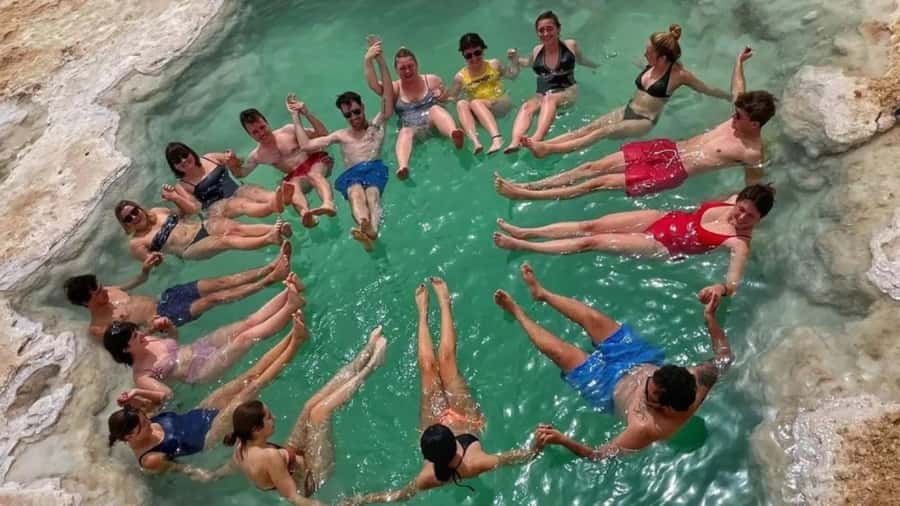
Bir Wahed is the part of the trip that feels like a reward for making the drive. You head about 12 km southwest of Siwa for the hot spring and cold spring setup at the edge of the Great Sand Sea. The standout detail is that the water sits in the sand dunes area, with water right in the middle of the dunes.
You also get a sand-dune sunset. That matters because it turns Bir Wahed from a simple bath stop into a full sensory moment. The light changes fast out there, and the view from the top of the dunes is exactly why this is the stop people talk about.
Then the evening shifts again. After the springs, you continue to a Bedouin camp for dinner. You’re not just eating; you’re also there for the nighttime atmosphere. The experience includes stargazing under the Sahara night sky, which is one of those things you can’t fully reproduce anywhere else. It’s the kind of dark-sky moment that makes the earlier drive feel worth it.
Dead Mountain and Gara Cave: added geology and quieter time
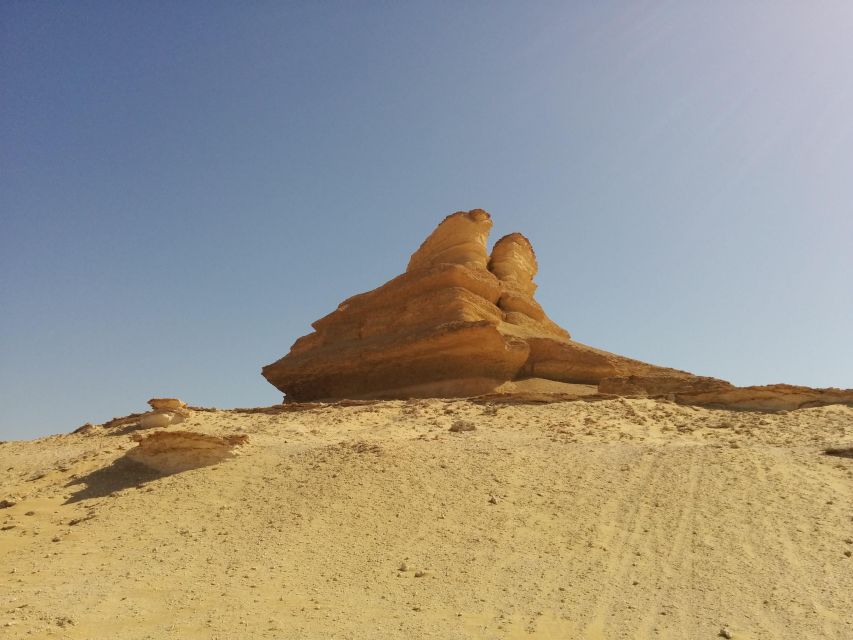
The route also includes Dead Mountain and the Gara Cave, which gives you a bit more variety than temples and water alone. I like adding geology stops because they stretch your imagination beyond “ancient site” thinking. You’re also moving through different outdoor environments, which helps keep the days from feeling repetitive.
One useful way to think about these stops: they’re your “pause and look” breaks. Even if you don’t know the geology in detail, you can still appreciate shape, distance, and the way Siwa’s surroundings feel harsher than the oasis itself.
If you’re planning your packing, remember these are outdoor segments. Wear footwear that works on uneven ground and bring layers for the evening. Desert temperatures can shift once you’re done swimming and you’re waiting for night skies.
Desert guide and driver quality: the difference you feel day to day
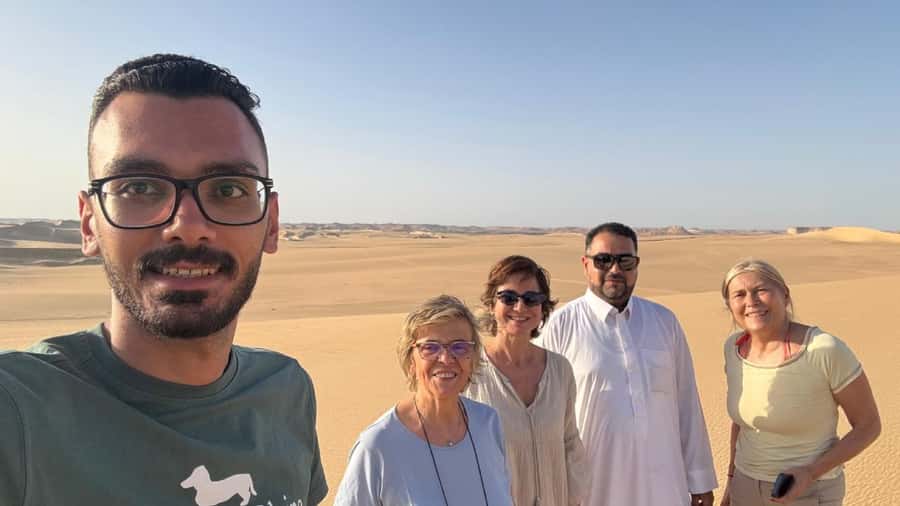
With a private tour, the people you’re with shape everything: timing, how much you understand, and whether the day feels stressful or smooth.
The experience on this route is strongly tied to guide support. In particular, guides like Abdou and Mohamed have been highlighted for being helpful and attentive, with enough flexibility to keep the day from feeling like a race. That matters most during transitions—like moving from temple time to spring time, or from sunset to dinner and stargazing—when small adjustments can improve comfort.
You also get multiple languages for the live tour guide: Arabic, English, French, German, Italian, and Spanish. That’s a practical win if you’re traveling with anyone who wants to actually understand what they’re seeing, not just follow along.
Price and value: $668 per person for a remote, private 3-day loop
At $668 per person for 3 days, the biggest question is: what are you really paying for? In this case, you’re paying for private logistics into a remote oasis circuit, plus the human support and meals that make it workable.
Here’s the value side that stands out:
- Door-to-door private transport from Cairo makes the hardest part of the trip (the drive) effortless
- Meals included (lunch and dinner on day one, breakfast/lunch/dinner on day two, breakfast on day three) removes a big planning burden
- Bottled water keeps the desert part from turning into constant spending
- Desert guide means you’re not stuck guessing what each stop is and why it matters
- Taxes and service charges included helps avoid surprise line items later
What you should budget for:
- Tipping (not included)
- Personal spending
- Any extras you choose, including pickup/drop-off from areas outside the included zones
For me, the price makes the most sense when you value comfort and guided meaning over DIY. If your idea of travel is early starts, long drives, and real cultural stops tied to specific places, this private structure is built for that.
Who this Siwa, Alamein and Sahara safari fits best
This trip fits best if you want variety without chaos. You get WWII relics in Alamein, Amazigh heritage in Shali Old Town, temple legends tied to Alexander, a genuine swim at Cleopatra’s Spring, hot-and-cold spring time at Bir Wahed, and then a Bedouin camp night with stargazing.
It’s also a good choice if you like a “mix of relaxing and active.” Swimming and hot springs are built in, but so are temple walks and outdoor cave/mountain time.
One more fit note: because this is a 3-day loop with significant driving, it’s not ideal if you’re trying to see Egypt without any time on the road. If you’re comfortable with long transitions and want one well-organized adventure, you’ll likely enjoy it more than you’d expect.
FAQ
How long is the private trip?
It runs for 3 days.
What’s included in the price?
The trip includes private door-to-door transport, private air-conditioned vehicle transfers, meals as listed in the schedule, bottled water during the trip, a desert guide, and all taxes and service charges.
Do I need to pay extra for meals or drinks?
Meals are included according to the schedule (lunch and dinner on day one, breakfast/lunch/dinner on day two, breakfast on day three). Bottled water is also included.
Which pickup and drop-off areas are included from Cairo?
Pickup and drop-off are included for Cairo areas listed in the details. If your location is outside those areas (or if you’re coming from Cairo airport or similar points), it may require an additional-cost pickup add-on.
What languages is the guide available in?
The live tour guide is available in Arabic, English, French, German, Italian, and Spanish.
Is it wheelchair accessible?
Yes, the tour is marked as wheelchair accessible.
Should you book this Siwa, Alamein & Sahara adventure?
If you want one focused private trip that connects WWII history, Amazigh Siwa culture, temple legends, and real desert “water and night sky” moments, this is an easy yes. You’re trading some drive time for a route that feels thoughtfully put together, and the included meals and guide support help it run smoothly.
If you hate early starts or long stretches in a vehicle, consider that the Western Desert crossing is the trade-off here. Otherwise, for a memorable 3-day circuit that’s equal parts culture, sites, and relaxing swims, it’s a strong booking.