REVIEW · PYRAMIDS OF GIZA
Half-Day Cairo Sightseeing Tour to Pyramids of Giza & Sphinx
Book on GetYourGuide →Operated by Egypt Excursions Online · Bookable on GetYourGuide
Giza can feel like science class meets a movie set. This half-day plan hits the Great Pyramids of Giza and the Sphinx with a dedicated Egyptology guide, plus hotel pickup in an air-conditioned vehicle.
What I like most is the structure: you see the big icons in a tight window, and the guide helps you connect what you’re looking at to who built it and why. A second win is convenience—bottled water and straightforward transportation take chores off your plate. One thing to factor in: the price does not include entrance fees, so your final tab will be higher once you reach the site.
In This Review
- Quick Take: Pyramids + Sphinx in a Tight, Guided Window
- Key Points Before You Go
- A 3-Hour Giza Primer With Real Egyptology
- Door-to-Door Convenience: Pickup, Air Conditioning, and Bottled Water
- Khufu’s Great Pyramid: Why the Guide’s Framing Makes It Click
- Chephren and the Valley Temple: The Pyramids You Might Miss Without Guidance
- The Great Sphinx: Guardian of Chephren’s Royal Complex
- Entrance Fees and Parking: The One Cost Most People Underestimate
- What You’ll Actually See, Stop by Stop
- Great Pyramid of Giza (Khufu)
- Pyramid of Chephren and Valley Temple
- Great Sphinx
- Guide Quality Matters More Than You Think
- How to Prepare: Heat, Footwear, and the Paper You Need
- Timing and Pace: When This Feels Perfect (and When It Doesn’t)
- Value Check: Is $47 a Good Deal?
- Who Should Book This Pyramids and Sphinx Tour
- Should You Book?
- FAQ
- How long is the tour?
- What time is pickup and what time do you return to Cairo?
- Is the tour available every day?
- What’s included in the price?
- Are entrance fees included?
- Do I need to pay for tickets when I arrive?
- What languages are available for the guide?
- What should I bring?
- Is pickup from my hotel included?
- Are pets allowed?
Quick Take: Pyramids + Sphinx in a Tight, Guided Window
In about 3 hours of guided time, you’ll cover the Pyramid of Khufu (often called the Great Pyramid of Giza), visit the Pyramid of Chephren’s complex, and stand before the Sphinx—lion body and pharaoh’s head. The official story you’ll hear is specific: Egyptologists believe Khufu’s pyramid (Khofo in some spellings) took roughly 14 to 20 years, built around 2560 BC as a tomb.
Still, your day runs on the real-world rhythm of Egypt’s sun and queues. If you’re hoping to wander slowly or go inside multiple pyramids, this format is fast; it’s built for seeing the essentials with a smart guide, not for a deep, pick-your-own-adventure day.
Key Points Before You Go
- Hotel pickup included, so you avoid the morning scramble to get to Giza
- Dedicated Egyptologist guide helps you make sense of Khufu, Chephren, and what the Valley Temple was for
- Sphinx visit connects the lion-bodied guardian to the reign of Chephren
- Entrance fees are not included, and that changes the real cost at the gate
- Pack for heat: comfortable shoes, sunscreen, and sunglasses matter a lot here
You can also read our reviews of more tours and experiences in Pyramids Of Giza

A 3-Hour Giza Primer With Real Egyptology
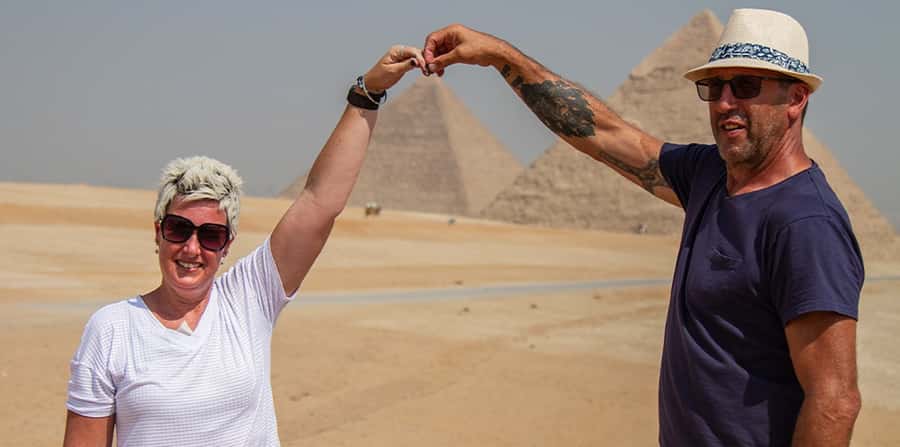
This tour is designed for one simple goal: give you a clear, guided path through Giza’s main monuments without turning your day into logistics. You’ll be picked up from your Cairo hotel lobby and transported to the Giza Plateau, where your guide frames what you’re seeing as an ancient royal landscape—not just three giant rocks in the desert.
The time on-site is listed at 3 hours, which is perfect if you want the highlights and you still have energy for later in the day. It’s not ideal if your ideal vacation is hours of wandering, climbing, and doing everything at your own pace.
Door-to-Door Convenience: Pickup, Air Conditioning, and Bottled Water
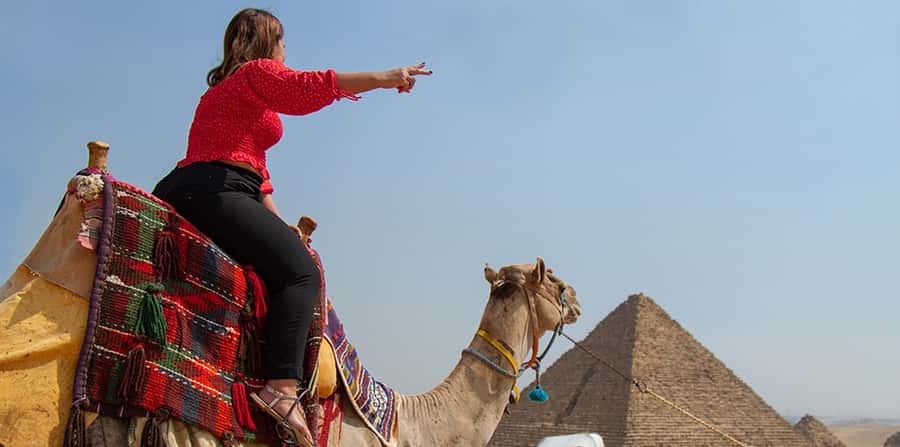
The practical win is the modern, air-conditioned vehicle and hotel pickup included in the price. Morning traffic and Cairo-to-Giza timing can be unpredictable, but at least you’re not solving transport while also baking in the street heat.
You also get bottled mineral water, which sounds basic, but it matters in Giza. A guided visit can turn into a dehydration contest if you don’t plan ahead, and this removes one common hassle.
One small planning note: your tour schedule lists pickup at 8:30 AM and drop-off at 2:00 PM. Even though the guided portion is 3 hours, you’re likely out longer than that for travel and transitions. Build in a calm buffer after you return.
Khufu’s Great Pyramid: Why the Guide’s Framing Makes It Click
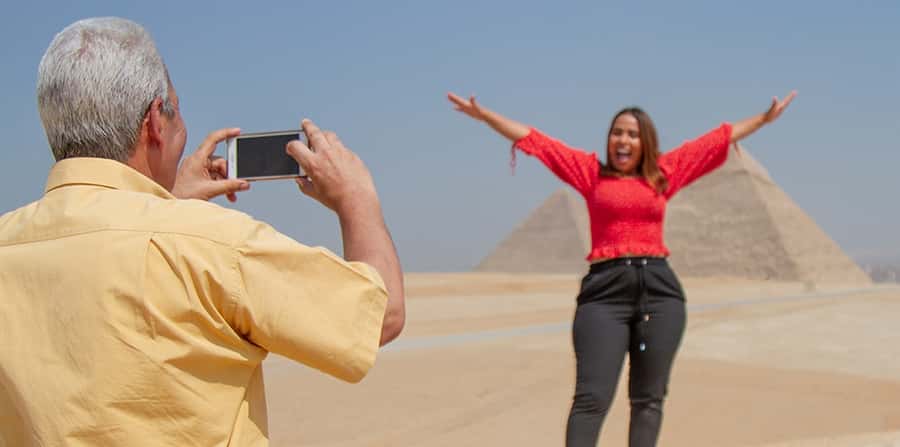
You’ll start at the heart of the site: the Great Pyramid of Giza, tied to Pharaoh Khufu (sometimes written as Khofo). The guide’s version of the story is specific and memorable: built around 2560 BC, and Egyptologists believe the construction took roughly 14 to 20 years.
Here’s why that framing helps you as a visitor. When you simply look at the pyramid, it’s impressive. When someone explains its function as a royal tomb—plus the scale of time and labor implied by the build—you start seeing it differently. It stops being a photo-op and becomes an engineered statement of power and afterlife beliefs.
You’ll also hear about how it fits into the Seven Wonders story. This is the oldest of the Ancient World Wonders and the only one that remains largely intact. The guide doesn’t treat that as trivia; it becomes part of why you’re seeing it today at all.
Chephren and the Valley Temple: The Pyramids You Might Miss Without Guidance
From Khufu’s pyramid, you’ll continue toward the Pyramid of Chephren and the associated Valley Temple. This is the stop that can surprise people—in a good way—because the Valley Temple is less iconic at first glance than the pyramid shapes, but it’s central to understanding the ritual side of the site.
The Valley Temple is described as belonging to Chephren’s pyramid complex and functioning as a place of purification and mummification before burial. That detail matters. You’re not just looking at monuments built to impress; you’re looking at a stage set for a process—where bodies were prepared and the king’s journey to burial was organized.
This is also a useful moment for your photos. The Valley Temple area gives you different angles than the classic pyramid skyline shots, so your camera won’t feel like it’s trapped in one framing option.


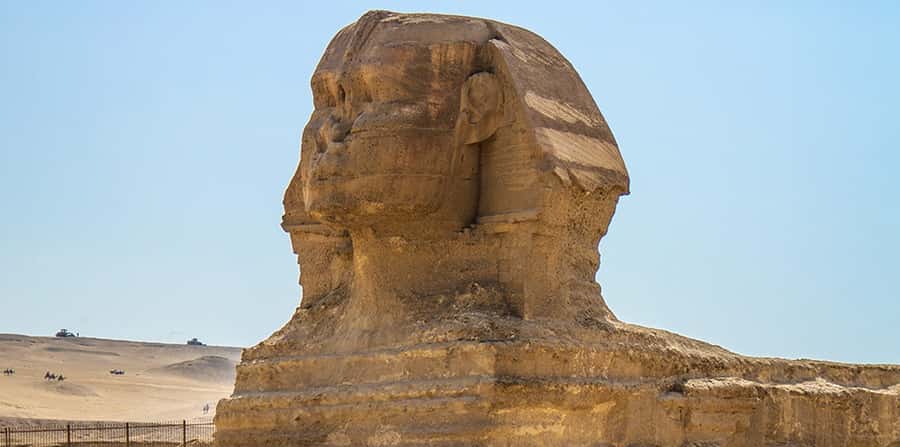
The Great Sphinx: Guardian of Chephren’s Royal Complex
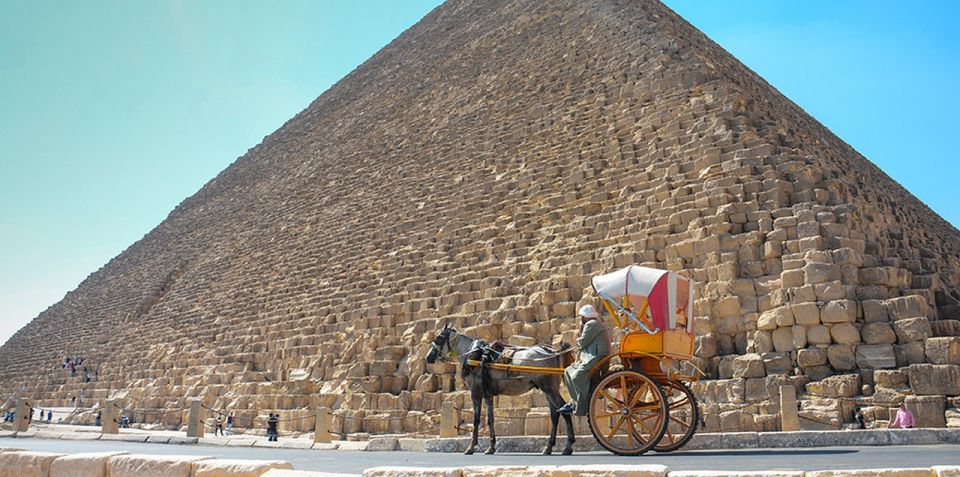
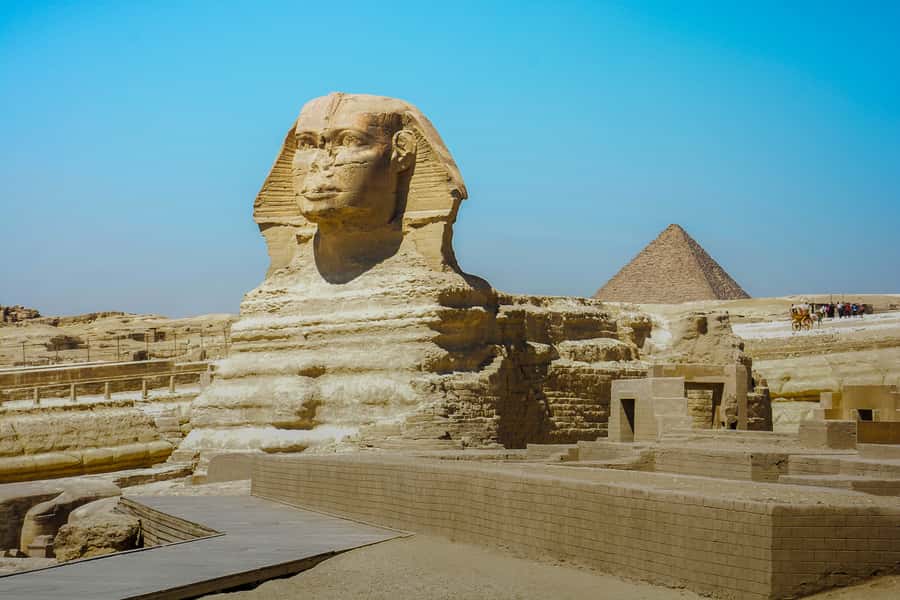
Then comes the Sphinx—half lion, half pharaoh’s portrait, guarding the Giza plateau. The description you’ll get places it in the time of Chephren, and connects it directly to the role of guarding the pyramids of the king.
What I like about including the Sphinx in this itinerary is that it helps you connect separate parts of the complex. When the pyramid story and Sphinx story are told together, it feels like one unified design idea rather than three separate attractions.
Also, be realistic about timing. The Sphinx area can be busy and the ground is uneven. Bring comfortable shoes and expect some walking on stone and paths that aren’t “tourist-smooth.”
Entrance Fees and Parking: The One Cost Most People Underestimate

Here’s the part you should double-check before you go: All entrance fees are not included in the $47 price. That sounds straightforward—until you translate it into what you actually pay on arrival.
One key consideration: people often assume entrance fees means only inside each pyramid. But the site entry itself (the pyramid area) and things like parking can be separate. So even though the tour price covers guide and transport, your total day cost will increase at the gate.
My advice: once you book, confirm exactly what the entrance fee covers for this specific tour. If you can pre-arrange tickets online (some guides mention this possibility), it can help you reduce time spent standing in line.
What You’ll Actually See, Stop by Stop
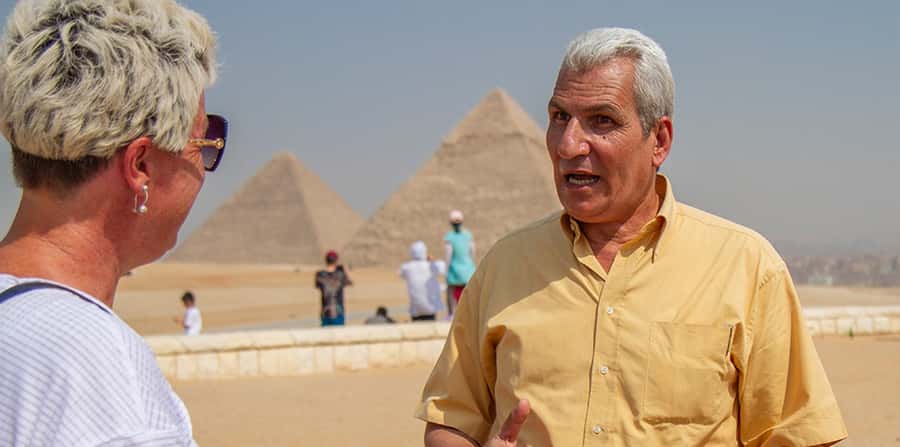
This isn’t a long walking tour with lots of detours. It’s a guided circuit of the big three: pyramids, Sphinx, and the Valley Temple.
Great Pyramid of Giza (Khufu)
You’ll focus on the main Great Pyramid and get the core context: its age, its purpose, and why Egyptologists treat it as the signature wonder of the ancient world.
Pyramid of Chephren and Valley Temple
This adds the “royal workflow” side of the story—especially through the Valley Temple’s role in purification and preparation.
Great Sphinx
You’ll get the guardian connection and the time frame linked to Chephren, which turns the Sphinx from a spooky landmark into part of a planned royal complex.
Even if you’re not an Egypt-history superfan, this order makes sense. You start with the biggest tomb statement (Khufu), move to the Chephren complex and its process spaces (Valley Temple), then finish with the guardian figure (Sphinx) that makes it feel all connected.
Guide Quality Matters More Than You Think
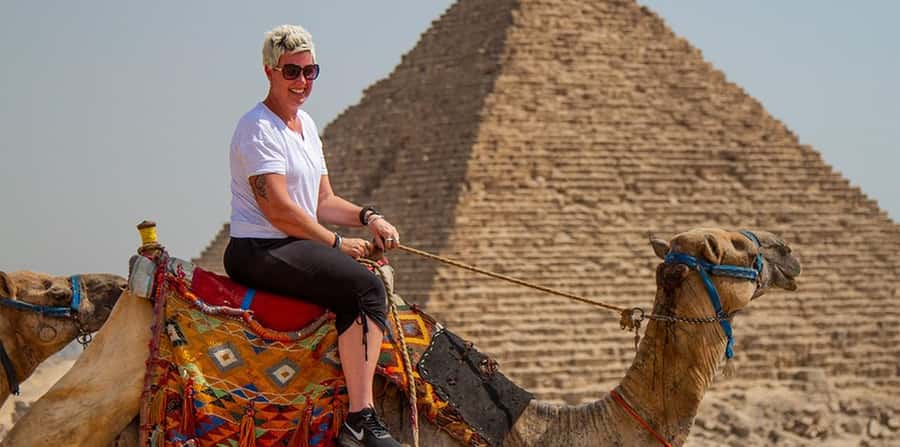
This tour lives or dies on interpretation. When the guide is strong, you stop seeing monuments as shapes and start reading them as messages.
The feedback you can use to guide your expectations is consistent: guides like Nader are praised for bringing the pyramids to life with real depth, and Dina gets credit for being kind, very knowledgeable, and for showing good spots for viewing and photos. Others named include Raouf, Ahmed Ali, and Abdul Salaam, often praised for being patient and answering questions well.
You might also benefit from the way some guides handle photos. A few experiences mention a photographer who helps take pictures and shares them by email for free. That’s not something I’d count on as guaranteed, but if it happens, it can save you from constant posing and re-posing.
How to Prepare: Heat, Footwear, and the Paper You Need
Giza is outside. The sun doesn’t care about your timeline.
Bring:
- Passport or ID card (and note passport validity should be at least 6 months)
- Comfortable shoes (you’ll walk on uneven surfaces)
- Sunglasses and sunscreen
- Comfortable clothes suited to hot weather
Also: pets are not allowed.
If you’re the type who likes a plan, I’d pack a small day kit: water (you get some), sunscreen, and a hat. Even with bottled water, the heat can make you feel slower than you expect.
Timing and Pace: When This Feels Perfect (and When It Doesn’t)
This is a half-day tour built for the right kind of visitor. If you want a guided overview, you’ll likely love it. You’ll see the core monuments in a short time, and your guide’s job is to connect them into one story.
It may feel tight if:
- You want to go inside multiple pyramids (entrance options and fees are separate)
- You want long, unscripted photo breaks
- You hate crowds and queue situations (site logistics can create waiting)
But if your travel style is: “See the main things, understand them, then move on,” this is a solid fit.
Value Check: Is $47 a Good Deal?
At $47 per person with hotel pickup, air-conditioned transport, an Egyptologist guide, bottled water, and taxes/service charges included, the base cost is often reasonable for Cairo-to-Giza coverage.
The catch is the one item not included: entrance fees. Once you add those, your final cost rises. Still, even with that adjustment, you’re buying more than sightseeing. You’re buying a guide who helps you interpret Khufu’s pyramid, Chephren’s complex, and the Sphinx in context.
If you were to arrange transport and a guide separately, you’d likely spend more time coordinating and potentially more money overall. For a first-time Giza stop, that convenience can be worth it.
Who Should Book This Pyramids and Sphinx Tour
I’d point you toward this tour if you:
- Want a short visit that hits the core monuments
- Prefer a guide to explain what you’re seeing
- Like structured sightseeing more than roaming for hours
I wouldn’t steer you here if you:
- Want a slow, self-guided day with lots of time inside sites
- Have flexibility issues with entrance fees and potential on-site lines
- Are hoping the listed price covers everything at the gate (it doesn’t)
Should You Book?
Yes—if you’re aiming for a strong first visit. The combination of hotel pickup, air-conditioned transport, an Egyptology guide, and a focused circuit of Great Pyramid + Chephren complex + Valley Temple + Sphinx is a practical way to get the essentials in one morning.
Before you confirm, do one smart thing: budget for entrance fees and possible parking on arrival, and consider confirming whether there’s an option to reduce waiting by purchasing tickets online. Do that, and this half-day tour becomes a smooth, high-impact way to experience one of the world’s most famous archaeological sites without drowning in logistics.
FAQ
How long is the tour?
The tour duration is listed as 3 hours.
What time is pickup and what time do you return to Cairo?
Pickup is at 8:30 AM and drop-off is at 2:00 PM.
Is the tour available every day?
Yes, it is available daily.
What’s included in the price?
Included items are all transportation by modern air-conditioned vehicle, an English-speaking Egyptologist, bottled mineral water, and all service charges and taxes.
Are entrance fees included?
No. All entrance fees are not included.
Do I need to pay for tickets when I arrive?
Yes. Since entrance fees are not included, you should expect to purchase tickets for the site access separately.
What languages are available for the guide?
The live tour guide is available in English, German, Spanish, French, and Russian.
What should I bring?
Bring a passport or ID card, comfortable shoes, sunglasses, sunscreen, and comfortable clothes.
Is pickup from my hotel included?
Yes, pickup from your hotel lobby is included.
Are pets allowed?
No, pets are not allowed.