REVIEW · PYRAMIDS OF GIZA
Giza Pyramids and Sphinx: Half-Day Private or Group Tour
Book on GetYourGuide →Operated by Emo Tours Egypt · Bookable on GetYourGuide
Four hours with ancient giants feels unreal.
This Giza Pyramids and Sphinx half-day tour turns one of the Seven Wonders into an easy, organized plan—air-conditioned transport plus skip-the-ticket-line entry—so you spend your energy on the monuments, not logistics.
I especially love how much photo help you get for the Sphinx and key pyramid angles, from guides who clearly enjoy working the camera.
And I like that you get more than the headlines: you’re guided through the Great Pyramids of Giza (Cheops, Chephren, Mykerinos) and end at the Valley Temple and Sphinx, with practical storytelling that keeps the sites from feeling like just big rocks.
One drawback to plan around: if you book the group tour, you’ll have a waiting window of about 15 to 30 minutes at the start, and timing can stretch on some days because Cairo-to-Giza traffic can happen.
In This Review
- Key things I’d bet on before you book
- Getting From Cairo or Giza to the Pyramids in AC Comfort
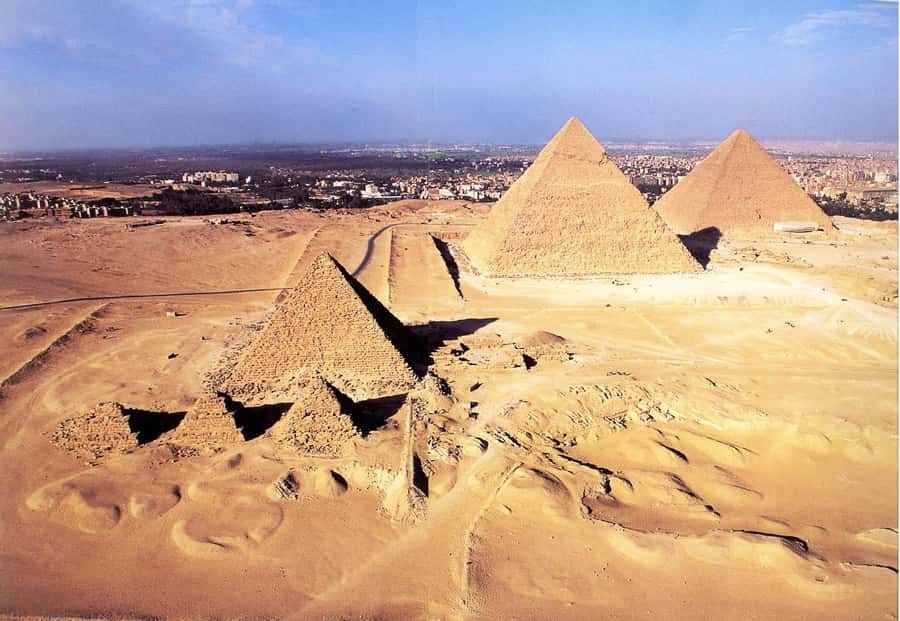
- Pyramids of Giza: Cheops, Chephren, Mykerinos With a Real Guide
- Valley Temple and the Chephren Mummification Story
- The Sphinx Up Close and the Best Photo Angles
- 4 Hours and $30: Is This Tour Good Value?
- Private vs Group: Meeting Points, Timing, and Flexibility
- Group tour reality check
- Private tour upside
- What to Expect on the Ground: Photos, Heat, and a Smooth Route
- Should You Book This Giza Pyramids and Sphinx Tour?
- FAQ
- How long is the Giza Pyramids and Sphinx half-day tour?
- Where do group tours meet?
- Are entry fees included?
- Is lunch included?
- What languages are available for the tour guide?
- Is pickup included from hotels?
Key things I’d bet on before you book
- Skip-the-ticket-line entry means less standing around before the best views
- Photo-focused guiding is a recurring highlight, with guides like Aladdin, Hazem, Osama, and Ahmed Hamdi repeatedly praised for pictures
- AC pickup and transfers help a lot in Egypt’s heat, especially for an early start
- Smart pacing on-site can reduce time stuck in crowds, with multiple guides noted for shortcuts
- Group meeting points are fixed (Ramses Hilton in downtown Cairo and Giza Pyramids View Inn in Giza), so you’ll want to arrive on time
Getting From Cairo or Giza to the Pyramids in AC Comfort
The day starts with pickup from your hotel, either in Cairo or Giza, with a guide meeting you and arranging the transfer to the Giza plateau. The tour runs about 4 hours, which is tight by design, so the transport part matters. You’re promised air-conditioned vehicle transfers, and that’s a real quality-of-life upgrade when you’re dealing with sun and waiting time.
If you’re booking the group option, you should know the tour uses two meeting points: one in downtown at Ramses Hilton, and one in Giza at Giza Pyramids View Inn. That can be great if it matches your location, but it also means you’re not always starting directly from your door. If you’re aiming for maximum ease, you’ll likely be happier aligning with pickup from your hotel (if offered at booking) or selecting the private option.
A big theme in the experience is not just comfort, but organization. In multiple real examples, guides showed up punctually, handled the group smoothly, and helped people settle in fast. One guide—Aladdin—was specifically noted for punctual pickup and even providing coffee and water on the way. Another praised example: guides like Osama and drivers like Mohammed or Said were described as professional and safe, which matters when you’re trying to enjoy the ride instead of worrying about it.
Timing isn’t always perfect. One account described longer-than-expected time traveling and a delayed transfer back due to traffic, including a wait for another car. That’s not unique to this tour—Giza traffic can be unpredictable—but it’s a reminder to keep your day flexible and avoid hard plans right after the tour.
You can also read our reviews of more private tours in Pyramids Of Giza

Pyramids of Giza: Cheops, Chephren, Mykerinos With a Real Guide
At the heart of this half-day tour is a guided walk through the Pyramids of Giza, including Cheops, Chephren, and Mykerinos. This is where you’ll see the classic shapes that define Egypt in every photo—and where a guide changes the experience from sightseeing to understanding.
Here’s what you’re getting beyond the obvious: your guide connects each pyramid to the bigger story of the Giza plateau and the rulers associated with it. That kind of context is especially useful because you only have a few hours total. Instead of wandering, you get a route that keeps you moving between the most meaningful viewpoints.
One standout pattern from guide performance: many guides are praised for finding shortcuts and avoiding crowds. That can make a noticeable difference for how exhausting the visit feels. In the accounts, some guides were explicitly credited with knowing efficient routes, and others were praised for making the experience feel relaxed rather than rushed.
You should also expect a photo-forward approach. Several guide names show up again and again in positive comments for photography help:
- Hazem was noted for taking endless high-quality photos and patience during picture time
- Osama was praised for energy and for steering you to great shot locations
- Islam and Mahmoud were mentioned for clear communication and helping on hot days by managing time efficiently
- Ahmed Hamdi got credit for both knowledge and humor, plus excellent overall pacing
You don’t need to be a photography expert. The point is that the guide knows where people tend to get the best results and how to position you—so you don’t waste your best moments trying to figure it out yourself.
Valley Temple and the Chephren Mummification Story
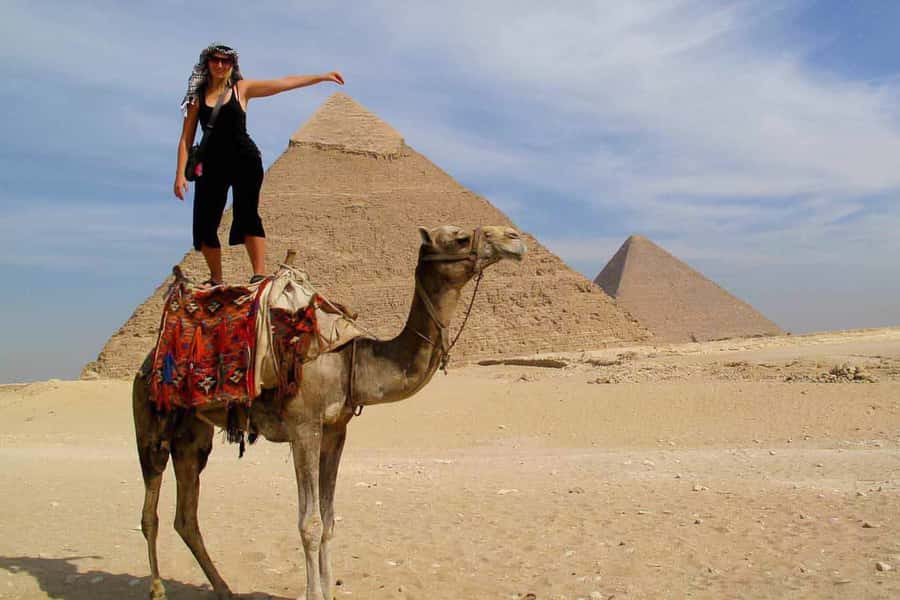
After the pyramids, the tour heads to the Valley Temple, described as the place where priests mummified the dead body of King Chephren. Even if you’ve seen photos of Giza a hundred times, this stop adds a different angle: it shifts from monuments-as-icons to monuments-as-culture.
Why this stop is worth your time: the Valley Temple helps you connect the pyramids to the rituals and preparation happening around the royal burial complex. It’s the kind of detail that makes the plateau feel like a system, not a scattered set of structures.
A half-day schedule always means trade-offs, though. You won’t get unlimited time to wander at your own pace at each site, and you may not see everything available on the plateau. Still, the guided structure is a benefit when you only have a short window—especially if you’re visiting from Cairo and don’t want to spend half your day just getting in and out.
The other practical benefit: this is a natural transition toward the final highlight, the Sphinx. Once you’ve visited the temple area and learned the context, the Sphinx doesn’t feel like a separate attraction. It feels like part of the same grand funerary landscape.
The Sphinx Up Close and the Best Photo Angles
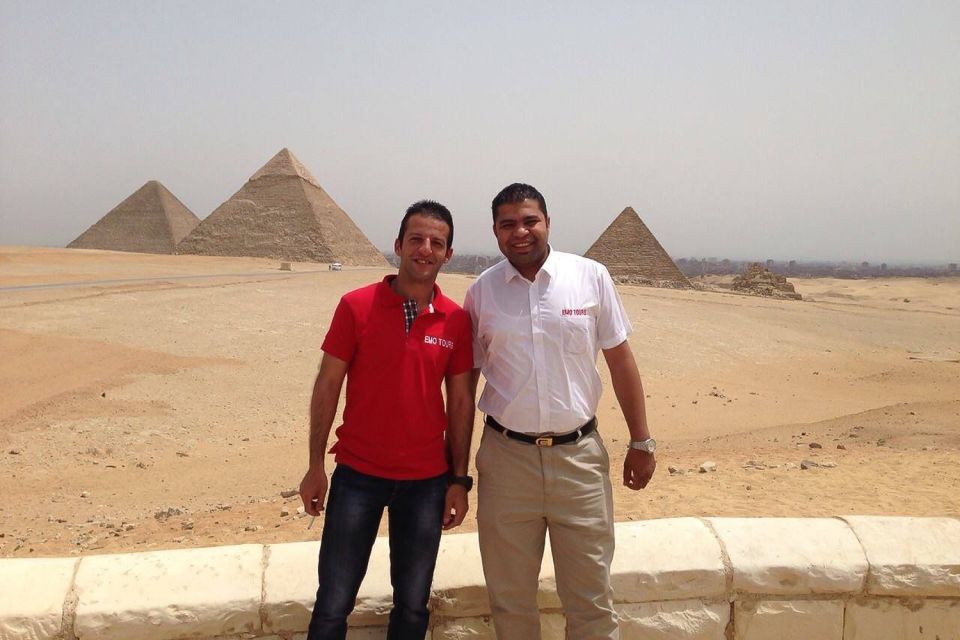
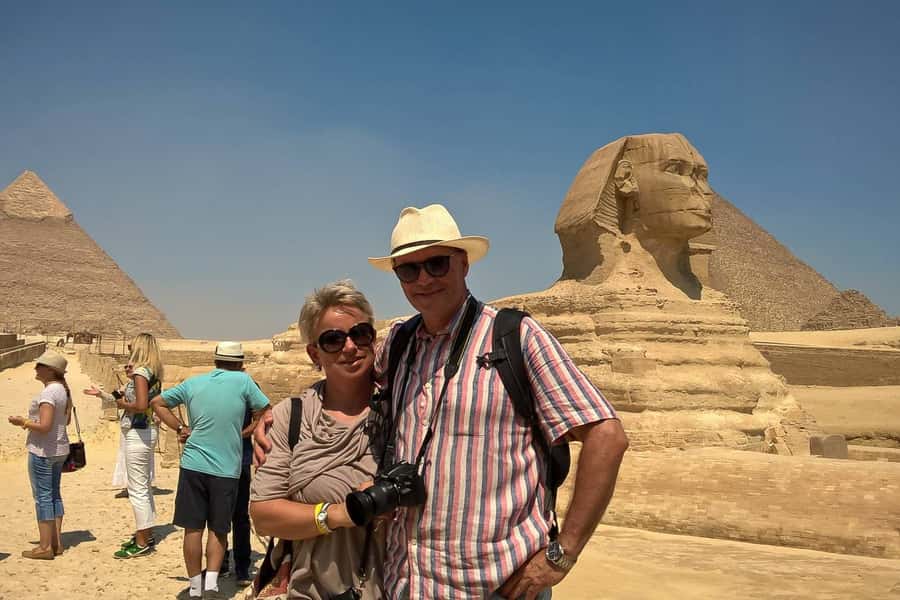
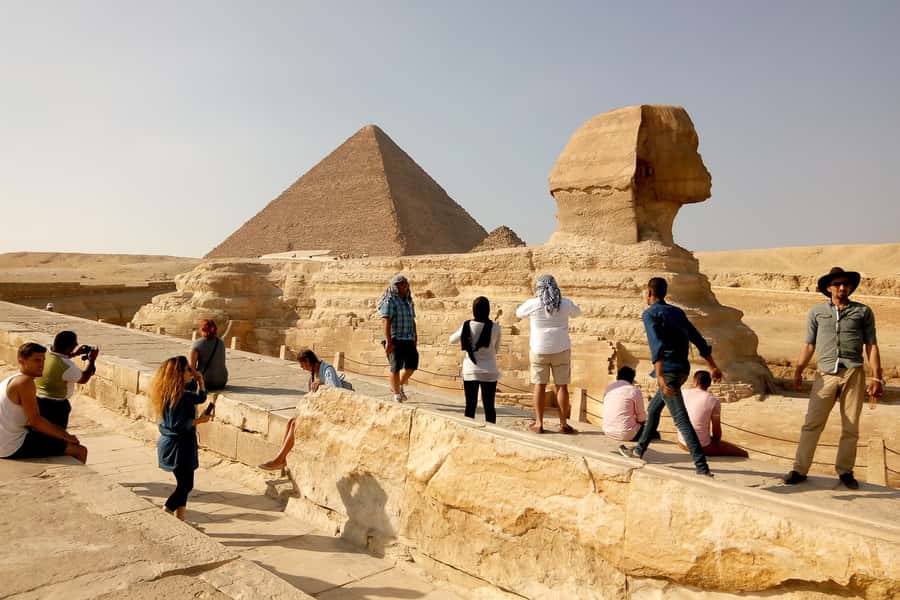
The final big moment is the Sphinx, described as the legendary guardian with a lion body and the head of King Chephren. The tour emphasizes getting you close for pictures and making it fun, including photo poses where your guide helps you find angles that work.
This is where you’ll feel whether your guide is the type who actively manages the experience. Many of the strongest notes in the accounts are about photography support: guides were praised for being patient, taking professional-quality photos, and helping people relax enough to actually enjoy the shoot.
You’ll likely spend time for both viewing and photos, and the guide will typically assist with positioning. In the descriptions, you’ll even see mention of taking pictures in funny positions—so this isn’t just a stiff “stand here” moment. Multiple guides were specifically called out for being “great photographers,” including Hazem, Osama, and Ahmed-type guides noted for keeping the group moving while still getting strong shots.
If you care about photos, this is one of those tours where it can be worth paying for a guide instead of trying to DIY everything. With a Sphinx visit, the best photos come from timing, location, and knowing how to work around crowds. A good guide makes those things much easier.
4 Hours and $30: Is This Tour Good Value?
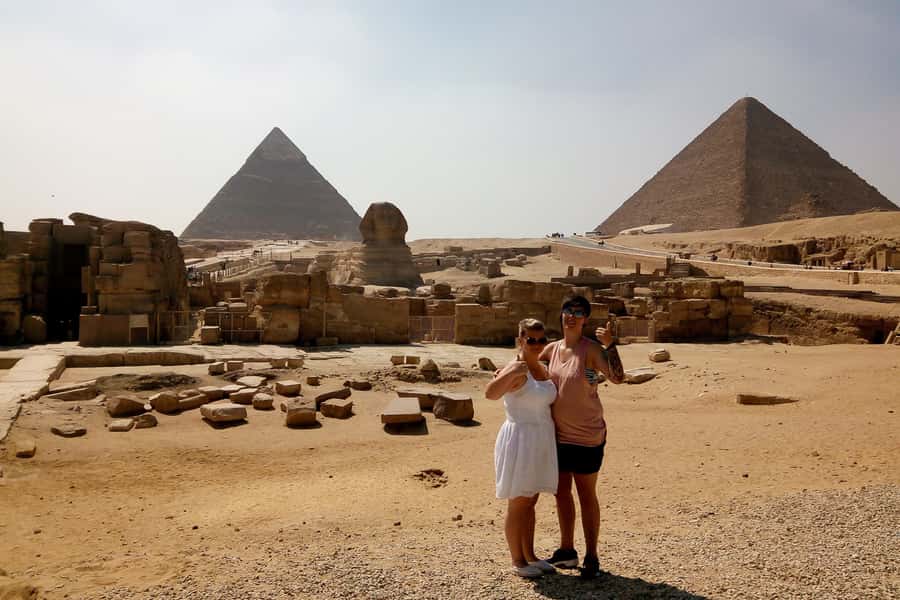
Let’s talk value in plain terms. The listed price is $30 per person and the tour includes:
- Entry fees
- A tour guide
- All transfers in an air-conditioned vehicle
- Transportation
- A bottle of water
What’s not included is lunch.
So when is it good value? If you want the essentials done well—pyramids, Valley Temple, Sphinx—plus transport, guide help, and entry fees, all inside a 4-hour window, this is the kind of package that can save money versus piecing it together. You’re also paying for time saved: skip-the-ticket-line entry and guided pacing helps you avoid wasting your only good daylight hours.
Where the trade-off shows up: because it’s half-day, you don’t linger. If you’re the type who wants long independent exploration at each monument, or wants time for extra add-ons, you might prefer a longer tour. You also need to manage meals yourself since lunch isn’t included—this matters because several comments mention early pickup and the heat. One tip repeated in the experience: handle breakfast before you go, since the tour starts early.
Also worth noting: the overall rating shown with 4.4 and 1,424 reviews suggests the tour is landing well for most people. The consistency of guide praise—especially for photo help and smooth pacing—is what pushes it from “generic pyramid tour” into something more dependable.
You can also read our reviews of more tours and experiences in Pyramids Of Giza

Private vs Group: Meeting Points, Timing, and Flexibility
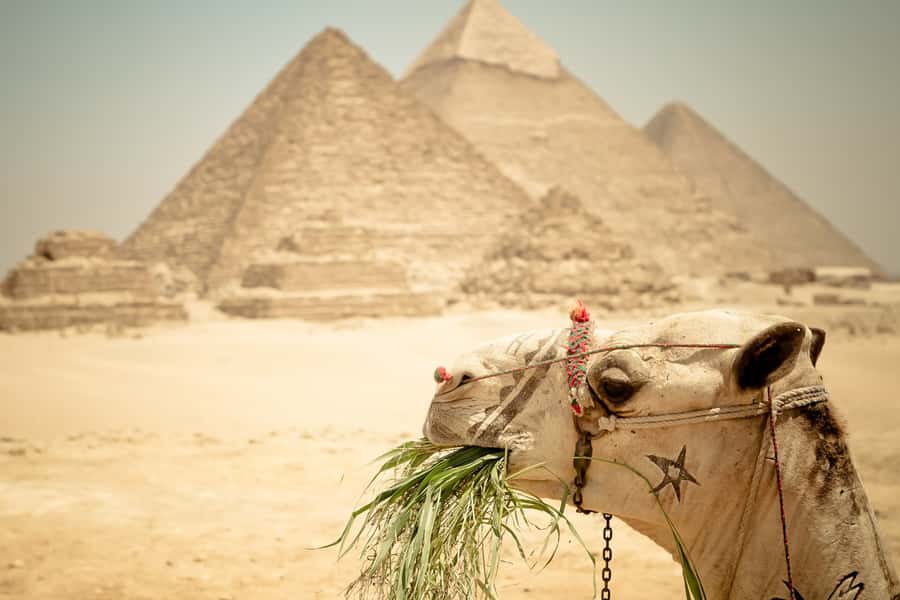
The tour offers both private and group options, and that choice affects your day more than you might expect.
Group tour reality check
For the group version, be ready for a start that’s shared with others. The tour notes a waiting period of about 15 to 30 minutes at the hotel when your booking is confirmed, and the bus will wait for a maximum of 15 minutes after the scheduled meeting time. If you’re even a little late, you might miss the departure window.
Group tours also use fixed meeting points: Ramses Hilton in downtown Cairo and Giza Pyramids View Inn in Giza. That can be fine if you’re already near one of those spots, but if you’re staying far away, it may add transfer time.
Private tour upside
The private option is usually the better fit if you want to slow down, focus on specific photography, or ask more questions without watching the group schedule. In one example, a solo traveler was surprised to get effectively a private experience due to low numbers, and the guide still delivered strong photo help and pacing.
If you hate waiting, private can reduce stress. If you’re traveling with friends and want shared control of pace, private makes it easier to keep everyone on the same plan.
What to Expect on the Ground: Photos, Heat, and a Smooth Route
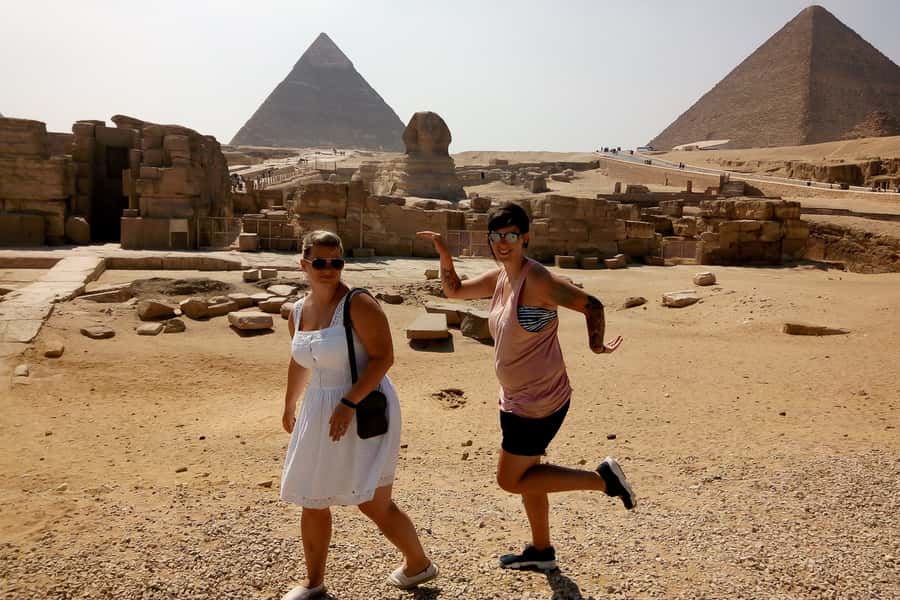
This tour is built for the “get in, see the key sights, get good photos, get back” rhythm. Guides repeatedly show up as a major factor in how it feels, not just what you see.
You’ll likely notice three things when you arrive:
1) the guide sets expectations quickly so you’re not confused about where to go next
2) photo stops are treated as part of the itinerary, not interruptions
3) the route is designed to keep you moving efficiently between highlights
In accounts, guides like Osama, Nour, Nuor, Menna, Twafiq, and Robert were praised for friendliness, energy, and making people comfortable. One guide even got credit for adding birthday surprise details because the team knew the dates coming up, which shows these tours aren’t always run like a conveyor belt.
Heat matters too. Some descriptions point out it was very hot and that the guide helped minimize time in the sun by managing the schedule efficiently. Since the tour includes bottled water and AC transport, it’s set up for this, but you still want to plan your body’s comfort—especially if your pickup is early.
Finally, keep your return timing in mind. Traffic delays are possible, and one description included a 20-minute roadside wait for a car during the trip back. The tour can still be good value, but you should avoid booking a tight next activity immediately after the half-day window.
Should You Book This Giza Pyramids and Sphinx Tour?
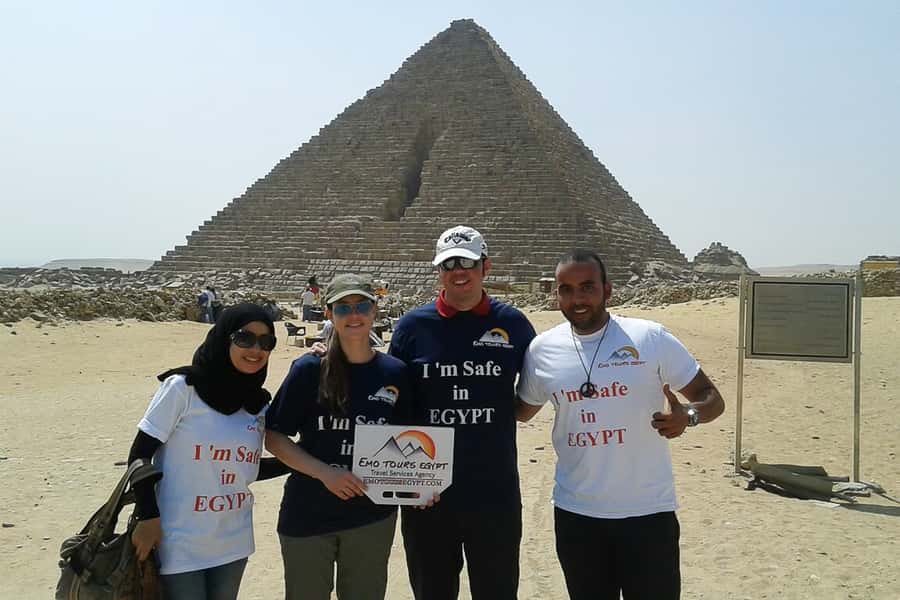
Book it if you want a structured half-day that covers the pyramids (Cheops, Chephren, Mykerinos), the Valley Temple, and the Sphinx with AC transport, entry fees, and a guide who actively helps with photos.
Skip it (or consider a longer option) if you want hours of wandering, deep time at one site, or a schedule that feels slow and unplanned. This is a well-run sprint, not a leisurely stroll.
One last decision hack: if photography is high on your priority list, choose your guide style wisely. The strongest pattern in the experience is that guides like Aladdin, Hazem, and Osama aren’t passive—they take it personally when people get great pictures.
FAQ
How long is the Giza Pyramids and Sphinx half-day tour?
The tour runs for about 4 hours.
Where do group tours meet?
Group tours use two meeting points: Ramses Hilton in downtown and Giza Pyramids View Inn in Giza.
Are entry fees included?
Yes. Entry fees are included in the tour price, and the tour also skips the ticket line.
Is lunch included?
No. Lunch is not included.
What languages are available for the tour guide?
The tour guide is available in English, German, Spanish, and Arabic.
Is pickup included from hotels?
Pickup is optional, and the experience starts with pickup from your hotel in Cairo or Giza. For group tours, you may meet at the listed meeting points, depending on your booking.