REVIEW · SHARM EL SHEIKH
Sharm El Sheikh: Mount Sinai & St. Catherine Monastery Tour
Book on GetYourGuide →Operated by FTS Travels · Bookable on GetYourGuide
A night climb, a sunrise payoff, and a monastery stop. This Sharm El Sheikh outing pairs a Mount Sinai trek with a visit to St Catherine’s Monastery, one of the oldest Christian monasteries on record. I like the way the guides keep things moving in the dark and still make the spiritual story feel human, not canned.
What I really loved: the sunrise from Moses’ Mountain and the clear, motivating support from the Bedouin guides on the ascent. One drawback to flag up front: it is a long, cold, step-heavy hike (and it is not for people with back issues, mobility limits, or anyone who feels nervous in darkness).
In This Review
- Key highlights you should know before you go
- The Mount Sinai sunrise plan: why this combo works
- From Sharm El Sheikh to St Catherine: the ride part
- The ascent on Moses’ Mountain: steps, darkness, and Bedouin help
- The waiting game: sunrise on Mount Sinai (and the sudden cold)
- Descending to St Catherine: what the downhill really feels like
- St Catherine’s Monastery: AD 565, Saint Catherine, and the museum option
- Guides, atmosphere, and names worth noting
- Food and water: what’s included versus what you may need
- What to bring: your Mount Sinai survival kit
- Timing and comfort: the long day reality
- Price and value: what $39 actually buys
- Who should book this, and who should skip it
- Should you book the Mount Sinai and St Catherine Monastery tour?
- FAQ
- What does the tour include?
- How long is the drive from Sharm El Sheikh?
- What should I bring for the hike?
- Is there a museum at the monastery?
- Are camel rides included?
- What languages are offered?
- Who is this tour not suitable for?
- Are water and snacks definitely provided?
Key highlights you should know before you go
- Sunrise on Mount Sinai: you get the timing right, with views over the Sinai desert.
- St Catherine’s Monastery (AD 565): a major spiritual site dedicated to Saint Catherine.
- Bedouin guide during the climb: practical help when you’re hauling yourself up uneven steps.
- Great value at $39: transport, guides, and monastery-area entrance fees are included.
- Expect real physical effort: rocky sections and a final stretch of steep steps.
- Optional extras can pop up: camel rides, warmth items, and a museum fee at the monastery.
The Mount Sinai sunrise plan: why this combo works
Mount Sinai is one of those places where the timing matters as much as the scenery. You climb in the night, wait through the cold, and then watch the sunrise spill across the desert. That structure turns the hike into something more than exercise. You’re doing the hard bit in darkness for the one moment you came for.
Then the tour shifts gears. Instead of another viewpoint, you go to St Catherine’s Monastery, established in AD 565 and dedicated to Saint Catherine. This is where the day gets grounded in something older than the modern tourist circuit. It adds a quiet, reflective counterpoint to the physical climb.
Two things make this pairing especially good value: you get both the sunrise moment and the monastery on the same day (or rather the same long stretch of day), and you’re guided by people who know how to move a group through the timing. Names that came up in feedback include guides like Jamil and Mohammed, plus Bedouin assistance during the climb. That matters because Mount Sinai is not a place where you want to wander.
You can also read our reviews of more tours and experiences in Sharm El Sheikh.
From Sharm El Sheikh to St Catherine: the ride part
Your rep meets you at your hotel in Sharm El Sheikh, then you transfer by air-conditioned bus toward the Mount Sinai / St Catherine area. The drive is listed as about three hours, and that matches what many people report, though there can be extra time from pick-ups and routing.
A couple of logistics notes that can affect your comfort:
- Group pick-ups can stretch the schedule, so plan for waiting.
- One review described a bus change and an extra hour in a garage, which is worth mentally preparing for.
I actually like that the ride is air-conditioned. Late-night desert air can be chilly, but you’ll still want to save your energy for the hike. Bring a warm layer for the bus too, since the night climb means you’ll feel the cold more than you’d expect.
The ascent on Moses’ Mountain: steps, darkness, and Bedouin help
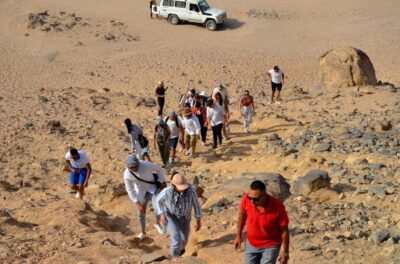
The tour starts with the climb to Moses’ Mountain before dawn. You begin when it’s still dark enough that lighting becomes crucial. Several practical tips popped up for good reason: use a headlamp or flashlight so you can see where you’re stepping. Without your own light, you’re stuck relying on whatever the group has, and that can be stressful.
Physically, don’t treat this like a stroll. Reviews point to a steep, uneven final section with about 750 steps near the top. That part is where your legs start complaining loudly. One person also estimated the hike approach as around 5 km with roughly 1 km of elevation gain, though you should still think in terms of effort rather than exact distance.
The guides are the difference between doing this safely and just suffering:
- You get direction from guides on the mountain.
- You also get Bedouin guide support during the climb, which helps with pacing and navigation in the dark.
Optional camel rides can come up during the climb. If you’re considering it, remember it’s an add-on and not part of the core included experience. Also, the ground can get messy—one tip warned about camel droppings on the route, which is basically a reminder to keep your head up and your shoes ready.
If you get motion-sickness in the dark or with stairs, it may be worth thinking twice. The climb involves many steps and lots of darkness-time, not just uphill walking.
The waiting game: sunrise on Mount Sinai (and the sudden cold)
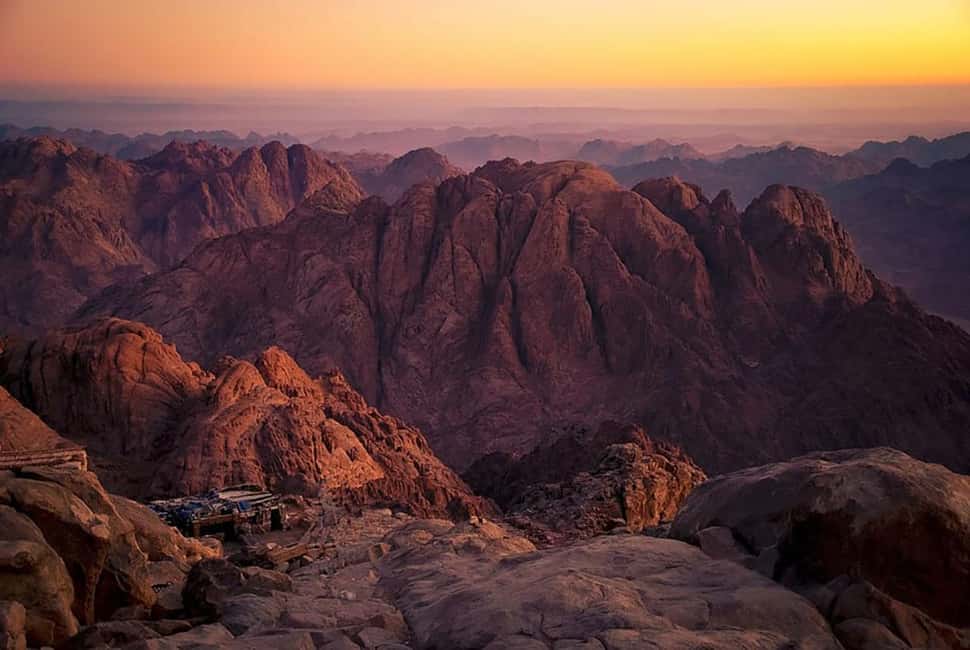
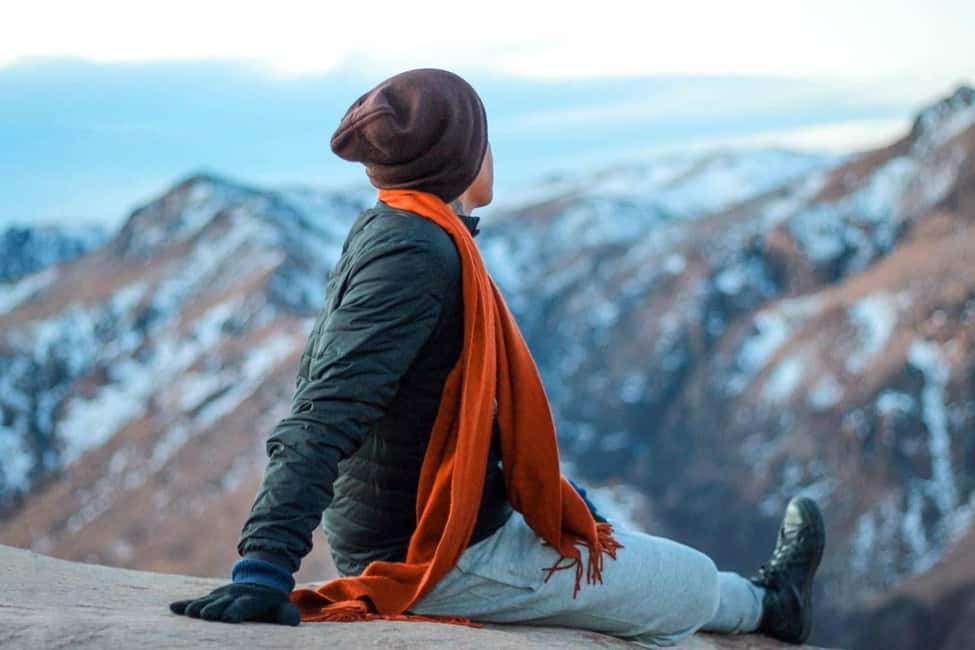
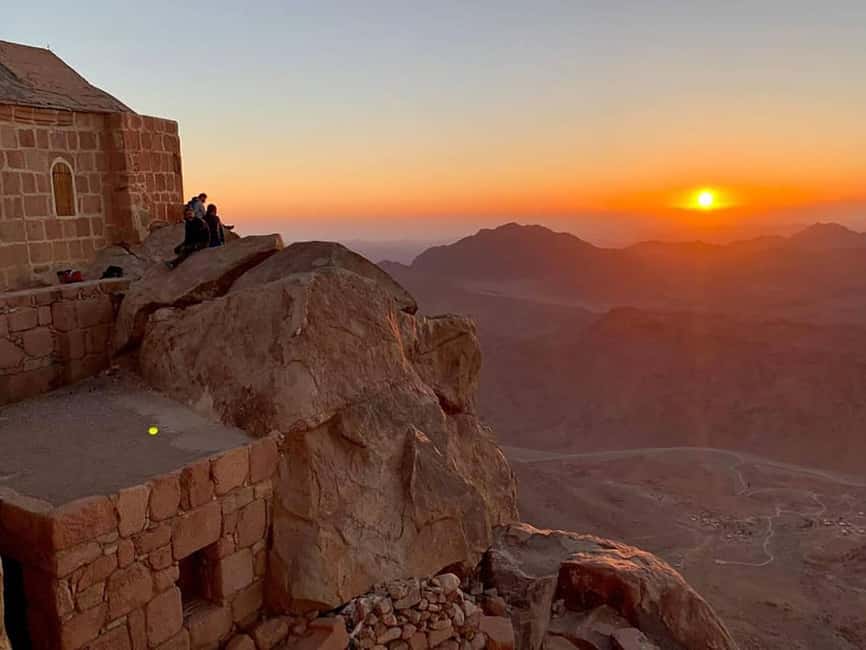
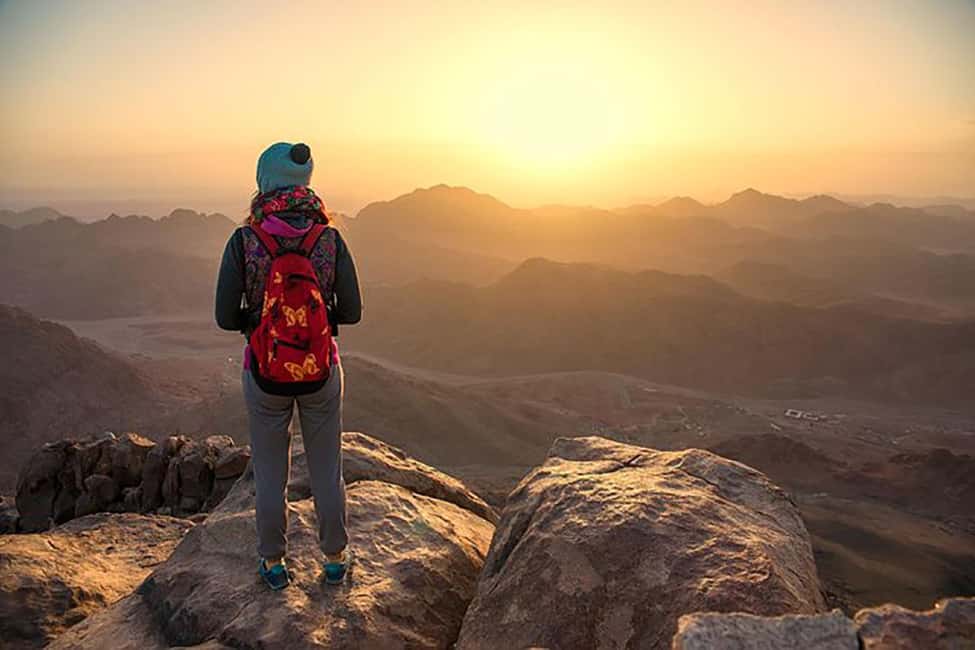
Reaching the summit before sunrise is the whole point. Once you’re up there, you’re rewarded with panoramic views over the Sinai desert. Multiple people described the moment as magical, including a sighting of the Milky Way in the climb-to-top phase.
Here’s the part you should plan for seriously: cold hits hard around sunrise waiting time. You may feel warm while moving, but once you stop for photos and waiting, your body cools fast. Reviews specifically suggested bringing warm items like gloves and warmer layers. If you get a chance to buy warmth items at the base or along the way (ponchos, gloves, and similar), that can help, but I’d rather have your own from the start so you’re not negotiating for time and money while chilled.
Practical photo advice: sunrise is bright fast. Keep your light on earlier in the climb, but for the final stretch, you’ll likely want to switch to low-light mode so you don’t burn everyone’s eyes in the group line.
Descending to St Catherine: what the downhill really feels like
Going down is not “easy after you suffer up.” The descent can be rough: rocky sections, uneven ground, and more ankle risk than you want at 4 a.m. one review bluntly called the trail rocky and recommended sturdy shoes—especially for the downhill.
If you do only one prep for the descent, make it this:
- Wear shoes with grip and ankle support you trust.
You’ll also likely have limited time and light depending on sunrise timing. Having your own headlamp again helps here because the descent often starts right after the summit window.
St Catherine’s Monastery: AD 565, Saint Catherine, and the museum option
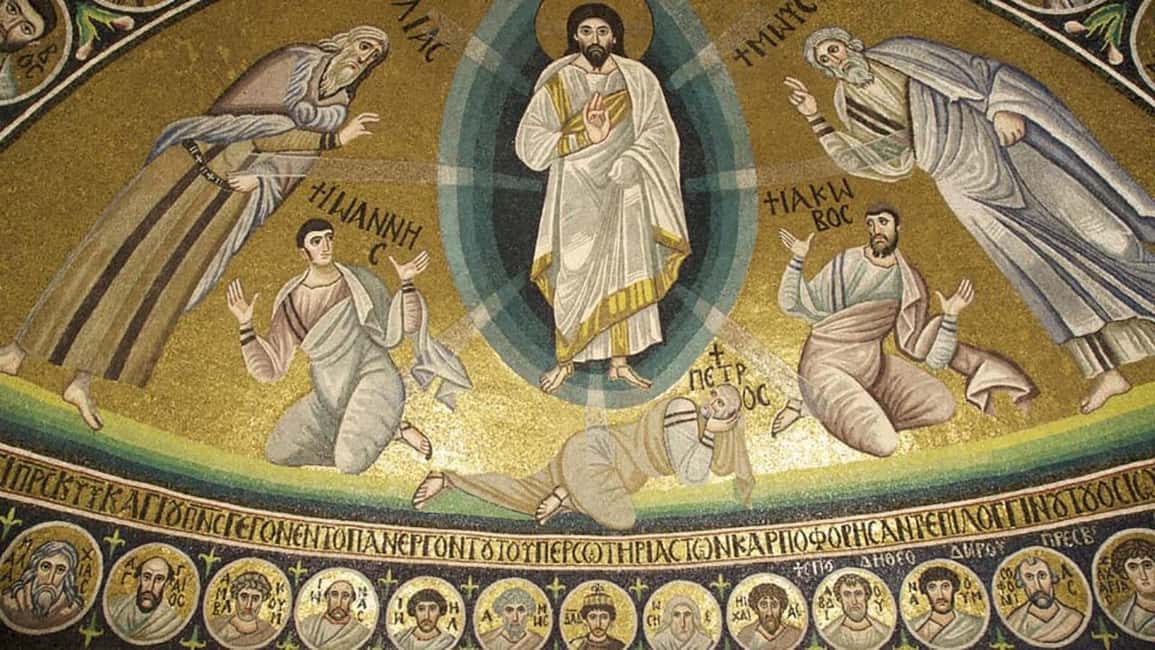
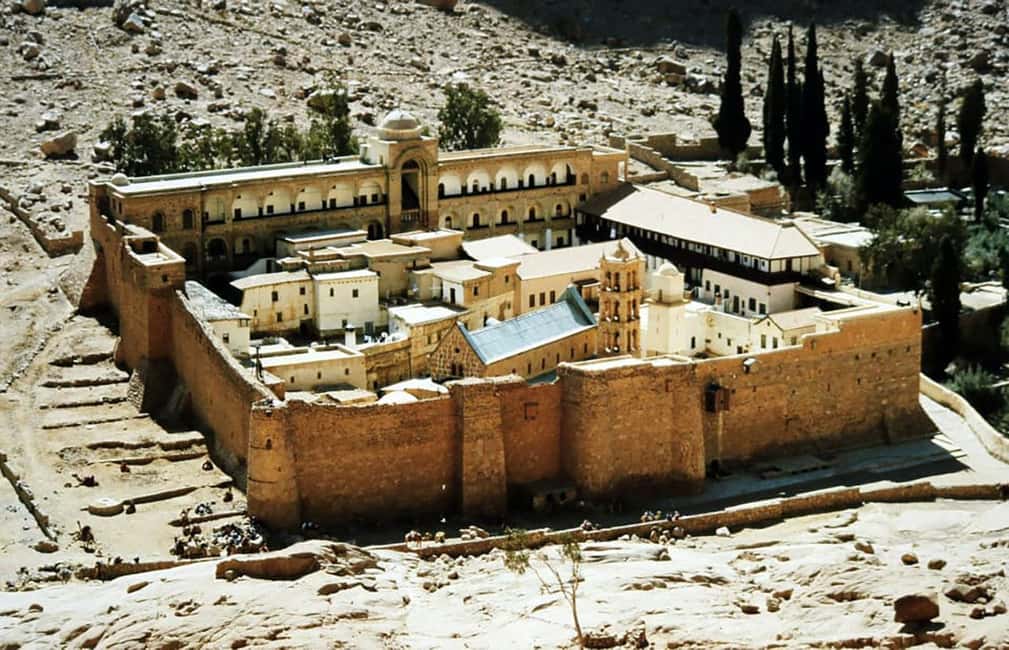
After the climb, you head to St Catherine’s Monastery, a famous religious site established in AD 565. The monastery is dedicated to Saint Catherine, whose story in the tour context is tied to faith, torture, and death.
What makes this stop feel meaningful is that it’s not just a photo break. You’ll have a guided visit, and the monastery context gives the earlier climb a different tone. You’re moving from “the mountain moment” to “the long-lived place of devotion,” which can change how you interpret what you just endured.
One review also recommended paying a small museum fee at the monastery, describing impressive artifacts including pages from the oldest known Bible and an early depiction of Christ Jesus. That is the kind of extra you might consider if you’re a detail person. The key point for your expectations: the core monastery visit is guided, but specific museum access can involve an additional payment.
Guides, atmosphere, and names worth noting
This tour stands or falls on the guides. The most praised aspect in feedback was exactly that: guides who are informative and motivating. People called out friendly, capable guidance and a special atmosphere—especially with the mountain team.
Names that came up include:
- Jamil (mentioned more than once)
- Mohammed
- A “Team Misha” reference tied to the tour group atmosphere
I also like how Bedouin guides are positioned as practical climbing support rather than a separate “show.” That tends to make the trek feel safer and more organized, particularly when it’s dark and you’re all trying to keep the same pace without crowding.
Food and water: what’s included versus what you may need
The tour includes 1 bottled water and snacks, plus one cultural scarf add-on if you select it. That’s the official setup. But several reviews reported that water and snacks were not actually provided on their run, even when the description stated they should be included.
So here’s my practical take: bring extra food and water if you can. The climb is long, and you may be waiting at the summit in cold conditions. One reviewer even suggested bringing food for local cats and dogs you might encounter, but I’m not going to treat that as a requirement. The main point is that you should not gamble on the included snacks being enough or arriving smoothly.
If you carry cash, you might also find opportunities to buy drinks and snacks along the route. Reviews mentioned people buying on the climb with cash, ideally in US dollars. Keep that in mind if you want backup calories.
What to bring: your Mount Sinai survival kit
Based on what’s explicitly listed and what people found useful in the field, pack like it’s a cold, early-morning hike with stairs.
Bring:
- Passport or ID card
- Comfortable shoes with grip
- Comfortable clothes
- A warm layer for summit waiting (gloves help if you get cold easily)
- A headlamp or flashlight for the dark sections
Not allowed:
- Pets
- Luggage or large bags
A small, quiet travel hint: pack light. You’ll move faster without dealing with big bags in crowded pickup points and narrow paths.
Timing and comfort: the long day reality
Even when the climb feels like the main event, the full experience can be long. One review described about a 17-hour day, with pickup in the early night, a climb starting around 1 a.m., and returning to Sharm later that morning.
Expect:
- A nighttime hotel pickup
- Several hours of driving and waiting for the climb start
- A long climb up and down
- A monastery visit afterward
- A long return back to your accommodation
Comfort-wise, the bus is air-conditioned, which is a big plus. Still, the schedule involves sitting in transit and then switching quickly to high effort. If you’re traveling with kids, it may work for some families, but the hardest part is often the night-time timing and sleep loss, not just the steps.
Price and value: what $39 actually buys
At $39 per person, this tour looks like strong value because you’re not just paying for a ticket to see something. You’re paying for:
- Hotel pickup and drop-off
- Air-conditioned transport
- A guided climb experience with a tour guide and Bedouin guide support
- Entrance fees to St Catherine National Park
- Bottled water and snacks (listed)
Even if snacks or water aren’t always delivered exactly as described, the big cost drivers—transport, entrance fees, and guide coverage—are still part of the package. For many people, that’s what makes the tour worth it: you get help with timing and navigation, not just access.
I’d still go in with the mindset that this is a workout plus a spiritual stop, not a relaxed sightseeing day. If you plan your packing and footwear around that, the price feels fair.
Who should book this, and who should skip it
This tour can be a great match if you:
- Want sunrise at the top of Mount Sinai
- Are comfortable with steep climbs and lots of stairs
- Like guided cultural and religious sites
- Enjoy early mornings even when it’s dark and cold
It is not suitable for:
- Pregnant women
- People with back problems
- Wheelchair users
Also, if you’re anxious in darkness, or you don’t like waiting in the cold for a big payoff, you may find the overnight format tough.
Should you book the Mount Sinai and St Catherine Monastery tour?
If you want one night hike with a real sunrise payoff and then a visit to St Catherine’s Monastery the same day, I think this is a very practical option. The best part is the combination: the climb has guidance from both tour and Bedouin guides, and the monastery adds context to the experience beyond views.
I would book it if you’re prepared to work for it: sturdy shoes, your own light, warm layers, and backup snacks. Skip it if stairs and uneven ground make you uneasy, or if your body isn’t up for a steep last push and a rocky descent.
If you’re ready for a long, cold, step-focused adventure, this is one of those Sharm-to-Sinai days that can stick with you for a long time.
FAQ
What does the tour include?
Hotel pickup and drop-off in Sharm El Sheikh, air-conditioned transportation, entrance fees to St Catherine National Park, a tour guide, a Bedouin guide during the climb, and 1 bottled water and snacks.
How long is the drive from Sharm El Sheikh?
The drive is approximately three hours.
What should I bring for the hike?
Bring your passport or ID card, comfortable shoes, and comfortable clothes. Many people also find a headlamp or flashlight useful for the dark climb, and warm layers help when waiting for sunrise.
Is there a museum at the monastery?
You may have the chance to pay for museum access at the monastery. One review mentioned paying around $2 for the museum area.
Are camel rides included?
Camel rides are mentioned as an option during the climb, but they are not listed as included in the provided inclusions.
What languages are offered?
The tour is listed as available in English, Italian, and Arabic.
Who is this tour not suitable for?
It is not suitable for pregnant women, people with back problems, and wheelchair users.
Are water and snacks definitely provided?
Water and snacks are listed as included (1 bottled water and snacks), but some reviews reported not receiving them. Bringing extra snacks can be a smart backup.