REVIEW · SHARM EL SHEIKH
Sharm el Sheikh: PADI Diving Courses Package
Book on GetYourGuide →Operated by Egypt Sun Marine Fleet · Bookable on GetYourGuide
The Red Sea makes learning feel easy. I like how the course is built around calm seas and strong visibility near Sharm el Sheikh, so you focus on skills instead of fighting conditions.
I also like the clear progression: theory first, then pool practice (on the 3-day option), and open-water sessions from a yacht toward Ras Muhammad National Park. One thing to factor in is the real budget: equipment, meals, and certification fees sit on top of the $351 price, plus a marina entrance fee.
In This Review
- Key things I’d zero in on before you book
- Entering the Red Sea classroom: Why Sharm el Sheikh works
- Your options: Trial lesson vs 2-day and 3-day Open Water vs Advanced
- Trial introduction (if you’re still on the fence)
- Open Water course (2-day or 3-day)
- Advanced Open Water (only if you already have certification)
- The day’s rhythm: Pickup, coach ride, and Ras Muhammad by yacht
- Why the sailing time matters
- Ras Muhammad National Park: what you’ll be training near
- Pool training and theory: the skills that make the sea feel safer
- Instructor quality: calm teaching beats nerves
- Marine life moments: what “great visibility” means in real time
- Equipment, meals, and certification fees: the real cost picture
- What you pay upfront
- What costs extra
- The marina entrance fee you should plan for
- What to bring, what not to do, and how to avoid common beginner mistakes
- Price value for $351: who this package is best for
- Should you book the Sharm el Sheikh PADI package?
- FAQ
- What course lengths are available?
- Is there pool training?
- Do I need my own scuba equipment?
- Are meals included?
- What’s the marina entrance fee?
- Who can’t participate?
Key things I’d zero in on before you book
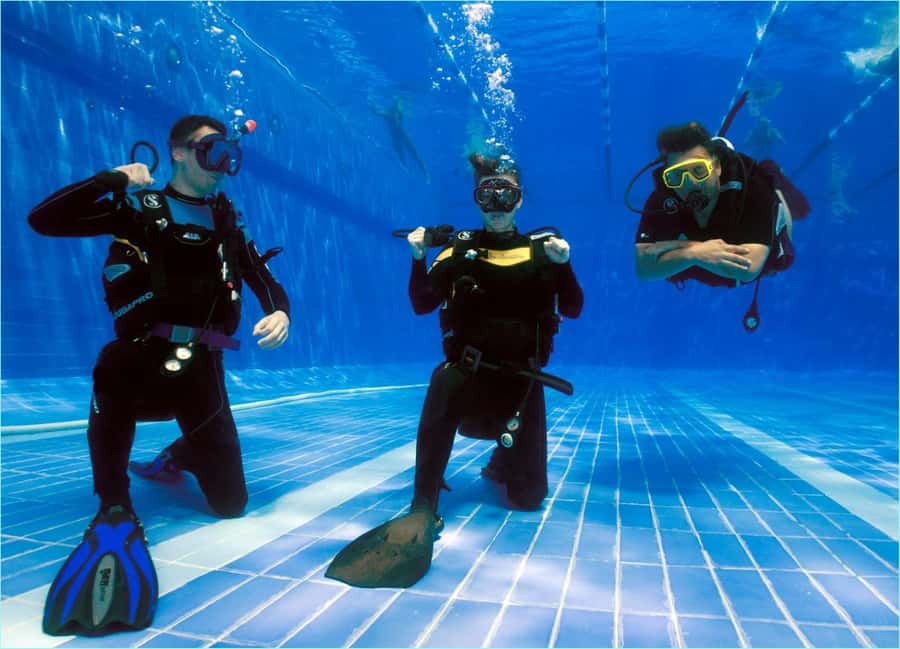
- Beginner-friendly conditions in Sharm el Sheikh, with calm water and great visibility that help you build confidence fast
- Structured PADI path (theory + pool skills + open-water checkouts), so you’re not winging it
- Ras Muhammad National Park by yacht, including a long sailing stretch that also makes the day feel like a real outing
- Instructor support that builds trust, with standout examples including Yasser, Ahmet, and Ahmed-284377
- A clear step up for Advanced students, with training aimed at a 30-meter maximum depth
- Costs that don’t end at $351, because rental gear, meals, and certification fees add up
Entering the Red Sea classroom: Why Sharm el Sheikh works
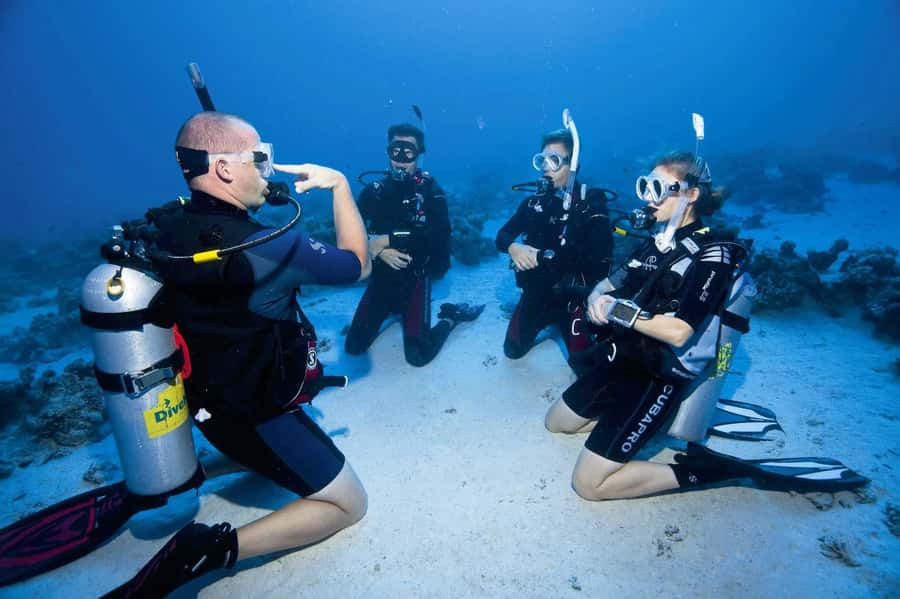
Sharm el Sheikh is one of those rare places where starting scuba training feels practical, not intimidating. The big reason: the area is known for calm seas and good visibility, which matters because your first goal is control—breathing, buoyancy, and moving safely underwater.
The second reason is how the training is staged. You learn in a controlled way first, then you move to the open water as your comfort grows. That progression keeps the whole experience from feeling like a surprise quiz in cold dark water.
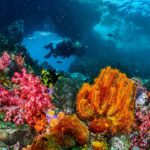
And yes, the scenery helps. The Red Sea around Sharm el Sheikh is famous for clear water and lots of marine life, including coral areas where you can really appreciate what you’re learning to protect—your skills directly connect to ocean safety.
You can also read our reviews of more scuba diving tours in Sharm El Sheikh
Your options: Trial lesson vs 2-day and 3-day Open Water vs Advanced
This package gives you multiple “entry points,” depending on what you want right now.
Trial introduction (if you’re still on the fence)
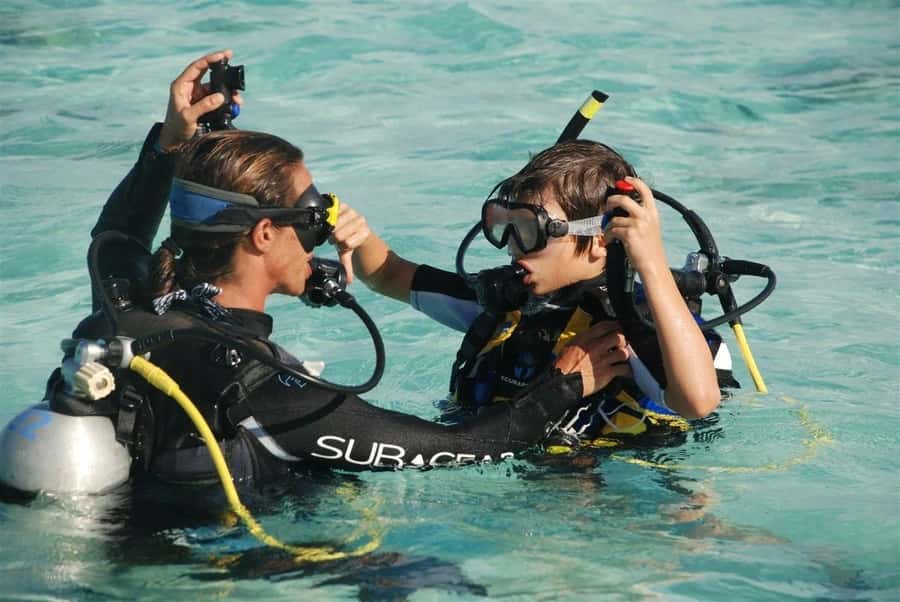
If you want to test the idea, you pick the trial lesson. You spend several hours learning core concepts, then do one trial underwater session. It’s the simplest way to see if the gear, the breathing rhythm, and the sensation of being weightless feel right for you.
Open Water course (2-day or 3-day)
For the Open Water path, you’re choosing between shorter time and extra practice time.
- 3-day Open Water option: day one is pool training, then days two and three are open-water training from a yacht, with the final day including the exam. This option is best if you want a gentler learning curve and more time to practice skills before you’re out at the sites.
- 2-day Open Water option: the key difference is time. You still get theory and open-water training, but you’re moving faster. This works if you’re comfortable learning quickly and you don’t need as much pool repetition.
Advanced Open Water (only if you already have certification)
If you already completed the Open Water course and got certified, the Advanced Open Water option is the step up. It focuses on increasing your max depth to 30 meters, and it runs over 2 days with training from a yacht.
Important note: the advanced option requires certification. If you don’t have it yet, you’ll want the Open Water route first.


The day’s rhythm: Pickup, coach ride, and Ras Muhammad by yacht
What I like about this program is that it’s built around “day stages,” not a chaotic schedule.
Expect hotel pickup from Sharm el Sheikh, typically taking place around 90 minutes before your course begins. You’ll get a WhatsApp message about 24 hours before your start time with the exact pickup details.
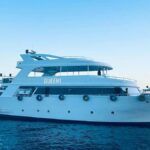
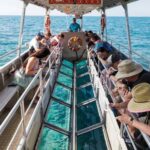
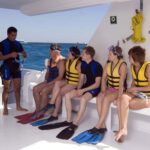
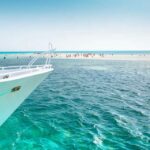
Then you travel by coach for about 35 minutes before heading toward Ras Muhammad National Park. From there, the day shifts into a sailing-focused mode: you’ll spend time on the boat, then do your underwater training sessions, and return later to Sharm el Sheikh.
Why the sailing time matters
That yacht time isn’t just transport. It gives you a buffer to get oriented: you settle in, talk gear and safety with your instructor, and you start seeing how the group will function out in open water. It also tends to make the day feel like a real Red Sea outing rather than a rushed classroom with a quick swim.
Ras Muhammad National Park: what you’ll be training near
Ras Muhammad National Park is the star location for the open-water portion. In practical terms, it’s where you’ll do your underwater training sessions after sailing.
From the information you’re given, the experience emphasizes:
- clear water and good visibility
- marine life you can observe while practicing control
- diverse underwater spots suitable for different skill stages
The program also schedules a lunch break during the longer half of the day. That matters because you’re learning a physical skill—eating helps you stay calm and focused when you’re back in the water.
One small consideration: you’ll be traveling during the day, so build in comfort. Wear sunscreen, bring a towel, and treat the day like you’re going to be out in the sun longer than you expect.
Pool training and theory: the skills that make the sea feel safer
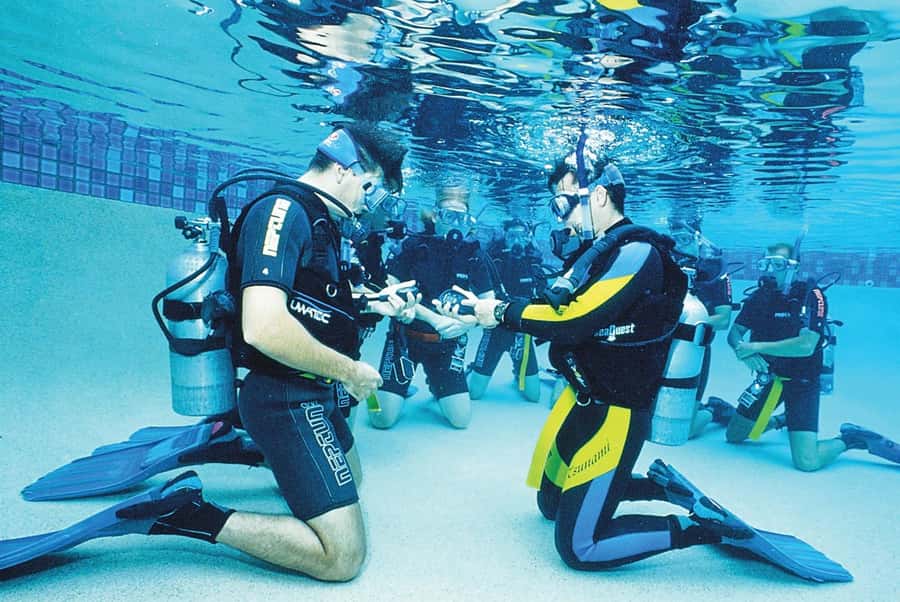
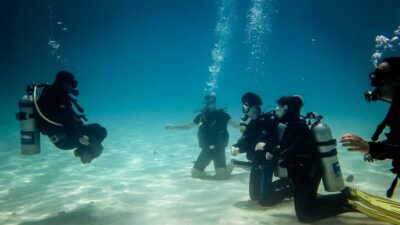
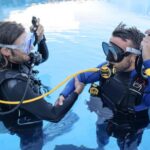
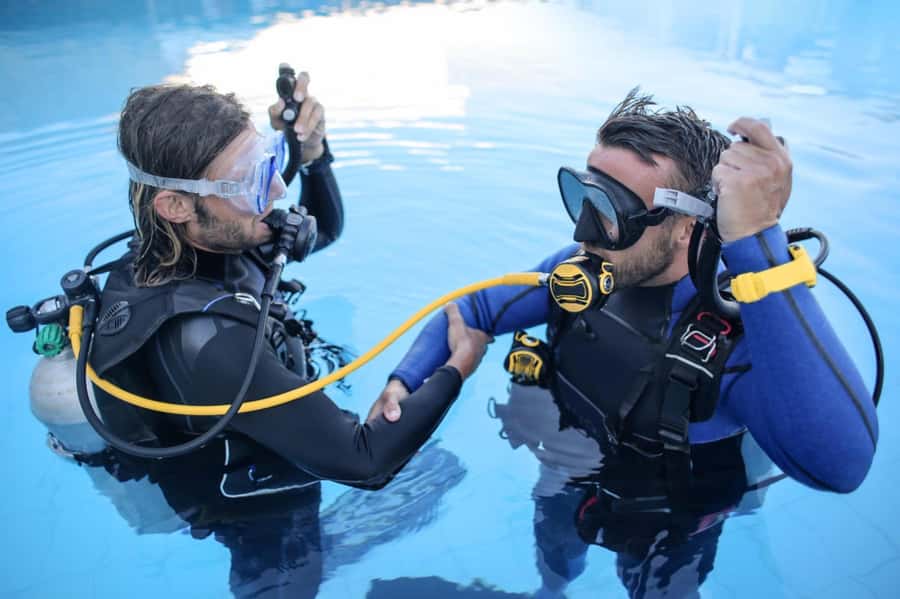
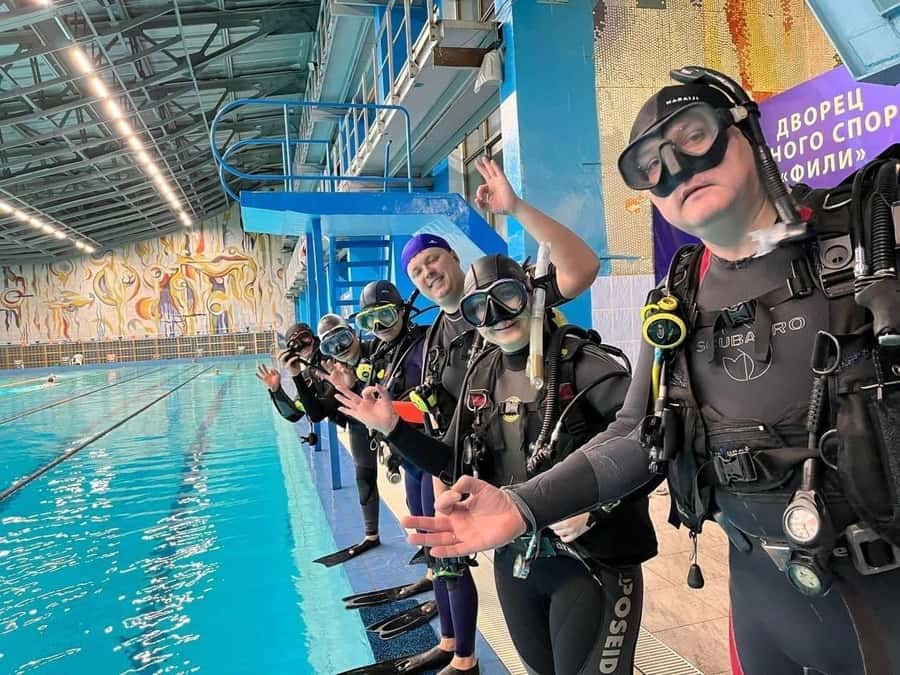
For the 3-day Open Water option, day one is pool training. That’s a big deal for beginners. The pool is where you can practice things like breathing and staying in control without the extra variables of waves or distance.
Your course also includes theory lessons. Even if you’re not a textbook person, theory helps you understand what you’re doing underwater. It turns a “wow, this is cool” moment into a “I know how to behave safely” moment.
Then, as you move to the yacht and open-water sessions, you’ll see why the staged approach works. You’re not just collecting hours—you’re building muscle memory so you can focus on the underwater environment (and not on panic math in your head).
Instructor quality: calm teaching beats nerves
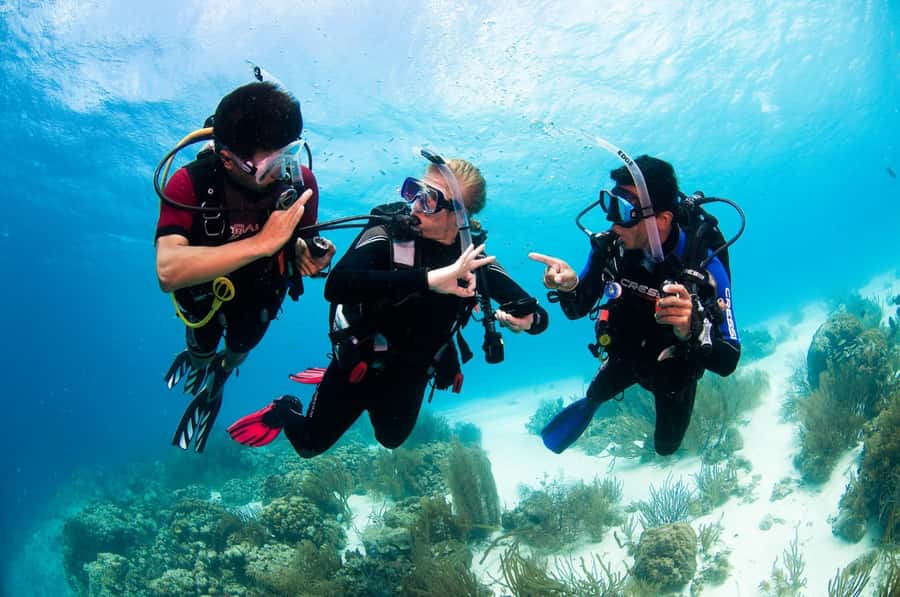
In scuba training, the instructor can make the whole experience feel either relaxing or stressful. This package is tied to PADI-certified instruction, and the course design supports that with theory + pool + guided open water.
The names that stand out from instructor highlights include Yasser, Ahmet, and Ahmed-284377. A clear theme in those examples is calm pacing and strong trust-building, including help for students who felt nervous about deeper water and a clear, supportive teaching style.
Also, the course notes that instructors are available in English, German, and Italian. If you’re worried about language, that’s worth checking before you go—being comfortable with safety instructions matters.
Marine life moments: what “great visibility” means in real time
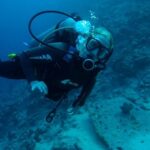
The Red Sea part isn’t just marketing language here. With crystal-clear waters and strong visibility, you tend to get a better sense of depth and spacing underwater. That helps when you’re learning buoyancy and practicing movement.
You’ll also be around coral areas and other underwater environments described as rewarding for beginners—think shallow, manageable conditions where you can look around without feeling like you’re scrambling to keep up.
I’d also treat marine life as part of your responsibility. Your training isn’t only about getting certified; it includes learning safe behavior rules like not touching plants. That protects the environment and keeps you from harming fragile coral while you’re trying to get your bearings.
Equipment, meals, and certification fees: the real cost picture
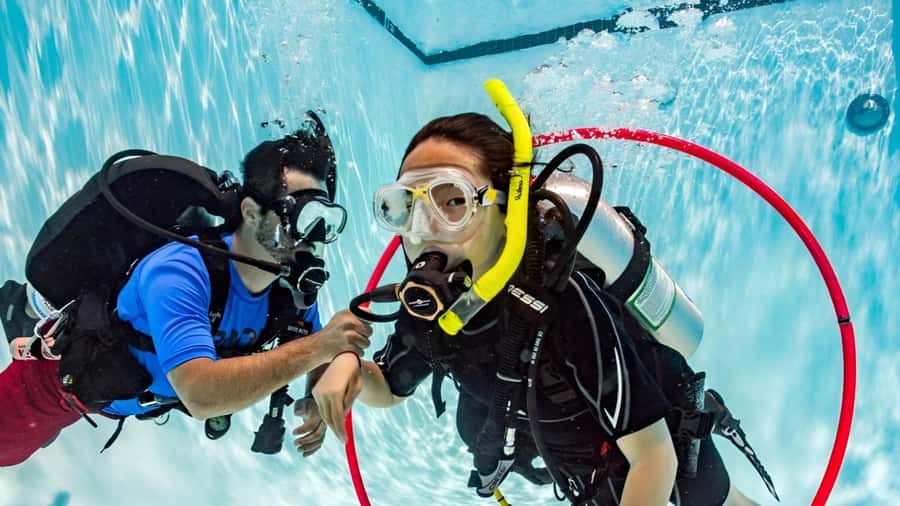
This is the part most people should check twice, because it can surprise you.
What you pay upfront
You start at $351 per person. For that money, the package includes:
- hotel pickup and drop-off
- PADI-certified instructor
- the Open Water course (or Advanced, depending on your option)
- theory lessons and the required training sessions
- yacht cruise for the options that include open-water days
- open-water sessions and pool training where applicable
What costs extra
These items are not included:
- dive equipment rental: 15€ per day
- meals and drinks
- PADI certification fees and the classroom book: around 100€ (varies by season)
The marina entrance fee you should plan for
There’s also a mandatory marina entrance fee of 10€ per person. The info provided says it’s tied to the yacht days—twice during the Open Water course and once for the Advanced course. It can be paid on arrival or handled through add-ons, but either way, count it in your budget.
If you do the math, the “headline price” becomes more like a baseline. My advice: budget for rental gear per day, add a realistic amount for meals, and include that certification fee plus the marina total so you don’t get stuck adjusting plans mid-trip.
What to bring, what not to do, and how to avoid common beginner mistakes
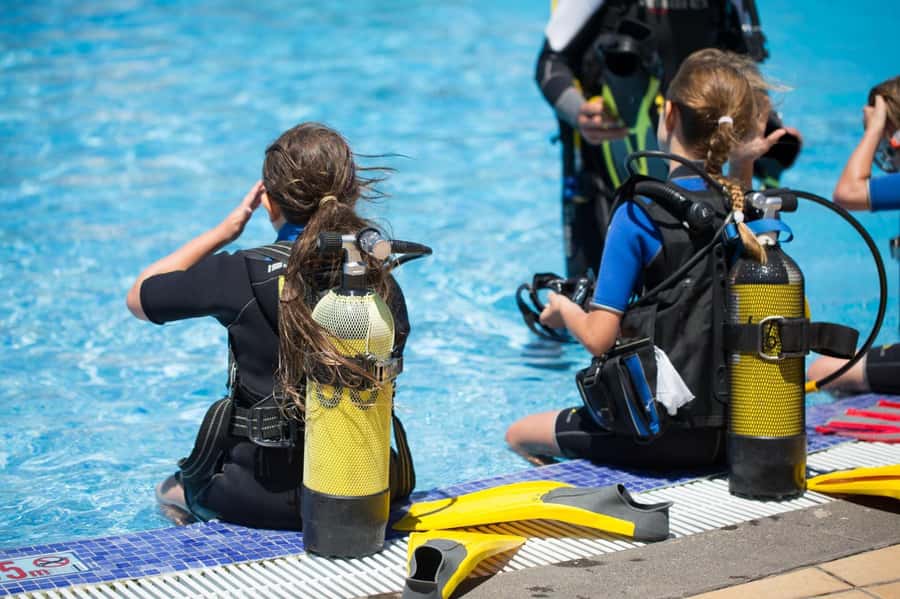
This is easy to pack for, and that’s good. Bring:
- swimwear
- towel
- sunscreen
- water
- comfortable clothes
And follow the safety/environment rules:
- no littering
- no touching plants
Two more practical notes from your course details:
- you must complete a medical questionnaire before you get in the water
- you should wait at least 18 hours after your underwater session before flying
Also, this experience isn’t for everyone:
- children under 10
- pregnant women
- people with heart problems
- non-swimmers
If you’re a non-swimmer but want to “try anyway,” you’ll want to fix that first. This program is built for people who can swim comfortably.
Price value for $351: who this package is best for
At $351, the value mainly comes from what you get bundled:
- professional PADI instruction
- theory + pool practice (on the 3-day option)
- real open-water time from a yacht
- a globally recognized certification route
That’s a strong deal if you want structured training in a place that’s set up for beginners, and you don’t want to piece together transport, instructors, and sites yourself.
This package is especially worth it if:
- you want the 3-day option for more pool practice before open water
- you’re traveling with limited time and want a tight schedule
- you want the step-up Advanced track after certification (when depth confidence has already been built)
Should you book the Sharm el Sheikh PADI package?
I’d book this if you want a clear, instructor-led path from basics to certification in a beginner-friendly setting. The combination of calm seas, good visibility, staged practice (pool then yacht-based sessions), and PADI structure is exactly what reduces the stress factor for first-timers.
I’d pause and do extra homework if you’re trying to keep the trip ultra-budget-tight, because costs like gear rental, meals, certification fees, and the 10€ marina entrance fee can add up quickly. If that surprises you, it can turn a great experience into a spreadsheet headache.
If your goal is a confident start in the Red Sea and a certification that opens doors later, this one makes a lot of sense.
FAQ
What course lengths are available?
You can choose a trial introduction lesson, a 2-day Open Water course, or a 3-day Open Water course. If you already have certification, you can also choose a 2-day Advanced Open Water course.
Is there pool training?
Yes. For the 3-day Open Water option, the first day includes a pool training session. The course also includes theory lessons.
Do I need my own scuba equipment?
No. Equipment rental is not included, and it’s listed as 15€ per day.
Are meals included?
No. Meals and drinks are not included.
What’s the marina entrance fee?
There is a mandatory marina entrance fee of 10€ per person. The information provided indicates it’s paid on the yacht days: twice during the Open Water course and once during the Advanced course. It can be paid on arrival or handled via add-ons.
Who can’t participate?
The activity is not suitable for children under 10, pregnant women, people with heart problems, and non-swimmers. You also must complete a medical questionnaire before diving training.