REVIEW · HURGHADA
Hurghada: 3-Day PADI Open Water Diving Course
Book on GetYourGuide →Operated by The Pure Coastal · Bookable on GetYourGuide
Three days for your PADI Open Water Diver card. Hurghada’s Red Sea setup makes this a smart way to learn real underwater skills with coaching from instructors like Khaled.
I like two things right away: the course is built around hands-on small-group instruction (with reports of very personal attention), and the included support covers the practical stuff—equipment, tanks, lunches, and hotel transfers.
One consideration: the published price leaves room for add-ons, especially the PADI certificate registration and daily marine taxes, plus the PADI theory/e-learning timing can feel tight if you don’t plan it.
In This Review
- Key takeaways before you commit
- Hurghada is a good classroom for open-water skills
- Your 3-day rhythm: what happens and why it works
- Instructor attention: what “just for you” should feel like
- Gear, tanks, and transfers: the stuff that saves you money
- The Red Sea training experience: reefs, sea life, and responsible practice
- Theory and the timing trap: e-learning after day one
- Price and value: what $412 covers, and what might cost extra
- Logistics that can matter more than you think
- What to bring (so you don’t lose training time)
- Who this course fits best in Hurghada
- A quick reality check on group size and pacing
- Should you book the 3-day PADI Open Water Diver course with The Pure Coastal?
- FAQ
- How many sessions are included in the 3-day PADI Open Water Diver course?
- What is the maximum depth you’ll train for?
- What’s included in the price?
- What extra costs should I expect?
- When do I get access to the PADI e-learning for the theory exam?
- What do I need to bring with me?
- Who is this course not suitable for?
- Is pickup from my hotel included, and how do they arrange it?
Key takeaways before you commit
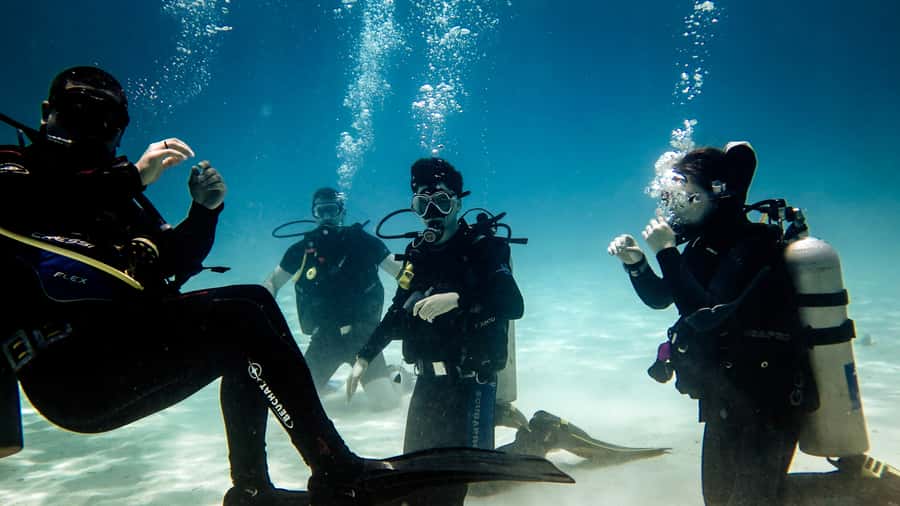
- Up to 18 meters of training depth, so you finish with more than just a snorkel-level taste.
- Two training sessions per day across 3 days, a full schedule that moves fast.
- Gear is covered: weight belts, 12-liter tanks, and all scuba equipment.
- Real coach names show up in feedback, including Khaled and Achmed, plus Bob on welcome duties.
- Red Sea learning conditions are a big plus: strong visibility and comfortable water temperatures for training.
- Budget for extras: marine taxes (listed as €5 per person each day) and PADI theory/certificate registration costs.
Hurghada is a good classroom for open-water skills
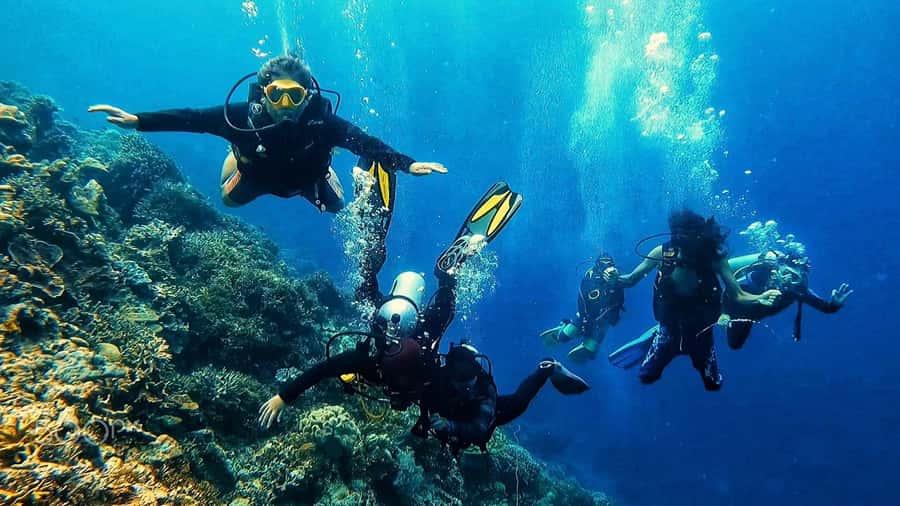
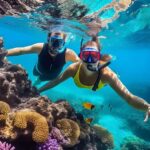
Hurghada sits on the Red Sea, and that matters. Learning scuba works best when water is calmer, visibility is decent, and you’re not fighting cold. The course description leans hard into that advantage, calling out strong visibility, varied marine life, and comfortable temperatures—exactly the kind of conditions you want for building confidence.
The Red Sea also makes motivation easier. Even before you’re fully certified, you’re training for real underwater exploration, and the area is known for coral reefs and a lot of sea life. If you’re hoping to see things like sea turtles, that’s the spirit of the program—without promising a specific sighting.
You can also read our reviews of more scuba diving tours in Hurghada


Your 3-day rhythm: what happens and why it works
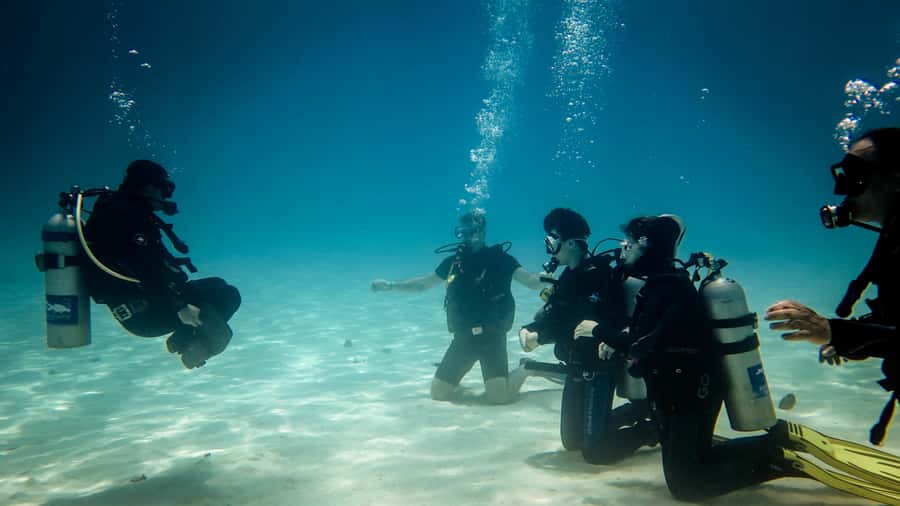
This is a 3-day PADI Open Water Diver course designed to get you certified in a tight window. You’ll do 2 dives/day as part of the training plan (so, six underwater sessions total). That pace is part of the value: you’re not stretching the course over weeks, and you’re not paying for long gaps between practice days.
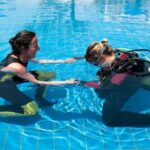
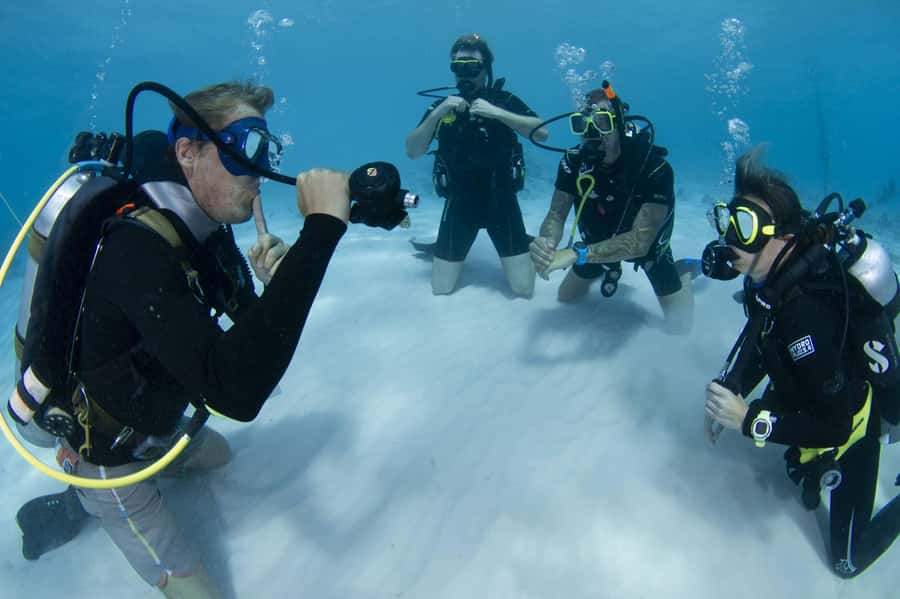
The training focus is practical and skill-based: you learn how to set up your gear, then build control through buoyancy practice, plus underwater communication so you can work as a team underwater. By the end, the goal is confidence to explore safely down to 18 meters.
What’s especially reassuring is how safety and planning show up in feedback. One student who trained with Khaled described feeling secure, even while he was sometimes strict. Another student credited Achmed for explaining goals clearly each morning and breaking each session into understandable steps. In plain terms: the better the pre-brief, the easier it is to relax once you’re underwater.
Instructor attention: what “just for you” should feel like
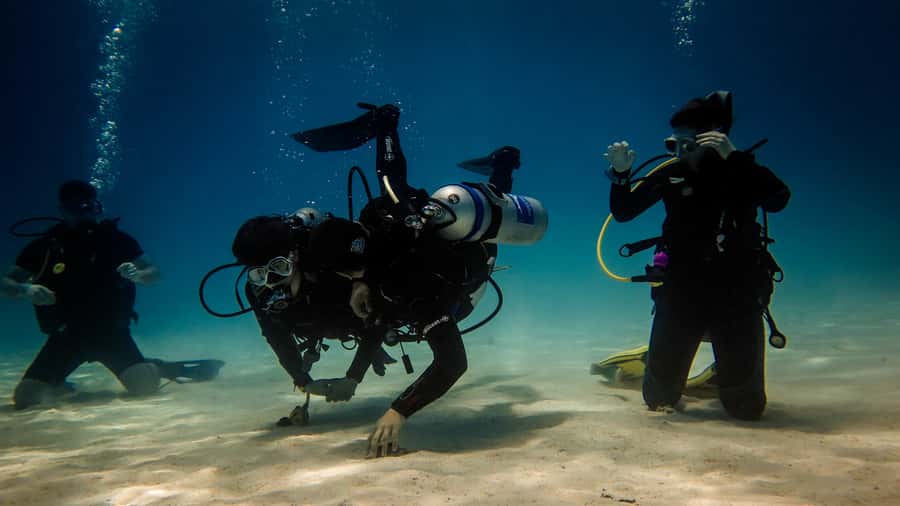
The included package states you’ll have an internationally certified PADI instructor just for you. If that’s accurate in your booking, you should feel less like a number and more like a student with direct feedback.
In feedback, the most consistent praise is not just friendliness—it’s coaching style. Khaled’s approach was described as strict but confidence-building. Achmed was praised for patience and for clearly explaining what to aim for before each session. Bob showed up in welcome roles, with students highlighting a warm reception.
So here’s the takeaway for you: if you want an instructor who watches your technique and corrects mistakes fast, this setup makes sense. If you’re the kind of student who panics under pressure, you’ll want to ask (before you arrive) how they handle timing and whether they can slow things down when needed.
Gear, tanks, and transfers: the stuff that saves you money
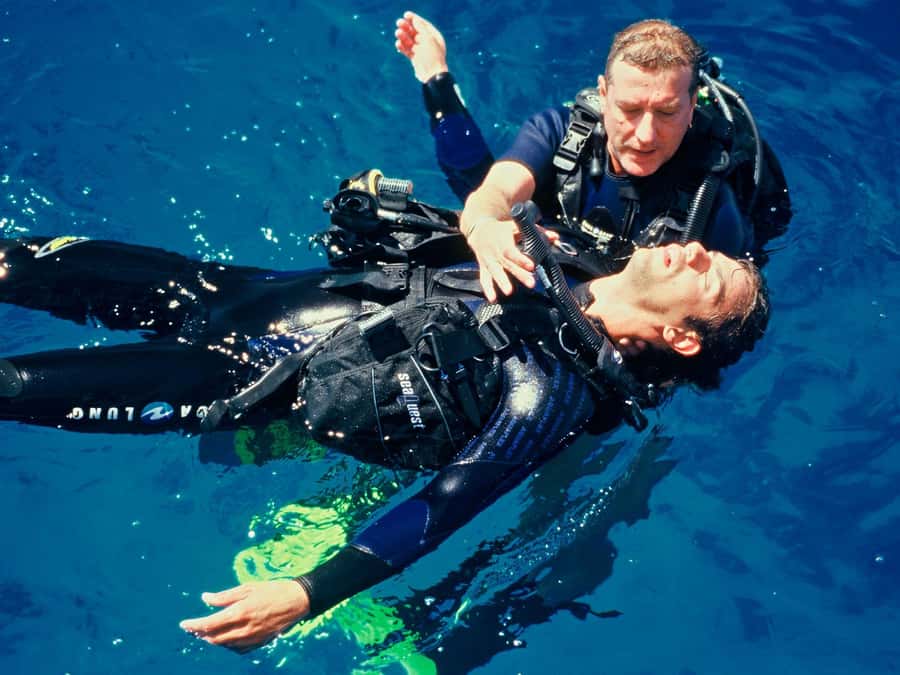
A big part of what you’re paying for is convenience. The package includes all equipment, plus weight belts and 12-liter tanks, which usually aren’t free when you book a course on your own. That means you’re not hunting down rentals or paying extra per day.
Food and day comfort are also covered: lunches are included, along with mineral water, soft drinks, tea, and coffee. One student even said they were surprised by breakfast food in the morning, which tells me the school seems to understand that hunger is not helpful during training days.
Hotel transfers are included too. You’ll be picked up and returned from your hotel, and the process uses WhatsApp confirmation—your team replies with the pickup time, and the driver waits with a sign outside the reception. They also identify you by room number for privacy reasons.
That matters in Hurghada because you’ll likely be juggling heat, cameras, and gear. Reliable pickup reduces stress, and stress is your enemy during early scuba skills.
The Red Sea training experience: reefs, sea life, and responsible practice
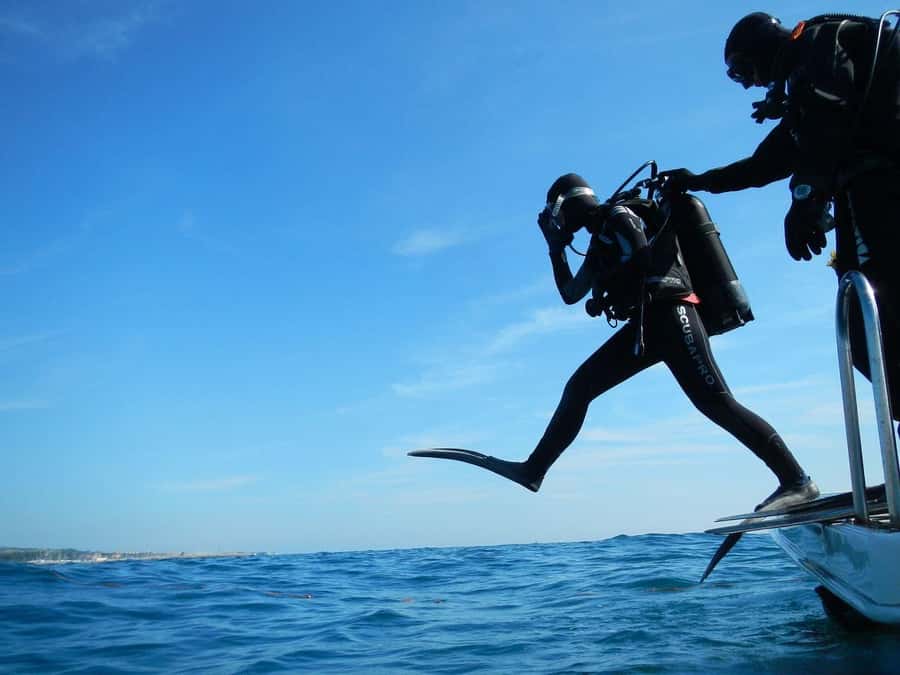
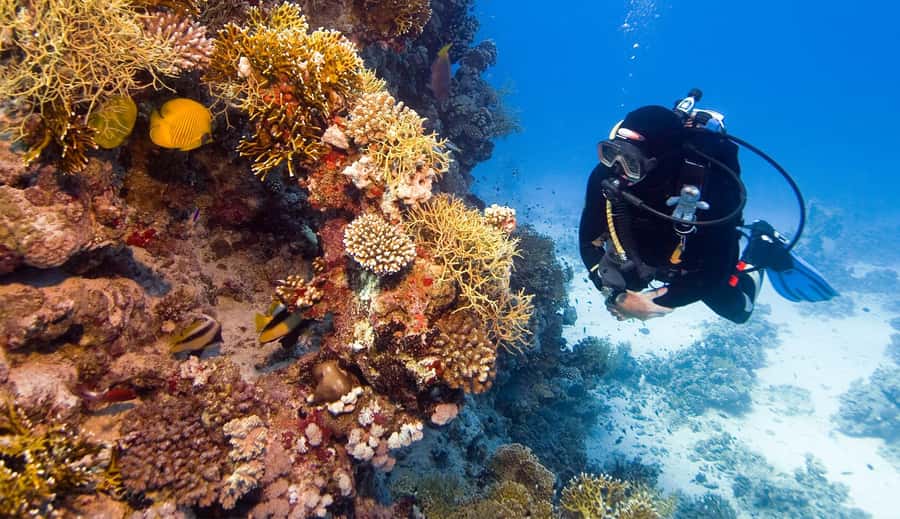
The course pitch is straightforward: learn to explore beneath crystal-clear Red Sea water, with coral reefs and marine life as your reward. The description also hints at chance encounters with animals like sea turtles and possibly dolphins, but the honest way to think about it is this: you can plan for training conditions and general opportunities, not specific wildlife sightings.
One more thing I like in the course description: the operator explicitly mentions responsible underwater practices and caring for delicate ecosystems. That’s not just marketing language—when training runs smoothly, you tend to spend less time thrashing around the reef and more time practicing control.
For you, that translates into a better learning experience. Good responsibility usually means clearer rules, better buoyancy habits, and fewer moments where you’re trying to recover after bumping coral.





Theory and the timing trap: e-learning after day one
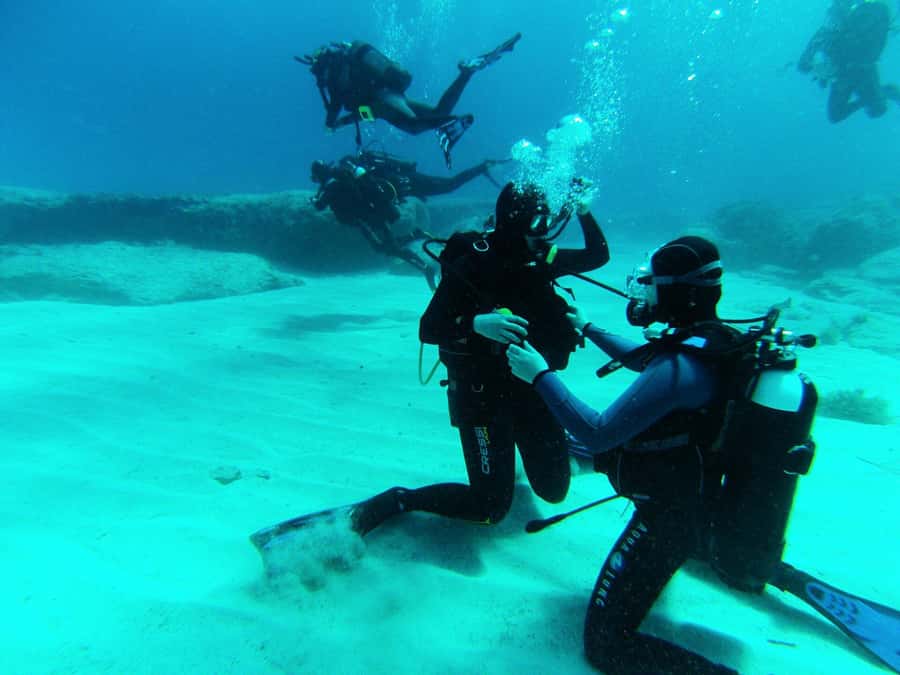
Here’s the part that can sneak up on you: the PADI theoretical component.
The course is set up so you’ll need PADI e-learning access for the theory exam. In one piece of feedback, access was provided only after day 1, and the student estimated the full workload could take around 10 hours if done properly. They felt rushed on the final day because they had to finish quickly and skip material.
So what should you do? Plan your schedule like you might need an evening (or two) for learning. If you’re the type who learns best in long focused sessions, don’t assume you’ll be able to do everything while on vacation with no extra time.
If you want a stress-free certification week, I recommend you:
- set aside time on day 1 evening for theory setup
- avoid booking this course in a packed travel day where you’ll be exhausted
- ask the team when you’ll receive theory access so you can pace your learning
Price and value: what $412 covers, and what might cost extra
The advertised price is $412 per person for the 3-day course. Included items that make this feel fair are the instructor time, two training sessions per day, and the equipment package (including tanks and all gear), plus lunches and transfers.
But this is not a “no extra payments” deal. The listing notes additional costs:
- Marine taxes listed as €5 per person each day
- Photos (not included)
- PADI theoretical manual and PADI certificate registration within a personal PADI lifetime membership account (listed as €100 per person)
One student reported paying an additional €115 for the PADI certificate, which lines up with that kind of extra-fee range. The exact amount can vary with what you choose (manuals, photos, how the certificate registration is handled), but the budgeting message is clear.
For value, use this mental checklist:
- If $412 is your comparison price, add marine taxes and certificate registration to see your realistic total.
- If you’re already confident you’ll study theory quickly and skip add-ons like photos, it can be a strong deal.
- If you need flexibility on learning time, the course is still good, but you’ll want to plan ahead so add-ons don’t compound stress.
Logistics that can matter more than you think
Even good scuba schools run into small hiccups. One student described a transfer to the wrong location on the last day, almost leading to registration for a boat session. The issue was corrected with help, but it’s a reminder to stay alert.
For you, the best move is simple:
- keep your WhatsApp confirmations saved
- arrive a few minutes early to each pickup window
- re-check where you’re meeting before you leave your hotel
Another logistics note: the course lists restrictions. It’s not suitable for children under 10, not for pregnant women, and it flags back problems and heart problems. If any of those apply, don’t assume you can “just try”—ask the operator directly and get medical guidance.
What to bring (so you don’t lose training time)
You’ll need a few basic items:
- passport or ID card
- towel
- camera
- sunglasses
- swimwear
Also remember that you’ll be in a training schedule for multiple days, so bring something you can dry easily and a comfortable change of clothes for after each session.
Alcohol and drugs are listed as not allowed. If you’re planning a celebration night, keep it separate from training days.
Who this course fits best in Hurghada
This is best for you if:
- you want a structured path to PADI Open Water Diver in a short trip
- you like clear coaching and pre-session explanations
- you appreciate included logistics like gear and transfers
It’s not the best fit if:
- you need an ultra-slow schedule or lots of flexibility for theory (because e-learning timing may require evenings)
- you have medical restrictions listed by the operator
- you’re traveling with younger kids (under 10) or are pregnant
One more fit check: language. The instructor language list is wide (Arabic, English, German, French, Russian, Italian, Dutch, Chinese, Traditional Chinese). That helps a lot if you want to understand instructions without waiting for translation.
A quick reality check on group size and pacing
The course description says small groups and individualized attention. Feedback supports that vibe, with students describing a personal trainer and a welcoming team. Still, with a 3-day schedule, you’ll likely move from one skill to the next with limited downtime.
So bring the right attitude. You’re not on vacation in the typical sense. You’re on vacation with a certification goal, and your job is to practice what you’re taught, ask questions early, and keep your energy steady.
Should you book the 3-day PADI Open Water Diver course with The Pure Coastal?
If your priority is getting certified quickly with solid instructor support and included gear, this course looks like a good value—especially because the package covers tanks, equipment, lunches, and hotel transfers.
I’d book if you can handle two practical realities:
- budget for the likely extra fees (marine taxes and PADI certificate registration)
- plan time for e-learning theory after day 1, so you’re not rushing on the final day
I’d hesitate if you’re hoping for a super relaxed schedule with no time for learning at night, or if you’re very sensitive to pace and timing. In that case, you may still enjoy the training, but you’ll want to ask questions up front so you don’t get surprised.
FAQ
How many sessions are included in the 3-day PADI Open Water Diver course?
The course is 3 days and includes 2 training sessions per day, with a goal of certification after completing the program.
What is the maximum depth you’ll train for?
The course description states you can explore up to 18 meters during the training.
What’s included in the price?
Included items are the 3-day PADI course with 2 dives per day, an internationally certified PADI instructor, weight belts and 12-liter tanks, all equipment, lunches, drinks (mineral water, soft drinks, tea, coffee), and transfers from and to your hotel.
What extra costs should I expect?
Marine taxes are listed as €5 per person each day. Also not included are the PADI theoretical manual and PADI certificate registration (listed as €100 per person), plus photos. Flight, Egypt visa, and hotel are also not included.
When do I get access to the PADI e-learning for the theory exam?
The provided information indicates e-learning is needed for the theoretical exam, and one feedback note says access was provided after day 1. Plan for theory time during the course window.
What do I need to bring with me?
Bring your passport or ID card, towel, camera, sunglasses, and swimwear.
Who is this course not suitable for?
It is not suitable for children under 10 years, pregnant women, and people with back problems or heart problems.
Is pickup from my hotel included, and how do they arrange it?
Transfers from and to the hotel are included. You’re asked to send a copy of your passport and confirm your hotel name and room number by WhatsApp so the team can reply with the pickup time.