REVIEW · ALEXANDRIA
Alexandria: Library, Amphitheater & Citadel Tour
Book on GetYourGuide →Operated by Ramses tours · Bookable on GetYourGuide
Alexandria hits you with history on a schedule. In just six hours, you get the Library of Alexandria courtyard with statues of Alexander the Great and Ptolemy I, plus St. Mark, the city’s oldest church, and a chain of Roman-era ruins. The trade-off: the Roman excavation areas are mostly for outside views, and you won’t be able to enter the Library’s reading area.
I like that this tour keeps moving without feeling chaotic. Pickup happens from your accommodation, you ride in air-conditioned comfort, and the group stays small (up to 10 people), so your guide can actually explain what you’re looking at. You’ll walk a fair bit, so wear comfortable shoes and plan for sun.
You also get the kind of Alexandria that isn’t just checkboxes. There’s a guided walk through the old city-center, a photo stop at Abbo Elabbas Mosque, and a classic final pass by Stanley Bridge on the way back to your hotel.
In This Review
- Key things that make this Alexandria day tour worth your time
- Entering the Library of Alexandria courtyard (and why the reading area matters)
- Kom El-Deka’s Roman theater area: what you see is the point
- Roman villas, amphitheater ruins, and the Great Tomb site: outside views only
- Qaitbay Citadel and the Lighthouse connection: the photo stop that explains itself
- St. Mark, Abbo Elabbas Mosque, and old downtown: where the day turns human
- Stanley Bridge: the modern landmark finish
- 6 hours, AC comfort, and a walking-heavy reality check
- Price and value: is $65 fair for what you get?
- Who should book this tour (and who should think twice)
- Should you book this Alexandria Library, Amphitheater & Citadel tour?
- FAQ
- Is the entrance to the Alexandria Library reading area included?
- What’s the meeting and pickup setup?
- How long is the tour?
- What language options do I have?
- Is the Library of Alexandria open every day?
- Is lunch included?
Key things that make this Alexandria day tour worth your time
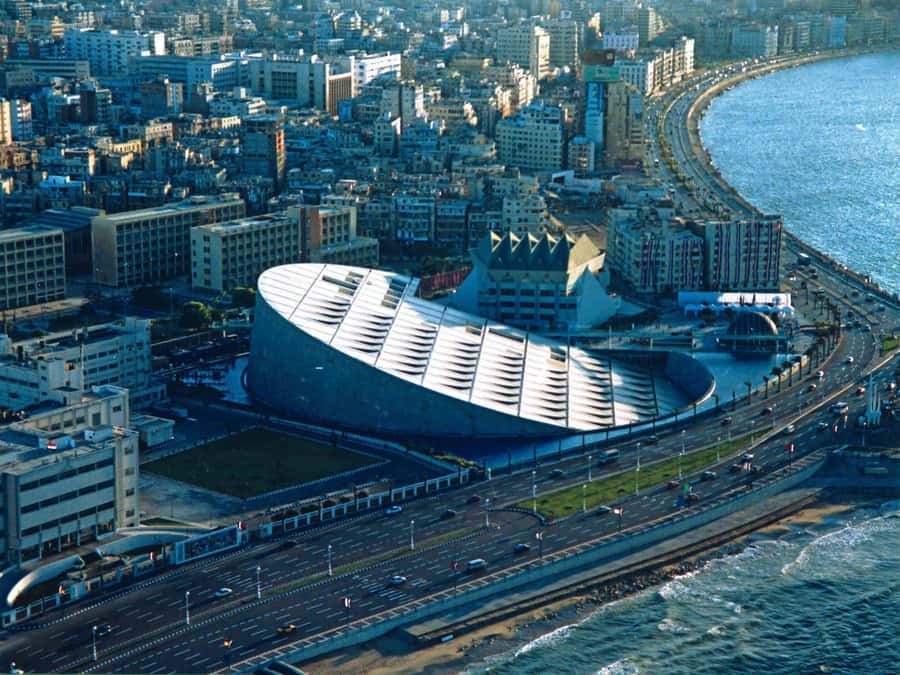
- Library of Alexandria courtyard: statues of Alexander the Great and Ptolemy I in the open court (but the reading area isn’t included)
- Kom El-Deka Roman theater area: guided walk focused on what you can realistically see on the ground
- Roman excavation views, not access: villas, amphitheater ruins, and Great Tomb site are seen externally since interiors aren’t allowed
- St. Mark + old downtown: one of the oldest churches in the city plus a walk through historic streets
- Qaitbay Castle on the Lighthouse site: outside views with the famous Seven Wonders connection for easy photos
- Small-group feel: up to 10 travelers, with an expert guide in English or French (and lots of audio-guide language options)
Entering the Library of Alexandria courtyard (and why the reading area matters)
Your day starts with hotel pickup, then you head straight to the Library of Alexandria. Even if you’ve seen photos before, there’s something different about being there in person: the open court gives you space to orient yourself, and it’s where you can spot the statue of Alexander the Great and the statue of Ptolemy the First.
One thing to be clear about: the tour includes entrance, but it does not include access to the Library’s reading area. That’s not a deal-breaker, but it does change how you should judge the value. If your dream is to roam inside the quiet reading spaces, you’ll want to budget for separate entry. If your goal is to understand the setting, see the monuments in the courtyard, and get the context from a guide, this still works well.
I also appreciate that the tour skips the ticket line. When you’re in a place that gets queues, that small time-saver can make the rest of the day feel calmer.
You can also read our reviews of more tours and experiences in Alexandria.


Kom El-Deka’s Roman theater area: what you see is the point

Next up is the Roman theater in Kom El-Deka. This stop is guided and involves walking, and it’s designed to help you connect the ruins you’re seeing with the city that once grew around them.
Here’s the practical mindset to bring: you’re not touring a fully restored museum. You’re walking through a site where time left its mark in layers. So the value is in the guide’s explanations—why this kind of structure mattered, how Alexandria’s Roman period shaped public spaces, and what clues the layout gives you.
Good guide energy makes a difference. Some people get guides who bring real enthusiasm for the city—names that have come up include Karim, Macy, and Waleed—and that kind of storytelling tends to be what turns ruins into something you can actually picture.
Roman villas, amphitheater ruins, and the Great Tomb site: outside views only
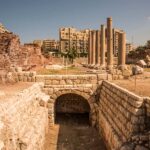
A big chunk of the “Roman Alexandria” story happens around the old Roman city excavation areas. You’ll walk by several zones tied to Roman villas, the amphitheater ruins, and the Alexandria Great Tomb excavation site.
Important reality check: you won’t be allowed inside these excavation areas. You’ll enjoy external views, which means your experience will be more about observation—how the space is arranged, what’s still visible, and how it connects to the bigger Alexandria timeline.
This is one of those moments where you should let go of the expectation of full access. The upside is that you’ll spend your time efficiently, and the guide can keep you focused on what you can see from the outside. If you’re the type who needs interior access to feel satisfied, plan ahead—this tour may feel a bit limited at that point.
Qaitbay Citadel and the Lighthouse connection: the photo stop that explains itself
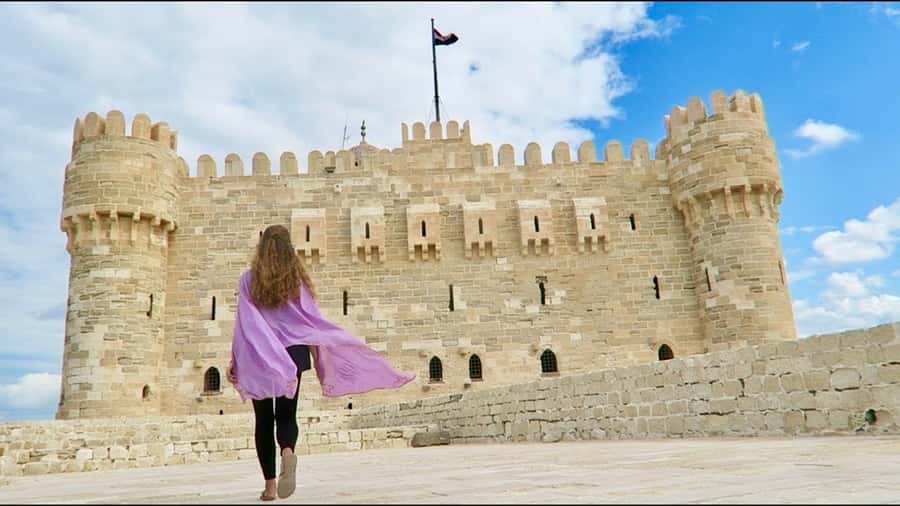
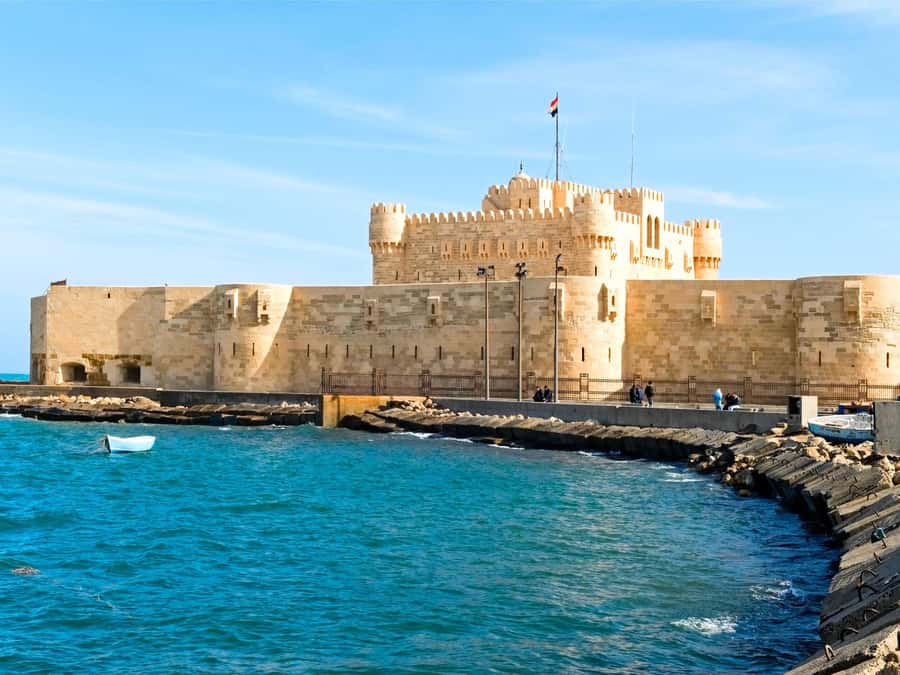
Then you head to Qaitbay Citadel. This is the kind of stop where Alexandria’s ancient-modern link becomes obvious fast.
The tour takes you for guided viewing and walking, plus a major photo stop at the outside of Quaitbay castle. The key detail here is the location: Qaitbay Castle was built on the same site as the ancient Lighthouse of Alexandria, one of the Seven Wonders of the Ancient World.
Even if you don’t go too deep into the lighthouse legend before you arrive, the physical setting helps it click. You’re looking at a fortress now, but the guide can point out why this exact spot mattered when the original lighthouse stood as a navigational and symbolic landmark.
If you want a quick win for your camera roll, this is it.
St. Mark, Abbo Elabbas Mosque, and old downtown: where the day turns human
After the Roman and fortress stops, the itinerary shifts into the lived-in Alexandria you’ll remember after the big monuments.
First comes the church of St. Mark, described as the oldest church in Africa. This stop isn’t just about the title—it’s about seeing how religion and history overlap in the city fabric. A good guide will help you look past the surface and understand the church’s significance without turning it into a lecture.
Then you visit Abbo Elabbas Mosque for a photostop, followed by time in the old downtown where you can walk through the old city-center with your guide. This part matters because it slows you down just enough to feel the streets, not only the sites.
A small practical note: keep your camera ready but also keep your attention on how the streets connect. Old downtown walking is one of the easiest ways to understand how Alexandria’s layout evolved, and it gives your day a more personal rhythm.




Stanley Bridge: the modern landmark finish
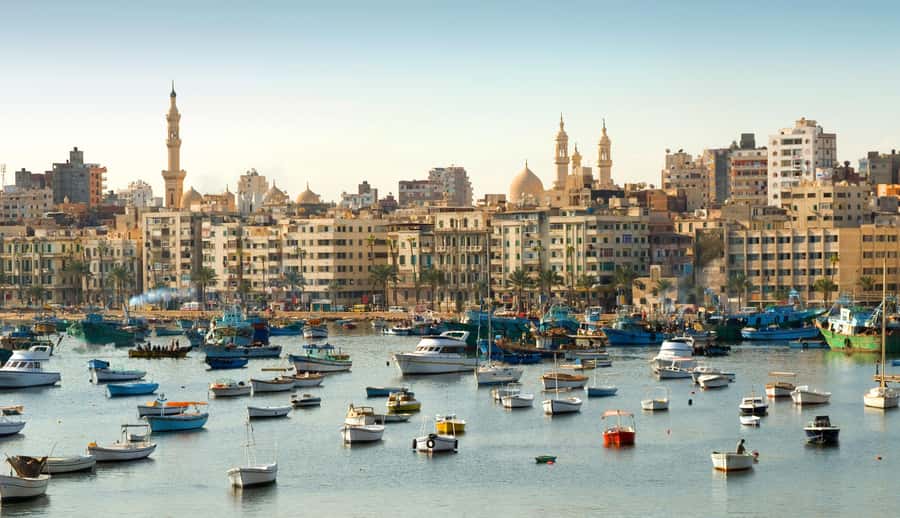
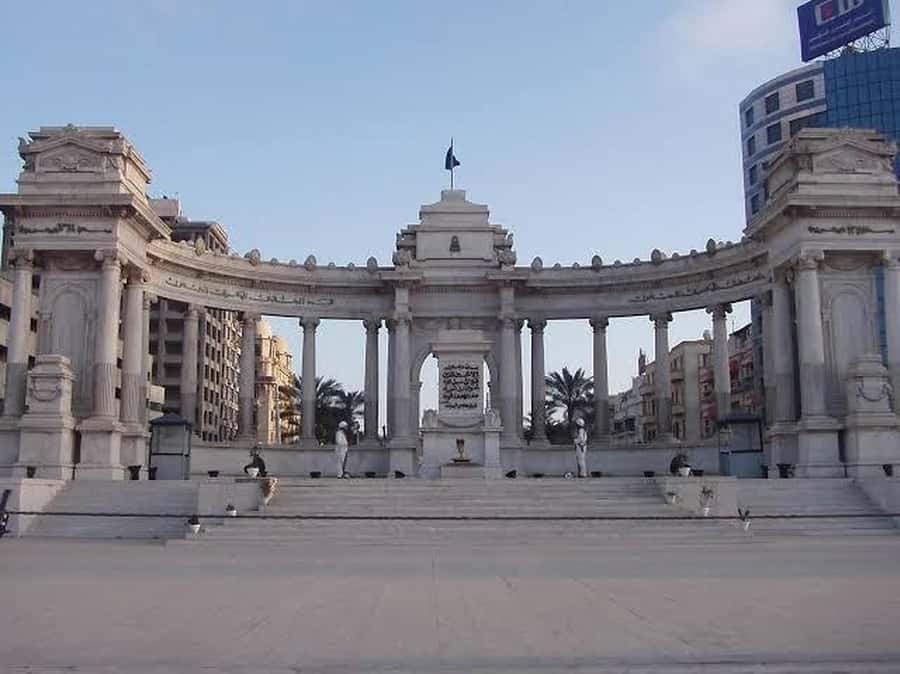
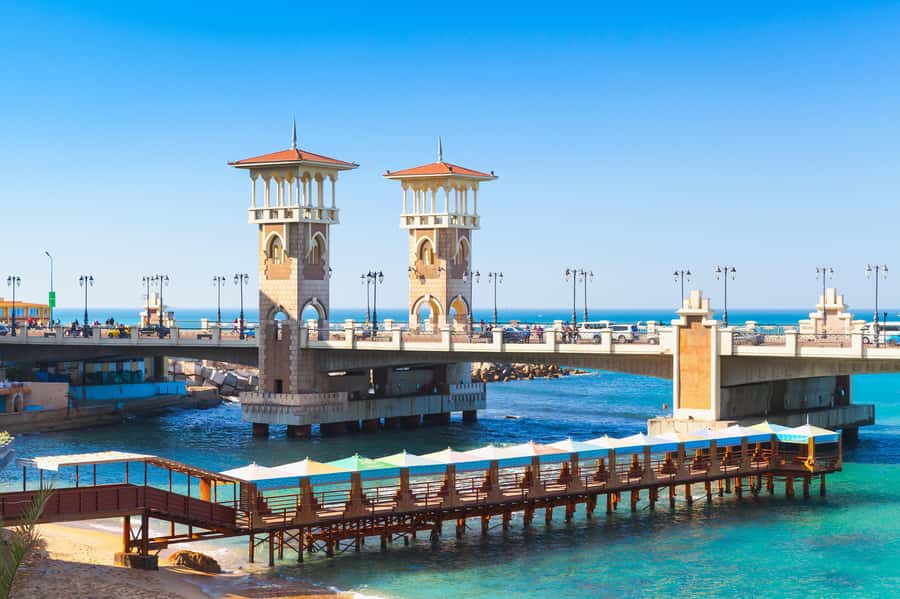
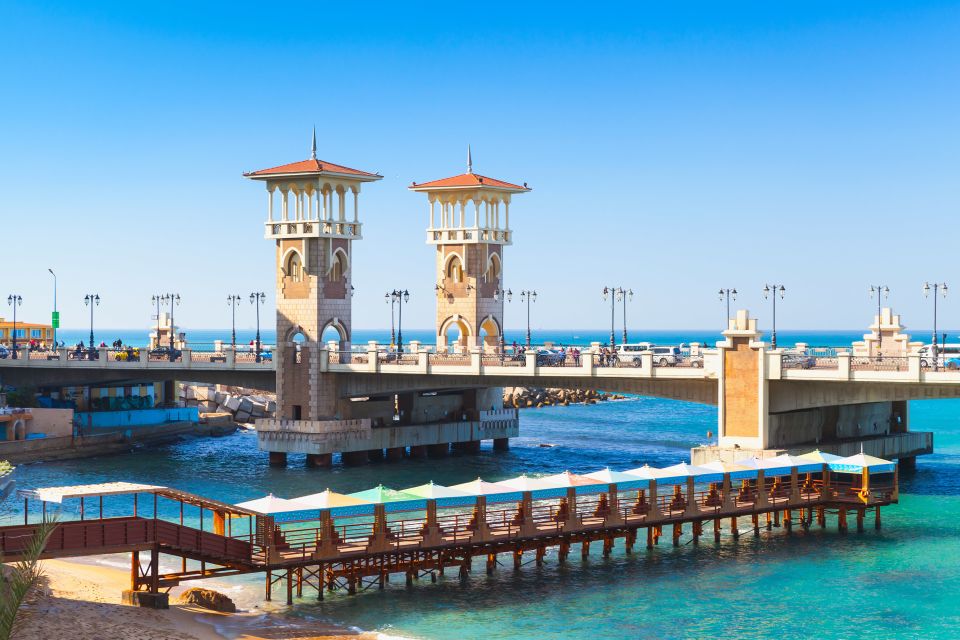
On the way back, the route passes by Stanley Bridge, a modern landmark of modern Alexandria. It’s not a long stop, but it’s a useful closing beat because it reminds you where you are now.
I like these “modern sight” passes at the end of an ancient-heavy day. They stop your brain from getting stuck in the past. Plus, if the light’s right, you can get a quick view without spending energy.
6 hours, AC comfort, and a walking-heavy reality check

This is a six-hour day tour, so pace matters. You’re not rushing across the city as if you’re chasing a bus; you’re riding between areas in an air-conditioned vehicle, with guided walking segments at key points.
Still, you should prepare for feet-on-street time. The tour includes walking at several sites: Library area orientation, Roman theater/walk zones, Qaitbay walking, old downtown strolling, and the Roman city external viewing areas. Comfortable shoes are not optional here—they’re how you enjoy the stops instead of counting down to the next ride.
Lunch is also included via a local restaurant stop. If you have specific dietary needs or strong preferences, you’ll want to communicate them clearly to your guide ahead of time. One snag that’s worth taking seriously: there have been cases where lunch arrangements didn’t match expectations, so it’s smart to confirm at the start of the day what’s planned for your group.
Language support is solid. You’ll have a live English or French tour guide, and there’s an audio guide included with a long list of languages. If your guide is speaking your language, you’ll get the most value. If not, the audio guide gives you a safety net.
One more logistics thing: the tour says the Library is closed on Fridays, Saturdays, and public holidays. That doesn’t just affect one stop—it can alter your whole day. If your travel dates land on a closure day, plan to pick a different day.
Price and value: is $65 fair for what you get?

At $65 per person for a six-hour guided day with hotel pickup and air-conditioned transport, the value depends on what you want out of Alexandria.
Here’s the good value math:
- Entrance fees are included for the tour’s main stops.
- You skip the ticket line for the Library (saving time and stress).
- You get an expert guide and guided walking at multiple major areas.
- Lunch at a local restaurant is part of the day.
The main limitation is also clear:
- The Library’s reading area isn’t included.
- The Roman excavation zones are outside views only.
For most people, that combination still makes sense because the tour is designed to move you through the key storylines of Alexandria—ancient powers, Roman public spaces, Christian heritage, and a modern city finish—without wasting half a day on logistics.
Where I’d be picky is if you specifically want full interior access at the Library or inside excavation structures. In that case, you may want a different format or add-on time.
Who should book this tour (and who should think twice)
This is a strong choice if you:
- want a guided day that hits the headline sites plus local walking
- like seeing how different eras overlap in one city
- prefer a small-group experience (up to 10 people)
- appreciate historical context more than getting lost on your own
Think twice if you:
- need interior access at the Library reading area
- expect excavation sites with full entry
- are very sensitive to schedule changes and communication gaps
For the last point, I’ll be practical. Even when the tour is set up with a start time, things can shift at the last minute. Before you leave, confirm the meeting time directly with your operator or guide, especially if you’re on a cruise schedule or juggling transfers. Also, ask how many people are in your exact group that day—small-group limits are usually stated, but it’s smart to verify for your departure.
Should you book this Alexandria Library, Amphitheater & Citadel tour?
If you want the easiest way to see a lot of Alexandria with a guide who can connect the dots, I’d book it. The mix of Library courtyard, Roman-era sites (with realistic outside views), St. Mark, old downtown walking, and the Qaitbay lighthouse connection is a well-paced “greatest hits with context” day.
Skip it only if your priorities are very specific—like needing the Library’s reading area, or needing interior access to excavation sites. Otherwise, this is a solid use of a single day, and it gives you enough variety that you won’t feel stuck in one era.
FAQ
Is the entrance to the Alexandria Library reading area included?
No. The tour includes entrance, but it does not include entry to the Alexandria Library’s reading area.
What’s the meeting and pickup setup?
You’re picked up from your accommodation in Alexandria by your guide, then transported by air-conditioned vehicle between stops.
How long is the tour?
The tour lasts about 6 hours.
What language options do I have?
Live tour guidance is available in English and French. An audio guide is also included with many language options.
Is the Library of Alexandria open every day?
No. The Library of Alexandria is closed on Fridays, Saturdays, and public holidays.
Is lunch included?
Yes. The itinerary includes a stop at a local restaurant for lunch.