REVIEW · HURGHADA
From Hurghada: 1-Night Luxor Tour, Hot Air Balloon, Transfer
Book on GetYourGuide →Operated by Special Egypt · Bookable on GetYourGuide
Sunrise over Luxor hits different when you’re airborne. This 2-day trip pairs a sunrise hot air balloon ride with a guided tour that strings together the West Bank’s major tombs and the East Bank’s biggest temple sites. I like that the pace gives you both the dreamlike views and the on-the-ground stories, especially with a professional English guide (and other languages on request). The main thing to watch is timing: it’s packed, with a late departure from Hurghada on day 1 and an early wake for the balloon.
What makes it work for many people is that you’re not left to figure anything out. You get pickup, an air-conditioned ride, organized transport to Luxor, a place to sleep for the night, and then the next day’s big sights are handled in a small-group flow. I also love that the itinerary targets the big “musts” in Luxor’s temple landscape without turning it into a checklist drone mission—Valley of the Kings, Hatshepsut, Karnak, and Luxor Temple each get their own context.
One consideration: entrance fees are not included, so you’ll want to budget for ticket costs on top of the $264 price. Also, your Luxor hotel is meant to be functional for a short sleep, not a luxury getaway.
In This Review
- Key things about this Luxor tour that matter
- Day 1 from Hurghada: bus ride, dinner, and a sleep stop in Luxor
- Sunrise hot air balloon over Luxor: the view you came for
- Valley of the Kings: the West Bank’s Place of Truth
- Hatshepsut’s mortuary temple: big scale, same idea
- Colossi of Memnon: quick photo moment, good payoff
- Karnak Temple: generations of builders in one complex
- Luxor Temple and the Opet connection
- Egyptian lunch and the trip back to Hurghada
- Price and value: is $264 reasonable for what you get?
- Who this Luxor balloon + temples tour suits best
- Who might want to prepare differently (so the day feels smoother)
- Should you book this tour?
- FAQ
- What are the pickup times and where does the trip start?
- How long is the tour?
- Are entrance fees included?
- Does the tour include the hot air balloon ride?
- What languages are available for the guide?
- Is transportation included from Hurghada to Luxor and back?
- Is there a hotel for the one night in Luxor?
- Are meals included?
Key things about this Luxor tour that matter
- Sunrise balloon views: you’ll see Luxor’s temples from above, with that first-light glow doing half the explaining
- West Bank storytelling: stops include Valley of the Kings (Place of Truth), Hatshepsut, and quick photo time at the Colossi of Memnon
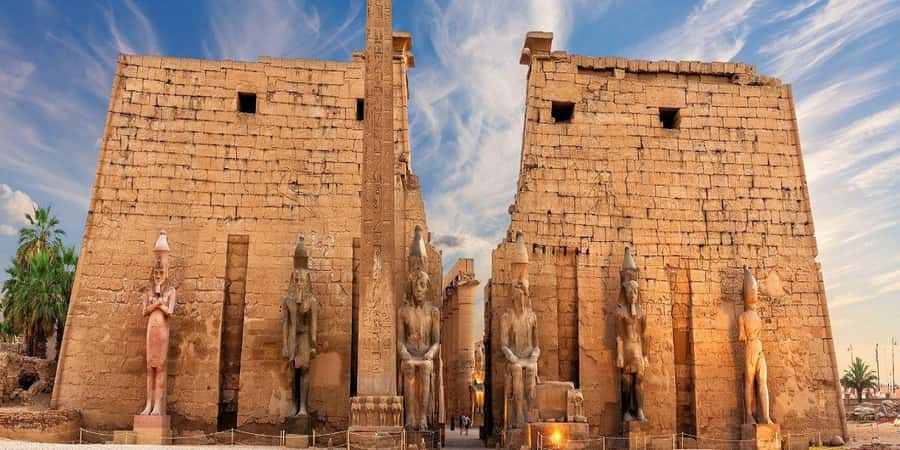
- East Bank classics: Karnak and Luxor Temple, tied to the cultural meaning of the Opet celebrations
- Real coordination at transfers: people running these logistics often emphasize smooth handovers (names like Ereen and Mohraiel come up), plus professional guiding such as Ismaël for French-language groups
- Tight schedule energy: it’s a full 2 days—great if you love history, tiring if you want slow travel
Day 1 from Hurghada: bus ride, dinner, and a sleep stop in Luxor
Your day starts with pickup from Hurghada at 4:30 pm. From there, you head to the bus station and take the pre-booked bus to Luxor. It’s a long-ish transit day, but it’s also one of the reasons this tour can deliver the balloon and major temples within just 2 days—your time is protected by having transport arranged instead of you hunting it down.
When you arrive in Luxor, the driver meets you holding a sign. Then comes the human part of the operation: luggage gets handled, you’re taken to an Egyptian dinner at a local restaurant, and afterward you’re dropped at the hotel booked for you so you can rest.
What I like about starting this way is that it prevents the classic problem of arriving in Luxor late, confused, and hungry. You land, you eat, you get some sleep. The trade-off is that day 1 feels more like “getting into position” than “seeing monuments,” so mentally switch gears: day 2 is where the highlights peak.
You can also read our reviews of more evening experiences in Hurghada



Sunrise hot air balloon over Luxor: the view you came for
The next morning starts early. You check out (and you should leave with your luggage), then your driver takes you to the hot air balloon airport—the moment when the day stops feeling like a tour and starts feeling like an event.
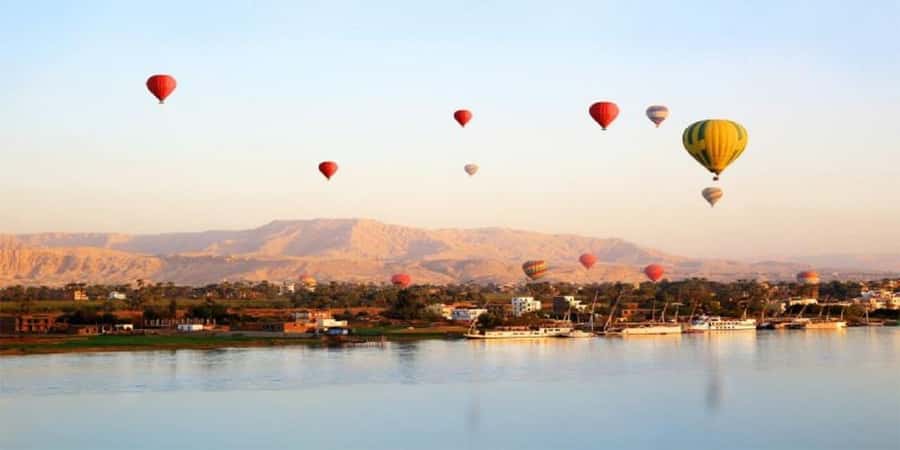
Here’s what you can expect: you’ll watch balloons fill with hot air, see them rise, and then enjoy those wide-open views over Luxor. The flight focuses on the big visual shapes of the city and key temple areas—this is one of the best ways to understand how the temples sit within the broader geography. From above, Karnak and Luxor’s riverfront area aren’t just separate stops on a route; you get a sense of how this whole “open-air museum” fits together.
After the flight, you join a small group for the guided temple day. That sequencing is smart. The balloon gives you awe first, then the guide turns that awe into understanding.
Practical note: Luxor mornings can feel cooler than you’d expect, but by midday you’ll likely feel heat. Plan layers you can manage without turning your day into a gear circus.
Valley of the Kings: the West Bank’s Place of Truth
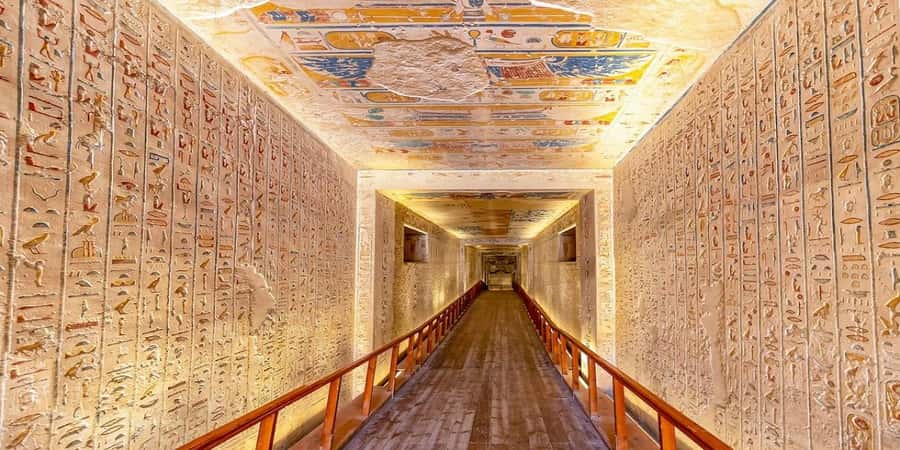
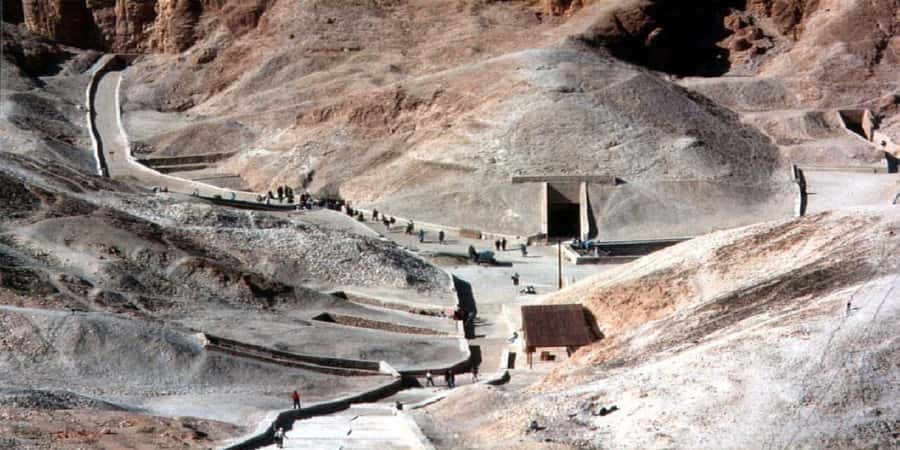
Once you’re with the group, the tour begins on the West Bank with the Valley of the Kings, also called the Place of Truth. This is where the history gets specific in a powerful way. You’ll be seeing a site known for royal tombs—63 magnificent royal tombs, and they’re famous precisely because each one is different. Even when you don’t catch every inscription detail, the variety tells the story: pharaohs had distinct ideas about death, legacy, and the afterlife.
The value of having a guide here isn’t about memorizing dates. It’s about getting the logic behind what you’re looking at—why the tombs are where they are, how the site functioned as a necropolis, and what the names and layout imply.
Time is the trade-off. Since this is a 2-day program, the West Bank stops move efficiently, not leisurely. If you want to linger for museum-level reading, you might feel your pace is set by the day’s timetable.
Hatshepsut’s mortuary temple: big scale, same idea

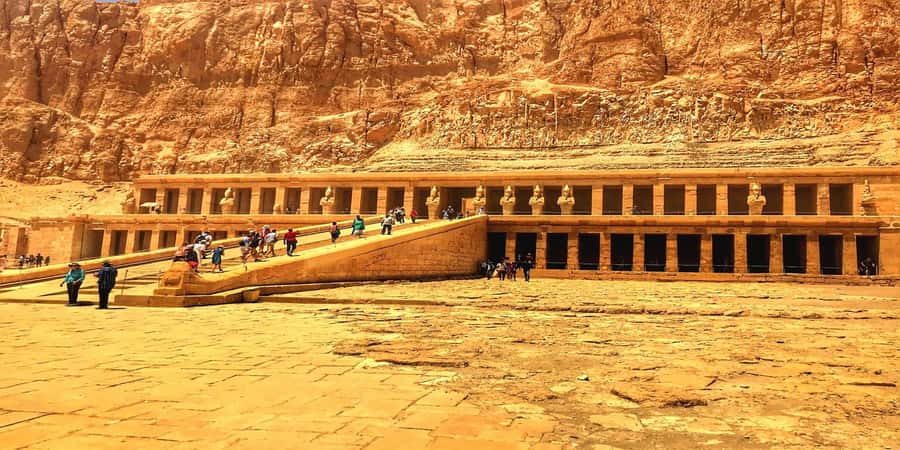
Next you visit the Mortuary Temple of Queen Hatshepsut. This is one of Luxor’s best “aha” stops because you can see ambition in stone. Hatshepsut admired Mentuhotep II’s earlier temple design, then ordered her own version built right next to it on a far grander scale.
That “next to it” detail matters. You’re not only looking at a single monument—you’re comparing two eras and two royal mindsets in one field of view. With a guide, the comparison becomes clearer and more satisfying.
One practical consideration: these sites can be sun-heavy and you’ll be moving between points. Bring water and give yourself permission to take photos with purpose—don’t spend so long framing shots that you run late for the next stop.
Colossi of Memnon: quick photo moment, good payoff

At the end of the West Bank segment, you get a quick visit to the Colossi of Memnon for pictures. It’s not a long stop, but it works because it’s visually striking and offers a sense of scale. These statues are the kind of landmark you can spot mentally even after you leave—tall, watchful, and instantly recognizable in silhouettes and photos.
If your group is running on schedule, you’ll likely get enough time for a few key angles and then move on. If you’re a person who needs time to walk slowly and re-check every viewpoint, you might wish you had more. Still, for a tight itinerary, it’s a solid choice.
You can also read our reviews of more tours and experiences in Hurghada






Karnak Temple: generations of builders in one complex
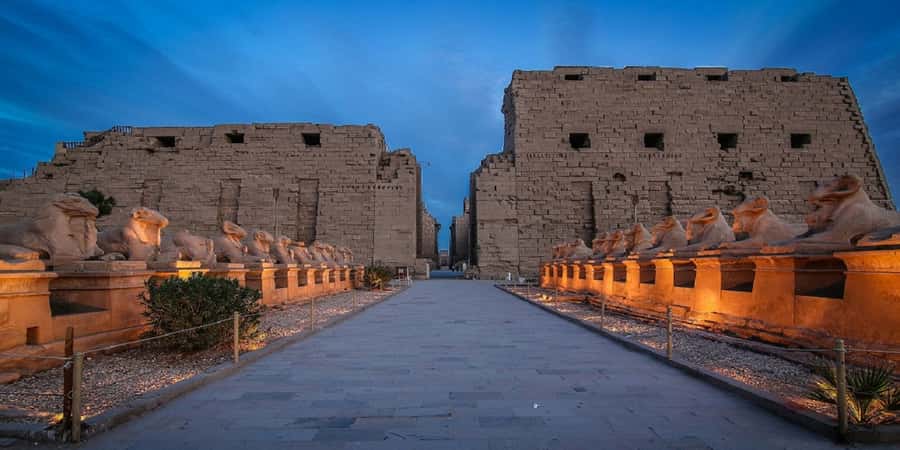
After the West Bank, the tour shifts to the East Bank with one of Luxor’s major showpieces: Karnak Temple. This isn’t just one temple—it’s a huge complex with multiple layers of building and purpose. You’ll see three main temples, several smaller enclosed temples, and additional outer temples.
The best part of visiting Karnak with context is realizing it’s not a finished single “attraction.” It’s the record of changing rulers and evolving ideas across centuries. Even if you’re not catching every inscription, you can feel the continuity: this place grew in stages, and that’s why the scale can be a little overwhelming on a first visit.
Because this is a guided tour, you’re less likely to get lost in the layout. Your guide helps you connect what you’re seeing to the bigger picture.
Luxor Temple and the Opet connection

Next comes the Luxor Temple, and this stop comes with a cultural hook that makes it more than a pretty set of columns. Luxor Temple was the main stage for the annual Opet celebrations. That matters because it changes how you interpret the building. You’re not only looking at ancient architecture; you’re looking at a place tied to ritual movement, ceremony, and royal symbolism.
Opet context gives your brain something to hold onto as you walk. It’s easier to understand why certain spaces feel designed for processions and why the temple mattered to the culture of the time.
As with Karnak, time is efficient. The upside is you see multiple “big hitters.” The downside is you don’t get the slow, full reading experience. For many people, that’s exactly the right trade.
Egyptian lunch and the trip back to Hurghada

After a long day of monuments, you’ll have an Egyptian lunch. Then the bus ride takes you back to Hurghada, with the driver waiting at the station to bring you to your accommodation safely.
This is another place where logistics matter. A lot of Cairo-to-elsewhere trips break down because you’re stuck negotiating local transport at the end of a tiring day. Here, the return plan is in place—so your energy goes to the sights, not to problem-solving.
Price and value: is $264 reasonable for what you get?
At $264 per person for a 2-day package, the biggest question is value: what’s included, and what’s not.
Included items you’re paying for:
- Hotel pickup and drop-off (within Hurghada)
- Bus tickets to and from Luxor
- Sunrise hot air balloon ride
- A professional English guide (other languages available for an extra cost)
- Air-conditioned vehicle and a driver
- All fees and taxes for the tour components
Not included:
- Entrance fees to sites
This matters because entrance fees can add up, especially with major stops like Karnak and Valley of the Kings. Still, the balloon ride is the standout cost driver in any Luxor plan, and it’s included here. When a tour bundles transport from Hurghada plus the balloon plus guided temples in just 2 days, you’re buying time savings and stress reduction as much as you’re buying sightseeing.
The math often works best if:
- you want the balloon without arranging it yourself,
- you’re okay with a fast-moving schedule,
- you’d rather pay for organization than spend time researching entry requirements.
Who this Luxor balloon + temples tour suits best
This tour fits you if you:
- love big-name monuments and want the essentials in one go,
- wake up early without bargaining,
- appreciate guided explanations (instead of wandering alone),
- want an organized package from Hurghada with minimal friction.
It may not fit you as well if you:
- prefer long, quiet museum-style visits,
- hate tight timetables,
- dislike early mornings (the balloon start makes the day feel intense).
Who might want to prepare differently (so the day feels smoother)
A few small habits can make a big difference on a schedule like this:
- Bring light layers for early hours, plus something to handle warm sun later.
- Plan for entrance fees so you don’t feel surprised at ticket time.
- Keep your phone charged and consider a small data plan; coordinating between balloon, lunch, and temple stops depends on being reachable.
- For the overnight part, think “sleep and recharge,” not “vacation hotel.” The lodging is meant to cover rest for an early start.
Should you book this tour?
If you want a 1-night Luxor trip with a sunrise balloon and guided West Bank + East Bank highlights, this is a strong option—especially because the transport from Hurghada and the balloon plan are handled end-to-end. The itinerary hits the monuments most people dream about, and the balloon-to-temples sequence is one of the most satisfying ways to experience Luxor.
I’d skip it only if you’re very time-sensitive about pacing, hate early wake-ups, or need a slow, deep museum rhythm. For everyone else, it’s a good value package that trades some lingering time for the kind of day you’ll remember.
FAQ
What are the pickup times and where does the trip start?
Pickup from Hurghada starts at 4:30 pm. You’re also picked up again early the next morning for the hot air balloon day.
How long is the tour?
The total duration is 2 days.
Are entrance fees included?
No. Entrance fees are not included in the package price.
Does the tour include the hot air balloon ride?
Yes. A sunrise hot air balloon ride is included.
What languages are available for the guide?
The tour offers Arabic, English, French, German, and Spanish. English is listed as the standard option, and other languages may be available with an additional cost.
Is transportation included from Hurghada to Luxor and back?
Yes. Bus tickets and hotel pickup/drop-off are included, along with an air-conditioned vehicle and a driver.
Is there a hotel for the one night in Luxor?
Yes. After dinner on day 1, you’re dropped off at a hotel booked for you in Luxor to rest overnight, and on day 2 you check out before the balloon pickup.
Are meals included?
You’re included in an Egyptian dinner on day 1 and an Egyptian lunch on day 2, as part of the day’s schedule.