REVIEW · PORT SAFAGA
From Hurghada: 2-Day Private Tour of Luxor and Abu Simbel
Book on GetYourGuide →Operated by FTS Travels · Bookable on GetYourGuide
A long drive, then pure ancient Egypt. This private tour strings together Luxor’s biggest hits and Abu Simbel, plus you get an Egyptologist guide explaining what you’re seeing while you move between sites. I especially like the mix of major temples and tomb landscapes, and the fact that you end the first day with a five-star hotel in Aswan instead of trying to cram it all into one exhausting day.
The main catch is simple: the schedule is tight, and the road time is long. It’s not for everyone, especially if you have mobility limits or heart concerns, and young kids might find the days draining.
In This Review
- Quick hits before you go
- Private air-conditioned transfers from Hurghada
- Day 1 in Luxor: Valley of the Kings to Karnak
- Valley of the Kings: the rulers’ final resting place
- Hatshepsut Temple: beauty and preservation
- Colossi of Memnon: two giants that still hold attention
- Nile-view lunch: one of the best breaks in the itinerary
- Karnak Temples: the largest complex you’ll ever stand in
- Aswan overnight in a five-star hotel (your chance to reset)
- Day 2: Abu Simbel’s two temples, explained by an Egyptologist
- The journey to Abu Simbel and why it’s worth it
- How the two temples change the story
- Price and value: is $528 per person fair?
- Guides and drivers: the difference between seeing and understanding
- What to bring (and what to skip)
- Who this private Luxor and Abu Simbel tour is best for
- Should you book this tour?
- FAQ
- FAQ
- How long does it take to get from Hurghada to Luxor?
- How long is the drive from Luxor to Abu Simbel?
- Does the tour include an Egyptologist guide?
- Where is the overnight stay included?
- Are entrance fees included?
- Is pickup included from all Red Sea locations?
- Is the tour suitable for pregnant women?
- Is it suitable for people with mobility impairments?
- What languages are available?
- What should I bring?
Quick hits before you go
- Private air-conditioned transfers keep your travel between cities more comfortable than big-bus tours.
- Valley of the Kings + Hatshepsut + Karnak covers the core Luxor classics in one efficient flow.
- An Egyptologist guide turns sight-seeing into actual understanding, with time for questions.
- A five-star Aswan overnight lets you reset before the Abu Simbel day.
- Abu Simbel is the big-ticket day two, with the two main temples on the agenda.
- You may face extra tomb fees if you want to enter specific tombs like Tutankhamon’s.
Private air-conditioned transfers from Hurghada
This tour is built around comfort and time. You start with pickup from your Hurghada hotel and travel by private air-conditioned vehicle to Luxor, then continue toward Aswan, then onward for Abu Simbel the next day, and finally return.
The driving blocks are part of the deal. The trip from Hurghada to Luxor is about 4–5 hours by car, and Luxor to Abu Simbel is around 3–4 hours, so plan your body for long stretches and hot conditions.
Two practical perks matter here: you’re not stuck waiting on random group pickups, and the private setup gives your guide room to keep the day moving. One review also noted an especially comfortable setup with the driver and vehicle handled smoothly, which helps when you’re covering so much ground.
You can also read our reviews of more tours and experiences in Port Safaga.

Day 1 in Luxor: Valley of the Kings to Karnak
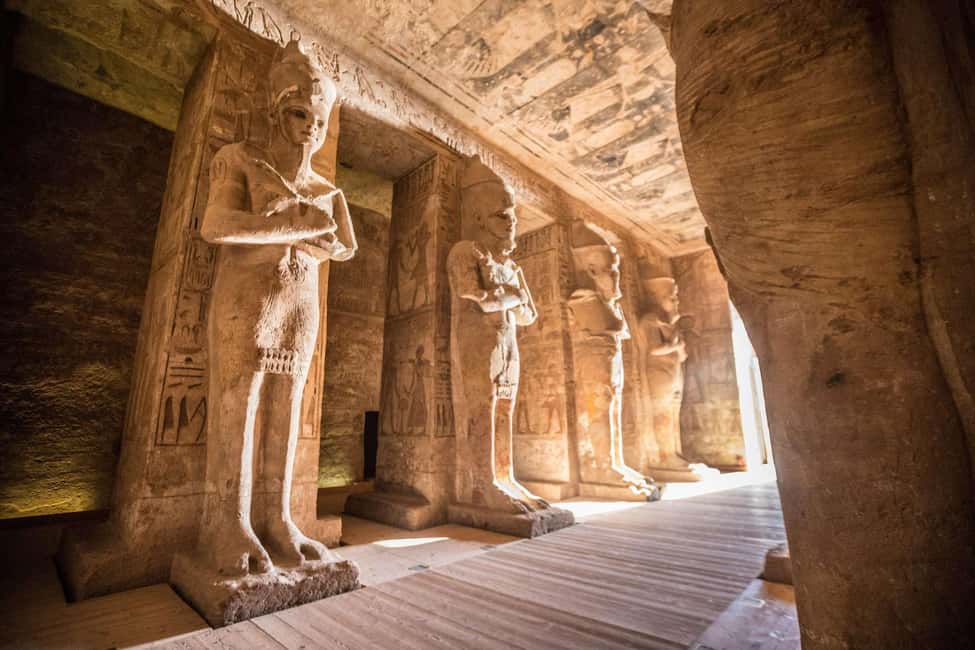
Day one is the classic Luxor power plan. You start in the morning and dive straight into the west bank atmosphere, then head into temples that show why Luxor is often called the open-air museum capital of Egypt.
Valley of the Kings: the rulers’ final resting place
The day begins with the Valley of the Kings, the resting place of Egyptian rulers from the 18th to the 20th dynasty. What I like about this stop is that it’s not just “see tombs.” It’s a whole landscape of belief, power, and royal planning, all packed into a dramatic mountain setting.
Expect a walking-heavy visit outdoors. Bring comfortable shoes and take breaks when you need them—shade can be limited, and the tour’s structure keeps you moving.
One extra note: the tour includes entrance fees, but if you decide you want to see specific tomb interiors, you might encounter additional fees. A guide was reported to mention an extra payment of about $20 per person for entry to see Tutankhamon’s tomb area, and that cost was not clearly listed in the original description.
Hatshepsut Temple: beauty and preservation
Next comes Hatshepsut Temple, one of the most beautiful and best-preserved ancient Egyptian temples. This is where the tour shifts from royal “final resting” mood to a more monumental, ceremonial feel.
If you like architecture, you’ll get a lot out of this stop. It’s also a great moment to slow down a touch and look at details, because temple carvings and layouts tend to reward patient viewing.
The outdoor setting still matters. You’ll want a sun hat and sunscreen, since Egypt’s sun doesn’t care about your travel schedule.
Colossi of Memnon: two giants that still hold attention
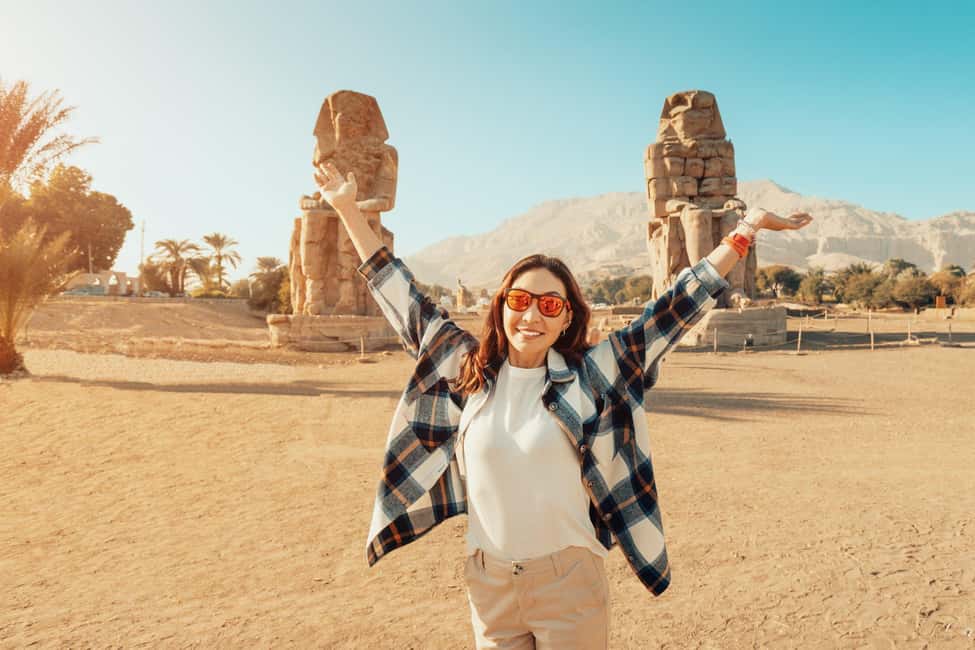
After that, you visit the Colossi of Memnon, the two colossal stone statues of King Amenhotep III. These statues are famous because they’re so big and so present in the landscape—standing there, you feel the scale instantly.
This part of the day is also good for photos, but don’t treat it like a quick selfie stop. The more your guide frames the statues in context, the more they turn into a story instead of just “two rocks.”
Nile-view lunch: one of the best breaks in the itinerary
Between temples, you enjoy lunch in a restaurant with breathtaking views of the Nile. This matters because it’s not just food; it’s a chance to catch your breath and recharge before Karnak.
If you have dietary restrictions, tell the operator in advance. The tour description specifically notes they can accommodate needs if you inform them ahead of time.
Karnak Temples: the largest complex you’ll ever stand in
To close Day 1, you go to Karnak Temple, described as the largest temple complex ever built. Karnak can feel overwhelming if you show up cold. With an Egyptologist guide, you get a better mental map: which areas mattered, why they were built, and how rulers used religion and politics together.
This is also the kind of site where time management helps. You’ll want to take your photos, but also set aside a few minutes to just watch how the space works—columns, courtyards, and the sense of long-term building campaigns.
Aswan overnight in a five-star hotel (your chance to reset)
After the Luxor day, you travel by scenic drive to Aswan and check into a five-star hotel for the night. This is a big part of the value: without it, you’d likely be stuck either with a rougher rest or a forced “see more, sleep less” approach.
The goal here is not luxury shopping. It’s recovery. Long drives + outdoor temple time add up, and an overnight in Aswan gives you real downtime before the next day’s Abu Simbel run.
You’ll also be sleeping in the correct place for the following morning, so you’re not wasting time battling late transfers. In a two-day itinerary, saving even 30–60 minutes can make a difference in how alert you feel.
Day 2: Abu Simbel’s two temples, explained by an Egyptologist
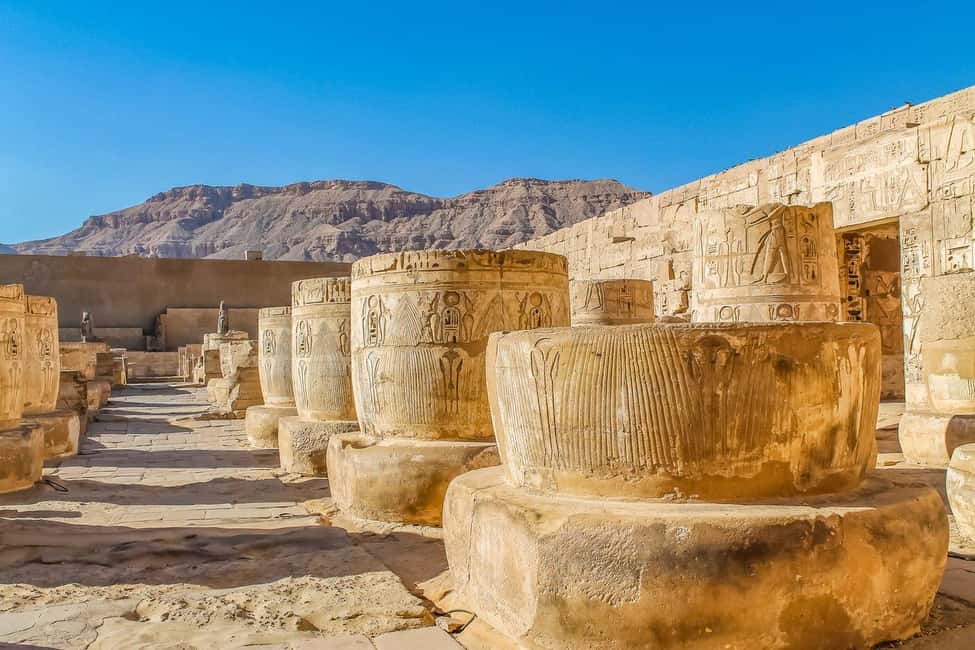
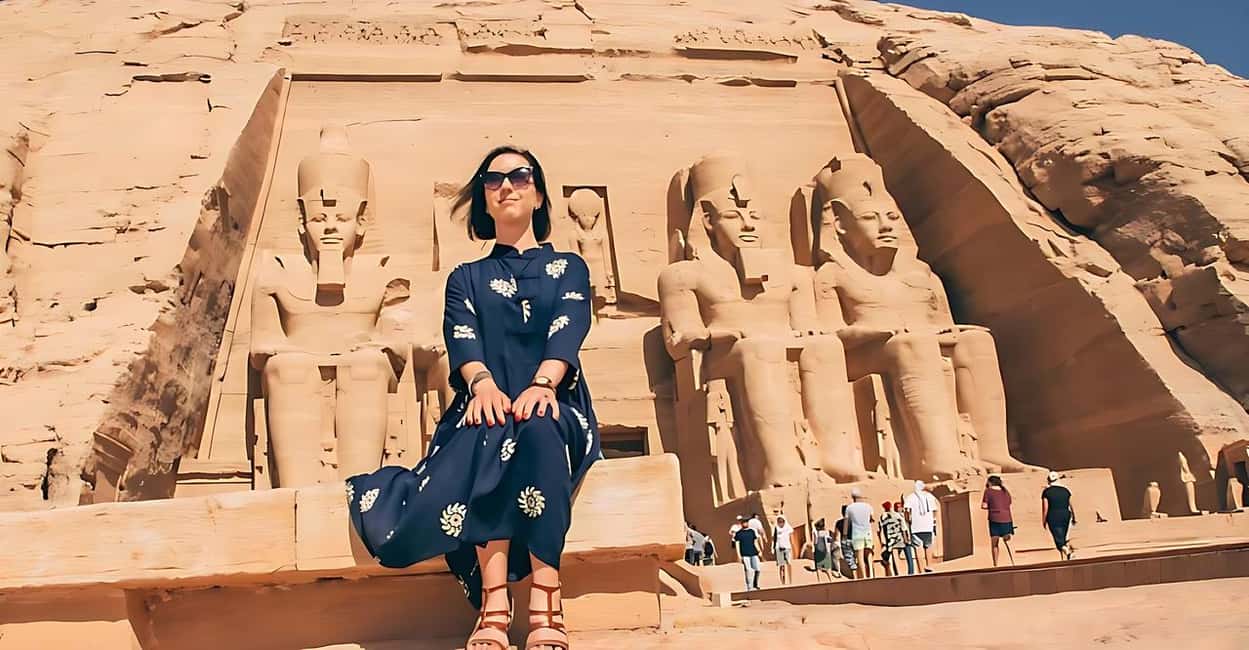
Day two is all about Abu Simbel. You rejoin your guide and tour the two temples there, with your Egyptologist explaining the history behind each archaeological site.
The journey to Abu Simbel and why it’s worth it
The drive time from Luxor to Abu Simbel is about 3–4 hours, so you’re starting the day with travel again. But Abu Simbel is one of Egypt’s “you can’t skip this” locations, because it’s so clearly engineered to be seen as a statement of power.
The payoff comes when the guide connects the site to the political and religious goals of the era. With that context, you don’t just “see temples.” You understand why they were built, and what made them significant.
How the two temples change the story
The tour includes both temples at Abu Simbel, so you get the full picture rather than a quick hit. The guide’s job here is crucial: it’s easy to lose track of what you’re looking at when everything is impressive.
I’d recommend you pace yourself during the visits. Look first for the big shapes, then move your attention to carvings and layout. This is where an Egyptologist guide helps you slow down without wasting time.
Price and value: is $528 per person fair?
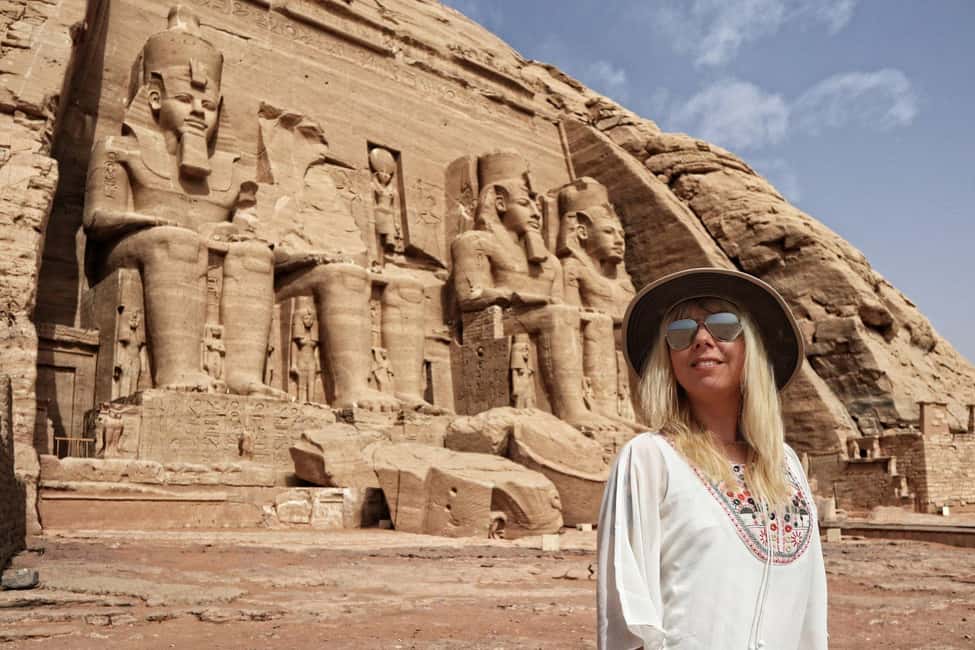
At $528 per person, this isn’t a budget excursion. But for a two-day private tour that includes private transport, entrance fees, an Egyptologist guide, and a five-star overnight in Aswan, the pricing starts to make sense.
Here’s how I’d judge value for your wallet:
- Distance + time are expensive. Hurghada to Luxor, then Luxor toward Abu Simbel, is not a quick hop.
- It’s private end-to-end. You’re not competing with a large group for guide attention.
- Entrance fees are included. That reduces the “surprise costs” feeling.
- Hotel is included. The five-star Aswan stay is a major cost that many shorter tours skip.
Potential costs to watch: if you choose to enter specific tombs like Tutankhamon’s, there can be extra fees. Also note that the tour doesn’t include pickup and drop-off from several nearby Red Sea areas unless you select add-ons at checkout (like Makadi Bay, Sahl Hasheesh, El Gouna, Safaga, or Soma Bay).
Overall, this is best viewed as a “buy the guide + buy the logistics” package. If you care about comfort and explanation, it tends to feel fair.
Guides and drivers: the difference between seeing and understanding
One of the most praised parts of this experience is the people running it. Names that came up include guides like Nagla and Khaled, and a helpful guide/organizer experience credited to Assem.
You’ll feel the quality in the pacing and the way questions get answered. Several details point to good logistics: pickup on time, safe driving, and smooth transitions between sites.
That matters because in a schedule-heavy tour, the guide isn’t just narrating. They’re managing ticket lines, explaining what you’re about to see, and keeping you from wasting energy on confusion. If you’re the type who likes to ask why a temple looks the way it does, this tour format fits.
What to bring (and what to skip)
This tour has outdoor walking, bright sun, and a long day rhythm. Pack for that, not for city sightseeing.
Bring:
- Comfortable shoes
- Sun hat
- Camera
- Sunscreen
- Comfortable clothes
- Cash (useful for extras)
- Passport (copy accepted)
- Pillow
You might also want to plan for long travel comfort. Even with private transfers, you’re spending hours in a vehicle on a schedule that doesn’t stop for your sleep preferences.
Who this private Luxor and Abu Simbel tour is best for
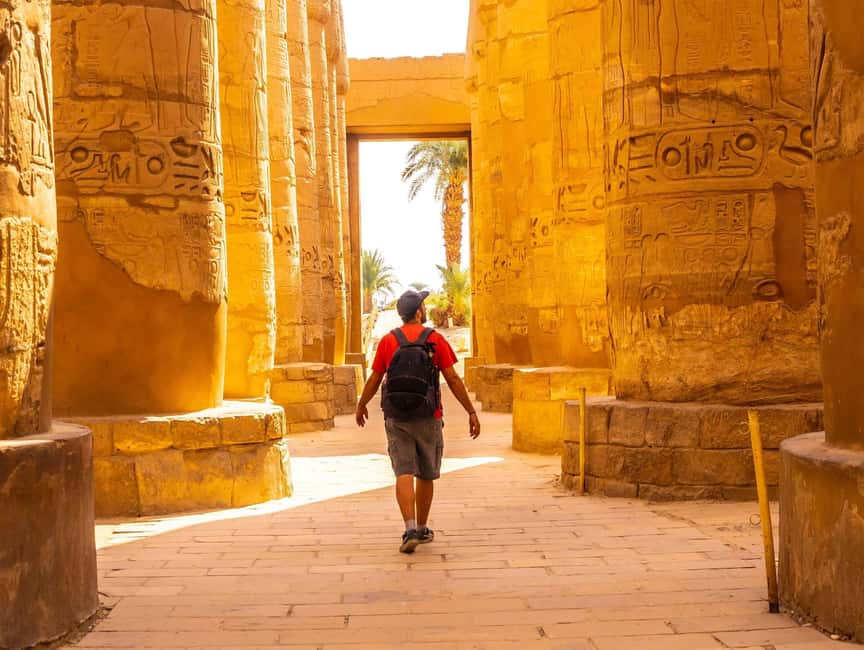
This tour is a great fit if you want a classic Upper Egypt highlight bundle without wrestling with public transport.
It suits:
- Couples and families who prefer private guiding and private transfers
- People who value an Egyptologist explanation, not just photo stops
- Travelers who want the Luxor temples plus Abu Simbel in a compact format
It might not suit:
- People with mobility impairments
- Pregnant women
- People with heart problems
- Anyone who needs a very relaxed pace and lots of free time
There’s also a basic physical reality: it’s an efficient itinerary, not a slow vacation. One review even joked about how it’s not for unathletic people, and honestly, that’s accurate.
Should you book this tour?

Book it if you’re ready for a packed two days and you really want Luxor and Abu Simbel with an Egyptologist guiding the story. The included five-star Aswan overnight and private transfers are strong reasons this feels like more than a sightseeing checklist.
Skip it (or look for a different format) if you want a lighter schedule, more downtime, or you know long driving days will drain you. And if you’re set on visiting specific tomb interiors, budget extra cash for possible entry fees beyond what’s included.
FAQ
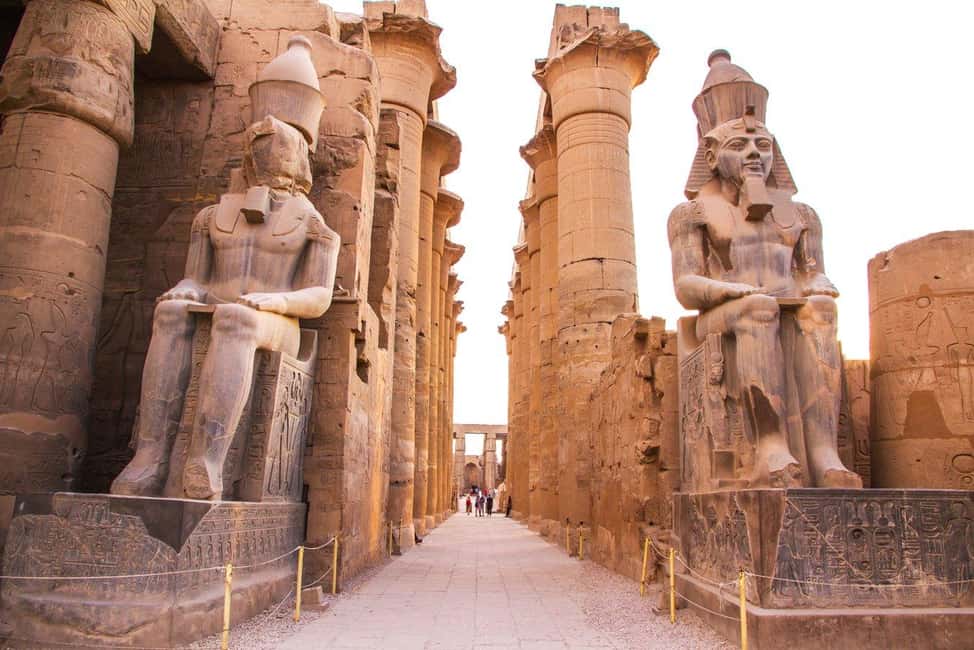
FAQ
How long does it take to get from Hurghada to Luxor?
The journey from Hurghada to Luxor takes approximately 4–5 hours by car.
How long is the drive from Luxor to Abu Simbel?
The trip from Luxor to Abu Simbel takes about 3–4 hours by car.
Does the tour include an Egyptologist guide?
Yes. You’ll have an Egyptologist guide during the itinerary.
Where is the overnight stay included?
The tour includes an overnight hotel stay in Aswan at a five-star hotel.
Are entrance fees included?
Yes, entrance fees are included.
Is pickup included from all Red Sea locations?
Pickup and drop-off from Makadi Bay, Sahl Hasheesh, El Gouna, Safaga, or Soma Bay are not included unless you select the add-on at checkout.
Is the tour suitable for pregnant women?
No, the tour is not suitable for pregnant women.
Is it suitable for people with mobility impairments?
No, the tour is not suitable for people with mobility impairments.
What languages are available?
The tour is offered in English, German, Spanish, Russian, Italian, French, and Arabic.
What should I bring?
Bring comfortable shoes, a sun hat, camera, sunscreen, comfortable clothes, cash, your passport (a copy is accepted), and a pillow.