REVIEW · PORT SAFAGA
Hurghada: Luxor, Karnak Temple & Valley of the Kings
Book on GetYourGuide →Operated by FTS Travels · Bookable on GetYourGuide
Luxor in one day feels ambitious, and it is still worth it. You’ll cover Karnak Temple and the Valley of the Kings with a guide who turns big stone and tiny carvings into a story you can actually follow. I also like that the day is paced around real highlights, not random stops that waste the clock.
My favorite part is the way the itinerary stacks the powerhouses: Karnak’s Great Hypostyle Hall first, then tomb walking afterward while you still have energy. The drawback is simple: it’s a long, hot day with a lot of standing and walking, so you’ll want to plan for heat and comfort.
Key things I’d note before you go
- Karnak Temple first: the Hypostyle Hall’s scale sets the tone for the whole day.
- Three tomb visits: you don’t just peek at one site; you get a proper sense of royal burial art.
- Hatshepsut at Deir el-Bahari: the temple’s cliffside setting makes the female pharaoh feel immediate.
- Colossi of Memnon stop: quick, but memorable, especially if you like dramatic remnants.
- Guides matter: names like Shaban, Ahmed, and Aziz come up for clear explanations and practical care in heat.
In This Review
- Why a Luxor Day Trip From Hurghada Still Makes Sense
- Karnak Temple: The Hypostyle Hall Is the Right First Stop
- The Nile Lunch Break: Real Egyptian Food, Not a Detour
- Valley of the Kings: Tomb Walking With Afterlife Art
- Deir el-Bahari and Hatshepsut’s Temple: Cliffside Power
- Colossi of Memnon: Two Giants, One Brief Stop
- Heat, Shoes, and How Guides Keep the Day Moving
- Optional Nile Time: When a Felucca Ride Is Worth the Extra
- Languages and the Quality of the Explanation
- Price and Value: What $85 Actually Buys You
- Who This Luxor Tour Fits Best (and Who Should Skip)
- Should You Book This Luxor Day Tour?
- FAQ
- How do I get from Hurghada to Luxor for this tour?
- What are the main stops during the day?
- Is the Tutankhamun tomb visit included?
- What should I bring?
- Is a Nile felucca ride included?
- Is this tour suitable for everyone?
Why a Luxor Day Trip From Hurghada Still Makes Sense
This is a full-day Luxor tour designed for people staying in Hurghada (or nearby resorts). You start early, ride in an air-conditioned vehicle through the desert, and then get a structured day of the most famous sites on Luxor’s west and east banks.
The real value is the combo. Going independently means you’d have to solve transport, tickets, timing, and a guide (or your own research) for multiple locations in one day. Here, you get a tight plan: Karnak, then lunch, then the west bank highlights like the Valley of the Kings and Hatshepsut’s temple.
Yes, it’s long. And yes, it’s hot. But the day is built around places that reward attention. If you’re the type who likes to feel oriented as you go, guided stops help you connect the dots instead of collecting monuments like souvenirs.
Karnak Temple: The Hypostyle Hall Is the Right First Stop
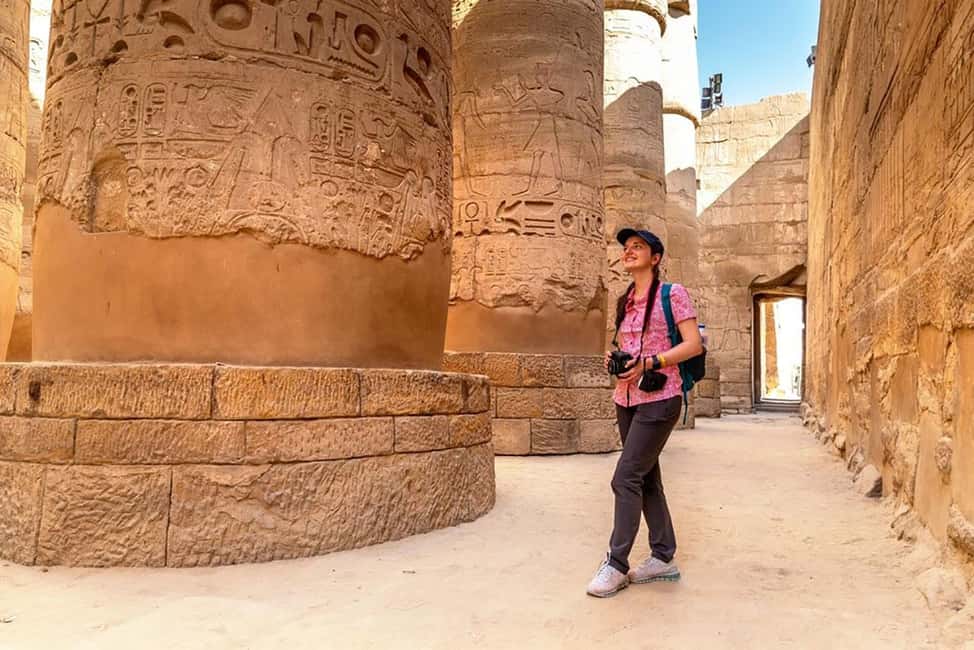
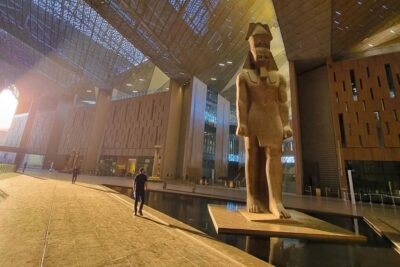
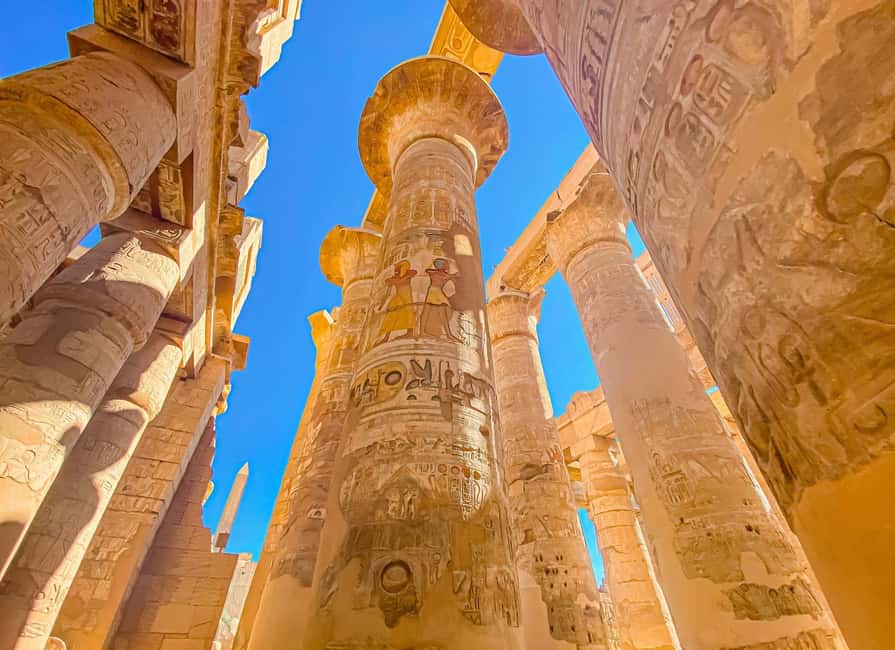
Karnak is Egypt’s heavyweight temple complex. The highlights are dramatic even before you know the names. You walk through towering columns, large statues, and sacred lakes that make the place feel like a living ritual space, not just ruins.
The standout for me is the Great Hypostyle Hall, with its 134 giant columns. Even if you’re not a “temple person,” the hall changes your sense of scale. It’s one thing to see photos. It’s another to stand under those columns while a guide explains how the temple of Amun-Ra shaped ancient Thebes and its power.
Your guide’s job isn’t just to recite facts. It’s to help you notice the details that usually get missed: how the space is organized, why certain areas matter, and what the temple symbolically represented. People who get Shaban or Ahmed-style explanations often point out that the guide also manages comfort—keeping an eye on shade and pacing—so the heat doesn’t bulldoze your focus.
If you’re sensitive to crowds or sun, arriving with a plan helps. Starting your day at Karnak means you’re not rushing to cram it in later with tired legs.
You can also read our reviews of more tours and experiences in Port Safaga.

The Nile Lunch Break: Real Egyptian Food, Not a Detour
After Karnak, you stop for lunch at a local restaurant along the Nile. The lunch is described as a buffet, and the general idea is simple: refuel without turning the day into a separate outing.
This matters more than it sounds. A Luxor day is a marathon of sights. If lunch is slow or awkward, you lose time and energy that you’ll later wish you had for tombs and cliff temples.
Also, the tour includes snacks and cold drinks for the day’s stretches, so the lunch is your main meal break—not your only chance to recover. If you want to go with a clear head, eat at a normal pace, drink water, and save your energy for the afternoon west bank.
Valley of the Kings: Tomb Walking With Afterlife Art
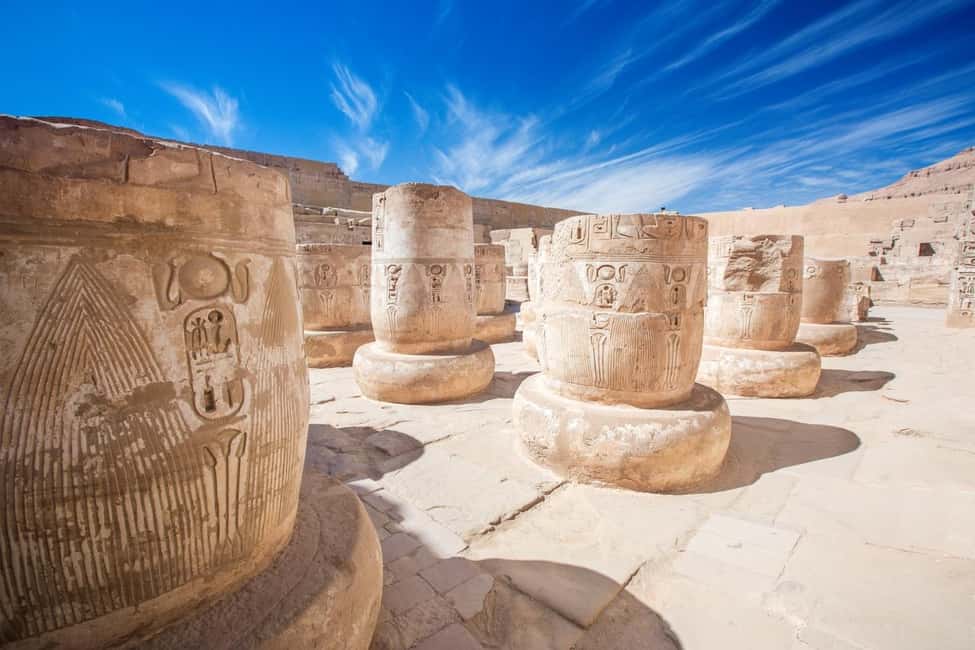
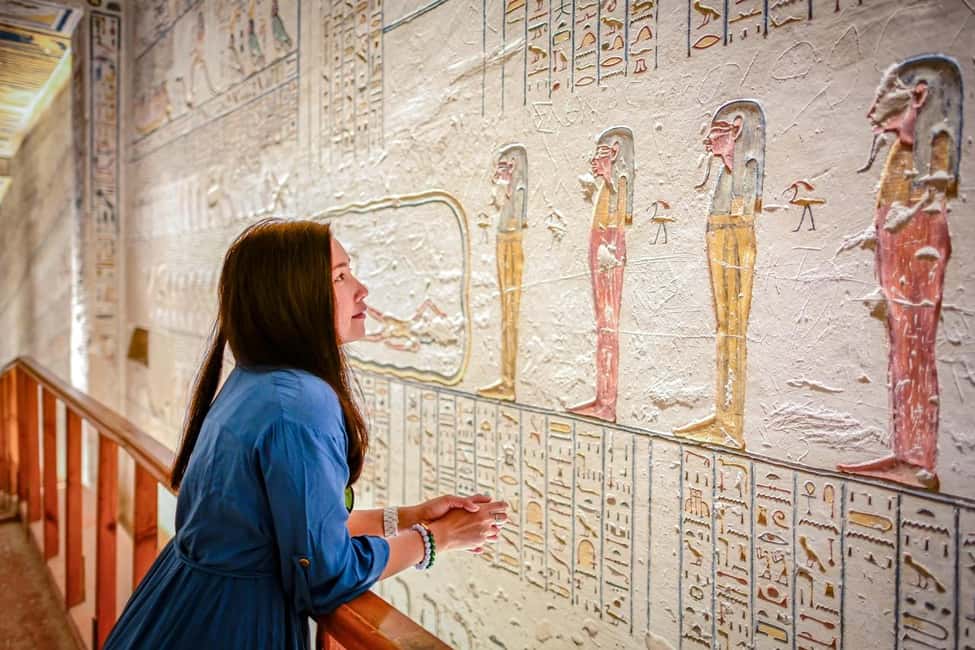
Then comes the big change: you head to the Valley of the Kings, the famous burial ground of pharaohs. The tour is set up so you visit multiple tombs—three tombs—so you get more than one style and more than one corridor of wall scenes.
The emotional hit here is the art on the walls. The tombs include hieroglyphs and painted scenes that describe the journey to the afterlife. The scenes are not decorative filler. They’re instructions for a cosmic storyline—kings moving through the world of gods and time, not just buried in sand.
Tutankhamun is referenced in the tour options/add-ons, so depending on what you select, you might get a chance related to his tomb. Even without that specific add-on, the three-tomb approach means you’ll still come away with a strong sense of what makes the Valley so iconic.
Practical note: tomb interiors can feel warm and dim. Bring the right energy—patience for slow looking, and comfortable shoes for the uneven ground outside.
Deir el-Bahari and Hatshepsut’s Temple: Cliffside Power

Next you move to Temple of Queen Hatshepsut at Deir el-Bahari. This is one of those places where the setting does half the work.
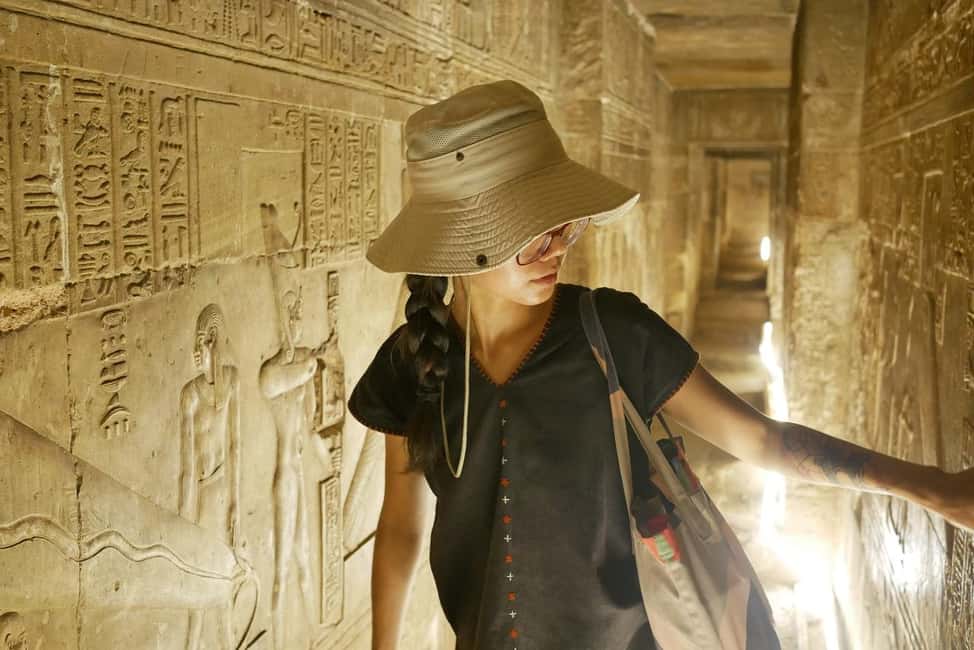
The temple is carved into cliffs and built as a dramatic three-tiered structure. Standing there, you can feel why Hatshepsut’s story mattered. She ruled as a king, and the architecture reflects that scale and authority. A guide helps connect the politics and symbolism to what you’re seeing in stone steps and walls carved to fit the landscape.
The value of having a guide here is especially clear. Many people see the tiers and statues and think it’s just impressive. With explanation, you start noticing how the temple communicates legitimacy, power, and memory—long after the rulers are gone.
If you like architecture that looks like it was designed for theater, this stop will hit. The “cliff + temple” effect makes it one of the easiest places to understand even if you’re new to Egyptian history.
Colossi of Memnon: Two Giants, One Brief Stop
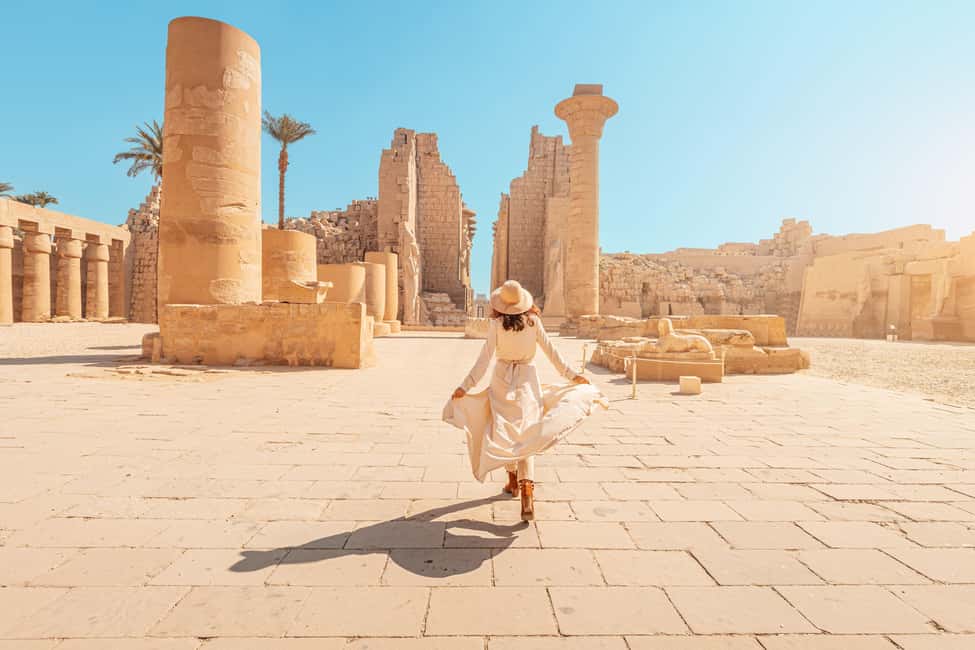
Before heading back toward Hurghada, you get a short stop at the Colossi of Memnon. These are two gigantic statues that once guarded the entrance to a grand temple. Today, they’re remnants—but the scale still lands.
This stop works as a palate cleanser after tombs and cliff temples. It’s also helpful for photos, because it’s open-air and less physically demanding than indoor tomb walking. You shouldn’t expect it to take over your day. It’s more like the final dramatic scene before the long return journey.
Heat, Shoes, and How Guides Keep the Day Moving
This tour runs through some serious sun. The practical help is built in: you’re in an air-conditioned vehicle for travel segments, and the tour includes water and snacks on the way back.
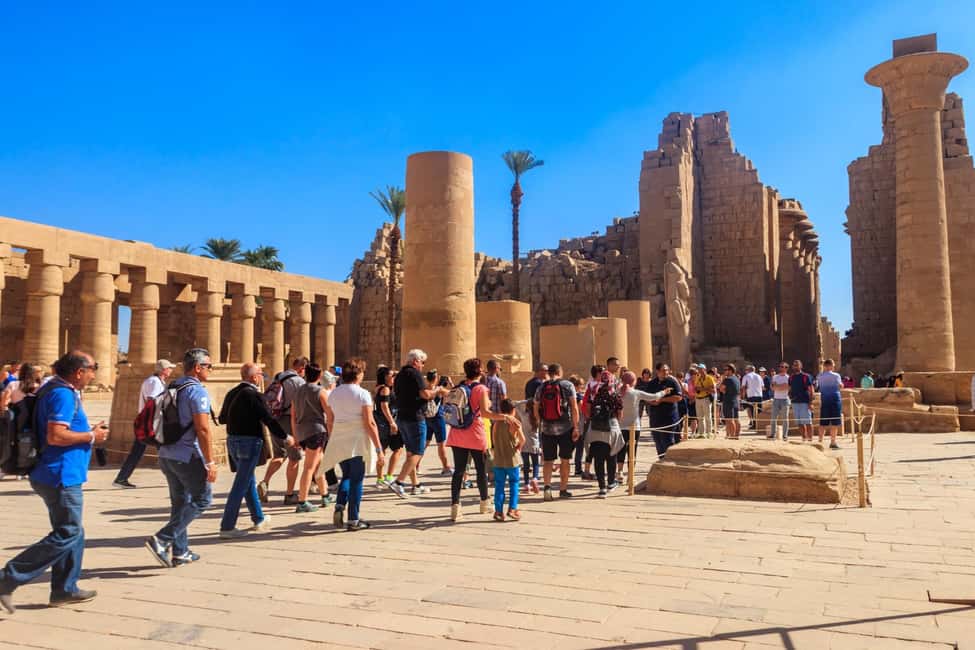
Still, you should plan like the day will be hot from start to finish. Wear comfortable shoes you can walk in all day. Bring sunglasses and a hat, and use cash if you plan to buy small extras on the ground. Bring your passport or ID card, since you’ll need it for entry.
One detail I really like about the guides mentioned here—especially names like Shaban and Ahmed—is that they pay attention to comfort, including keeping you in the shade during explanations. That kind of practical care is not small. When you’re sweating, you stop learning.
Also, you’re required to stay with the group and return to Hurghada together. So if you’re the type who likes roaming, this isn’t that kind of day. It’s a structured “see the big stuff properly” plan.
Optional Nile Time: When a Felucca Ride Is Worth the Extra
There’s an optional Nile experience: a felucca ride (an extra fee) and also mention of a scenic boat crossing over the Nile as part of the tour setup.
I like this add-on when you’re the type who needs a breather. After tombs and temples, a quiet boat moment can reset your senses fast. It’s also a different angle on the day, so you don’t end with only stone and sand.
That said, make the choice based on your stamina. If you’re already running on fumes, skip extra time and use the return trip to recover. The core value is the historic stops, and the optional boat segment is just a bonus.
Languages and the Quality of the Explanation
The tour offers multiple languages, including English, German, French, and Arabic. The big advantage isn’t just translation. It’s how guides explain what you’re seeing—especially in stone temples where details can be easy to miss.
In the feedback you’ll see a theme: guides like Aziz and Shaban are praised for clear explanations and for handling the group well. People also mention that the tours can feel organized enough that you don’t waste time in confusion, and that the guide doesn’t push extra selling at every pause.
In other words, you’re paying for a guided day that respects your time and your comfort, not just entry tickets and a driver.
Price and Value: What $85 Actually Buys You
At around $85 per person, this day trip is priced for convenience and guided access. The big cost drivers are the round-trip air-conditioned transport from Hurghada and the guided tour across multiple major sites—Karnak, the Valley of the Kings, Hatshepsut, and Colossi of Memnon.
You also get entry for Karnak and a buffet lunch, plus snacks and cold drinks on the way back. If you’ve ever tried to line up transport and guides yourself for a one-day run, you know how quickly things can get complicated. Even if you find a cheaper offer, it often comes with compromises: less comfortable transport, weaker coordination between stops, or gaps in the explanation that make monuments harder to interpret.
This is the kind of value that shows up in the day itself: fewer hassles, smoother timing, and a guide helping you make sense of what you’re seeing while you’re there.
Who This Luxor Tour Fits Best (and Who Should Skip)
This is ideal if you want the most famous Luxor highlights in a single day, with an Egypt-focused guide and structured timing.
It’s less ideal for people who can’t handle a long day with walking. The tour is not suitable for:
- pregnant women
- people with back problems
- people with mobility impairments
- people with heart problems
If you have any of those concerns, don’t gamble on endurance. This route includes tomb areas and lots of standing and walking through sites with uneven ground.
If you’re fit, patient with heat, and excited by temples and tomb art, you’ll likely enjoy how the stops build on each other—from Karnak’s east bank power to west bank afterlife storytelling.
Should You Book This Luxor Day Tour?
Book it if you want an efficient, guided day that covers Luxor’s top “must-see” sites with explanations that help you understand what you’re looking at. The combination of Karnak’s scale, Valley of the Kings tomb artwork, and Hatshepsut’s cliffside temple is hard to beat for a single day.
Skip it if you hate long travel days, struggle in extreme heat, or need mobility support you can’t count on in tomb and temple settings. Also, if you truly want total freedom to roam, this isn’t the right format because you must stay with the group.
If you’re staying in Hurghada and you want one high-value day in Luxor without turning it into a logistics project, this is a strong choice.
FAQ
How do I get from Hurghada to Luxor for this tour?
You’re picked up from your hotel in Hurghada early in the morning and travel by air-conditioned vehicle to Luxor. You’ll also be dropped back at your hotel in the evening after the sites are completed.
What are the main stops during the day?
The tour includes Karnak Temple, a lunch stop at a local restaurant, the Valley of the Kings (with visits to three tombs), the Temple of Queen Hatshepsut at Deir el-Bahari, and a visit to the Colossi of Memnon. There’s also an optional Nile boat experience.
Is the Tutankhamun tomb visit included?
Tutankhamun tomb entry is listed as included only if the option or add-on is selected. Otherwise, you still visit three magnificent tombs in the Valley of the Kings.
What should I bring?
Bring your passport or ID card, comfortable shoes, sunglasses, a hat, and cash. The tour also notes that requesting a breakfast box from your hotel the evening before is a good idea for the early start.
Is a Nile felucca ride included?
A felucca ride is optional and available for an extra fee. The tour also mentions a scenic Nile boat crossing as an optional part.
Is this tour suitable for everyone?
No. It is not suitable for pregnant women, people with back problems, people with mobility impairments, or people with heart problems. Smoking is not allowed, and luggage or large bags are not permitted. You also must stay with the group and return to Hurghada together.