REVIEW · GIZA
From Giza: Day tour to Giza Pyramids Tour with Pickup
Book on GetYourGuide →Operated by Emo Tours Swiss · Bookable on GetYourGuide
Four hours at the Giza Plateau can feel endless.
This private tour, with pickup from Giza or Cairo, is built for getting you onto the pyramids fast, with a real guide explaining what you’re looking at as you go. You’ll focus on the big sights—especially the Great Pyramid of Giza—without spending your day trapped in logistics.
I especially like two things: the guide-led pacing and the ease of getting there. I’ve seen this tour handled with a practical, human touch—when strong wind was an issue, Susan (a guide on this kind of route) led guests to walk from the Panorama area instead of relying on the bus, so they could get that quieter, behind-the-pyramid perspective. I also like that the experience is set up as hassle-free: private air-conditioned transport, entry fees taken care of, and a bottle of water included.
One consideration: with only 4 hours total, the schedule moves. Between the main pyramid time (2 hours) and the additional stops such as a perfume stop, a papyrus stop, and a cotton store, you should expect a compact visit. If you’re hoping for a long, slow wander with zero store time and a relaxed lunch, this may feel a bit tight.
In This Review
- Key things to know before you go
- From Giza or Cairo Pickup to the Plateau: easy logistics, less stress
- The Great Pyramid Visit: what 2 hours feels like on the ground
- Sphinx and Valley Temple stops: getting context without running out of time
- Paradise perfumes palace, Key of life Papyrus, and flower cotton store
- Guides who keep it clear: language and on-the-spot adjustments
- Price and value: why $50 can work (and what to plan for)
- Who should book this 4-hour private Giza tour
- Should you book Emo Tours Swiss for the Giza Pyramids day tour?
- FAQ
- How long is the Giza Pyramids tour with pickup?
- Where does pickup happen for this tour?
- What’s included in the tour price?
- Are Sphinx and Valley Temple part of the experience?
- Does the tour include lunch?
- What languages are available for the tour guide?
Key things to know before you go
- Private pickup from Giza or Cairo and hotel lobby meet-up with a clear sign
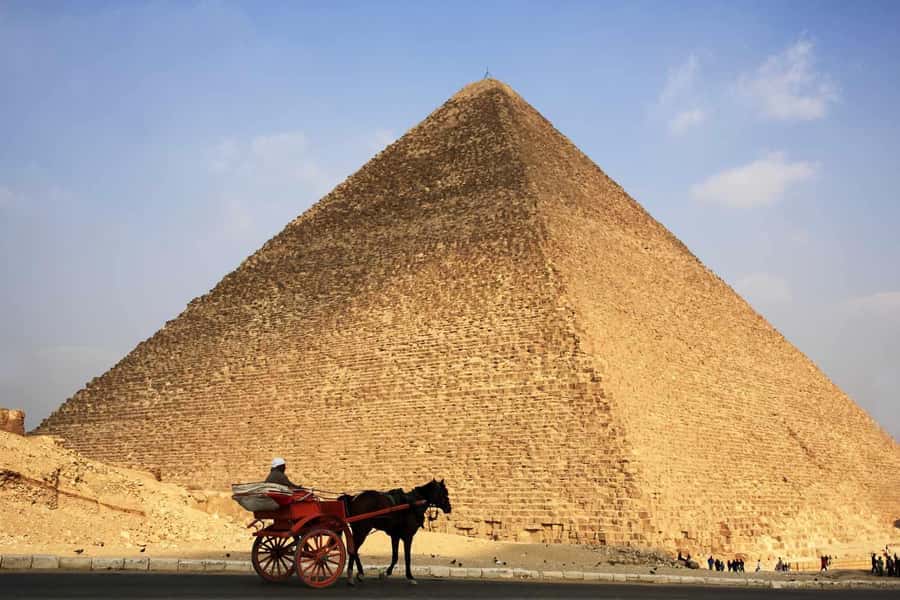
- 2 hours at the Great Pyramid of Giza with a guided visit (the core highlight)
- Sphinx and Valley Temple are part of the experience, even if time is short
- Entry fees, guide, and water included, so you’re not piecing together odds and ends
- Additional shop-style stops (perfumes, papyrus, cotton) are built into the day
From Giza or Cairo Pickup to the Plateau: easy logistics, less stress
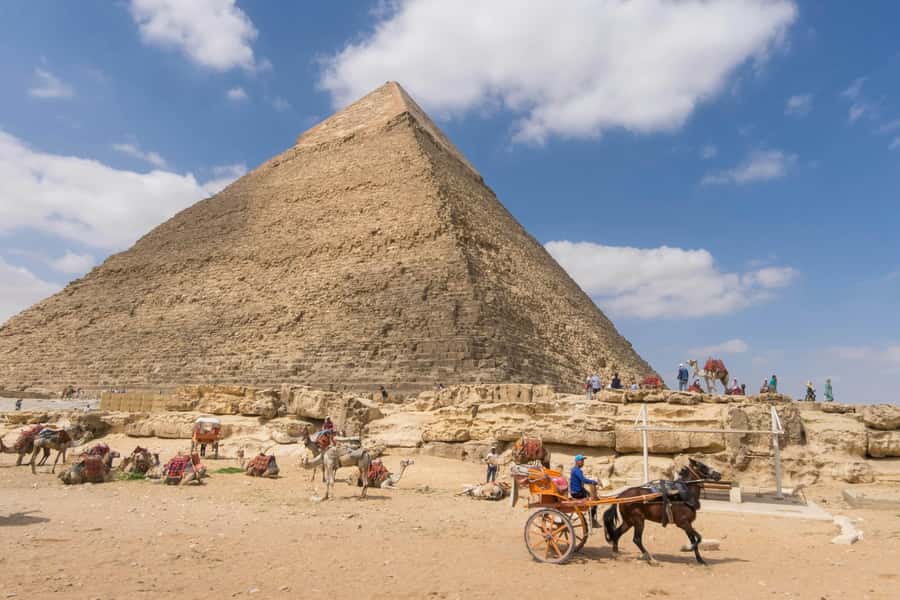
This is one of those tours that starts working before you even leave your hotel. You can choose pickup from Giza or Cairo, and the driver handles the private, air-conditioned vehicle. That matters in Giza, where you don’t want to waste your limited time figuring out meeting points, negotiating rides, or staring at traffic.
The guide meets you in the lobby area holding a sign with the activity provider’s name. It’s a small detail, but it saves time and reduces the common Cairo frustration of mismatched directions. You also have flexibility in where you end up afterward, since drop-off options include multiple areas across Cairo and Giza (like 6th of October City, Al Haram, Giza District, and New Cairo City).
A private tour also means the guide can shape the experience around the moment—crowds, weather, and how quickly your group wants to move. That’s not guaranteed on every tour in Egypt, but it’s exactly what makes a short, 4-hour format work without feeling chaotic.
One more practical note: this tour offers languages including Arabic, English, German, and Spanish. If you’re planning to ask lots of questions (and you should), picking a language you’re comfortable with will make the whole visit easier.
You can also read our reviews of more tours and experiences in Giza.
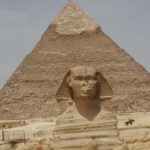

The Great Pyramid Visit: what 2 hours feels like on the ground
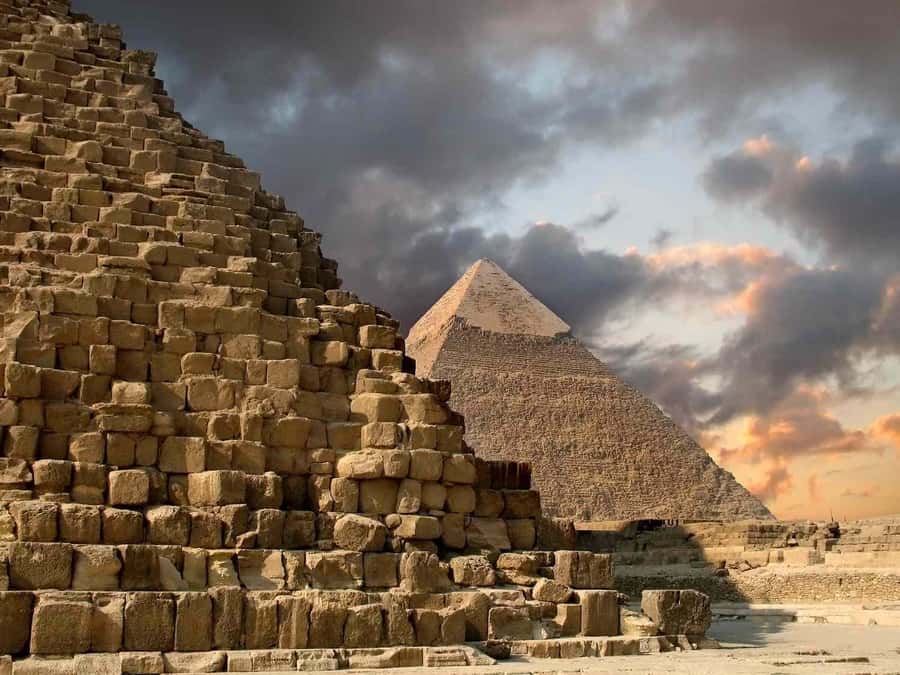
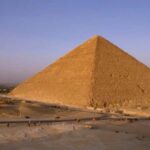
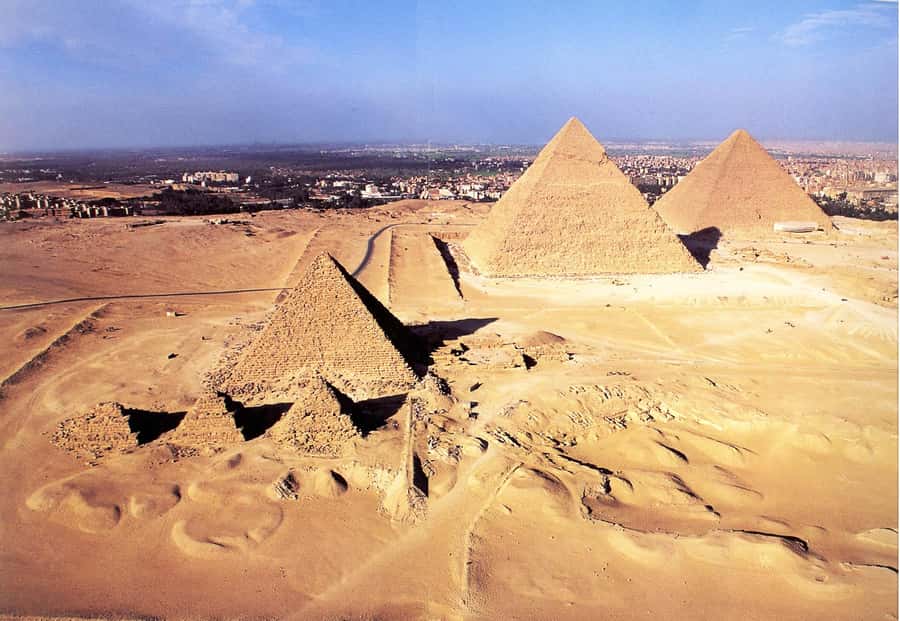
The Great Pyramid is the centerpiece, and you get about 2 hours for a guided visit. In a place like Giza, that time matters because the pyramid isn’t just something you look at from a distance—you’ll want time to orient yourself, ask questions, and understand scale.
Two hours is long enough for a guide to:
- point out key features you might otherwise miss
- explain why this monument matters in the bigger story of Egypt
- keep you moving at a pace that matches the group and current conditions
It’s also short enough that you won’t feel stuck in a single spot for the entire morning or afternoon. You’ll likely have time to see the pyramid from more than one angle (and if wind, crowds, or access routes change, a good guide will adjust your walking path).
What I’d do to make the most of your pyramid time: wear comfortable shoes and plan for sun and dust. You don’t need special gear, but you do want your body to feel good enough to move and look up for a while. And bring your questions—this is the moment where your guide’s explanation turns photos into understanding.
Sphinx and Valley Temple stops: getting context without running out of time
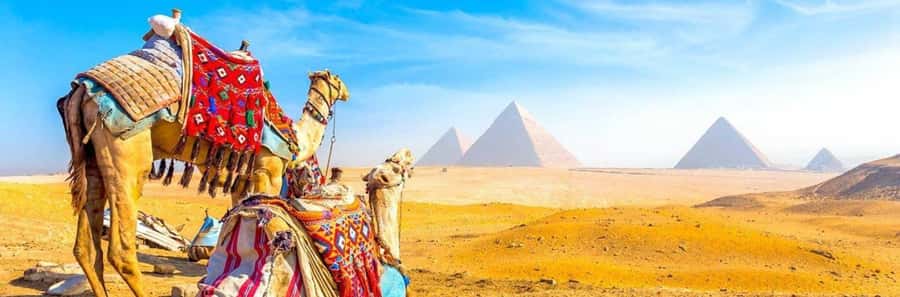
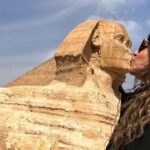
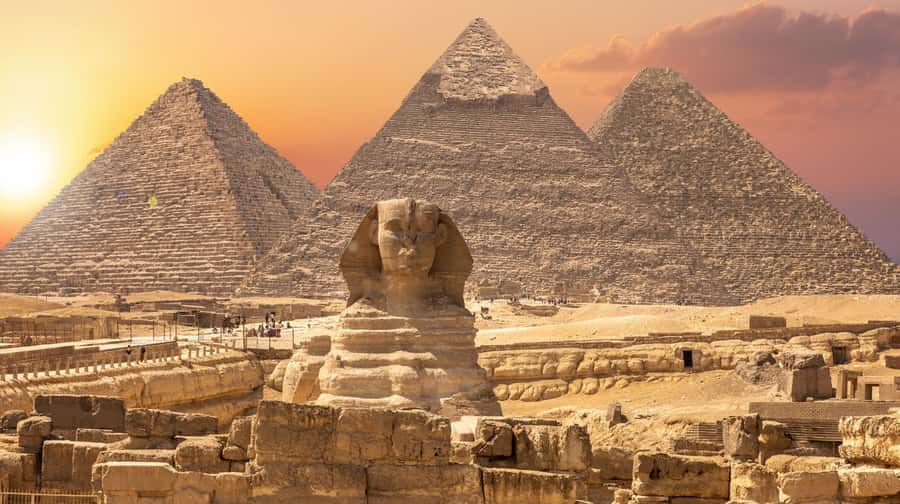
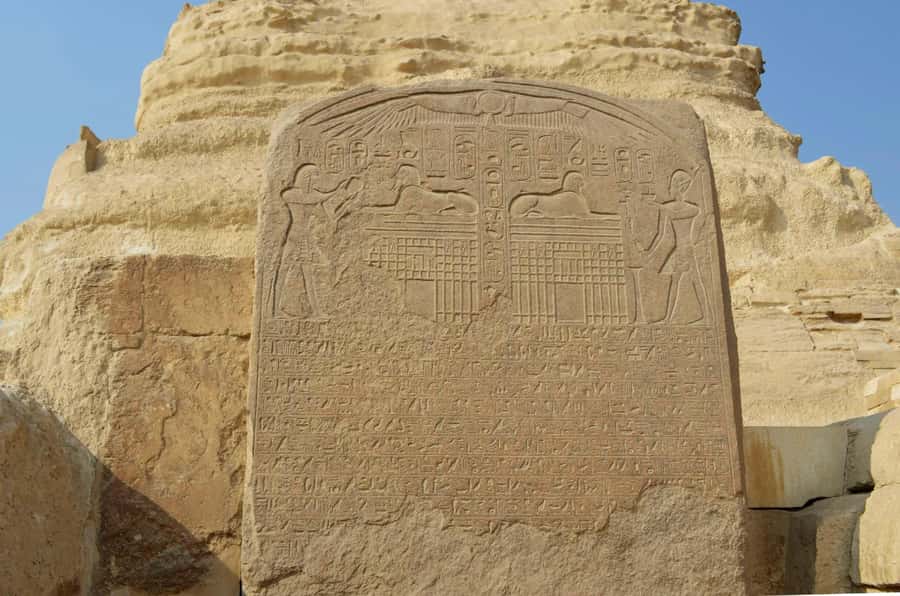
Even if the schedule is compact, this tour is designed to connect the dots. You won’t just focus on one monument—you’ll cover the Sphinx area and the Valley Temple as part of the Giza Plateau experience.
Here’s why that pairing helps you: the Great Pyramid is the dramatic icon, but the Sphinx and temple area give you the surrounding setting. Without those stops, it’s easy to walk away with a few great pictures and not much sense of how the whole plateau functions.
With a 4-hour total duration, your guide will likely keep these stops efficient. That’s not a bad thing. It means you’re getting a “first-pass orientation” that helps you decide what you’d want to return for later, on a slower day.
If you’re a first-time visitor, this is a smart way to build a mental map fast. If you’ve been before, the guide-led context can still be worth it—because you’ll likely notice different details once you understand what you’re looking at.
Paradise perfumes palace, Key of life Papyrus, and flower cotton store
This is the part of the tour that can be love-it or leave-it, depending on your style.
The itinerary includes time at three shop stops:
- Paradise perfumes palace
- Key of life papyrus
- Flower cotton store
What these stops usually mean in practice: you’ll get a guided introduction to Egyptian-made or Egyptian-themed goods, often with brief explanations tied to tradition and materials. For the papyrus stop, you can expect products and demonstrations related to papyrus items. At the perfume palace, it’s typically fragrance-focused, and the cotton store is often about textiles and cotton products.
I like having these stops when I’m curious about everyday craft culture, not just monuments. They can add texture to the day, and you might pick up a small souvenir that feels more connected than a random keychain from a street stall.
But here’s the consideration: in a short 4-hour tour, every stop is a trade-off. If your main goal is maximum time outdoors near the monuments, you might find the shop time compresses how long you can linger at the best viewpoints. You can still enjoy the stops—just go in with the mindset that you’re here for both sightseeing and curated shopping time.
My practical advice: if you don’t want to buy anything, be polite but firm, and keep your focus on your guide’s explanations and the time you’re spending at the monuments.
Guides who keep it clear: language and on-the-spot adjustments
The guide experience is the engine of a short Giza tour. Here you get live guidance in Arabic, English, German, or Spanish, which is a big deal because the pyramids reward clear explanations.
One standout detail from the way this tour can run: Susan (a guide associated with this route) handled strong wind by changing the approach—leading a walk from the Panorama area rather than sticking to the bus route. The result was a quieter viewing experience, including getting a perspective that feels rare: the back side of the pyramid area almost to yourselves.
Even when conditions don’t change drastically, a guide’s clarity affects everything:
- how fast you grasp what you’re looking at
- how well you understand the relationship between monuments
- how comfortable you feel moving through a busy site
Also, you’re not just “getting information.” The guide’s job is to manage your flow through the day. That means you spend more time actually seeing and less time trying to figure things out on your own.
This tour also includes a private vehicle and a driver, so you’re not juggling transport while thinking about history. That’s a big quality-of-life improvement in Cairo/Giza.


Price and value: why $50 can work (and what to plan for)
At $50 per person, this tour looks straightforward, but value comes from what’s included.
Your price includes:
- private air-conditioned transfers
- private transportation
- entry fees
- a tour guide
- bottle of water
That’s meaningful because in Giza, the “hidden” costs add up fast—tours often advertise low rates but then tack on entry fees, guide costs, or transportation. Here, you’re paying for the whole core experience.
What’s not included:
- lunch
- tipping
So if you’re budgeting for the full day, plan on lunch elsewhere. For short tours like this, skipping lunch during the visit is common, but it’s still your responsibility once you’re back out in Cairo or Giza.
As for tipping: since it’s not included, you’ll want to keep a little cash on hand if you feel your guide and driver went above and beyond. In Egypt, that’s often part of making the experience feel reciprocal.
Bottom line on value: if you want a guided, private pyramid-focused visit with pickup and entry fees handled, this pricing structure can be a good deal—especially compared to the cost of piecing everything together day-by-day.
Who should book this 4-hour private Giza tour
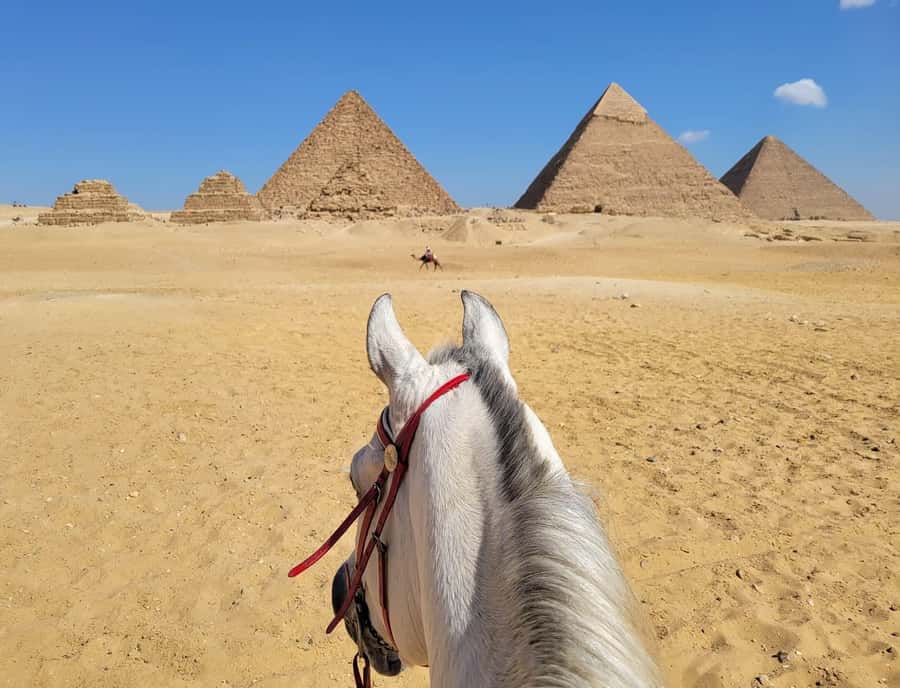
This tour fits best when you want smart structure, not a full-day commitment.
You’ll likely be happy booking if:
- you have limited time in Egypt and want the essentials at the pyramids
- you prefer a private guide and private vehicle over group logistics
- you like clear explanations and a guided flow rather than a self-guided rush
- you’re okay with a compact schedule that includes a few curated stops
It may be less ideal if your top priority is unhurried monument time and zero shopping. With a 4-hour format, the day has to be balanced, and those perfume/papyrus/cotton stops are part of the package.
If you’re traveling with kids, the private format can be helpful because you can ask for pacing adjustments. If you’re an adult who likes history but also hates chaos, the guided approach will likely feel like the right compromise.
Should you book Emo Tours Swiss for the Giza Pyramids day tour?
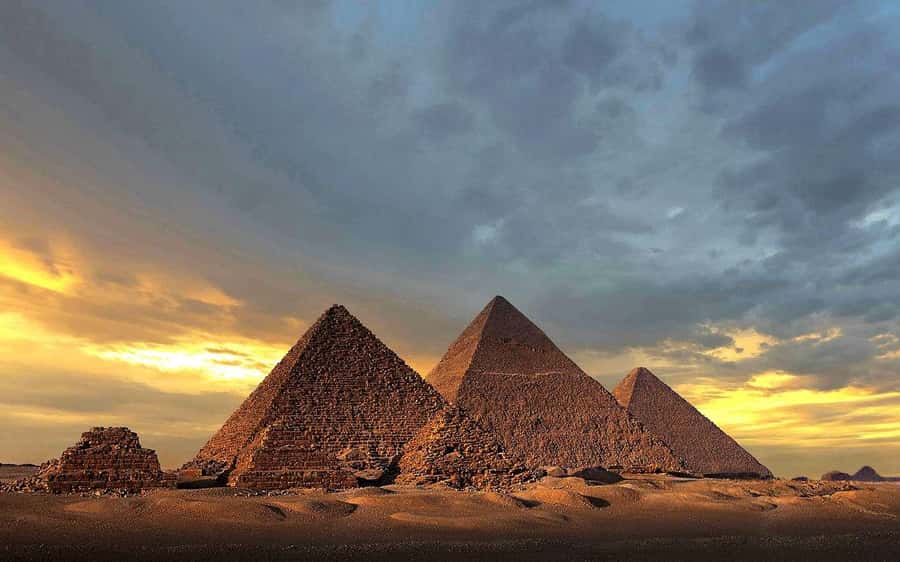
If your ideal day includes pickup convenience, guided time at the Great Pyramid, and quick orientation around the Sphinx and Valley Temple, I’d say this is worth serious consideration. The value is strongest in how much is included: transport, entry fees, guide time, and water.
Book it if:
- you want a guided experience without handling the logistics yourself
- you’d appreciate language support in Arabic, English, German, or Spanish
- you’re okay with a short schedule that blends monuments with three themed shop stops
Think twice if:
- you want maximum time outside and plan to skip shop stops entirely
- you’re expecting lunch included
- you prefer a slower, longer pyramid day over a focused 4-hour visit
FAQ
How long is the Giza Pyramids tour with pickup?
The duration is 4 hours.
Where does pickup happen for this tour?
Pickup is optional from either Giza or Cairo, depending on the option you select.
What’s included in the tour price?
All transfers by a private air-conditioned vehicle, private transportation, entry fees, a tour guide, and a bottle of water are included.
Are Sphinx and Valley Temple part of the experience?
Yes. The tour description includes the Sphinx and Valley Temple along with the Great Pyramid and the Giza Plateau area.
Does the tour include lunch?
No. Lunch is not included.
What languages are available for the tour guide?
The live tour guide is available in Arabic, English, German, and Spanish.