REVIEW · GIZA
From Cairo: Giza Pyramids Tour with Light Show and Transfer
Book on GetYourGuide →Operated by Egypt Excursions Online · Bookable on GetYourGuide
Night at Giza can feel magical fast. This tour mixes Giza Pyramids sightseeing with the Sound and Light Show and a recorded history track, then puts you back in a car for a relaxed ride to your hotel. At the right time of night, the Cheops, Chefren, and Mykerinus complex doesn’t just look old, it starts to feel like it has a pulse.
I like two things most: the audio narration that ties the Sphinx to key pharaoh stories, and the fact that you’re shown the main pyramids during a controlled, short 2-hour format. It’s also a smart fit for families, since the program is not long—one parent-style review noted it worked well even for a six-year-old.
One possible drawback: the success of the night can hinge on timing and ticket details. Some cancellations and start-time mix-ups have shown up, so you’ll want to double-check your show time and language before you leave the hotel.
In This Review
- Key things to know before you go
- Why the Sound and Light Show Works at Giza
- Hotel Pickup and the Reality of Giza Timing
- Cheops, Chefren, Mykerinus: What You Actually See on the Night Circuit
- The Audio Narration: Sphinx Stories and Big Pharaoh Names
- Lighting and Photos: Blue/Green Effects and One Real-World Headlight Problem
- Languages and Ticket Timing: When Details Matter More Than You Think
- Price Check: Is $60 for Two Hours Fair?
- Who This Tour Suits Best
- The Bottom Line on Booking Egypt Excursions Online
- FAQ
- How long is the Giza Pyramids Sound and Light Show tour?
- Is pickup from my hotel included?
- What’s included in the price?
- Are food and drinks included?
- Which pyramids and what parts of the story will I hear?
- What languages are available?
- Do I need to buy tickets separately?
- Are pets allowed?
- What are my cancellation and payment options?
Key things to know before you go
- Tickets are included and the show is set up around the Sound and Light Show at the Giza Pyramids
- Pickup from your hotel is included, and you should be ready about 10 minutes early
- Audio narration covers the Sphinx plus famous figures like Thutmosis IV, Akhnaten, Nefertiti, and Tutankhamun
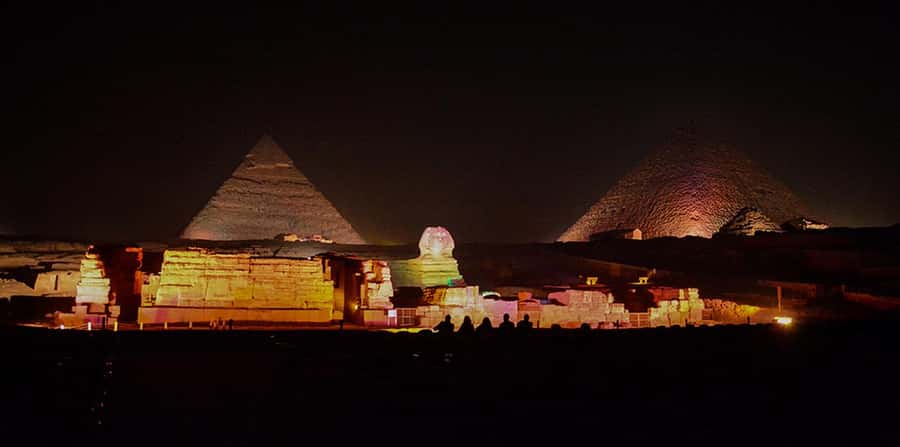
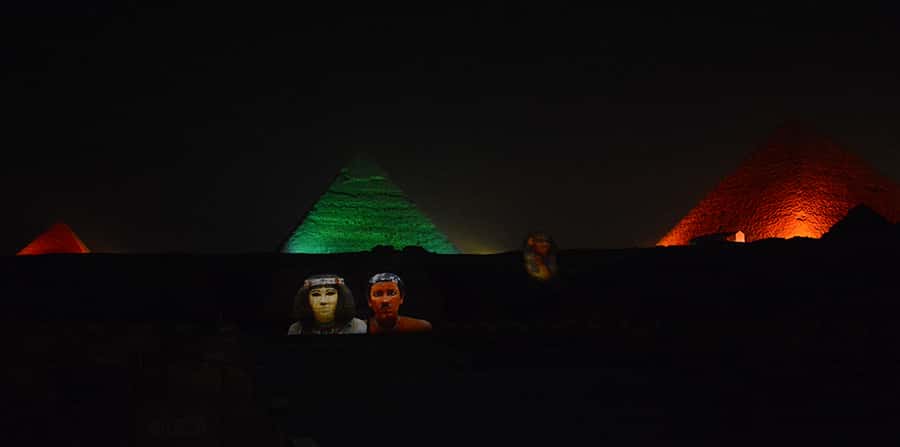
- Light effects use color (notably blue and green in the show) to highlight Cheops, Chefren, Mykerinus, and the Sphinx
- Timing can be touchy in Giza traffic—plan for delays and keep your ticket language straight
Why the Sound and Light Show Works at Giza
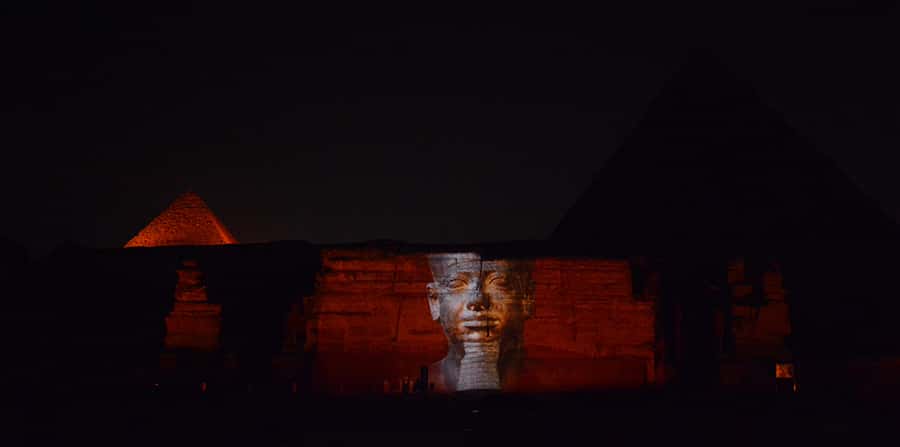
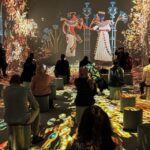
There’s sightseeing, and then there’s the moment when a monument starts telling you a story. That’s the point of the Sound and Light Show here. With the pyramids lit in color against the desert, you get a visual guide while the audio track walks through the big names and themes.
You’re not relying on guesswork. The show focuses on the Giza trio—Cheops, Chefren, and Mykerinus—and it brings in the Sphinx as part of the narrative. That matters, because many people see the structures in daylight and still feel like they’re missing the “why.” The narration helps connect the pyramids to the wider ancient Egyptian world people hear about from museums and tombs.
You can also read our reviews of more tours and experiences in Giza
Hotel Pickup and the Reality of Giza Timing
This is a pickup-and-return tour, not a long day trip. You’ll start at your hotel, wait in the lobby about 10 minutes before the pickup time, and then ride out to the pyramids area. After the show, you’ll meet your driver and go back to your hotel.
Here’s the practical note: Giza traffic and road changes can affect when you arrive at the venue. Some nights run smoothly; other nights can include delays or a late arrival that changes what you actually catch. If you’re the type who hates missing the opening moments, I’d treat the whole experience like a “buffered” plan, not a tight schedule.
Cheops, Chefren, Mykerinus: What You Actually See on the Night Circuit
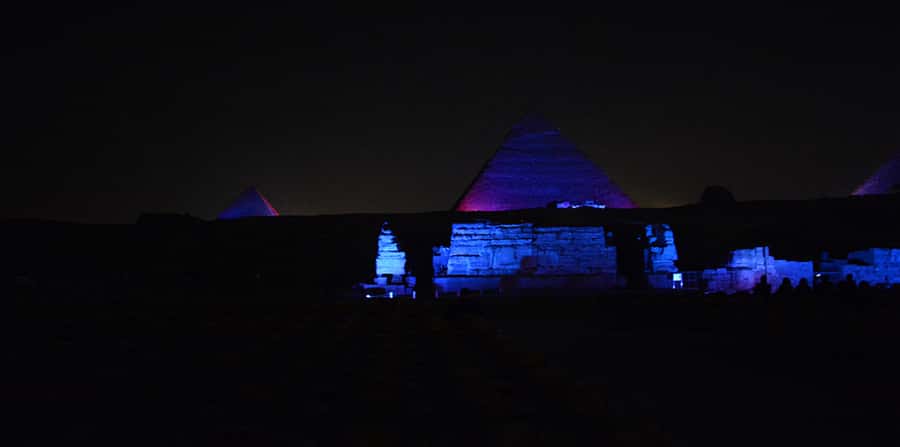
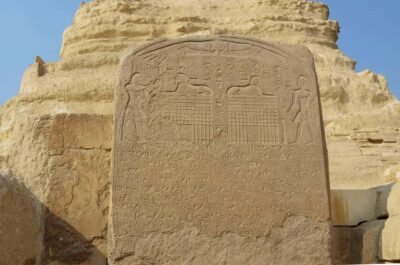
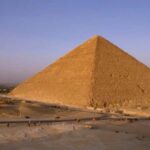
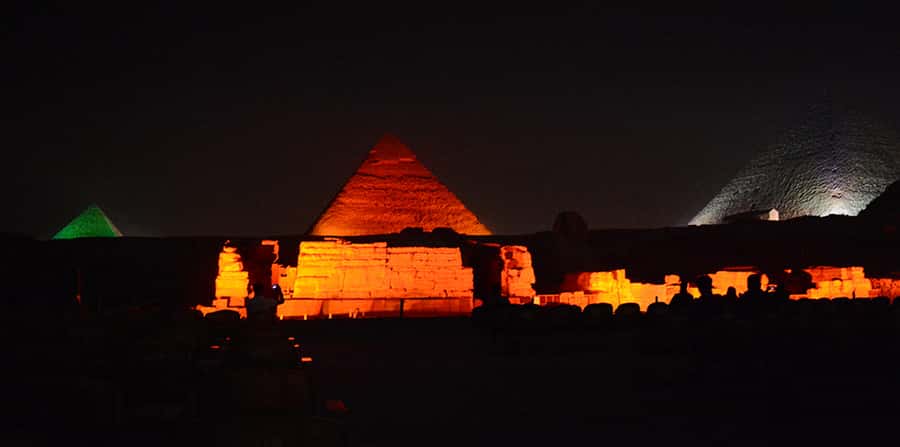
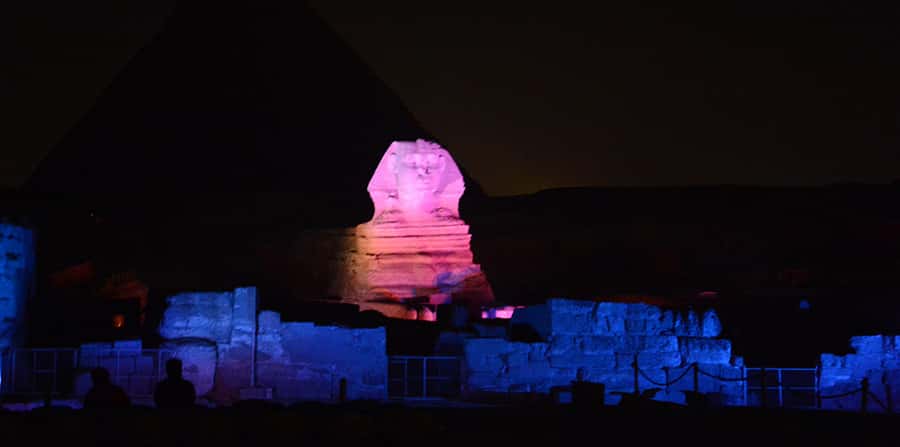
The core of the experience is straightforward: you view the Giza Pyramids complex and then watch how the colored lights animate them. Expect the show to highlight the three main pyramids—Cheops, Chefren, and Mykerinus—while the Sphinx appears in the story too.
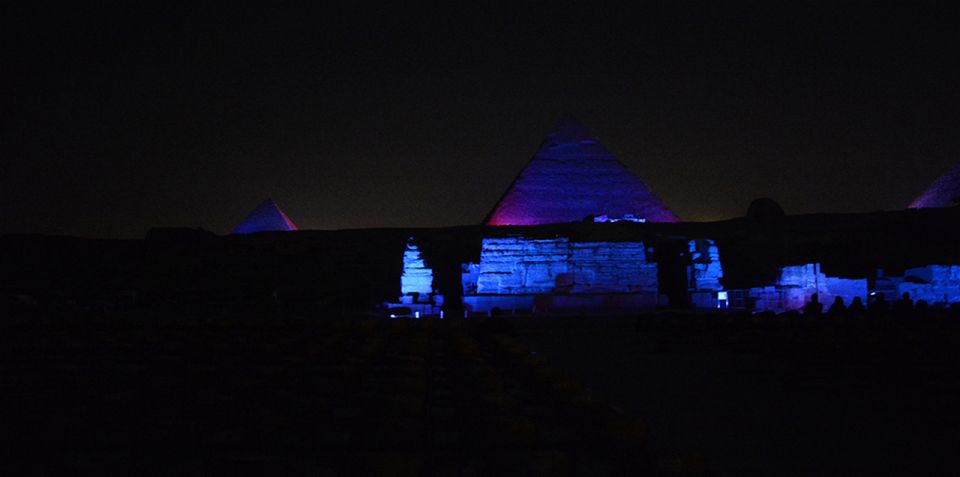
Lighting changes how you read a monument. In daylight, you see scale. At night, you see shape and placement. The colored wash is designed to pull your eye across the site, so even if you’ve only studied this place from photos, you’ll likely notice different angles and clearer sightlines than you’d get from a random viewpoint.
One more practical thing: the show is short enough that you’re not wandering for hours. That’s a plus if you’re tired after a day in Cairo, but it also means you’ll want to be ready when your group is ready—camera out, eyes up, no dawdling.
The Audio Narration: Sphinx Stories and Big Pharaoh Names
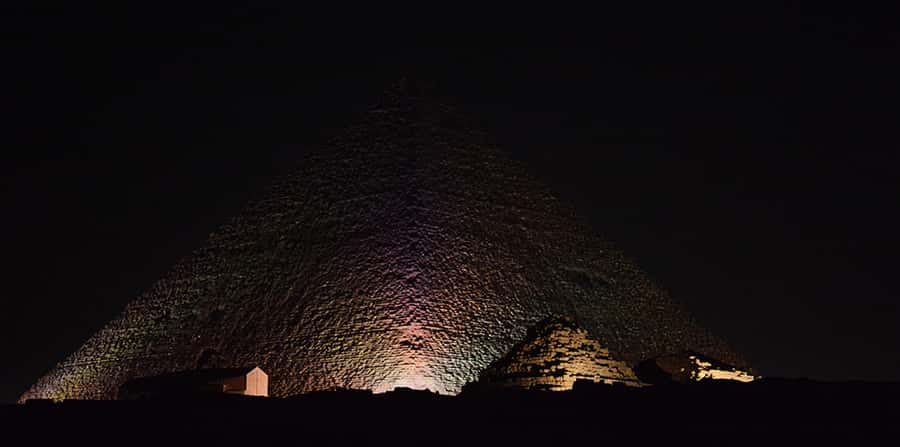
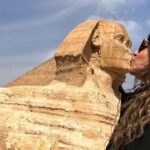
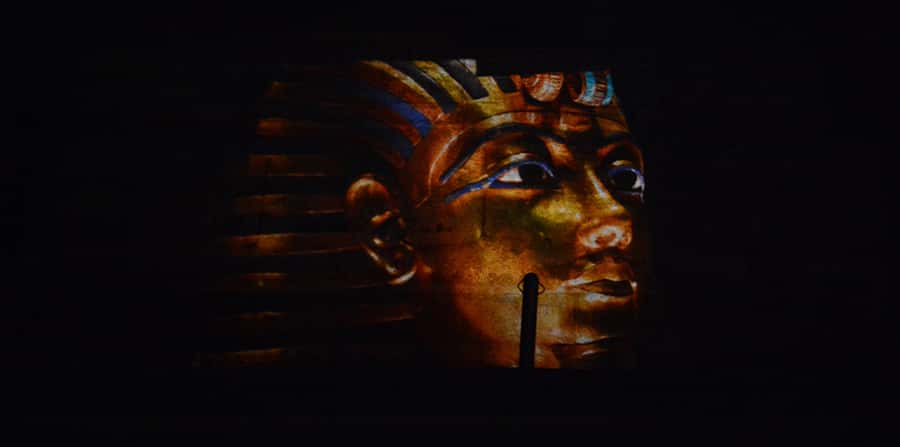
The audio portion is one of the best reasons to pick this format. You’ll hear the story of the Sphinx, plus historical context tied to prominent Egyptian figures. The show’s audio references Thutmosis IV, Akhnaten, Nefertiti, and Tutankhamun.
Why this matters: these names can feel like a jumble when you only meet them through artifacts or headlines. Here, they’re placed into a single storyline while you’re literally looking at the monuments connected to the setting. It gives you a mental timeline to hang the names on.
Also, the show is built around listening. So if you’re traveling with people who don’t love reading big panels, this kind of guided audio can be more comfortable. You don’t have to translate anything on the fly—you just follow along as the narration goes.
Lighting and Photos: Blue/Green Effects and One Real-World Headlight Problem
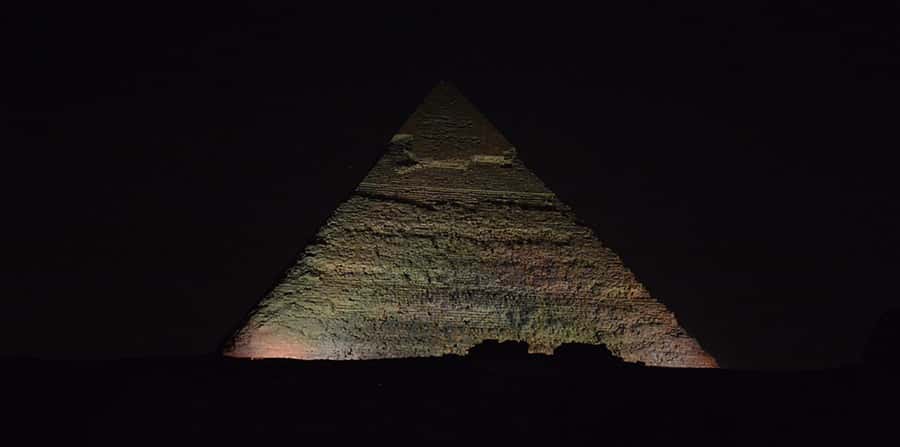
The show uses color intentionally—blue and green lighting are specifically described for how the Sphinx and pyramids are presented. For photos, that’s a gift: colored light adds mood and contrast, and it helps the pyramids separate from the dark desert background.
Now for the honest part. Some nights have had distracting visibility issues, including headlights shining into your line of sight as traffic moves in the area—especially around the Great Pyramid area. If glare ruins your photos, you can’t always control it, but you can control how you respond:
- Keep your camera settings simple and ready, so you can shoot quickly when the light changes
- Be prepared to step a little or adjust your angle if a bright beam blocks your view
And if you’re coming with hopes of a perfect shot of every pyramid at the same moment, adjust expectations. This tour is designed to be enjoyable, not a professional photo workshop.
You can also read our reviews of more tours and experiences in Giza
Languages and Ticket Timing: When Details Matter More Than You Think
This tour offers a live tour guide in English, German, French, Romanian, and Russian. That’s helpful, because it means you’re not stuck with only one language unless you choose it.
Still, the biggest practical risk is not the guide—it’s your ticket and show timing. Some people have reported problems like tickets being for the wrong show time or the show starting before they got seated. Others have mentioned language mismatch concerns (for example, arriving expecting one language and getting a different one during parts of the program).
So here’s your best move:
- Confirm the show start time written on your ticket
- Confirm the language shown on the ticket
- Aim to be at the venue earlier than you think you need, because traffic and route changes can eat minutes fast
When everything lines up, the show is well worth the effort. When it doesn’t, even a great lighting program can feel frustrating.
Price Check: Is $60 for Two Hours Fair?
At $60 per person for a 2-hour experience, you’re paying for three things: transport, the Sound and Light Show tickets, and the service charge. Food and drinks are not included, so plan to handle a snack either before you go or after you return.
Is it good value? Usually, yes—because you’re not buying tickets separately and you’re not arranging transport yourself in a place where getting around at night can be tricky. This also saves you mental energy. You get a simple flow: hotel pickup → pyramids and show → transfer back.
But I’ll also be fair about it: if your tickets are wrong or your arrival timing is late, the value drops fast. You can’t “buy back” missed minutes when a show has a set run. That’s why the timing and ticket check isn’t just paperwork—it’s part of the value equation.
Who This Tour Suits Best
This is an easy night option if you want a focused introduction to the Giza pyramids without a whole evening of logistics.
It tends to fit best if you:
- Want the pyramids plus the history narration in a single, short format
- Prefer a pickup-and-return plan rather than figuring out transport at night
- Travel with kids or anyone who doesn’t want to be out for half the night
- Want a more guided way to connect the Sphinx and famous pharaoh names to what you’re seeing
It may be less ideal if:
- You’re extremely sensitive about arriving late or missing openings
- You need everything to be perfectly synchronized (show language, start time, exact lighting moments)
- You want a long, slow walk with lots of unscripted exploring—this is not that kind of tour
One more note from the tour rules: pets are not allowed, so plan accordingly if you’re traveling with animals.
The Bottom Line on Booking Egypt Excursions Online
This night program can be a strong first look at Giza, especially because the Sound and Light Show adds a story layer that you won’t get from looking at stone alone. When the pickup and ticket details are right, you get a smooth evening with transport included, the show tickets covered, and an audio track that names the big figures tied to the setting.
My advice is simple:
- If you’re willing to double-check your ticket time and language, you’re likely to enjoy this a lot.
- If you know your trip is tight or you hate any chance of being late, consider building a little slack into your schedule.
And don’t ignore the rule of the desert: bring a camera, because this is the kind of place where the lighting can make the pyramids look totally different than daylight.
FAQ
How long is the Giza Pyramids Sound and Light Show tour?
The experience lasts 2 hours.
Is pickup from my hotel included?
Yes. Pickup is included, and you should wait in the hotel lobby about 10 minutes before the scheduled pickup time.
What’s included in the price?
The tour includes transportation, tickets to the light show, and a service charge.
Are food and drinks included?
No. Food and drinks are not included.
Which pyramids and what parts of the story will I hear?
You’ll see the Pyramids of Cheops, Chefren, and Mykerinus and enjoy the Sound and Light Show narration, including the Sphinx story and references to Thutmosis IV, Akhnaten, Nefertiti, and Tutankhamun.
What languages are available?
The live tour guide is listed as available in English, German, French, Romanian, and Russian.
Do I need to buy tickets separately?
No. Tickets to the light show are included, and the offer notes that tickets are secured in advance.
Are pets allowed?
No. Pets are not allowed.
What are my cancellation and payment options?
There’s free cancellation up to 24 hours in advance for a full refund, and the booking option includes reserve now & pay later (pay nothing today).