REVIEW · CAIRO
Cairo: Pharaonic Village Highlights Private Guided Tour
Book on GetYourGuide →Operated by Sun Pyramids Tours · Bookable on GetYourGuide
A trip to Egypt that starts on the water. This private tour sends you from your hotel to Pharaonic Village in Giza, where living reconstructions show how ordinary Egyptians worked and lived, then you cruise through the canal network as history feels close to you. I especially liked how the guide(s) brought everyday details to life and how the village experience includes hands-on fun like dressing up as a Pharaoh for photos. One caution: lunch is included, but the quality can be hit-or-miss depending on what you end up ordering.
I also liked the smooth logistics: you’re collected in a private, air-conditioned car and driven straight to the site, so you can focus on the experience instead of figuring out transport. The canal ride is calm and visual, with storytelling that connects scenes from long-ago Egypt to recognizable narratives (including the Moses newborn story). If you’re picky about food, plan to treat lunch as a simple add-on rather than a highlight.
In This Review
- Key things to know before you go
- From Your Hotel to Pharaonic Village, Without the Headaches
- The Canal Cruise: Where Egypt Feels Close
- Inside the Village: Daily Life, Not Just Pharaohs
- The Costume Moment: Pharaoh Dressing and Photo Time
- The Museum Stop: Monuments in a Smaller Format
- Lunch at a Neighborhood Eatery: Included, but Choose Wisely
- Guides and the Value of Clear Explanation
- Price and Value: Is $82 Worth It?
- Who This Tour Fits Best (And Who Might Skip It)
- A Few Practical Tips Before You Go
- Should You Book the Cairo Pharaonic Village Tour?
- FAQ
- How do I get to Pharaonic Village from my hotel?
- Is there a guide on the tour?
- What language is the guide available in?
- Do I need to pay entrance fees separately?
- Is lunch included?
- Is the canal ride part of the tour?
- Do I have to pay extra if I’m picked up from the airport?
- Are tips included in the price?
- What is the cancellation window?
Key things to know before you go
- Private pickup and drop-off in an air-conditioned vehicle keeps the day low-stress.
- Canal boat time helps you see the village from a different angle and sets the mood.
- Living reconstructions focus on daily life, not just big monuments.
- Dressing up and photos give a memorable, family-friendly souvenir moment.
- Guides matter here: I found that having patient, detailed explanation makes the reconstructions click.
- Lunch is included, but keep expectations realistic since it’s not universally loved.
From Your Hotel to Pharaonic Village, Without the Headaches

The best part of this tour is how quickly it gets you into the right frame of mind. A Sun Pyramids Tours representative picks you up from your accommodation and drives you in a private, air-conditioned car to the Pharaonic Village area. You avoid the usual Cairo scramble—no hunting for taxis, no extra steps, no negotiating.
Once you arrive, the “history mode” kicks in fast. The village is designed to look and feel like life long before modern streets and lights. You don’t need to be a scholar to enjoy it. If you can appreciate how people ate, worked, traded, and lived in everyday routines, you’ll get a lot out of this place.
A practical note: pickup and drop-off from some locations around Cairo can cost extra (such as Cairo Airport, Sphinx Airport, New Cairo, Heliopolis, and several other areas named in the tour details). If you’re starting far out, it’s worth confirming the final price before you go so nothing surprises you.
You can also read our reviews of more guided tours in Cairo

The Canal Cruise: Where Egypt Feels Close
A big reason this tour works is the boat segment. After your guide gets you settled, you begin sailing through the island’s network of canals. The feeling is different from a normal museum visit because you’re moving through the setting instead of just walking past it.
The ride is described as a time when the sounds and sights of ancient Egypt become more noticeable around you. That matters because it shifts the experience from information to atmosphere. You’re not staring at artifacts behind glass. You’re seeing a staged environment that tries to recreate a world where daily life happens right where you stand.
One of the most specific details that stands out from firsthand impressions is the storytelling angle during this calm cruise, including the Moses newborn story. That’s a nice touch because it links the experience to well-known religious history without turning it into a lecture-only stop. It also helps younger visitors follow along.
Inside the Village: Daily Life, Not Just Pharaohs
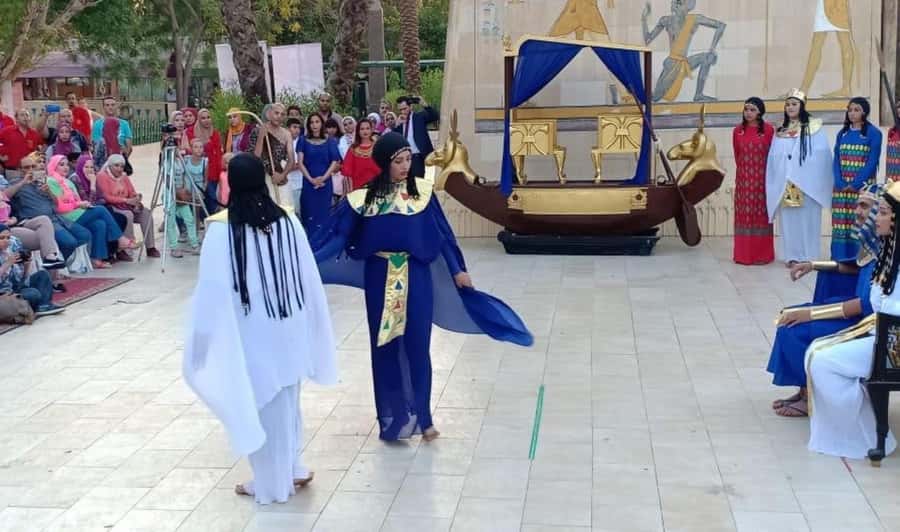
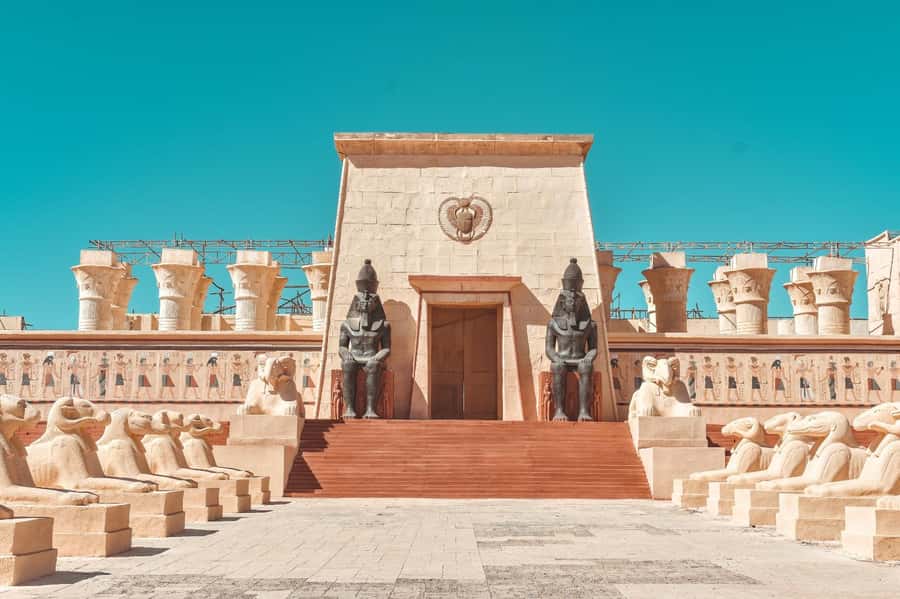
Pharaonic Village isn’t built as a single monument you walk through. It’s more like a mini world with replicas and performances that aim to show how people lived.
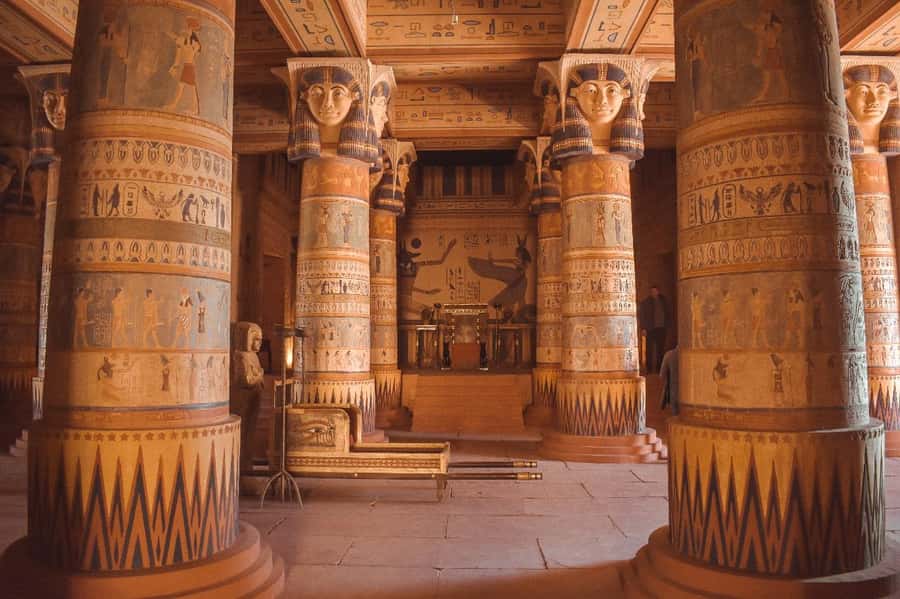
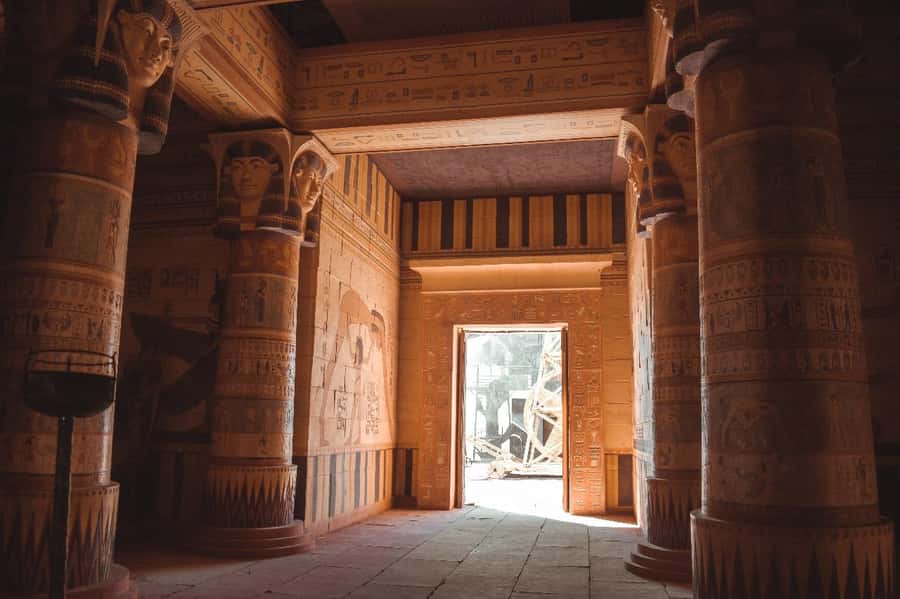
You’ll spend time observing how the Pharaohs and other Egyptians lived, but the emphasis goes beyond the royal image. The reconstructions focus on daily life—trades, homes, and routines—so you get a better sense of what Egypt looked like for regular people, not only rulers. That’s the value here. It gives context. When you later see real temples or pyramids, your brain connects the architecture to human lives.
What you might notice during your visit:
- Replica homes that represent different social levels
- A presentation area that references a tomb experience (including a King Tut replica)
- Trades and culture shown as living reconstruction scenes
I found the living component especially important. One guide emphasized how actors contribute to the effect, and it’s easy to see why. When someone is explaining what someone else is doing in the scene—rather than you just reading text—things become easier to remember.
If you’re traveling with kids, this is also one of the few Egypt experiences that feels built for attention spans. There’s action, costume play, and visuals that don’t require you to translate archaeology in your head.
The Costume Moment: Pharaoh Dressing and Photo Time
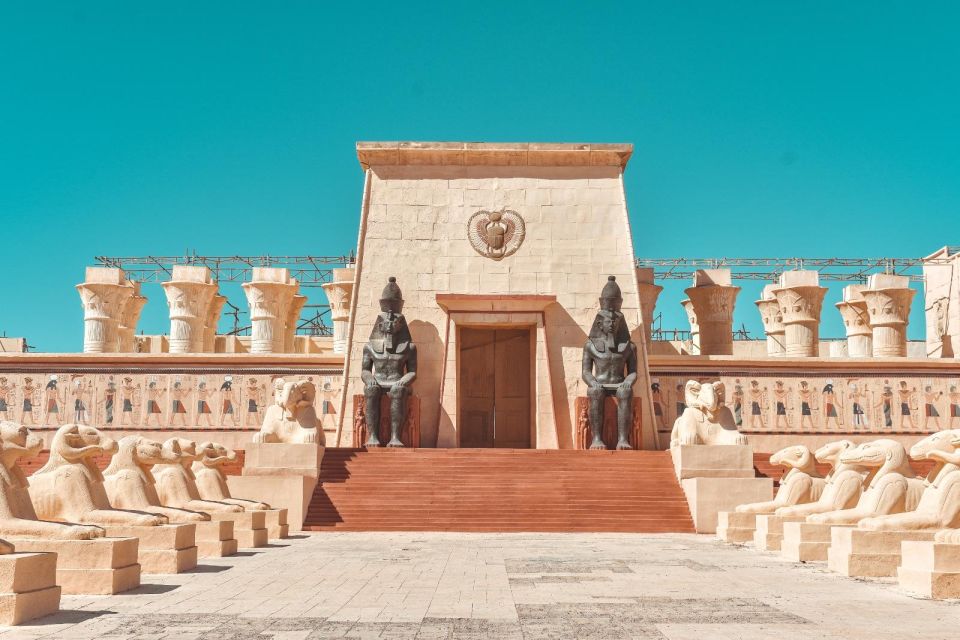
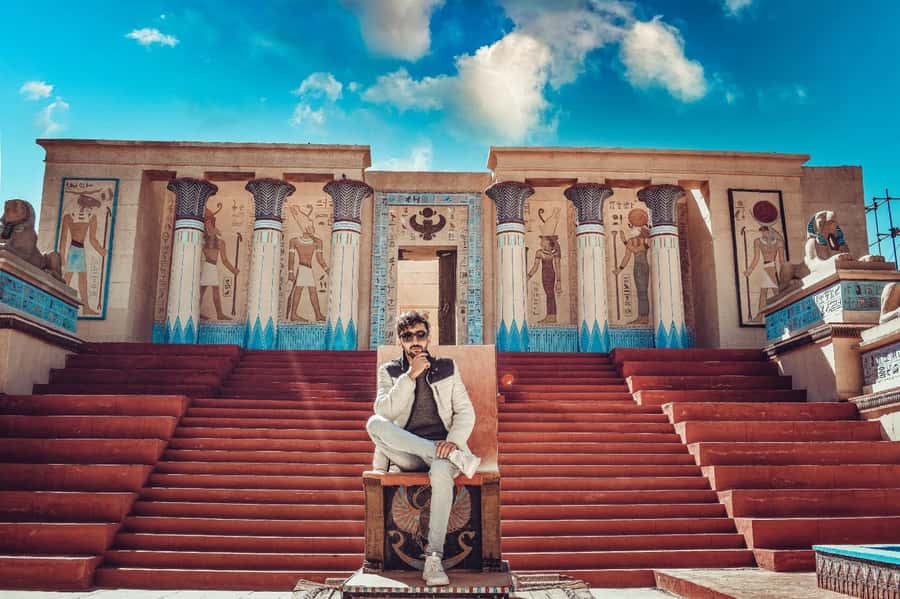
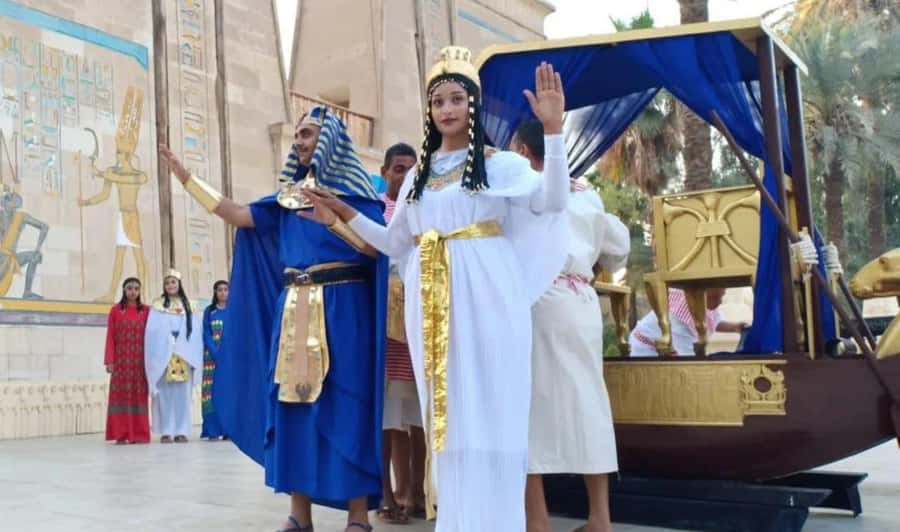
After the cruise and village walking, you get a fun break from the educational tone: you can dress up as a Pharaoh and take professional photos. It’s not just a gimmick. It’s a practical way to turn the story into something you’ll actually remember later.
If you’ve ever had a museum day where the only lasting memory is a sore neck and a few photos, you’ll appreciate this format. People come out of it with an image they can keep, plus a stronger mental picture of what the reconstructions were trying to communicate.
There are also shops in the village area where you can buy items like papyrus, arts and crafts, oils, and kid-friendly gifts. One thing worth knowing: pricing is described as fixed, and several visitors found it cheaper than outside shopping spots. If you’re trying to avoid the usual Cairo bargaining stress, this setup may feel calmer.
The Museum Stop: Monuments in a Smaller Format
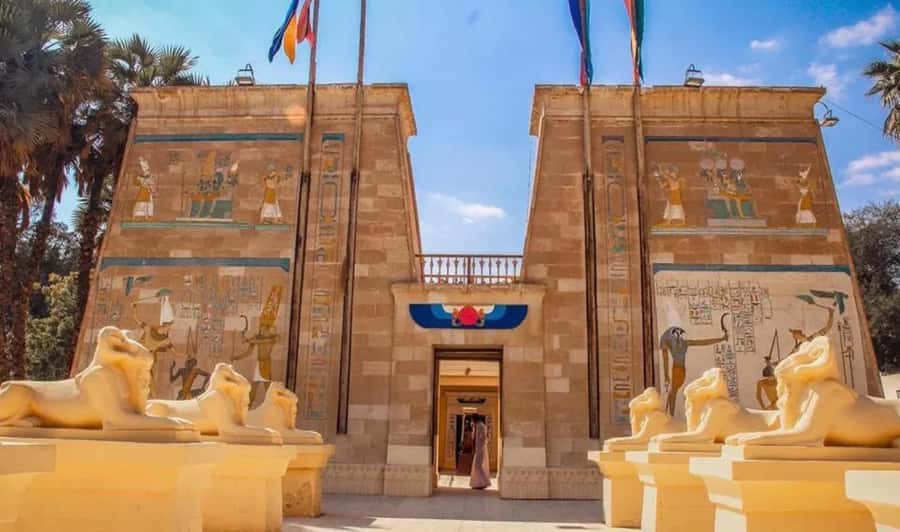
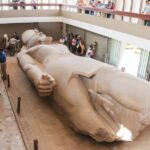
Your tour continues with a museum-style visit that focuses on monuments of ancient Egypt. This part is a helpful “bridge” between the lived-in reconstructions and the real world of Egyptian history.
It’s not presented as a replacement for major museums, and it shouldn’t be treated as one. Think of it as a way to bring names, themes, and monument ideas back into the picture after you’ve just spent time seeing the village scenes.
If you like your day to have a storyline—experience first, then context—this sequencing makes sense. You see how people lived, then you get the monuments and historical framing to connect it all.
You can also read our reviews of more private tours in Cairo





Lunch at a Neighborhood Eatery: Included, but Choose Wisely
Lunch is included after your visit. You’ll be transferred to a nearby restaurant for a traditional Egyptian meal, with bottled water during the journey.
Here’s the honest part: food gets mixed feedback. One guest called out that the food wasn’t good, while another had a meal of koshari, including a date shake as a pleasant surprise. So don’t plan the day around lunch being a world-class culinary event.
How to handle it:
- If you see koshari on offer, it’s a safe bet for many people because it’s a known Egyptian comfort dish.
- If you’re sensitive to spice levels, ask what’s mild versus what’s spicy if that option is available.
- Treat lunch as fuel, not the main show.
Still, even with the variability, the lunch stop has value. It keeps the day tidy and timed, and you’re not trying to find a restaurant on your own right after spending hours in a themed environment.
Guides and the Value of Clear Explanation
A major theme in the best experiences is the guide quality. You’ll have a private guide, and depending on your setup you may also have an additional guide inside the village itself.
Names that came up include Amr Hamouda and Muhammad, plus another guide named Adbo. The praise wasn’t just about friendliness. It was about patience and detailed explanations, especially when walking through the scenes and answering questions at each stage.
Why this matters for you: reconstructions can feel like “just another staged place” if nobody helps you notice what you’re looking at. With a strong guide, you start catching meaningful details—how trades are presented, how homes are organized, why certain replica elements matter.
If you want the day to feel educational without becoming stiff, this tour’s guide-led structure is one of its biggest strengths.
Price and Value: Is $82 Worth It?
At $82 per person, this tour sits in a mid-range zone for a private, guided experience in Giza. The value comes from the combination of things you normally pay separately: hotel pickup and drop-off, private guide time, site entry fees, bottled water, and lunch.
Here’s why that packaging is smart:
- You’re not just buying entry—you’re buying interpretation (the guide).
- You’re not just watching—you get a canal cruise that changes the pacing and mood.
- You’re not ending the day hungry—you have a lunch stop built in.
What could affect value for you:
- If you’re not interested in reconstructions, costumed photo time may feel less meaningful.
- If food matters a lot to you, the lunch experience might not match the meal you hoped for.
But if your goal is to learn ancient Egypt in a more human, everyday way—without the logistics pain—this price can feel fair.
Who This Tour Fits Best (And Who Might Skip It)
This is a strong match if you want:
- A private, easy day with hotel transfers
- A guide who explains what you’re seeing
- A mix of education and fun (especially for families)
- A visual canal segment that sets a scene
- A place where daily life is the focus, not only royal monuments
It may be less ideal if:
- You only care about seeing major famous sites (you won’t get that same scale here)
- You’re very strict about food quality
- You prefer reading on your own rather than guide storytelling
If you’re traveling with kids, this is one of those experiences that can make everyone happy: reconstructions, calm cruise time, and dressing up.
A Few Practical Tips Before You Go
- Bring a light layer. You’ll be outside for parts of the village and moving between spaces.
- Plan your photos during the dressing-up slot. That time is part of the intended experience.
- If you’re buying gifts, check what’s available inside the village shops since prices are described as fixed.
- If you’re traveling with dietary preferences, it’s smart to decide in advance what you can tolerate at lunch (since feedback on lunch quality varies).
Should You Book the Cairo Pharaonic Village Tour?
I’d book this tour if you want a day that feels like Egypt with storytelling—where you can picture daily life, not just collect facts. The private transfers, the canal cruise, the living reconstructions, and the guide-led pacing make it easier to understand and easier to enjoy, especially if it’s your first time in Cairo.
I’d think twice if you’re only here for the biggest monument hits or if lunch quality is non-negotiable for you. In that case, you might prefer a different kind of guided plan and handle meals separately.
Overall, for a $82 private guided day in Giza, this is a strong value choice when your priority is experience and explanation, not only landmarks.
FAQ
How do I get to Pharaonic Village from my hotel?
You’re picked up from your accommodation by a Sun Pyramids Tours representative in a private air-conditioned vehicle, then returned to your hotel after the tour.
Is there a guide on the tour?
Yes. The tour includes a private tour guide.
What language is the guide available in?
The tour details list English, French, Spanish, German, and Arabic.
Do I need to pay entrance fees separately?
No. Fees to enter the sites mentioned in the experience are included.
Is lunch included?
Yes. Lunch at a neighborhood eatery is included, along with bottled water.
Is the canal ride part of the tour?
Yes. The experience includes sailing through the island’s network of canals.
Do I have to pay extra if I’m picked up from the airport?
Pickup and drop-off from Cairo Airport, Sphinx Airport, and several other listed areas can cost extra.
Are tips included in the price?
No. Tipping is not included.
What is the cancellation window?
The tour can be canceled up to 24 hours in advance for a full refund.