REVIEW · SHARM EL SHEIKH
From Sharm: Mount Moses Trekking, Sunrise & Monastery Visit
Book on GetYourGuide →Operated by OceanAir Egypt · Bookable on GetYourGuide
Mount Sinai at night is not gentle. The big payoff is the sunrise from the summit, plus a guided visit to St. Catherine’s Monastery with ancient artifacts. Two things I really like are how the team uses Bedouin guides for the climb, and how you get both the spiritual hike and the UNESCO stop in one long day. One drawback to consider: the start of the day can involve real waiting around pickups and transfers, and the hike is not easy in cold, windy conditions.
Expect a long, moving day: hotel pickup in Sharm El Sheikh around 8:00–9:00 PM, a drive into South Sinai, a night ascent to the summit, then descent, breakfast, and the monastery. If you like sunrise views and can handle steep, uneven footing, this tour delivers. If you’re hoping for a relaxed walk or a warm sunrise hike without effort, this probably won’t feel like your kind of outing.
In This Review
- Key things I’d focus on before you go
- From Sharm after dark: the long start that sets the tone
- Mount Moses / Mount Sinai: the night trek, the steps, and the pacing reality
- Camel option: limited, not magic
- Stops, rest breaks, and why the pace feels manageable
- Summit at sunrise: cold, wind, and how to actually enjoy the moment
- Coming down: the second half is easier, but still needs attention
- St. Catherine’s Monastery: manuscripts, icons, and the church sites
- Where the monastery visit can feel short
- Price and value: what $50 buys, and what costs extra
- Who should book this trek, and who should skip it
- Packing and practical tips that matter on this specific route
- Should you book Mount Moses Trekking and St. Catherine’s?
- FAQ
- What time does pickup happen in Sharm El Sheikh?
- How long is the full tour?
- How hard is the climb to the summit?
- Is camel riding included?
- How long does it take to go back down?
- When do you visit St. Catherine’s Monastery, and is it always open?
- What languages are the guides?
- What should I bring?
Key things I’d focus on before you go
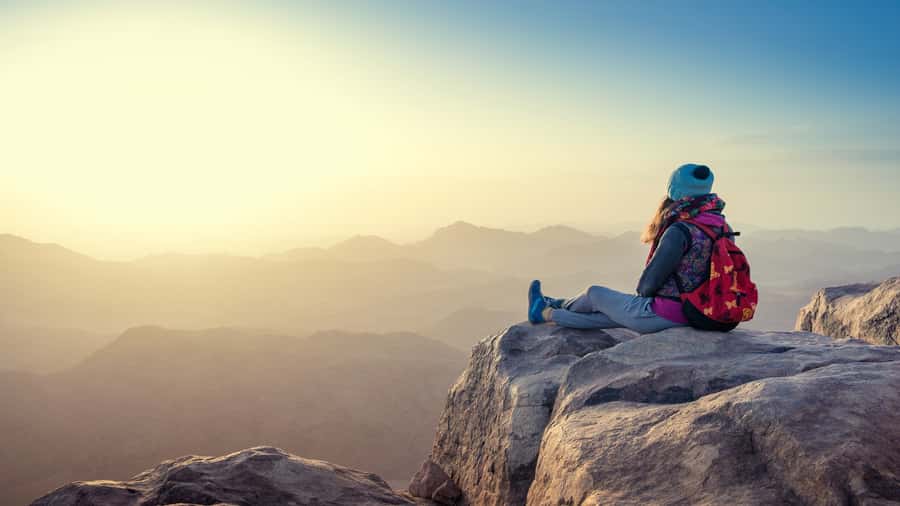
- You climb to 2,285 meters using a steep route that includes the famous 750 steps
- Summit time is built around sunrise, so you may wait cold for the light to arrive
- Bedouin-guided trekking helps with pacing and safety on the rough, dark trail
- St. Catherine’s Monastery adds a UNESCO cultural hit: manuscripts and historic church sites
- Bring warm layers and small cash for snacks, toilets, and blanket rentals on the way up
- Camel is limited to the early part, and the provider doesn’t recommend it
From Sharm after dark: the long start that sets the tone
This trip begins with a hotel pickup in Sharm El Sheikh city, usually between 8:00 PM and 9:00 PM. You’re then in an air-conditioned vehicle heading toward Mount Sinai for about four hours. It’s a late start, and it matters because you’ll be trekking in the dark, with the biggest effort still ahead.
In practice, the day can feel like a moving chain of logistics: pickup windows, possible waiting for other passengers, then transport continuing toward the mountain area. Some people have noted confusion around pickup times before departure, so I’d treat this as a patience test early on. Once you’re on the right track—vehicle to the base area and then guides taking over—the experience tends to feel smoother.
If you’re sensitive to uncomfortable seating, plan your expectations for long road time. Even when the vehicle is air-conditioned, you may find yourself in crowded transport depending on group size and how vehicles are organized.
You can also read our reviews of more tours and experiences in Sharm El Sheikh.
Mount Moses / Mount Sinai: the night trek, the steps, and the pacing reality
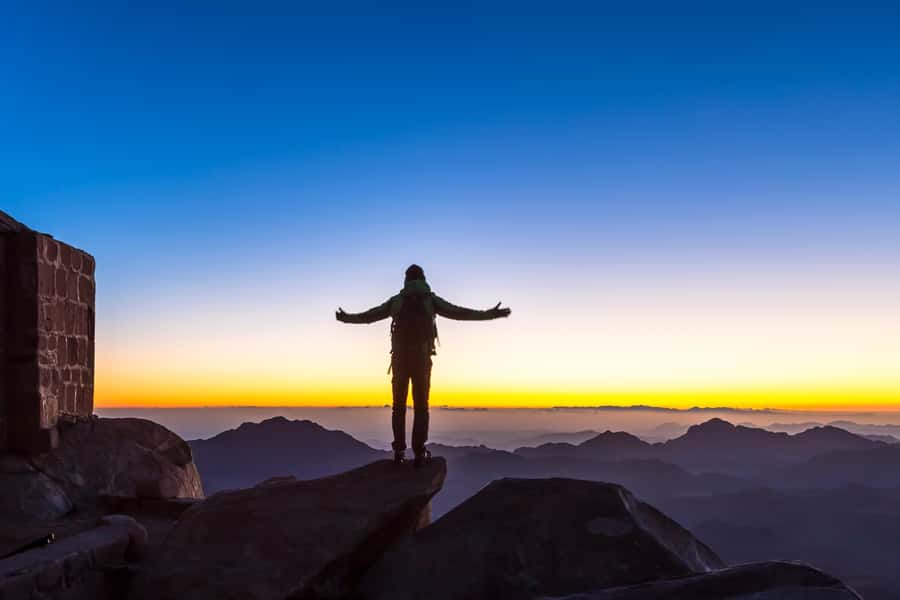
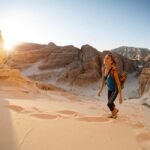
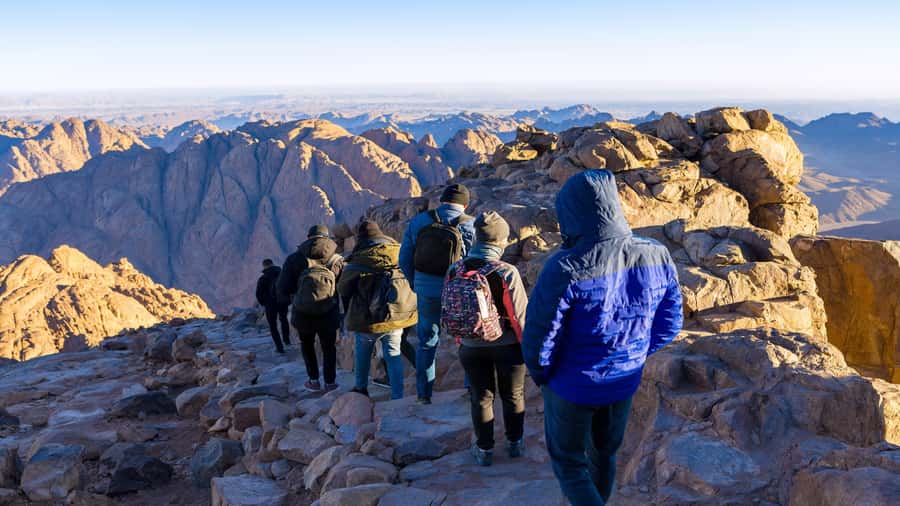
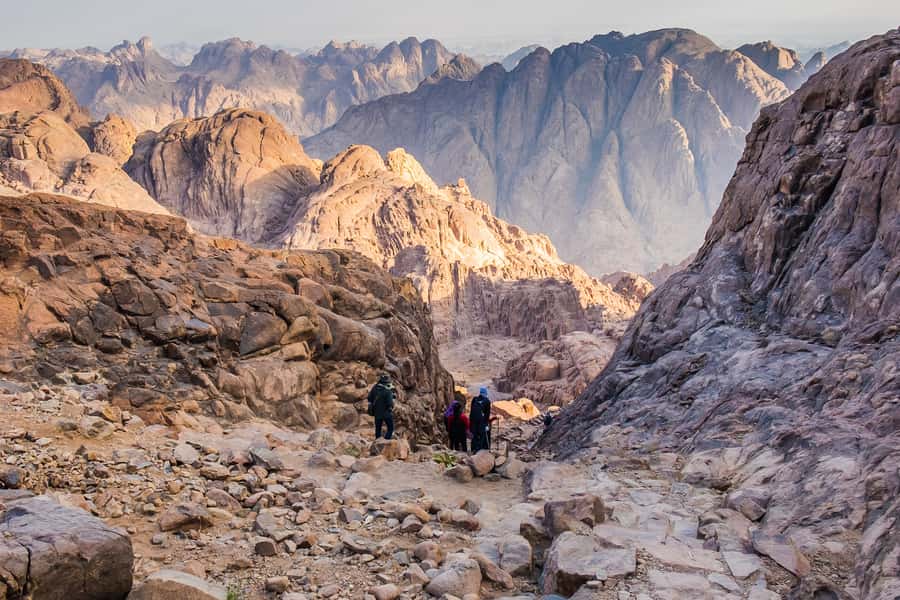
You arrive at the mountain area and begin trekking toward the sacred site where Moses is traditionally linked with receiving the Ten Commandments. From there, you work your way up to 2,285 meters, climbing roughly 750 steps and walking about 2–3 hours during the night (depending on the group pace).
Here’s the real-world shape of the climb:
- You start with a steep, uneven approach on a dark trail.
- The route then funnels into the famous section of boulders and/or steps that demands concentration.
- The steepest parts can feel much harder than distance alone would suggest.
Expect the trail to be crowded and active, not quiet. You might also run into camel traffic earlier on the route. One important detail: the night trail can be messy, with camel droppings in the walking path. A proper torch or headlamp helps you keep your footing and avoid stepping where you shouldn’t.
Camel option: limited, not magic
Camel transport may be offered only during the early portion of the trek up to those first steps (before the main climbing on foot). The provider doesn’t recommend the camel option, but it’s available at the start.
So what should you do with that information? If you’re fit and acclimated to climbing, you may not need it. If you have breathing limitations or mobility concerns, you’ll want to think hard before taking on the steep night climb—and still keep in mind the tour is not suitable for people with shortness of breath or bone pain.
Stops, rest breaks, and why the pace feels manageable
What makes the hike feel doable for many people is the rhythm of pauses. You’ll stop regularly on the way up, sometimes for hot drinks, sometimes just to catch your breath and adjust layers. Multiple guides on this kind of route are known for keeping the pace safe and steady, so if you tell yourself you’re climbing to the sunrise rather than racing to it, it usually feels better.
The catch: the final step-heavy section is still intense. Reviews of the route often point out that the last stretch feels like the toughest part, even when the rest of the hike was fine.
Summit at sunrise: cold, wind, and how to actually enjoy the moment
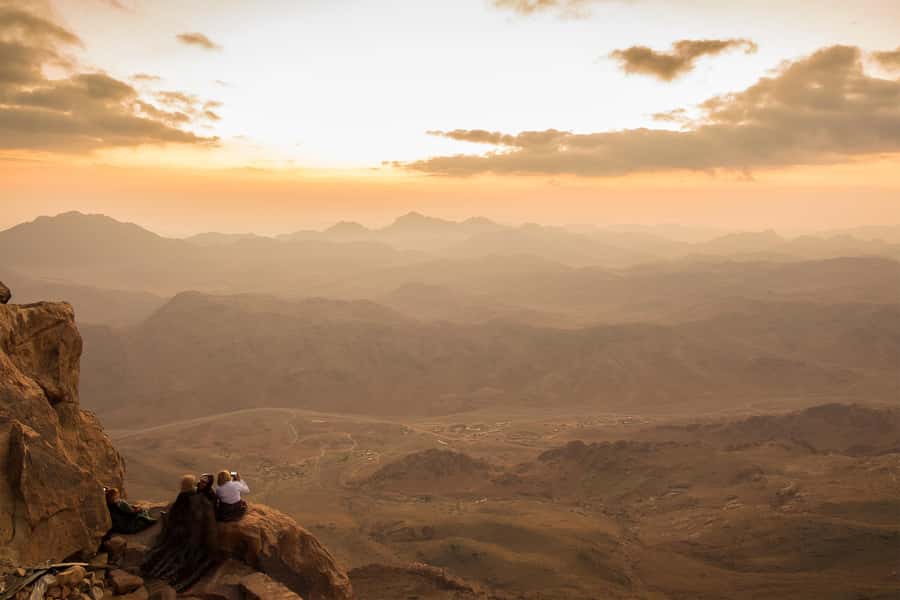
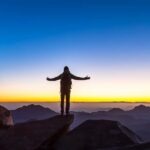
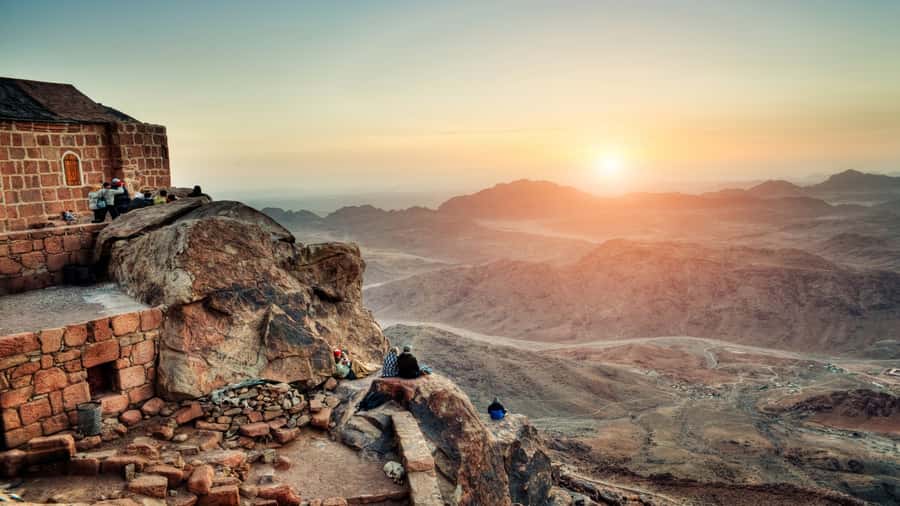
If you climb well, you can reach the summit earlier than expected, which means you might have a good viewing spot and then wait for the sky change. That early arrival is part of what makes the sunrise feel so dramatic: you watch the light creep across the mountains and valleys bit by bit.
But sunrise is not a warm, romantic moment automatically. It can be brutally cold and windy at the top. In winter conditions, temperatures around -2°C have been mentioned, and some guides report even colder ranges depending on the night. That wind matters because layers that feel fine during the drive can feel inadequate once you’re standing still on exposed stone.
Here’s what I’d plan for so you don’t spend the sunrise shivering:
- Wear warm layers designed for wind (a jacket that blocks wind is more important than you think).
- Bring a hat and consider gloves if you run cold.
- If you can, bring a reliable headlamp/torch for the night climb and summit waiting.
- Many people rent a blanket at the top to make the waiting more comfortable, and it can be worth it if you hate cold standing.
When the sunrise arrives, the reward is real. People often describe it as emotional and unforgettable because you’ve worked for it in the dark. You’re not just watching scenery—you’re watching the world wake up right after a hard climb.
You can also read our reviews of more tours and experiences in Sharm El Sheikh
Coming down: the second half is easier, but still needs attention
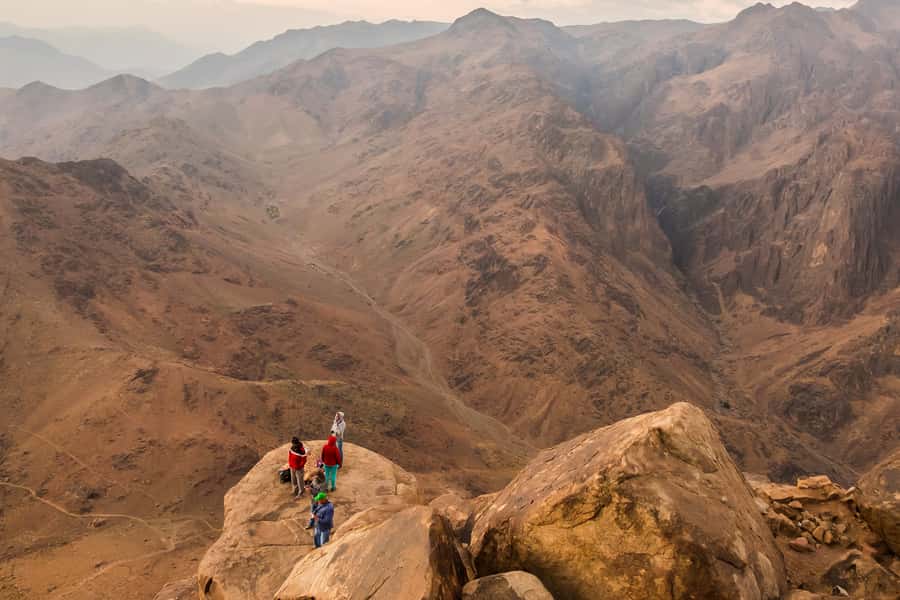
Descent usually takes about 2 hours. That sounds simpler, but steep steps can still be tough on knees and ankles, especially when you’re tired from standing and waiting on top.
Also, expect it to be crowded with other groups funneling down at similar times. The key is to keep your footing slow and deliberate. The guides and Bedouin helpers are there for safety, but you still need to be responsible with each step.
Once you reach the bottom, you can rest and then get breakfast. Breakfast may be a boxed meal that needs to be pre-ordered through your hotel and picked up before the tour starts, so don’t assume it’s just handed to you on arrival.
St. Catherine’s Monastery: manuscripts, icons, and the church sites
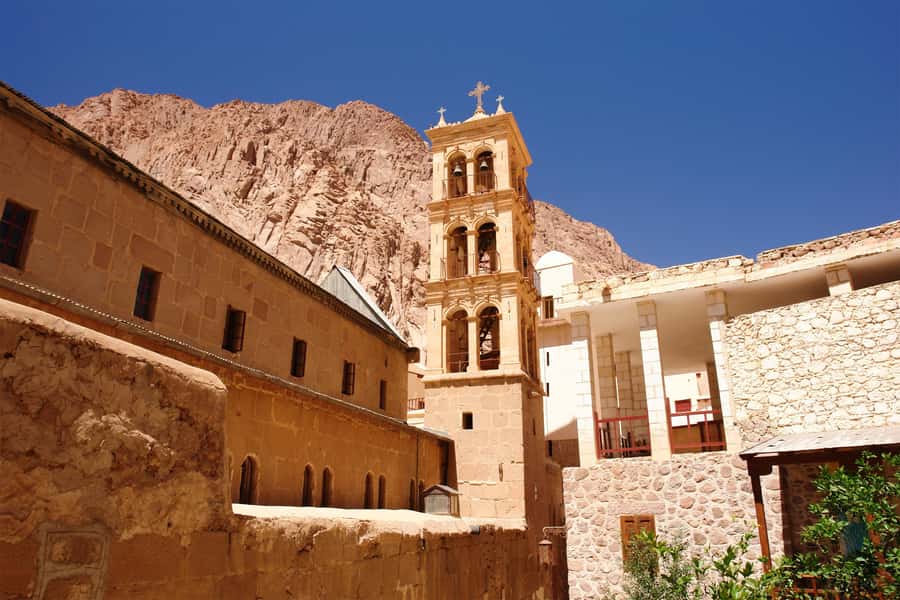
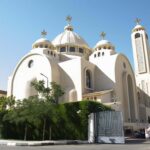
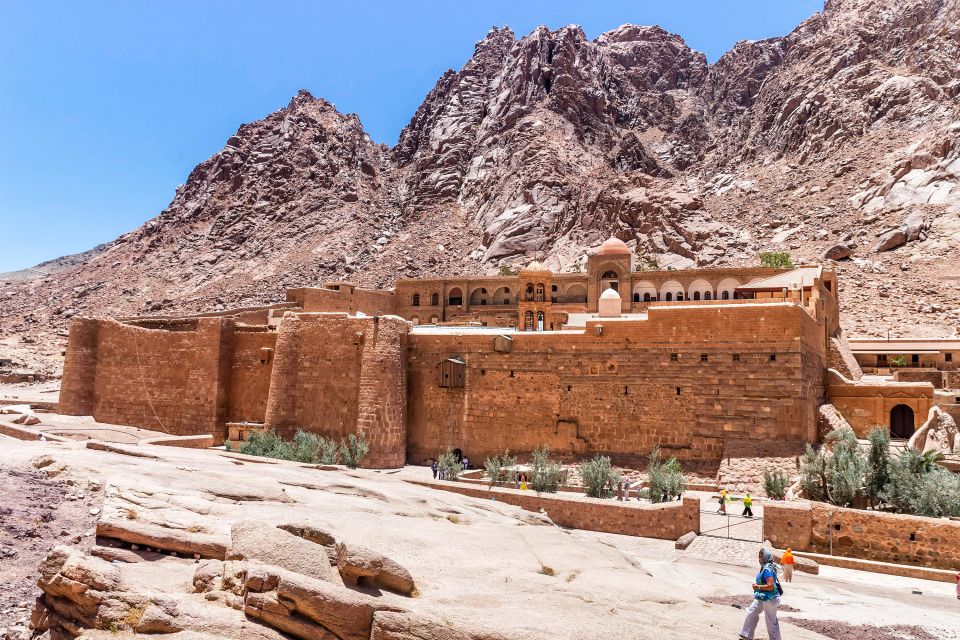
After the climb and breakfast, the day shifts from mountain air to stone walls and old religious objects at St. Catherine’s Monastery, a UNESCO World Heritage Site on the Sinai Peninsula.
This stop is built for time—not just a quick photo stop. You’ll explore the monastery grounds and visit areas that include:
- a library with old manuscripts
- displays of icons that are described as coming from Vatican excavations
- time spent around notable churches and historic locations, including a 6th-century church associated with the area by the burning bush
Even if you’re not traveling for religious reasons, this monastery has a strong appeal because it’s tangible history. You’re walking through a place that has been functioning for a very long time, with artifacts and sacred architecture that feel different from modern churches.
Where the monastery visit can feel short
One realistic consideration: after a night trek, people often end up exhausted. If you want to linger slowly and read every marker, you may find the monastery portion rushed compared to how much effort you spent climbing. If your goal is depth, set your expectations and focus on the highlights: manuscripts, icons, and the key historic church areas.
The monastery isn’t open every day. It’s closed on Sundays and on Christian holidays, with dates that can shift year to year. If you’re traveling around those times, check ahead so you don’t end up with a shortened or modified visit.
Price and value: what $50 buys, and what costs extra
At $50 per person for a 16–17 hour day, the value comes from bundling three things: long-distance transport, guided trekking support, and the monastery visit.
You’re included with:
- hotel pickup and drop-off in Sharm El Sheikh
- an Egyptologist tour guide
- Bedouin trekking guides
- air-conditioned vehicle transfer
- water
That’s a lot for a single ticket, especially when the hike requires specialized local help and the monastery adds a cultural stop.
What’s not included:
- extra drinks
- personal expenses
From on-the-ground reality, you’ll likely spend extra on snacks, toilets along the trail (often described as basic and sometimes fee-based), and possibly warm blanket rentals for the summit waiting. Some people also recommend carrying small cash for convenience, since small purchases are easier when you have the right bills.
So the value equation is: the tour is a good deal if you’re prepared to carry your own essentials and handle minor extra costs without stress.
Who should book this trek, and who should skip it
This is a hard day. It’s not for everyone.
It’s not suitable for:
- children under 14
- pregnant women
- wheelchair users
- elderly travelers (as stated)
- people with shortness of breath or bone pain
If you’re comfortable with steep, uneven ground, you can usually do this with the right preparation. Many people describe the hike as challenging but doable when you pace yourself and use the rest stops. The night timing adds strain because you’re tired and working in the dark, even if the total distance is not outrageous.
This tour is best for you if you:
- want a true sunrise ritual, not just a scenic morning drive
- enjoy climbing and don’t mind cold waiting
- like pairing spiritual sites with real historical places like St. Catherine’s Monastery
- want local guidance from both an Egyptologist and Bedouin trekking leaders
Packing and practical tips that matter on this specific route
The tour’s basic packing list is simple: passport, warm clothing, hiking shoes, a jacket, comfortable clothes, and food. But with Mount Sinai and a night climb, a few tweaks help a lot.
Here’s what I’d prioritize:
- Good hiking shoes with grip. Flip-flops are not a fit here.
- A warm windproof jacket plus layers. The summit is cold even if you’re warm at the start.
- A hat and gloves if you get chilly easily.
- A headlamp or torch. The night trail can be dark and uneven.
- A small pack for tissues or anything you need, since toilets on the route are described as basic.
- Small cash for snacks, hot drinks, blanket rentals, and toilet fees.
Also note: the camel trek is only available at the start portion, and the climb then continues on foot. Don’t plan on camel help for the steep section that comes later.
Should you book Mount Moses Trekking and St. Catherine’s?
Book it if you want a hands-on sunrise experience. The combination of a serious night hike, panoramic views from the summit, and a meaningful stop at St. Catherine’s Monastery makes this more than a one-note excursion. If you’re even mildly excited by the idea of watching dawn arrive after climbing in the dark, this tour is a strong match.
Skip it if you’re looking for a comfortable stroll, or if cold and steep steps will be a problem for your body. This is long, it’s physically demanding, and the summit waiting can be cold and windy.
If you do book, prepare for the mountain like it’s the main event: warm layers, solid footwear, and a light you can trust. When sunrise finally breaks over the Sinai, you’ll understand why people keep coming back to do it.
FAQ
What time does pickup happen in Sharm El Sheikh?
Pickup is included from your hotel area in Sharm El Sheikh city between 8:00 PM and 9:00 PM.
How long is the full tour?
The tour runs about 16–17 hours, including pickup, trekking, monastery visit, and the ride back. Security checkpoints can extend the day.
How hard is the climb to the summit?
You reach the summit area by climbing to about 2,285 meters using 750 steps, plus additional walking on a steep, uneven trail. The night trek typically takes 2–3 hours, depending on the group.
Is camel riding included?
Camel trek is only available at the start of the trek up to the section before the main steps, and the activity provider doesn’t recommend relying on camels for the climb.
How long does it take to go back down?
The descent takes about 2 hours back to the bottom.
When do you visit St. Catherine’s Monastery, and is it always open?
You visit the monastery after the trek and breakfast. The monastery opens every day except Sunday and Christian holidays, and the exact closure dates can vary.
What languages are the guides?
The live guide is available in English, Russian, and Arabic.
What should I bring?
Bring a passport, warm clothing, hiking shoes, a jacket, comfortable clothes, and food.