
REVIEW · EGYPTIAN MUSEUM OF ANTIQUITIES
Cairo: Egyptian Museum of Antiquities online QR Ticket
Book on GetYourGuide →Operated by FTS Travels · Bookable on GetYourGuide
King Tut is easier when your ticket is ready. This QR ticket setup helps you avoid the ticket booth hassle, and it puts you on a fast track to Tutankhamun’s most famous artifacts.
I love that the process sends you a separate Ministry-authorized QR code the day before your visit, so entry is straightforward once you arrive. I also love the payoff inside: a self-paced museum visit with Tut treasures plus statues, mummies, jewelry, papyrus scrolls, and more across two huge levels. One drawback: this isn’t a guided tour, so you’ll get more from your visit if you show up with a simple game plan.
In This Review
- Key things to know before you go
- QR Ticket Setup: How the Ministry-Authorized Code Works
- Price and Value: Why $16 Can Be Worth It
- Entering the Egyptian Museum: Security Check and QR Scanning
- The Big Win Inside: Tutankhamun’s Treasures You’ll Want First
- Two Huge Levels of Egyptian Artifacts: What to See Beyond Tut
- Timing Tips for Cairo Heat and Opening Crowds
- Getting There: Meeting Points and Optional Hotel Pickup
- What’s Included (and What’s Not): No Guide, No Drinks
- Who This QR Ticket Suits Best
- Should You Book This QR Ticket for the Egyptian Museum?
- FAQ
- How do I get the correct QR entrance ticket?
- What happens on the day of my visit?
- What do I need to bring with me?
- What are the museum opening hours and last admission time?
- Does this ticket include a guide or drinks?
- Can I cancel, and is it refundable?
Key things to know before you go
- Ministry-authorized QR the day before: your supplier provides the code you actually use for entry
- Scan at the museum: expect a security check, then staff scan your QR
- Tutankhamun section is the must-see: golden death mask, thrones, jewelry, and more
- Two big levels to explore: plan your route so you don’t lose time
- Not a guided experience: you’ll browse on your own, which can be great or frustrating
QR Ticket Setup: How the Ministry-Authorized Code Works
This experience is all about saving time at the museum by getting your ticket in a QR-ready way. The key thing is this: the QR you receive as a booking confirmation is not your entrance ticket. What matters is that your supplier sends you another QR code authorized by the Ministry of Tourism the day before your visit. That’s the code staff can scan to get you in.
This is why I recommend you treat the ticket workflow like part of the trip, not a side detail. Make sure you have the right visit date, then watch for the message the day before. If you book too close to the visit date, you may need to coordinate directly with the supplier so your QR code arrives in time.
On the day itself, entrance is pretty simple: you may go through a security check, then you present your QR to the staff, who scans it. If anything looks off and staff say the ticket is not valid, contact your supplier right away and don’t pay extra on the spot.
You can also read our reviews of more tours and experiences in Egyptian Museum Of Antiquities.


Price and Value: Why $16 Can Be Worth It
The price is listed at $16 per person, plus possibly hotel pickup/drop-off if you choose that option. On paper, that sounds like a small amount, but the real value is what it buys you: less wasting time at the museum entrance.
Cairo’s Egyptian Museum can get crowded, especially around opening. One practical tip I’d take from people’s on-the-ground experience: if you can, arrive early, but give yourself a small buffer after opening so you don’t hit the very first surge. If you’re there right when doors open, it can feel like the whole city decided to arrive at the same second.
Also, paying for peace of mind helps. Some people choose to buy at the gate because it’s cheaper in the moment. Still, the advance QR approach reduces stress when you’re juggling jet lag, heat, and keeping your ID ready.
Entering the Egyptian Museum: Security Check and QR Scanning
Think of entry as two steps: security first, then ticket scan. Your day starts by going to the meeting point (which can vary depending on whether you booked pickup). If hotel pickup/drop-off is selected, you’ll be transported, then returned to your meeting point after your museum time.
Once you’re at the museum, you’ll likely face a security check before entry. Then you show your QR code to the staff. They scan it and that’s it—access granted.
Two details matter a lot:
- Bring a passport or ID card. Visitors must show valid identification.
- Don’t count on the booking confirmation QR. The entrance QR is the Ministry-authorized one sent the day before.
And since museum tickets can be sensitive, treat the QR like money: don’t tamper, don’t reprint, and don’t try to resell it. If it has already been scanned or is altered, it won’t work.
The Big Win Inside: Tutankhamun’s Treasures You’ll Want First
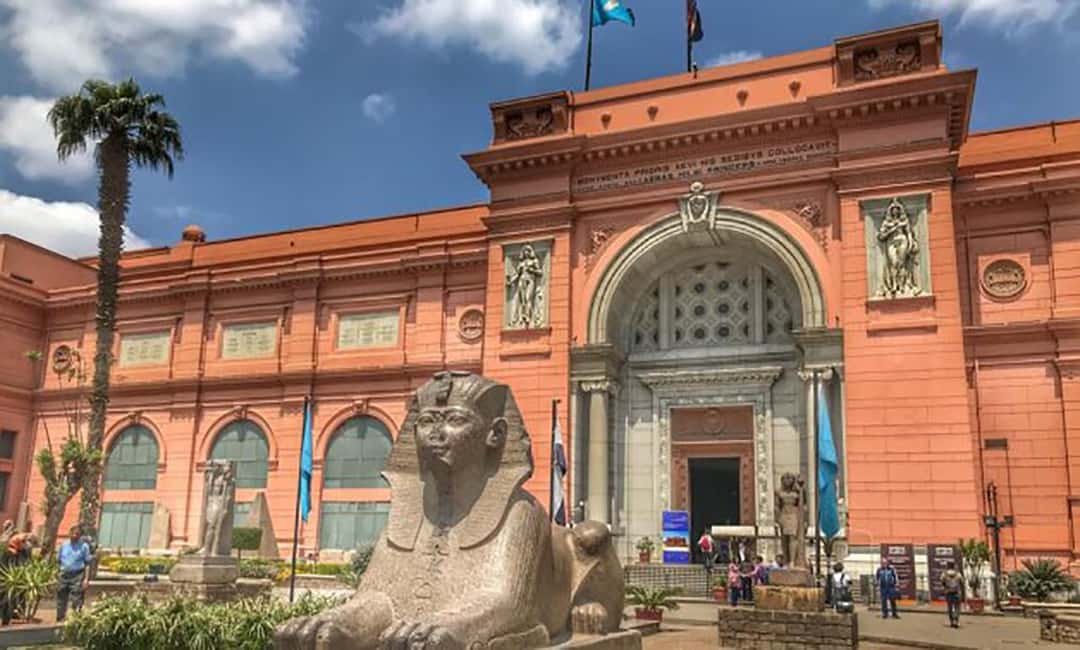
The Egyptian Museum’s headline act is the collection from King Tutankhamun’s tomb. If you’re short on time, this is the section you should prioritize because it’s the emotional center of the visit.
Expect to see famous pieces like the golden death mask, thrones, and jewelry—plus many other tomb objects discovered in the young pharaoh’s burial. Seeing these items in person is one of those rare museum moments where it’s not just art history. It’s visual shock: gold, scale, and craftsmanship that look unreal until you stand close enough to register the details.
Your QR ticket doesn’t change what’s on display—but it changes how fast you can get to the things you care about. That time savings matters because the museum is large, and you’ll feel it if you start your visit with delays.
If you like a quick, focused plan: do Tut first, then branch out. If you like a slower browse: still start with Tut, but give yourself permission to move gradually afterward.
Two Huge Levels of Egyptian Artifacts: What to See Beyond Tut

Tut’s treasures are the headline, but the rest of the museum is where your visit turns into a longer story. The museum collection includes over 120,000 items, and you’ll see a mix of ancient Egyptian artifacts like statues, fossils, paintings, jewelry, mummies, and papyrus scrolls.
The museum is organized across two huge levels, which is great for depth but tricky for planning. If you don’t set a route, you can lose 30 to 60 minutes just walking back and forth.
Here’s how I’d structure your browsing:
- First pass: follow the big areas that match your interests (for many people, that means sculpture and royal objects, then mummies and everyday life artifacts).
- Second pass: go back to whatever grabbed you and spend extra time where you feel curious, not just where the room looks famous.
Because this ticket is self-guided, you control the pace. Some people love that freedom; others feel a bit unmoored in a museum this big. Either way, a comfortable strategy helps: wear shoes you can stand in for a while and choose a temperature-friendly approach.
Timing Tips for Cairo Heat and Opening Crowds
The museum is open daily from 9:00 am to 5:00 pm, with the last ticket admission at 4:00 PM. That last admission detail is important. Don’t plan a late-day arrival and then assume you’ll still get in after 4:00.
Crowds can be intense around opening. A solid practical approach is to arrive early, but not sprint to the door at the exact first minute if you can avoid it. Giving yourself a half-hour can help you miss the first wave and get into the galleries with better breathing room.
Also, plan around warmth. One very simple tip that comes up: the museum can be warm, so consider bringing something light that helps you feel comfortable (even if it’s just a personal fan). When you feel overheated, your museum time shrinks fast.
If you want more quality time per room, you’ll need less queue time at entry, and this QR setup helps with that.
Getting There: Meeting Points and Optional Hotel Pickup
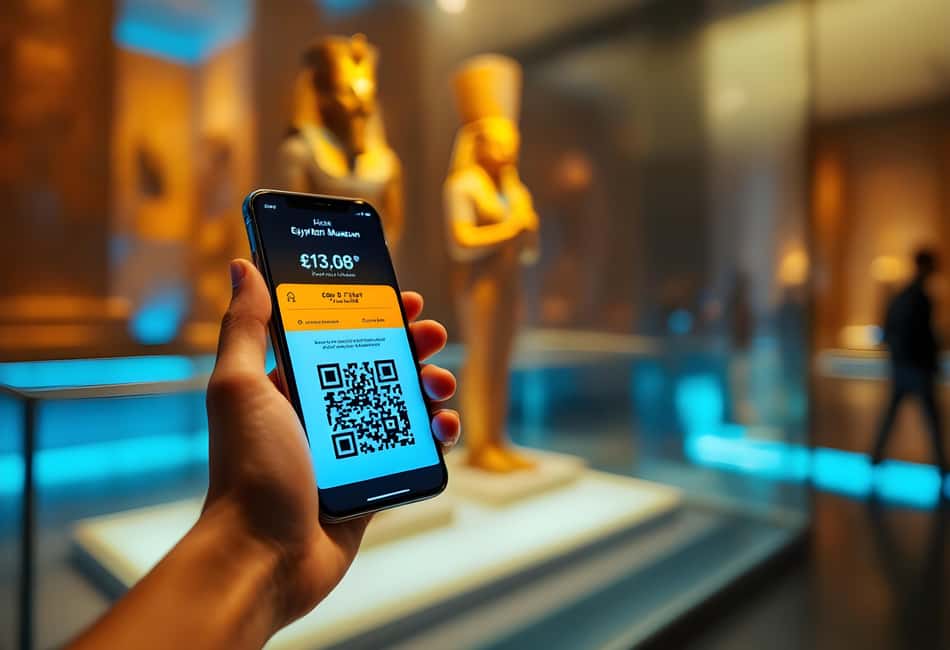
Meeting points can vary based on the option you select. If you book hotel pickup and drop-off, you’ll be transported to the museum and returned afterward. If you don’t select pickup, you’ll meet at the designated point and handle the museum transfer yourself.
Either way, your visit ends back at the meeting point. That matters because you can plan the rest of your day with less uncertainty. Cairo has a way of making schedules feel negotiable, so having a known endpoint helps.
One caution: because meeting details can change, confirm what you’re expected to do for your specific booking option. You don’t want to arrive at the wrong pickup point while the museum is counting down toward last admission.
What’s Included (and What’s Not): No Guide, No Drinks
Your ticket includes entrance to the museum. If you selected it, you also get pickup and drop-off from your hotel.
What you don’t get:
- No guide
- No drinks
That’s not a dealbreaker, but it shapes your experience. Without a guide, you’ll need to rely on your own curiosity and your own time planning. Some people love the freedom to move at their own speed. Others end up skimming because they’re not sure what’s most important.
My suggestion: if you’re the type who likes context, consider adding your own structure outside this ticket—like using an audio guide or arranging an independent guide for your favorite areas. Even a short guided walk can make the rest of the museum feel more connected.
Since drinks aren’t included, plan for water and basic comfort. And with the warm conditions some visitors note, being prepared is not just nice—it can protect your stamina.
Who This QR Ticket Suits Best
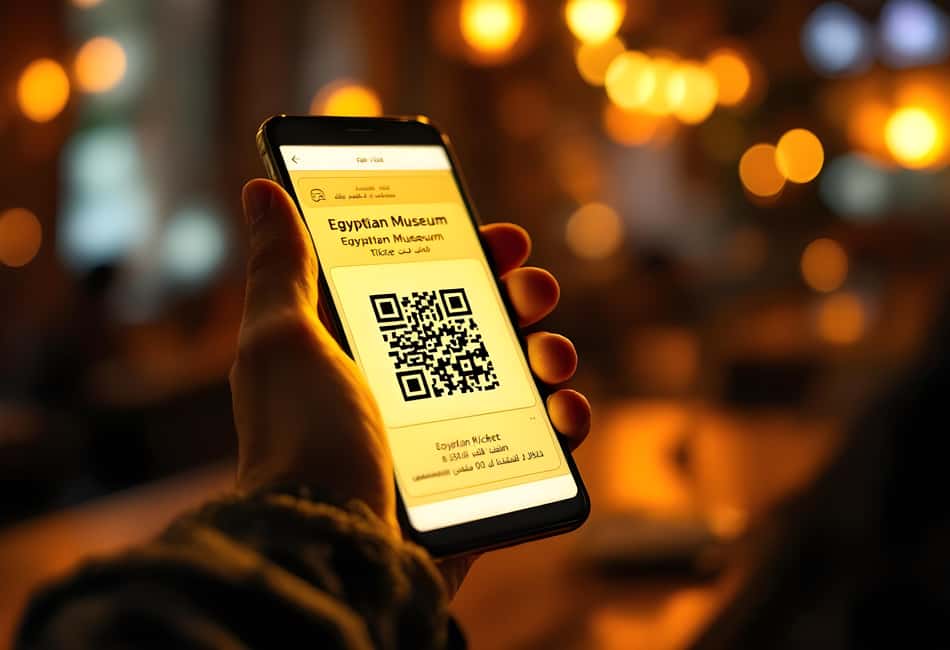
This is a great match if you want:
- Fast entry and less stress at the museum entrance
- A self-paced visit where you can linger where you care most
- Tutankhamun as a priority, with a broader museum exploration as a bonus
It may not be ideal if you want everything handled start-to-finish, because it’s not a guided tour. Also, if you get frustrated in places that feel disorganized, a big museum with lots of rooms can feel like it needs more structure. Still, that’s a museum reality, not a ticket problem. Your QR simply controls the start of the day.
If you’re traveling with limited time, this ticket gives you a smoother entry so you can spend your limited hours inside—where it counts.
Should You Book This QR Ticket for the Egyptian Museum?
Yes, I’d book it if you value ease of entry and you’re excited to see Tutankhamun’s tomb treasures. For the price, the real benefit is time saved and uncertainty reduced. In a museum this big, small delays at the entrance can snowball into lost gallery time.
Skip it only if you prefer to handle tickets at the gate no matter what, and you’re comfortable with the possibility of queues and last-minute stress. If that doesn’t sound like your style, the QR approach is the smarter move.
Bottom line: this ticket is a practical key. Use it to get in calmly, then spend your energy on the galleries—especially the Tutankhamun section that anchors the whole museum experience.
FAQ
How do I get the correct QR entrance ticket?
You receive a booking confirmation, but that code is not for entry. Your supplier sends a separate QR ticket authorized by the Ministry of Tourism one day before your visit. This is the QR code you should present at the museum.
What happens on the day of my visit?
You may need to pass through a security check first. Then staff scan your QR code to grant you access. If staff say your ticket is not valid, contact your supplier right away and don’t make extra payments.
What do I need to bring with me?
Bring a passport or ID card and wear comfortable shoes.
What are the museum opening hours and last admission time?
The museum is open daily 9:00 am to 5:00 pm, with last ticket admission at 4:00 PM.
Does this ticket include a guide or drinks?
No. The ticket includes museum entrance (and pickup/drop-off only if you select that option). A guide and drinks are not included.
Can I cancel, and is it refundable?
Yes. You can cancel up to 24 hours in advance for a full refund.