REVIEW · CAIRO
Cairo: Giza Pyramids, Sakkara & Dahshur All-Inclusive Tour
Book on GetYourGuide →Operated by Nice Tours · Bookable on GetYourGuide
Cairo’s pyramids, timed to perfection. This private 7-hour circuit strings together Saqqara, Dahshur, and Giza so you see early pyramid experiments before the Great Pyramid steals the show. I especially like how the day includes both the world’s oldest major stone building (Djoser’s Step Pyramid) and the full Giza trio with the Sphinx, plus a real lunch stop. One thing to consider: it’s a lot of walking in the sun, and if you plan to go inside any pyramid, it’s not for claustrophobic legs or anyone who hates tight spaces.
The best part is the logistics. Hotel pickup and drop-off plus air-conditioned transport keeps the day from turning into Cairo traffic roulette, and entrance fees and lunch are built in. You also get skip-the-ticket-line service, so you spend more time looking up instead of waiting.
What makes it feel different from a basic group trip is the pacing and the human help. With a private English guide (and other languages available), you get context at each site and the option to explore a bit on your own. Still, come prepared: water and comfy shoes matter, and some pyramid interiors can be a tough call.
In This Review
- Key highlights that make this tour worth your time
- Why Saqqara and Dahshur come first (and why that’s a smart move)
- Sakkara and the Step Pyramid of Djoser: the world’s oldest stone flex
- Dahshur: Bent Pyramid realism and the Red Pyramid’s character
- Giza’s Great Pyramid day: Cheops, Chephren, and Mykerinus in one sweep
- The Great Sphinx: mystery, scale, and the best moment to slow down
- Private guides: the real value isn’t the facts, it’s the flow
- Lunch stop: a real break, not an afterthought
- Timing, transportation, and why the day stays smooth
- What to pack so you enjoy pyramids instead of suffering
- Is this tour the right match for you?
- Should you book this private Cairo pyramids tour?
Key highlights that make this tour worth your time
- Private guide with your language: You’re not stuck translating for a group, and you can ask questions as you go.
- Dahshur before Giza: You’ll see how the Egyptians moved from early forms to the smoother, classic look.
- Skip-the-line tickets: More viewing, less standing around.
- Photo-friendly plateau views: The Giza layout is built for panoramic shots of the three pyramids together.
- Lunch included at a local restaurant: It’s not just a quick snack break between monuments.
Why Saqqara and Dahshur come first (and why that’s a smart move)
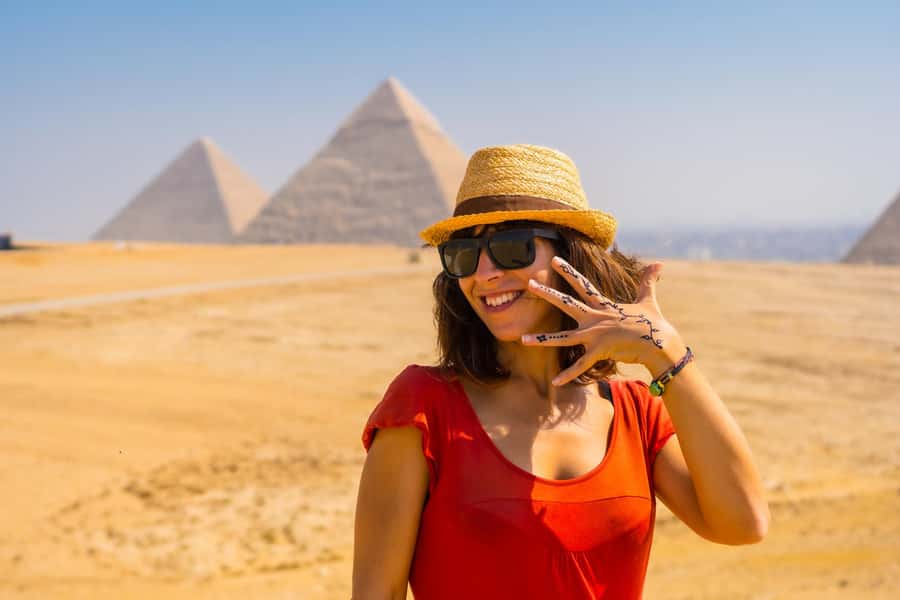
Cairo’s pyramids can feel like one big blur if you only hit Giza. This tour fixes that by ordering the day so the “why” comes before the “wow.” You start in Saqqara, where you’re looking at the earliest big stone pyramid idea, then you move to Dahshur, where the ancient builders tried to refine the shape.
By the time you reach Giza, the pyramids don’t just look impressive. They start to look evolutionary—like you’re watching a technology grow up. That’s what turns a photo day into an actual learning day without making it feel like homework.
And yes, you’ll still get that classic Great Pyramid sight. The difference is you’ll understand what you’re seeing.
You can also read our reviews of more tours and experiences in Cairo.

Sakkara and the Step Pyramid of Djoser: the world’s oldest stone flex
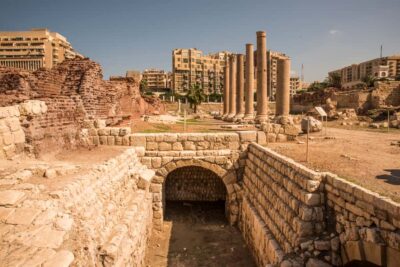
Your day begins at Saqqara, often called the city of the dead. The star here is the Step Pyramid of Djoser, built in the 3rd Dynasty for King Djoser, around 2630 BC. This isn’t just an old pyramid; it’s the oldest major stone structure on Earth of this type, which is a wild sentence until you stand there and realize people got serious about stone construction a very long time ago.
What I like about starting at Saqqara is the feel. The Step Pyramid complex is more than one triangle on a horizon—it gives you time to get your bearings, notice details, and understand the layout before the bigger crowds and bigger scale at Giza.
Also, your guide helps you interpret what you’re seeing rather than just listing facts. One of the best practical outcomes from guides on this route: they often help you time your stops so you’re not rushing through the most photogenic spots.
Consideration: if you want to go inside certain structures, remember that interior access can mean stairs, tight passages, and uneven footing. If that’s your weak spot, stick to the exterior areas and use your energy for the best views.
Dahshur: Bent Pyramid realism and the Red Pyramid’s character
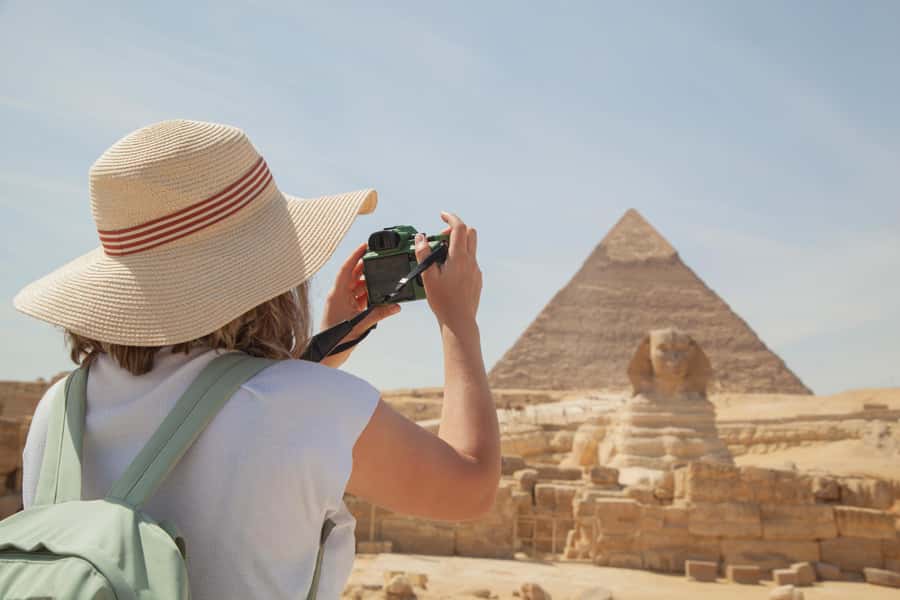
Next you head to Dahshur, where you’ll see two major landmarks that explain the Egyptians’ trial-and-error phase. This is where the story gets fun.
First is the Bent Pyramid, described as the first true attempt at a smooth pyramid form like the ones at Giza. Its name tells you what to look for—an angle shift that makes the monument feel less like a finished design and more like a master plan still being tested. And if you have a chance for interior access, the long internal passage can be a once-in-a-lifetime moment (just know it’s not ideal for anyone with claustrophobia).
Then there’s the Red Pyramid, another key piece of Senefru-era ambition. The Red Pyramid isn’t always the first one people mention, but it’s a standout for anyone who likes the “process” behind great architecture.
A nice payoff: Dahshur often feels calmer than the busiest Giza moments. That means you may get more space to slow down and look, which is exactly what you want when you’re comparing shapes and construction choices across different sites.
Giza’s Great Pyramid day: Cheops, Chephren, and Mykerinus in one sweep
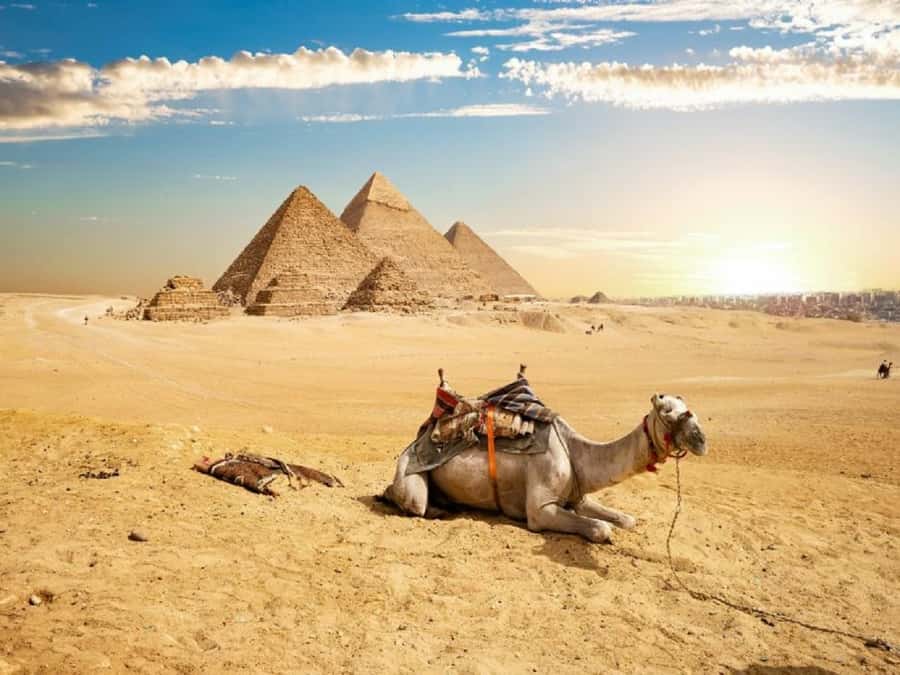
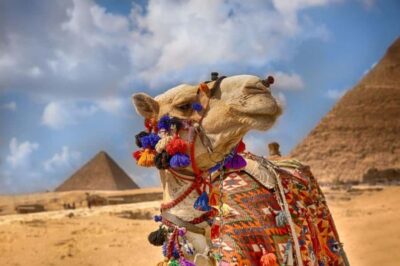
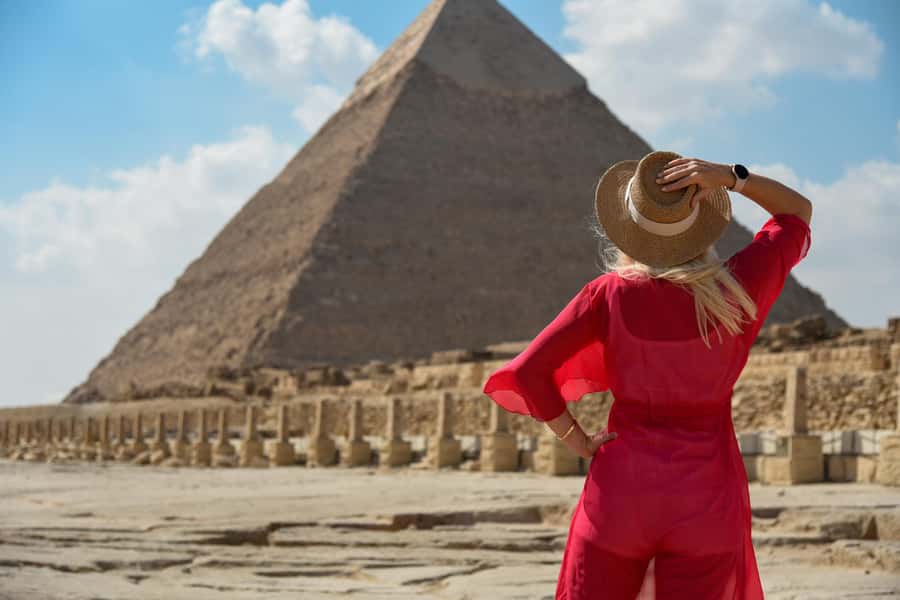
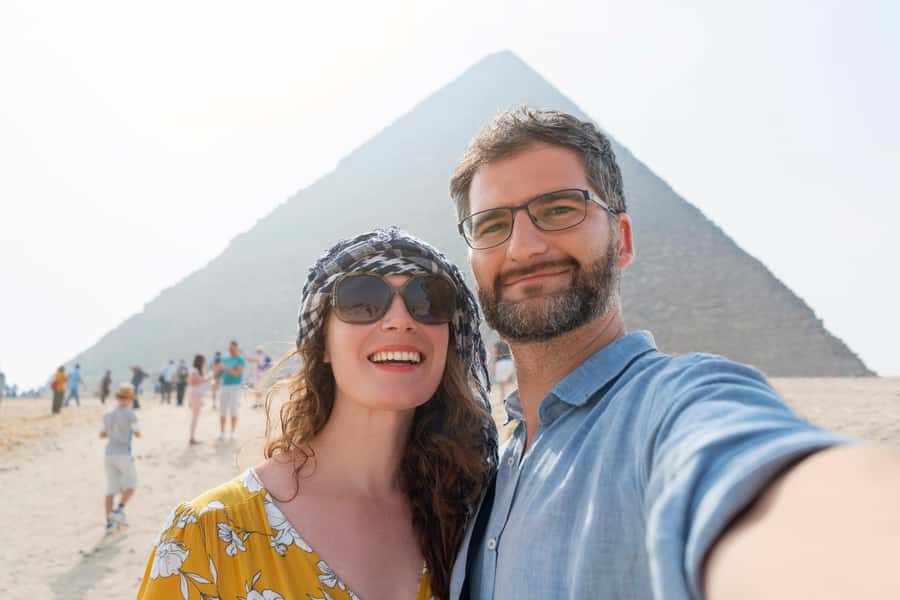
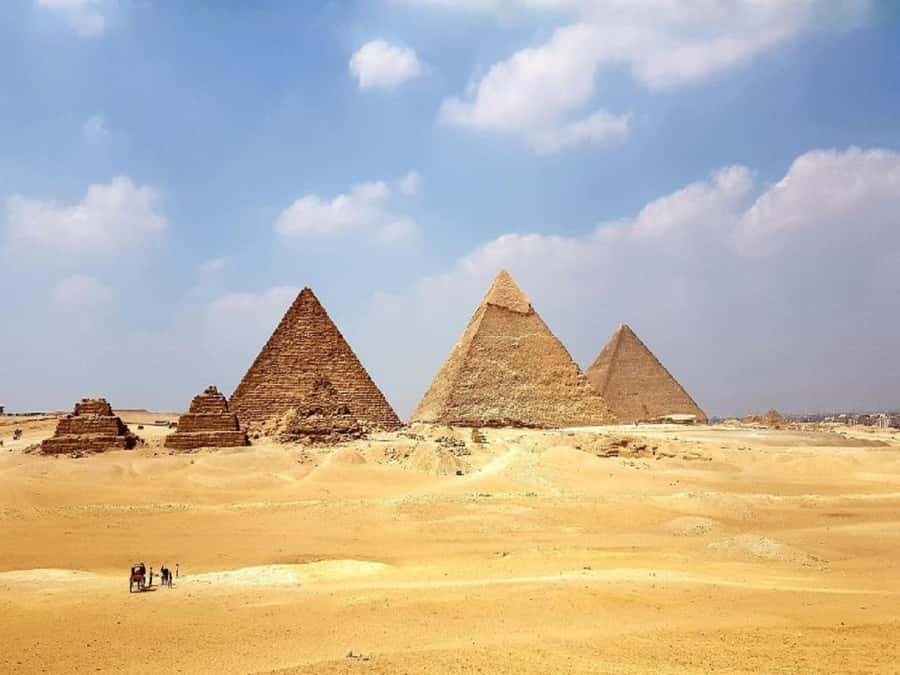
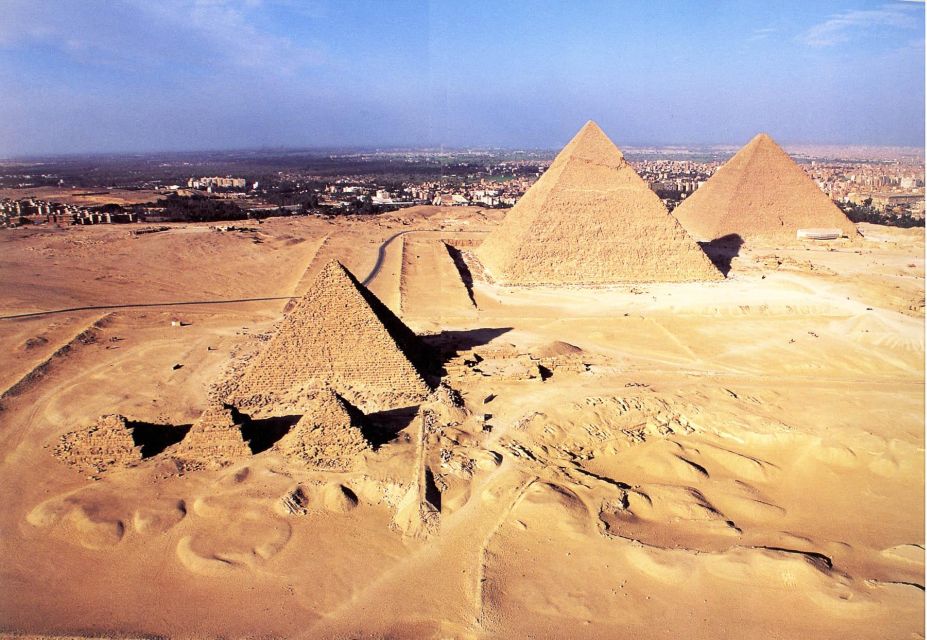
When you arrive at Giza, the scale does the talking. You’ll see the Great Pyramid of Giza, the pyramid of Cheops, and it’s the only one of the seven ancient wonders still standing today. You’ll also spot the pyramid of Chephren, which still has some of the original limestone façade remaining.
Then there’s the smaller pyramid of Mykerinus, rounding out the famous trio. It’s tempting to treat it as the “small one,” but seeing all three together helps you notice differences in placement and structure. That’s where the site stops being three separate attractions and becomes one coordinated landscape.
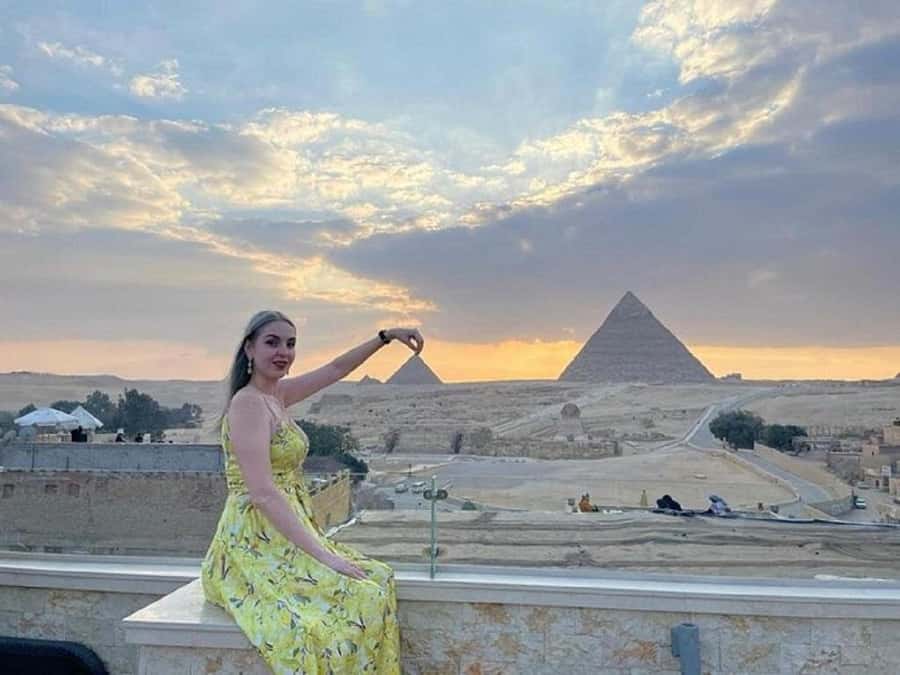
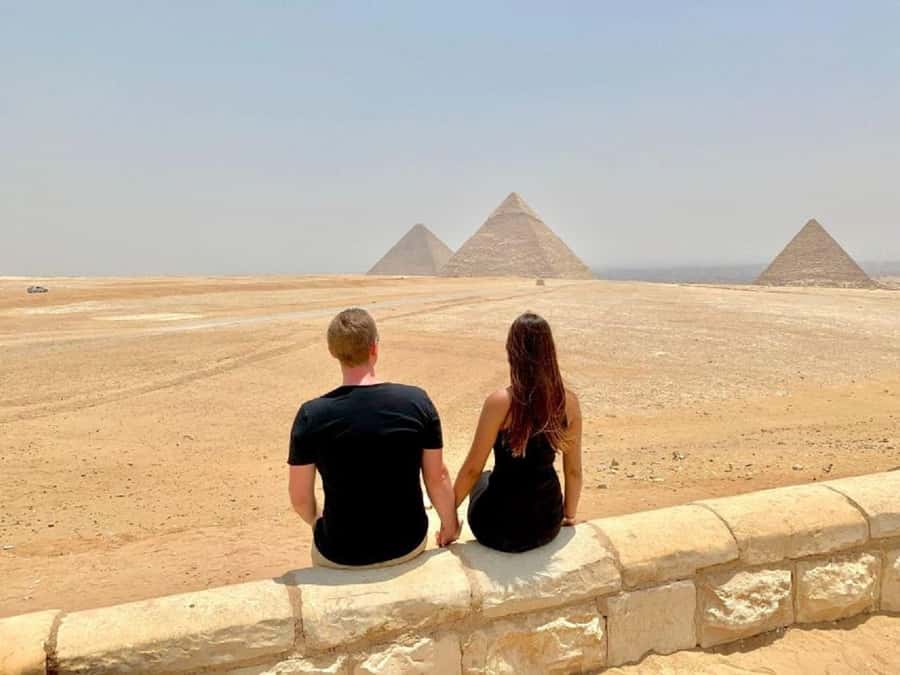
One of the smartest parts of this kind of private day tour is the photo strategy. The Giza plateau offers panoramic vantage points where you can capture the pyramids together, and your guide can steer you toward angles that make the trio look like it belongs in a textbook.
Practical tip: wear shoes with good grip. The ground around major sites can be uneven and busy. Your comfort directly affects how much you enjoy the views.
The Great Sphinx: mystery, scale, and the best moment to slow down
At the foot of the pyramids is the Great Sphinx, with the head of a pharaoh and the body of a lion. The statue dates from the time of Chephren, and the meaning behind it remains a mystery—one of those details that makes the whole scene feel a little more human, even after thousands of years.
What makes the Sphinx special on this route is that you’re coming from a full architectural storyline. You’re not only thinking about pyramids now—you’re thinking about how power, belief, and art were linked across the same landscape.
Take a few minutes here even if you’re tempted to rush for photos. The Sphinx is one of those sights where time spent quietly looking often turns into better photos anyway.



Private guides: the real value isn’t the facts, it’s the flow
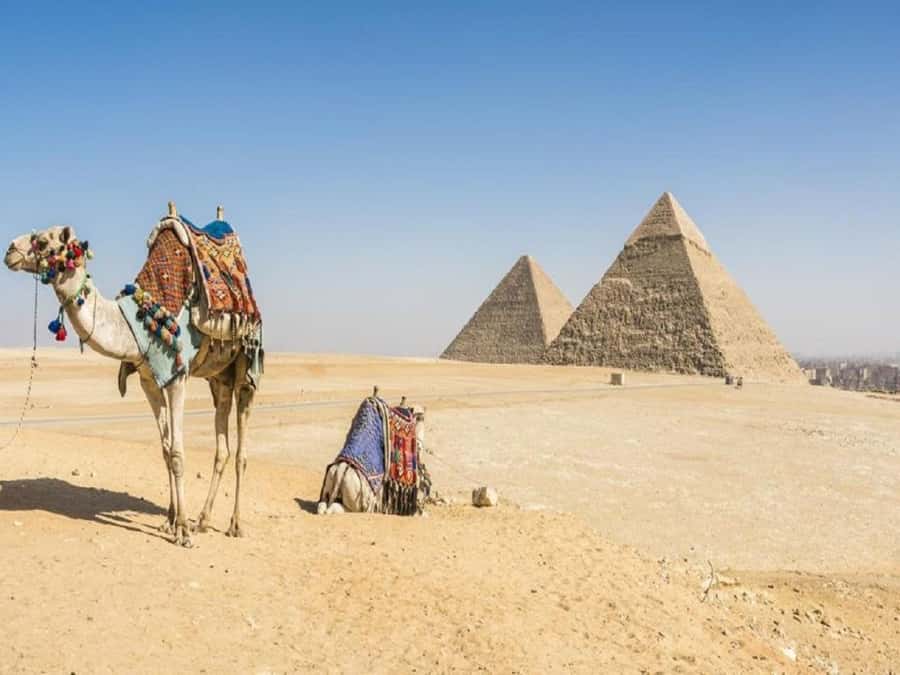
Entrance fees and a clean car get you through the day. The guide makes it click.
On this route, you’ll likely meet a dedicated guide who can explain not just monuments, but also context and traditions around ancient Egypt. Names you might hear associated with this itinerary include Anna, Hesham, Hisham, Sherif, Jazmin, Hazem, Nada, and Christine. Different people, same goal: help you connect the dots between what you see at Saqqara, Dahshur, and Giza.
One strong pattern in the experience: the best guides balance storytelling with breathing room. You get explanation on the spot, then time to explore without feeling herded. That’s especially helpful if you’re traveling with kids, a parent who needs slower pacing, or anyone who gets tired of standing in lines.
Another practical win: guides can help you with photo positioning. Several guides are described as excellent photographers or photo planners, so you don’t just take one awkward snapshot and move on.
Lunch stop: a real break, not an afterthought
This tour includes lunch at a local restaurant. That matters more than it sounds, because Cairo pyramids days can otherwise turn into energy-drain marathons where everyone “just grabs something” and then spends the rest of the afternoon cranky.
A good lunch stop also gives your guide a chance to reset the day rhythm. You can recover a little, rehydrate, and then return to the site flow with less rushing.
If you care about food choices, ask ahead when possible, and use the pause to plan your water and bathroom breaks. One practical note from the field: it’s smart to carry small change for restrooms, because you never want to negotiate while your day is at maximum walking.
Timing, transportation, and why the day stays smooth
This is a private tour with hotel pickup and drop-off, planned around a 7-hour day. The air-conditioned transportation is more than comfort—it’s stress control. Cairo’s roads can be unpredictable, so having a driver who handles the route and keeps things moving makes a big difference.
Also, starting early helps you dodge some of the harshest sun and gives you a better experience window for photography. Even if you’re not a sunrise person, you’ll appreciate arriving at the sites before the day gets too intense.
And since the tour includes skip-the-ticket-line service, you avoid the kind of delays that turn a planned visit into a scavenger hunt.
Consideration: the day is structured and packed with major sights. If you hate rushing, don’t try to do a personal shopping spree at each stop. Save that energy for your evenings in Cairo.
What to pack so you enjoy pyramids instead of suffering
You’re walking around stone monuments and dusty terrain. Simple items will change the whole day.
Bring:
- Comfortable shoes with grip
- A hat or scarf for sun and dust
- Water (even if lunch is included)
- Light layers for changing conditions
- A small amount of cash for bathroom needs
One of the most common practical issues on pyramids days is thirst and heat. Even when lunch exists, you’ll still want water during walking breaks. Guides may provide water at times, but it’s smart not to rely on that happening at the exact moment you feel thirsty.
If you plan to go inside pyramid passages, also take a hard look at your comfort level. Reviews and on-the-ground guidance often make it clear that interior entry can be tight and physically demanding. Claustrophobic travelers should treat it as a personal risk call, not a bravado moment.
Is this tour the right match for you?
This tour is a strong choice if you want:
- One organized day that covers Saqqara + Dahshur + Giza
- A private guide who can explain what you’re seeing and adjust pacing
- Included essentials like entrance fees, lunch, and hotel pickup
- A shot at photo-friendly viewpoints without guessing
It’s also a good fit for first-timers who want to understand the pyramid story from early stone experiments to the final Giza statement.
If you’re traveling with very limited mobility, hate walking, or want lots of unstructured time per site, you might find the schedule too full. And if interior pyramid access is a must, be honest about your comfort level before you choose.
Should you book this private Cairo pyramids tour?
I’d book it if you want a day that’s efficient, guided, and built around the pyramid story instead of only hitting the loudest stop. At $70 per person with hotel pickup, entrance fees, and lunch included, the value is strongest for people who don’t want to plan logistics all by themselves.
Skip the tour only if your priority is slow museum-style pacing, or if the idea of possible interior pyramid entry worries you more than the exterior viewing. In that case, you might still enjoy the sites with a different format that gives more rest breaks.
If you’re aiming for your best one-day pyramids experience, this is a solid way to do it—step pyramid first, bent and red in the middle, then the Giza skyline and Sphinx to close the day with your head still tilted back.