REVIEW · HURGHADA
Hurghada: 5 Days Nile Cruise with Guided Tours & Abu Simbel
Book on GetYourGuide →Operated by Egyptology Travel CO · Bookable on GetYourGuide
Ancient temples, timed to perfection. This 5-day Nile cruise pairs Egyptologist-guided sightseeing with real “how did they build that?” moments, from Karnak to the West Bank. I love the way the guide turns each site into a story you can actually follow, and I love the early start that gets you to Abu Simbel when the day is still cool. One thing to weigh: the ship experience can feel a bit uneven, since several cabins may look older than the 5-star label promises.
The best part for me is the people—when your Egyptologist is sharp (Adel is repeatedly mentioned, along with Samy), you stop seeing ruins and start seeing decisions, politics, and daily life. You should also expect a long day in Egypt’s road realities during the Abu Simbel transfer; legroom and air-conditioning aren’t always what you’d hope for, depending on the vehicle used.
In This Review
- Key highlights worth planning around
- Nile Cruise Reality Check: 5 Days, 4 Nights on the Water
- Hurghada Pickup and the Luxor Launch Day
- Karnak Temple and Luxor Temple: Where a Guide Actually Changes Everything
- Sailing Overnight: Time to Reset After a Packed First Day
- West Bank Morning: Valley of the Kings, Hatshepsut, and Howard Carter House
- Edfu by Horse and Carriage: A Day That Moves Like Clockwork
- Kom Ombo Temple at Sunset: The Light Helps, the Guide Makes It Meaningful
- Abu Simbel at Around 5 AM: The Big Price-of-Admission Day
- Philae Island and the High Dam on the Final Day
- Food, Drinks, and the Ship: What to Expect Without the Shine
- Price and Value: Is $870 Worth It?
- Who This Nile Cruise Fits Best
- Should You Book This Hurghada to Luxor-Aswan Cruise?
- FAQ
- How long is the tour and how many nights are on the cruise?
- Where do you get picked up and when?
- Is an Egyptologist guide included?
- Are entrance fees included?
- Are meals included?
- Are drinks included?
- Is WiFi included?
Key highlights worth planning around
- Egyptologist storytelling: guides like Adel (and others such as Samy) explain what you’re seeing with real context
- Abu Simbel on schedule: an around-5 AM start to hit the temples in the right order
- West Bank morning by motorboat: get to the Valley of the Kings area with less hassle than land travel
- Edfu Temple by horse and carriage: a classic way to arrive, and it keeps the day moving
- Sunset timing for Kom Ombo: you reach the next stop as the light changes, which helps the photo odds
- Hurghada door-to-door transfer: pickup is included, with an air-conditioned vehicle to begin the trip
Nile Cruise Reality Check: 5 Days, 4 Nights on the Water
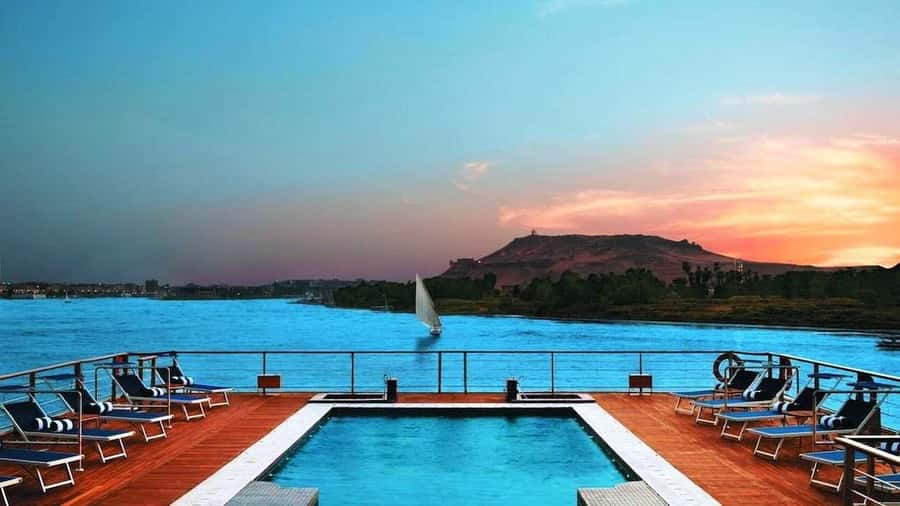
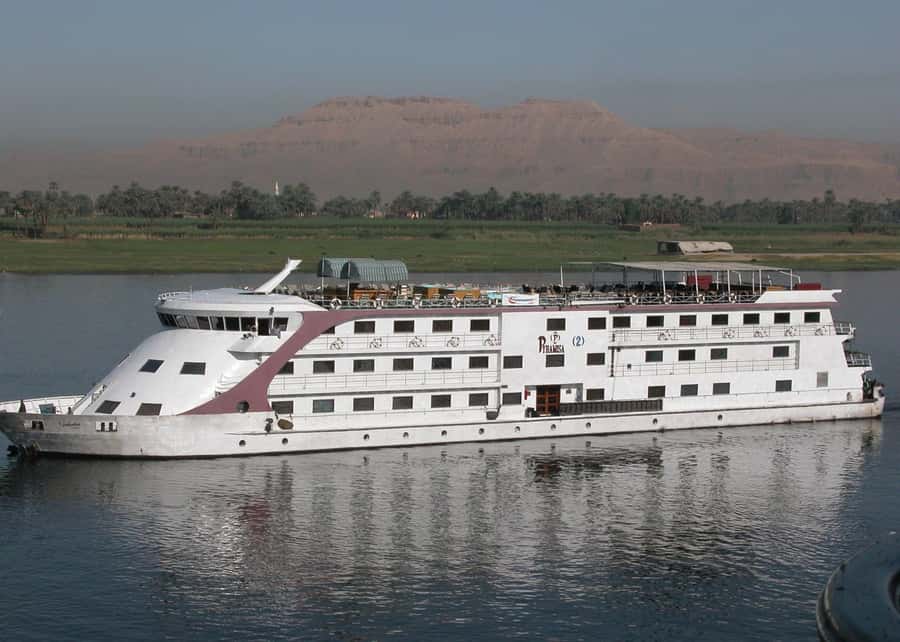
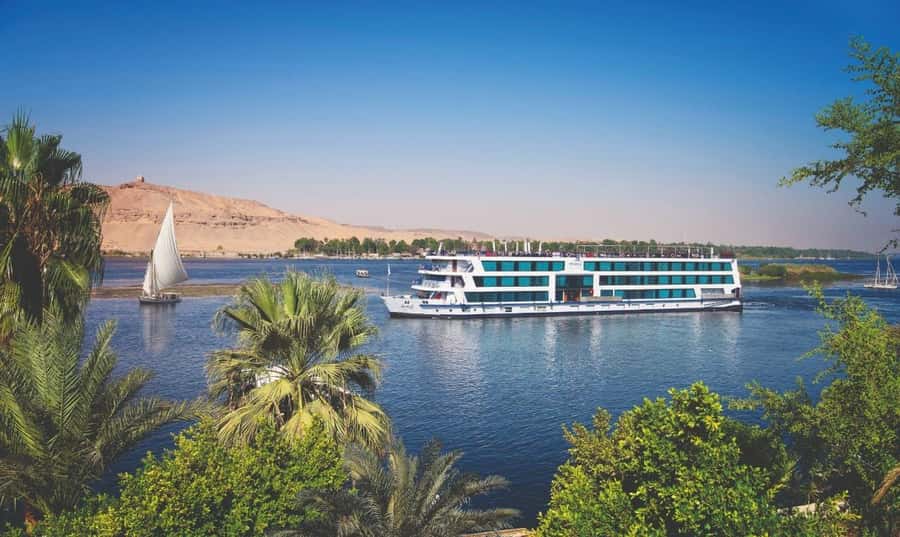
This is a Luxor to Aswan Nile cruise wrapped in guided tours. You’ll base yourself on a 5-star-style ship for 4 nights, with meals included from lunch on day one through breakfast on day five. The big idea is that you’re not just watching the Nile—you’re using the sailing time to move from one high-priority site to the next.
The value here is the structure. Temples in Egypt are not a “walk around and vibe” situation. They’re easier when someone helps you connect the dots: which king built what, why a temple looks the way it does, and what you should notice before the tour bus blocks your view.
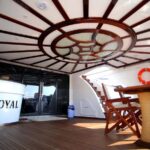
Just keep expectations grounded about the ship itself. Even when the food and staff are solid, cabin quality can vary, and you may see departures where the boat feels dated.
You can also read our reviews of more boat tours in Hurghada


Hurghada Pickup and the Luxor Launch Day
Day one starts with pickup from your Hurghada hotel at 6:00 AM. You’ll use an air-conditioned private vehicle for the transfer to Luxor, then get right into sightseeing.
That morning-to-temples flow matters more than it sounds. In Egypt, you lose time fast if you rely on independent transport. Here, the transfer is handled, and the first afternoon is built around Luxor’s two major hits: Karnak Temple and Luxor Temple.
A practical note: your comfort on the first day depends on how well you can handle early starts. If you’re sensitive to mornings, you’ll want sleep the night before. If you’re used to tours that begin early, you’ll enjoy how smoothly day one ramps up.
Karnak Temple and Luxor Temple: Where a Guide Actually Changes Everything
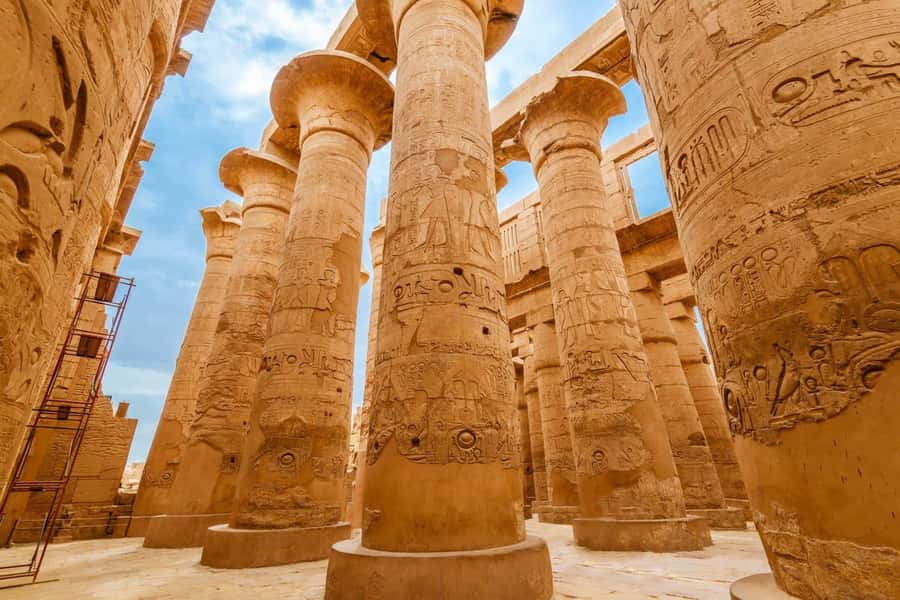
Karnak Temple is the kind of place where you can wander for an hour and still feel like you missed the point. The best tours solve that with a guide who can sequence the site for you.
With an English-speaking Egyptologist guide, you’re not just looking at columns and walls—you’re learning what you’re seeing and why it matters. This is where your trip starts to feel different from a basic sightseeing stop. Instead of “cool ancient stuff,” it becomes “here’s the plan, here’s the purpose, here’s the political message.”
After Karnak, you’ll drive to Luxor Temple. Luxor Temple is smaller than Karnak but often easier to process, especially once your brain is warmed up. By the time you get there, you’ll have names, timelines, and motifs in your head, which makes the carvings and layout click faster.
One consideration: the first day is more walking than it might look on paper. Wear shoes you can commit to for a full afternoon, not “pretty” footwear.
Sailing Overnight: Time to Reset After a Packed First Day
Once you finish Luxor Temple, you check in to the cruise and get some rest. This is more than a break between tours—it’s your chance to handle the small stuff that can ruin a trip: laundry needs, charging batteries, figuring out how the boat runs, and just cooling down after sun and stone.
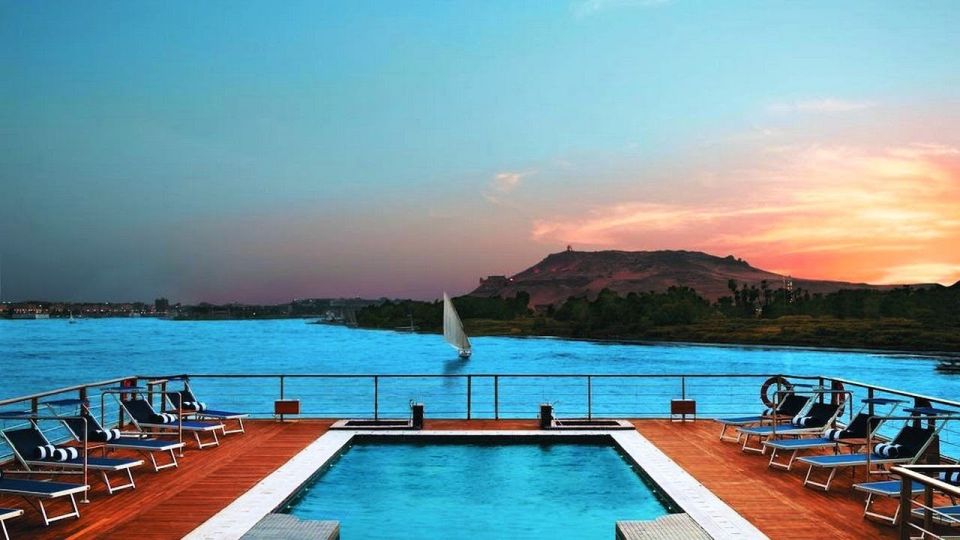
The cruise also brings a rhythm you won’t get with a land-only plan. You get views of Luxor’s islands and local scenes while you sail. That means the trip doesn’t feel like one museum day stacked on another.
Be aware that the ship details can vary by departure. Some people describe the ship as clean and renovated with friendly service, while others note it can feel old. Either way, try to focus on what’s consistent: the schedule, the guide support, and the inclusion of meals.
West Bank Morning: Valley of the Kings, Hatshepsut, and Howard Carter House
Day two starts early, because it has to. You’ll head to the West Bank via motorboat, then continue by road to the major stops.
The big event is the Valley of the Kings. This place works best when you understand it as a designed landscape, not random tombs. A good guide helps you grasp why the site was chosen and what kind of burial this represents—so you’re not just reading captions you can barely see.
Next comes the Temple of Queen Hatshepsut. Hatshepsut’s story is part monument, part power struggle, part artistic statement. Once you have context, the architecture and the temple’s prominence make more sense.
Then there’s a quieter, interesting addition: Howard Carter House, where the Englishman who discovered Tutankhamun’s treasures once lived. This is the type of stop that breaks up the purely ancient timeline and reminds you that discoveries are also human stories—plans, risk, patience, and the long aftermath of excavation.
After that, you return to the boat and start sailing. Around this point, it helps to take a breath on deck. You’ll see more of the Nile world between stops, and it keeps you from burning out before you even reach Abu Simbel.
You can also read our reviews of more guided tours in Hurghada


Edfu by Horse and Carriage: A Day That Moves Like Clockwork
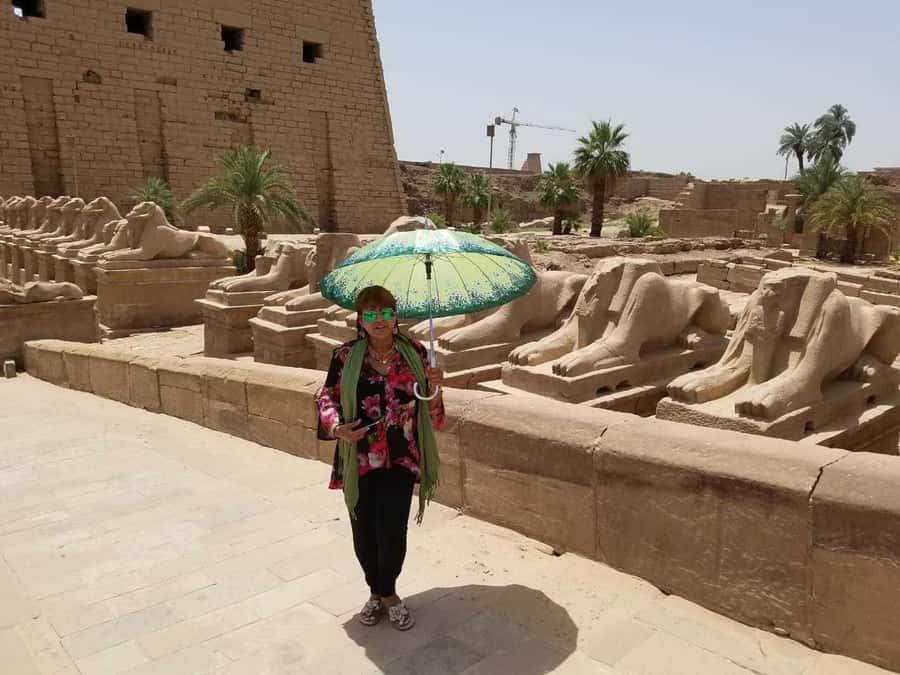
Day three has a strong “old-world mode” moment: Edfu Temple by horse and carriage. It’s not just for fun. Arriving this way changes the pace of the day. You’re not cooped up in a vehicle at every turn, and it adds a cultural contrast without wasting time.
Edfu Temple itself is one of Egypt’s great reads with stone. With a guide’s help, you’ll notice how the temple’s layout and carvings fit into a bigger religious framework.
After Edfu, you go back to the boat, then cruise onward toward Kom Ombo. If you like photo windows, you’ll appreciate how the sailing time sets up the next sunset arrival.
Kom Ombo Temple at Sunset: The Light Helps, the Guide Makes It Meaningful
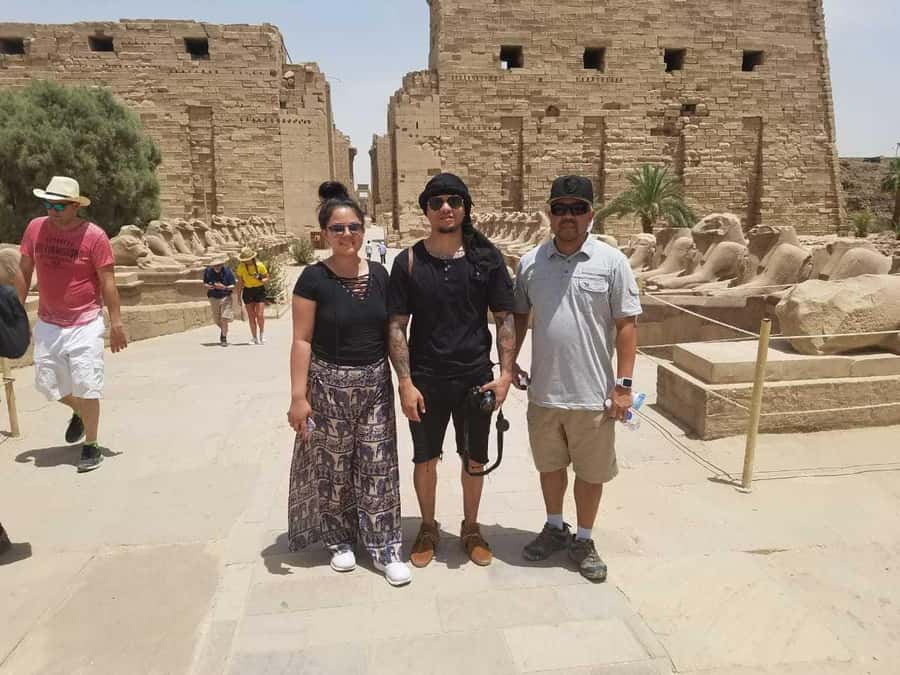
You reach Kom Ombo around sunset. That timing can be a big deal, because the colors change as the day drops. Temple walls look different when the sun angle shifts, and shadows soften what can otherwise feel like an overload of stone.
This stop isn’t just a quick glance, either. You’ll discover Kom Ombo Temple with guided context, which is the difference between “I saw temple blocks” and “I understand what I’m looking at.”
Then you return to the boat for the night. This is one of the advantages of the cruise format: you get to keep a base, eat without hunting, and reset before the next demanding day.
Abu Simbel at Around 5 AM: The Big Price-of-Admission Day
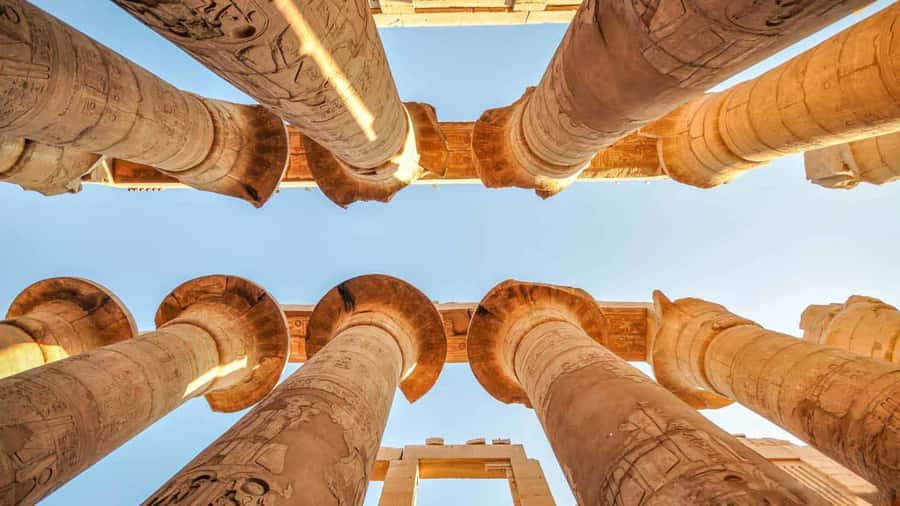
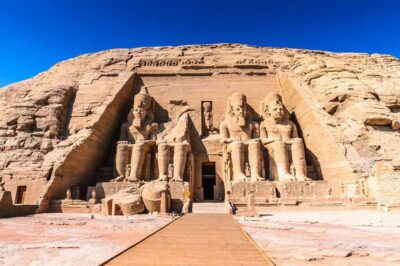
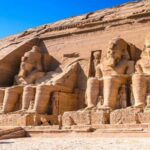
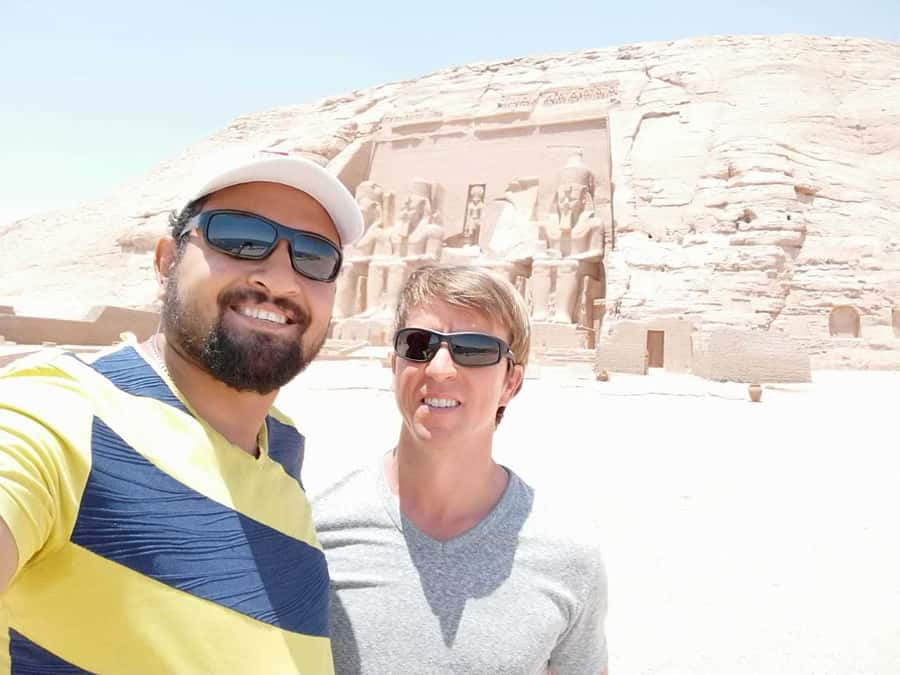
Day four is the one you remember. Around 5:00 AM, you go to Abu Simbel—part of the UNESCO Nubian Monuments. The early timing is essential here. It protects you from the worst heat and it keeps the day moving without turning every minute into a sweat session.
Abu Simbel is often described as spectacular, but what makes it work on this tour is the schedule and the guide-led explanations. You get to see the temple complex as a whole before the day gets too heavy. That matters, because Abu Simbel is not just one facade—it’s a system of intent.
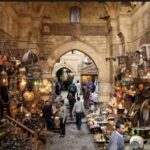
After the temple visit, you return to the cruise, then explore Aswan’s old market at night. This is a good contrast to all the stone. In the evening, the pace slows a bit and you get a more everyday Egypt feel.
One practical caution: the Abu Simbel transfer can involve a long drive with limited legroom and no air-conditioning on some departures. If you’re tall or easily uncomfortable in cars, plan for it.
Philae Island and the High Dam on the Final Day
On day five, you take an Egyptian motorboat to Philae Island Temple. Boat access is part of the charm here. You’re approaching the temple by water instead of just driving up and walking straight in, and that helps you feel the location rather than treating it like a roadside stop.
Then you visit the Aswan High Dam. This is the modern counterpart to the ancient sites. Even if you’re not a “systems” person, it gives you a sense of how Egypt manages resources today—water, electricity, and the tradeoffs that come with large infrastructure.
Finally, you’re transferred back to your accommodation in Hurghada.
Food, Drinks, and the Ship: What to Expect Without the Shine
Meals are included, and that’s a real win on a trip like this. When you’re doing big temple days, eating on schedule helps you keep energy up.
That said, the included food is described as good, with some experiences noting it’s not great. Service tends to be praised, and many people talk positively about staff attitudes.
Drinks are where you’ll feel the pinch. Drinks are not included, and some reviews flag that they can be expensive. If you drink coffee, water, or soft drinks during tours, budget for it separately.
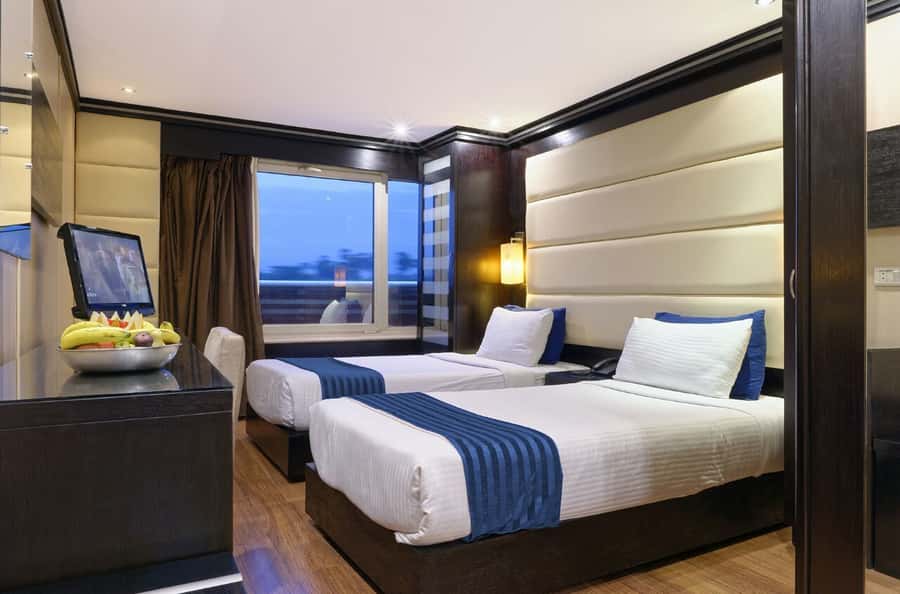
Cabins are another variable. Some cabins were described as clean and renovated, while others were called disappointing compared to what was advertised. You might also hear about cabin changes during the cruise. That doesn’t mean it will happen to you, but it does mean you should check what you’re booking and keep your mind flexible.
Price and Value: Is $870 Worth It?
At $870 per person for a 5-day / 4-night cruise, you’re paying for three things:
- Logistics: Hurghada pickup and drop-off, plus transfers and internal transport
- Time saved: you’re moving efficiently between major sites instead of piecing together your own transport
- Guided context: an Egyptologist guide for the main temples and tomb areas
If you’re the kind of traveler who wants to understand what you’re seeing (not just post the photos), the guided portion pushes the value higher. The guide names mentioned—especially Adel—suggest you can get real “professor energy,” with enthusiasm and clear answers.
Where the value can wobble is the ship quality and comfort consistency. If you’re picky about cabin standards and you expect a brand-new ship experience, this price point might feel tight.
My take: this tour is a strong value if your top priority is temple depth and efficient routing. If your top priority is “best ship comfort,” you’ll want to manage expectations.
Who This Nile Cruise Fits Best
This cruise works especially well for you if:
- You want major Luxor-to-Aswan sites without handling transport on your own
- You like tours where an Egyptologist guide explains what you’re seeing
- You’re okay with early mornings and long days when the payoff is Abu Simbel and the West Bank
It might be less ideal if:
- You’re very sensitive to cabin size or finish details
- You expect drinks to be included
- You dislike car transfers with tight legroom (especially around Abu Simbel)
Should You Book This Hurghada to Luxor-Aswan Cruise?
I’d book this itinerary if you want a guided, efficient classic route and you’re excited about Abu Simbel at dawn plus the big-ticket temple set across Luxor and Aswan. The guides—Adel and Samy come up for a reason—can turn these places from impressive to memorable.
I would hesitate only if you’re very concerned about ship age or cabin presentation, or if you’re prone to getting uncomfortable on long road transfers. In that case, ask extra questions about cabin expectations and the transport used for Abu Simbel.
If you’re flexible and you care more about the sights than perfect hotel-grade comfort, this cruise has a lot going for it.
FAQ
How long is the tour and how many nights are on the cruise?
It lasts 5 days with 4 nights on the Nile cruise from Luxor to Aswan.
Where do you get picked up and when?
Pickup is from your hotel in Hurghada at 6:00 AM in an air-conditioned private vehicle, with pickup and drop-off in Hurghada included.
Is an Egyptologist guide included?
Yes. The tour includes a professional Egyptologist who provides tours in English.
Are entrance fees included?
No. Entrance fees are not included.
Are meals included?
Yes. Meals are included starting with lunch on the first day and ending with breakfast on the last day.
Are drinks included?
No. Drinks are not included.
Is WiFi included?
No. WiFi is not included.