REVIEW · HURGHADA
Hurghada: Small-Group Luxor Highlights & Balloon Day Tour
Book on GetYourGuide →Operated by Special Egypt · Bookable on GetYourGuide
Sunrise from a balloon changes your Luxor view. This Hurghada-to-Luxor experience strings together a sunrise hot-air balloon ride (45–60 minutes) with the big West Bank and East Bank sights, guided by an English Egyptologist. It’s a long day on paper, but the order of things makes the magic feel earned instead of rushed.
I really like how much you cover without turning it into a scavenger hunt. You hit the Valley of the Kings (3 royal tombs) with hieroglyph-focused visits, then later you go for Karnak, the kind of temple that makes you understand why people kept building bigger.
The main drawback is the scale of the trip: you leave Hurghada around 11:00 PM and you’re on the move for about 20 hours. Even with good pacing, your time at each stop can feel brisk if you’re the type who likes to linger.
In This Review
- Key moments that make this tour worth a look
- How the 11:00 PM Hurghada pickup keeps the day on track
- Sunrise balloon over Luxor: the 45–60 minutes that change everything
- Valley of the Kings: three tombs, hieroglyphs, and fast-but-fun pacing
- Hatshepsut’s mortuary temple: limestone terraces and Osiris symbolism
- Colossi of Memnon and lunch: where the day pauses
- Felucca sunset on the Nile with tea: the mood reset
- Karnak Temple: Amun, Mut, Khonsu, and the feeling of scale
- Egyptologist guidance: why the guide makes or breaks the day
- Price and logistics: what $240 really buys you from Hurghada
- What to pack and how to handle a 20-hour day
- Should you book this Luxor highlights and balloon day?
- FAQ
- What time is pickup in Hurghada?
- How long is the tour?
- How long is the hot air balloon ride?
- Which sites are included in Luxor?
- Is lunch included?
- Is the felucca ride included?
- Are there extra charges for pickups outside Hurghada?
Key moments that make this tour worth a look
- 45–60 minute sunrise balloon ride for a top-of-Luxor view before the crowds
- Valley of the Kings: three royal tombs with attention to hieroglyphs
- West Bank temples in logical order: Hatshepsut, Colossi of Memnon, then lunch
- Felucaa on the Nile at sunset with traditional tea, timed to slow the day down
- Karnak Temple on the East Bank dedicated to Amun, Mut, and Khonsu
- Guide names like Ammar, Sama, Aladdin, Ahmed Bahaa, and Ahmed Ali Hassan show up often with praise for storytelling
How the 11:00 PM Hurghada pickup keeps the day on track
This tour starts late—around 11:00 PM pick-up from your Hurghada hotel—and then you drive to Luxor in an air-conditioned vehicle. The goal is simple: you arrive in time for an early morning launch, so you’re not watching sunrise from behind a bus window.
The drive is long, so I suggest treating it like part of the experience, not “dead time.” In the accounts I’ve read, the logistics tended to feel smooth, including comfortable transport and drivers who showed up when expected.
You’ll also get a break-in moment on arrival in Luxor, with a local café tea stop before the balloon. That’s useful because your body is still running on travel timing, not temple timing.
You can also read our reviews of more tours and experiences in Hurghada.



Sunrise balloon over Luxor: the 45–60 minutes that change everything
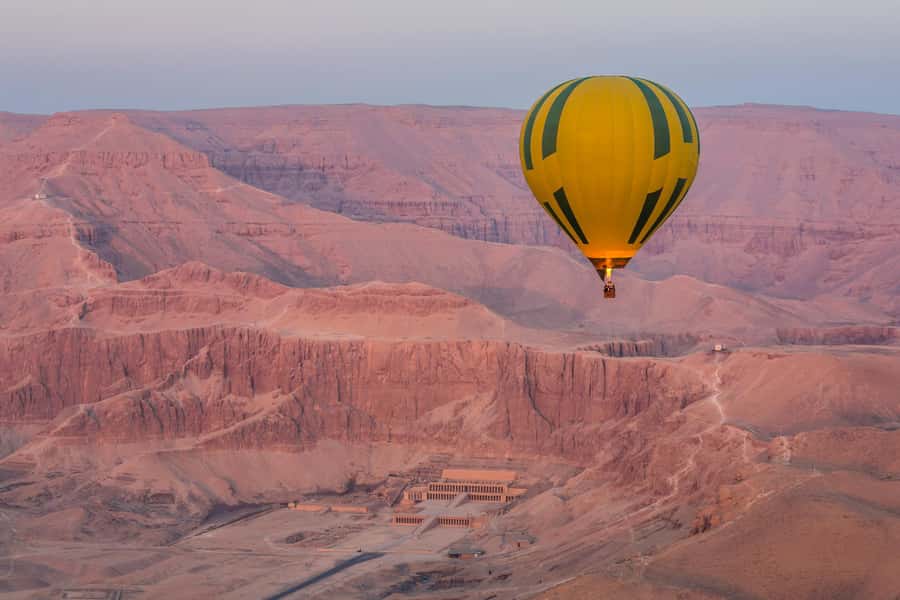
The hot-air balloon ride is the headline at 45–60 minutes, and it’s scheduled for sunrise over Luxor’s archaeological sites. This is one of those rare activities where the view isn’t just pretty—it explains the place. From the air, the West Bank and East Bank feel connected, not separated by “river and road.”
Balloon mornings also tend to have a calm quality. Even if you’re a little groggy, the light and the slow lift-off usually do the wake-up work for you.
One practical consideration: you should plan for cooler early-morning temps and changing conditions. You might want a light layer and closed-toe shoes for comfort around balloon operations, even if you’re dressed for Egypt’s daytime warmth.
Valley of the Kings: three tombs, hieroglyphs, and fast-but-fun pacing
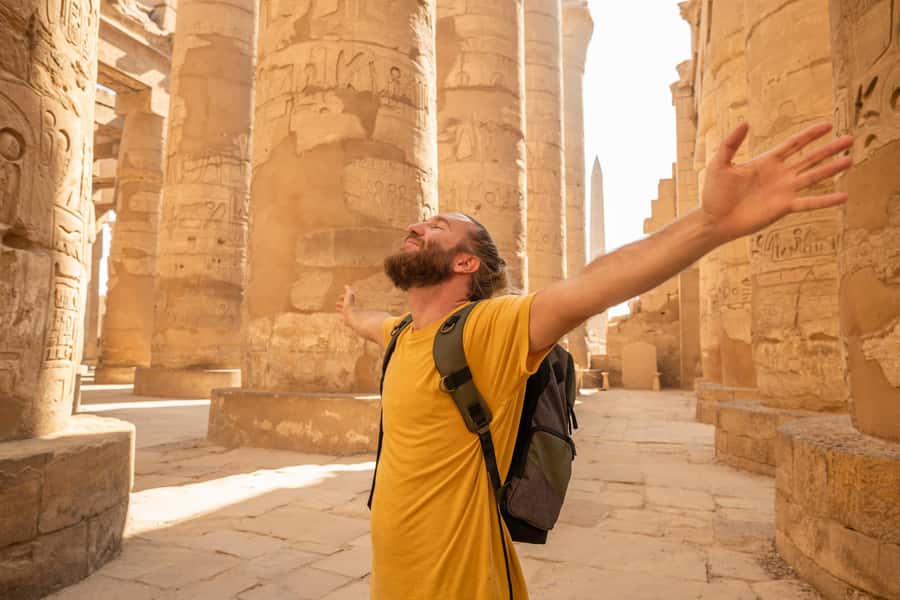
After the balloon, you head to the West Bank for the Valley of the Kings. Here’s what you’re actually doing: you explore three royal tombs, and you’re guided to focus on the hieroglyph-covered walls rather than just moving through rooms.
The advantage of choosing three tombs is you get variety without turning the visit into a marathon. You’ll likely spend enough time to notice details, read symbolism with your guide’s help, and get the sense that these weren’t “random chambers,” but carefully planned resting places.
The pace can be a little quick. That’s not a dealbreaker for most people—especially on a 20-hour schedule—but if you’re hoping for long, quiet study time in every tomb, you may wish you had an extra day.
Hatshepsut’s mortuary temple: limestone terraces and Osiris symbolism
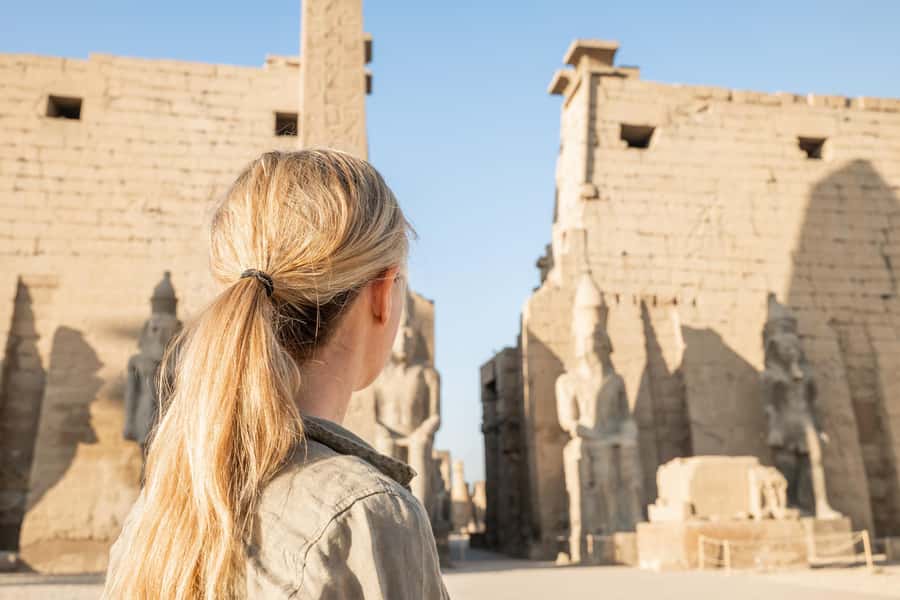
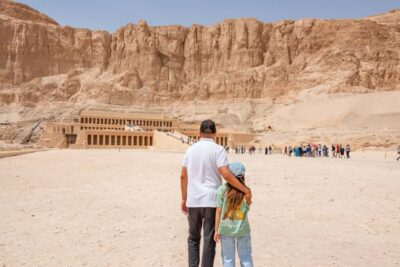
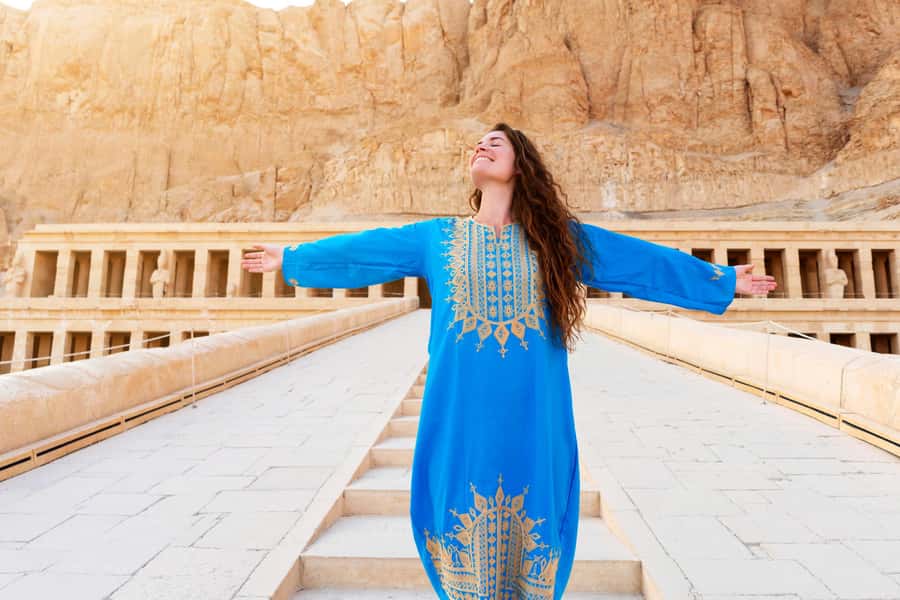
Next comes a major highlight: the Mortuary Temple of Hatshepsut. Your visit focuses on why this complex matters, including the striking design with three levels and open balconies, plus the presence of statues connected to Osiris and Queen Hatshepsut.
What I like about this stop is that it’s not just “a pretty temple.” It’s a chance to see how royal power and religious belief were built into stone, using architecture as messaging. With a skilled Egyptologist, you can connect the dots between what you saw in tomb paintings and what you’re seeing in temple symbolism.
Also, the Hatshepsut complex gives you a visual break from the enclosed feeling of the tombs. Outdoors, you can look up, understand scale, and reset your brain before the next section of the day.
Colossi of Memnon and lunch: where the day pauses
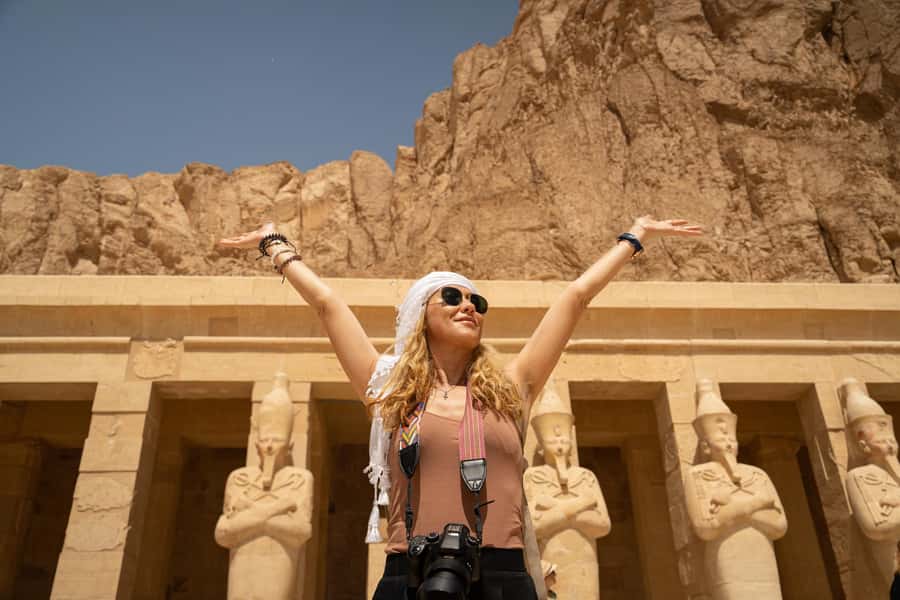
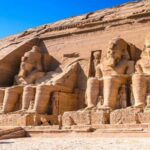
After Hatshepsut, you move to the Colossi of Memnon, associated with the mortuary setting of Amenhotep III, then you stop for lunch at a local restaurant. This is a smart sequencing choice: Colossi are dramatic in their own right, and lunch keeps the energy from crashing before the Nile sunset portion.
The Colossi are also a good “breather” site. You’re not stuck in a maze of rooms. It’s easier to take in the overall story, and then you can shift gears toward a slower mood on the water.
If you’re picky about meals while traveling, I’d still treat this as a functional recharge. It’s included, and on long-day tours, that matters more than people expect.



Felucca sunset on the Nile with tea: the mood reset
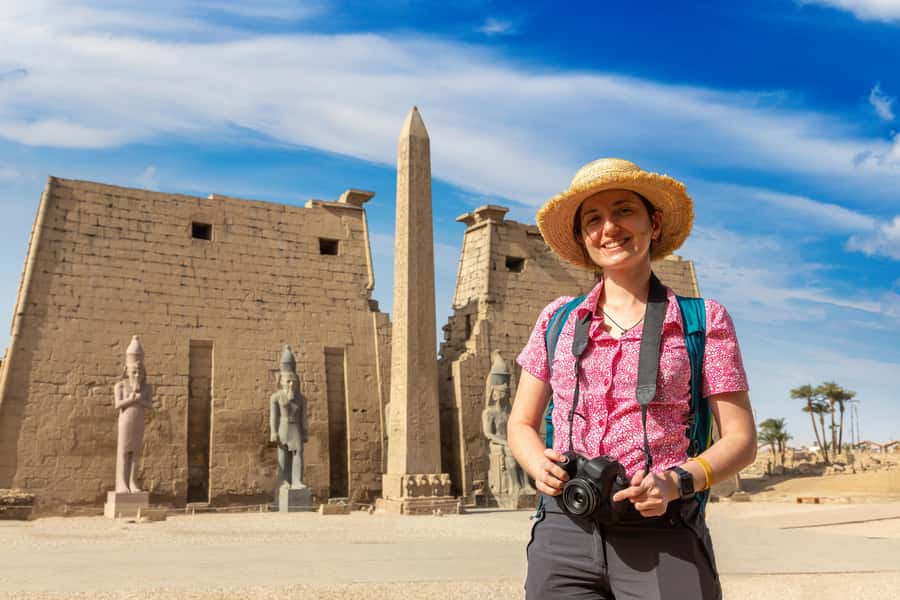
Then you do one of the nicest parts of the day: a felucca ride at sunset along the Nile. You’ll be out on the river enjoying traditional Egyptian tea, watching the light change over the West Bank.
This segment is valuable because it breaks the “temple intensity” cycle. After hours of history and stone details, the felucca gives you a few calm minutes to just look, breathe, and feel where all those monuments sit in the geography.
It’s also a great photo window, but I’d aim for balance: take a few photos, then put your phone away for a while. The best part here is the slow pace, not pixel perfection.
Karnak Temple: Amun, Mut, Khonsu, and the feeling of scale
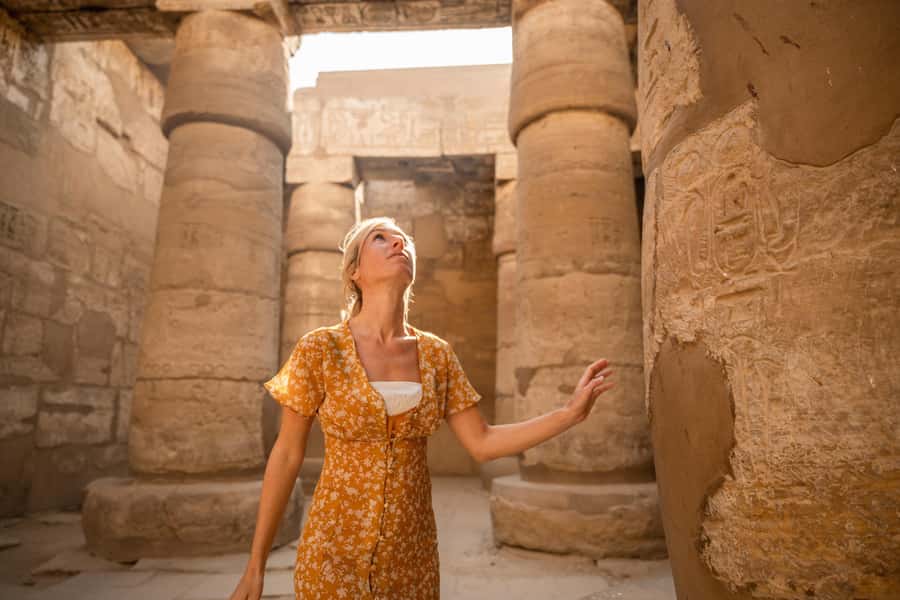
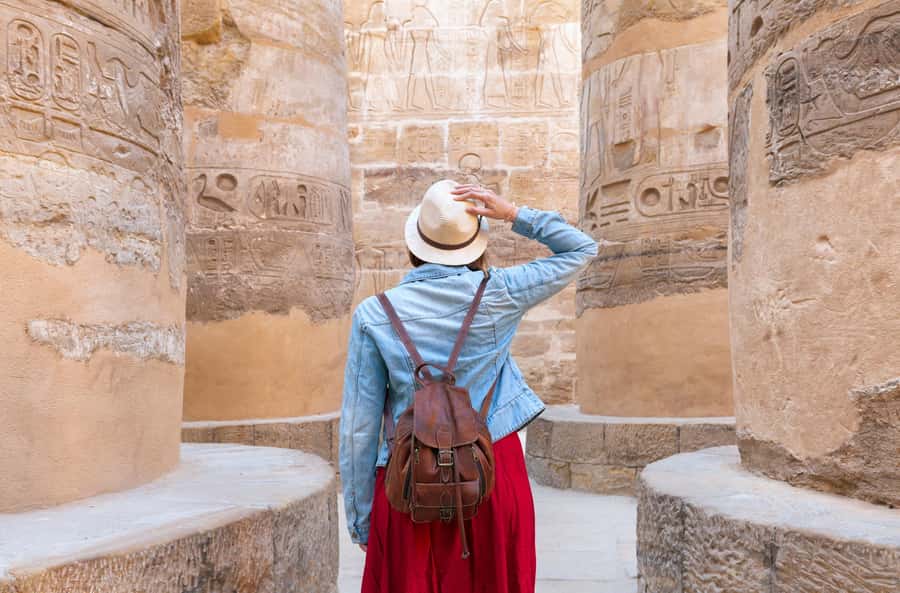
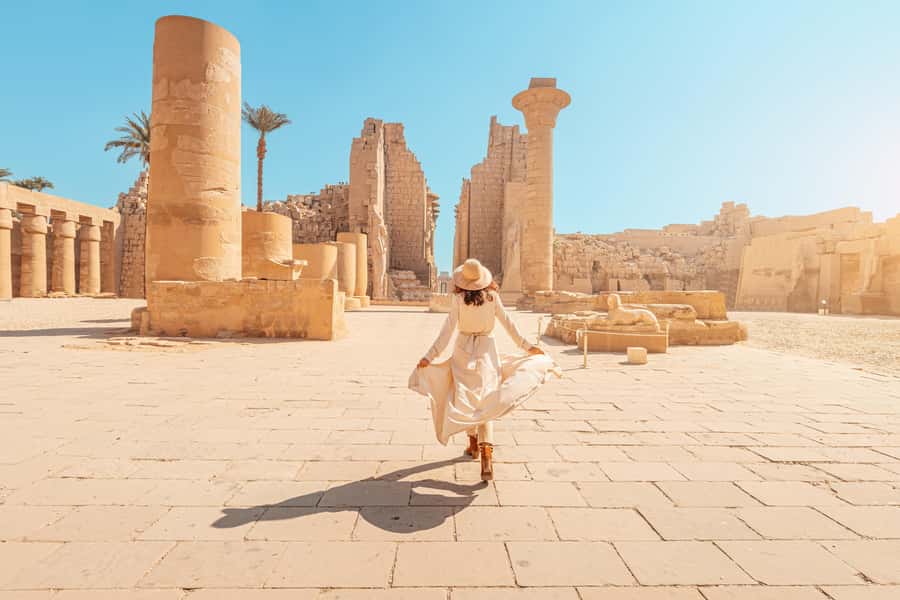
On the East Bank, you visit Karnak Temple, described as dedicated to Amun, his wife Mut, and their son Khonsu. Karnak is the kind of site that can feel overwhelming if you walk in without a guide’s structure, so having an Egyptologist matters.
What you’ll get here isn’t just “big columns.” With a strong guide, Karnak starts to make sense as a living religious landscape—different spaces tied to different roles, rituals, and centuries of building.
I also like that your East Bank visit happens after the sunset felucca. It turns the day into a rhythm: sunrise magic from above, deep tomb focus, dramatic temples, calm river time, then the grand temple complex in daylight again.
Egyptologist guidance: why the guide makes or breaks the day
The most praised aspect in the feedback I saw wasn’t just the balloon. People consistently highlighted guides with enthusiasm and detailed explanations.
Names that repeatedly come up with strong praise include Ammar, Sama, Aladdin, Ahmed Bahaa, and Ahmed Ali Hassan. In practical terms, that usually means you’re not left translating hieroglyphic vibes on your own—you get context, stories, and connections between stops.
A good Egyptologist also helps you manage time. On this tour, you can’t spend hours in every room, so you want interpretation fast enough to stay meaningful. When the guide is strong, the shorter site times start to feel intentional.
Small-group format likely helps here too. It’s easier to hear your guide, ask questions, and avoid the feeling of being one face in a crowd.
Price and logistics: what $240 really buys you from Hurghada
At $240 per person for a 20-hour tour, you’re paying for more than temple tickets. You’re getting:
- Hotel pickup and drop-off from Hurghada
- Air-conditioned vehicle and a professional licensed driver
- An English Egyptologist guide
- Balloon ride, lunch, and a felucca ride
- Entry fees for the included sites
That combination is the real value. Many Luxor experiences in Egypt only include one “big” activity. This bundles sunrise balloon time, major temple visits on both banks, plus the Nile segment that makes the day memorable.
There is one add-on to note: if you need pickup/drop-off from El Gouna or sahl hasheesh, it costs $20 extra. If you’re staying in Hurghada proper, you can usually keep costs cleaner.
If you’re trying to decide whether the balloon is worth it, I’d say yes. It’s the part that turns Luxor from a list of monuments into a lived, time-specific experience.
What to pack and how to handle a 20-hour day
You’re going from Hurghada late at night to Luxor early morning, then you’re returning the same day. That means you’ll want to prepare for fatigue and sun shifts.
A few practical ideas that fit this exact schedule:
- Wear layers. Morning can feel cooler, then later you’ll be in full daylight temple heat.
- Bring sun protection for the East Bank portion at Karnak.
- Plan for photos, but don’t plan to stare at your screen. The balloon and felucca moments reward looking around.
- If you get travel sick, consider taking precautions before a long drive.
Also, expect time gaps. Tea stops, meals, and transportation blocks are part of the rhythm. If you treat the tour like a full-day program—rather than a quick museum run—you’ll enjoy it more.
Should you book this Luxor highlights and balloon day?
Book it if you want Luxor classics with a sunrise balloon and you’re okay with a long day. The package is strong for people who like structure: balloon first, tombs and temples in a logical flow, then a sunset felucca to balance the intensity.
Skip or rethink it if you hate early mornings and long transfers, or if you need lots of slow time inside every tomb. This tour is built for “most important highlights,” not unlimited lingering.
If you can handle the timing, you’ll likely love the mix: the 45–60 minute sunrise air view, the hieroglyph-focused tombs, and the Nile sunset reset with tea.
FAQ
What time is pickup in Hurghada?
Pickup is scheduled at around 11:00 PM from your Hurghada hotel.
How long is the tour?
The total duration is about 20 hours.
How long is the hot air balloon ride?
The balloon ride lasts about 45–60 minutes.
Which sites are included in Luxor?
You’ll visit the Valley of the Kings (three royal tombs), the mortuary temple of Hatshepsut, the Colossi of Memnon area, Karnak Temple, plus you’ll enjoy a felucca ride on the Nile at sunset.
Is lunch included?
Yes, lunch is included.
Is the felucca ride included?
Yes. You’ll take a felucca ride at sunset and enjoy traditional Egyptian tea.
Are there extra charges for pickups outside Hurghada?
Yes. Pickup/drop-off from El Gouna or sahl hasheesh costs $20 extra.