REVIEW · CAIRO
Religion Tour To Islamic and Coptic Sights In Cairo
Book on GetYourGuide →Operated by Emo Tours Swiss · Bookable on GetYourGuide
Old Cairo hits you in the senses fast. This private religion tour stitches together Christian Coptic sites and major Islamic monuments in one focused day. I especially love how the route moves from the Holy Family area in Old Cairo to the great mosque-madrasas near the Citadel, with a guide keeping the meaning straight. One possible drawback: if you’re picky about language and explanations, double-check your guide’s language choice, since guide matching isn’t always perfect.
The Islamic portion is built around the big names. You’ll see the Amr Ibn Elas Mosque area in El Fustat, then the colossal Sultan Hassan mosque-madrassa, followed by Al-Rifa’i, and finally Mohamed Ali’s mosque in the Citadel. I like that it’s not just photo stops; the day is structured so you understand why these places were built where they were.
For practical value, it’s hard to beat a full circuit in 6 hours. You get hotel pickup at 8:30 am, a private air-conditioned vehicle, entry fees, a live guide, and even lunch with bottled water. Wear the right clothes for religious sites, though—Cairo’s churches and mosques tend to be strict about coverage, and you’ll want time to adjust before you go in.
In This Review
- Key moments that make this tour worth your time
- How the day flows: 8:30 pickup, Old Cairo to Khan Khalili
- Christian Cairo: Abu Sergah, St. Barbara, and the feel of Old Cairo
- The Hanging Church: a Coptic icon you can’t really ignore
- Ben Ezra Synagogue: Old Cairo’s multi-faith layer in one stop
- Islamic Cairo: Amr Ibn Elas, El Sultan Hassan, and Al-Rifa’i
- Citadel of Cairo and Mohamed Ali’s Alabaster Mosque
- Khan Khalili Bazaar: a practical ending to a spiritual-focused day
- Price and value for a private 6-hour religion tour
- What to watch for: language match, explanation style, and shop time
- Tips for respectful visits and easier photos
- Guides you might get: why the right person changes everything
- Should you book this Islamic and Coptic sights tour?
- FAQ
- What is the duration of the tour?
- What time does pickup start?
- Where does the tour go?
- What’s included in the price?
- Are entry tickets included?
- Is tipping included?
- What languages are the guides available in?
- Is there a skip-the-ticket-line benefit?
- Where will the guide meet you?
Key moments that make this tour worth your time
- Old Cairo first: the day starts in the Coptic zone around the Holy Family sites.
- Church of Abu Sergah and St. Barbara: an important stop with spiritual weight and strong visual impact.
- The Hanging Church: one of the most recognizable Coptic landmarks in Cairo.
- Ben Ezra Synagogue: a rare chance to connect Jewish history with the same Old Cairo streets.
- Mosque architecture focus: Amr Ibn Elas area, then Sultan Hassan and Al-Rifa’i.
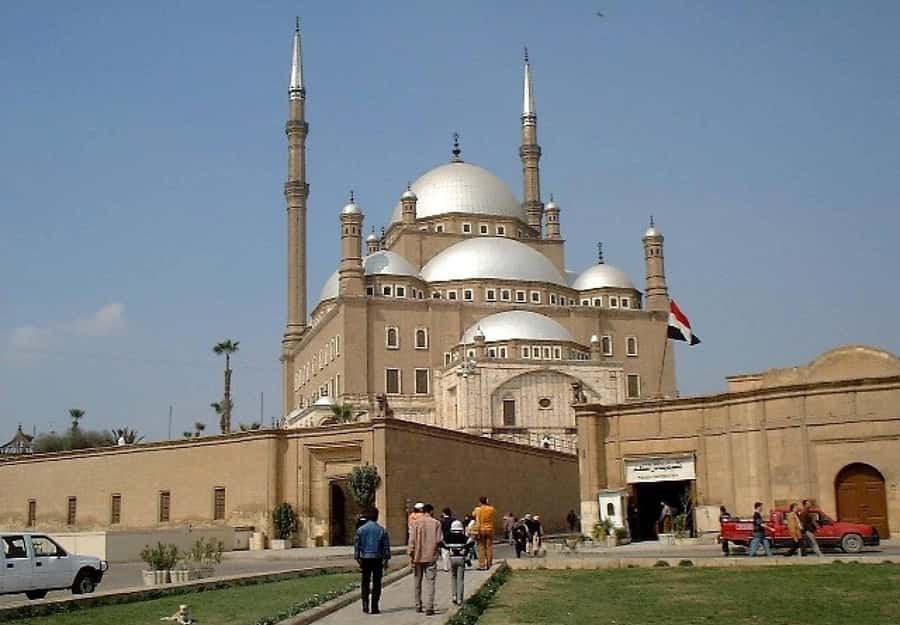
- Citadel + Alabaster Mosque: Mohamed Ali’s mosque caps the day before Khan Khalili.
How the day flows: 8:30 pickup, Old Cairo to Khan Khalili
You start early—pickup begins at 8:30 am from your Cairo hotel area. The plan is designed like a logical loop: begin in Old Cairo (the Christian and Coptic quarter), then shift into Islamic Cairo, end with the Citadel area, and finish at Khan Khalili Bazaar.
The “private” part matters here. In a city where traffic can play games, having a private air-conditioned vehicle keeps the day moving instead of waiting around in a shared van. You’ll also have a guide with you all day, plus entry fees covered so you’re not dealing with ticket counters between stops.
You’ll want a little mental flexibility for pacing. Religious landmarks are active spaces, and walking between them can feel slow in spots—especially around entrances and tighter lanes in Old Cairo. The good news: the itinerary is built to keep you on track through the day instead of jumping randomly.
You can also read our reviews of more tours and experiences in Cairo.

Christian Cairo: Abu Sergah, St. Barbara, and the feel of Old Cairo
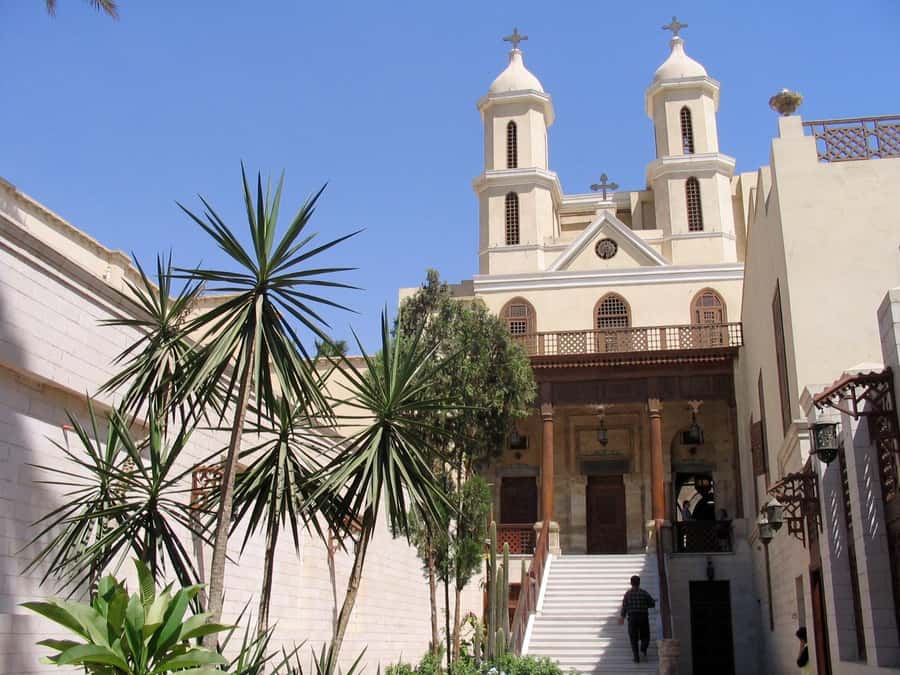
Old Cairo is where this tour earns its emotional pull. You’ll visit the Church of Abu-Sergah and St. Barbara, part of the cluster of sites linked to the Holy Family story. Even if you’re not chasing religious symbolism, this area gives you a real sense of how layered Cairo can be—faiths living close together across centuries.
What I like about starting here is context. After you’re oriented by your guide, you’ll notice details more clearly—inscriptions, architectural choices, and how people move through the space. It’s also a good place to ask questions because the guide can connect what you’re seeing to the story behind it.
Keep an eye on your clothing and comfort. Churches in Cairo often require coverage at shoulders and knees, and lines near entrances can be slower than you expect. If you bring a scarf or shawl, you’ll be glad you did.
The Hanging Church: a Coptic icon you can’t really ignore
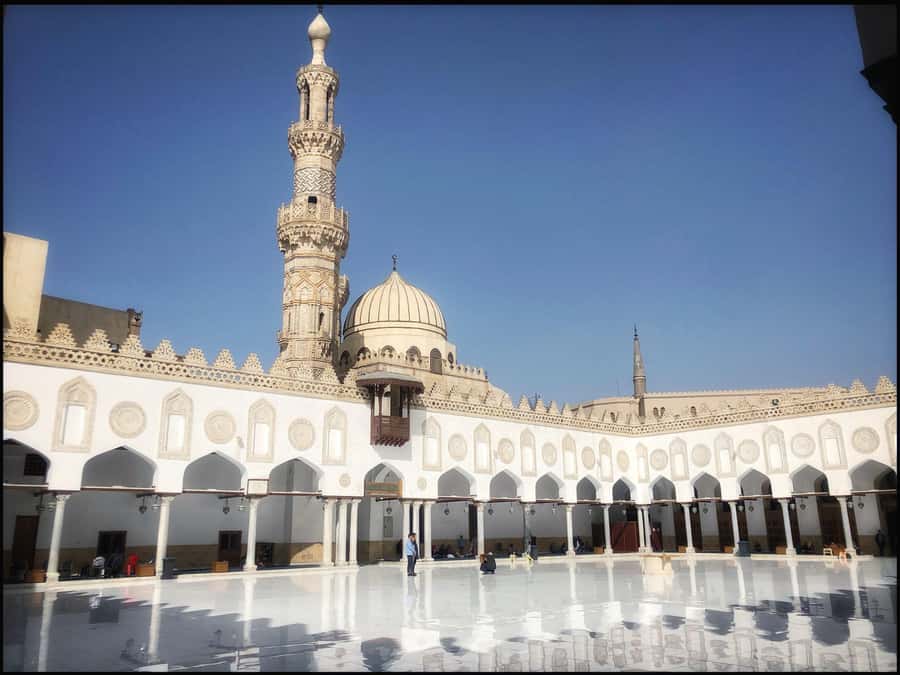
Next comes the stop that many people come to Cairo thinking about: the Hanging Church (the Coptic Church). It’s famous for a reason. The architecture and the way you experience it—step by step, then suddenly the space opens—makes it easy to understand why it became a landmark.
This is also one of those places where good guiding turns a building into a story. With the right explanation, you start noticing how Coptic art and design reflect a community’s identity and devotion. If your guide is more of a companion than an explainer, try asking one or two focused questions on the spot—How old is this area? What does this feature mean?—and steer things back to interpretation.
I also suggest you slow down for photos, then put the phone away. In sacred sites, the best moments are the ones you remember without screen-grab memories.
Ben Ezra Synagogue: Old Cairo’s multi-faith layer in one stop
You’ll also visit the old Jewish synagogue, Ben Ezra Synagogue. This is a valuable addition because it helps you see Old Cairo as more than a Christian-only district. It connects the neighborhood’s long religious timeline, showing how communities have overlapped in the same urban fabric.
If you care about how cities evolve, this stop is a strong reminder that “religion tour” doesn’t mean one viewpoint. You’re seeing a place that fits into a wider historical setting—exactly the kind of mental map that makes Cairo feel bigger (in a good way) than a list of monuments.
Islamic Cairo: Amr Ibn Elas, El Sultan Hassan, and Al-Rifa’i
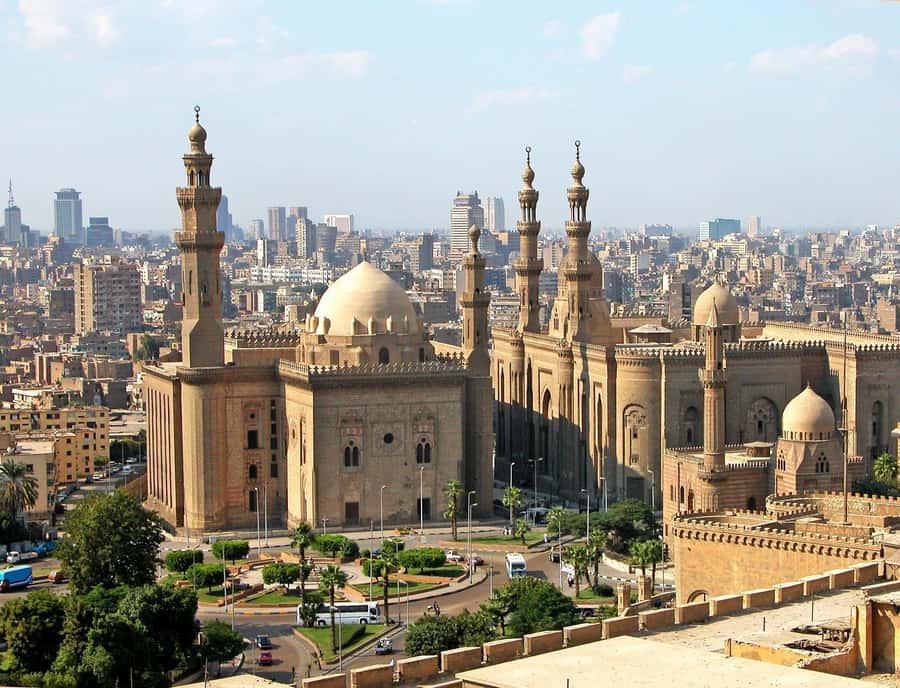
Once the tour shifts into Islamic Cairo, the tone changes from intimate sacred spaces to grand architectural statements. First you’ll visit the area of the Masjid Amr Ibn Elas in El Fustat, tied to early Islamic leadership around the 7th century. It’s a key anchor because it gives you a sense of how Cairo’s Islamic story began.
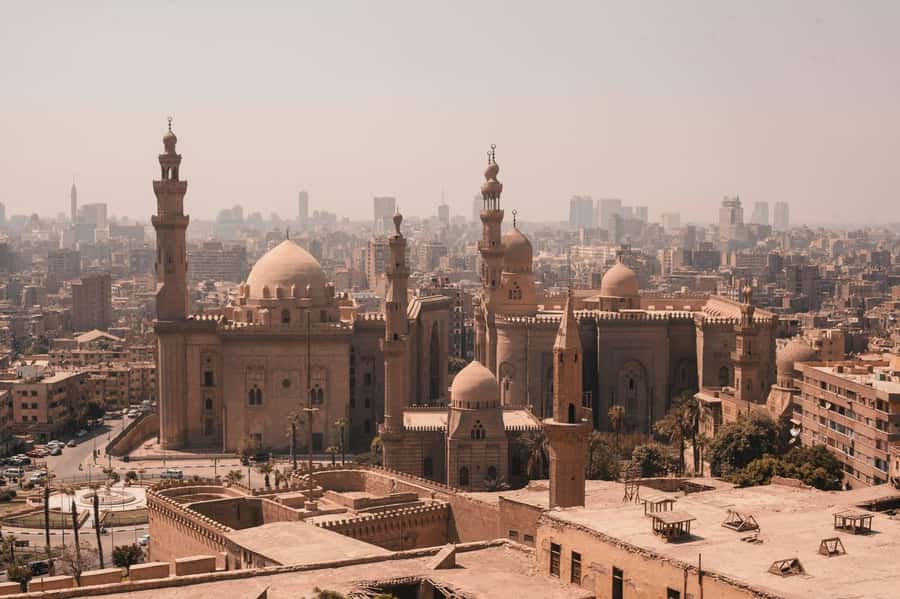
Then the tour moves into big-scale architecture with El Sultan Hassan Mosque-Madrassa. Sultan Hassan’s complex is massive, and it sits near the Citadel area for a reason: this is where power and learning were displayed through stone. When your guide connects dates and political intent to what you’re seeing, you start to understand the “why” behind the size.
Opposite that complex is Al-Rifa’i Mosque, dating around 1361. Visiting both helps you compare architectural language across related eras. It’s also a good moment to use your guide to spot contrasts—shape, scale, and how the complexes relate visually to the surrounding Citadel landscape.
This part of the day is where your photos will likely improve the most. Try shooting from a step back first, then move in for details. Without that two-step approach, it’s easy to miss the rhythm of domes, courtyards, and facades.


Citadel of Cairo and Mohamed Ali’s Alabaster Mosque
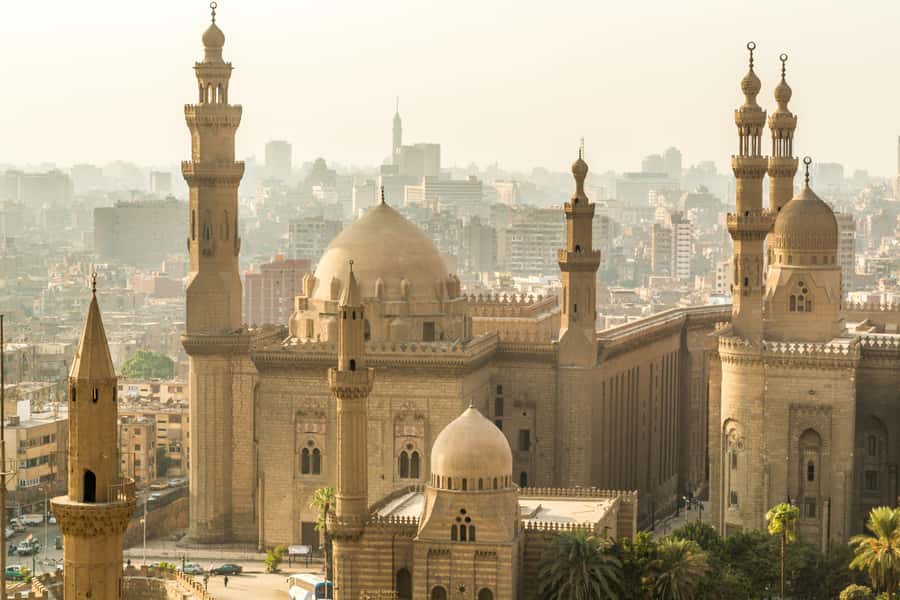
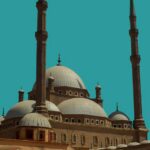
The day’s crescendo is the Citadel of Cairo, and inside it you’ll visit Mohamed Ali’s Mosque, often called the Alabaster Mosque. Even people who aren’t architecture nerds usually feel something here. The scale and setting make it hard to treat the mosque as just another stop.
I like this placement late in the day. Earlier, you focus on specific religious spaces; later, you step back—literally and mentally—and see how Cairo’s power centers were built into the city’s geometry. The Citadel area also gives you a chance to regroup before the bazaar.
If you’re sensitive to crowds, plan your patience. Citadel sites can draw many visitors, and prayer times or security routines can affect movement. A private guide helps here because they can keep you moving without turning you into a traffic cone.
Khan Khalili Bazaar: a practical ending to a spiritual-focused day
To close the loop, the tour ends with Khan Khalili Bazaar. This stop makes sense after the monuments because you get the everyday Cairo feeling right when your legs are most likely tired and your brain is full of images.
Khan Khalili can be busy and a bit chaotic in the best way. If you want to shop, keep your expectations grounded. Think of it as a chance to browse crafts, spices, and souvenirs while you unwind from the intense religious atmosphere earlier in the day.
It’s also the moment to decide your own pace. If you’d rather not be pulled along into extra browsing, set that tone with your guide early. You’ll still enjoy the bazaar for atmosphere, but you won’t feel trapped in a shopping detour.
Price and value for a private 6-hour religion tour
At $134 per person for a 6-hour private tour, the value comes from what’s included and how much ground it covers. You’re not just paying for a guide. You’re getting:
- a private air-conditioned vehicle and hotel transfers
- entry fees
- lunch
- bottled water
In Cairo, that combination saves time and reduces the hassle factor. Skipping ticket lines also matters, because it keeps your schedule from collapsing when queues run long.
Is it expensive compared to a basic shared group? Sure. But if you’re the type who wants a clear order to the day—Old Cairo first, then Islamic Cairo, then the Citadel—private guiding is what makes the route feel coherent instead of random.
If you’re traveling with family, the private format is often worth it. Religious sites can require more stops and more questions, and sharing that with a guide who can respond in real time helps.
What to watch for: language match, explanation style, and shop time
There are two practical considerations to keep in mind.
First, language. The tour lists guide languages including Arabic, English, Spanish, German, and Italian. Still, in real life, the guide you’re assigned may not match perfectly with your requested language. If language clarity matters to you, confirm at booking and be ready to ask quick questions in your preferred language even if the guide speaks another one.
Second, how the day handles shopping time. Since Khan Khalili is included at the end, there’s already a natural shopping environment. Some guides may add extra brief browsing moments. If you want the day to stay focused on religious sights, tell your guide early that you’re here for architecture and worship spaces—not for shopping errands.
These are fixable issues. With a calm message to your guide and a clear priority list, you’ll keep control of the day.
Tips for respectful visits and easier photos
Religious visits run smoother when you come prepared.
- Bring a scarf or shawl for churches and mosques. It’s the simplest way to handle shoulder and head coverage.
- Dress for “move and stand.” You’ll walk between sites and wait at entrances.
- Keep your camera ready, but not at the highest attention. Let sacred space set the pace.
- If you care about interpretation, ask one question at each major site. Abu Sergah/St. Barbara, then the Hanging Church, then Sultan Hassan. You’ll remember more.
Also, if you’re traveling in cooler or hotter months, plan hydration breaks around the tour stops. Bottled water is included, which helps, but Cairo can still surprise you with heat and walking distance.
Guides you might get: why the right person changes everything
The experience depends a lot on the guide’s style. This tour can feature guides such as Agmet, Pierre, Walid, and Ramy, and what stands out about them is patience and a willingness to explain beyond the basic facts.
If you happen to get a guide who answers questions clearly, the day clicks. You start connecting architecture, religious purpose, and the neighborhood’s layered identity. If you don’t, don’t suffer in silence. Ask for one targeted explanation and get the day back on track.
Should you book this Islamic and Coptic sights tour?
Book it if you want a structured day that connects Old Cairo’s Christian and Coptic sites with major Islamic Cairo landmarks. It’s a strong fit for first-time Cairo visitors who want both spiritual landmarks and architecture without getting lost in logistics.
Skip it or adjust expectations if you need very specific language delivery or you only want strict sightseeing with zero shopping-related detours. The tour includes a bazaar ending, so your ideal day should allow a little market time.
If you’re deciding between doing these areas on your own versus with a guide, I’d choose the guide. Cairo rewards context. With the right explanation, you’ll leave with more than photos—you’ll leave with a mental map of how the city’s religious landmarks talk to each other.
FAQ
What is the duration of the tour?
The tour lasts 6 hours.
What time does pickup start?
Pickup starts at 8:30 am from your hotel in Cairo.
Where does the tour go?
It covers Old Cairo (Christian/Coptic sites) and Islamic Cairo, including stops such as the Church of Abu-Sergah and St. Barbara, the Hanging Church, Ben Ezra Synagogue, major mosques like Amr Ibn Elas, Sultan Hassan, Al-Rifa’i, the Citadel of Cairo (including Mohamed Ali’s Mosque / Alabaster Mosque), and it ends at Khan Khalili Bazaar.
What’s included in the price?
Included are all transfers by a private air-conditioned vehicle, private transportation, entry fees, a tour guide, lunch, and bottled water.
Are entry tickets included?
Yes. Entry fees are included.
Is tipping included?
No. Tipping is not included.
What languages are the guides available in?
The guide languages listed are Arabic, English, Spanish, German, and Italian.
Is there a skip-the-ticket-line benefit?
Yes. The tour includes skip the ticket line.
Where will the guide meet you?
You’ll find the tour guide or representative in the lobby area holding a sign with the company name.