REVIEW · CAIRO
Cairo :Tour to Wadi El Natron Monastery from Cairo
Book on GetYourGuide →Operated by Sun Pyramids Tours · Bookable on GetYourGuide
Monastic Egypt starts in a desert valley. This one-day trip to Wadi El-Natrun is interesting because it focuses on the birthplace of Christian monasticism and lets you visit the oldest surviving sites, not just a quick photo stop. I like starting with Deir al-Baramus, which feels remote and unusually quiet for how close it is to Cairo, and I also like that the day is built around three focused monastery visits plus time for Wadi sightseeing. A possible drawback: the schedule is fairly structured, so if you want lots of free time to wander on your own, you’ll want to plan for that (or ask your guide for a little flexibility).
You’ll ride out in a private air-conditioned vehicle and come back the same day, with a private guide and entrance fees handled. Lunch is included at a local restaurant, but drinks aren’t, so budget for that if you get thirsty after the drive.
This is a great fit if you want something meaningful and different from the usual Cairo circuit—especially if you like religious history, architecture details, and quieter spiritual places.
In This Review
- Key things to know before you go
- Wadi El-Natrun: a different side of Cairo’s religious story
- The 2-hour transfers matter more than you think
- Deir al-Baramus: the oldest surviving monastery in a quieter mood
- Deir Anba Bishoi: the “body still here” detail gives the visit weight
- Syrian Monastery (Deir El-Suryani): the compact stop that finishes strong
- Lunch reality check: included, but drinks cost extra
- How your guide can change the day
- Pricing and value: what $143 includes (and why it can be worth it)
- Pickup and starting points in Cairo (and when extra fees appear)
- Who should book this monastery day trip
- Should you book this tour?
- FAQ
- How long is the tour?
- What monasteries are visited during the day?
- Is lunch included?
- Are entrance fees included?
- What does the pickup include?
- Can I choose a language for the guide?
- Is bottled water provided?
- Do you skip the ticket line?
- Is free cancellation available?
Key things to know before you go
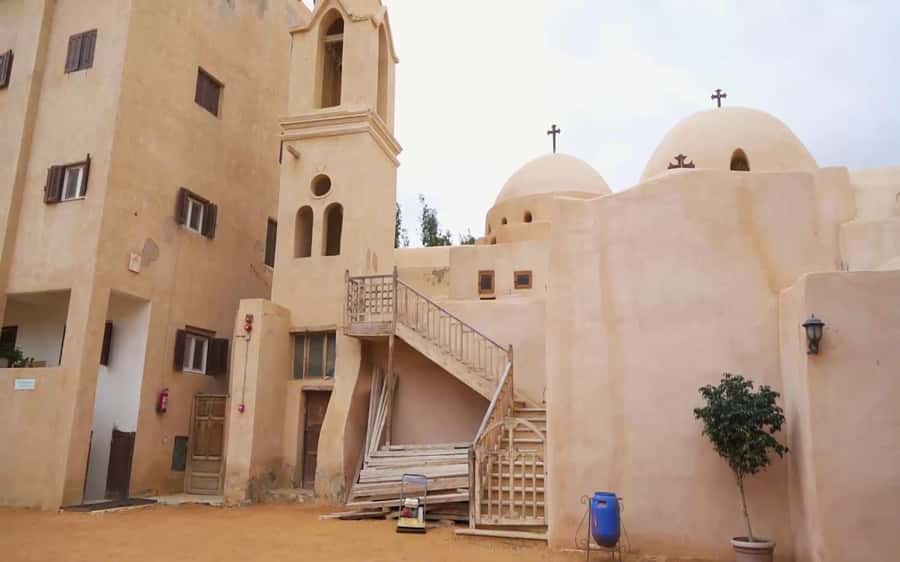
- Wadi El-Natrun is where Christian monasticism took shape, and only 4 monasteries survive today from about 50 once in the area.
- Deir al-Baramus is the first stop, and it’s the oldest of the surviving monasteries, often described as the most isolated in feel.
- Deir Anba Bishoi is special because the body of Saint Bishoy is still kept within the monastery.
- Deir El-Suryani (Syrian Monastery) is the smallest and most compact of the four, which makes it feel tighter and more personal.
- Private guide + entrance fees + lunch means you spend more time looking, less time organizing.
- Pickup flexibility can cost extra if you’re starting from certain airports or newer-city addresses.
Wadi El-Natrun: a different side of Cairo’s religious story
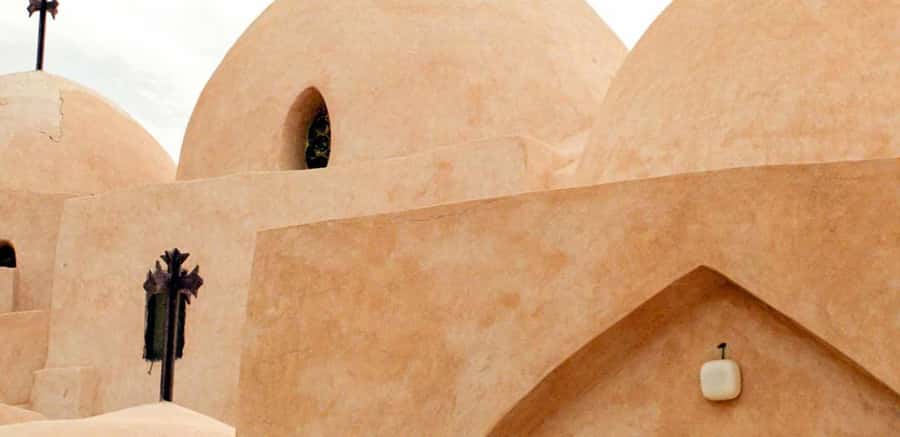
Cairo gets most of the attention, but Wadi El-Natrun is the kind of place that changes your sense of time. This is the valley where Christian monasticism began to take real shape, and the surviving monasteries are the living evidence. Your day is built around that core idea: you’re not just ticking off three stops—you’re seeing how monastic life organized space, faith, and community in the Egyptian desert.
What I like about this kind of itinerary is its focus. Some trips rush people through multiple attractions; this one keeps the attention on a single theme and location. You’ll also get the natural contrast: modern Cairo traffic fades fast, replaced by the sense of distance that desert valleys create.
You can also read our reviews of more tours and experiences in Cairo.
The 2-hour transfers matter more than you think
Expect about 2 hours of driving each way in a private vehicle. It’s not a minor detail. Monastery trips can feel long if you’re uncomfortable or constantly switching transport plans. Here, the private air-conditioned car keeps the day human—especially if you’re visiting in warmer months or you’ve arrived in Egypt recently.
You’ll also get bottled water during the transfer, which helps you stay steady before you start climbing into churches and moving through sites. If you’re the type who hates being rushed, this transfer time is your buffer: you can settle in, plan your photo strategy, and be ready when the monasteries start.
Deir al-Baramus: the oldest surviving monastery in a quieter mood
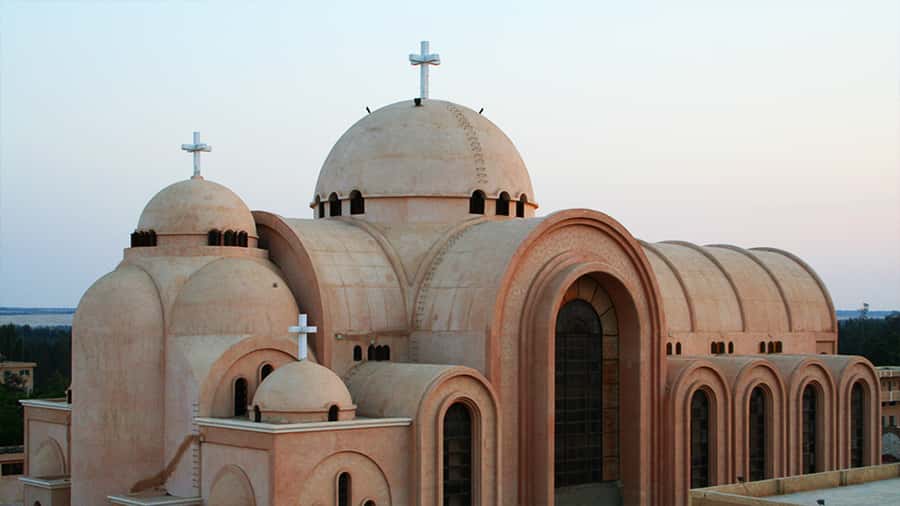
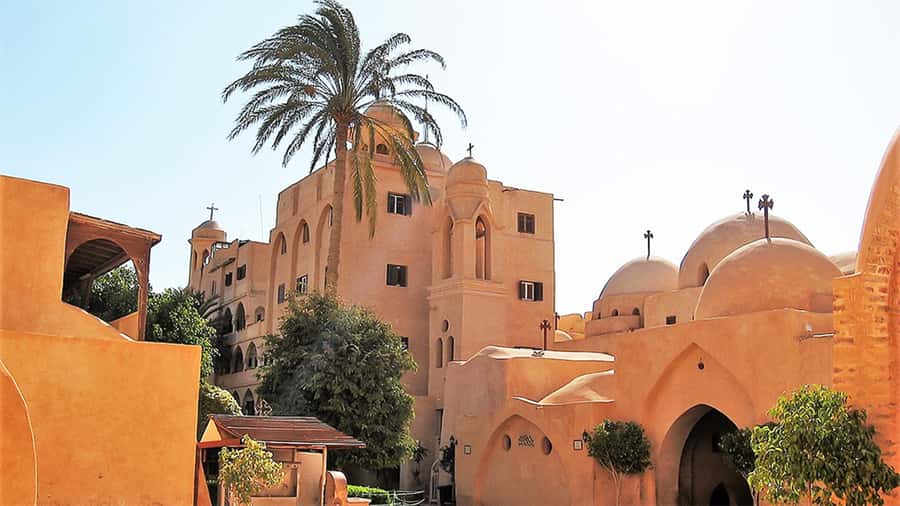
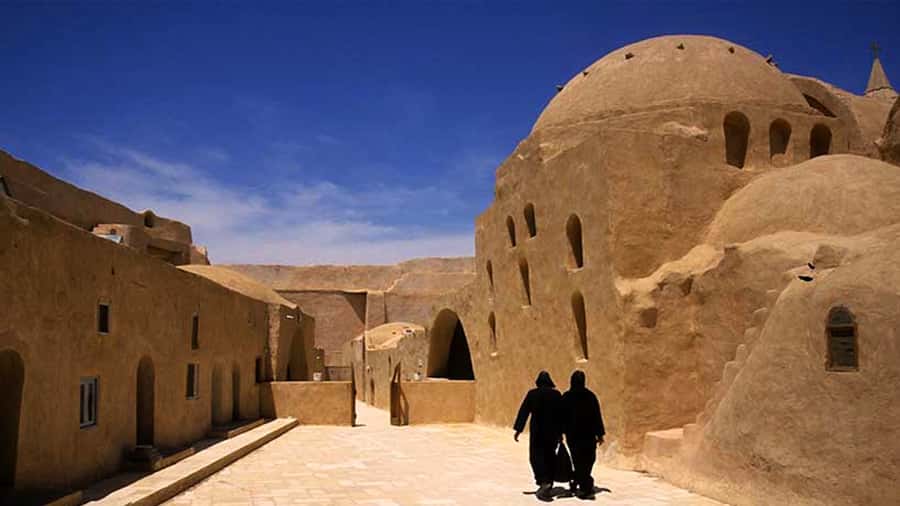
Your day begins with Monastery of Al-Baramus (Deir al-Baramus), described as the oldest of the four surviving monasteries and often the most isolated in feel. That matters because older monasteries tend to have a specific atmosphere. They don’t feel like “attractions.” They feel like places that have kept their rhythm for a very long time.
Practically, this is also a smart start. Going first means you see it before the day gets crowded with energy—before you’re tired, before you’ve been driving for hours, and before your brain starts skipping details. You’ll be able to take in the monastery’s layout at a calmer pace.
What to watch for: look for how the site is set up for daily life and worship, not just for visitors. Even when you don’t know every term, the physical organization gives you clues. Keep your camera ready, but also give yourself a moment to slow down—this stop rewards patience.
Deir Anba Bishoi: the “body still here” detail gives the visit weight
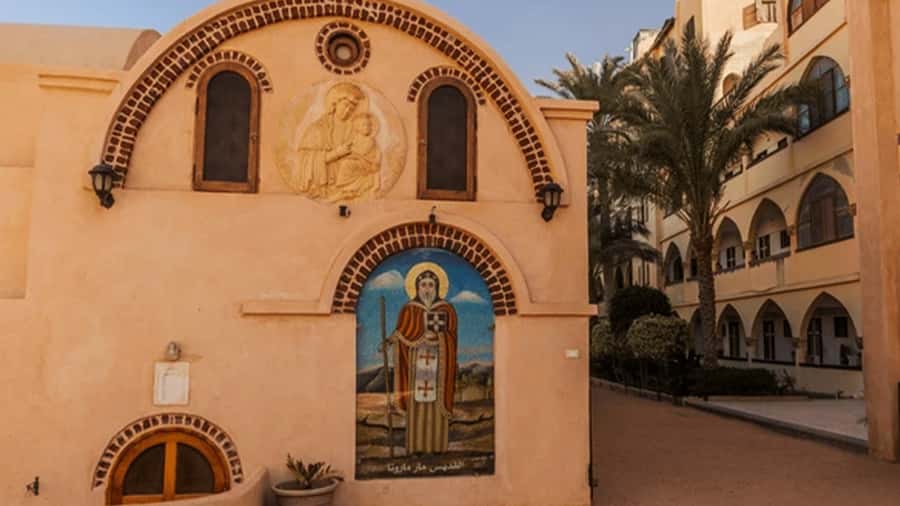
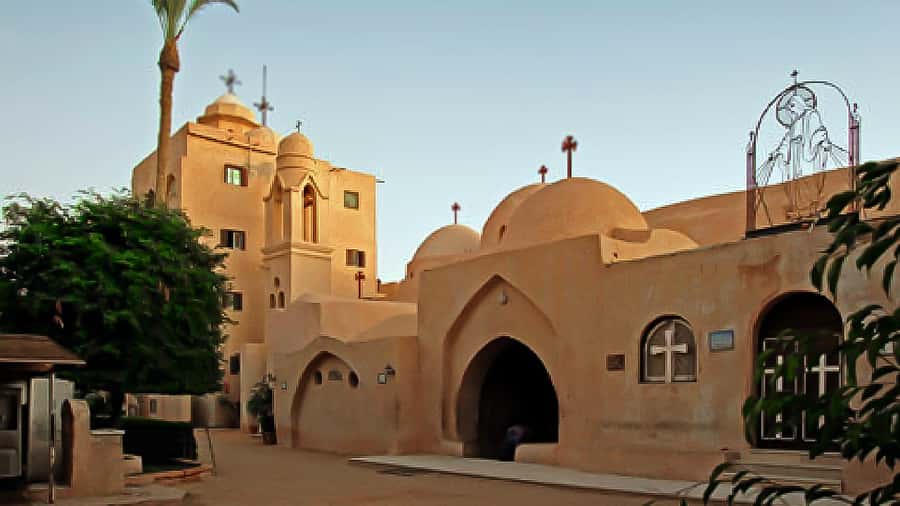
Next comes Monastery of Saint Bishoy (Deir Anba Bishoi). The standout detail is that the body of Saint Bishoy is still kept in the monastery. That’s not a trivia point—it changes how the site feels. You’re standing in a place tied to devotion, memory, and ongoing religious practice.
This stop is also where you’ll likely notice the contrast between architecture-as-a-building and architecture-as-a-purpose. Monasteries are designed for routine: worship, reflection, and community. A single emphasized element—like the preserved presence of Saint Bishoy—pulls everything into focus.
If you’re visiting with a curious mind (or with people who like to ask questions), this is the best place to let your guide explain what you’re seeing in simple terms. A good private guide can connect the physical layout with the religious meaning without making it complicated.
Syrian Monastery (Deir El-Suryani): the compact stop that finishes strong
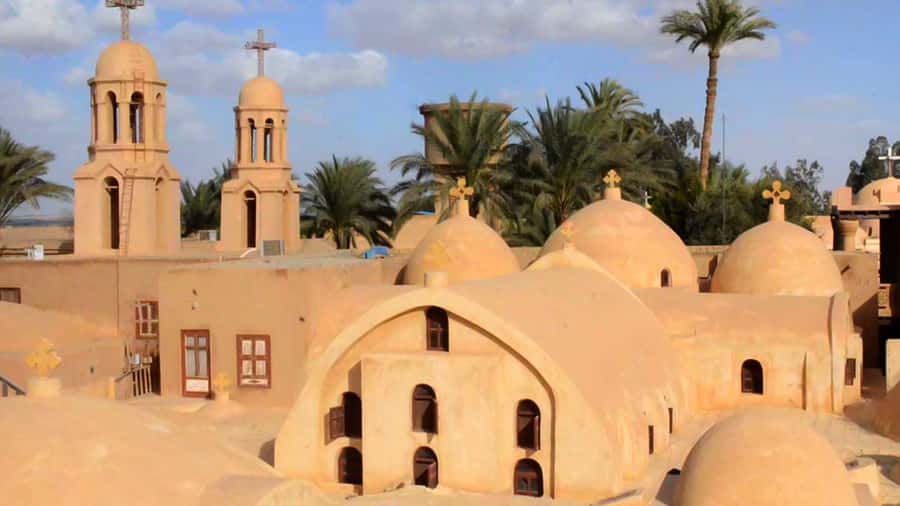
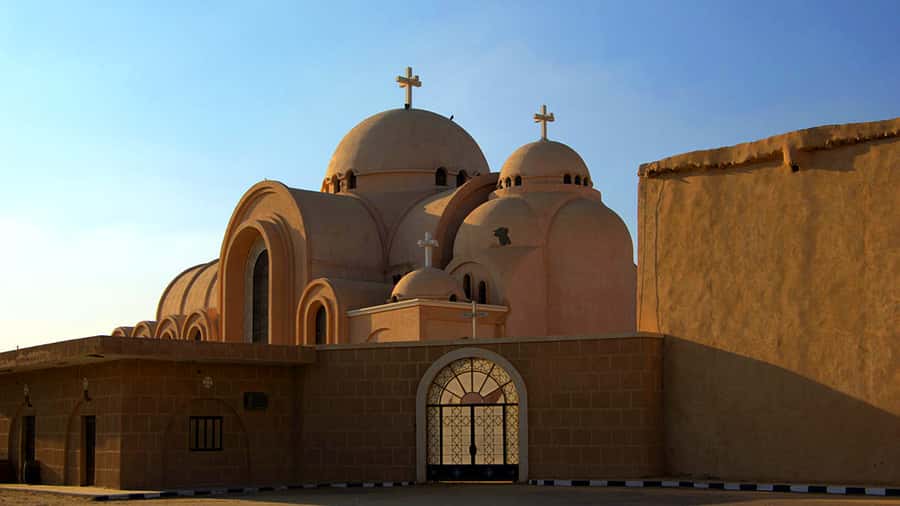
Your final monastery visit is Deir El-Suryani, the smallest and most compact of the four. Smaller doesn’t mean less important. It often means fewer distractions and more concentrated atmosphere.
By the time you reach this monastery, you’ve already learned the rhythm of the day: travel, arrive, observe, and move on. Finishing with the compact one can be satisfying because you don’t have to mentally reset after a big site. Instead, you can absorb the details that might have been harder to catch earlier.
If you like quieter photo angles and spaces that feel enclosed, this is a great closing stop. You also tend to remember the last things best, so if Deir El-Suryani resonates with you, expect it to stick.


Lunch reality check: included, but drinks cost extra
Lunch is included in a local restaurant, and it’s part of why this day trip is easy. You don’t have to hunt for food between monastery stops or stress about whether the restaurant is near your pickup point.
Still, there’s a balance here. Quality can vary by restaurant and day. One person noted that lunch quality wasn’t great and also said the guide didn’t leave much independent time. Another person praised the lunch inclusion as a pleasant part of the day.
My advice: treat lunch as a bonus, not a guaranteed highlight. If you’re picky about food, eat lightly before you go and bring a small snack for backup if your stomach is sensitive. Also remember: beverages and water during lunch aren’t included, so plan to buy them there.
How your guide can change the day
This is a private tour, so the experience depends heavily on the guide’s style. The tour includes a live guide, and languages offered include Arabic, English, German, Italian, Portuguese, and Spanish.
From the information you provided, one guide you may meet is Mehamed Abedelrahim, mentioned as having fluent English and delivering an excellent, professional experience. The best guides also manage pacing—sharing enough context to make the monasteries meaningful, while not trapping you in constant talking.
That brings me to the main consideration: the day can feel structured. If you want time to look around without being guided every second, bring it up early. A simple request like I’d like a little time to walk slowly on my own at each stop can go a long way.
Pricing and value: what $143 includes (and why it can be worth it)
At $143 per person for a one-day private tour, you’re paying for more than sightseeing. Here’s what’s included:
- Private air-conditioned vehicle transfers
- Pickup and return from your hotel
- Private guide
- Entrance fees to the mentioned sites
- Lunch at a local restaurant
- Bottled water during transfer
- Taxes and service charges
For value, the key is that entrance fees, guide, and vehicle are bundled. If you tried to do this independently, you’d still need transport, someone to explain the sites, and entry costs would add up. The transfer time is also a big part of cost in practice, because Wadi El-Natrun isn’t an easy “hop on/off” outing from central Cairo.
The only clear downside for value is if the day doesn’t match your style—like if you’re hoping for lots of independent exploration time. In that case, you may want to choose your priorities: either go with the structured flow for meaning and convenience, or ask for flexibility up front.
Pickup and starting points in Cairo (and when extra fees appear)
The tour includes pickup from your hotel and return, which is the easiest way to avoid Cairo logistics. However, pickup/drop-off from certain locations can cost extra, including:
- Cairo airport and Sphinx airport
- New Administrative Capital, New Cairo
- Heliopolis, Badr City, Shorouk, Rehab, Obour
- Sheraton Al Matar
- Sheikh Zayed City, Ring Road area
- Mirage City, Meridian Airport, Madinty City
So if you’re staying outside the core “classic Cairo” areas, double-check your pickup address. It’s a small detail that can change the real cost of your day.
Who should book this monastery day trip
You’ll likely enjoy this tour if:
- You want faith and history focused in one place, not a scattered day of stops.
- You prefer a private guide who can explain what you’re seeing in your language.
- You’re okay with a long-ish day driven by geography (2 hours each way), trading that for a quiet, meaningful setting.
It might be less ideal if:
- You hate schedules and want long unstructured time at each stop.
- Lunch quality is a major priority for you, because it can be variable and drinks cost extra.
Should you book this tour?
If you want a one-day break from the standard Cairo loop, this is a smart pick. You get a private vehicle, a guide, and three surviving monasteries tied to the roots of Christian monastic life—starting with Deir al-Baramus and ending at Deir El-Suryani. The format is efficient, and the theme is strong.
Book it if you like structured cultural days with clear stops and you’ll appreciate a guide helping you read the sites. Skip or ask more questions before booking if your top priority is independent wandering with lots of breathing room. Either way, bring water (for after lunch too), wear comfortable shoes, and treat the day as a slow spiritual circuit rather than a rapid sightseeing sprint.
FAQ
How long is the tour?
It’s listed as a 1-day experience, with about 2 hours of transfer time included.
What monasteries are visited during the day?
You’ll visit Deir al-Baramus (Monastery of Al-Baramus), Deir Anba Bishoi (Monastery of Saint Bishoy), and the Syrian Monastery at Wadi El-Natrun (Deir El-Suryani).
Is lunch included?
Yes. Lunch is served in a local restaurant, but beverages and water during lunch are not included.
Are entrance fees included?
Yes. Entrance fees to the mentioned sites are included in the price.
What does the pickup include?
Pickup and return from your hotel are included, using a private air-conditioned vehicle.
Can I choose a language for the guide?
Yes. The live tour guide can be Arabic, English, German, Italian, Portuguese, or Spanish.
Is bottled water provided?
Bottled water is provided during the transfer.
Do you skip the ticket line?
Yes, the tour includes skipping the ticket line.
Is free cancellation available?
Yes. You can cancel up to 24 hours in advance for a full refund.