REVIEW · LUXOR
Luxor: Medinet Habu, Deir el-Medina & Valley of Queens Tour
Book on GetYourGuide →Operated by Sun Pyramids Tours · Bookable on GetYourGuide
Two tomb-filled stops, one tight morning. This private Luxor West Bank tour links Medinet Habu with the private air-conditioned comfort you need to keep the day enjoyable, not exhausting. It is built around three major sites, with entrance fees handled and time for photos and looking.
I like that the tour keeps your focus on the essentials: Ramesses III at Medinet Habu, the artisan community at Deir el-Medina, and the queens and royal children of the Valley of the Queens. I also like the way the guide experience is emphasized, since names like Mahmoud and Abdul/Abod show up as standout examples of clear, practical explanations.
One consideration: the Valley of the Queens can have closures that affect what you can see. If a high-profile tomb is shut on the day, your route can shift, so it’s smart to ask what is open before you go, especially if you have one must-see tomb.
In This Review
- Key highlights at a glance
- A Tight West Bank Plan That Actually Gives You Time
- Medinet Habu: Ramesses III and the 150-Meter Mortuary Temple
- Deir el-Medina: Meeting the Valley’s Artisans
- Ta-Set-Neferu and the Valley of the Queens: Worth Planning Around
- Transport, Timing, and the Value of the $85 Price
- Small Logistics to Watch: Closures, Tips, and the Day’s Pace
- Who This Tour Fits Best
- Should You Book This Luxor West Bank Tour?
- FAQ
- How long is the Luxor West Bank tour?
- Is this a private tour?
- What’s included in the price?
- Do I need to pay entrance fees separately?
- Is hotel pickup and drop-off included?
- Is there an extra cost for airport or West Bank pickup?
- What languages are available for the guide?
- Is the tour wheelchair accessible?
- Can I cancel for a full refund?
Key highlights at a glance
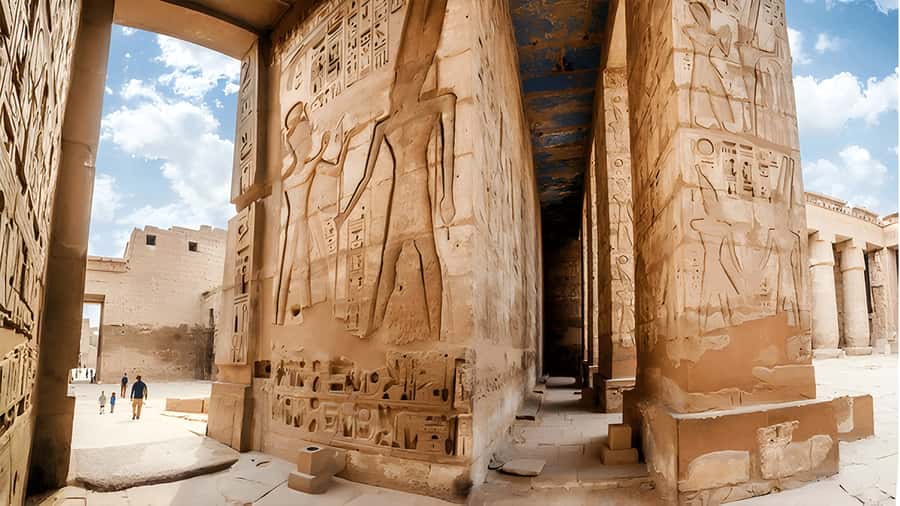
- Medinet Habu’s Mortuary Temple of Ramesses III with a large-scale feel (about 150 meters long)
- Deir el-Medina and its artisan life, with ancient frescoes described as remarkably well-preserved
- Ta-Set-Neferu (Valley of the Queens), where queens and royal children were buried across the 18th to 20th dynasties
- Air-conditioned private transfers so you can spend more energy on the sites
- Entrance fees and taxes included, plus bottled water, to keep costs predictable
A Tight West Bank Plan That Actually Gives You Time
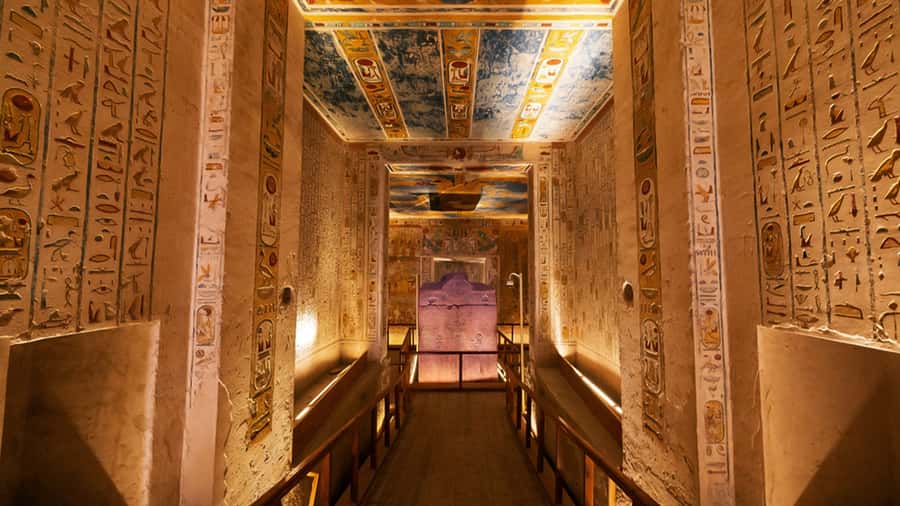
This tour is designed for people who want the West Bank highlights without a full-day slog. You get private transport, a dedicated guide, and a schedule that keeps you moving between major monuments while still building in pauses for photos and breathing room.
At roughly 3 hours, the value is in the compression. You’re not trying to “do everything in Luxor.” Instead, you’re getting three connected stops that help you understand how power, labor, and royal afterlives fit together on the West Bank.
The other practical win: entrance fees and taxes are included, along with hotel/Nile cruise pickup and drop-off. That reduces the usual last-minute scramble to figure out what costs extra. And yes, you get complimentary bottled water, which matters in Luxor heat.
You can also read our reviews of more tours and experiences in Luxor.
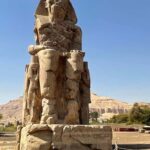
Medinet Habu: Ramesses III and the 150-Meter Mortuary Temple
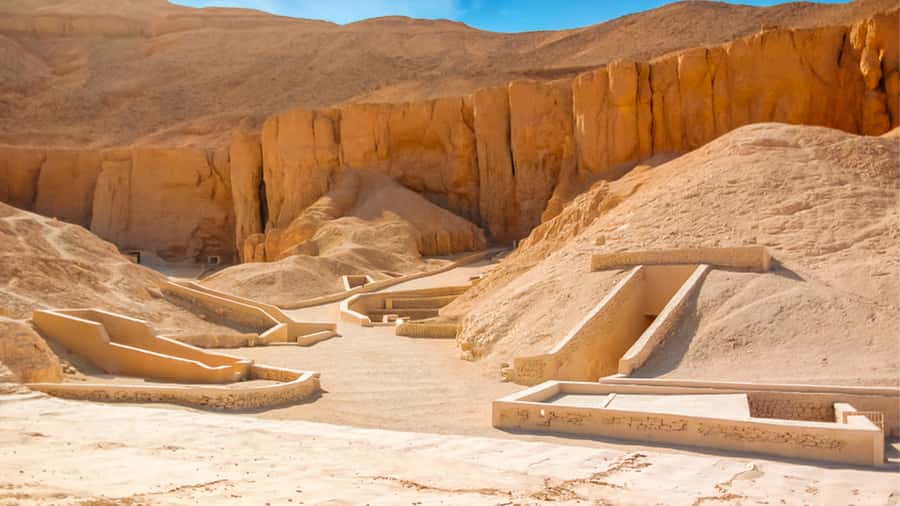
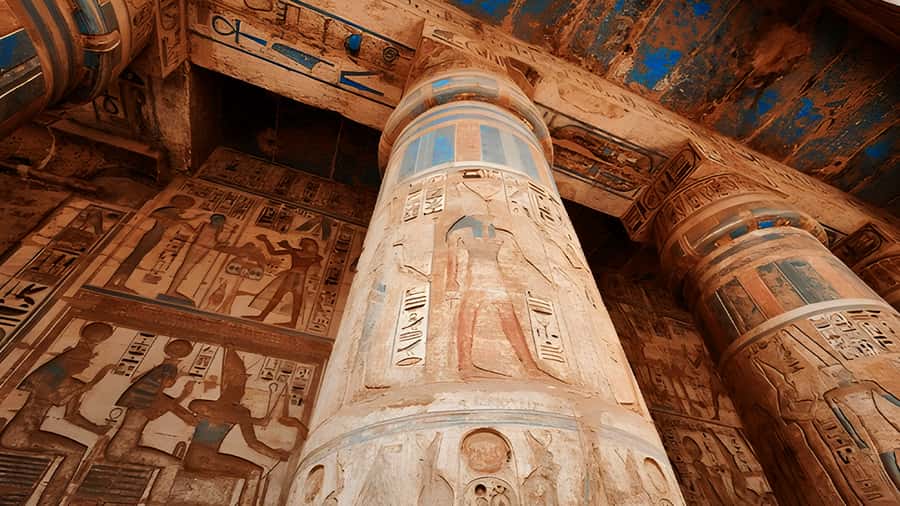
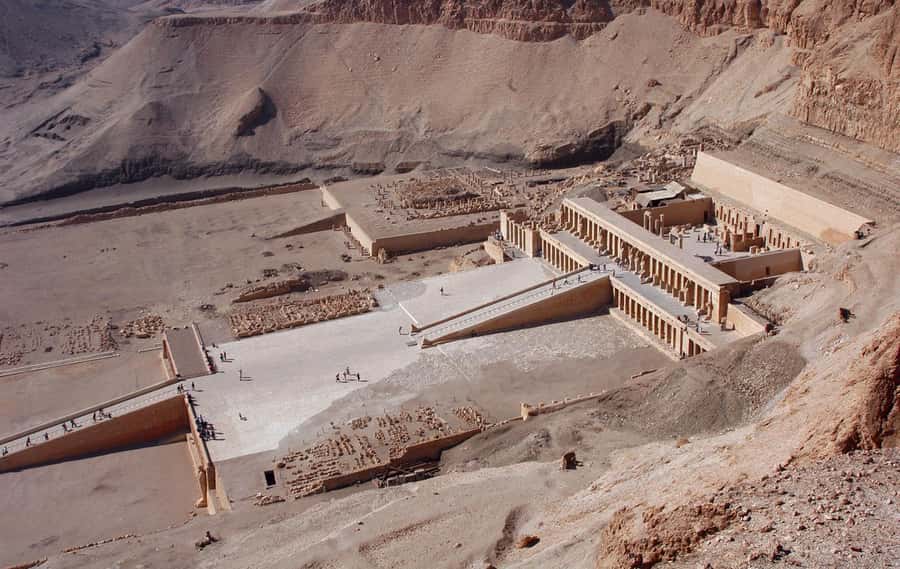
Medinet Habu is where the West Bank starts feeling grand on a scale that is easy to picture. Your visit centers on the Mortuary Temple of Ramesses III, described as stretching about 150 meters. That length isn’t just a number—it’s what creates that “this was meant to impress” feeling as you move through the space.
What I’d tell you to watch for here is how the temple’s design reflects a traditional architectural style associated with the Ramesses era—something comparable in spirit to the Ramesseum. Even if you are not chasing technical details, you’ll notice the layout is meant to be walked with purpose, not just photographed quickly.
A good guide can turn the temple from old stone into a story you can follow. In the examples you may encounter, guides such as Abdul/Abod are noted for making complex ideas easy to grasp, with calm explanations that keep you oriented.
Heads-up for photos: this is a site where timing helps. If the light is harsh, you might get better results with mid-morning shading or a quick pause before your camera-ready moments. The tour’s private pacing makes it simpler to time your photos without feeling rushed by a big group.
Deir el-Medina: Meeting the Valley’s Artisans
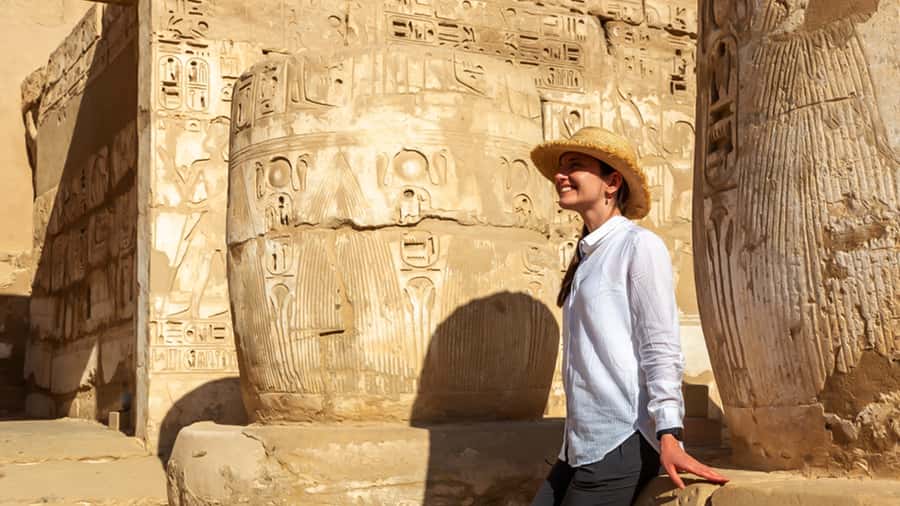
Next comes Deir el-Medina, often called the Valley of the Workers because this is where the artisans who worked on royal tombs lived and trained. This stop is valuable because it humanizes the West Bank story. You go from monuments built for pharaohs to the people whose daily work made those monuments possible.
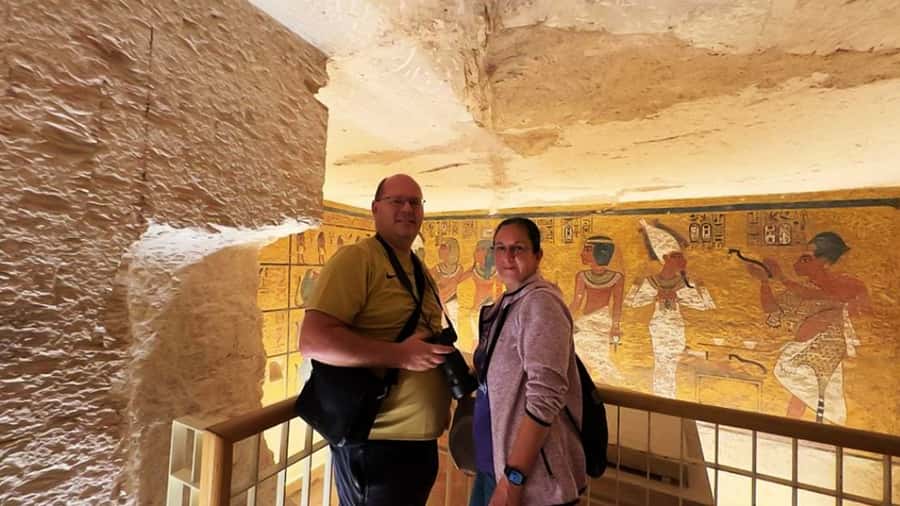
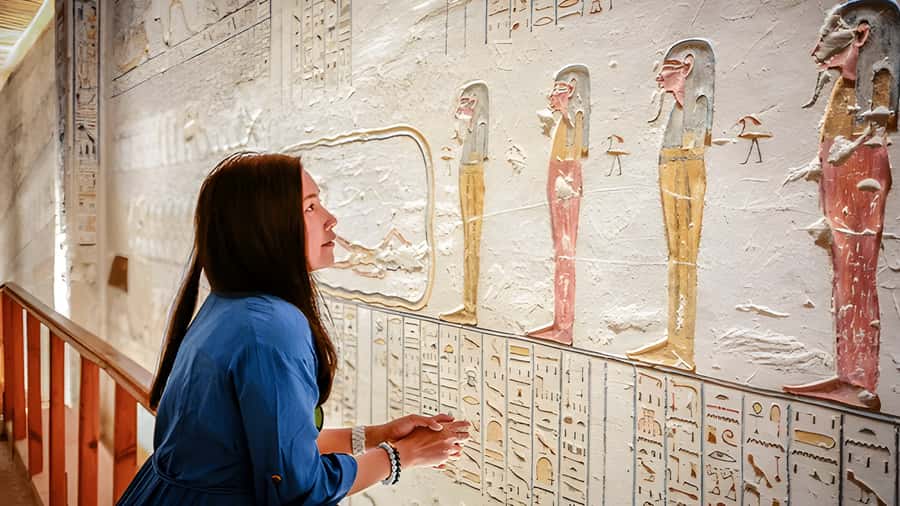
The site is also noted for ancient frescoes that remain remarkably well-preserved. If you care about what everyday art looked like when it was fresh (not just what ruins look like now), this is a strong reason to choose this tour over a simple “temple fast pass.”
What to do while you’re there:
- Pay attention to the guide’s explanations of artisan life and the work behind tomb building.
- Use the free time to walk at your own pace through the areas your guide highlights, then return for a couple of targeted photos.
- Ask about how the community connected to the tombs in the surrounding valleys—this is one of the ways the West Bank stops feel linked, not random.
In other words, Deir el-Medina is not just another stop. It’s the bridge between the grandeur you see and the real labor that made it happen.
Ta-Set-Neferu and the Valley of the Queens: Worth Planning Around
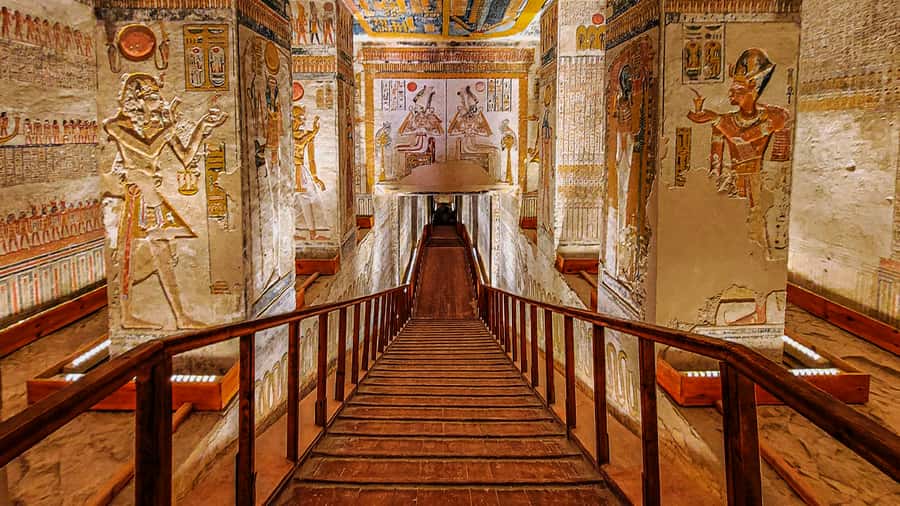
The final stop is the Valley of the Queens, also known in ancient times as Ta-Set-Neferu, the place of Pharaoh’s children. This is where queens and royal children from the 18th to 20th dynasties were buried.
This part of the tour is especially good if you want a change of focus from male pharaoh tombs. The queens’ tombs help you see dynasty history through relationships—wives, mothers, heirs—and how royal status shaped burial choices.
Because the Valley is a working archaeological area, closures can happen. One key practical point: your experience may be affected if a major tomb is shut on the day. For example, the tomb of Nefertari being closed can change what your guide recommends, including whether they suggest alternate areas rather than spending time where entry is limited.
So here’s my advice to you: if you have a single must-see tomb, ask what is open before you commit to the day’s plan. If your guide offers alternatives, that can still be worth it, but you’ll be happier if you know upfront what’s realistically on the table.
Also, build in time to walk slowly. Even when tomb entries are limited, the setting and the scale of the valley matter. The better your pace, the more you’ll notice the details your guide points out.
Transport, Timing, and the Value of the $85 Price
At $85 per person for a 3-hour private outing, the best way to judge value is what’s actually included. Here, the list is clear:
- Air-conditioned transfers
- Hotel pickup and drop-off (and Nile cruise pickup fits this West Bank pattern)
- Private tour guide
- Entrance fees included
- Bottled water included
- All taxes and service charges included
Many tours advertise “cheap” prices and then quietly add on entrance tickets and transport costs. This one avoids that problem by bundling the big ticket items into the quoted rate.
What you’re paying for, realistically, is not just access—it’s the efficiency of a private guide plus private AC transport. In Luxor, heat and time can drain enthusiasm fast. When the vehicle is comfortable and the guide is managing entry and pacing, you’re more likely to enjoy the monuments rather than just survive the day.
A note on pickup costs: if you’re being collected from Luxor airport or from the West Bank, there is an extra cost added to the current price. If you’re using that kind of pickup, confirm the total before you finalize.

Small Logistics to Watch: Closures, Tips, and the Day’s Pace
This tour is designed to run smoothly, but you should still plan like an independent traveler. The biggest variable is site access—closures can affect what you can actually enter, especially in the Valley of the Queens.
Second variable: timing and free time. Your schedule includes time to wander and take photos at each main site. That’s a good thing. It lets you focus on what you personally want to see, not just follow a checklist.
Third variable: tipping. Tipping is not included, so you’ll want to budget for it if the service earns it.
One more helpful detail: guide languages include Japanese, French, German, Spanish, English, and Arabic. That matters in Egypt. The more precise the language match, the faster the sites click into place.
And yes, the tour is listed as wheelchair accessible, which is great if you need that capability for mobility planning.
Who This Tour Fits Best
This is a strong fit if you:
- Want a private West Bank experience without bargaining or rushing.
- Care about connecting temple history to the artisan community at Deir el-Medina.
- Like a guide who can explain both the big picture and the on-site details. In the examples attached to this tour, guides like Mahmoud and Mustafa are singled out for friendliness, reliability, and clarity.
It’s also a good match for time-crunched travelers who still want depth. With three major stops in about three hours, you’re choosing focus over exhaustion.
If you only want one site, you might feel this is a lot in one morning. But if you want the West Bank story in a compact package, this works.
Should You Book This Luxor West Bank Tour?
I’d book it if you want a private, efficient, well-structured West Bank highlights tour where most of the money decisions are handled upfront. The included entrance fees, AC transport, and private guide make the $85 price feel more reasonable than it looks at first glance.
The only real reason to hesitate is the Valley of the Queens closure risk. If your travel dates line up with an important tomb being closed, you’ll need flexibility. Even then, a good guide can still make the time worthwhile—but you’ll feel better if you confirm what’s open before you set expectations.
If your heart is set on a specific tomb inside the Valley of the Queens, ask a direct question before booking: what is currently open to visitors on your date. If they can’t confirm, decide based on how much you care about that one entry versus the overall Ta-Set-Neferu experience.
FAQ
How long is the Luxor West Bank tour?
It’s listed as a 3-hour tour.
Is this a private tour?
Yes, it includes a private tour guide and private air-conditioned transfers.
What’s included in the price?
The tour includes air-conditioned transfers, hotel pickup & drop-off, a private tour guide, entrance fees, complimentary bottled water, and all taxes and service charges.
Do I need to pay entrance fees separately?
No. Entrance fees are included.
Is hotel pickup and drop-off included?
Yes, hotel pickup & drop-off is included. You may need to select an extra-cost pickup option if you’re coming from Luxor airport or the West Bank.
Is there an extra cost for airport or West Bank pickup?
Yes. If pickup is from Luxor airport or the West Bank, an extra cost is added to the current price.
What languages are available for the guide?
The tour offers live guides in Japanese, French, German, Spanish, English, Arabic.
Is the tour wheelchair accessible?
Yes, it is listed as wheelchair accessible.
Can I cancel for a full refund?
Yes. Free cancellation is available up to 24 hours in advance for a full refund.
If you tell me your travel month and whether you have one must-see tomb in mind, I can help you decide how much flexibility you’ll want on the Valley of the Queens stop.