REVIEW · CAIRO
Cairo:Nilometer, Manial Palace,City of The Dead With Felucca
Book on GetYourGuide →Operated by Sun Pyramids Tours · Bookable on GetYourGuide
One day, three very different Cairo worlds. I love how this trip connects the Nile’s practical past to the palace’s stylish imagination, then finishes with the lived-in maze of the City of the Dead. You’ll get tickets included for the main stops and a private guide to translate what you’re seeing into real context.
I also like the pacing that makes the day feel balanced: architecture and history in the morning, then a calmer river moment on a felucca later. One consideration: you’re visiting a cemetery area where people actually live, so it’s not a postcard scene, and you should expect some emotional weight along with photos.
In This Review
- Key moments that make this day trip work
- Nilometer on Roda Island: where the Nile controlled taxes
- Manial Palace: Art Nouveau looks good next to Islamic design
- City of the Dead and its mosque: history you can walk through
- Felucca time on the Nile: a softer ending to a full day
- Price and value: what $130 covers in real terms
- How the private guide shapes the day (and what to expect)
- Who should book this Cairo day trip
- Should you book this Cairo: Nilometer, Manial Palace, City of the Dead with Felucca trip?
- FAQ
- What’s included in the tour price?
- Is this a private tour?
- Which stops are included during the day?
- Are entrance fees included?
- What’s not included?
- Can I choose pickup from my area, and is there an extra cost?
Key moments that make this day trip work
- Nilometer on Roda Island: a rare, early structure tied to how the Nile’s rise controlled taxes.
- Manial Palace’s mixed styles: European Art Nouveau/Rococo blended with Ottoman, Moorish, and Persian touches.
- Five distinct palace buildings and garden trails: a compound designed for variety, not one big room.
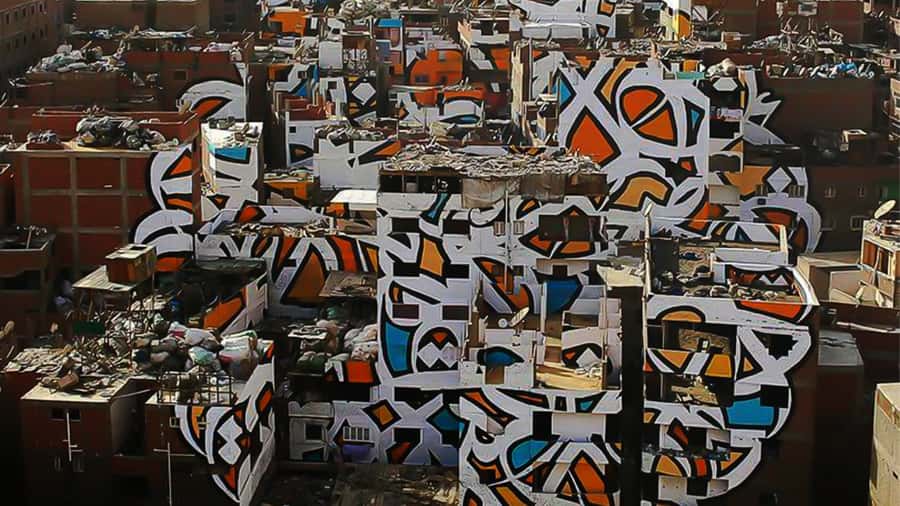
- City of the Dead and its mosque: you’ll see how long-standing tomb areas function in daily life.
- A guide who explains, not just points: names like Mohamed and Mahmoud Mahdi show up in the guides people remember.
- Nile time to reset: after intensive sights, you end on the water with lunch included.
Nilometer on Roda Island: where the Nile controlled taxes
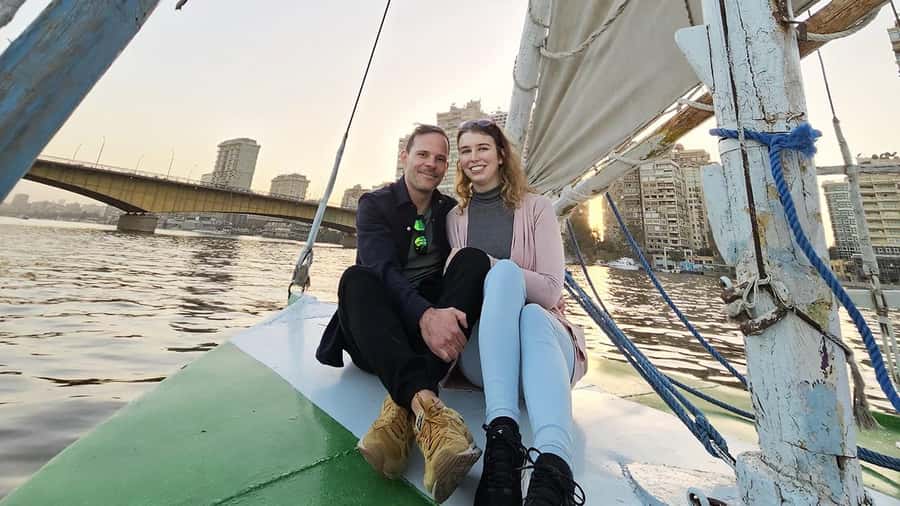
The day starts with the Nilometer, located at the southern tip of Roda Island in Cairo. It’s one of the oldest surviving structures on the Nile that dates to shortly after the Arab conquest of Egypt. That timeline matters because it’s not just an old monument; it’s part of a system that connected water levels to survival and revenue.
Here’s what makes the Nilometer so compelling to understand: measuring the Nile’s rise wasn’t a scientific hobby. It was tied to agricultural flooding, irrigation, and whether farmers could reliably grow crops. When the Nile reached a designated level, the authorities could levy taxes because the land would be irrigated during flood season. In other words, you’re looking at infrastructure for an entire economy.
As you walk around and take photos, focus on how a simple measurement could carry huge consequences. You don’t need fancy background knowledge; your private guide can connect the dots quickly and keep the story clear. If you like Egypt beyond the usual pyramids-and-Temples routine, this stop alone is worth the day.
You can also read our reviews of more city tours in Cairo
Manial Palace: Art Nouveau looks good next to Islamic design
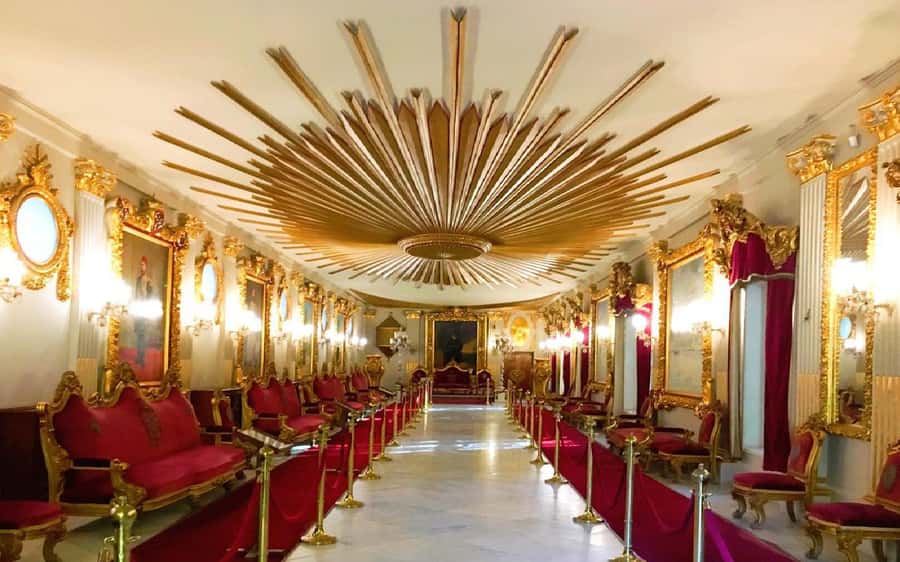
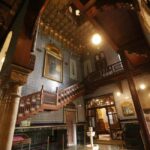
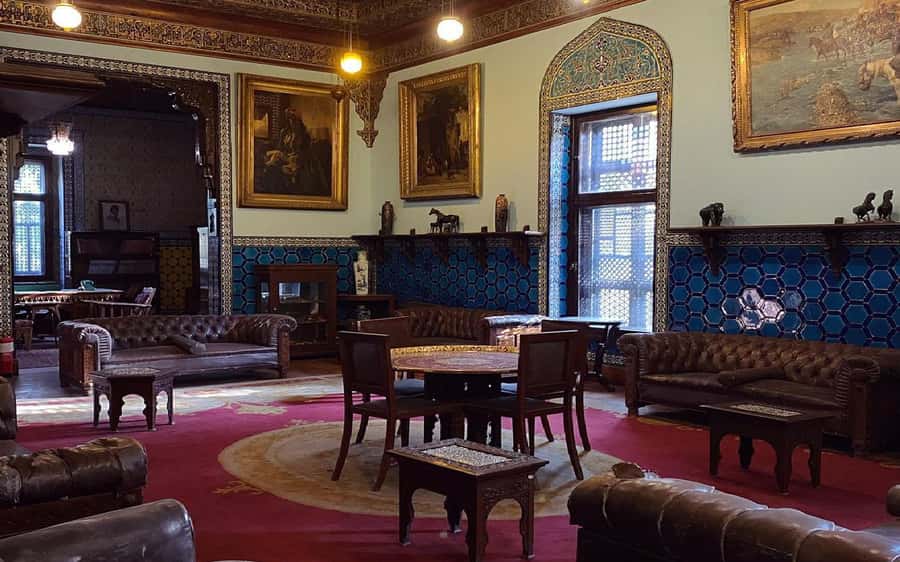
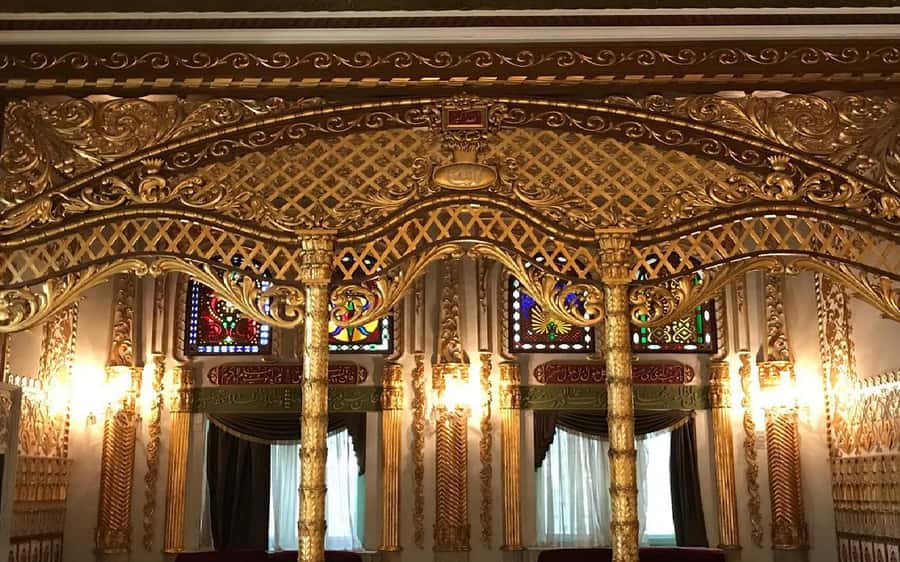
Next comes the Manial Palace of Prince Mohamed Ali Pasha, known as King Farouk’s uncle. This is not a palace that tries to look “purely” one style. It’s designed as a mash-up: European Art Nouveau and Rococo influence paired with traditional Islamic architecture themes, plus Ottoman, Moorish, and Persian elements.
What I’d plan to appreciate here is the intentional variety. The palace compound is made up of five separate buildings, each with its own character, so the visit doesn’t feel like repeating the same hallway. Interiors and decorative details use sumptuous materials, and the overall layout is part architectural showpiece, part family residence designed for comfort and drama at the same time.
Don’t rush the gardens. The palace grounds include plantings of rare tropical specimens collected during the prince’s travels along a small branch of the Nile. It’s a nice contrast to the stone-and-mosaic feeling you might get elsewhere in Cairo, and it gives your camera a break from close-up symmetry.
If you want a palace visit with substance, look for your guide to explain how the different styles were blended rather than placed next to each other like separate exhibits. With guides such as Mahmoud Mahdi and Mohamed, the explanations tend to be patient and built around what you can actually see in front of you.
City of the Dead and its mosque: history you can walk through
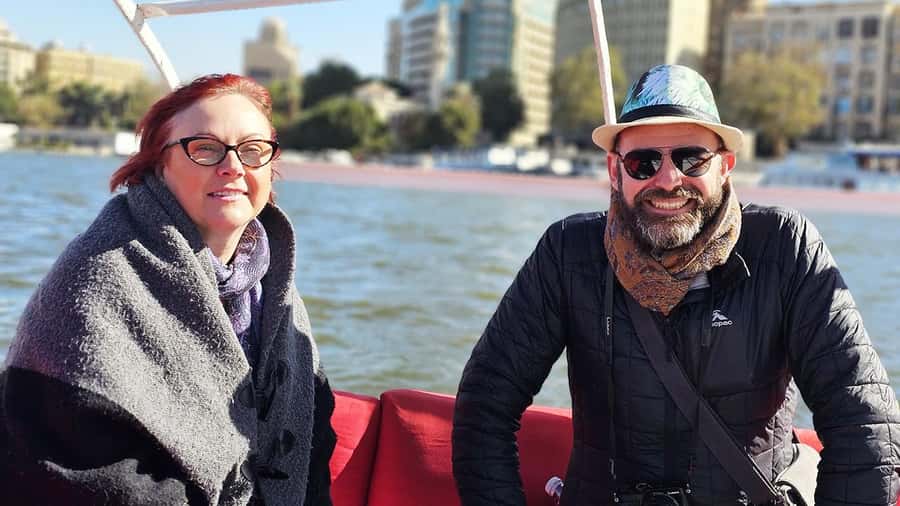
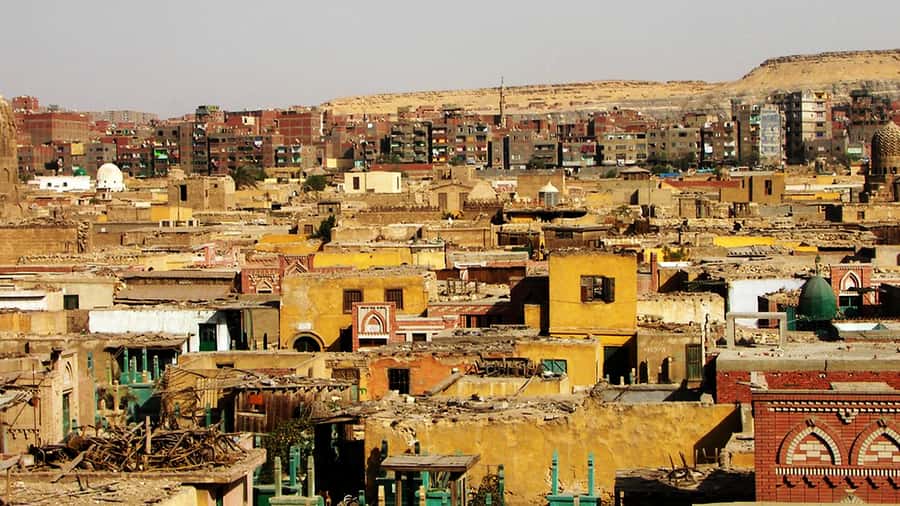
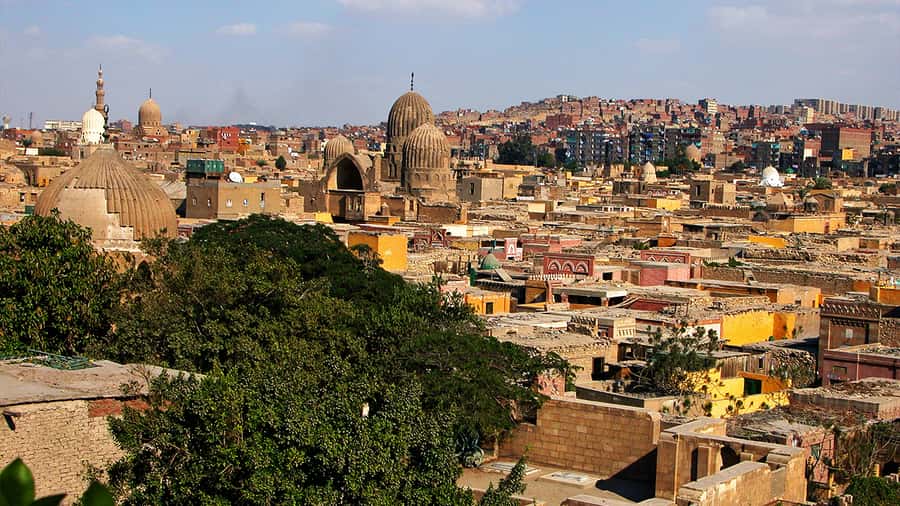
Then it’s time for the City of the Dead, Cairo’s famous cemetery area filled with tombs and mausoleums. Some date back to the era around 642 AD, linked with the Islamic Conquest period, which makes this one of the more historically layered stops in the city. But the feature you’ll feel most is not the age—it’s the way the area functions.
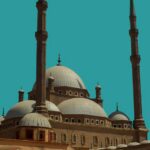
This is where your guide’s pacing matters. The City of the Dead is vast, and you’re exploring an environment where many people live because of the ongoing housing shortage. That’s why the visit can feel surprisingly real. One of the strongest impressions people often mention is the mosque area, because it’s the kind of place where you can sense how worship and daily life coexist in the same space.
For photos, be thoughtful. Aim for wide views of the tombscape, then switch to details like arches or pathways where architecture creates depth. If you’re sensitive to the atmosphere, take breaks. A cemetery neighborhood isn’t meant to be treated like a theme park, and a good guide will help you read the space with respect.
If you come expecting only silence and old stones, adjust your expectations. This is a living landscape of memory, faith, and necessity.
Felucca time on the Nile: a softer ending to a full day
After the cemetery area, the tour heads to the river for a felucca ride. A felucca is the traditional sailboat used on the Nile and other regions around the Mediterranean. There’s something about gliding under sail that changes your body rhythm. You stop feeling like you’re rushing from site to site and start feeling like the city is moving at Nile speed.
Lunch is included as part of this river segment, and it’s a welcome change from indoor monuments. In a smooth, often-loved flow of the day, you may also get a Nile lunch stop at a riverside restaurant, then continue to the City of the Dead before the felucca ride. Either way, the logic is the same: after heavy sights, you end with something slower.
Bring a camera, but also bring patience for wind and sun. The ride gives you a real view of the Nile corridor and a chance to decompress. If you like day trips that end well instead of dumping you back into traffic with your head full, this ending is a big plus.
Price and value: what $130 covers in real terms
At $130 per person, this day trip can feel like a bargain if you compare it to “pay-as-you-go” Cairo. You’re not only paying for guide time. You’re getting a private tour guide, private air-conditioned vehicle transfers, entrance fees to all the named sites, and lunch plus taxes and service charges.
There’s also bottled water during the transfer, which is an underrated comfort item in Cairo. And since it’s a private format, you don’t spend the day playing catch-up with other people’s pace. That matters when you’re moving through places with very specific details like the Nilometer and the palace architecture.
Two costs to keep in mind: tipping is not included, and beverages and water during lunch aren’t included. Also, if you’re requesting pickup or drop-off from locations like Cairo airport, Sphinx airport, New Administrative Capital, New Cairo, Heliopolis, and several other areas, that can be an additional cost.
So is it good value? For most visitors who want a guided, ticketed “see the real Cairo” day without negotiating prices and entrance fees at every stop, yes—this price is more about convenience than about squeezing you.



How the private guide shapes the day (and what to expect)
This tour is built around a private guide, with language options including Arabic, German, English, Spanish, Portuguese, French, Italian, Japanese, Russian, and Chinese. That range is useful if you want clarity rather than scanning placards and guessing.
In particular, guides like Mohamed and Mahmoud Mahdi are remembered for history explanations that connect directly to what you’re seeing. That’s the difference between standing in front of a monument and understanding why it mattered—taxes tied to water levels, or why Manial Palace mixes styles instead of following one strict template.
Your guide also helps you move between very different spaces: a measurement site on the island, a palace compound with gardens and multiple buildings, a cemetery neighborhood with active religious spaces, then a river ride. If you’re the type who likes your trip to feel coherent, a strong guide is the glue.
One consideration: the day includes a mix of walking and outdoor time. If you dislike heat or long stints on your feet, plan light clothing and consider pacing yourself during transitions.
Who should book this Cairo day trip
I’d point this tour at a few kinds of travelers:
- History and architecture fans who want Islamic-era Cairo beyond the usual headline attractions.
- Photographers who like variety: stone details at the Nilometer, decorative style at Manial Palace, and wide cemetery views.
- People who want a private day with explanations, not a bus-day of quick stops.
- Visitors who appreciate an ending on the water, not just another set of indoor rooms.
I’d think twice if you want a purely comfortable, sanitized experience. The City of the Dead is meaningful and human. It’s also active and lived in, so you need the right mindset. If your idea of a great day trip is only entertainment, this may feel heavy at moments.
Should you book this Cairo: Nilometer, Manial Palace, City of the Dead with Felucca trip?
If you want a Cairo day that actually changes gears—Nile systems, palace imagination, real neighborhood life, then a gentle sail—this is a strong match. The biggest reason to book is the combination of ticketed highlights plus a guide who can explain the why behind each stop, not just the what.
I’d book it if you’re comfortable visiting a cemetery area and you value context. I’d skip or adjust expectations if you’re looking for only famous, polished landmarks.
Bottom line: for a single $130 day, you get multiple Cairo “moods” with less stress than DIY. That’s the kind of value that matters when you only have a limited window in the city.
FAQ
What’s included in the tour price?
The price includes hotel pickup and return, a private tour guide, all transfers by a private air-conditioned vehicle, entrance fees to the mentioned sites, bottled water during transfer, lunch, and all taxes and service charges.
Is this a private tour?
Yes, it’s described as a private day trip with a private tour guide and private transfers.
Which stops are included during the day?
You’ll visit the Nilometer on Roda Island, Manial Palace, the City of the Dead (Cairo cemetery), and then take a felucca ride on the Nile with lunch included.
Are entrance fees included?
Yes. Entrance fees to all mentioned sites are included.
What’s not included?
Not included are any extras not mentioned in the itinerary, tipping, and beverages and water during lunch.
Can I choose pickup from my area, and is there an extra cost?
Pickup and drop-off from a list of places including Cairo airport, Sphinx airport, New Administrative Capital, New Cairo, Heliopolis, Badr City, Shorouk, Rehab, Obour, Sheraton Almatar, Sheikh Zayed city, or Madinty City can have an additional cost.