REVIEW · CAIRO
From Cairo: 3-Nights Nile Cruise Luxor, Aswan by Flights
Book on GetYourGuide →Operated by Mody Egypt Tours · Bookable on GetYourGuide
Egypt is big. This trip is bigger.
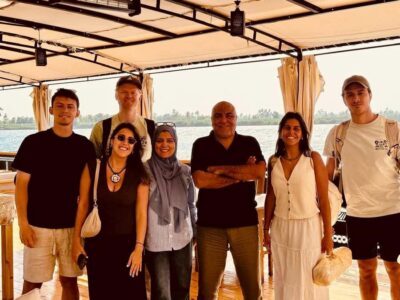
You move by 5-star Nile cruise cabin and A/C transfers while stacking the big-name sites between Aswan and Luxor. I love how the days are structured around early access to temples, and I especially love that you get an Egyptologist guide (many guests call out guides like Mohamed Gobran) who explains what you’re actually looking at, not just where to stand. One possible drawback: the pace is intense, with frequent early starts and a packed schedule that can feel like a sprint.
Even when the schedule is tight, it’s a smart way to see Egypt without thinking too hard about logistics. The cruise handle-your-bags rhythm keeps you focused on the monuments, Nile time, and the balloon over Luxor—one of those moments you remember more than photos. Still, a few travelers note communication can be hit-or-miss around flight details, so you’ll want to stay on top of your own timing.
In This Review
- Key Highlights to Mark in Your Head
- Aswan Check-In: High Dam and Philae Set the Tone
- Abu Simbel Day Trip: Ramses, Nefertari, and a Long but Worth It Drive
- Kom Ombo to Edfu: Dual Temples and the Cruise Momentum
- Edfu Temple the Scenic Way: Horse Carriage to Horus
- Luxor Arrival and East Bank Evening: Luxor Temple and Belly Dancing
- Hot Air Balloon Sunrise Over Luxor: The Best View of the West Bank
- Valley of the Kings
- Temple of Hatshepsut at El Deir El Bahari
- Memnon Statues Photo Stop
- Karnak Temple on the East Bank: 2000 Years, 63 Acres, One Big Walk
- Food, Comfort, and the Onboard Reality Check
- Price and Value: What You’re Really Paying For
- Who This Nile Cruise Fits Best (and Who Should Pass)
- Should You Book This Aswan to Luxor Nile Cruise Package?
- FAQ
- What cities are included in the flight plan?
- How long is the experience?
- What stops are included on the cruise route?
- What’s included for sightseeing with an Egyptologist guide?
- Does the trip include a hot air balloon?
- Is Abu Simbel part of a group tour?
- How are meals handled during the cruise?
- What is not included in the price?
- When will Luxor Temple and Karnak be visited?
Key Highlights to Mark in Your Head
- Abu Simbel in a small group: Ramses II and Nefertari, with a guide who sets the context before you walk in
- Sunrise hot air balloon over Luxor: a different view of the Valley of the Kings area than any ground tour
- Cruise stops that actually matter: Philae, Kom Ombo, Edfu, then the Luxor East and West Bank classics
- A guide-led temple flow: clear explanations on-site, plus timing that helps you avoid the heaviest crowds
- True Cairo-to-Nile convenience: domestic flights included along with A/C vehicle transfers
Aswan Check-In: High Dam and Philae Set the Tone
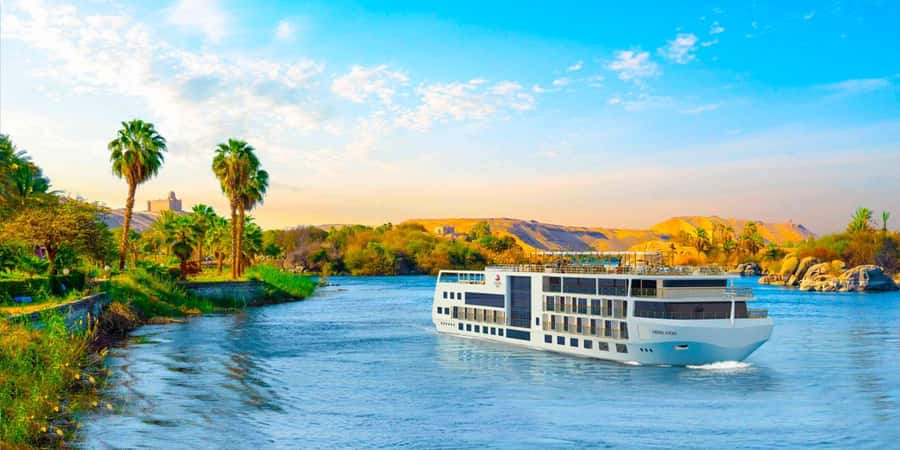
Your trip starts in Aswan with an easy handoff. An English-speaking representative meets you at the airport, railway station, or hotel, then you’re transferred by A/C van to a 5-star Nile cruise for check-in. Lunch is served onboard, which matters on Day 1 because it keeps the day from turning into a long, hungry scramble.
Then you begin with the Aswan High Dam. Even if you’ve only read a line or two in school, standing there gives you the scale behind the story: Egypt needed to protect itself from flooding and create power, and this dam became the turning point. It’s not a “pretty temple stop,” but it’s the kind of place that makes the whole Nile system click.
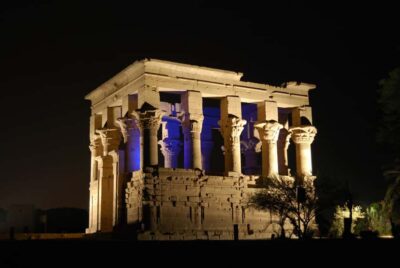
Next comes the Temple of Philae, dedicated to Isis. The key detail here is how you get there: you take a small motorboat ride. That short transfer turns the visit into a mini experience rather than a simple bus drop-off. You come back to the ship for dinner, a folkloric show, and overnight.
What I like about starting here is pacing: Philae is visual and emotional, and the High Dam gives you the modern context. Together, they remind you that Egypt’s story isn’t only pyramids and mummies.
You can also read our reviews of more boat tours in Cairo



Abu Simbel Day Trip: Ramses, Nefertari, and a Long but Worth It Drive
On Day 2, you leave around 4:30 am for the Abu Simbel trip. This is in a sharing small group format with an English-speaking guide. You arrive around 8:00 am, tour the temples, then head back to the cruise by noon.
Abu Simbel is impressive in a way that’s hard to describe until you’re there. These are rock-cut temples built for King Ramses II and his beloved Queen Nefertari, with a design that makes you stop and stare from the moment you arrive. The standout is how the guide connects the architecture and the purpose, so it doesn’t feel like you’re just walking through carved stone. Even in a packed itinerary, Abu Simbel tends to land as a top memory because it feels like a true destination.
After the temple visit, you’re back onboard for lunch, then you sail toward Kom Ombo.
One practical note: because you’re doing Abu Simbel by road early in the morning, you’ll want to be ready for a long day. The payoff is that you’re touring one of Egypt’s most dramatic sites with a guide, not figuring it out on your own.
Kom Ombo to Edfu: Dual Temples and the Cruise Momentum
Once the cruise reaches Kom Ombo, you visit the Temple of Kom Ombo, known for its dual dedication: Sobek (the crocodile god) and Horus (the falcon god). The temple is called out as having two sides, and you’ll feel that in how the carvings and the layout present different religious themes.
Back on the ship for dinner, you continue sailing toward Edfu, where you spend the night.
This part of the trip is valuable because it breaks up the days. You’re not only rushing between West and East Bank sites in Luxor. You get a real Nile rhythm—walk around one temple, then shift back to the ship and let the hours pass by the water.
Edfu Temple the Scenic Way: Horse Carriage to Horus
After breakfast on Day 3, you head out for one of the more fun travel-details in the whole journey: a horse carriage ride to the Temple of Horus in Edfu.
Edfu is often described as one of the best preserved Egyptian temples, and you’ll feel that preservation when you’re inside. It’s a big temple, and it rewards time spent looking at details instead of just scanning for photo spots. Since you’ll be with your guide, you’re not stuck guessing what you’re looking at.
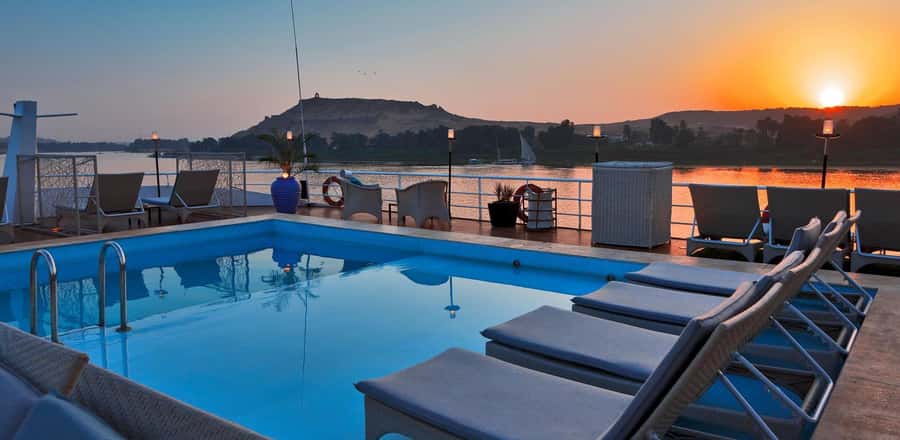
After the visit, you return to the cruise. Then the best “between moments” happens: you relax on deck while sailing. You see Nile life and riverside views from the water, and the cruise gives you time to rest without planning a thing.
During the sailing segment, you cross the Esna Lock, and you also have onboard lunch. Late afternoon, you arrive near Luxor and enjoy tea on the sundeck, which is a small touch but actually works well after a day of temple walking.
Luxor Arrival and East Bank Evening: Luxor Temple and Belly Dancing
By late afternoon, you arrive in Luxor and switch from cruise time to temple time. You’ll be transferred to Luxor Temple on the East Bank. This is where the city’s layers show: ancient Egyptian elements, plus Christian and Islamic features in the same area. That mix can be surprising until you realize Luxor has always been lived in, not sealed off like a museum piece.
Then dinner is onboard with a belly dancing show, followed by overnight in Luxor.
There’s a timing detail that can change your experience: if the cruise docks by 3:00 or 3:30 pm, you may get a chance to visit both Karnak and Luxor Temples. If you dock later, you’ll still do the Luxor Temple day activity, then handle Karnak the next day after the West Bank highlights.
Either way, this day is set up so you’re not too exhausted when you step into Luxor’s evening energy. You get your monument fix, then you go right back to a comfortable cabin.

Hot Air Balloon Sunrise Over Luxor: The Best View of the West Bank
Day 4 starts very early. You’re picked up around 5:00 am for a 30 to 45 minute hot air balloon flight over the West Bank of Luxor. The whole idea is that you see the ancient city’s geography from above: the Nile bend, the desert edge, and the area where kings were buried.
You need to treat this as a “window” experience. Sunrise balloon flights are weather-dependent, and one traveler noted the balloon was canceled due to wind and the amount was refunded. That means the balloon is a true highlight, but you should mentally prepare for the possibility of changes and keep your schedule flexible.
After the balloon, you drive to the West Bank for a classic trio of major sites:
Valley of the Kings
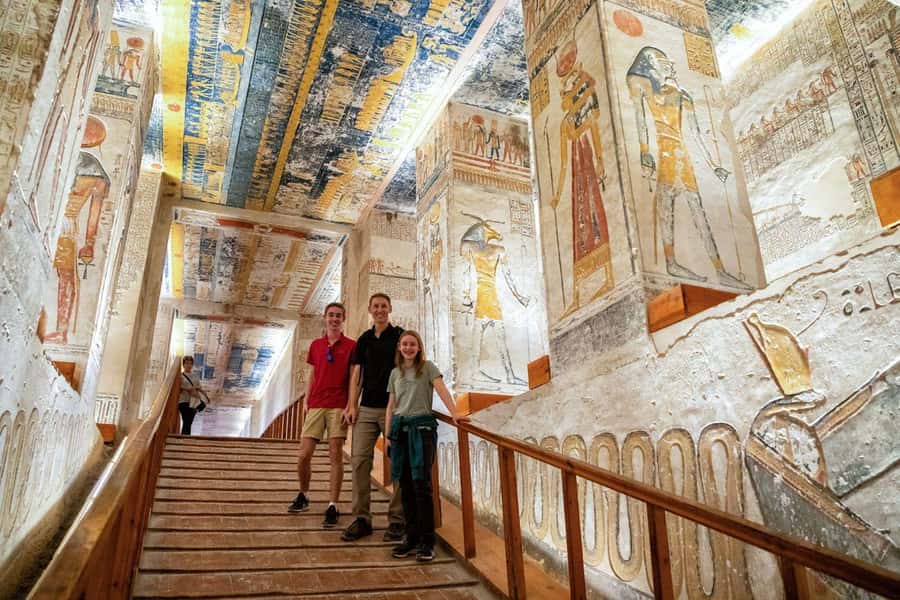
Here you’ll visit the Valley of the Kings, where New Kingdom pharaohs carved tombs into the mountains. The value of this stop is the feeling of intentional secrecy: these tombs weren’t meant to be easy to reach. With a guide, you’re not just looking at doorways—you’re connecting the concept of protection and the idea of what mattered to these rulers.
Temple of Hatshepsut at El Deir El Bahari
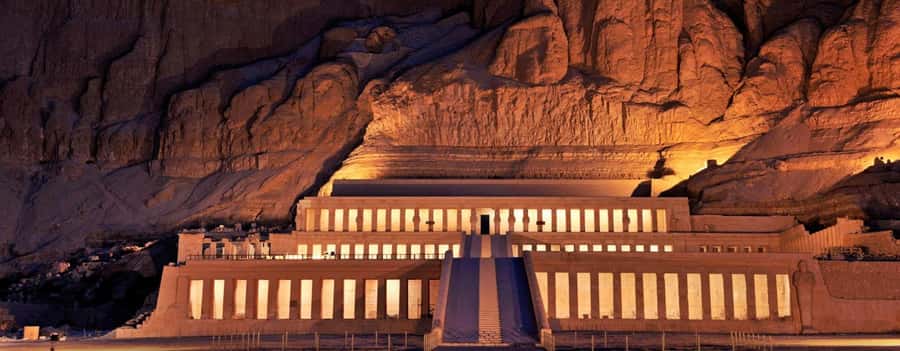
Next is the Mortuary temple of Hatshepsut, with the story behind her reign. The guide helps you understand why her temple stands out, and you’ll see the architecture designed to guide your eyes along terraces and courtyards.
Memnon Statues Photo Stop
You end the West Bank portion with a photo stop in front of the gigantic statues of Memnon. It’s not a long museum-style stop, but it gives you a recognizable landmark for your photos and helps anchor the route.
Lunch is handled at a local restaurant (optional), then you return to the East Bank to finish with Karnak.
This is one of those days where the pace is the product. You’ll feel it in your legs by the end, but you’ll also feel why it’s scheduled this way: you’re seeing the big West Bank sites in the morning light and not spending the whole day stuck in midday heat.
Karnak Temple on the East Bank: 2000 Years, 63 Acres, One Big Walk
After your morning on the West Bank, you head back for Karnak Temple, described as the largest temple complex ever built, growing over 2000 years across about 63 acres.
Karnak is huge, and that size can be your enemy if you wander without structure. This is where the Egyptologist guide matters. You’ll get help sorting what’s most important and why: huge pillars, obelisks, and ceremonial spaces that show the temple complex wasn’t built in one burst. It was a long-term project—politics and religion changing over generations, but still tied to the same sacred idea.
This final stop is a strong way to land the trip because it summarizes the whole theme: Egypt’s monument culture wasn’t one moment. It was a sustained, organized effort to shape meaning in stone.
Food, Comfort, and the Onboard Reality Check
Your cruise includes meals on a full-board basis (breakfast, lunch, dinner for the days covered). You’ll generally find buffet-style variety and plenty of staff support. Several guests specifically praised the quality and organization of the food service.
That said, plan for small extra costs. One review called out that drinks were not included (not even water), so you’ll want cash or a card ready if you’re the type who drinks bottled water throughout the day. Also, a guest mentioned the ship had free WiFi as a small note, so don’t count on it being fast everywhere.
Cabins are described as clean with Nile views, and guests highlighted smooth sailing down the river. For many people, that’s the secret value here: you get the monument schedule without being constantly on the move in taxis and buses.
Price and Value: What You’re Really Paying For
At $1,100 per person, you’re not just paying for a cruise bunk and a few attractions. You’re paying for a full package that includes:
- Domestic flights from Cairo to Aswan, then Luxor, then back to Cairo
- A/C transfers between airports, cruise, and key stops
- A 5-star Nile cruise with meals on board
- An English-speaking Egyptologist guide
- Major sights across Aswan and Luxor, plus hot air balloon flight over Luxor
- Sharing small group for Abu Simbel
So where’s the value? It’s in removing decision fatigue. You’re saving the time of planning transport between cities, booking separate guides for each leg, and trying to line up the timing of temples with the light you want. Egypt is doable on your own, but it’s also easy to overcomplicate. This package aims to do the hard parts for you.
Where the value can wobble is in what’s not included:
- Entrance fees to the mentioned sights
- Tipping, recommended
- Anything not stated in the itinerary
- And as mentioned, drinks on board may cost extra
Also, the schedule is intense. If you’re the type who wants long dinners and slow afternoons, you might feel the “on your toes” feeling that comes with fitting Luxor West and East Bank highlights into a short window.
Who This Nile Cruise Fits Best (and Who Should Pass)
This cruise makes the most sense if you want to see the headline sites with minimal planning. It’s a strong match for:
- First-time Egypt visitors who want a guided flow through Aswan and Luxor
- People who care about explanation, not just photos (especially with guides like Mohamed Gobran called out for clear English and great organization)
- Travelers who don’t mind early wake-ups if it means fewer crowds and better photo conditions
It may be less ideal if:
- You hate early starts or need lots of downtime between activities
- You’re expecting a relaxed pace with minimal transfers
- You’re very sensitive to smooth communication around flight logistics (some guests reported last-minute or uneven updates)
Should You Book This Aswan to Luxor Nile Cruise Package?
If you want the best “efficiency per hour” way to do Aswan-to-Luxor classics, I’d lean yes. The combination of Abu Simbel, Kom Ombo, Edfu, Luxor Temple, Valley of the Kings, Hatshepsut, and Karnak inside a tight 4-day window is exactly what most travelers come for.
Book it if you’re excited by early mornings, you’ll budget for entrance fees and tips, and you’re happy to let the cruise schedule carry most of the planning. I’d also recommend you stay proactive about your flight timing so nothing sneaks up on you.
If you want a gentler pace, or you’d rather spread these monuments over more days, look for a longer itinerary. But for a short, guided, high-impact trip, this is a solid value move for Egypt’s northern river route.
FAQ
What cities are included in the flight plan?
The package includes domestic flights from Cairo to Aswan, then Aswan to Luxor, and finally Luxor back to Cairo.
How long is the experience?
It runs for 4 days, including 3 nights on the Nile cruise.
What stops are included on the cruise route?
You’ll cruise from Aswan toward Luxor with sightseeing stops at Kom Ombo and Edfu.
What’s included for sightseeing with an Egyptologist guide?
You get an English-speaking Egyptology guide for the included sightseeing, including Philae, Abu Simbel (with a sharing small group), Kom Ombo, Edfu, Luxor Temple, Valley of the Kings, Hatshepsut, and Karnak.
Does the trip include a hot air balloon?
Yes. It includes a hot air balloon ride over Luxor sky, with pick-up around 5:00 am.
Is Abu Simbel part of a group tour?
Yes. Abu Simbel is done as a sharing small group with an English-speaking tour guide.
How are meals handled during the cruise?
Meals are included on a full-board basis: breakfast (3), lunch (3), and dinner (3).
What is not included in the price?
Entrance fees to the sights and recommended tipping are not included, along with anything not listed in the itinerary.
When will Luxor Temple and Karnak be visited?
Luxor Temple is visited on the East Bank. There’s a note that if the cruise arrival time at the Luxor dock is by 3:00 or 3:30 pm, there may be time to visit both Karnak and Luxor Temples.