REVIEW · HURGHADA
Hurghada: Cairo Pyramids, Sphinx, Museum & Bazaar Day Tour
Book on GetYourGuide →Operated by OceanAir Egypt · Bookable on GetYourGuide
Pyramids before breakfast. This full-day route from Hurghada to Cairo hits the Giza Plateau, the Sphinx, the Valley Temple, the Egyptian Museum, then finishes with Khan el-Khalili shopping—so you get big visuals and clear context, not just standing in lines. I especially like the early-morning feel and the chance to see the pyramids in nicer light, plus the way the Egyptologist guide turns what you’re looking at into an understandable story. The only real downside: it’s a long day with early pickup and a lot of road time, so plan for fatigue.
What I like even more is that the day is built to connect the dots. You start at Giza, then move into the Egyptian Museum where you can spot real artifacts (and even some famous Tutankhamun pieces, depending on the route and timing), and only after that do you wander the old-street buzz around Khan el-Khalili and El Moez Street. It’s the kind of day that makes Cairo feel less confusing and a bit more personal—like you earned your way there.
In This Review
- Key points to know before you go
- Hurghada to Cairo: the Timing That Makes or Breaks Your Day
- The Giza Plateau: Great Pyramid First, Then the Mortuary Temples
- The one add-on you should think about
- Crowds and photo expectations
- The Sphinx and Valley Temple of Khafre: Beyond the Postcard
- Egyptian Museum: Where Artifacts Turn Monuments Into Meaning
- Museum pace: expect “full day,” not “slow day”
- Lunch in Cairo: Fuel for a Day That Doesn’t Stop
- Khan el-Khalili and El Moez Street: Shopping with Old-Street Context
- How to shop without losing your patience
- The Guide Factor: Real Egyptologists, Real Problem-Solving
- Comfort, Group Size, and the Stuff You’ll Feel on Your Body
- Value Check: Is $87 Worth It for Hurghada to Cairo?
- Should You Book This Cairo Day Tour from Hurghada?
- FAQ
- How much is the Hurghada to Cairo day tour?
- What’s included in the tour besides transport?
- Is entry inside the Great Pyramid included?
- How long is the day?
- What should I bring?
- Can I bring luggage?
- Is lunch included?
- Can I buy entry tickets with cash on-site?
- What languages are available for the guide?
Key points to know before you go
- Pre-dawn pickup and a sunrise drive set the tone early, with air-conditioned transport and a cooler start
- Great Pyramid + Sphinx area tickets are included, but entering the pyramid costs extra
- Valley Temple of Khafre isn’t just a detour—it adds the funerary “why” behind the monuments
- Egyptian Museum entry is included, and it’s where the artifacts make the pyramid story click
- Khan el-Khalili + El Moez Street are built in, so you shop with the day still moving
- Good guidance matters: past groups have been led by professional Egyptologists such as Ramy, Michael, Amir, Ahmed, Ahmad, Emil, Samaa, Gioia, and Ismael
Hurghada to Cairo: the Timing That Makes or Breaks Your Day
This tour is a full-day commitment, and you feel it in two ways: early pickup and a long ride. You start with hotel pickup in Hurghada, then travel to Cairo in an air-conditioned minivan or bus. Along the way, there’s even a sunrise-drive element through the mountains—some areas reach about 500 meters above sea level—so the morning doesn’t just feel like transit.
This is also where your “how do I prep” choices matter. Wear comfortable shoes, bring a hat, and keep your body ready for standing time. The good news: you’re not figuring out logistics or ticket queues on your own. The ride is organized, and you meet your Egyptologist guide once you arrive.
One practical tip that can make the morning easier: your hotel can prepare a breakfast box that you pick up before pickup. Grab it if offered—this tour runs on momentum, and Cairo mornings don’t wait for you.
You can also read our reviews of more museum experiences in Hurghada

The Giza Plateau: Great Pyramid First, Then the Mortuary Temples
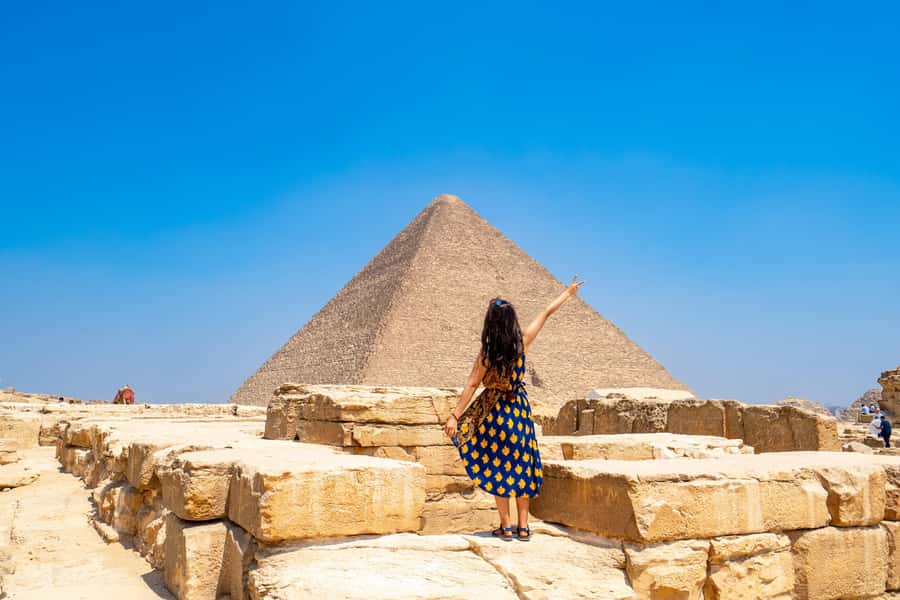
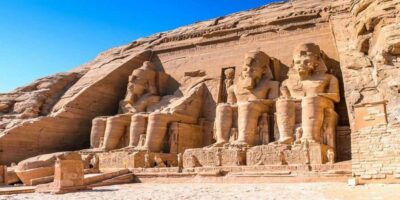
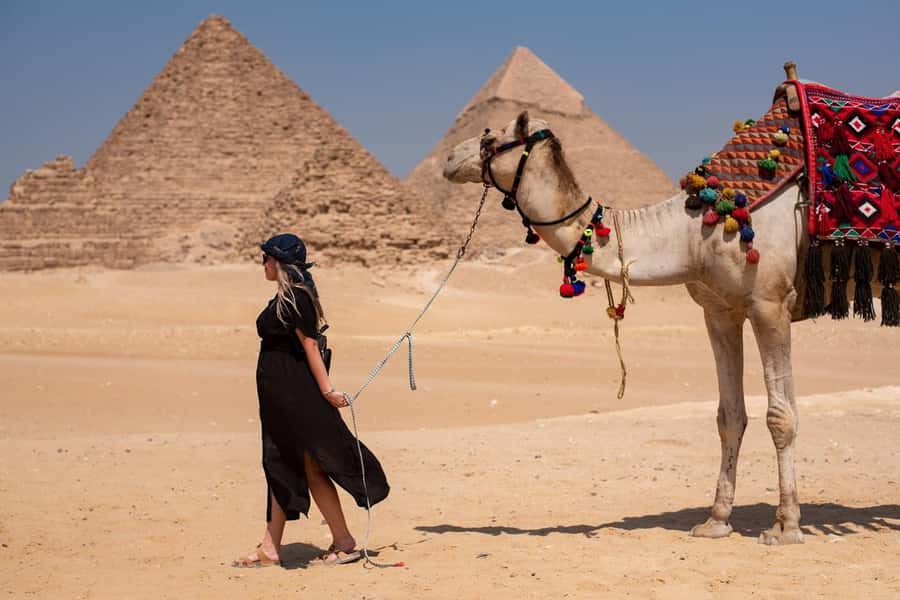
Once you’re on the Giza Plateau, the day goes straight to the headline: the Great Pyramid of Giza, built for Pharaoh Khufu (often called Cheops). It’s the oldest of the Seven Wonders of the Ancient World—and seeing it from the outside with a guide who explains what you’re looking at changes everything.
You don’t just walk past stone. You get to understand the purpose behind the shape: a pyramid isn’t an abstract symbol here. It’s tied to a ruler’s afterlife beliefs and the monument complex around it. That’s why the tour also includes the mortuary temples tied to rulers such as Cheops, Chephren, and Mykerinus. Even if you’re not a walking encyclopedia, you’ll leave with a clearer mental map of how the different sites relate.
The one add-on you should think about
Entry inside the Great Pyramid isn’t included. It’s available as an add-on, and that choice is personal. If you love tight, historical spaces and don’t mind a bit of extra effort, add it. If you prefer broader views and more time at open areas for photos, you can skip it and still have plenty of pyramid time.
Crowds and photo expectations
Giza can get crowded. The tour includes entry to the Pyramids and Sphinx area, which helps, but you’ll still want realistic expectations about photo angles when lots of people are there. A skilled guide helps you find better viewing moments and explains where to focus your camera so you don’t spend the day snapping random fragments of stone.
The Sphinx and Valley Temple of Khafre: Beyond the Postcard
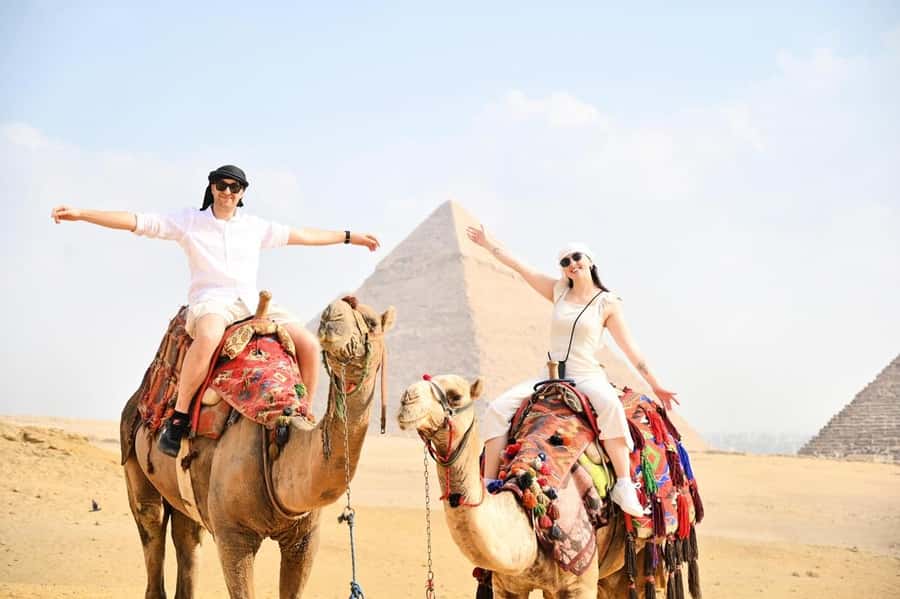
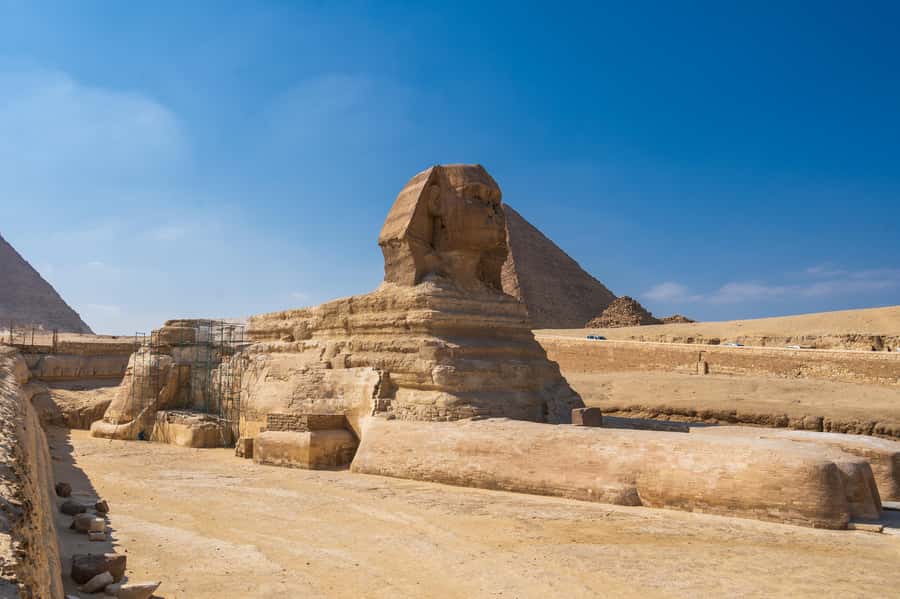
After the pyramid complex, you head to the famous Sphinx and then to the Valley Temple of Khafre. The Sphinx is instantly recognizable, but up close it’s one of those things that looks both enormous and slightly surreal—like it doesn’t belong to modern scale. Here, the benefit of a guide isn’t hype. It’s orientation: what the Sphinx represents, how it fits visually with the surrounding monuments, and why the placement matters.
Then comes the Valley Temple of Khafre. This stop connects the dots between “the big exterior” and the funerary landscape. The Valley Temple is linked to Khafre, and it gives you that missing layer: the pyramids weren’t just built, they were part of a larger ritual and movement system. Standing there after seeing the Great Pyramid changes the way the complex feels. You stop thinking only in monuments and start thinking in process.
Photo tip, no fancy talk: slow down here. You’ll get better pictures if you pause to notice the temple details and the Sphinx framing, rather than sprinting for the one perfect shot.
You can also read our reviews of more shopping tours in Hurghada
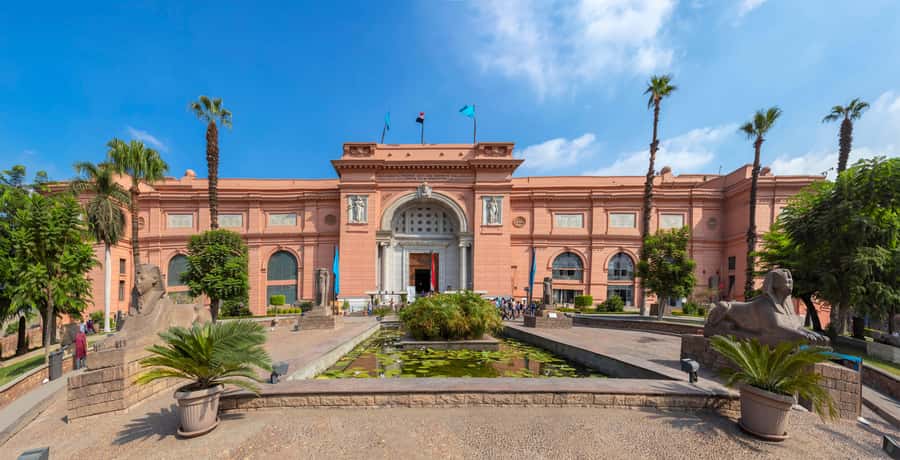
Egyptian Museum: Where Artifacts Turn Monuments Into Meaning
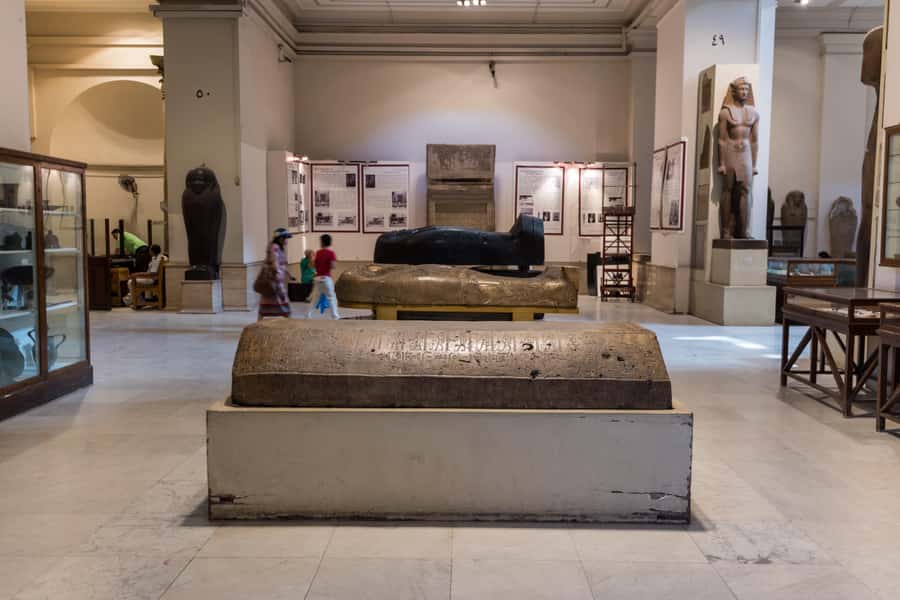
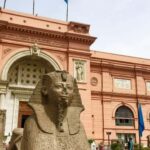
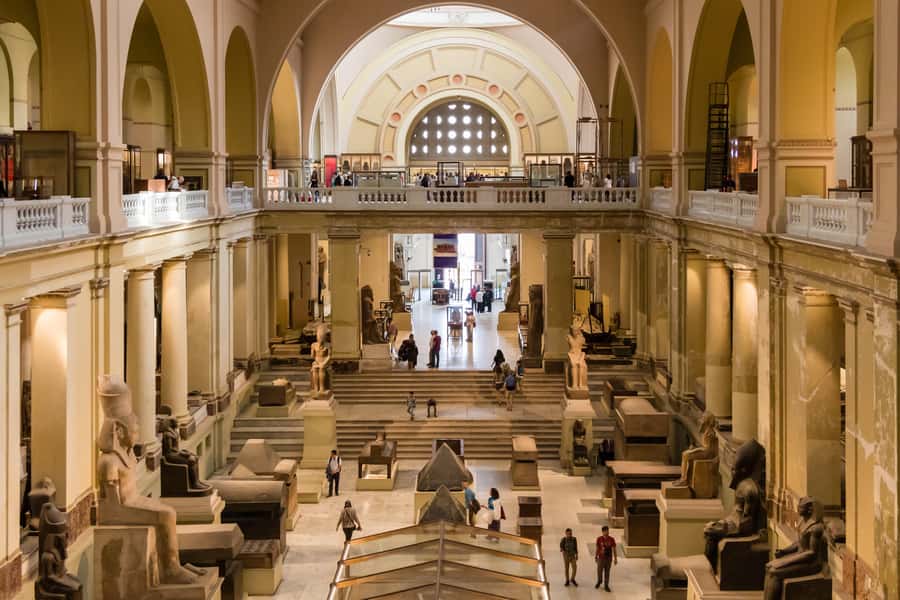
Once lunch is out of the way, you move to the Egyptian Museum. Entry is included, and the museum is described as holding around 170,000 artifacts from ancient Egypt. That’s a lot, so the key is not “see everything.” The key is “see enough to make the day click.”
This is where I love the structure. You’ve already been staring at monumental stone. Now you’re looking at carvings, sculptures, and objects tied to the same time periods and beliefs. With a good Egyptologist guide, you’ll understand what you’re seeing instead of letting the museum become a confusing pile of rooms.
In past visits, groups have spent time on major Tutankhamun-related displays such as the sarcophagus and a burial mask. Even if your specific highlights vary with the day’s route and access, you’ll still leave with a stronger sense of why the pyramids and temples matter beyond their size.
Museum pace: expect “full day,” not “slow day”
This tour is designed to cover several big stops, so museum time may feel focused rather than leisurely. If you want a museum day where you can read every placard, this isn’t that plan. But if you want meaningful hits that tie back to Giza, it’s a solid way to do it in one day.
Lunch in Cairo: Fuel for a Day That Doesn’t Stop
Lunch is included at a local restaurant. I like this detail because it prevents the classic day-trip problem: everyone starts bargaining for food while the schedule collapses. A built-in lunch also helps you keep energy stable for Khan el-Khalili afterward.
Keep it simple with your prep. Drink water before you sit down and plan for warm weather. Cairo in daytime can feel heavy, and your comfort affects how much you enjoy the shopping walk later.
Khan el-Khalili and El Moez Street: Shopping with Old-Street Context
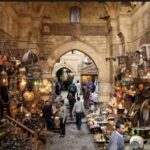
After the museum, you get free time to wander Khan el-Khalili Bazaar. This is the part of the trip where you shift from “history lesson” to “Cairo street life.” You can shop for souvenirs and gifts, but the bigger value is the texture: narrow lanes, constant motion, and a living market feel.
This tour also includes a visit to El Moez Street, which helps ground the shopping area in something more than just commercial noise. You’re not only buying; you’re seeing another side of Cairo’s old fabric.
How to shop without losing your patience
Shopping in a bazaar can be fun, but it can also get pushy. Go in with a strategy: decide what you want before someone starts describing the world’s best scarf to you. Keep small notes of what you want to pay, and remember you can always walk away. A good guide can also help you avoid common trouble spots or aggressive pitches.
If your priority is photos rather than buying, you’ll still enjoy the wandering—just wear shoes that can handle uneven pavement and long stretches.
The Guide Factor: Real Egyptologists, Real Problem-Solving
This is one of those tours where the guide can turn a “list of sites” into an actual experience. The tour includes a professional Egyptologist guide, and the guide quality shows up in the little things: answering questions clearly, keeping the group safe, and smoothing the chaos that can happen in major tourist areas.
In the best versions of this day, guides like Ramy, Michael, Amir, Ahmed, Ahmad, Emil, Samaa, Gioia, and Ismael have been praised for being attentive and for going beyond the script—helping people with practical needs, handling concerns quickly if someone feels unwell, and giving advice on how to deal with scams around the pyramids.
Language options are also a win: you can find tours running in English, French, German, and Italian. If you’re not a strong Arabic reader, that translation support matters.
My advice: bring questions. Ask how the monuments connect, ask what the Valley Temple signals, ask why the museum pieces matter. If your guide is on the ball, you’ll get answers that make the stones feel less silent.
Comfort, Group Size, and the Stuff You’ll Feel on Your Body
The ride is in an air-conditioned vehicle, and that’s not a luxury detail when you’re traveling from Hurghada to Cairo. You’re in for hours of transit, so AC helps your energy survive the day.
Group size can shape your comfort. One version of this trip has run with a small group (around 15) that felt personal. That kind of size tends to keep the pace human—less waiting, fewer bottlenecks at photo stops, and easier guide attention.
Two comfort notes that are clearly part of the tour rules:
- No large bags or luggage allowed
- The tour is not suitable for wheelchair users
So pack light. And if you’re someone who hates carrying a tote all day, bring a compact day bag that stays manageable.
Value Check: Is $87 Worth It for Hurghada to Cairo?
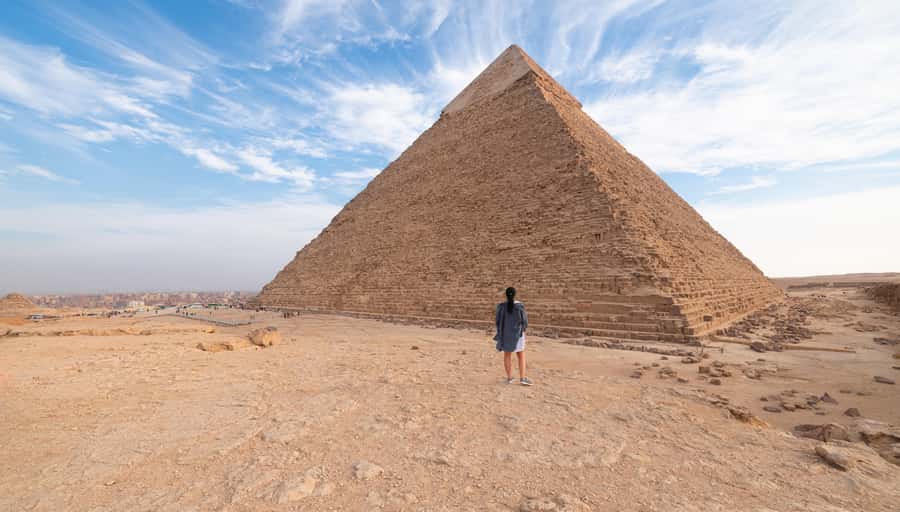
At $87 per person, this tour can be good value because it bundles the hardest parts of a day trip:
- Hotel pickup and drop-off
- Air-conditioned transport
- Egyptologist guide
- Lunch
- Entry tickets to the Pyramids and Sphinx area, Valley Temple of Khafre, the Egyptian Museum
- Visits to Khan el-Khalili and El Moez Street
If you tried to recreate this independently, you’d likely spend time on planning and juggling multiple reservations. You’d also pay for transport and entry fees one by one, and you’d still need someone to help with pacing and site understanding.
What’s not included matters too. Entry inside the Great Pyramid is an add-on, and personal expenses are on you. If you really want the inside pyramid experience, factor that extra cost into your budget. If you don’t, you can still get a complete Giza-to-museum day.
For first-time visitors who want a guided “greatest hits” day without chaos, this price can make sense.
Should You Book This Cairo Day Tour from Hurghada?
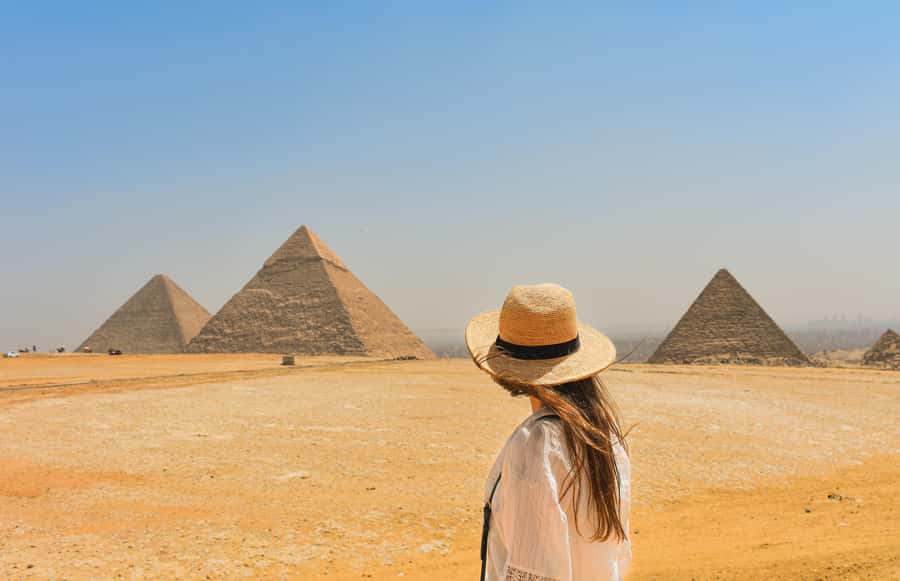
I’d book it if you want one day that connects the dots: pyramid complex → Sphinx and Valley Temple → museum artifacts → old-street market atmosphere. You’ll get a structured plan, included entry tickets, and a guide who can explain the monuments instead of leaving you with vague impressions.
Skip (or think twice) if you:
- Hate long days and early mornings
- Want an unhurried museum session where you read every label
- Need wheelchair access (this one isn’t designed for that)
- Plan to carry heavy luggage (the tour doesn’t allow large bags)
If you’re the type who likes big sights but also wants understanding, this is a strong way to do Cairo from Hurghada without turning the trip into a logistics project.
FAQ
How much is the Hurghada to Cairo day tour?
The price listed is $87 per person.
What’s included in the tour besides transport?
Hotel pickup and drop-off, air-conditioned transportation, a professional Egyptologist guide, lunch at a local restaurant, entry tickets for the Pyramids and Sphinx area, the Valley Temple of Khafre, the Egyptian Museum, and visits to Khan el-Khalili and El Moez Street.
Is entry inside the Great Pyramid included?
No. Entry inside the Great Pyramid is available as an add-on.
How long is the day?
It’s a full-day trip, and the total duration includes both pickup and drop-off.
What should I bring?
Bring your passport or ID card, comfortable shoes, and a hat.
Can I bring luggage?
No. Luggage or large bags are not allowed.
Is lunch included?
Yes. Lunch is included at a local restaurant.
Can I buy entry tickets with cash on-site?
If you buy tickets on-site, the Egyptian Ministry of Tourism says travelers must purchase using a card; cash is not accepted.
What languages are available for the guide?
The tour languages listed are French, German, Italian, and English.