REVIEW · HURGHADA
Hurghada: Grand Egyptian Museum, Pyramids & Sphinx Day Tour
Book on GetYourGuide →Operated by OceanAir Egypt · Bookable on GetYourGuide
A trip to Cairo from Hurghada starts way before dawn. What makes this one special is the one-day hit list: Giza at first light, then the Grand Egyptian Museum later when you can focus without rushing.
I like how this tour is built around the big visuals and the key context. First, you get guided time at the Great Pyramid area, then you move through the Sphinx and Valley Temple section so the burial-story makes sense. Second, the museum stop targets the kind of artifacts that answer the big questions, not just the photo spots.
The main consideration is the long day. You’re committing to a very early pickup and a substantial road trip, and museum time can feel tight if you’re a slow-walker.
In This Review
- Key things I’d bank on
- Hurghada to Cairo: early pickup and long coach ride reality
- Giza Pyramids with an expert: what you should focus on first
- Sphinx area and Valley Temple: the “why” behind the route
- Egyptian lunch in Cairo: fuel for the afternoon museum run
- Grand Egyptian Museum (GEM): how to make two hours count
- The guide, skip-the-line access, and how the day stays smooth
- Price and value: is $115 a good deal for this long day?
- Should you book the Hurghada to Cairo Pyramids and GEM day tour?
- FAQ
- What time is pickup in Hurghada?
- How long is the drive to Giza and Cairo?
- What’s included at Giza besides the pyramids?
- Is lunch included, and do drinks come with it?
- What happens if the Grand Egyptian Museum is closed?
- Can I enter the Khafre Pyramid?
Key things I’d bank on
- A very early start from Hurghada, usually around 00:45–02:00, plus a long transfer time to Cairo
- Guided time at Giza that helps you understand pyramids, the Sphinx, and the Valley Temple route
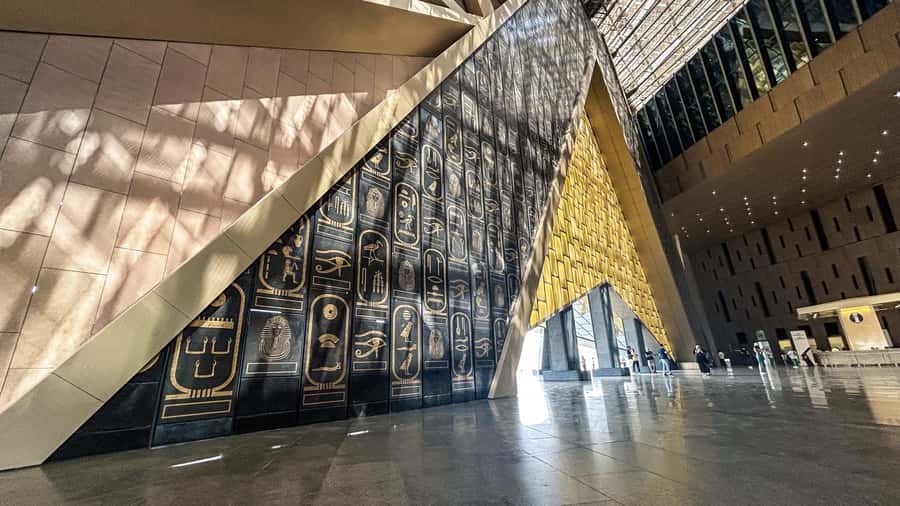
- Grand Egyptian Museum highlights with access to a massive collection and major royal finds
- Practical comforts on the coach like air-conditioning, toilet access, and bottled water (and often snack bags)
- A tour guide who stays active all day so you’re not stuck guessing what matters most
Hurghada to Cairo: early pickup and long coach ride reality
This is the kind of trip where you go to sleep early, because the day begins in the dark. Pickup is listed at 2:00 AM from your Hurghada hotel, and recent departures show it can be even earlier, around 00:45. You’ll be collected from the main gate along the highway (not reception), so check that with your hotel staff the night before.
The transfer time is scheduled around 6 hours each way, but plan for more depending on traffic and road conditions. Several guides and drivers keep the group moving with stops, and many departures include snack bags on the coach, plus bottled water. There’s also often a toilet on board, which makes those longer stretches feel less stressful.
If you’re tall, the ride can still be uncomfortable in cramped seating. I’d treat this like a bus day and prepare accordingly: wear layers, bring something small for comfort (even a travel pillow if you use one), and keep your phone charged for photos once you’re near Giza.
You can also read our reviews of more museum experiences in Hurghada


Giza Pyramids with an expert: what you should focus on first
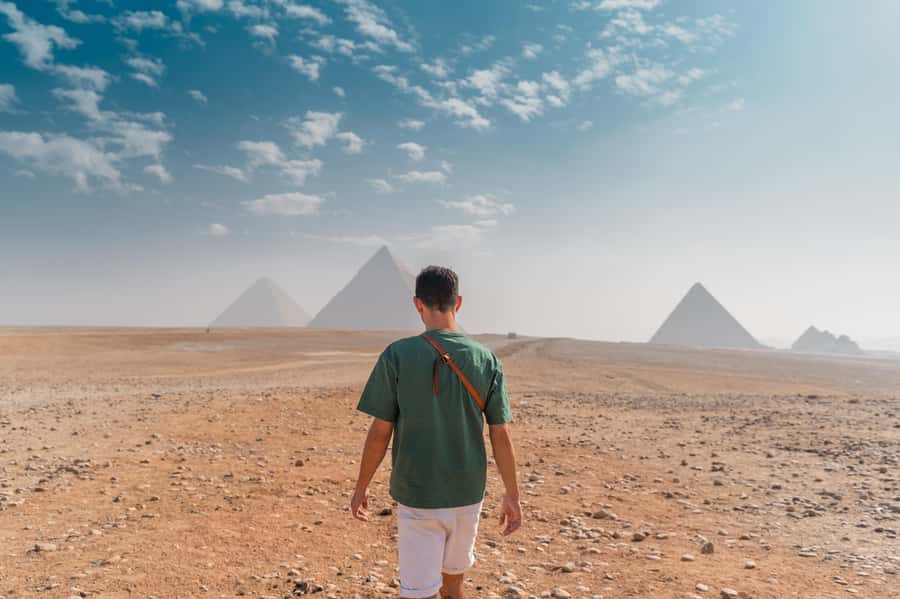
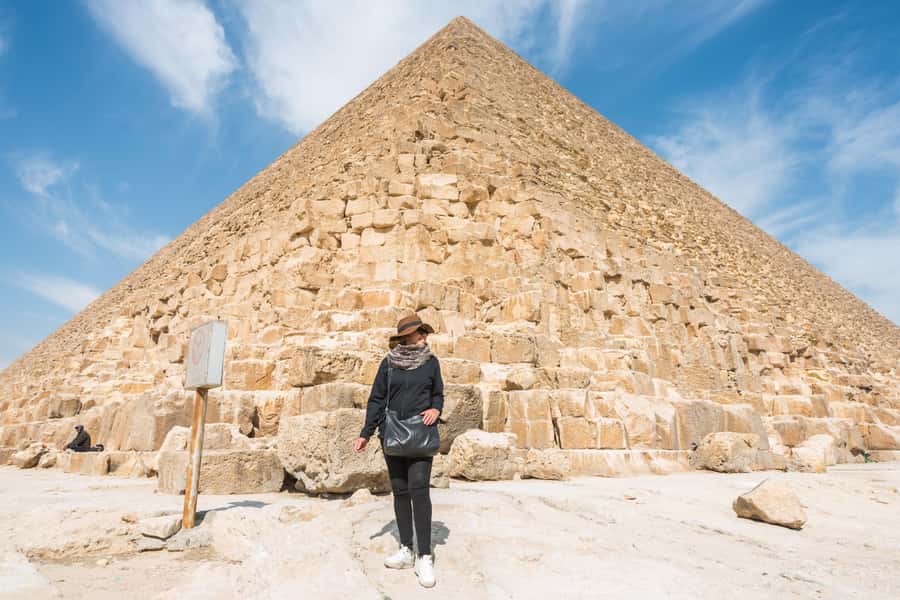
You start at Giza with a guided walkthrough that covers the Great Pyramid of Giza plus the nearby pyramids of Khafre and Menkaure. Seeing them on your own is impressive. Seeing them with a guide who points out how the complex is laid out is better, because you start noticing details like orientation, viewing angles, and why the site feels planned rather than random.
The Great Pyramid is the headline for obvious reasons. It’s one of the Seven Wonders of the Ancient World, and the scale hits you fast once you get close. What I like about the way this tour sequences Giza is that you don’t only stare at one monument—you move along the wider pyramid zone and build a mental map.
There’s also a useful option to consider: entry inside the Khafre Pyramid is not included by default, but it can be added as an option. If you’re the kind of traveler who likes to step into historical spaces, that extra cost may be worth it. If you’re not, you can still get a full day’s worth of seeing and understanding without going inside.
Practical note: the pyramids area can be busy. Keep your expectations calm. You’ll want your guide for timing, photo positioning, and avoiding the guesswork of where to stand for the best views.
Sphinx area and Valley Temple: the “why” behind the route
After the pyramids, the route shifts to the Great Sphinx area with guided time and a shorter walk window. The Sphinx is the kind of landmark that makes you feel like you’ve stepped into a riddle. What makes a guided stop here valuable is context: you learn how people tied it to the broader sacred landscape, not just to one famous face in the sand.
Then comes the Valley Temple of Khafre. This stop matters because it connects the visual pieces to burial practice. You’re told it was part of the ancient rituals associated with mummification and preparation for the afterlife, and that’s exactly the point of visiting it on the same day as the pyramids. You see the route as a system: a royal landscape with intentional movement between sites.
The walk time is relatively short, so don’t expect hours of wandering. Instead, treat it like a guided “site reading.” Ask your guide to show you what to notice in the stonework and where the viewpoint lines up with the story of the complex.
Egyptian lunch in Cairo: fuel for the afternoon museum run

Cairo is not a quick stop, and the day is structured so lunch comes after the main Giza portion. You get lunch at a local restaurant, and that’s a practical win: you’re not hunting for food in a place where time gets eaten by logistics.
Drinks during lunch are not included, so plan for that. If you want coffee or something sweet, you may need to pay separately. Also, if you’re sensitive to spicy food, it helps to tell your guide or pick simpler items when you order—Egyptian menus are usually friendly, but buffet-style meals and hot spices vary by restaurant.
This lunch window is also a turning point mentally. After standing in the sun near Giza, you want a reset so you can handle the museum properly. Hydrate early and pace yourself. By the time you reach the Grand Egyptian Museum, you’ll appreciate having your energy.
Grand Egyptian Museum (GEM): how to make two hours count
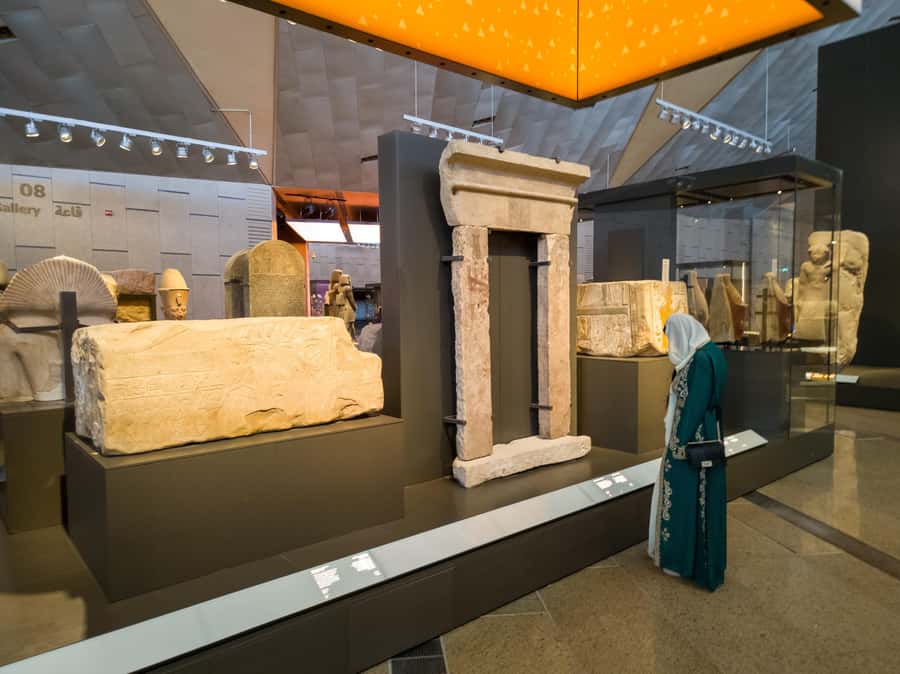
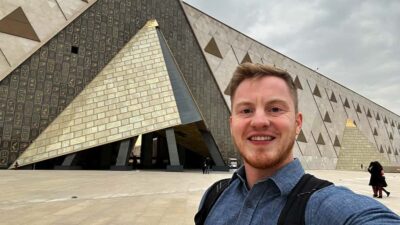
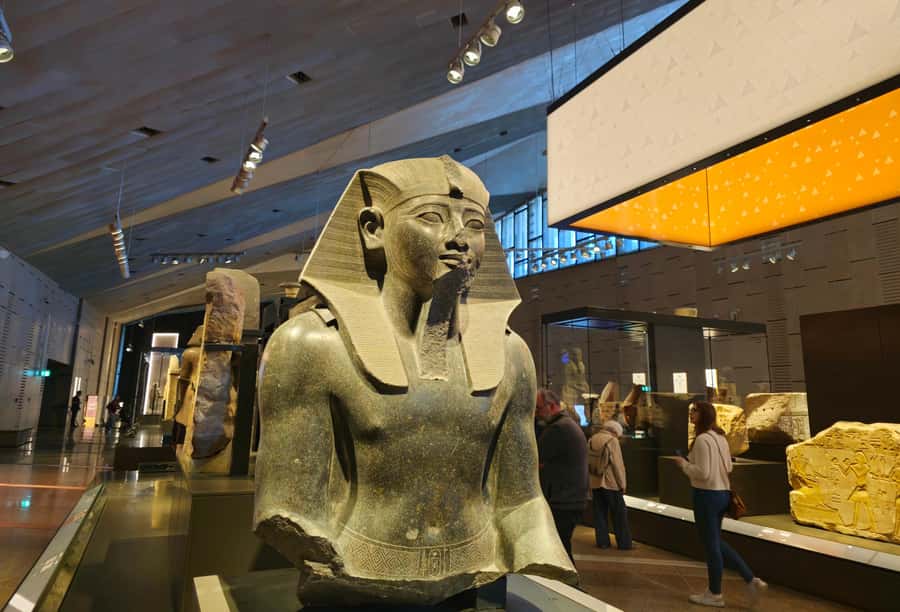
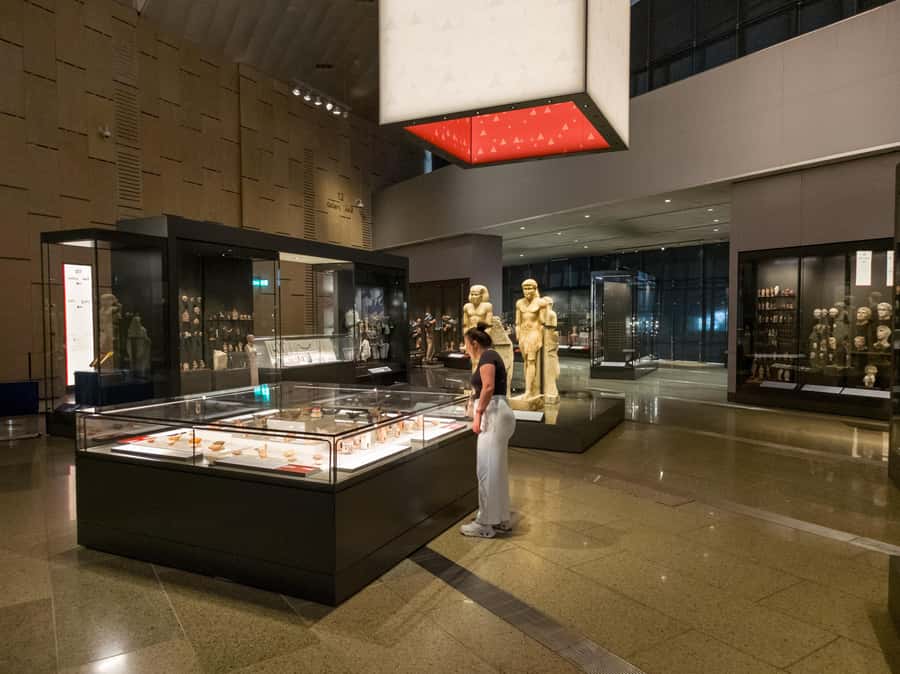
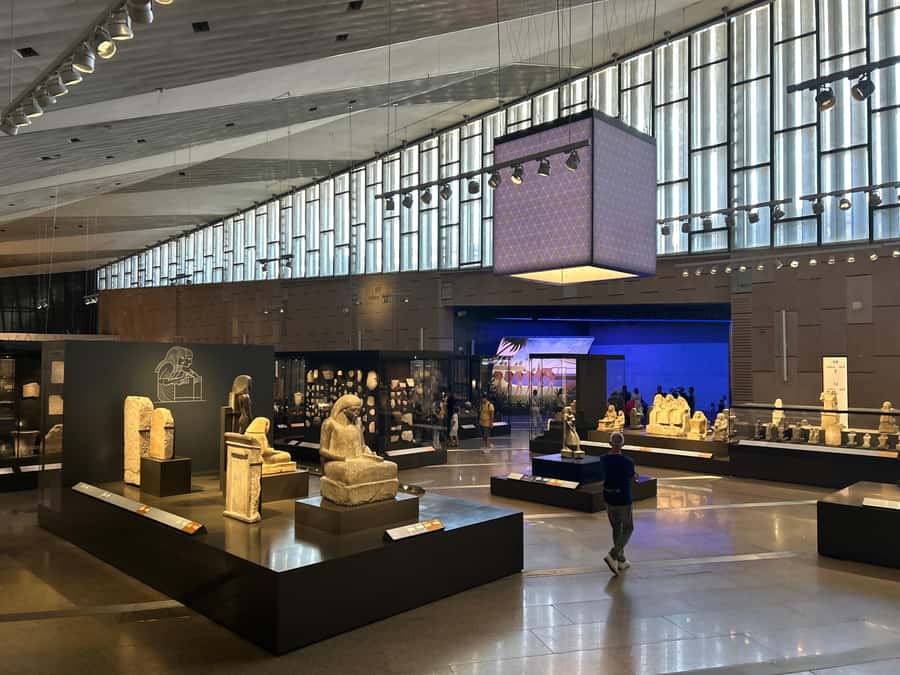
The Grand Egyptian Museum (GEM) is the anchor of the afternoon. It’s presented as the world’s largest archaeological museum with over 100,000 artifacts, including King Tutankhamun’s treasures. The museum is where the day shifts from monuments in the desert to artifacts that explain the civilization behind them.
The tour includes guided museum time, plus entry tickets and general access. The scheduled museum window is about 2 hours, but the reality can vary. Some departures reported closer to 3 hours, while one set of feedback complained about a very short time there. So you should assume two hours is the standard baseline and decide what you want most: Tutankhamun highlights, royal artifacts, or a broader sweep across galleries.
If you’re trying to see everything, you won’t. GEM is massive. What works best is using your guide to set priorities, then letting the rest become “bonus finds.” Ask for the main rooms tied to Tutankhamun and the big themes of the collection. That way, even if your time is tight, you still leave with the story in your head.
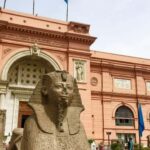
One more helpful detail: if GEM is closed for any reason, your visit is replaced with the Egyptian Museum in Tahrir Square. That’s a backup plan you’ll feel good about when you’re tired and trying to understand what’s changed.






The guide, skip-the-line access, and how the day stays smooth
This tour leans hard on the “people part.” You get a professional Egyptologist tour guide (English, French, German). The best value here is not just facts—it’s keeping you moving in the right order and explaining what you’re looking at in plain terms.
Skip-the-ticket-line access is included for the main sites in the Giza and museum sequence. In a place where queues can balloon, that small time-saver matters, especially on a day that already starts at dawn.
Safety and group handling also come up in real-world feedback. Many recent groups described an added security guard presence, which can make you feel calmer while navigating crowded areas. Whether you’re taking photos or walking through a market-like vibe near the attractions, having staff and a guide managing the group makes a noticeable difference.
Group pace is generally designed to prevent the “stand around waiting” problem. Guides help with timing, photo moments, and answering questions as you move. Some departures also include a short extra stop for papyrus-related shopping or a perfume shop. If you care about keeping free time for more museum viewing, just remember these stops can eat a few minutes—so you may want to stay flexible.
Price and value: is $115 a good deal for this long day?
At $115 per person, you’re paying for a full-day package from Hurghada: early pickup, round-trip transfer, guided time at multiple major sites, lunch, museum admission, and bottled water. That total is the real bargain lever, because Cairo logistics on your own can get pricey quickly once you add transport, timed entry, and a guide who actually helps you understand what you’re seeing.
Where the price can feel “worth it” is the expert coaching at both ends of the day. Giza without guidance often turns into lots of photos and not much comprehension. GEM without a guide can become wandering. Here, you’re paying to connect the monuments to the objects.
What could make it feel less perfect is the time squeeze. Two hours at GEM is great for highlights, not great for deep viewing. If your museum style is slow and detailed, you might wish for more time there. Still, given the road distance and the fact this is a one-day trip, you’re getting a practical stack of major experiences instead of one or two.
Should you book the Hurghada to Cairo Pyramids and GEM day tour?
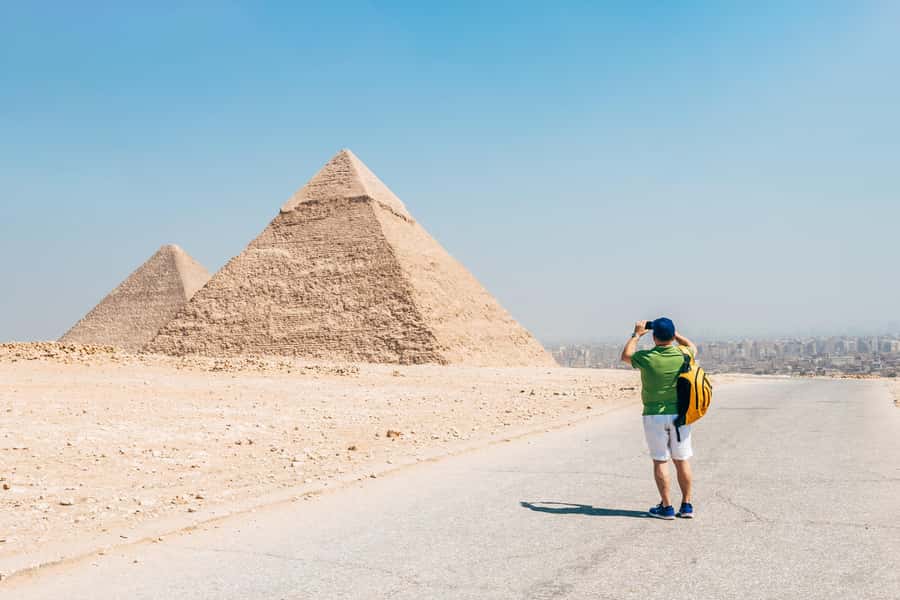
Book it if you want a single, organized day that hits the Pyramids, Sphinx, Valley Temple, and the Grand Egyptian Museum with a guide who ties everything together. It’s a smart pick if you’re short on time in Egypt but still want more than surface sightseeing.
Skip it (or consider flying) if you hate very long transfers, because the day starts around 00:45–02:00 and the road time can stretch beyond schedule. Also reconsider if you’re the type who needs hours alone in the museum, since the GEM stop is time-limited by the overall day structure.
If you do book, go in with a good strategy: prioritize your must-see museum themes, bring a little comfort for the coach ride, and meet your guide’s timing with enthusiasm. This trip works best when you treat it like an all-day story with chapters, not a checklist.
FAQ
What time is pickup in Hurghada?
Pickup is listed for 2:00 AM, and recent departures show it can be earlier, around 00:45. Your exact time depends on the tour schedule.
How long is the drive to Giza and Cairo?
The transfer is scheduled at about 6 hours each way. Some departures have taken longer due to road conditions and traffic.
What’s included at Giza besides the pyramids?
You’ll also visit the Great Sphinx area and the Valley Temple of Khafre, with guided time at each stop.
Is lunch included, and do drinks come with it?
Lunch at a local restaurant is included. Drinks during lunch are not included.
What happens if the Grand Egyptian Museum is closed?
If GEM is closed, the visit is replaced with the Egyptian Museum in Tahrir Square.
Can I enter the Khafre Pyramid?
Entry inside the Khafre Pyramid is not included by default. It’s available only if you book the option in advance.