REVIEW · ASWAN
Aswan: High Dam, Unfinished Obelisk, Philae & Nubian Village
Book on GetYourGuide →Operated by Nice Tours · Bookable on GetYourGuide
Aswan doesn’t do half measures. One trip ties together Philae Temple on its island, the strange Unfinished Obelisk, and Aswan’s modern engineering in a smooth 6-hour loop. I really like how the tour connects ancient religion, royal ambition, and today’s power and irrigation—right there along the Nile. You also get a private guide, so the stops feel explained instead of rushed sightseeing.
Two things I especially like: the chance to see Philae by motorboat with the river between you and the temple, and the way the Unfinished Obelisk shows the process—stone, marks, and the moment work stopped. One consideration: the Nubian Village portion can feel short and more tour-oriented, and in some cases the village itself may offer fewer explanations than the temple and monuments.
If you want value, this one is built for it: hotel pickup in Aswan, entrance fees included, and a real Egyptologist guide to translate what you’re looking at into something you can actually picture.
In This Review
- Quick points before you go
- Philae Temple: Isis on an Island, and Why the Nile Changed It
- Unfinished Obelisk: The Royal Project That Never Finished
- Aswan High Dam: The Nile’s New Rules in 3.6 Km of Concrete
- Nubian Village: Painted Alleys, Culture, and the Time-Squeeze Reality
- How the 6 Hours Work: Boat, Quarry, Dam, Village (Without Feeling Lost)
- Price and Value: Is $95 Fair for Philae, the Boat, and Entrance Fees?
- Guide Choice: Why Names Like Ahmed, Mary, Heba, and Mariana Matter
- Practical Tips That Make the Day Easier
- Should You Book This Aswan High Dam, Philae & Unfinished Obelisk Tour?
- FAQ
- How long is the tour?
- What’s included in the price?
- Are the Unfinished Obelisk, Philae Temple, High Dam, and Nubian Village all part of the tour?
- Is the Philae boat ride included?
- Is there an extra charge for pickup outside central Aswan?
- What’s the cancellation policy?
Quick points before you go
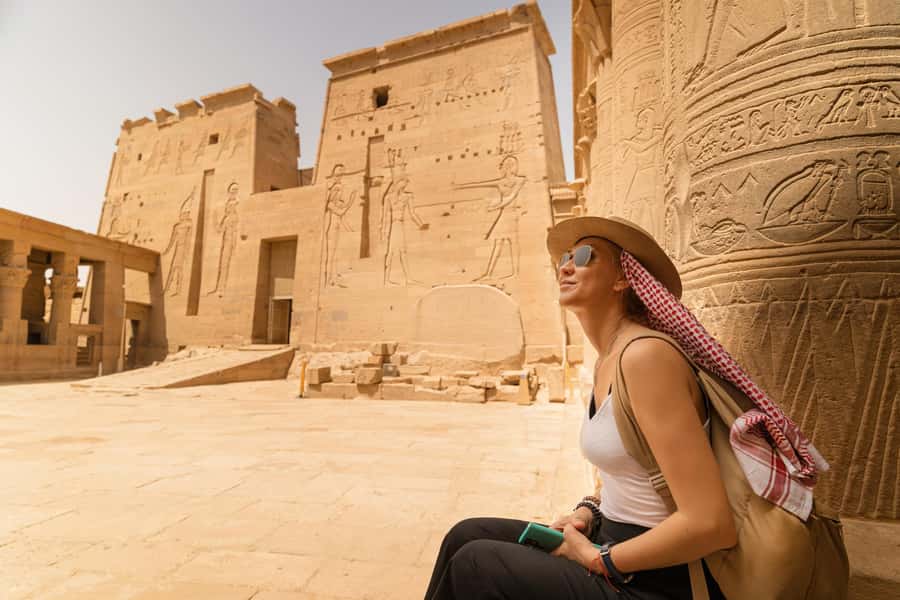
- Philae Temple by boat: You see how the Nile frames the island setting, not just the carvings.
- Unfinished Obelisk’s cracks: The unfinished state is the point; it shows the stone-carving reality.
- High Dam scale: You’ll walk away with hard numbers—3.6 km long, 111 m tall, and Lake Nasser created.
- Nubian Village time varies: Expect painted alleys and culture, but also a more commercial feel in parts.
- Guide quality can be the whole difference: Names like Mary, Ahmed, Heba, Mariana, and Eman come up often for a reason.
Philae Temple: Isis on an Island, and Why the Nile Changed It
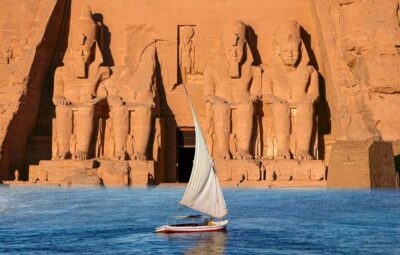
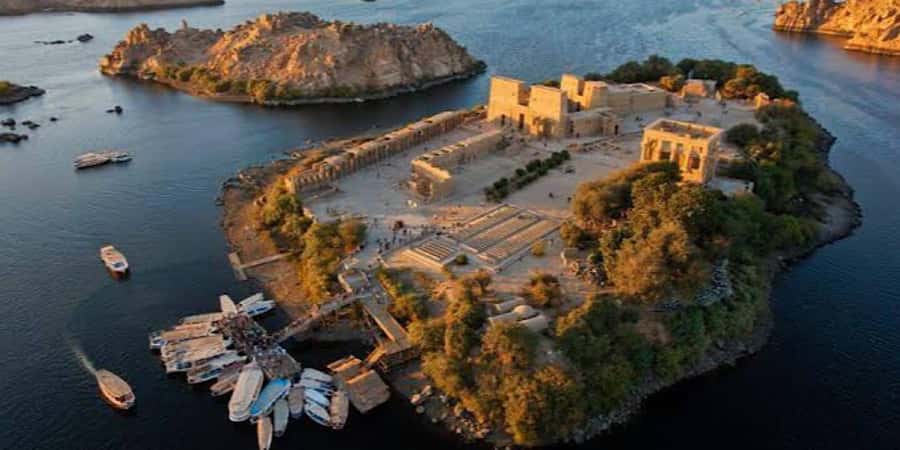
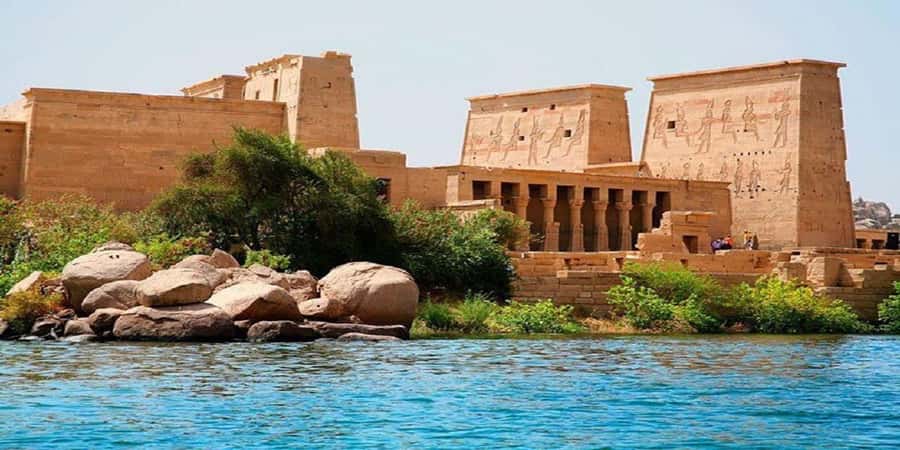
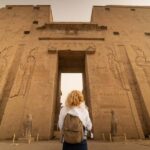
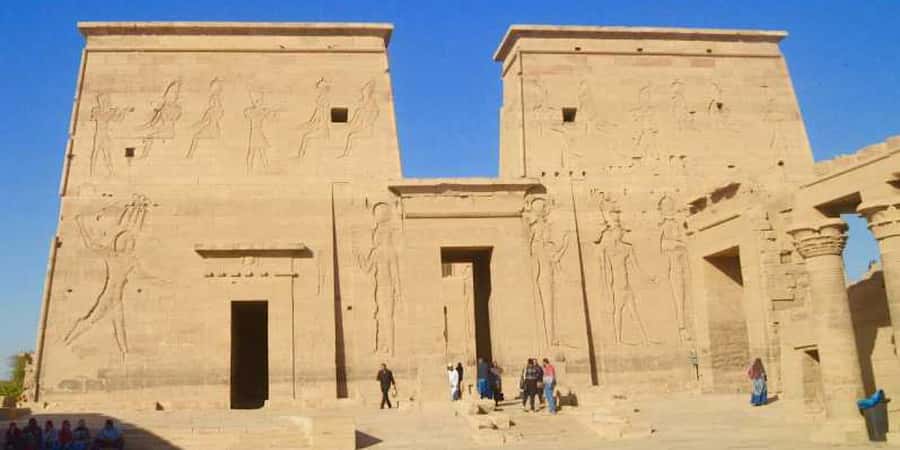
Philae Temple is one of those places where your first reaction is visual, then your brain catches up to the story. You’re headed to an island temple dedicated to the goddess Isis, reached after a motorboat ride that puts the river in the middle of everything. It’s a simple way to make the setting feel real—water, stone, and distance—before you even start reading the walls.
What makes Philae so compelling is the rescue story. The complex was among the last ancient temples still active, continuing until Byzantine Emperor Justinian I (527–565 AD). Then came the High Dam era, and Philae had to be saved from being submerged. Standing there means you’re looking at old stone paired with modern preservation choices—history that survived because people decided it mattered.
If you’re into details, this is where an Egyptologist guide pays off. A good guide will point out how the reliefs and carved details fit together, and you’ll get help interpreting the hieroglyphs and cartouches you’re seeing. In practice, guides such as Mary, Heba, and Eman are specifically mentioned for clear explanations and a calm pace that lets you look instead of just moving on.
Practical note: the temple is visually dramatic, but it’s also physically a walking stop. Wear shoes you’re comfortable with, and give yourself time to slow down for photos without feeling guilty about the pace.
You can also read our reviews of more tours and experiences in Aswan.


Unfinished Obelisk: The Royal Project That Never Finished
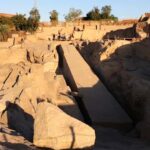
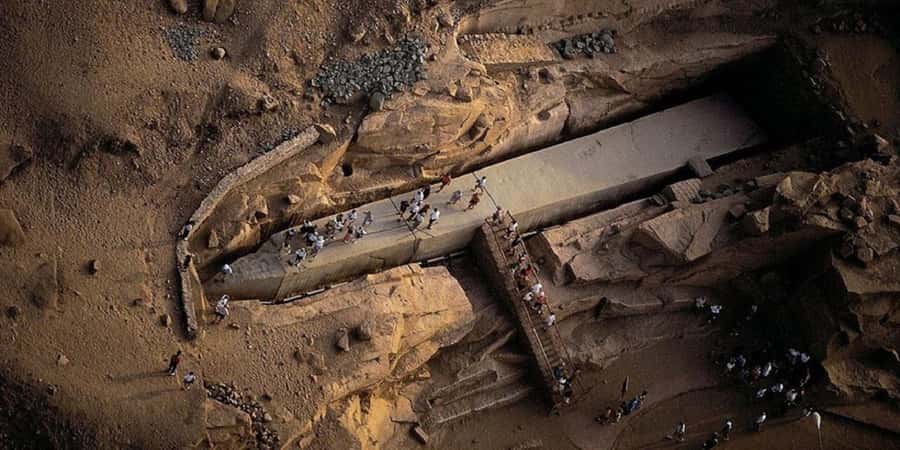
Next you’ll head to a granite quarry site where a massive obelisk lies in pieces of intention. The Unfinished Obelisk is not a “ruin for ruin’s sake.” It’s a snapshot of work halted midstream—cracks visible, stone still in the quarry bedrock, and a set of clues about ancient technique.
Here’s the hook: the obelisk is believed to have been commissioned by Queen Hatshepsut for the Temple of Amun at Karnak. Whether you’re a queen-fan or a construction-nerd, you’ll appreciate that this monument shows a real-world manufacturing problem rather than a perfect final product. You can stand there and imagine the planning, measurement, tool marks, and the point where completion stopped.
This is also one of the better stops for understanding how Egyptians treated stone as a craft, not just a material. A guide who explains the stone-carving process helps you connect what you see—the size, the marks, the interruption—with why these sites matter for how we know ancient methods.
If you like hands-on history, this is where the tour can feel most satisfying. The High Dam is big and modern; Philae is preserved and layered; the obelisk is raw and unfinished. It gives your day balance.
Aswan High Dam: The Nile’s New Rules in 3.6 Km of Concrete
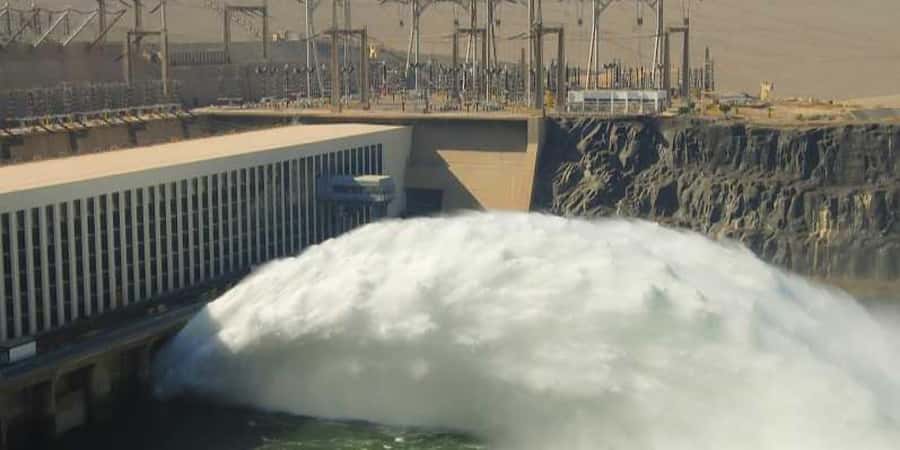
Then the tour swings to modern Aswan, and the feeling changes fast. You’ll see Aswan High Dam as an engineering landmark—3.6 km long, 111 meters tall—and you’ll hear how it reshaped Egypt’s future. One of the most useful parts of this stop is the scale comparison: it uses about 18 times the material used in the Great Pyramid of Khufu.
This is the kind of stop where numbers help. It’s easy to think of dams as background infrastructure, but the High Dam created Lake Nasser, one of the world’s largest man-made lakes, and it plays a critical role in Egypt’s irrigation and electricity supply. That matters for more than politics; it’s the reason places like Philae needed rescue in the first place.
If you’re the type who likes to understand systems, ask your guide to connect the dots between the High Dam’s purpose and the temple’s relocation. The best guides do this quickly and clearly, and they help you see the Nile as more than scenery—more like a working corridor that people have learned to control.
Also, don’t rush the photo stops here. The Dam’s setting is unique because you’re viewing it with the Nile crossing through the frame of your mind: old agriculture, modern power, and daily life all tied together.
Nubian Village: Painted Alleys, Culture, and the Time-Squeeze Reality

Your last stop is the Nubian Village along the Nile—colorful, social, and very photo-friendly. It dates back over 100 years, linked to the construction of the Old Aswan Reservoir in 1902. In other words, it’s not just a themed stop; it’s connected to why Aswan changed and why communities gathered here.
What you’ll be looking for:
- Painted alleyways and traditional-style homes
- A chance to get closer to Nubian daily life
- Time for photos, plus a camel ride option
This is also where expectations need a little steering. Some people find the village experience more tour-oriented than deeply quiet and traditional, with vendors and a busier street feel. Another reality: depending on how your guide handoff works, the village portion can run shorter than you’d like, and you may receive less explanation once you’re in the village area.
So here’s my advice: treat the Nubian Village as a cultural taste and a visual experience. If your main goal is photography and meeting local life at close range, you’ll probably be happy. If you want long, slow, museum-style context, keep your expectations focused on what fits into a half-day schedule.
How the 6 Hours Work: Boat, Quarry, Dam, Village (Without Feeling Lost)
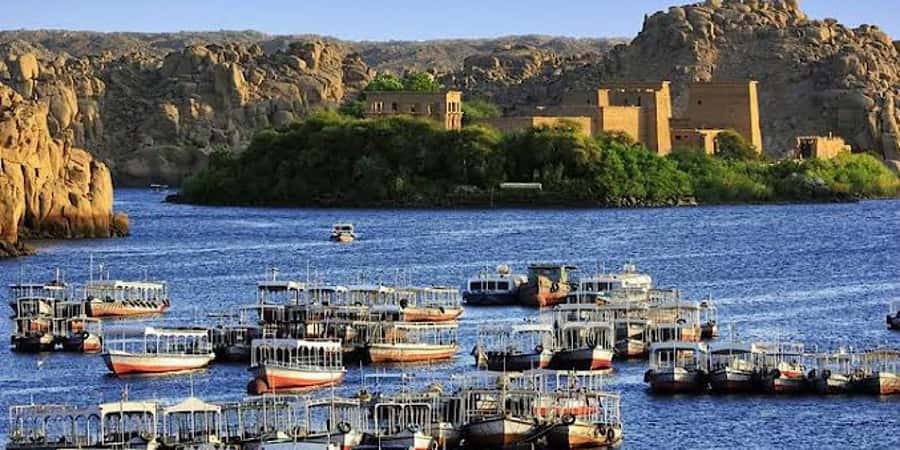
The tour is designed as a tight loop: pickup in Aswan, Philae motorboat trip, temple time, quarry time, High Dam viewing, then the Nubian Village. At 6 hours, it’s built to cover the biggest emotional beats—water and temples, stone and royal ambition, then modern power and community life.
The pacing tends to work well when your guide keeps the day structured. In many cases, guides like Heba or Mariana are praised for giving enough time to enjoy each place and for keeping the movement organized. That’s important because these sites can all feel big on their own, and you don’t want the day turning into constant rushing.
You should also plan for the basics that come with this structure: some driving between stops, walking at the temple and quarry, and time outdoors at the village. If you’re doing other Aswan activities the same day, this half-day format is a smart way to get your “must-see” list handled without stealing an entire day.
Price and Value: Is $95 Fair for Philae, the Boat, and Entrance Fees?
At $95 per person, this tour isn’t priced like a bare-minimum transfer. You’re paying for hotel pickup and drop-off in Aswan, transportation between the sites, an expert English-speaking Egyptologist guide, the Philae motorboat trip, and entrance fees.
That bundle matters. Entrance fees alone can add up, and the boat ride is a big part of what makes Philae feel special. You’re also paying for interpretation. When your guide can explain what you’re looking at—why Philae was relocated, what Hatshepsut likely commissioned, what cracks mean at the quarry—you get a better day for the time you’re spending.
What’s extra:
- Pickup/drop-off in places like Gharb soheil, The island, Nagaa al-Mahatta, or New Aswan costs $10 extra per person
- An additional option exists for Spanish, German, or French-speaking guides (as an add-on)
So, if you’re staying in central Aswan and want the “big four” sites in one focused outing, $95 can feel like good value. If you’re looking for a slow, deep, multi-hour experience at one site, this might feel short. Think of it as a smart sampler with strong guide support.
Guide Choice: Why Names Like Ahmed, Mary, Heba, and Mariana Matter
A half-day lives or dies by your guide’s ability to translate what you see into meaning. This tour includes an Egyptologist guide, and that shows up in how explanations are delivered—especially at Philae, where interpreting reliefs and inscriptions can turn a pretty temple into a story you can follow.
In real use, guides such as Ahmed, Mary, Heba, Mariana, and Eman are repeatedly mentioned for professionalism, clear English, and helpful pacing. The driver also gets a quiet credit—people often note that transfers ran smoothly and that pickups happened on time.
There can be one wrinkle: sometimes guides are handed off between segments, and the Nubian Village portion may feel more rushed or less guided. If Nubian Village context is a priority for you, consider asking (before you start) whether you’ll have the same guide for the whole day or whether explanations may shift once you reach the village.
Also, language matters. One person reported a Spanish booking where the guide support was in English, so if language is important, double-check that you’ll get the language you want—especially if you’re paying for an add-on.
Practical Tips That Make the Day Easier
- Wear comfortable walking shoes. You’ll move through temple areas and the quarry site.
- Bring a camera strategy. You’ll want photos at Philae, the High Dam, and in the Nubian Village alleys.
- If you care about explanations at every stop, ask your guide how they’ll handle timing—especially at the Nubian Village end of the day.
- Plan your day around the 6-hour block. This tour is tight by design, so don’t stack in another major event right before pickup.
Should You Book This Aswan High Dam, Philae & Unfinished Obelisk Tour?
I’d book it if you want the Aswan highlights in a single half-day with an Egyptologist guide and the Philae boat ride included. The combination is smart: Philae gives you the island temple and its rescue story, the Unfinished Obelisk teaches you how monuments were made (and sometimes why they stop), the High Dam connects the Nile to modern power and irrigation, and Nubian Village adds a human, lived-in end note along the river.
I’d think twice if your top priority is a deeply guided, unhurried Nubian Village experience with lots of interpretive context. Some versions of the day can feel rushed there or shift guidance, and the village can lean more tour-focused than quietly traditional.
If you’re happy with a well-run highlights tour—and you want context, not just photos—this one is a strong match.
FAQ
How long is the tour?
The tour lasts 6 hours.
What’s included in the price?
Hotel pickup and drop-off in Aswan, an expert English-speaking Egyptologist guide, transportation, the Philae motorboat trip, entrance fees, and a guide who can speak Arabic, English, French, German, or Spanish (with language options including an add-on for Spanish/German/French).
Are the Unfinished Obelisk, Philae Temple, High Dam, and Nubian Village all part of the tour?
Yes. The tour covers Philae Temple, the Unfinished Obelisk, Aswan High Dam, and the Nubian Village.
Is the Philae boat ride included?
Yes. The tour includes the Philae motorboat trip.
Is there an extra charge for pickup outside central Aswan?
Yes. Pickup/drop-off in Gharb soheil, The island, Nagaa al-Mahatta, or New Aswan costs an extra $10 per person.
What’s the cancellation policy?
Free cancellation is available up to 24 hours in advance for a full refund.