REVIEW · CAIRO
Cairo: Saqqara, Memphis, and Dahshur Day Trip with Lunch
Book on GetYourGuide →Operated by Sun Pyramids Tours · Bookable on GetYourGuide
Three monuments. One very efficient day.
This is a straight shot into Egypt’s pyramid roots: the Step Pyramid of Djoser in Saqqara and Dahshur’s Bent and Red Pyramids make it feel like the Old Kingdom is right there in front of you. I also like the pacing of a 6-hour format that tries to keep you moving without feeling sprint-y. The one thing to plan around: lunch covers food and bottled water, but drinks cost extra.
With a private air-conditioned vehicle and a real live guide, you’re not stuck doing the loud, chaotic version of Cairo tourism. You also get entrance fees included, plus skip-the-line entry via a separate entrance, which matters when you’re spending a short day on the ground. If you’re sensitive to sales stops, note that a shopping stop in Cairo is included and you may be taken to places like papyrus, perfume, or carpet-related demonstrations.
Pickup options are available, but if you’re coming from certain airports or farther districts, extra cost may apply. That’s easy to miss if you assume all Cairo pickup points are treated the same, so check before you confirm.
In This Review
- Key things to know before you go
- Why Saqqara, Dahshur, and Memphis beat a Giza-only day
- Morning pickup and private transport (the part that makes or breaks the day)
- Saqqara’s Step Pyramid of Djoser: the moment pyramids stop being a concept
- Dahshur’s Bent and Red Pyramids: see the engineering, not just the icon
- Memphis with Ramses II and an alabaster Sphinx: the symbol stop that makes the day click
- Lunch timing, bottled water, and what 6 hours really means
- Shopping stops in Cairo: sometimes helpful, sometimes a time sink
- Price value: what $103 gets you (and what it doesn’t)
- Who this day trip is best for (and who should pick something else)
- Should you book this Saqqara, Memphis, and Dahshur day trip?
- FAQ
- What sites are included in this day trip?
- Is the price $103 per person or for the whole group?
- How long is the tour?
- Are entrance fees included?
- Is lunch included?
- Do we skip the line?
- What languages are the guides available in?
Key things to know before you go
- Step Pyramid of Djoser: the iconic 3rd Dynasty start to “colossal stone” building
- Dahshur’s Bent and Red Pyramids: engineering tricks you can actually see
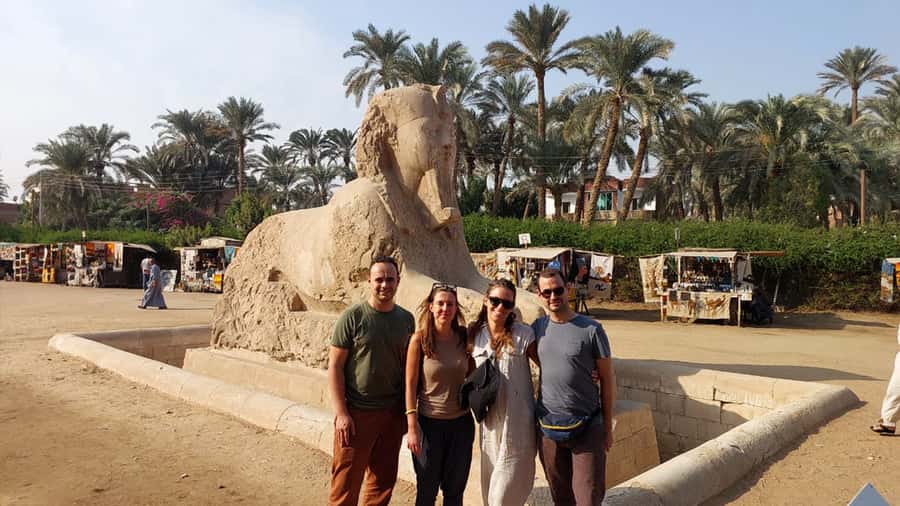
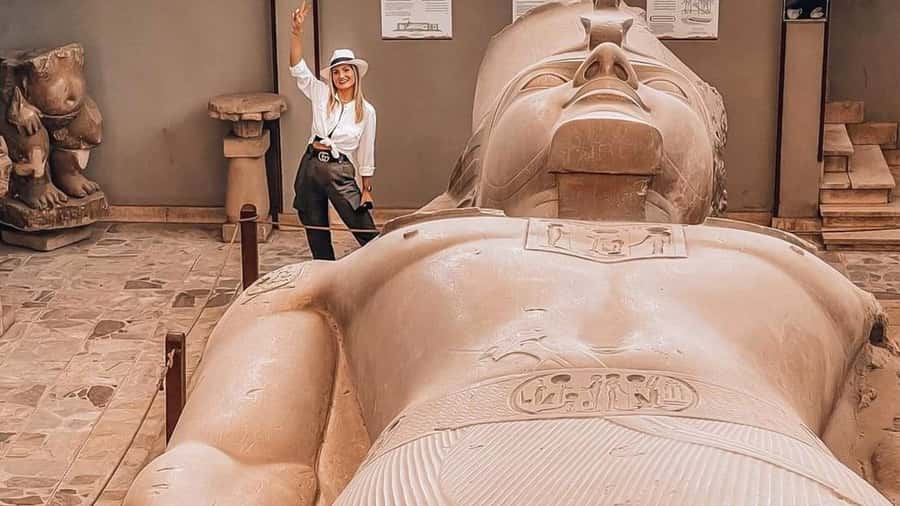
- Memphis in one stop: Ramses II statue plus an alabaster Sphinx
- Skip-the-line entry: separate entrance helps a short-day schedule
- Lunch is included, drinks aren’t: bottled water is provided, other beverages cost extra
Why Saqqara, Dahshur, and Memphis beat a Giza-only day
If you only do Giza, you’ll miss how Egypt’s pyramid story developed. A day trip that hits Saqqara, Dahshur, and Memphis gives you a cleaner timeline on the ground. You see the big shift from early pyramid ambition to more refined, deliberate design.
This route also gives you variety fast. Saqqara feels archaeological and wide-open. Dahshur is about structure and “wait, why does that look like that?” Memphis turns into a history-and-symbol stop—statues, monuments, and the lingering presence of royal power.
The best part for most people is that it’s still manageable. A 6-hour day can feel tight, but doing all three areas near Cairo is a practical way to get depth without spending your whole trip commuting for half the day.
You can also read our reviews of more tours and experiences in Cairo
Morning pickup and private transport (the part that makes or breaks the day)
You’ll start in the morning with hotel pickup. This tour runs with a private air-conditioned vehicle, which is a big deal in Cairo traffic and heat. It also helps keep the day organized because you’re not waiting on multiple pickup drops.
A separate entrance means skip-the-line access, so you lose less time to queues at key sites. In a schedule like this, those minutes matter more than you’d think. Even a slow line can steal time from Dahshur, and Dahshur is where you’ll want your brain switched on.
You’ll also have a live guide in several languages (Arabic, English, German, Portuguese, Spanish, Japanese, French, Italian). Some guides on this kind of outing—names you might see listed include Mohammed, Ahmed, Amira, Fatima, Kareem, Rasha, Cherif, and Eslam—tend to work well with questions and photos. That’s the difference between standing near a pyramid and actually understanding what you’re looking at.
Quick practical note: if you’re picking up or dropping off from certain airport areas or districts outside the standard Cairo points, extra cost can apply. If that’s you, confirm the pickup details early so there are no surprises.
Saqqara’s Step Pyramid of Djoser: the moment pyramids stop being a concept
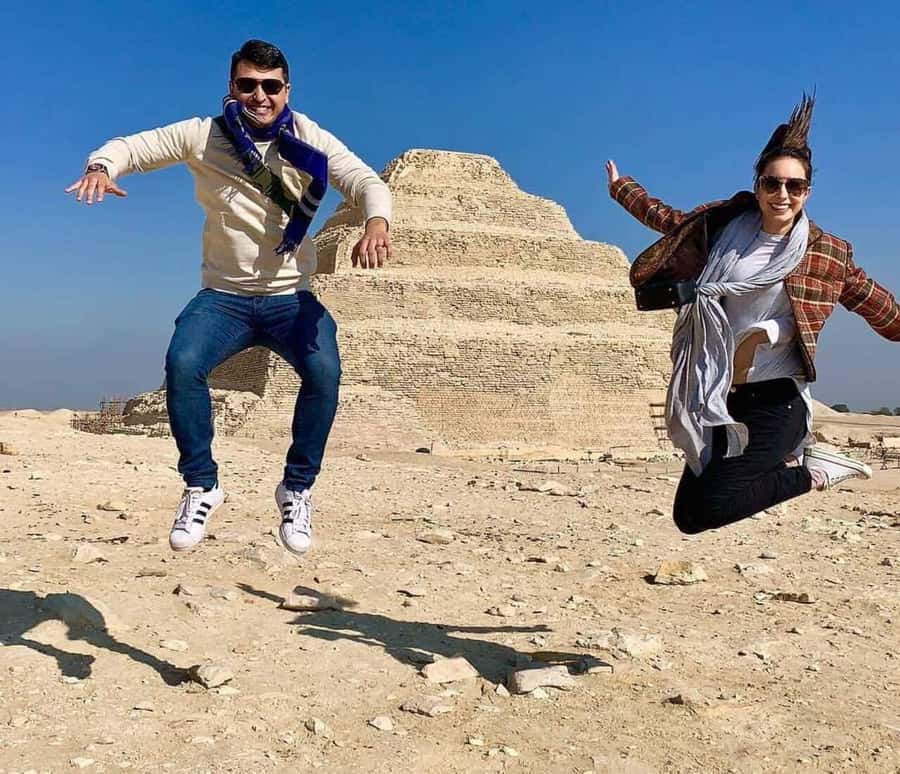
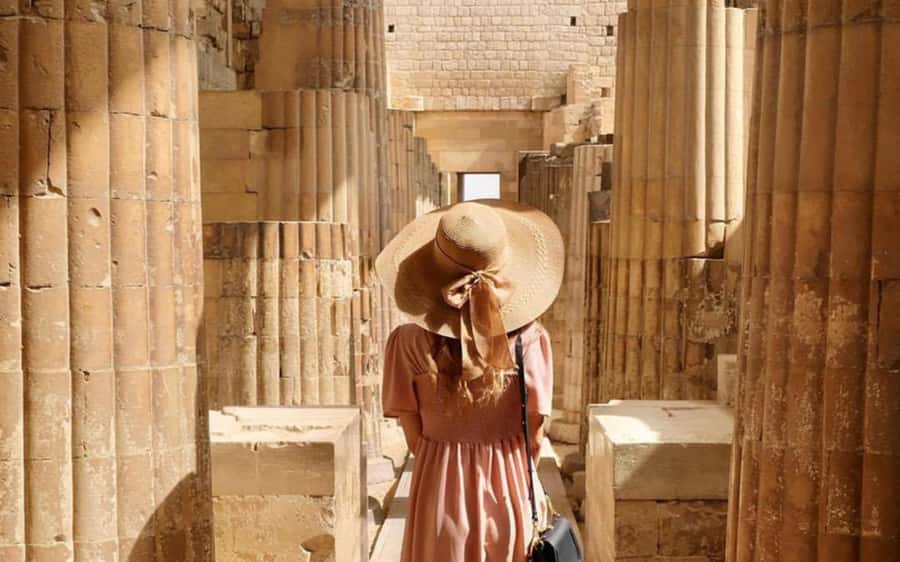
Saqqara is where you get the “first chapter” feeling. Your stop starts with time at Saqqara, then moves into the Pyramid of Djoser for a guided visit.
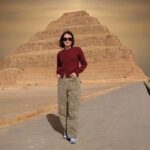
The Step Pyramid is Egypt’s early colossal stone monument style—built during the 3rd Dynasty for King Djoser. What I like about starting here is that it makes the later “true pyramid” look logical, not random. You can see the ambition: stacked mastabas evolving into something that points toward the future.
On the ground, Saqqara can also feel more atmospheric than the marquee sites. The wider grounds and older tombs create that sense of walking through a huge archaeological complex—not just checking a single photo spot.
A good guide will help you read what you’re seeing: why the step design exists, what it says about royal power, and how this site shaped what came later. Some guides also may route you toward nearby tombs and less-visited areas (for example, tombs associated with figures like Princess Idut or Ramses II vizier work, depending on timing). If that happens, it’s one of those small switches that turns a “standard” stop into a personal highlight.
Time is limited, so expect the Step Pyramid area to be the star. If you hate being rushed, ask your guide to set you up with a photo plan early—where to stand, when to move on, and how to avoid bottlenecks.
Dahshur’s Bent and Red Pyramids: see the engineering, not just the icon
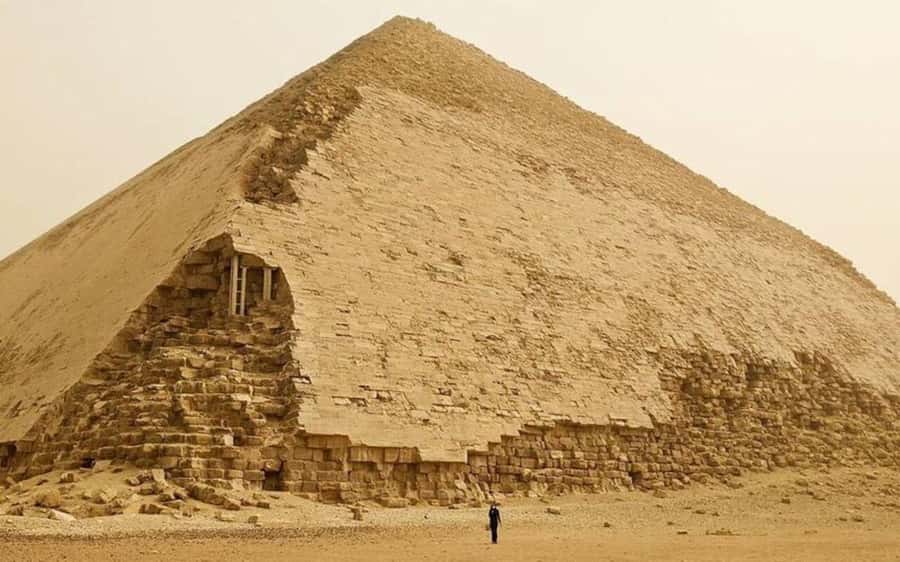
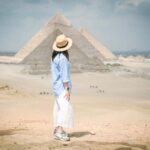
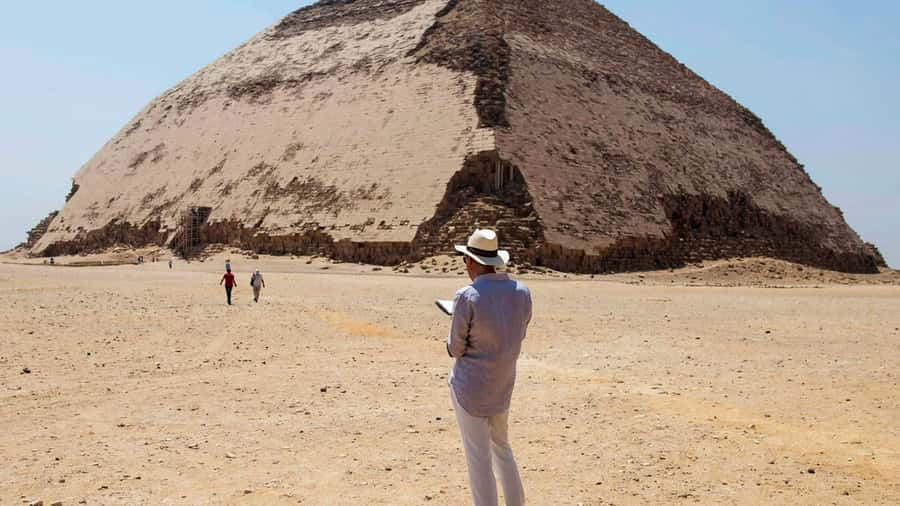
Dahshur is the “wait, what?” part of the day, in the best way. You’ll visit the Bent Pyramid first, then the Red Pyramid.
The Bent Pyramid’s whole identity is visible engineering. The name alone tells you there’s a change in shape along the way, and that’s exactly what makes it fascinating: this isn’t just a monument, it’s a design problem being solved in real life. The preservation also helps. You’re not looking at a fully vanished theory—you’re looking at something that has survived enough to show its story.
Then comes the Red Pyramid, often described as an early “true pyramid” and known for being the first step toward that smoother, deliberate form. Your tour specifically includes time to step inside the Red Pyramid, which is a special kind of wow. Small, enclosed spaces change your scale. Inside, the monument stops being a faraway silhouette and becomes a physical structure you’re moving through.
A few timing tips help here:
- Give yourself a little extra patience at interior entry points. Even with skip-the-line handling, inside-access can slow down foot traffic.
- Don’t overpack your day with extra stops elsewhere. Dahshur is where you’ll want your full attention.
Optional pyramid interior add-ons can sometimes be available depending on access and ticketing rules (some people end up going inside two pyramids total on days like this). If that’s on your mind, ask your guide early—when you’re already in the site flow, it’s much easier to make the call.
Memphis with Ramses II and an alabaster Sphinx: the symbol stop that makes the day click
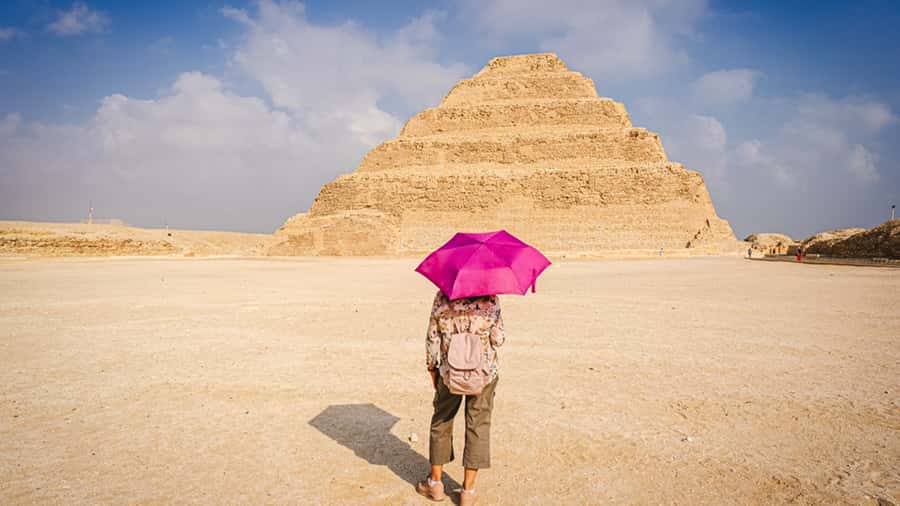
Memphis is a different vibe. It’s not “another pyramid photo” day. Instead, it’s the feeling of an ancient capital—closer to how real power was displayed.
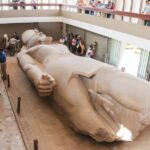
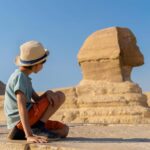
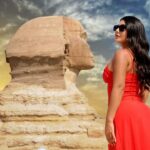
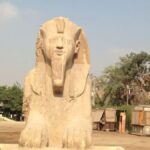
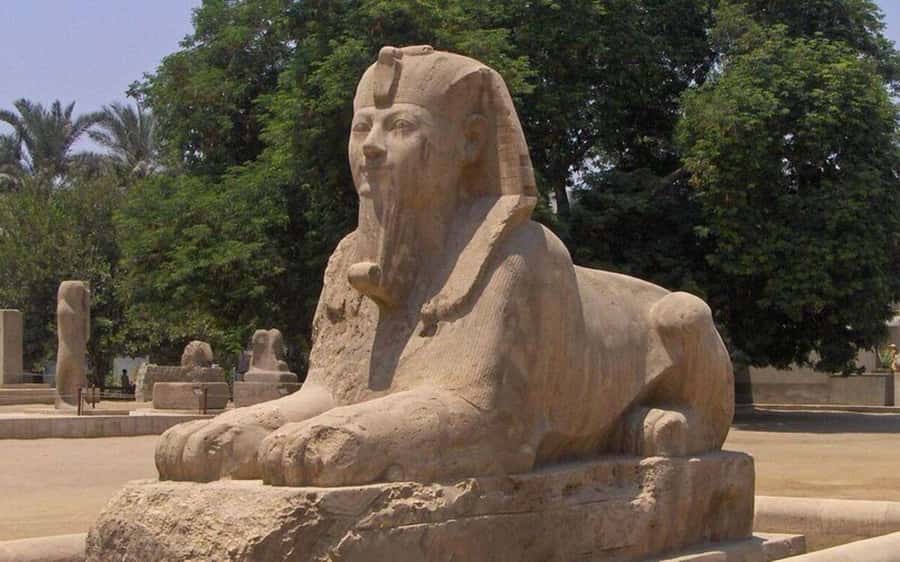
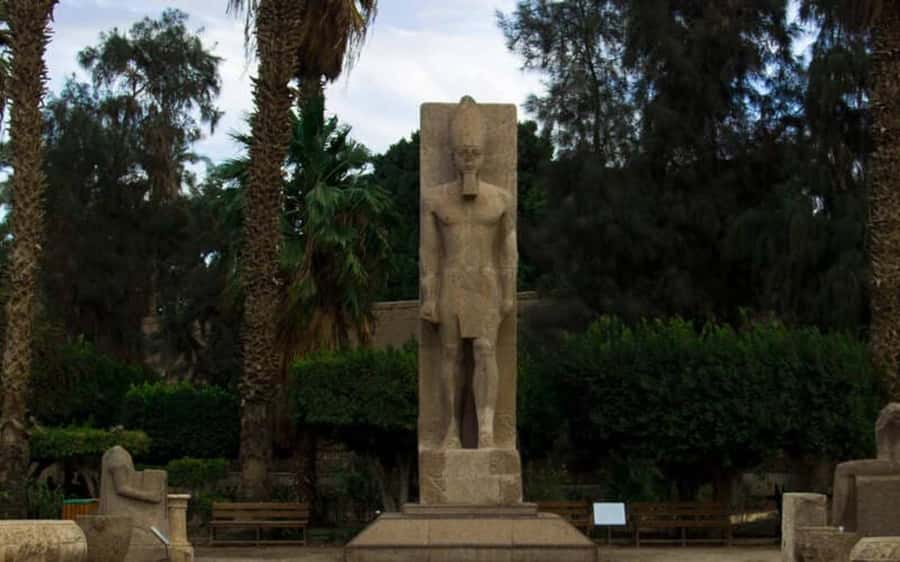
You’ll spend time at Memphis, and the highlights include a colossal statue of Ramses II, along with an alabaster Sphinx. This pairing works because it shows you two types of monument language: royal might through oversized stone, and protective symbolism through the Sphinx form.
What I like about Memphis on a day like this is how it changes your brain from architecture to meaning. You’re no longer only thinking about building technique. You’re thinking about why these figures mattered, how rulers wanted to be remembered, and how sacred imagery was part of governance.
Because time at Memphis is shorter than Dahshur or Saqqara, go in with a “photo-and-feel” mindset. Spend your energy on one or two strong viewpoints rather than trying to see everything at once.
You can also read our reviews of more tours and experiences in Cairo


Lunch timing, bottled water, and what 6 hours really means
Lunch is included, and there’s bottled water provided. Expect a restaurant meal that’s set up for tourists. It’s typically a buffet style, and it tends to be busy.
Here’s the practical truth: in a 6-hour day, lunch is not a long sit-down. It’s a reset. You’ll want to eat efficiently and keep moving. If you’re the type who needs time to digest slowly, plan to take a few deep breaths at the table and then keep it moving.
Beverages beyond bottled water are not included. So if you like soda, juice, tea, or coffee during breaks, budget for it. A lot of people run into the same small frustration: they expect “included beverages” and then find out water is the only included one.
Also, the schedule includes substantial transfers between sites. That’s part of the value—private transport reduces the chaos—but it still counts toward your total day.
Shopping stops in Cairo: sometimes helpful, sometimes a time sink
This tour includes a shopping tour in Cairo. In practice, that can mean a short stop at places tied to papyrus, perfume, or carpet-related demonstrations, and some guides may include additional quick stops depending on the day.
This can be great if you:
- want a structured way to buy small souvenirs
- like seeing how papyrus or perfume products are made
- enjoy watching artisans work
It can feel like a drag if you’re visiting mainly for monuments. Some people report that these stops felt like sales-driven time. Others say the shopping component wasn’t pushed hard and they got choices.
My advice: treat shopping stops like a “take it or leave it” moment. If you want souvenirs, plan a small list beforehand. If you don’t, use the time to rest, hydrate, and let your brain cool down before the next pyramid.
Price value: what $103 gets you (and what it doesn’t)

At $103 per person for a 6-hour private-guided circuit, the value comes from a few specific things being bundled:
- private air-conditioned vehicle
- entrance fees to Saqqara, Memphis, and Dahshur
- a live guide
- lunch plus bottled water
- skip-the-line entry via separate entrances
If you tried to assemble this yourself, you’d likely spend real time lining up transport, handling tickets, and negotiating guide time across multiple sites. Paying for it as one package saves hassle, and entrance fees add up quickly when you’re bouncing between locations.
What the price does not include is also clear: drinks during lunch are not included (beyond the bottled water), and extra pickup/drop-off areas can cost more. So the true “out the door” number depends on where you’re starting from.
Also, private or small-group format matters. Some people love the calmer rhythm. Others want more of a shared-tour vibe. This one leans private/small-group, and that usually means more attention and less waiting around.
Who this day trip is best for (and who should pick something else)
This tour fits you best if:
- you want maximum ancient-site variety near Cairo in one day
- you prefer a guide-led experience with photo help and context
- you like early pyramid history, not only the famous skyline of Giza
- you’re okay with a busy pace that still tries to give each site breathing room
It may not be your best choice if you:
- want lots of free time to wander without a schedule
- hate shopping stops tied to demonstrations
- need a long, slow lunch break (this day doesn’t do that)
It also helps if you speak one of the listed languages or you’re comfortable relying on translation. With many guide language options, you’re more likely to get the explanation style you want.
Should you book this Saqqara, Memphis, and Dahshur day trip?
Yes—if your goal is a well-packaged introduction to pyramid evolution and a strong Memphis add-on, this is a smart use of a limited day. The standout value is the combination of included entrance fees, skip-the-line access, and a private guide who can connect the dots between Djoser, Dahshur’s design experiments, and the monuments of Memphis.
Before you book, do two quick checks:
- Confirm pickup and drop-off details for your exact location (extra cost can apply for certain airports and districts).
- Decide how you feel about the included shopping stop. If you’re souvenir-focused, it can be handy. If you’re not, go in with a plan so it doesn’t feel like wasted time.
If you want the early pyramid story plus Memphis in one clean day, this one’s a solid bet.
FAQ
What sites are included in this day trip?
You’ll visit the Step Pyramid of Djoser in Saqqara, the Bent Pyramid and the Red Pyramid in Dahshur, and the ancient city of Memphis, including stops for a statue of Ramses II and an alabaster Sphinx.
Is the price $103 per person or for the whole group?
The price is listed as $103 per person.
How long is the tour?
The duration is 6 hours.
Are entrance fees included?
Yes. Entrance fees to Saqqara, Memphis, and Dahshur are included.
Is lunch included?
Yes. Restaurant lunch is included, and bottled water is also provided. Beverages other than bottled water during lunch are not included.
Do we skip the line?
Yes. You’ll use a separate entrance to skip the line.
What languages are the guides available in?
Guides are available in Arabic, English, German, Portuguese, Spanish, Japanese, French, and Italian.