REVIEW · CAIRO
From Cairo or Giza: Giza Pyramids and Sphinx Private Tour
Book on GetYourGuide →Operated by Emo Tours Egypt · Bookable on GetYourGuide
Pyramids feel real fast at ground level. This private half-day tour in Giza is built to get you from hotel pickup to the key sights—without wasting time. You’ll cover the Great Pyramids area, then focus on Khafre’s pyramid and the Sphinx.
I like the tight pacing and the fact that you get a proper guide. You’ll also have the added bonus of professional photos taken by the guide, not just a casual phone snapshot.
One thing to consider: 4 hours goes quickly. If you want a long, slow wander, or you’re hoping for lots of extra stops, you may feel a little time pressure.
In This Review
- Quick Hits: Why This Private Giza Tour Works
- Price and What You’re Really Paying For
- Getting From Cairo or Giza to the Pyramids Without the Hassle
- The Pyramid Complex Start: Seeing Khufu, Khafre, and Menkaure in One Flow
- Inside the Pyramid of Khafre: The Stop That Changes Everything
- Khafre’s Valley Temple and the Sphinx: The Right Pairing
- Photo Help at the Sphinx: More Than a Random Snapshot
- Pace, Group Format, and Why Private Feels Easier Here
- What the 4 Hours Typically Feels Like (And How to Get the Best Out of It)
- Languages, Guide Style, and Real-World Comfort
- Accessibility and Practical Considerations
- Should You Book This Giza Pyramids and Sphinx Private Tour?
- FAQ
- How long is the Giza Pyramids and Sphinx private tour?
- Where does hotel pickup happen?
- What’s included in the price?
- Is entry to the Pyramid of Khafre included?
- Will we skip the ticket line?
- Does the tour visit the Sphinx?
- Are there professional photos taken during the tour?
- What languages are available for the guide?
- Is tipping included?
- Is the tour wheelchair accessible?
Quick Hits: Why This Private Giza Tour Works
- Hotel pickup by private A/C: you start relaxed, not stuck figuring out transport
- Entry fees included: you’re not hunting for tickets while you’re already there
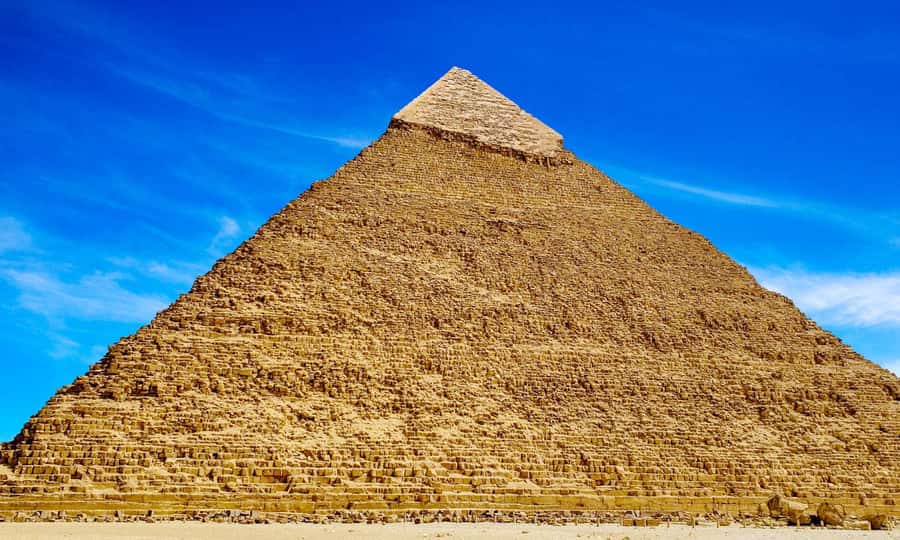
- Inside the Pyramid of Khafre: a major step up from only looking at exteriors
- Sphinx by the Valley Temple: you see the monument in the right historical context
- A guide who adapts pace: you get help with timing and what to prioritize
- Photo support built in: the guide will help you with fun, creative shots
Price and What You’re Really Paying For
At $50 per person for 4 hours, this tour is priced like a practical “do it right” option—not a budget sightseeing gamble. The value is strongest if you care about time and a smooth start.
Here’s what you’re getting that usually costs extra when you piece things together:
- Hotel pickup and drop-off by a private A/C vehicle
- Entry fees to the Pyramids area
- A tour guide
- Inside access to the Pyramid of Khafre
- Bottle of water
- Skip-the-ticket-line service
The big reason this price can make sense: the Pyramid of Khafre interior is not always included in shorter tours. That single “inside” piece changes the whole experience. You don’t just look up and marvel; you get a sense of how narrow, deliberate, and engineered these tomb spaces feel.
Tipping isn’t included, so plan on that at the end. Also, if you’re traveling solo, private format can feel pricey compared to group tours—but the logistics and time saved are often worth it.
You can also read our reviews of more private tours in Cairo



Getting From Cairo or Giza to the Pyramids Without the Hassle
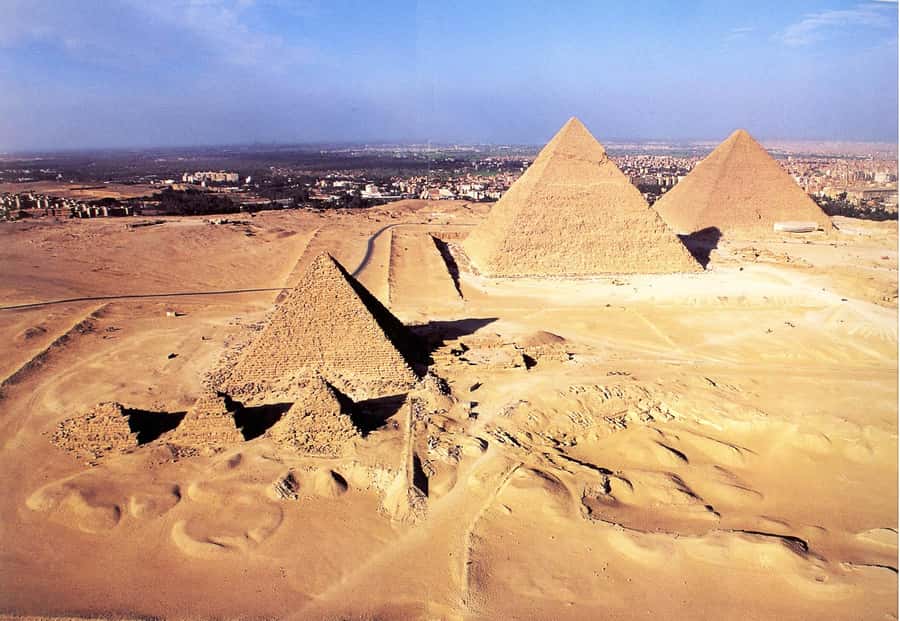
This tour covers several pickup zones: Giza, Cairo, 6th of October City, and Al Haram. That matters because traffic and travel time can turn a “half-day” into a half-day that doesn’t feel half-day anymore.
The transfer is done in a private A/C vehicle (newest model), which helps a lot in the heat. You’re also not negotiating with drivers, trying to find the right pickup point, or spending your limited hours figuring out where to park.
Tip for your planning: choose the pickup point closest to where you’re actually staying. The faster you get moving, the more time you have for the sights themselves—especially at the Sphinx area, where a guide’s timing can help you avoid the most chaotic moments.
The Pyramid Complex Start: Seeing Khufu, Khafre, and Menkaure in One Flow
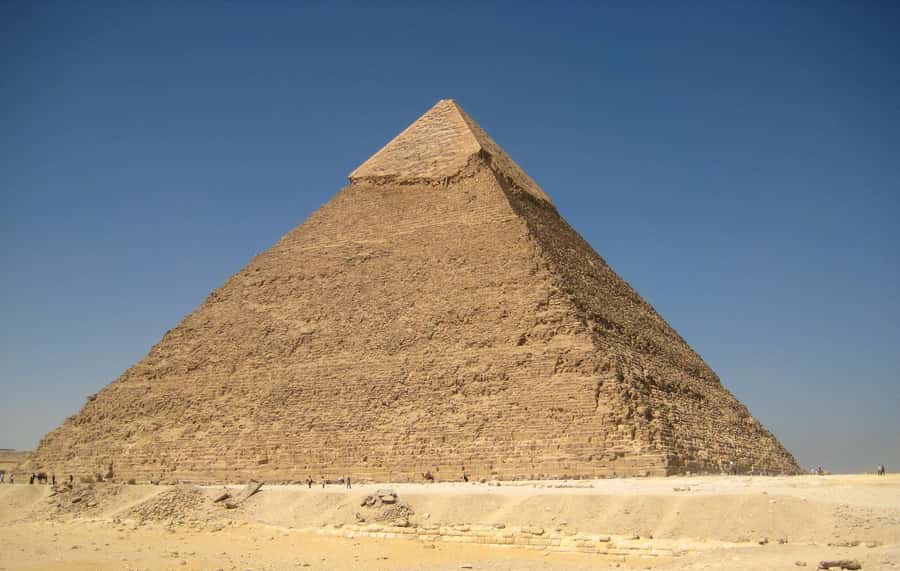
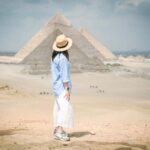
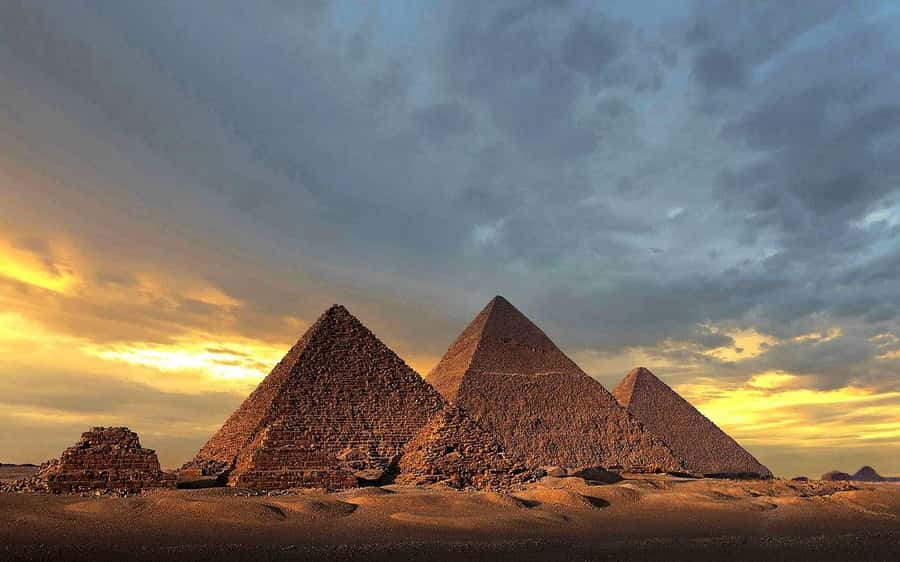
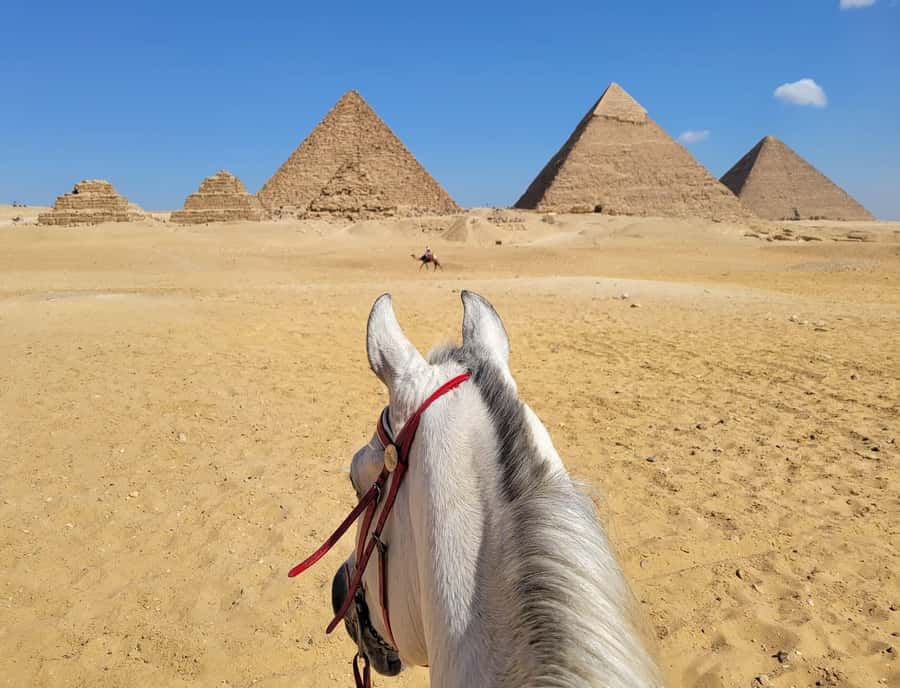
Once you arrive at the Giza complex, the tour begins with the three main pyramids: Cheops (Khufu), Chephren (Khafre), and Mykerinos (Menkaure). Even if you’ve seen photos, seeing them lined up in person makes the scale hit differently.
In a short tour like this, the goal isn’t to “master” Giza in 4 hours. It’s to get your bearings fast, understand what you’re looking at, and then spend your deeper time where the tour really earns its keep—Khafre’s pyramid and the Sphinx.
What you’ll appreciate most here is guidance on where to stand and what to pay attention to. With only a few hours, you want someone to help you connect the names to the structures, and the structures to the story.
Inside the Pyramid of Khafre: The Stop That Changes Everything
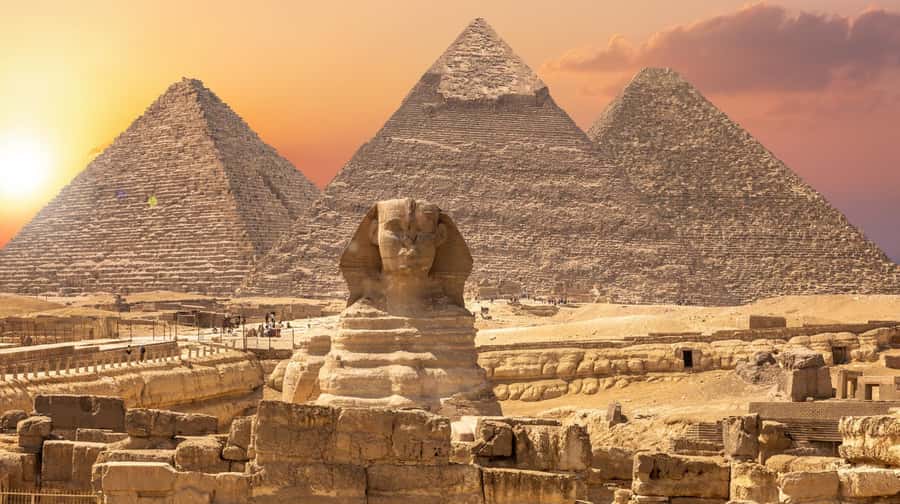
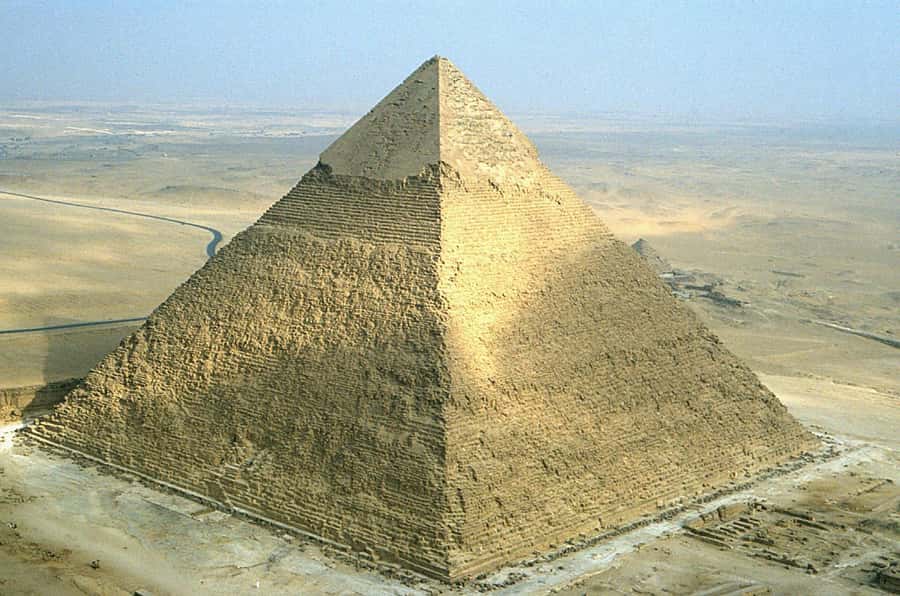
The tour’s centerpiece is the Pyramid of Khafre (Chephren), including entry inside. This pyramid is the middle of the three Great Pyramids and the second tallest. It’s also known for why it looks so imposing even though it’s slightly smaller than Khufu’s pyramid.
A few details to listen for (because they make the view more meaningful):
- Base length: 215.5 meters (706 ft)
- Height: 136.4 meters (448 ft)
- Massive limestone blocks: reported as weighing over 2 tons each
- It sits on bedrock 10 meters higher than Khufu’s pyramid, which boosts its dramatic look
- Slope angle is steeper at 53°13′ versus Khufu’s 51°50’24’
When you go inside, you’re trading postcard views for something more human-scale: a tomb designed to funnel movement and hide the quiet core of the monument. Even if you only spend a short time within, you’ll feel how deliberate the construction is.
One practical note: interior entry usually means a slower pace and a different “feel” than the open courtyards. In a tight 4-hour schedule, this stop is where your guide’s timing matters, so you don’t end up rushing through the parts that can’t be re-done later.
Khafre’s Valley Temple and the Sphinx: The Right Pairing
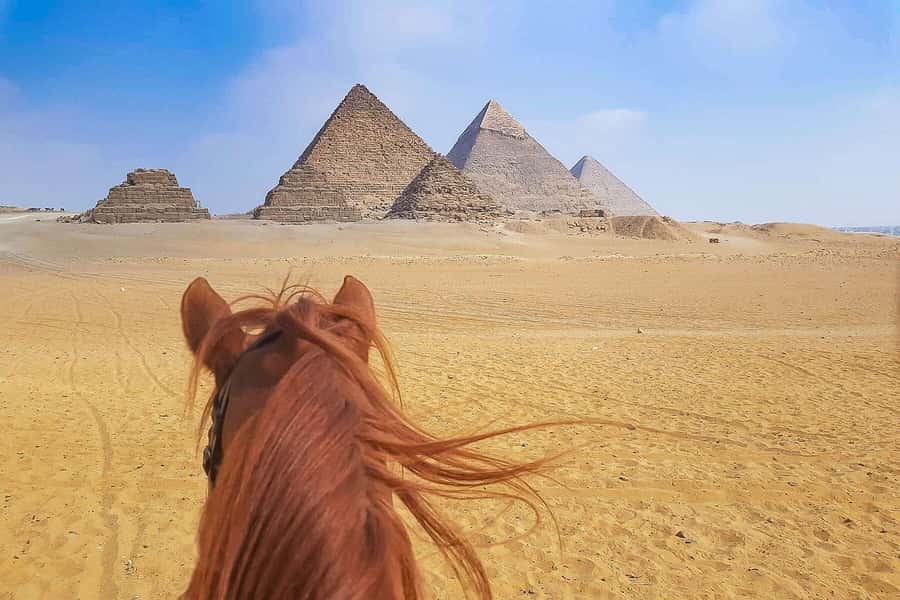
After the pyramids focus, you move to the Valley Temple area. This is linked with funerary practices connected to Khafre, including mummification activity carried out by priests.
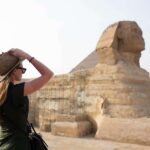
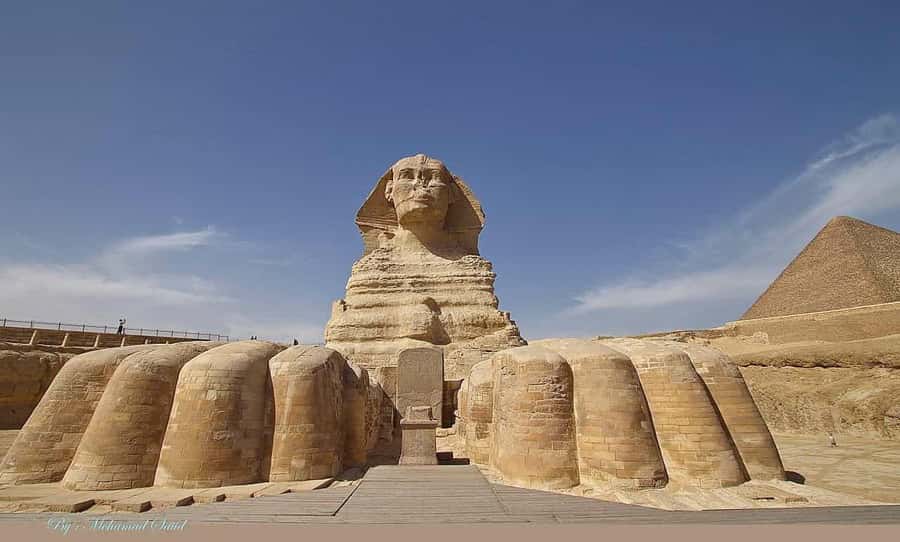
That context makes the Sphinx more than a photo wall. The Sphinx is described as the legendary guardian with the body of a lion and the head of King Khafre. Seeing it near the temple complex helps you understand why this place functioned as part of a larger sacred landscape, not just a single sculpture in open space.
And yes, you’ll get the close-up moment people come for. This is the spot where:
- you can frame wide shots of the Sphinx with the right backdrop
- you can step into closer angles that show the lion-body form
- you can pause and let the scale sink in

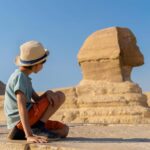


Photo Help at the Sphinx: More Than a Random Snapshot
The tour explicitly includes professional photos taken by your guide, plus photo help around the Sphinx. I like this because it removes the “stand here, squeeze, hope it looks okay” part of the trip.
Your guide is also happy to help you capture fun and creative shots—so you’re not stuck doing stiff tourist poses if you don’t want to. You’re traveling for the monuments, but the photos are how you’ll remember the angles and the sense of place.
Practical tip: wear something comfortable for walking and standing, and keep your phone charged. Even if the guide handles photos, you’ll probably want a few quick extras for your own album.
Pace, Group Format, and Why Private Feels Easier Here
This is a private group tour, with a live guide in Arabic, English, German, or Spanish. Private format matters at Giza because the most frustrating part of big sights is usually timing: too much waiting, too much crowding, and too many people trying to take the same photo at the same moment.
The private setup also helps with pacing. In the guidance style you’re likely to experience, the guide adapts to what you want to spend time on—whether that’s history notes, slower photo stops, or focusing on the inside pyramid moment.
One small detail that stands out from guide feedback: some guides keep the day moving smoothly while still giving you room to breathe. For example, one guide example included an emphasis on understanding your pace and avoiding hard-sell pressure related to nearby shops.
If you like structure but don’t want a rigid, clockwork tour, this format is a good match.
What the 4 Hours Typically Feels Like (And How to Get the Best Out of It)
A 4-hour half-day tour is mostly about sequencing. You’ll start with pickup, transfer to the site, and then a focused run through:
1) the major pyramids overview (Khufu, Khafre, Menkaure)
2) Khafre’s pyramid, including inside entry
3) the Valley Temple area
4) the Sphinx for close-up viewing and photos
5) transfer back to your pickup drop-off
So, how do you make those hours count?
- Prioritize what you can’t replicate easily: inside access to Khafre
- Be ready to walk between areas and stand for photos
- Tell your guide upfront if you want more time at the Sphinx or if you’d rather get details at the pyramid
- Wear sun-ready gear (hat/sunglasses). You’re outdoors a lot
Also, remember that Giza isn’t just “one stop.” It’s multiple zones across a complex. A good guide helps you understand which parts are worth slowing down in.
Languages, Guide Style, and Real-World Comfort
Guides are offered in Arabic, English, German, and Spanish. That’s not a small detail—at Giza, language can change how much you actually take in. When the guide can explain what you’re seeing clearly, you don’t just look; you understand.
Guide names you may encounter include Hosem (noted for very strong German and solid information) and Shaimaa (noted for being friendly and responsive to questions). Even if your guide is different, the common thread from those examples is straightforward: good communication, good pace control, and real answers.
Comfort matters too. You get bottle water, and the vehicle is A/C. Those are the little things that prevent your trip from turning into a heat-stamina test.
Accessibility and Practical Considerations
This tour is listed as wheelchair accessible. If you use a wheelchair, it’s smart to confirm details with the operator ahead of time about the specific paths and any interior restrictions for the pyramid entry.
Also, be ready for Egypt’s sun and walking distances, even if the route is designed to be efficient. The “half-day” label is about time, not minimal effort.
Should You Book This Giza Pyramids and Sphinx Private Tour?
If you want a focused, well-structured Giza experience that includes the one upgrade most half-day tours skip—inside the Pyramid of Khafre—this is a strong option. The hotel pickup, entry fees included, skip-the-ticket-line convenience, and private A/C transfer are exactly the kind of behind-the-scenes value that helps you enjoy the monuments instead of managing logistics.
I’d especially recommend it if:
- you have only a few hours and want the key sights covered
- you prefer a private guide who can adjust the pace
- you want help getting good photos at the Sphinx
- you’d rather pay a fair fixed amount than piece together entry and transport on your own
If you’re the type who needs lots of shopping stops or wants an unhurried, deep academic walk-through of every corner, you might feel the 4-hour limit. But for most visitors, the structure is the point.
FAQ
How long is the Giza Pyramids and Sphinx private tour?
The tour lasts 4 hours.
Where does hotel pickup happen?
Pickup is available from Giza, Cairo, 6th of October City, and Al Haram.
What’s included in the price?
Included are hotel pickup and drop-off, private A/C transfers, entry fees to the Pyramids area, a tour guide, bottle of water, and inside entry to the Pyramid of Khafre.
Is entry to the Pyramid of Khafre included?
Yes. You can go inside the Pyramid of Khafre as part of the tour.
Will we skip the ticket line?
Yes, the tour includes skip-the-ticket-line service.
Does the tour visit the Sphinx?
Yes. You’ll visit the Great Sphinx at Giza, near the Valley Temple area.
Are there professional photos taken during the tour?
Yes. The guide will take professional photos, and they can help you get creative shots at the Sphinx.
What languages are available for the guide?
The guide is available in Arabic, English, German, and Spanish.
Is tipping included?
No. Tipping is not included.
Is the tour wheelchair accessible?
Yes, the tour is listed as wheelchair accessible.