REVIEW · CAIRO
Egyptian Museum, National Museum of Egyptian Civilization
Book on GetYourGuide →Operated by Emo Tours Egypt · Bookable on GetYourGuide
Two famous museum stops, one tight plan in Cairo. I love the private guided route that turns the Egyptian Museum into more than crowd-watching, and I love the way NMEC brings the royal mummies into focus with interactive tech. The only catch is time pressure: the day can feel fast, and during busy periods like Ramadan it may feel even tighter.
On this kind of private day with Emo Tours Egypt, the right guide matters. People have been paired with experts such as Aya, Shaimaa, Armando (who speaks Italian well), and Mohamed Ali, and even the driver Mido helps you handle the traffic flow. With skip-the-ticket-line access and air-conditioned transfers, you spend more time inside and less time stuck outside.
In This Review
- Key things to know before you go
- A smooth Cairo museum day: pickups, timing, and avoiding chaos
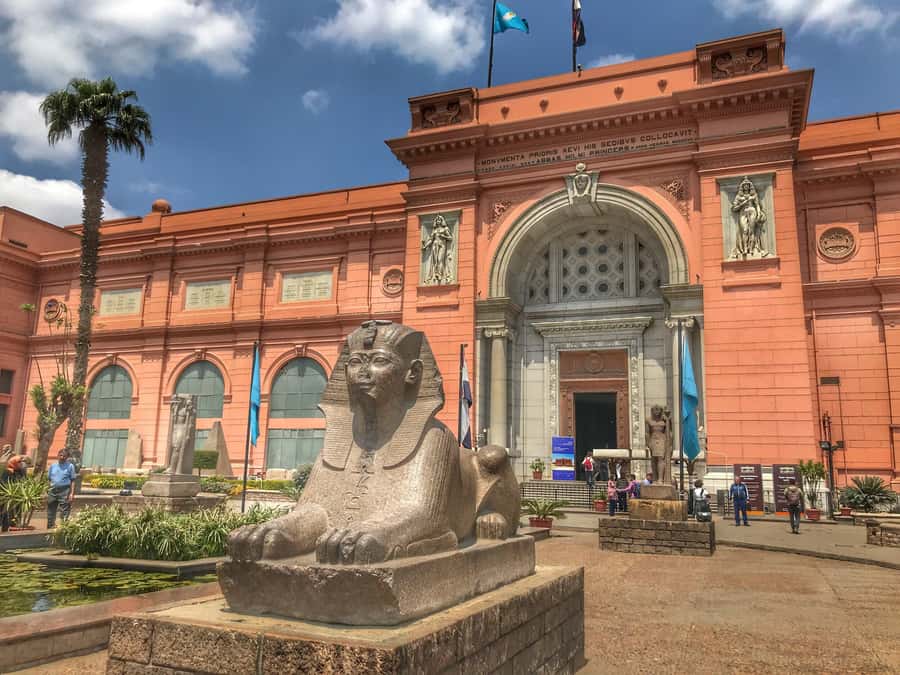
- Egyptian Museum in downtown Cairo: why this building still draws crowds
- A possible drawback: two hours can feel tight
- NMEC (National Museum of Egyptian Civilization): mummies, tech, and a clear storyline
- Why pairing these two museums works
- Lunch and break time: what’s included, and what to plan for
- Guide quality can make or break your pace
- Price and value: is $70 per person a good deal?
- Practical tips to keep the day from feeling rushed
- Should you book this tour, or build your own museum day?
- FAQ
- What museums are included in this tour?
- How long do you spend at each museum?
- Is lunch included?
- Does the tour include entry fees and skip-the-line access?
- Where can you be picked up and dropped off?
- What languages is the live tour guide available in?
Key things to know before you go
- Two museum hits with a guide: Egyptian Museum first, then NMEC, each with guided time.
- Skip-the-ticket-line: You lose less time at entrances.
- NMEC’s modern mummy experience: Interactive display tech helps you “see through” the wrappings.
- Private door-to-door transfers: Pickup and drop-off from select Cairo and Giza areas.
- Lunch is included, but it’s practical: It may be basic, so plan your expectations.
- Guide language options: Arabic, English, German, Italian, and Spanish.
A smooth Cairo museum day: pickups, timing, and avoiding chaos
This tour is built around a simple idea: two major museum visits in one day, with a guide and a private car doing the heavy lifting. You’re not hunting for taxis, figuring out routes, or negotiating entry lines while everyone around you tries to do the same thing.
The day runs about 8 hours total. Your museum blocks are 2 hours in the Egyptian Museum and 2 hours at NMEC, with guided time in both. That structure is great if you want depth without turning your day into a long, exhausting slog through Cairo traffic and museum crowds.
Pickup and drop-off are available from several areas—6th of October City, Giza/Al Haram, and Cairo—so you can usually get picked up close to where you’re staying. You’ll also get dropped back at one of those locations.
One thing to keep in mind: Cairo traffic can be unpredictable. Even with a private car, your comfort level depends on how patient you are when the streets slow down. A well-run guide helps here too, keeping the day on track so you don’t feel like you’re constantly “playing catch-up.”
You can also read our reviews of more museum experiences in Cairo
Egyptian Museum in downtown Cairo: why this building still draws crowds
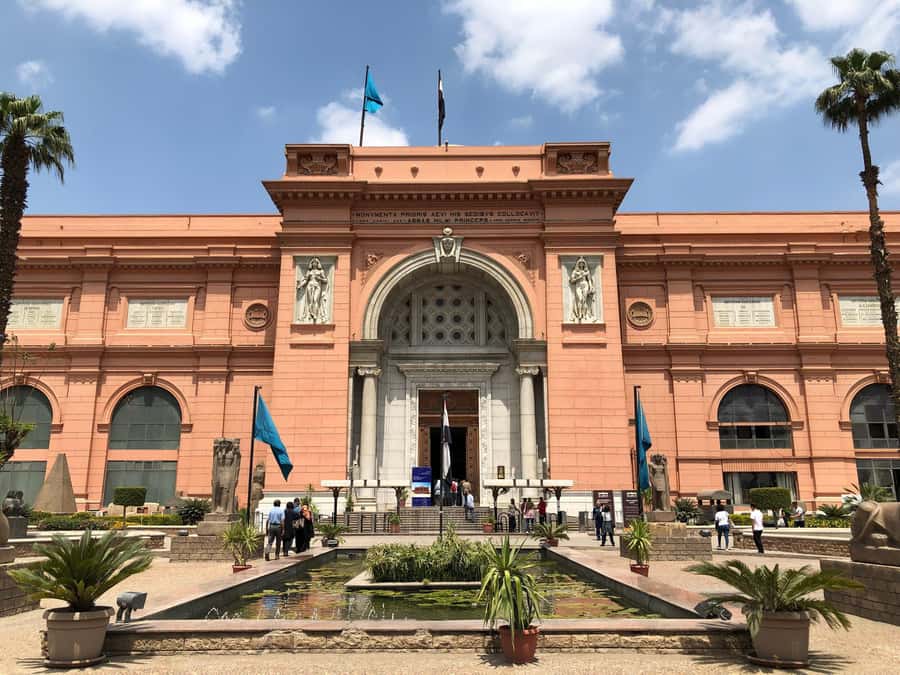
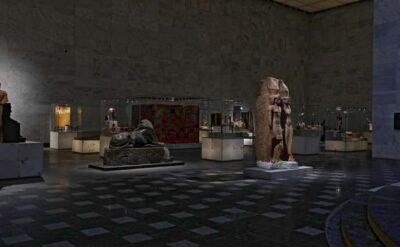
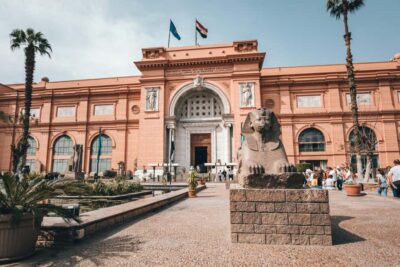
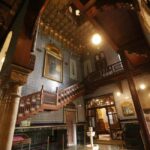
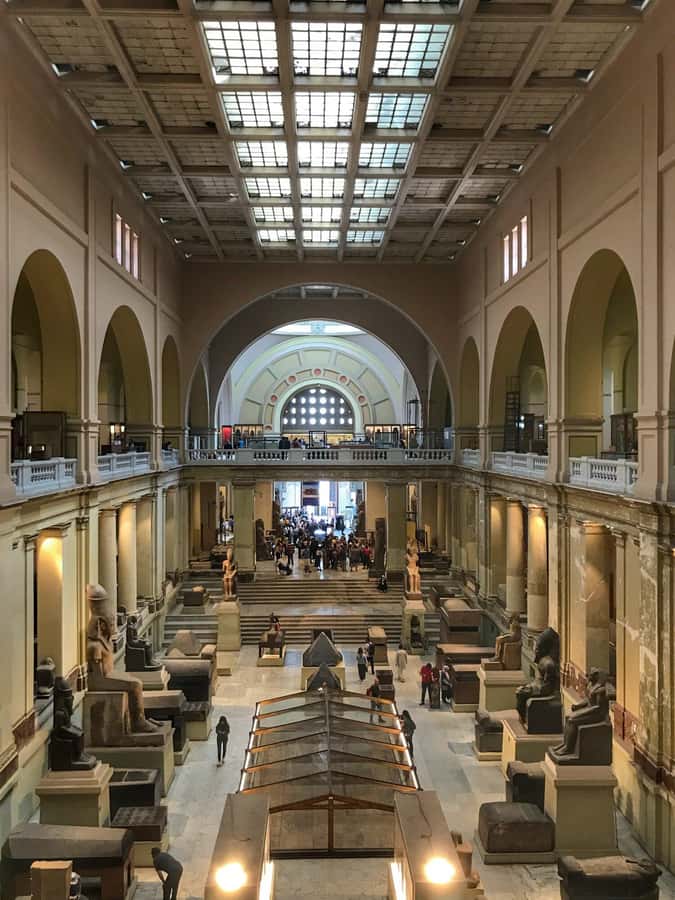
The Egyptian Museum is the older giant on the block, often described as the oldest archaeological museum in the Middle East. What you’ll feel right away is that it’s not just a collection—it’s a historic Cairo landmark itself, with a big, impressive presence downtown.
The museum’s range is one of its strengths. You’re looking at artifacts that span from Predynastic times all the way through to the Greco-Roman era. In plain terms: this is one place where you can connect early Egypt to later eras without switching venues every ten minutes.
The building also has a story. The architect was chosen through an international competition in 1895, the first of its kind, and the winner was the French architect Marcel Dourgnon. It opened in 1902, inaugurated by Khedive Abbas Helmy II. That matters because it frames what you’re walking into: a museum designed to showcase pharaonic power at a time when Egyptology was becoming a global obsession.
In the guided portion, I’d focus on letting your guide point out the big themes early. A good guide can help you see connections—how royal symbolism evolves, how funerary culture is reflected in everyday objects, and why certain displays feel like they’re meant to impress visitors in every era.
A possible drawback: two hours can feel tight
Two hours sounds generous until you’re standing in front of objects that draw your attention one by one. With a tight schedule, it can help to go in with one or two “must-see” targets in your head. Otherwise, you’ll spend too much time hunting for the same highlights other visitors cluster around.
And depending on timing, the day can feel compressed. On some days, lunch may land early, which can make the museum-to-meal transition feel slightly off rhythm. If you’re the type who likes to take your time, you’ll want to manage expectations.
NMEC (National Museum of Egyptian Civilization): mummies, tech, and a clear storyline
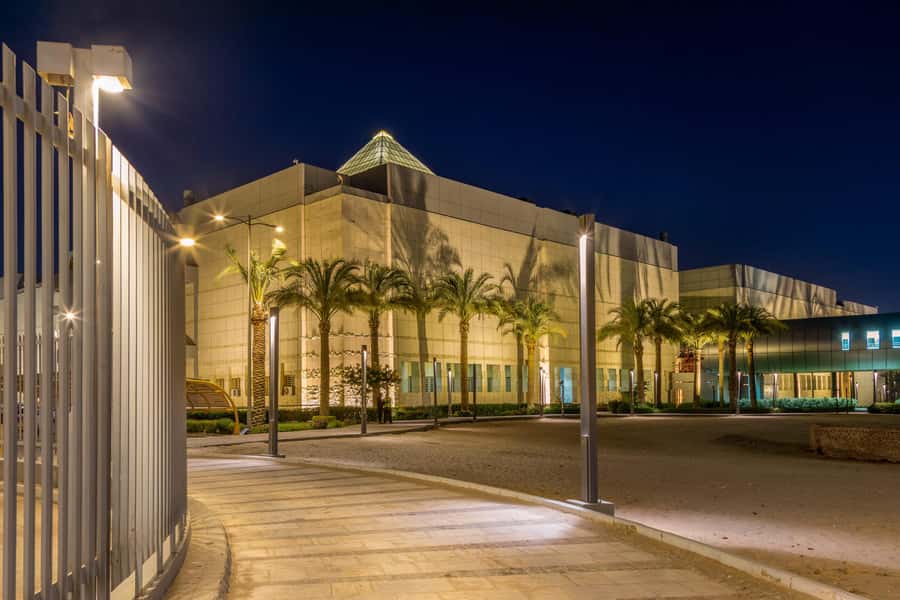
After the Egyptian Museum, the National Museum of Egyptian Civilization (NMEC) shifts the experience. It’s newer, more modern in presentation, and designed to explain Egypt as a continuous civilization rather than a set of isolated periods.
This museum is the first of its kind in Egypt and the Arab world. Its core focus is the full sweep of Egyptian civilization—from prehistoric times to the present—while emphasizing continuity and stability through tangible and intangible heritage. That framing changes how you read what you’re seeing. Instead of only asking What dynasty is this? you also start asking What stays consistent in belief, culture, or identity?
Then there are the royal mummies. NMEC includes an interactive display that uses modern technology to go beneath the wrappings and reveal their secrets. In a practical sense, this is the difference between looking at mummies as static objects and understanding mummification as a process tied to rituals and religious beliefs.
If you’re traveling with people who want “explainer” content—not just objects—NMEC tends to be a better fit. Interactive elements can make the learning curve easier, especially if you’re not deep into Egyptology before you arrive.
Why pairing these two museums works
The smart move here is contrast. The Egyptian Museum gives you the classic, historic archaeology experience—big artifacts, recognizable names, and a sense of old-school grandeur. NMEC gives you modern interpretation and storytelling, plus interactive mummy viewing.
You end up with a fuller picture: one museum helps you anchor yourself in the famous material, and the other helps you understand how the civilization thinks, practices, and remembers.




Lunch and break time: what’s included, and what to plan for
Lunch is included, and that’s genuinely helpful in a city where meals can turn into an extra logistical project. You also get bottle water, which matters more in Cairo than in many places.
The catch is quality consistency. On at least some days, the lunch is described as fairly basic—more like a standard buffet than a “Cairo-worthy” meal. One example: lunch can happen quite early in the day (around 10:45), soon after the first museum. If you start around 8–9 AM, that can leave you eating before you’re really ready for a full meal.
My practical advice: if food quality is important to you, treat included lunch as fuel, not a highlight. If you’re sensitive to early timing, bring a snack in your day bag so you can top up if lunch feels too soon. If you’re fasting or visiting during Ramadan, this kind of timing can feel especially tight, so plan your energy and patience accordingly.
Guide quality can make or break your pace
This is a tour where the guide is not optional flavoring. Your experience can swing based on how clearly and confidently the guide explains what you’re seeing and how smoothly they manage the schedule.
The good news: there are guides who really know how to make the day click. People have been paired with Aya, who’s described as professional, knowledgeable, and helpful. Shaimaa is also praised for detailed explanations and kindness throughout the day. Armando has been noted for excellent Italian and step-by-step passion, and Mohamed Ali is praised for preparation, humor, and responsiveness to solo travelers’ needs.
Even if you get a great guide, Cairo still runs on time limits. The best guides handle that by setting priorities early: what to focus on, what to skim, and where to look so you get the maximum from the clock.
If you want the day to feel comfortable rather than rushed, pick a guide who talks clearly and stays organized, not someone who wanders. When the guide keeps moving with purpose, you’ll end the day feeling you saw the right things, not just the first few rooms.
Price and value: is $70 per person a good deal?
At $70 per person, this tour is priced like a full-service museum day: private air-conditioned transport, entry fees, a live guide, lunch, and water. That’s not just convenience. It’s also time-saving, especially with the skip-the-ticket-line access.
For many visitors, the biggest value is bundling. You’re paying for:
- Private transfers so you’re not coordinating buses or taxis
- Entry fees so you’re not negotiating on the spot
- A guide so you can understand what you’re seeing in context
- Lunch so the day stays intact
- Tour support across two major museums
Where value can vary is in the lunch experience and the pace. If you’re hoping for a long, slow museum day with minimal pressure, you might feel the schedule is tight for the allotted time. If your priority is seeing both museums with expert guidance, the package makes financial sense.
So I’d frame it like this: $70 is fair if you want guided time and door-to-door logistics. It’s less satisfying if your ideal day is wandering at your own speed and picking lunch from your favorite spot.
Practical tips to keep the day from feeling rushed
A “two museums in one day” plan works best when you travel light and think like a strategist.
First, pick a rhythm you can handle. Two hours per museum is enough to enjoy the highlights if you listen to your guide and let them steer. It’s not enough for an unhurried reading experience of every label and artifact.
Second, wear comfortable shoes. Egyptian Museum floors can be uneven in places, and NMEC involves walking through exhibits that benefit from steady, calm movement. You’ll be happier with shoes that let you move confidently.
Third, keep your day bag simple. You’ll likely be spending time on your phone for photos, and you’ll want water and perhaps a small snack if lunch timing doesn’t match your appetite.
Fourth, consider your interests. If you’re mainly here for famous artifacts, you may find Egyptian Museum takes up more attention. If you want storytelling and modern interpretation, NMEC may feel more “new” and easier to process.
Finally, don’t fight the pace. A private tour doesn’t mean you control every minute, but it does mean your guide can usually keep the day organized. When you go with the flow, you’ll leave with a stronger sense of the whole Egyptian story.
Should you book this tour, or build your own museum day?
Book it if you want:
- Guided time in two of Cairo’s biggest museums
- Skip-the-ticket-line convenience
- Private air-conditioned pickup and drop-off
- A day plan that’s easy to manage without stress
Skip it (or consider a more flexible plan) if you want:
- A slow, no-pressure museum day where you linger room by room
- Lunch to be a standout culinary moment
- A tour pace that prioritizes your personal wandering over the schedule
My quick decision rule: if you like structure, prefer not to wrestle with logistics, and want a guide to connect what you’re seeing, this is a smart way to spend your time. If you’re traveling at your own pace and you’re happy figuring things out independently, you might choose a less tightly timed approach.
FAQ
What museums are included in this tour?
You visit the Egyptian Museum of Antiquities and the National Museum of Egyptian Civilization (NMEC), with guided tour time at both.
How long do you spend at each museum?
The guided tour time is listed as 2 hours at the Egyptian Museum and 2 hours at NMEC.
Is lunch included?
Yes. Lunch is included, along with a bottle of water.
Does the tour include entry fees and skip-the-line access?
Yes. Entry fees are included, and the tour includes skip the ticket line.
Where can you be picked up and dropped off?
Pickup and drop-off are offered from these areas: 6th of October City, Giza, Al Haram, and Cairo.
What languages is the live tour guide available in?
The live tour guide is available in Arabic, English, German, Italian, and Spanish.