REVIEW · LUXOR
Luxor: Hot Air Balloon & Private tour to West bank and Lunch
Book on GetYourGuide →Operated by Nice Tours · Bookable on GetYourGuide
That first lift-off changes the way you see Luxor. This private day ties together a Hot Air Balloon flight with three big West Bank stops, explained by a licensed Egyptologist in your chosen language. I especially like how the schedule stays focused (balloon first, then monuments), and how the guide time is yours, not a shared scramble. One heads-up: the balloon is sunrise-style, and if you’re in a very large departure set, timing can feel crowded.
I love the lineup because it’s not just famous tombs—it’s the full story. You’ll stand at Medinet Habu, visit the Valley of the Nobles with 500+ aristocratic tombs, and then slow down at Deir el-Medina, the artisans’ village behind the work in the Valley of the Kings. The main drawback is practical: hotel pickup is early, and the balloon pickup time depends on where your hotel is and how far it is from the ballooning area.
In This Review
- Key things that make this day work
- Sunrise Balloon Over Luxor: What 45 Minutes Really Gives You
- Hotel Pickup and Transfers: The Logistics That Make or Break the Morning
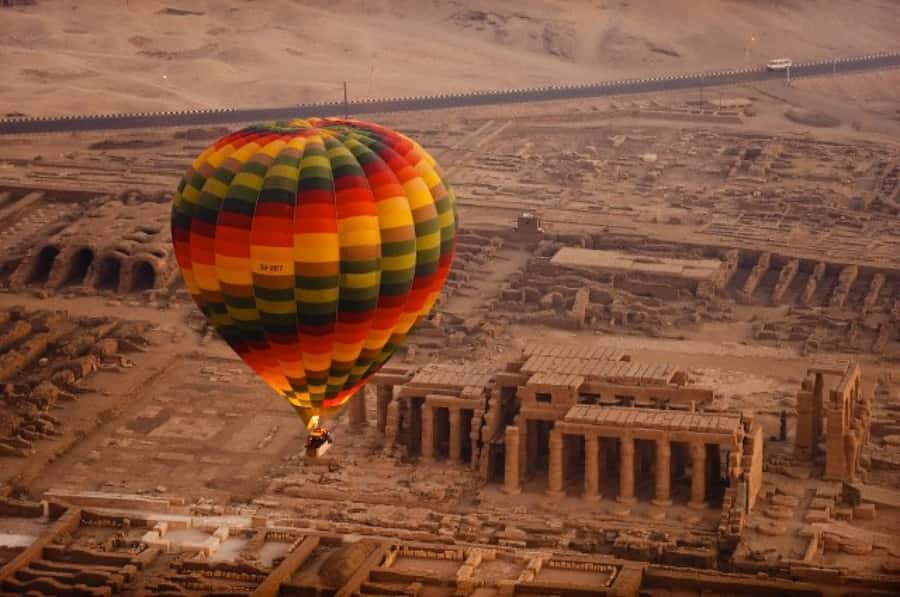
- Medinet Habu: Ramses III’s Burial Temple and Its Big-Footprint Details
- Valley of the Nobles: Tombs of the Aristocracy and Better Preservation
- Deir el-Medina: The Artisans’ Village Behind the Tombs
- Lunch on the West Bank: Local, Included, and Timed for the Day
- Guides and On-the-Ground Quality: When Explanations Actually Matter
- Price and Value: Is $150 per Person a Fair Deal?
- Quick Planning Tips Before You Go
- Should You Book This Luxor Hot Air Balloon + West Bank Day?
- FAQ
- FAQ
- How long is the tour, and what’s included?
- Where will I be picked up and dropped off?
- How long is the hot air balloon flight?
- Which sites are visited on the West Bank?
- What languages are available for the guide?
- What should I bring?
Key things that make this day work
- Private guide, West Bank pace: You get a licensed Egyptologist with a real flow through Medinet Habu, the Valley of the Nobles, and Deir el-Medina.
- Balloon time, not hours: The flight is around 45 minutes, so you get big views without losing the whole morning.
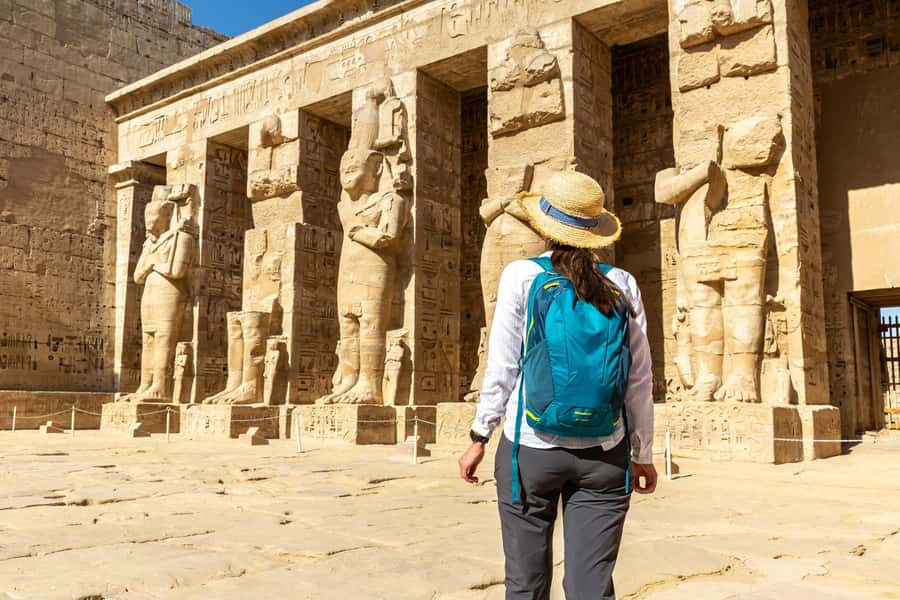
- Medinet Habu’s scale hits fast: The entrance of Ramses III’s burial temple is listed as 63 meters wide and 22 meters tall.
- Valley of the Nobles is easier to love: More than 500 tombs, and they tend to be better preserved than many royal tombs.
- Deir el-Medina adds the human layer: You’re shown the village where artisans worked on royal tombs.
- Lunch included and timed well: You end with lunch at a local restaurant before being dropped back to your selected area.
Sunrise Balloon Over Luxor: What 45 Minutes Really Gives You
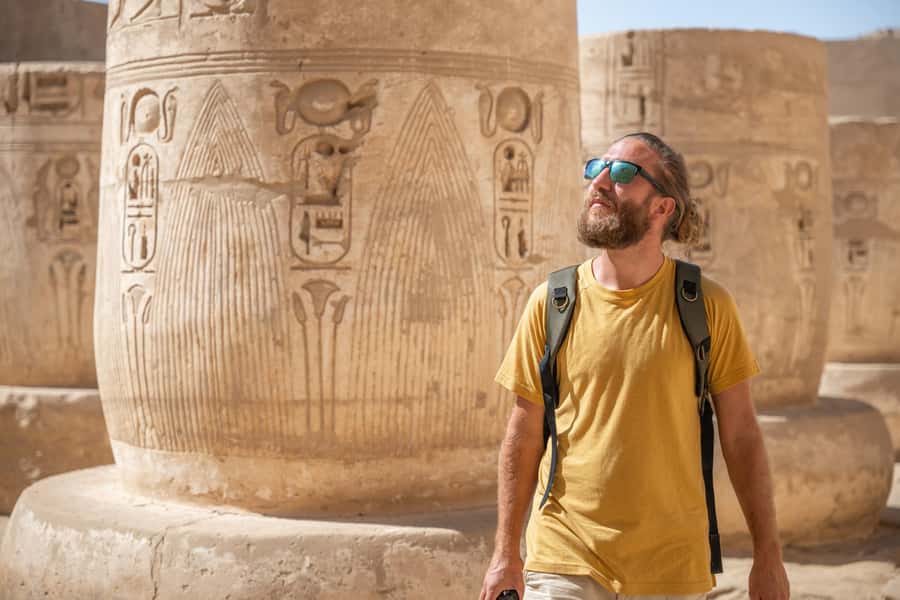
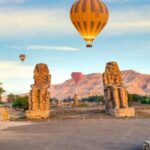
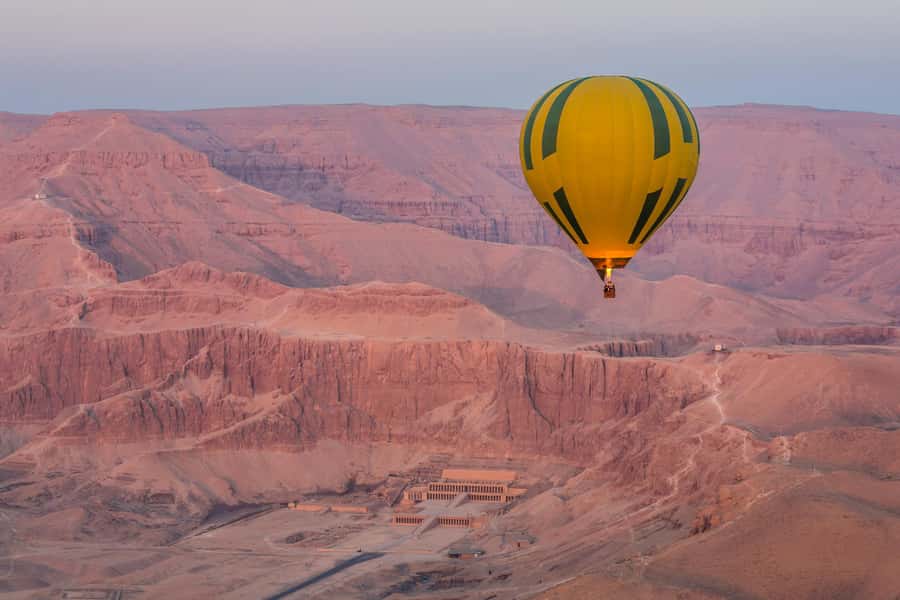
The day starts early, because the balloon flies at sunrise timing. You’ll get picked up from your hotel on the East Bank, then head to the ballooning area for a flight of about 45 minutes. The exact pickup time varies by hotel location, since it depends on the distance to the departure point, so don’t treat the morning as flexible once they confirm your time.
What you’re really buying here is perspective. From above, Luxor looks like a patchwork of fields, water, and monuments stretching along the Nile. Then, once you’re on the ground, the West Bank sites stop feeling like separate stops and start connecting as one ancient working region.
One planning consideration: balloon departures can be staged when demand is high. A review notes that with a lot of people, there can be a first wave and a second wave, and the sunrise moment may not happen exactly the way you hoped. You can’t control the number of passengers, but you can manage expectations: this still tends to be a memorable experience, just not always perfectly synchronized to the exact sunrise minute.
You can also read our reviews of more private tours in Luxor
Hotel Pickup and Transfers: The Logistics That Make or Break the Morning
This trip is designed to be smooth. You get hotel pickup and drop-off in the East Bank, plus transfers by private air-conditioned vehicle, and mineral water or a soft drink. You also get entrance fees handled, and you can skip the ticket line, which helps when your day starts with sunrise timing.
If you’re staying in the East Bank, this setup is very convenient. If you’re on the West Bank, note that pick-up and drop-off on the West Bank is available at an extra cost of $5 per person, but it’s not the default. Ask when you book if you’re unsure which side your hotel is on, because it affects how the schedule runs.
Bring cash. The tour info calls out cash as something you should have, and in Egypt that small detail can save you time later if anything needs a quick payment.
Medinet Habu: Ramses III’s Burial Temple and Its Big-Footprint Details
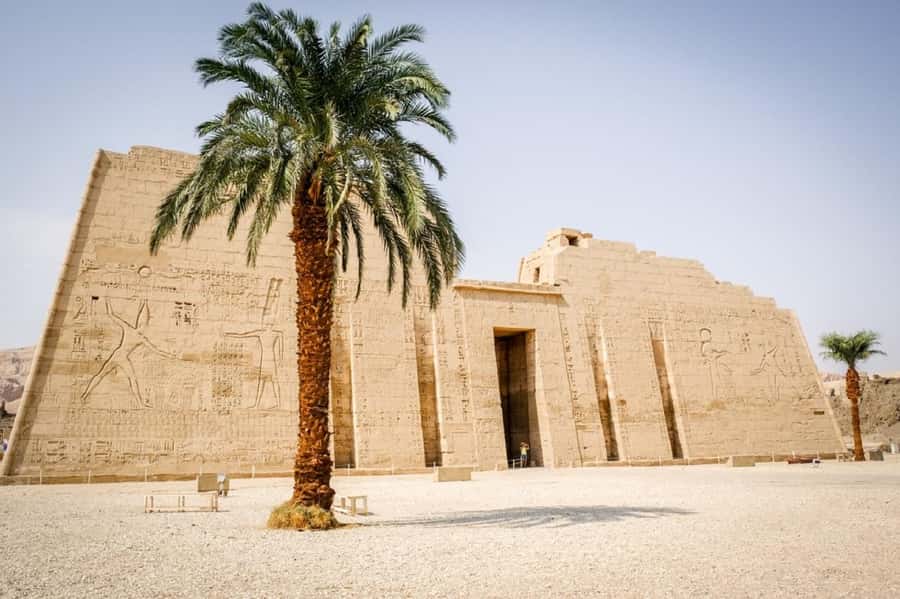
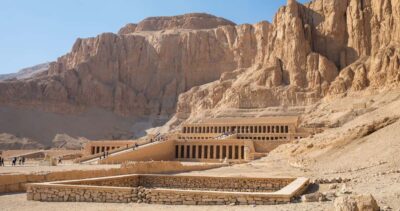
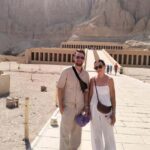
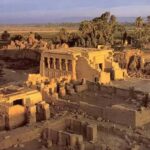
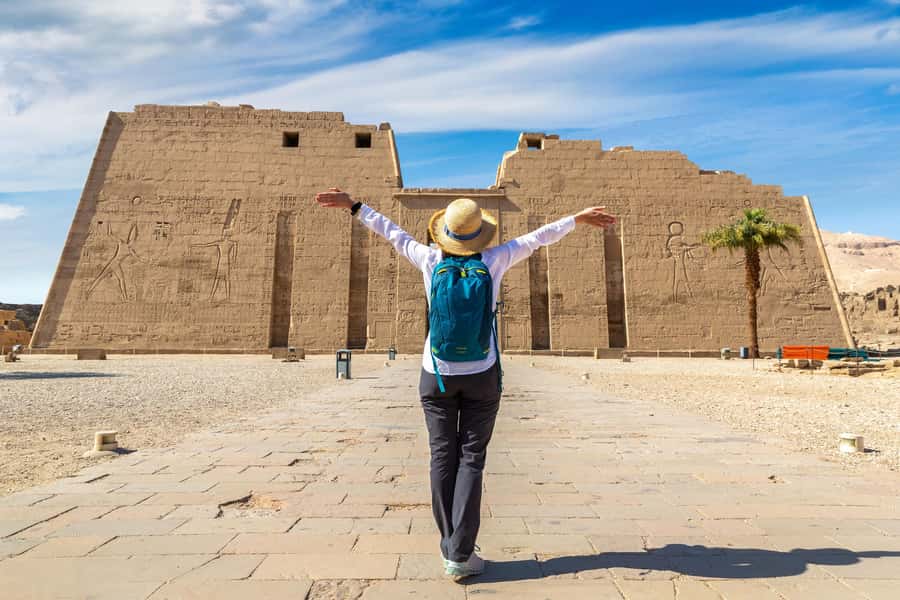
After the balloon lands, your guide is waiting to take you straight to the West Bank. The first site is Medinet Habu, the burial temple of Ramses III, described as one of Luxor’s most important religious monuments.
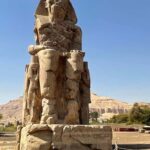
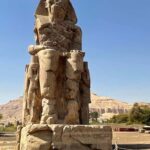
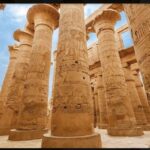
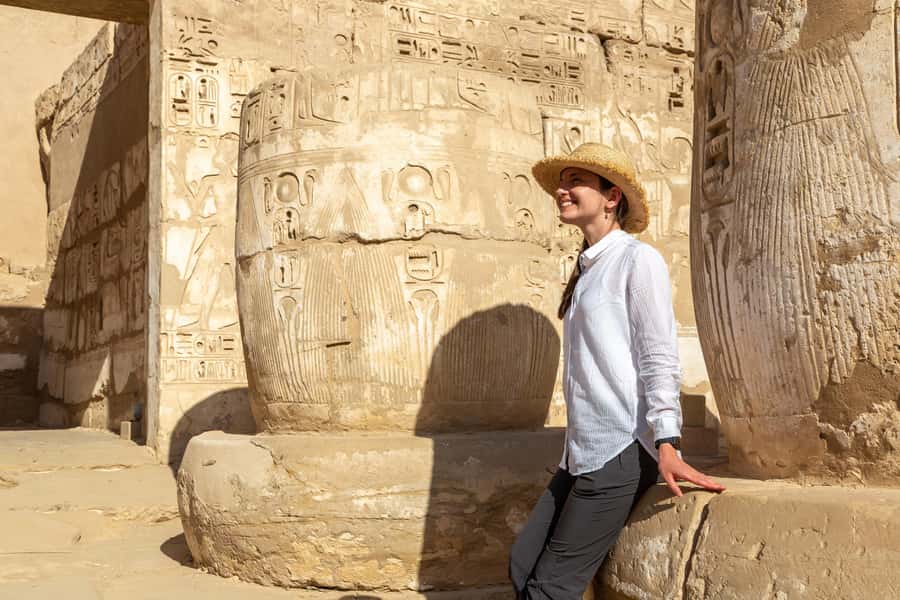
This stop is built for the moment when you realize scale matters. The entrance is listed as 63 meters wide and 22 meters tall, and that size makes the temple feel less like an object and more like a statement. The temple also bears a representation of the pharaoh himself, so your guide can anchor the story in a person, not just stone.
What I like about starting at Medinet Habu is that it gives the day a strong religious and royal anchor before you move into more specific tomb types. Medinet Habu sets context: who had power, who ordered the work, and why the West Bank became a sacred place.
A practical tip: wear comfortable walking shoes and expect a bit of uneven ground. These sites are ancient, not museum-flat, and your guide’s pacing helps you keep moving without feeling rushed.
Valley of the Nobles: Tombs of the Aristocracy and Better Preservation
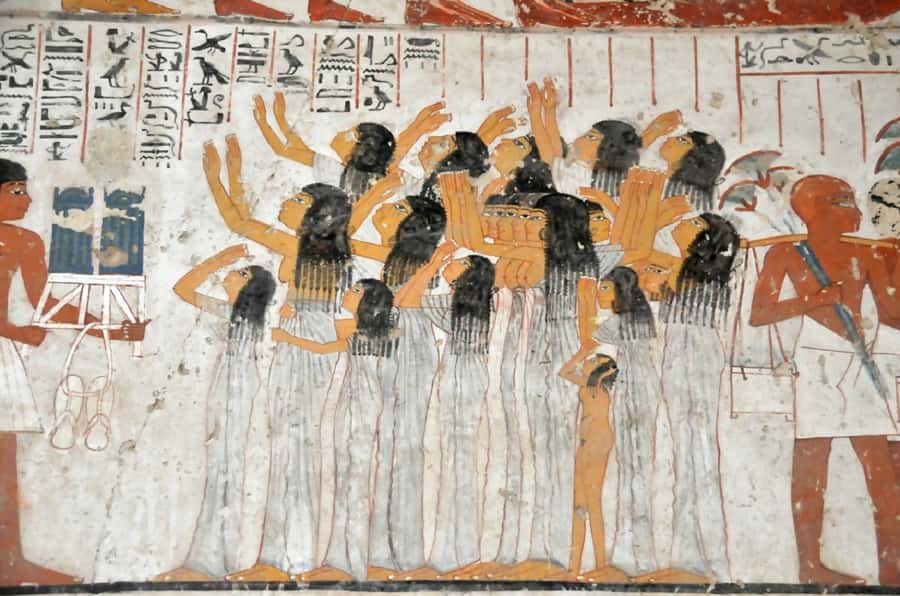
From Medinet Habu you continue to the Valley of the Nobles. Here, you’ll find more than 500 tombs belonging to members of the Egyptian aristocracy. This is the part of the day where the guide’s explanations can change how you read the walls, because tombs like these often feel repetitive until someone gives you the framework.
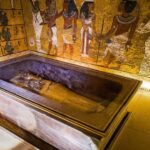
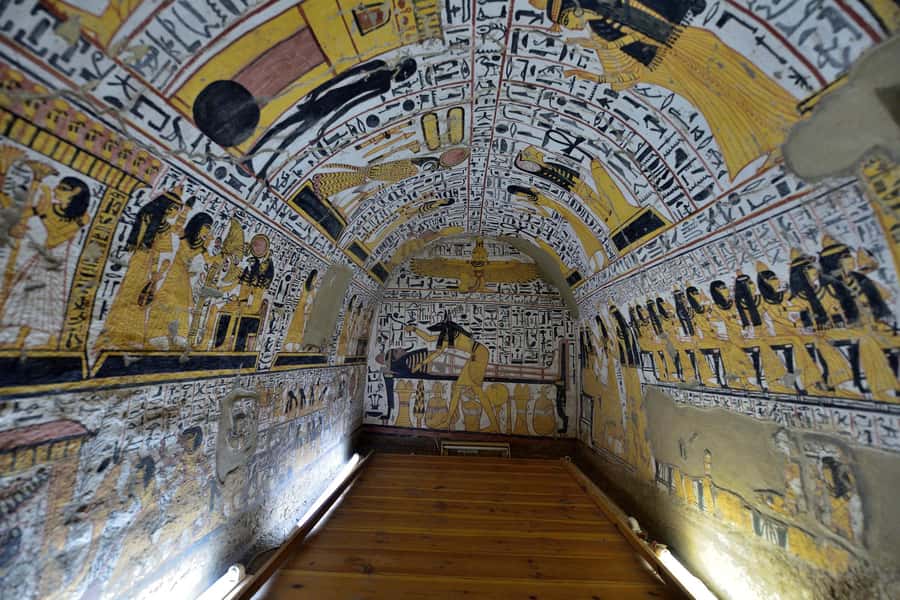
The big reason this valley is worth your time: less royal pressure tends to mean less attention from grave robbers. The tour notes that these tombs are often much better preserved than royal tombs, and that usually translates into clearer decoration when you step inside. You’re not just seeing a tomb you recognize from a postcard; you’re stepping into the kind of space that still holds its original character.
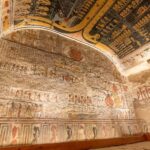
Inside, your guide can point out how the aristocracy expected to be remembered. Even if you only catch some of the details, the key idea lands: this wasn’t only a king’s world. It was a whole social structure, and these nobles had roles, wealth, and status that played out in their final resting places.
If you’re the type who likes photos, you’ll get them here too—but try to balance camera time with the guide’s spoken details. The tombs become easier to appreciate when you’re not only looking for shapes, but learning what each scene was meant to communicate.
Deir el-Medina: The Artisans’ Village Behind the Tombs
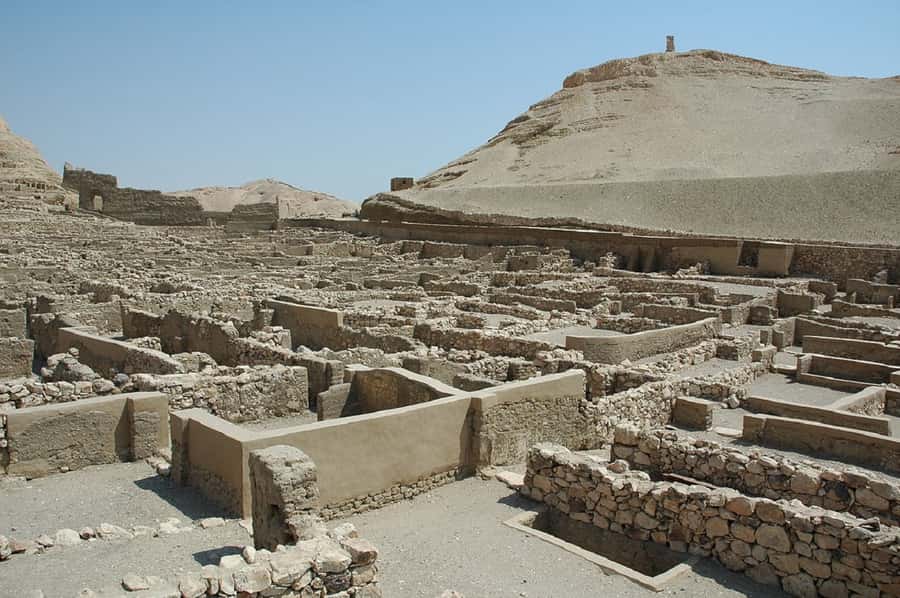
Next comes Deir el-Medina, an ancient Egyptian village that was home to the artisans who worked on the tombs in the Valley of the Kings. This is the stop that adds the human layer most people miss when they focus only on royal monuments.
Instead of only asking what pharaohs wanted, Deir el-Medina helps you ask a different question: who actually did the work, and how did they live while doing it? The tour frames it as the base for artisans responsible for tomb production, and that makes the entire West Bank feel more practical and real.
You’ll likely spend time connecting the dots between what you saw in the Valley of the Nobles and the larger royal project across the way. Even if the village itself is not as imposing as Medinet Habu’s entrance, it tends to be satisfying for anyone who wants to understand how ancient Egypt functioned day to day.
This is also a great moment to slow down. If you’re tired from early pickup and balloon timing, ask your guide to explain the story at a pace you can keep up with. Private guiding helps here because you can set your own rhythm.
You can also read our reviews of more tours and experiences in Luxor

Lunch on the West Bank: Local, Included, and Timed for the Day
After Deir el-Medina, you’ll have lunch at a local restaurant. Lunch is included in the price, and it’s scheduled after your major West Bank stops so you’re not eating too early in the morning.
One review specifically calls out Casablanca restaurant as delicious, which is a nice sign that lunch can be more than just a box-check. Of course, restaurant choices can vary, but the fact that lunch is part of the planned flow matters. You won’t be scrambling for food while you’re still thinking about tomb scenes.
Given the day’s start time, you’ll probably appreciate a real meal. Bring a little cash too, in case you want something extra like bottled water or a snack before or after the included lunch.
Guides and On-the-Ground Quality: When Explanations Actually Matter
The heart of this experience is the guide. The tour includes a professional English guide, and you can request Spanish, German, or French for an additional cost. The guides listed in reviews give you a clue what the guiding style tends to be like: clear explanations, patience with questions, and a sense of humor.
You’ll see guide names like Hamdy, Yasser, Abanob, Ahmed Bahaa, and Manal showing up across excellent ratings. Hamdy, for example, is described as precise and enthusiastic, and Ahmed Bahaa is mentioned for making the visit more interactive. Yasser is praised for arranging around preferences and giving solid historical explanations.
This matters because Luxor’s monuments can turn into a blur if you’re only reading labels. With a good Egyptologist, you start noticing patterns—how temples communicate royal power, how tomb design reflects social status, and how artisan work fits into the bigger royal machine.
If you’re the kind of traveler who asks questions during tours, this is a strong match. A private format makes it easier to spend extra minutes on what you care about, instead of watching everyone else move on.
Price and Value: Is $150 per Person a Fair Deal?
At $150 per person for a 6-hour private day that includes a hot air balloon flight, entrance fees, lunch, English (or another language option), and private air-conditioned transfers, the value is pretty straightforward. You’re not paying just for a driver and a ticket route; you’re paying for balloon time plus a guided plan.
Where the value becomes real is the combination:
- Balloon flight (often the hardest part to schedule well)
- Three West Bank sites in one day (more efficient than doing them piecemeal)
- Licensed Egyptologist time (not just a general guide script)
The main reason someone might hesitate is the crowd variable around balloon operations. If your top priority is a perfectly timed sunrise moment with minimal staging, you should ask what pickup wave you might be assigned to. Even then, you can still end up with a strong experience because the balloon views are the point.
Overall, this price makes the most sense if you want a curated, guided day without the stress of planning the parts yourself.
Quick Planning Tips Before You Go
A few practical notes can help your morning run smoother:
- Confirm your exact pickup time when the company agent confirms it, since it depends on your hotel’s distance to the ballooning area.
- Have cash on hand, since it’s specifically listed as something you should bring.
- Wear comfortable shoes for West Bank walking and inside tomb steps.
- Expect an early start and plan to keep your energy steady through lunch.
If you’re traveling as a couple or with a small group who wants flexibility, the private format is a big advantage. If you’re traveling solo, you can still get a lot out of the guide’s explanations because there’s less pressure to match a larger crowd.
Should You Book This Luxor Hot Air Balloon + West Bank Day?
If you want a one-day hit of Luxor’s most important West Bank experiences—temple, nobles’ tombs, and the artisans’ village—this is a smart way to do it. The balloon adds a dramatic view that changes how the rest of the day lands, and the private Egyptologist guidance is the glue that turns monuments into understanding.
I’d book it if:
- You like guided explanations and don’t want to figure out the route yourself.
- You want three major West Bank stops in a single day.
- You’re comfortable with an early morning for sunrise-style balloon timing.
I’d think twice if:
- Your balloon expectations are extremely specific (for example, you need a single, exact sunrise moment with no staging).
- You’re staying on the West Bank and you want to avoid any extra pickup logistics, since West Bank pickup/drop-off has an added cost.
FAQ
FAQ
How long is the tour, and what’s included?
The duration is 6 hours. It includes hotel pickup and drop-off in the East Bank, entrance fees, the hot air balloon, the West Bank tour, lunch, a private guide, private air-conditioned transfers, and mineral water or a soft drink.
Where will I be picked up and dropped off?
Pickup and drop-off are included in the East Bank. West Bank pickup and drop-off is available at an extra cost of $5 per person.
How long is the hot air balloon flight?
The flight time is around 45 minutes. Pickup time for the balloon depends on your hotel location and how far it is from the ballooning area.
Which sites are visited on the West Bank?
The West Bank portion includes Medinet Habu, the Valley of the Nobles, and Deir el-Medina.
What languages are available for the guide?
The tour lists Arabic, English, French, German, and Spanish. It includes a professional English guide by default, and other languages can be chosen for an additional cost.
What should I bring?
The tour info specifically notes bringing cash.