REVIEW · ASWAN
From Aswan: 5-Day Nile Cruise to Luxor with Hot Air Balloon
Book on GetYourGuide →Operated by Nice Tours · Bookable on GetYourGuide
Hot air balloons over Luxor feel like a once-in-a-lifetime switch in time. This Nile cruise pairs major monuments with real downtime on the water, plus guided temple time that actually helps you understand what you’re seeing.
I really like the private Egyptologist angle, especially on days like Philae and the East Bank temples where a good explanation turns stone into a story. I also love the mix of big-name sites and variety: High Dam and Unfinished Obelisk in Aswan, then Edfu by horse carriage, and finally the balloon and sunset felucca.
The main drawback to weigh is timing pressure. Several stops happen early, and at least one hot-air-balloon day can compress your morning and hotel time, so you’ll want a calm mindset and good flexibility.
In This Review
- Key highlights that make this trip worth a look
- Aswan to Luxor by Nile ship, with a balloon twist
- Day 1 in Aswan: High Dam, Unfinished Obelisk, and Philae Temple
- Day 2 Abu Simbel: the long drive that turns monumental
- Day 3 Edfu Temple: horse-drawn carriage to a remarkably intact site
- Day 4 Luxor at sunrise: balloon flight plus East Bank temple time
- Day 5 Luxor West Bank: Valley of the Kings, Hatshepsut, and Colossi of Memnon
- Cruise comfort and meals: what you get on a 5-star Nile ship
- Price and value: is $1,300 per person a good deal?
- Practical tips that make the difference on this kind of Egypt trip
- Who should book this Aswan-to-Luxor balloon cruise
- Should you book this tour?
- FAQ
- Is the hot air balloon ride included, and who can join?
- What languages are available for the Egyptologist?
- What meals are included during the cruise?
- Are entrance fees included?
- Are vegetarian or halal diets possible?
- Is cancellation flexible?
Key highlights that make this trip worth a look
- Hot air balloon over Luxor with an early pickup, giving you temple-and-river views at sunrise
- Private Egyptologist-guided temples in Aswan and Luxor that focus on meaning, not just photos
- Abu Simbel day trip via a long drive, which is a serious commitment but a huge payoff
- Edfu Temple by horse-drawn carriage for a slower, more local-feeling approach
- Felucca ride at sunset after the East Bank visit, when the Nile turns soft and gold
- West Bank classics: Valley of the Kings, Hatshepsut at Deir el-Bahari, and the Colossi of Memnon
Aswan to Luxor by Nile ship, with a balloon twist
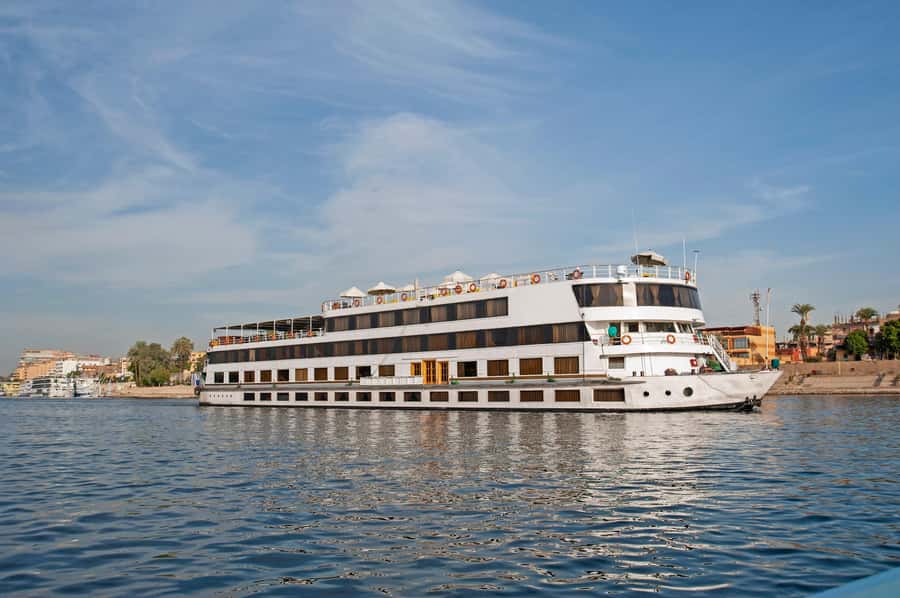
This is the kind of trip that makes sense if you want two things at once: monuments plus the calm of being carried along the river. The cruise component is not just transportation. It’s your base for meals, rest, and the rhythm of moving north—so you’re not constantly packing and changing hotels.
The other big reason this works is the temple guidance. Temples in Egypt can feel like you’re staring at walls—until someone explains the axis of the complex, the roles of the gods, and how the layout reflects beliefs. With a private Egyptologist, you spend more time focused on what matters.
Just remember: you’re doing a lot of world-famous stops in five days. If you dislike early starts, tight visit windows, or being moved by a schedule, plan for that now.
You can also read our reviews of more boat tours in Aswan


Day 1 in Aswan: High Dam, Unfinished Obelisk, and Philae Temple
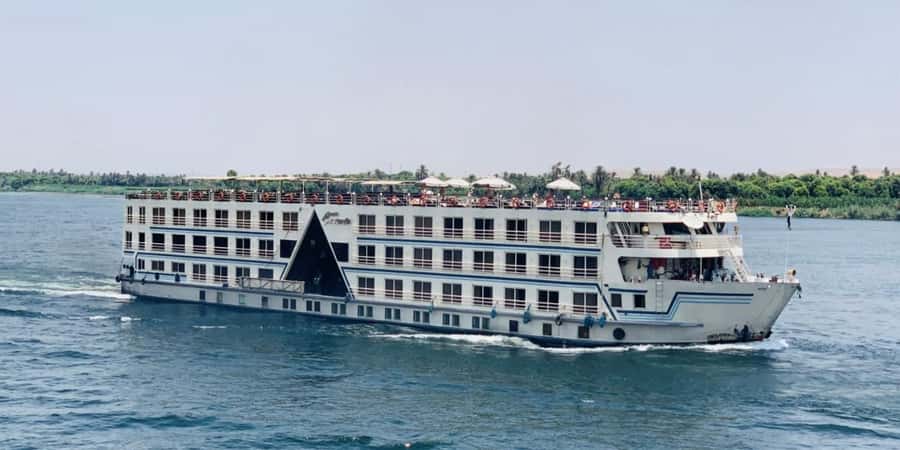
Your day starts with a morning pickup in Aswan and a first meeting with your Egyptologist guide. Then you swing from modern Egypt to ancient Egypt in a way that helps your brain switch tracks.
High Dam is your modern opener. It’s not a temple, but it’s essential context because it controls the Nile’s flow—meaning it’s part of why the river and Egypt’s settlements work the way they do today. If you like engineering and big-scale human projects, this stop clicks.
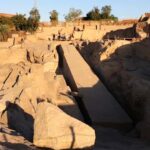
Next comes Unfinished Obelisk in Aswan’s granite quarries. It’s a powerful place to understand that ancient building was real work with real limits. You see the early stages of carving, not a finished showpiece, and that makes the process feel more human.
Then you land at Philae Temple, dedicated to Isis. Expect a temple experience built around sanctuaries, shrines, and classic landmark imagery. It’s also the kind of setting where the guide’s pacing matters—too fast and you miss the “why this place was designed like this” part.
After your sightseeing, you transfer to the cruise for lunch and dinner onboard. That’s a real value: you don’t lose the whole evening to logistics.
Day 2 Abu Simbel: the long drive that turns monumental
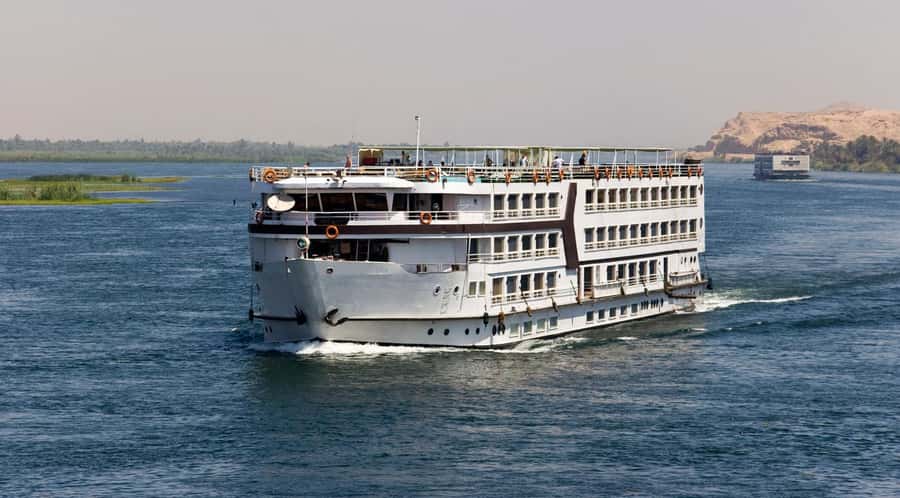
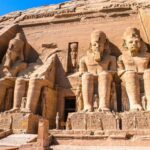
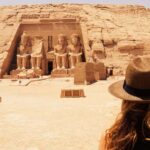
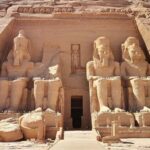
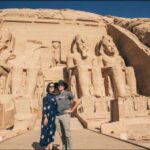
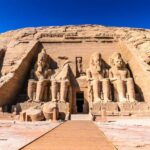
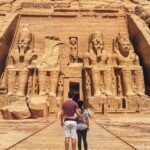
Day 2 is an early, heavier day. You set out for Abu Simbel, Ramses II’s colossal statement of power, plus the temple complex linked to Queen Nefertari.
This is one of those “worth it, if you’re ready for it” experiences. The drive is long, and the day runs with cruise timing. The trip notes a group-style component for the drive (about four hours), so don’t expect a quiet, private-car experience from door to site. Still, the payoff is that your schedule gets managed for you.
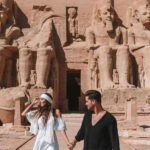
Abu Simbel is unique because you’re seeing two major temples in one visit: one dedicated to Ramses II and the other to Nefertari. Even if you’ve seen photos, seeing them in person is different because scale hits you fast. The rock-cut architecture makes the whole complex feel carved by stubborn determination.
When you return around mid-afternoon, you’re back on board for lunch, then sailing resumes. That’s the hidden benefit of cruising: after a big excursion day, you get your bed and your meals already sorted.
Day 3 Edfu Temple: horse-drawn carriage to a remarkably intact site
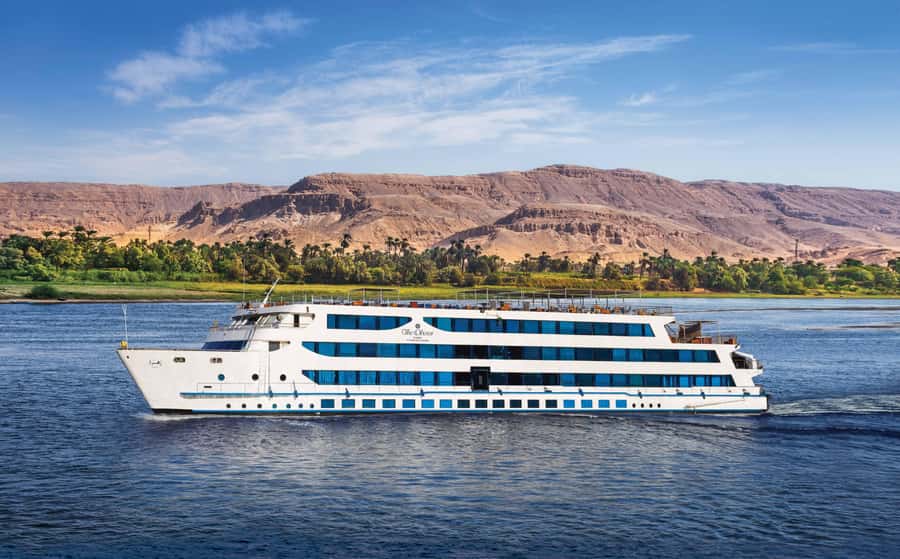
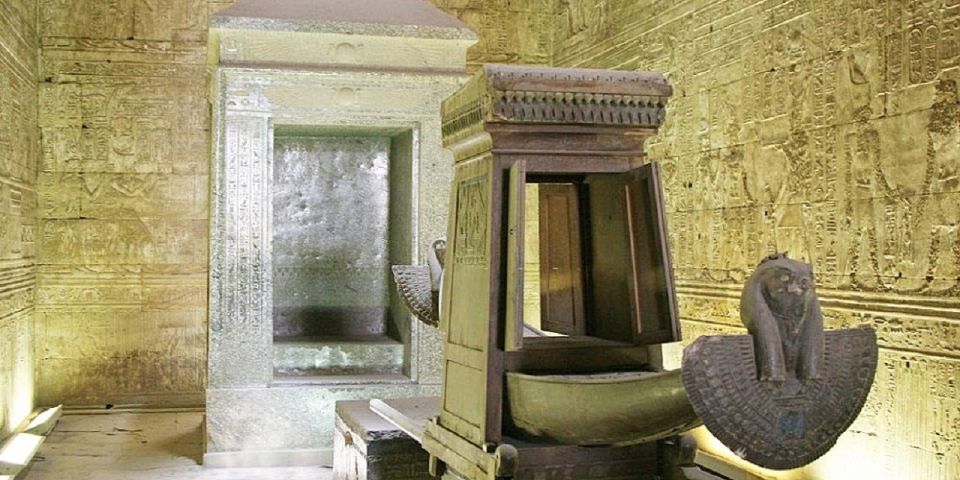
By Day 3, the trip feels less like a marathon and more like a rhythm. After breakfast onboard, you go to Edfu Temple, dedicated to Horus.
The fun twist here is the approach. You’re taken by horse-drawn carriage to the temple area. It’s not about romance; it’s about shifting your pace and giving you a more local feel before you enter the stone world. You’ll probably notice that this day feels a bit less rushed than the longest-distance excursion day.
At Edfu, you’re going to focus on the towering pylons and the detailed carvings, with special emphasis on how well the temple is preserved. This is one of those places where your guide can make the carvings feel less like background texture and more like a mapped system of symbols.
After your visit, you head back to the cruise and continue sailing. That sailing day helps break up the intensity of the major temple days.
Day 4 Luxor at sunrise: balloon flight plus East Bank temple time
Day 4 is the trip’s emotional peak. You’re picked up early for a hot air balloon ride over Luxor. The timing is intentional: balloon flights are usually about weather and light, and you’re going high to see temples, fields, and the Nile corridor in a single sweep.
This is where you’ll feel the value of planning your morning around the balloon. You’re not just getting a ride; you’re getting a perspective that turns the city’s layout into something you can understand. From up there, the river and temple zones look like an organized design instead of scattered ruins.
After the flight, you return to the cruise for breakfast, then meet your guide for Luxor’s East Bank. You start at Karnak Temple, accessed by the grand avenue lined with ram-headed sphinxes. That avenue matters because it guides you into the complex like a procession, which is exactly how these spaces were meant to be experienced.
Then you move to Luxor Temple—often remembered for a more harmonious design and spiritual significance. With a guide, it’s easier to see the difference in mood between Karnak’s vastness and Luxor Temple’s more focused layout.
Lunch stays onboard, then later you go out again for a sunset felucca ride. This is your decompression window. At dusk, the Nile looks calmer, and the day shifts from “see everything” to “sit and absorb.”
One real-world consideration: balloon days can mean early morning energy and compressed windows after landing. If you’re traveling with a kid, or you’re the type who hates being rushed, mentally prepare for that.
Day 5 Luxor West Bank: Valley of the Kings, Hatshepsut, and Colossi of Memnon
Your final day leans classic. After breakfast onboard, you explore the West Bank with your guide.
First stop: the Valley of the Kings, where many pharaohs are laid to rest. This is where explanations help most. The valley isn’t just dramatic; it’s part of a belief system about the afterlife, secrecy, and protection. Without a guide, it’s still beautiful—but with one, it becomes coherent.
Next is Temple of Hatshepsut at Deir el-Bahari. Built into the cliffs, it feels cinematic. The architecture and its siting give you layers—literally and visually. You’ll likely spend extra time here because the shape of the temple creates natural pauses for photos and reflection.
Then you close with the Colossi of Memnon, huge standing figures that anchor the site’s scale. Even if you know their names from books, seeing them in person is a different kind of awe. They’re also a good final stop because they wrap your day in a clear, memorable image.
Afterward, your driver drops you at your Luxor accommodation. It’s a clean finish: you don’t have to squeeze in extra transfers after a long day.
Cruise comfort and meals: what you get on a 5-star Nile ship
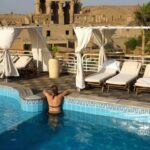
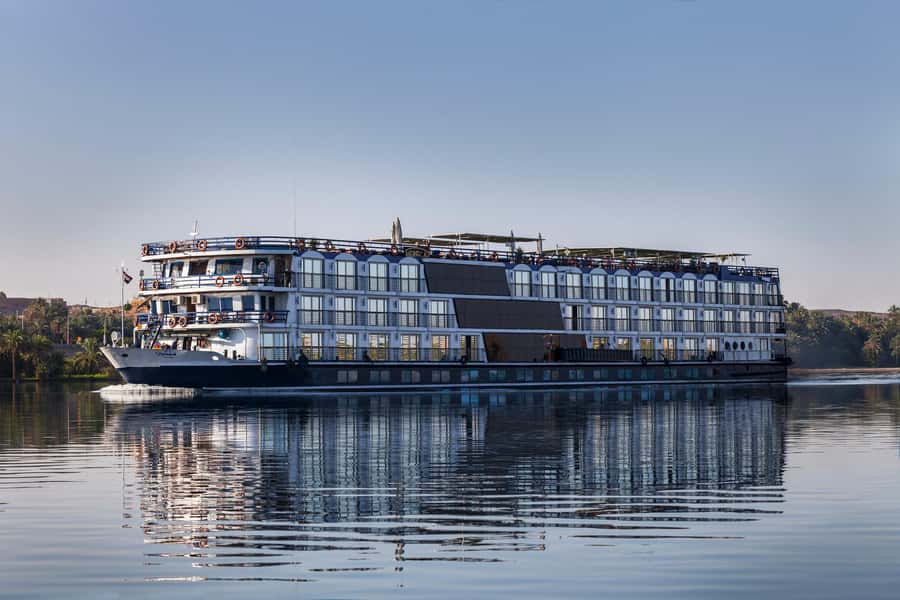
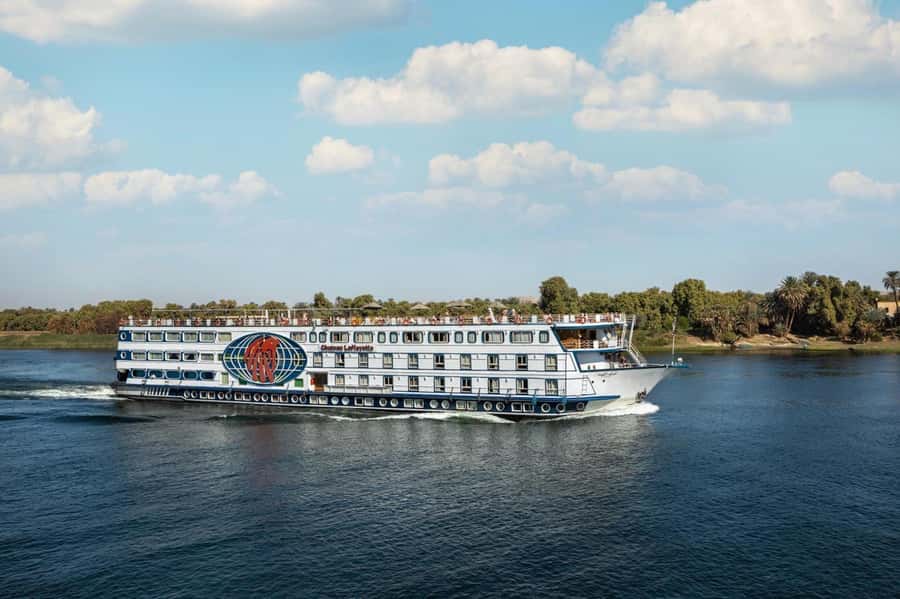
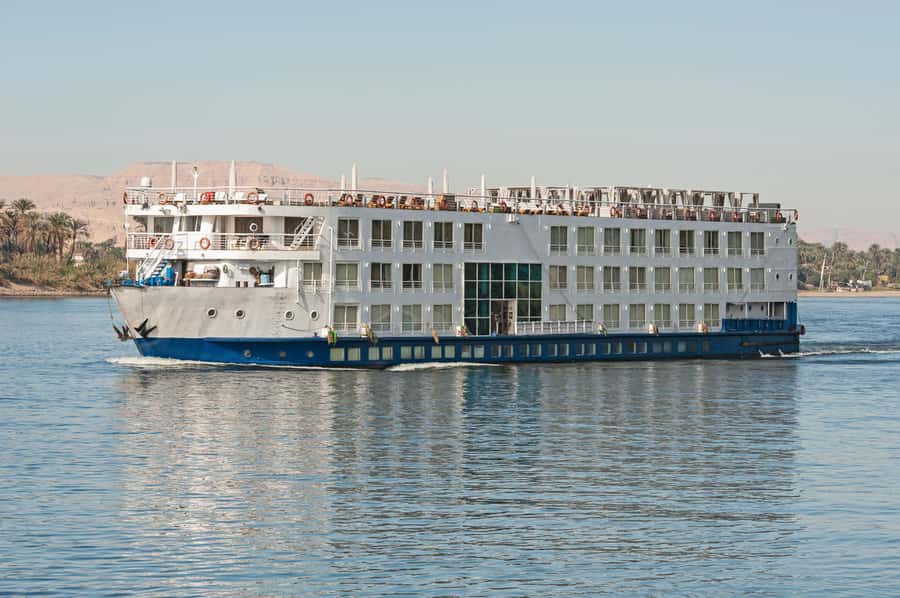
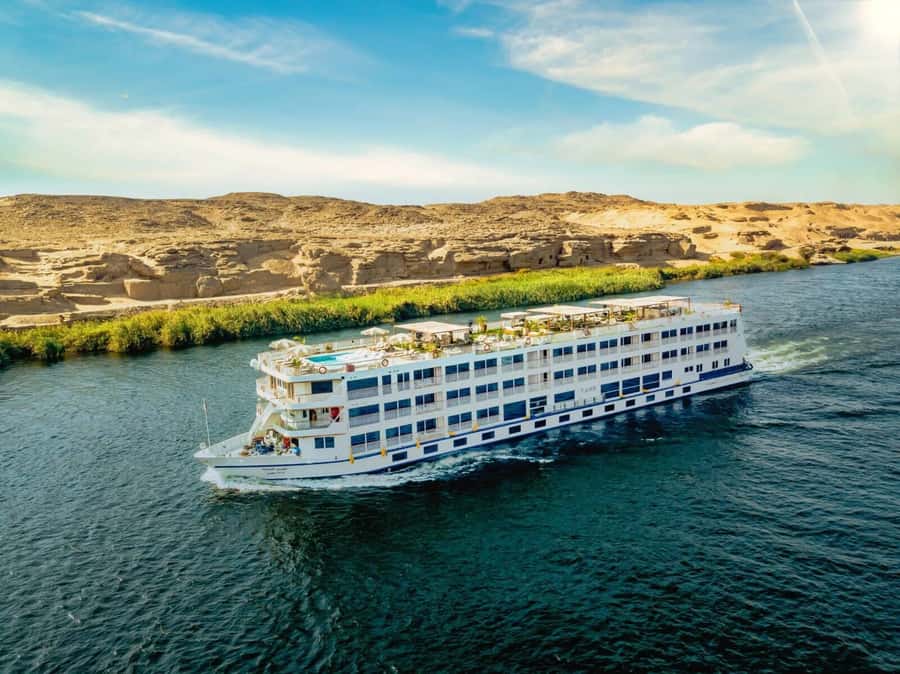
You’re staying 4 nights on a 5-star cruise with a private cabin and Nile views, plus full amenities. This matters because the cruise is your home base. Having your own space and being able to see the river from your room turns the “in-between time” into something pleasant rather than wasted.
Meals are included (with one exception on Day 5 breakfast only). Lunch and dinner are onboard most days, which is practical during temple-heavy schedules. In a trip like this, food logistics can become stressful fast, so keeping it simple is a real perk.
Diet requests are supported: vegan, vegetarian, and halal diets can be accommodated. That’s important on cruise-style trips where you don’t want to gamble on what will be available during long excursion days.
Price and value: is $1,300 per person a good deal?
At $1,300 per person for a 5-day package, this is priced like a true “experience” trip, not a budget cruise. You’re paying for a bundle: private pickup/drop-off, a 4-night Nile cruise with meals, a private Egyptologist, major excursions (including Abu Simbel), and signature items like the balloon and felucca.
Here’s how I think about value:
- If you’d otherwise book a separate balloon, hire guides, and pay for transport between sites, this package often stops being expensive on paper.
- The private Egyptologist is the make-or-break line. If you care about understanding temples instead of just checking boxes, that’s where the money goes.
Two caution flags:
- Entry fees aren’t included. So you should budget for tickets on top of the package price.
- With so many scheduled stops, service quality depends on execution. The overall cruise experience can be excellent, but you’ll want to keep your expectations realistic about early starts and tight time windows.
Practical tips that make the difference on this kind of Egypt trip
Plan for early mornings. The balloon pickup is early by design, and other days start early too. If you pack for comfort and keep your essentials ready the night before, you reduce stress.
Bring layers. Egypt mornings and evenings near the Nile can feel cool compared with midday heat, especially on open-deck moments like felucca time.
Respect that entrances and guides run on time. This trip is efficient, but that also means you won’t have hours of free wandering at every monument. Go in with a mindset of guided viewing, then a little time for your own photos.
Balloon eligibility matters. Children under 6 years can’t join the balloon flight under civil aviation rules. If you’re traveling with young kids, you’ll need to plan alternatives for them.
Who should book this Aswan-to-Luxor balloon cruise
This is a strong match for you if:
- You want major Egyptian highlights without the hassle of constant hotel changes.
- You value explanation as much as sightseeing, and you like the idea of a private Egyptologist.
- You’re willing to trade some slow travel for iconic “wow” moments like Abu Simbel and a balloon over Luxor.
It may not be the best match if:
- You hate early starts and schedule pressure.
- You’re traveling with very small children who need a calmer pace.
- You expect fully relaxed, unhurried temple browsing on every stop.
Should you book this tour?
If you’re drawn to the idea of sailing from Aswan to Luxor, learning with a private Egyptologist, and ending your East Bank day with a felucca plus adding a hot air balloon, this trip can deliver exactly that. The value is strongest when you treat it like a guided “greatest-hits” experience rather than an independent travel day.
My advice: book it if the balloon is a must for you and you’re okay with early pickups and tickets that cost extra. Skip it—or choose a different style—if you need a very loose schedule or you’re sensitive to compressed time at major sites.
FAQ
Is the hot air balloon ride included, and who can join?
Yes, the hot air balloon ride is included in the experience. Children under 6 years can’t join the flight due to civil aviation rules.
What languages are available for the Egyptologist?
The tour offers live guidance in English, Arabic, German, Spanish, or French. If you want Spanish, German, or French, you can select the appropriate add-on.
What meals are included during the cruise?
Meals are included for most days: lunch and dinner on Day 1, full-board breakfast/lunch/dinner on Days 2 and 3, and full-board breakfast/lunch/dinner on Day 4. On Day 5, it lists breakfast only onboard.
Are entrance fees included?
No. Entry fees are not included, so you should plan to pay separate tickets for the sites.
Are vegetarian or halal diets possible?
Yes. Vegan, vegetarian, and halal diets can be accommodated.
Is cancellation flexible?
You can cancel up to 24 hours in advance for a full refund, and there’s a reserve now & pay later option for flexibility.