REVIEW · CAIRO
Pyramids of Giza and Great Sphinx: Private Half-Day Tour
Book on GetYourGuide →Operated by Saladino Tours - Egypt · Bookable on GetYourGuide
Four hours at Giza can shift your thinking. This private half-day tour is a fast, focused way to see the Pyramids of Giza and the Great Sphinx, guided by an Egyptologist who turns stone and symbols into real stories. I like the way the visit is paced for you—time to look, ask questions, and take photos—and I especially like that the guide helps you get your bearings instead of just reciting dates. One consideration: it’s still a short window on a huge site, so expect heat, stairs, and crowds around the main monuments.
You also get real value in the logistics. Pickup from Cairo or Giza, transportation, entrance fees, parking, and skip-the-line handling mean you spend your energy on the monuments, not ticket lines. Guides you might meet—like Yasser, Hammi, or Apo El Khir—are repeatedly praised for explaining what you’re seeing and making photo time painless.
The main tradeoff is control. With a private guide, the experience can feel very tailored, but you still need to speak up if you want less physical posing. I’d also plan to wear comfortable shoes and protect yourself from sun, because the plateau doesn’t care about your schedule.
In This Review
- Key highlights from this private Pyramids of Giza and Great Sphinx tour
- Why a 4-hour private Giza tour works so well
- Getting from your hotel to the Giza Plateau with less hassle
- Pyramids of Giza with an Egyptologist: Cheops, Chephren, and Mykerinos
- Visiting inside the Great Pyramid: what to expect and why it’s worth it
- Great Sphinx myths, Valley Temple architecture, and the best photo moments
- Timing and pacing on a half-day schedule: how to make it feel unrushed
- The real value of the $65 price: what you’re paying for
- Language support and why it matters at Giza
- Who should book this tour—and who might prefer something else
- Practical tips for your day at the pyramids
- Should you book this private Pyramids of Giza and Great Sphinx half-day tour?
Key highlights from this private Pyramids of Giza and Great Sphinx tour
- Egyptologist-led visits that connect the pyramids to the pharaohs and the workers who built them
- Cheops, Chephren, and Mykerinos at a half-day pace that still leaves time to look around
- Skip-the-line entrance fees handled for you, including tickets for visiting inside the Great Pyramid
- Great Sphinx + Valley Temple in one go, so you see more than just the icons
- Photo-smart guidance from guides known for photo tips and angle help (and sometimes even hands-on photography)
- Hotel pickup from Cairo or Giza, which makes the timing simpler and the day less stressful
Why a 4-hour private Giza tour works so well
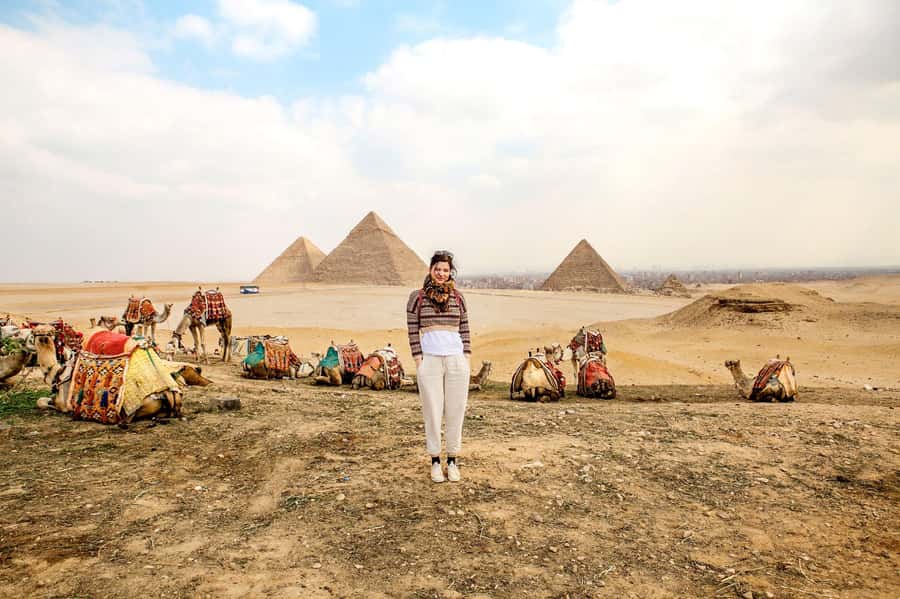
Giza can be overwhelming fast. The site is huge, the monuments are famous enough to feel unreal, and the atmosphere has a constant buzz around the entrances. This private half-day format helps you do the important things without burning your whole day.
You get a tight route: pyramids first, then the Sphinx, then the Valley Temple. That order matters. Starting with the pyramids means you’re still fresh, and it’s easier to understand the “why” of each monument once you’re standing on the plateau. Ending with the Sphinx and Valley Temple is a nice mood shift—from the big geometric statements to the more mysterious, human-scale details of the complex.
The best part for me is that you’re not stuck with a group pace. A private guide can slow down when you’re staring at carvings, speed up if you’re ready to move, and answer the questions you actually have—like how the pyramids were built and what those names mean in context. For a first visit, it’s a smart way to turn a checklist stop into something you can remember.
You can also read our reviews of more private tours in Cairo



Getting from your hotel to the Giza Plateau with less hassle
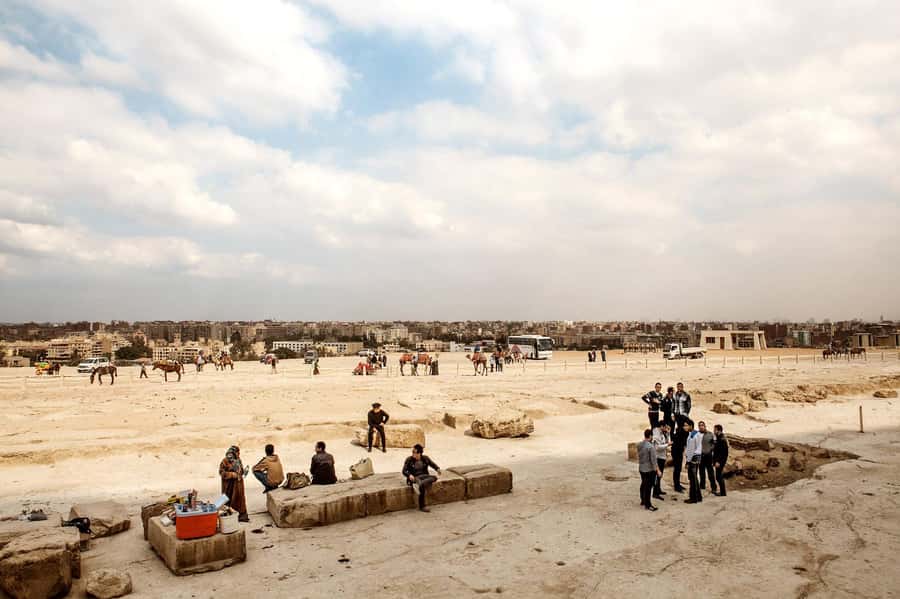
Your day starts with pickup from hotels in Cairo or Giza. That alone can make the experience feel calmer, because you’re not negotiating transport or timing on your own. The tour also includes transportation, parking, taxes, and a service charge, so you’re not constantly thinking about the next payment.
In real terms, you’re buying two things:
- Less friction getting to the site.
- More time on-site for the actual monuments.
You should still plan for typical Giza conditions—heat, sunlight, and the fact that people gather at the same viewpoints. But removing the “how do we get there?” pressure helps you enjoy the “wow” part when you finally see the pyramids in person.
Pyramids of Giza with an Egyptologist: Cheops, Chephren, and Mykerinos
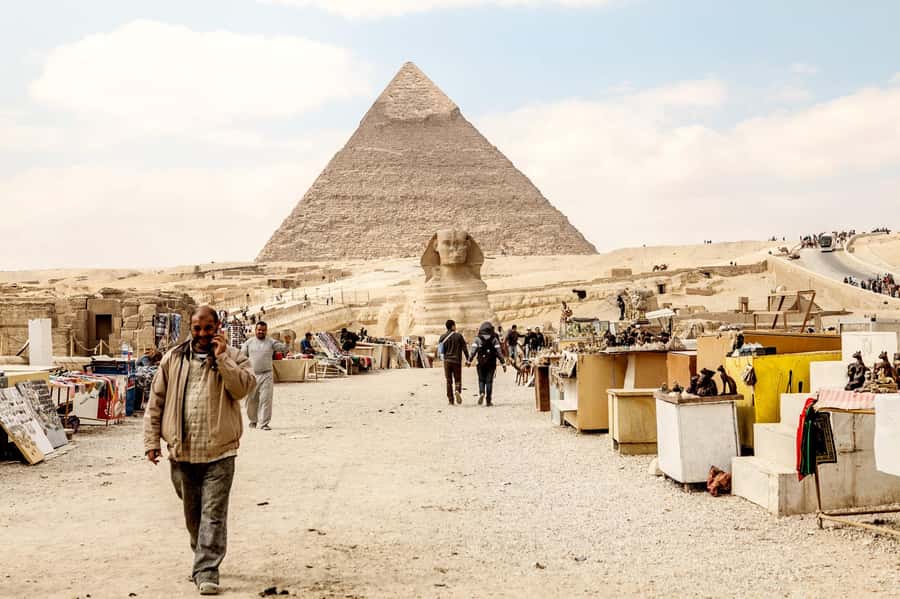
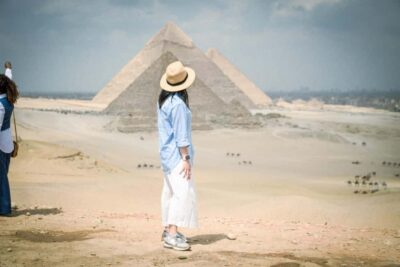
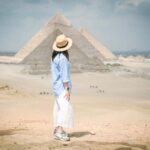
The core of the tour is the Pyramids of Giza complex on the plateau, with an Egyptologist guiding you through the three major pyramids: Cheops, Chephren, and Mykerinos.
What you learn makes the visit much more than photos. The pyramids are dated to roughly 2560–2540 BC, and the guide explains the construction story behind the names and the era. You’ll hear how the pyramids were built using ancient tools and techniques—an explanation that helps you understand why the shapes look so exact and why the site plan is the way it is.
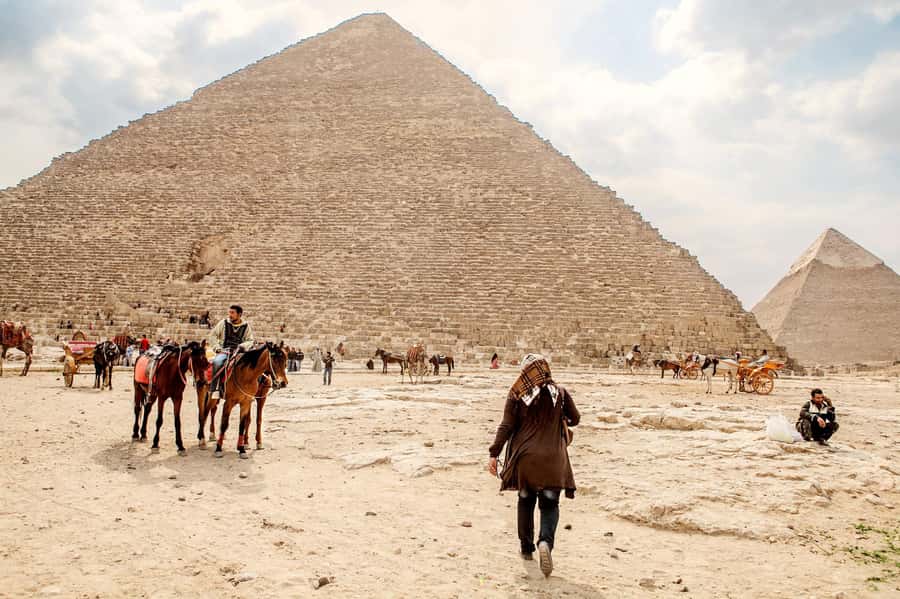
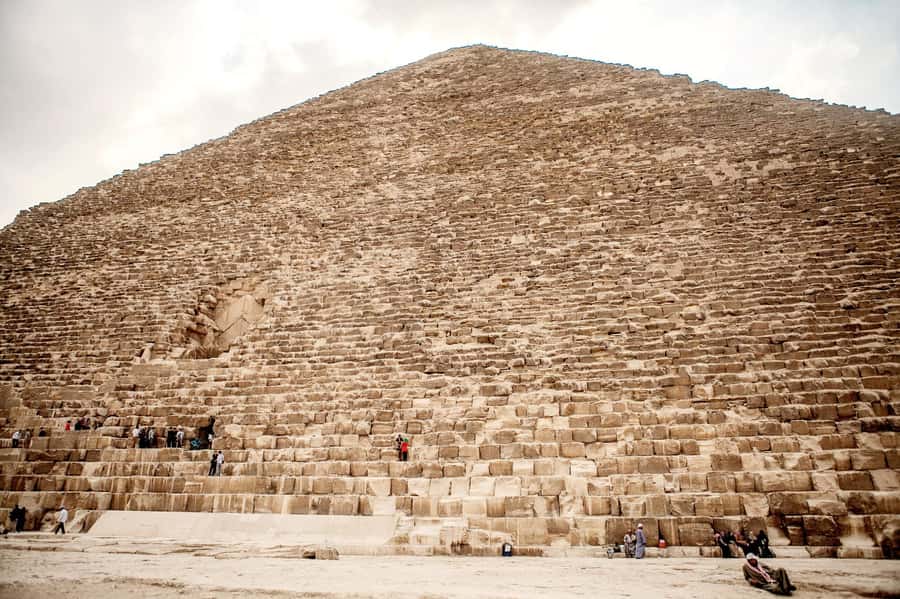
Cheops is the star. It’s described as the largest of the three, about 481 feet tall, and built in around 20 years with a workforce estimated around 100,000 laborers. Standing there, you finally grasp what those numbers mean: the scale isn’t just “large,” it’s stubbornly huge, like an engineering decision made by a society that was willing to devote decades to one goal.
Then you move to Chephren and Mykerinos, and the tour keeps you from treating them like extras. Each one has its own presence and its own role in the overall complex. If you’re the type who likes “why this one, not that one,” this is where the guide earns their title.
Visiting inside the Great Pyramid: what to expect and why it’s worth it
Going inside the Great Pyramid is a bucket-list moment for many people. This tour is built to make that possible, including entrance handling and ticket support so you’re not stuck figuring things out at the gate.
A good guide changes how the interior feels. Without context, inside passages can feel like a maze of stone. With an Egyptologist beside you, you’ll understand what you’re looking at and why certain parts matter to the story of the pyramid complex. The experience becomes less about sprinting through and more about absorbing the change in space, light, and sound.
One practical reality: inside the pyramid means you’ll be moving in enclosed stone corridors. Comfortable shoes matter. Also, keep your expectation realistic—this is not a museum walk with unlimited time to wander. It’s a time-limited, high-impact stop that fits within a half-day route.
If you’re traveling with kids or anyone who gets anxious in tight spaces, you’ll still likely find it manageable, but you should plan for slower movement and extra pauses outside before and after.
Great Sphinx myths, Valley Temple architecture, and the best photo moments
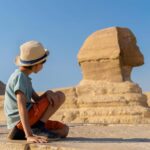
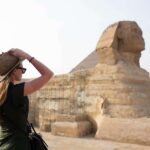
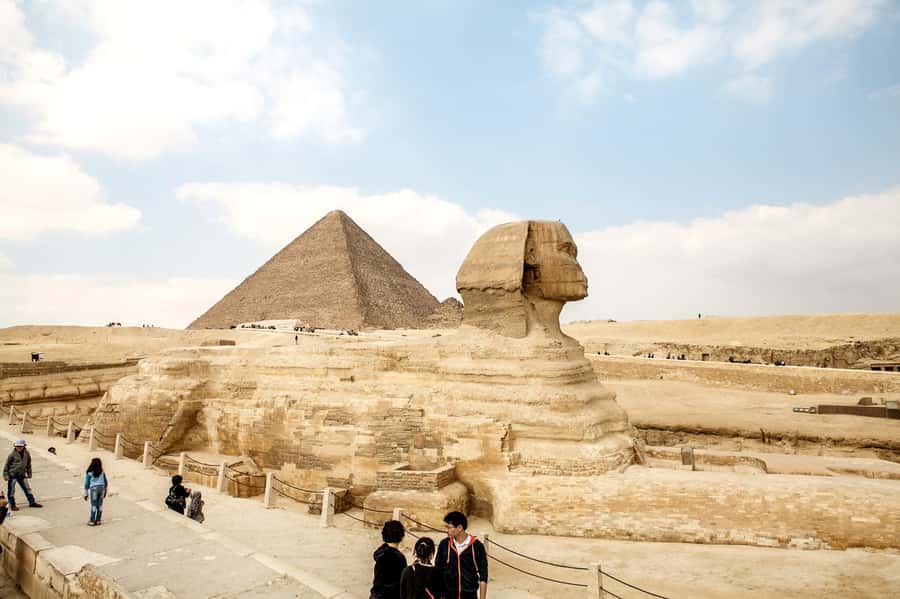
After the pyramids, the tour’s mood shifts toward the Great Sphinx, the colossal limestone statue with the body of a lion and the head of a man. This is the point where Giza stops feeling like “math homework” and starts feeling like theater—mystery, legend, and human imagination.
Your guide will explain the myths and legends surrounding the Sphinx and talk about what’s visible in the weathered stone. The important thing isn’t whether you treat every story as fact. It’s that the stories help you read the monument—how it’s positioned, how it’s meant to look across the valley, and why it became a magnet for interpretation for centuries.
Next comes the Valley Temple, part of the pyramid complex and described as a stunning example of ancient Egyptian architecture. This stop is valuable because it expands what you think you came to see. Pyramids often get all the attention, but the temple spaces give you a sense of the full system—ritual, design, and the broader plan, not just the landmark shapes.
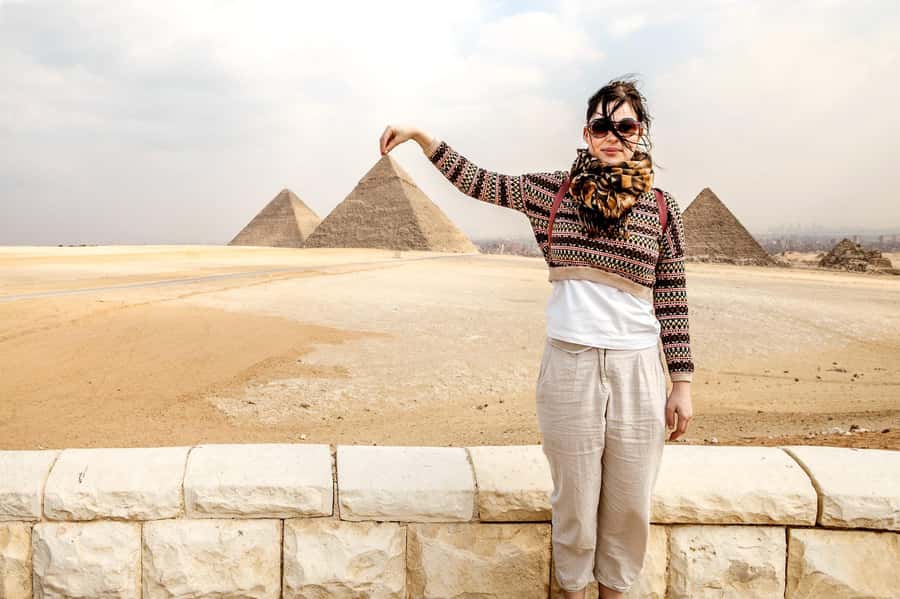
Photo time is part of the experience here. Many guides associated with this tour are praised for knowing photo spots and angles, and some even help actively with posing or taking pictures. If you care about getting clean shots without wasting time, this is one of the strongest benefits of a private guide—someone helps you get positioned correctly.
Do note one caution from real-world experience: a private guide who gets too physical while posing can spoil your comfort. If you want space and you prefer a hands-off approach, say it clearly. A good guide will adjust.
You can also read our reviews of more tours and experiences in Cairo


Timing and pacing on a half-day schedule: how to make it feel unrushed
Four hours sounds generous until you remember Giza is not one monument. It’s a whole plateau. Parking, walking, waiting, sun, and ticket moments take time. The tour’s value is that it tries to manage all of those moving pieces so you actually see everything listed—pyramids, Sphinx, and Valley Temple—without turning it into a frantic sprint.
Still, the half-day format has a built-in tradeoff. You’re not going to get a slow, lingering “research trip” pace. What you get instead is a guided overview that hits the big landmarks and gives you enough context to make the sights stick.
One smart tip: ask your guide about the best time to visit for conditions like fog. In some cases, guides have pointed out how timing affects visibility. That’s the kind of practical, on-the-ground knowledge that makes a guided visit feel worth paying for.
If you’re someone who hates being rushed, tell your guide you want more time at specific spots. Private tours work best when you communicate your priorities early.
The real value of the $65 price: what you’re paying for
At $65 per person for a 4-hour private tour, the price can look low or high depending on what you compare it to. Here’s the honest way to think about it: you’re not just paying for a driver. You’re paying for a guide, guided time, and the friction removed from entry and logistics.
This tour includes:
- Egyptologist guide
- Transportation
- Entrance fees
- Parking
- Taxes and service charge
- Skip-the-line ticket handling
Those items add up quickly if you try to build the day yourself. Even if you’re comfortable navigating, a guide helps you use your limited time better. The best value isn’t that you can say you “saw the pyramids.” It’s that you can walk away understanding what you saw and what questions to ask next.
Also, private means you’re not stuck waiting for other people to move. In a place like Giza, where timing affects comfort, that matters.
What you might add (optional)
Some guides may suggest or include extra stops related to Egyptian arts and souvenirs, like papyrus workshops or a papyrus museum. That’s not guaranteed from the core tour information, but it does show up in real experiences. If you love that kind of souvenir, ask early whether there’s time and what it would replace.
Language support and why it matters at Giza
Language isn’t a small detail at the pyramids. You’re looking at carved stone, symbolic layouts, and stories tied to named rulers. If you’re not getting the explanation in your own language, you can miss the point.
The tour offers live guidance in Spanish, English, French, German, and Italian. That means you can get the Egyptologist’s story in a way that’s actually useful, not just “good enough for pictures.”
If your language skills are limited, this is especially helpful. You’ll get a clearer experience from the moment you step onto the plateau through the explanation of each pyramid and the Sphinx myths.
Who should book this tour—and who might prefer something else
This private half-day tour is a great fit if:
- You want the top sights without the planning stress.
- You like learning from an Egyptologist instead of guessing.
- You want help with photo angles and logistics.
- You’re short on time and want a structured route.
It’s also a good option for solo visitors who want a smoother, more confidence-boosting day. In one experience, a solo traveler specifically said a guide helped with practical matters, including navigation around vendors and ticketing, plus extra photo support.
It can also help if mobility is a concern. In a real example, a guide used vehicle movement to let an older visitor see key parts with less strain. Private doesn’t mean “fully accessible,” but it can mean more flexibility.
You might think about a different format if:
- You’re the kind of visitor who wants to wander freely with no structure.
- You know you’ll want long, slow time at only one monument.
- You strongly prefer no interaction during posing and are worried about a guide being too hands-on. (You can fix this by setting a clear boundary early.)
Practical tips for your day at the pyramids
Even with perfect logistics, Giza is still Giza. Here’s how I’d prepare so the day feels good instead of exhausting.
Bring what’s listed:
- A passport or ID card
- Comfortable shoes
- Sunglasses
Then add my strongly suggested basics:
- Water. The sun is real, and the time on the plateau can get hot.
- A hat and sunscreen if you’re sensitive to sun exposure.
- A plan for photos: decide what you want first (Sphinx close-up, full pyramid shot, or pyramid interior memories). A guide can help you hit the best angles faster.
Also: if you care about avoiding crowd crush, ask your guide what timing choices help. One experienced guide approach includes planning around visibility conditions like fog.
Should you book this private Pyramids of Giza and Great Sphinx half-day tour?
If you want a high-impact first trip to the Pyramids of Giza and the Great Sphinx without spending your vacation wrestling with tickets, transport, and timing, this is an easy yes. The combination of Egyptologist guidance, included entrance fees, and hotel pickup makes it one of the more efficient ways to see the core monuments in a short window.
I’d say book it especially if you’ll enjoy learning while you walk. The difference between seeing pyramids and understanding them is huge, and this tour is built for that.
If your top priority is total freedom and long, unstructured wandering, or if you want minimal human interaction, you might prefer a self-guided plan. But if you want a clean, focused day—plus a guide who knows where to stand for photos and how to explain what you’re seeing—this private half-day tour is a strong fit.