REVIEW · CAIRO
Cairo: 2-Day Pyramids, Museum, Memphis, Coptic Cairo Tour
Book on GetYourGuide →Operated by Sun Pyramids Tours · Bookable on GetYourGuide
Two days in Cairo moves fast. You get the big monuments, the quieter church courtyards, and an evening on the Nile with a full guide. What makes this tour interesting is the Egyptologist guide who keeps the stops clear, and the Nile dinner cruise that turns the day’s walking into an easy night program.
I especially love the way the route works. You see the Giza pyramids and Great Sphinx in the morning, then you shift to Memphis and Sakkara so the story of Egypt isn’t only about one viewpoint. On day two, the Egyptian Museum gives you a concentrated hit of artifacts you’ll want to revisit later on your own.
One consideration: hotel lodging isn’t included, and tickets to go inside the pyramids aren’t included either. So you’ll want to budget for your own second-night hotel and decide in advance whether you care about entering any pyramid chambers.
In This Review
- Key Highlights You’ll Feel Right Away
- Two Days in Cairo: A Smart Route That Avoids Random Running
- Entering Giza: Pyramids of Cheops, Chephren, Mykerinus and the Great Sphinx
- One thing to decide upfront: pyramid interiors
- Memphis and Sakkara: Old Kingdom Power, Not Just a Side Trip
- The Egyptian Museum on Day Two: Art You Can Actually Track
- Citadel + Mohamed Ali Alabaster Mosque: A Break With Views and Meaning
- Coptic Cairo Churches: The Cairo You Don’t See From the Pyramids
- Nile Dinner Cruise: When the Day Becomes Easy (and Fun)
- Lunches and Meals: Included, Typical, and Worth Planning Around
- Shopping Tour in Cairo: Useful If You Know What You’re Looking For
- Price and Value: What $333 Per Person Covers (and What It Doesn’t)
- Who This Tour Suits Best (and Who Might Want Something Different)
- Should You Book This Cairo 2-Day Pyramids, Museum, Memphis, and Coptic Cairo Tour?
- FAQ
- What’s included in the tour price?
- Are tickets included to go inside the pyramids?
- What sites will you visit over the two days?
- What meals are provided?
- Do you provide hotel accommodation for the night?
- Do you offer pickup from Cairo airport and other areas?
Key Highlights You’ll Feel Right Away
- Private Egyptologist guide with all transfers handled by air-conditioned vehicle
- Giza morning timing for pyramids of Cheops, Chephren, and Mykerinus plus Great Sphinx and Valley Temple
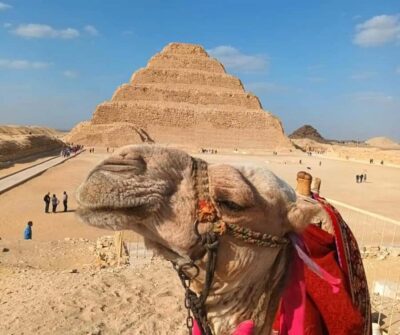
- Memphis + Sakkara contrast: Ramses II, alabaster Sphinx of Memphis, then the Step Pyramid of Zoser
- Egyptian Museum day focused on a huge Egyptian art collection over 5,000 years (250,000 artifacts noted)
- Coptic Cairo churches and Ben Ezra Synagogue for a very different side of historic Cairo
- 2-hour Nile dinner cruise with belly dancer, folklore show, and dinner (plus music)
Two Days in Cairo: A Smart Route That Avoids Random Running
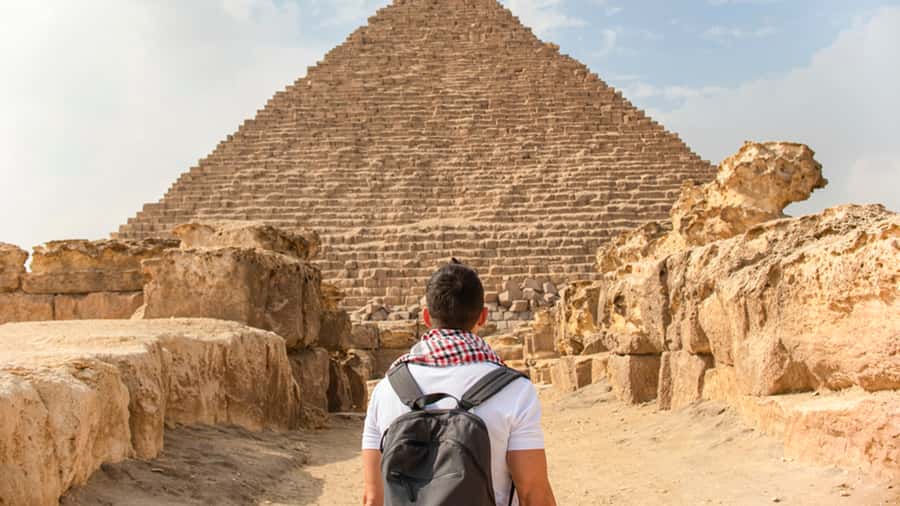
This is a classic “greatest hits” Cairo plan, but it’s built with enough structure to keep it from feeling like a blur. You’ll start with the Giza area, then move through Memphis and Sakkara—sites that explain how Egypt’s power and religion evolved over time. Day two pivots to museums and Old Cairo, which makes the whole trip feel balanced instead of one long pyramid day.
Because you’re in a private setup with an Egyptologist, you can ask practical questions as you go. That matters in Cairo, where it’s easy to feel lost between monuments, traffic, and the noise outside the gates. Here, your guide helps you connect what you’re seeing with what you’re learning.
You can also read our reviews of more museum experiences in Cairo
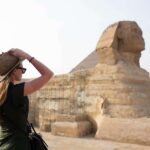
Entering Giza: Pyramids of Cheops, Chephren, Mykerinus and the Great Sphinx
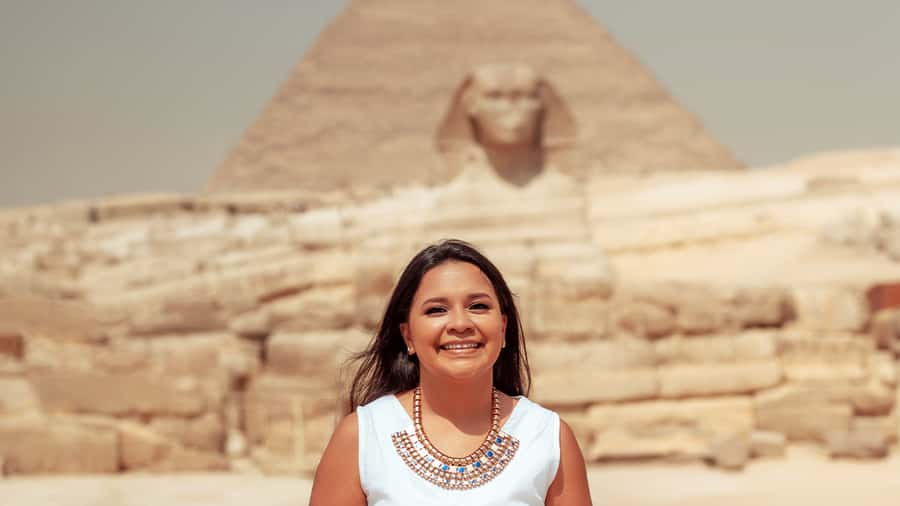
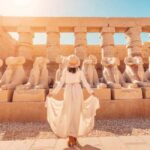
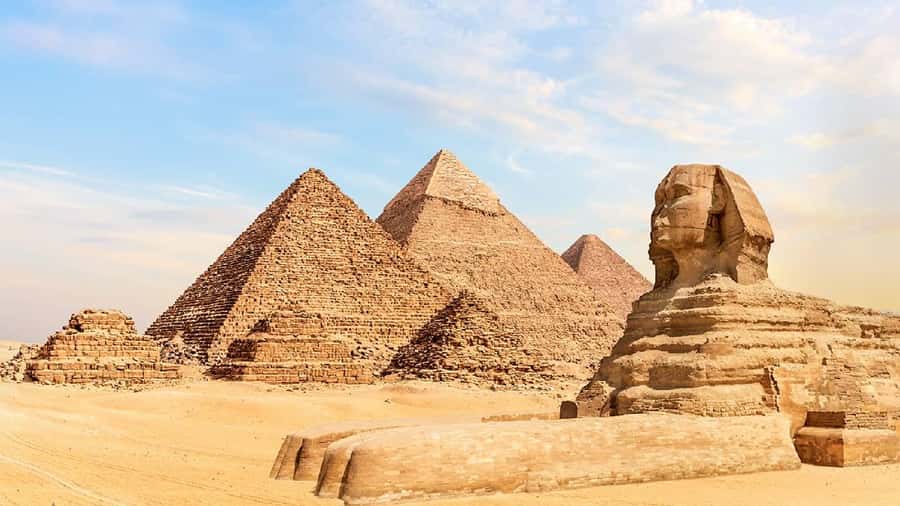
Your day begins with hotel pickup and a drive to the Giza plateau area. You’ll visit the pyramids of Cheops, Chephren, and Mykerinus, then continue to the Great Sphinx and the Valley Temple. The morning order is a big deal, because you get your first real look when you’re still fresh and your feet haven’t turned to sandpaper yet.
Here’s what I like about this approach: you’re not only ticking off monuments. The Sphinx is dated to the time of Chephren, and your guide can help you understand why the Valley Temple fits into that same zone of royal building and religious symbolism. It’s the kind of connection that makes photos less flat later, because you remember what was going on there beyond the obvious.
Practical advice: plan for strong sun and uneven ground. Even when the site feels open, you’ll be walking on stone paths and inside fenced areas where shade disappears fast. Light layers help, and water is a lifesaver—this tour includes bottled water during your trip.
One thing to decide upfront: pyramid interiors
Entrance fees to mentioned sites are included, but tickets to get inside the pyramids are not included. If you’re the type who wants the cramped, awe-filled experience of walking inside ancient chambers, you’ll need to add that on your own. If you mostly want the exterior geometry and the big-picture feeling, you can comfortably skip it and spend your time on other stops.
Memphis and Sakkara: Old Kingdom Power, Not Just a Side Trip
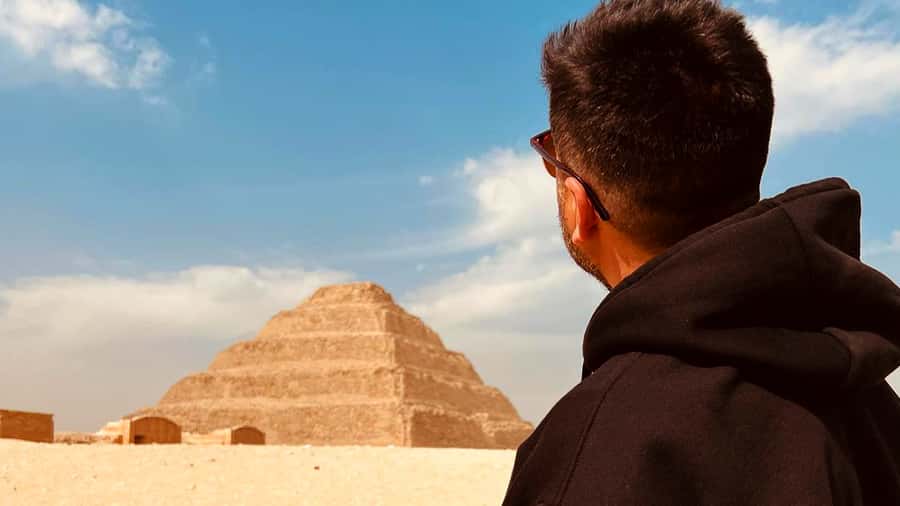
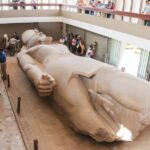
After Giza, you shift to Memphis and Sakkara, and this is where the tour earns its value. Memphis was founded by King Menes and served as a capital during Egypt’s Old Kingdom for thousands of years. You’ll see the Statue of Ramses II and the alabaster Sphinx of Memphis, which helps you connect Giza to later eras of royal display.
Then you move to Sakkara to see the Step Pyramid of Zoser. It’s described as the world’s oldest major stone structure, built in the 3rd Dynasty for King Djoser. That one detail changes how you view the pyramids. You stop thinking only about scale and start thinking about engineering ambition—how early ideas became the later iconic forms.
Practical tip: expect different textures and layouts. Giza is all about wide monumental sightlines. Sakkara has a more layered, historical feel. Wear shoes you trust for sandy paths and stairs. If you’re prone to knee stress, take slower breaks; the sites are spaced, and walking adds up.
The Egyptian Museum on Day Two: Art You Can Actually Track
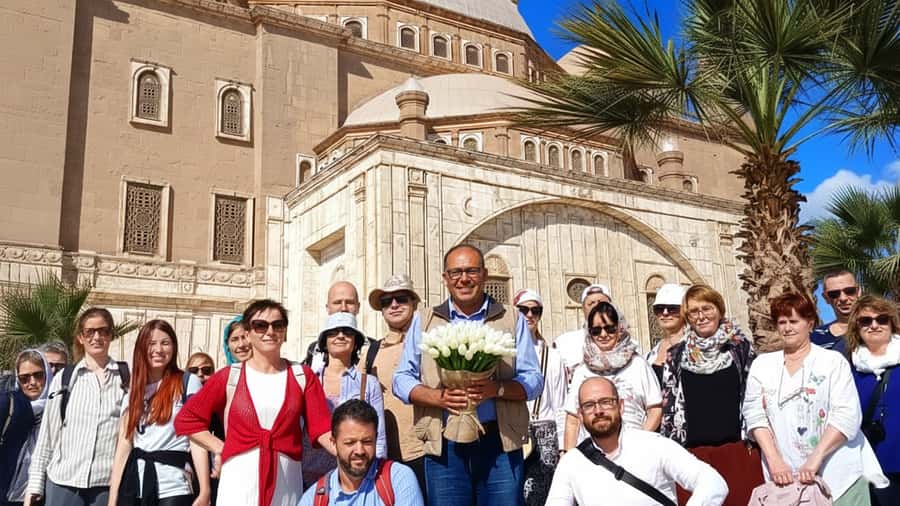
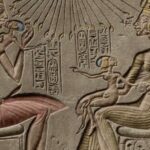
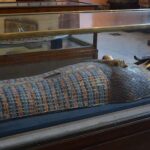
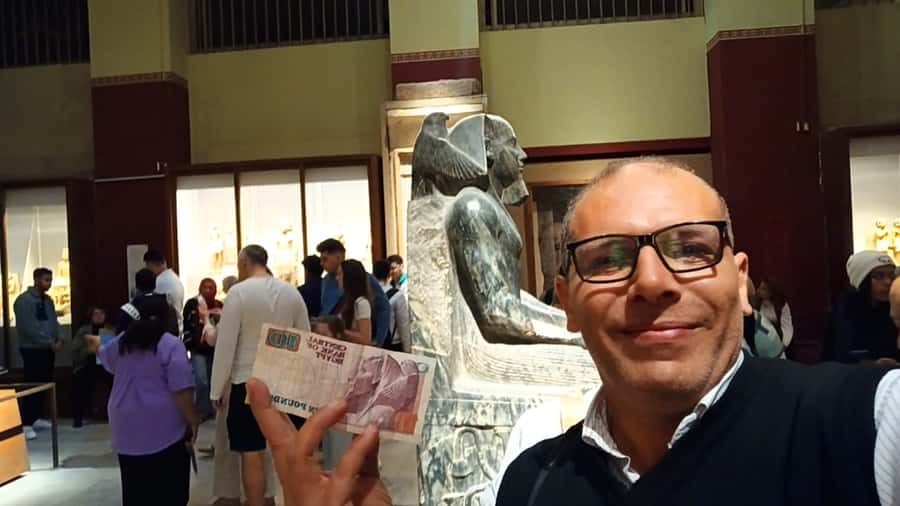
On day two, you’ll visit the Egyptian Museum, often the most intense stop for first-time visitors because it compresses thousands of years into one building. The tour description calls out artifacts from the Paranoiac period and highlights a rare collection of 5,000 years of art. It also notes 250,000 artifacts, positioning it as a large, precious collection of Egyptian art in the world.
Even if you don’t plan to see everything (realistically, you can’t), a guide helps you focus on what matters most for your understanding. I like museum days when they’re not treated like a checklist. Instead, you get a handful of key items and context, so the museum becomes a reference point, not just a crowded hall.
Practical advice: give yourself permission to move at a steady pace. If you try to “win” the museum by seeing every artifact, you’ll miss the story. Use your guide to pick a route through the galleries that matches your interests—royal artifacts, daily life objects, or religious symbolism.
You can also read our reviews of more tours and experiences in Cairo


Citadel + Mohamed Ali Alabaster Mosque: A Break With Views and Meaning
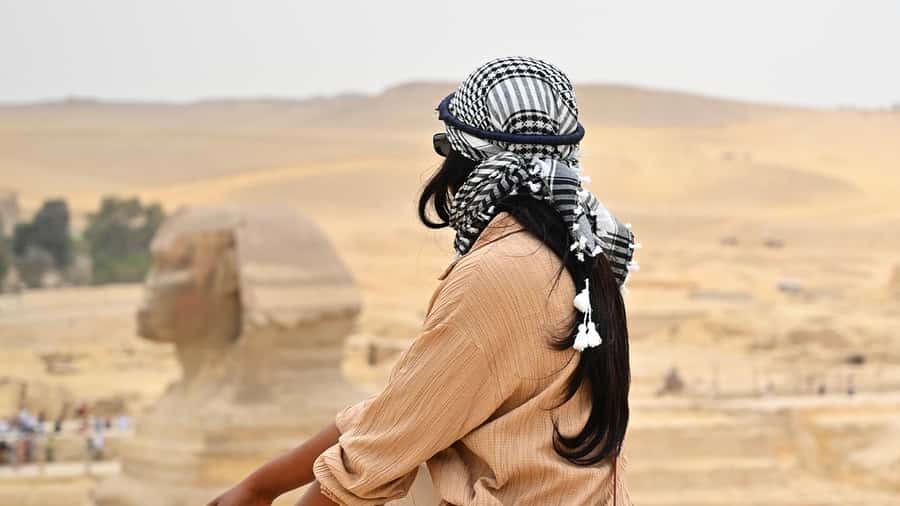
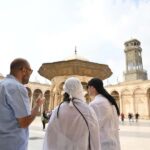
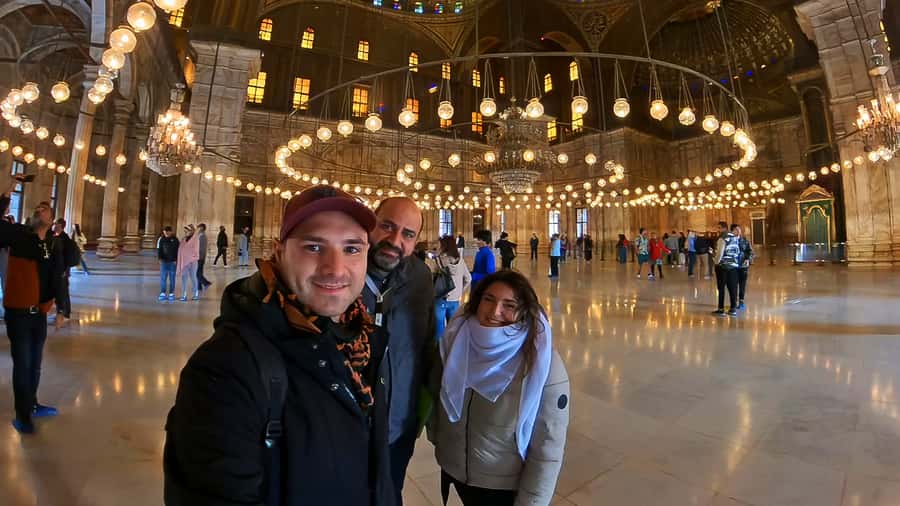
Next you head to the Citadel of Salah El Din, where you’ll visit the Mohamed Ali Alabaster Mosque inside the fortress. This stop is useful because it changes the tone from “museum indoors” to “history in a big fortified setting.”
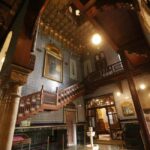
Architecturally, it’s a contrast moment. The mosque interior is the kind of space where you slow down without even trying, mostly because your attention keeps getting pulled back to details. Even from the outside, the Citadel area helps you understand Cairo’s layout—how rulers protected themselves and controlled movement.
If you’re photographing, you might find the lighting changes quickly as clouds or sun shift. Bring a phone-friendly cleaning cloth for smudges and fingerprints, since mosque interiors often mean close-up detail shots.
Coptic Cairo Churches: The Cairo You Don’t See From the Pyramids
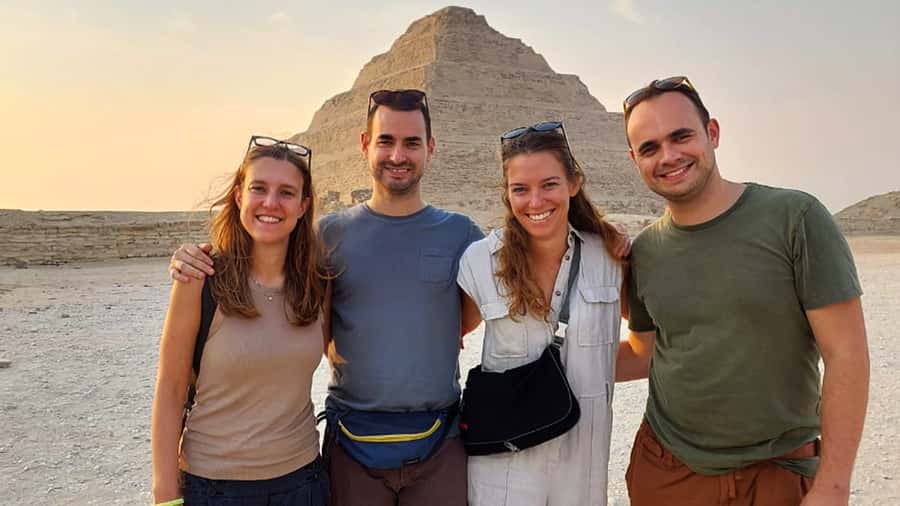
Coptic Cairo is one of the best reasons to choose a two-day plan like this. You’ll drive to Old Cairo and visit the Hanging Church, Ben Ezra Synagogue, Church of St. Barbara, and Church of Abu Serga. This is a different layer of Cairo, where the story of the city shows up in religious architecture, community traditions, and historic continuity.
What I like about including multiple sites instead of just one is the variety of sacred spaces. The Hanging Church is famous for its strong sense of place. Ben Ezra Synagogue brings in another historic religious thread. St. Barbara and Abu Serga keep the momentum going, and together they help you see Old Cairo as a lived-in neighborhood, not a museum set.
Practical advice: dress modestly for church visits. Even if rules vary by time of day, it’s smart to have a light scarf or shawl ready. Also, expect brief walking segments between buildings inside the area, so keep water and comfortable shoes on your mind.
Nile Dinner Cruise: When the Day Becomes Easy (and Fun)
That first day ends with a Nile Dinner Cruise. You get a two-hour sailing trip on the Nile, plus a dinner with belly dancer, folklore show, and Oriental music. It’s not just “food with a view.” It’s a structured evening program that makes the end of a long sightseeing day feel like a reward.
This is also a great moment to reset mentally. You’ve just been looking at stone and artifacts and temple zones. On the Nile, the pace slows, and you can take in how Cairo sits along the river.
A practical note: wear something comfortable. Evening cruises can mean a bit of movement on the deck and cooler river air after hot daytime sun. The included dinner and performances take care of the entertainment, so you’re not stuck hunting for a restaurant after a full day.
Lunches and Meals: Included, Typical, and Worth Planning Around
Meals are included in the itinerary: lunch and dinner on day one, plus lunch on day two. The tour also includes dinner on the Nile cruise. The meals are described as correct and typical in at least one French booking experience, which tells me you should expect local style rather than luxury fine dining.
Here’s how I’d plan for this: treat lunch as fuel, not as a big culinary adventure. If you’re the type who loves to try new foods, you can still do that on your own outside the tour hours—this plan keeps you moving through major sights, and the included meals help you stay on schedule.
Shopping Tour in Cairo: Useful If You Know What You’re Looking For
This tour includes a shopping tour in Cairo. The details of what you’ll shop for aren’t specified, so I’d approach it like this: go in with a mental list. If you want papercraft, spices, or small souvenirs, you’ll likely find options during a dedicated stop.
If you don’t enjoy shopping, you can still benefit by using the time to watch, ask questions, and understand what items cost relative to what you’ve already seen. Shopping stops can feel repetitive when they’re vague, so being clear about what you want helps.
Price and Value: What $333 Per Person Covers (and What It Doesn’t)
At $333 per person for two days, this tour is priced as a private, guided, multi-site Cairo package. That matters because you’re not only paying for entry fees. You’re paying for private air-conditioned vehicle transfers, pickup and return from your hotel, a private Egyptologist guide, and meals as listed.
Included value you can feel:
- Transfers with pickup and return from your hotel
- Entrance fees to the mentioned sites
- Bottled water during your trip
- Lunch and dinner as specified
- Nile dinner cruise with entertainment
What you should budget for separately:
- Hotel accommodation (overnight not included)
- Tickets to get inside the pyramids
So is it worth it? If you want someone to handle the moving parts—especially the museum pacing and the Coptic Cairo navigation—this price can make sense. If you’re traveling solo on a tight budget and already enjoy figuring out logistics yourself, you might be able to build a cheaper trip. But then you’ll trade convenience for planning headaches.
Who This Tour Suits Best (and Who Might Want Something Different)
This tour is ideal if you want a strong first-timer Cairo introduction with a guide who ties it together. It’s a good match for history-minded travelers who like seeing the connections between royal sites (Giza), administration and craft culture (Memphis), early monumental architecture (Sakkara), and the layered spiritual world of Old Cairo (Coptic Cairo).
It’s also a practical choice if you value comfort and time. Private transfers help you dodge some of the stress that comes with Cairo traffic and distances. Plus, the Nile cruise is an easy evening structure when you don’t want to plan dinner and entertainment after long days.
You might consider a different setup if:
- You care deeply about entering pyramids and want a fully included plan for that
- You already have your own hotel covered for both nights and want to minimize tour time
- You dislike shopping stops and would rather keep every minute on monuments only
Should You Book This Cairo 2-Day Pyramids, Museum, Memphis, and Coptic Cairo Tour?
I’d book it if you want a guided, organized Cairo that still feels human—pyramids in the morning, museum and Citadel on day two, and Coptic Cairo churches for a more complete sense of the city. The private Egyptologist approach helps you get more meaning from each stop than a simple bus-style tour.
Before you say yes, do two quick checks:
- Are you okay planning your own hotel since overnight accommodation isn’t included?
- Do you want to pay for pyramid interior tickets separately, or are you fine focusing on exteriors only?
If your answers are yes, this tour hits a strong mix of major sights and the kind of quieter context that makes Cairo stick with you after you leave.
FAQ
What’s included in the tour price?
The tour includes private air-conditioned vehicle transfers, hotel pickup and return, a private Egyptologist guide, entrance fees to the mentioned sites, bottled water, meals as listed (lunch and dinner), a Nile dinner cruise, and a shopping tour in Cairo.
Are tickets included to go inside the pyramids?
No. Tickets to get inside the pyramids are not included.
What sites will you visit over the two days?
You’ll visit the Pyramids of Cheops, Chephren, and Mykerinus, the Great Sphinx and Valley Temple, Memphis and Sakkara (including the Step Pyramid of Zoser), the Egyptian Museum, the Citadel of Salah El Din including the Mohamed Ali Alabaster Mosque, and Coptic Cairo sites such as the Hanging Church, Ben Ezra Synagogue, Church of St. Barbara, and Church of Abu Serga.
What meals are provided?
Day one includes lunch and dinner, and the Nile dinner cruise also includes dinner. Day two includes lunch.
Do you provide hotel accommodation for the night?
No. Overnight accommodation is not included.
Do you offer pickup from Cairo airport and other areas?
The tour includes hotel pickup and return, but pickup or drop-off from Cairo airport, Sphinx airport, New Administrative Capital, New Cairo, Heliopolis, Badr City, Shorouk, Rehab, Obour, Sheraton Almatar, Sheikh Zayed city, or Madinty City is available for an additional cost.