REVIEW · CAIRO
Cairo Heritage Tour: Golden Palace, Oldest Mosque with Lunch
Book on GetYourGuide →Operated by OceanAir Egypt · Bookable on GetYourGuide
Cairo can feel like one big swirl of streets and stories, so a tight guided loop helps a lot. This 5-hour Cairo Heritage Tour lines up three standout sites with a professional Egyptologist and makes the details make sense. I love the contrast: the gold-leaf grandeur of Mohamed Ali Palace, then the calm weight of Ibn Tulun Mosque, and finally the slower, curious vibe of the Gayer-Anderson Museum.
The possible drawback is time pressure. Each stop is guided and time-boxed, so you’ll want comfy shoes and a quick decision about how long you’ll linger—especially at the mosque and museum where you may also run into modesty rules and possible photo limits.
Key things to know before you go
- Skip-the-line ticket handling helps keep the schedule moving.
- A real Egyptologist guide gives you context at every stop, not just a walk-through.
- The palace focus is Mohamed Ali Palace with gold leaf, marble, and European-influenced artwork.
- Ibn Tulun Mosque delivers the big wow factor with its spiral minaret and long courtyard views.
- The Gayer-Anderson Museum is housed in two preserved 17th-century Mamluk houses filled with decorative arts and artifacts.
- Lunch is included, but drinks are not, so plan for that.
In This Review
- Price and value for a 5-hour heritage day
- Pickup, timing, and how the day actually flows
- Mohamed Ali Palace: the Golden Palace halls and gardens
- Ibn Tulun Mosque: the spiral minaret and the calm courtyard
- Gayer-Anderson Museum: Mamluk houses filled with art and everyday objects
- Lunch in Cairo: a real break, not just a pause
- What you’ll really get from an Egyptologist guide
- Logistics tips: what to bring, what to wear, and what to avoid
- Who this tour suits best (and who might want something else)
- Should you book this Cairo Heritage Tour?
- FAQ
- How long is the Cairo Heritage Tour?
- What’s included in the price?
- Where do you get picked up and dropped off?
- Which attractions are part of the tour?
- Is lunch included, and are drinks covered?
- Do you skip the ticket line?
- What languages are available for the guide?
- What should I bring with me?
- Are large bags allowed?
- Is the tour wheelchair accessible?
Price and value for a 5-hour heritage day
At $63 per person for about 5 hours, you’re paying for three things that add up fast in Cairo: guided interpretation, entry tickets, and hotel-to-site-to-hotel transport in an air-conditioned vehicle. If you were to do this on your own, you’d still need to coordinate timing, tickets, and a guide who can explain what you’re looking at—especially at Ibn Tulun and inside the museum rooms.
You also get practical extras that quietly matter: bottled water during the day and all taxes and service fees included. The duration is short enough to keep it doable on a travel day, but long enough that you’re not just snapping photos and rushing away.
Pickup, timing, and how the day actually flows
This tour is built around hotel pickup from Cairo or Giza, in a comfortable, air-conditioned vehicle. Expect a pickup window that gets confirmed the day before via WhatsApp, email, or phone, so keep an eye on your messages and respond promptly. The schedule includes two transfer legs of about 30 minutes each way, which is part of how they can fit three major stops into a single outing.
Language options are solid—English, French, German, Italian, and Spanish—so you’re not stuck with a basic tour script. And since there’s a live Egyptologist guide, the stops feel less like checkboxes. A good example of what works here: guides like Nashwa, Fatma, and Nadia have been noted for clear explanations and strong engagement, including enough time at each stop to actually look around.
You can also read our reviews of more historical tours in Cairo


Mohamed Ali Palace: the Golden Palace halls and gardens
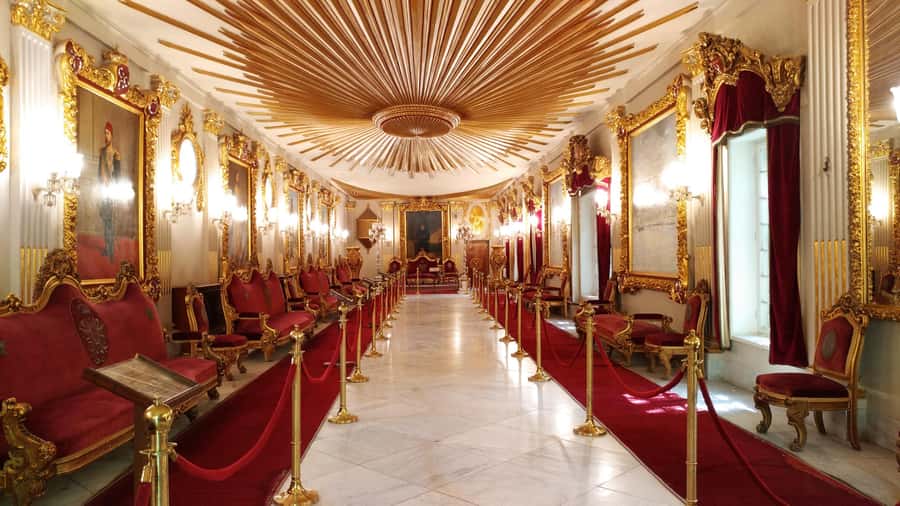
The Golden Palace moment is the headline: a 19th-century architectural masterpiece with opulent rooms covered in gold leaf, polished marble, and European artwork. Even if you’ve seen palace interiors in other countries, this one hits differently because it blends styles. You’ll notice Ottoman grandeur alongside European elegance, which helps you understand Egypt as a place of meeting points, not just one era.
What I like about this stop is the combination of indoor and outdoor. You’re not only walking through dazzling rooms; you’re also moving into the palace gardens, where the pacing slows down and you can actually absorb the setting.
Practical note: dress codes matter for comfort and access. Plan to wear loose, shoulder/arm/leg/knee-covering clothing. If photography is restricted in certain areas, don’t fight it—put the phone away and enjoy the view in front of you.
Ibn Tulun Mosque: the spiral minaret and the calm courtyard
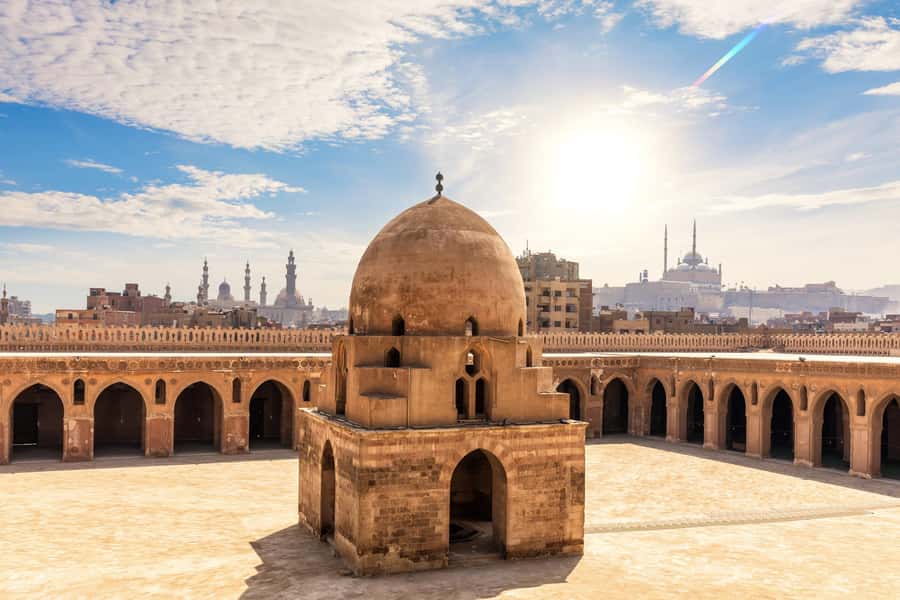
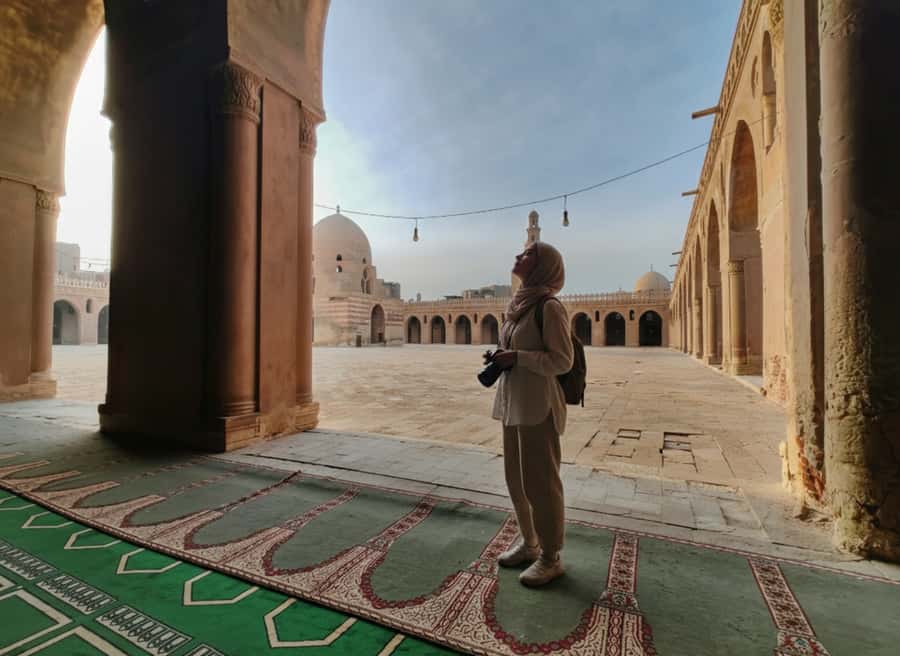
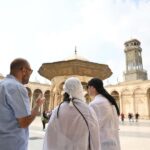
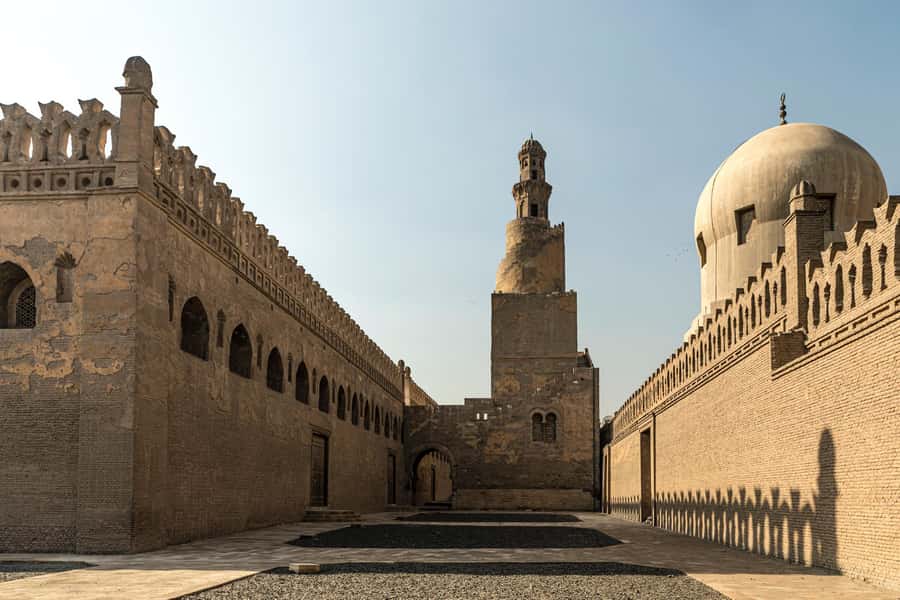
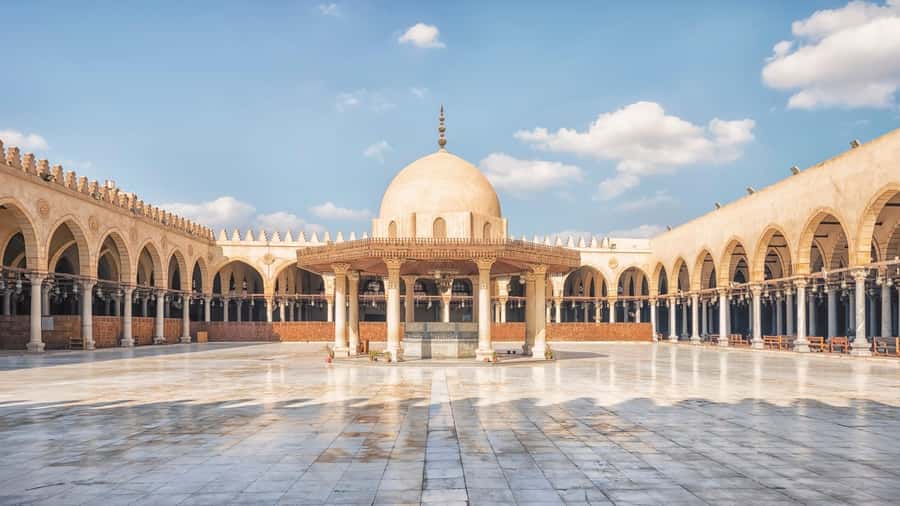
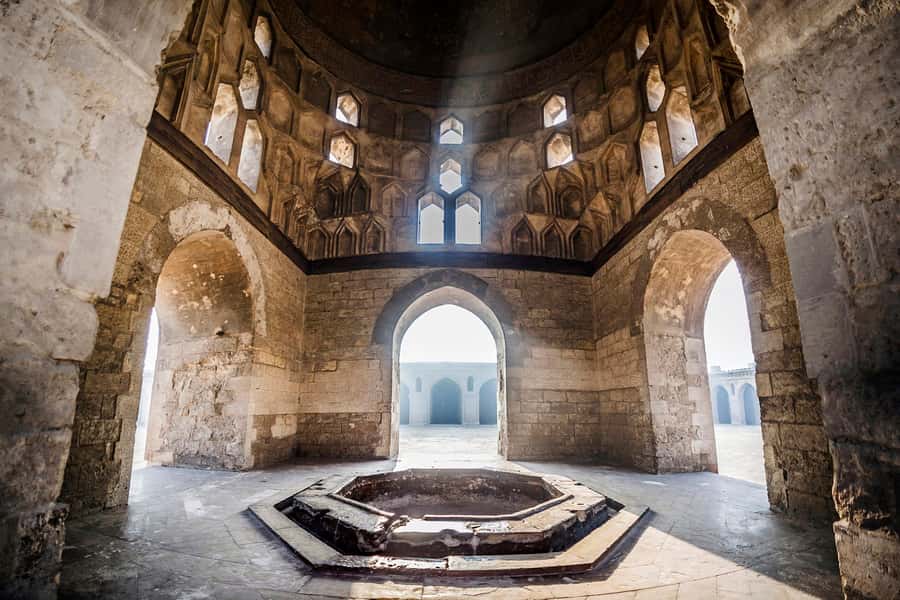
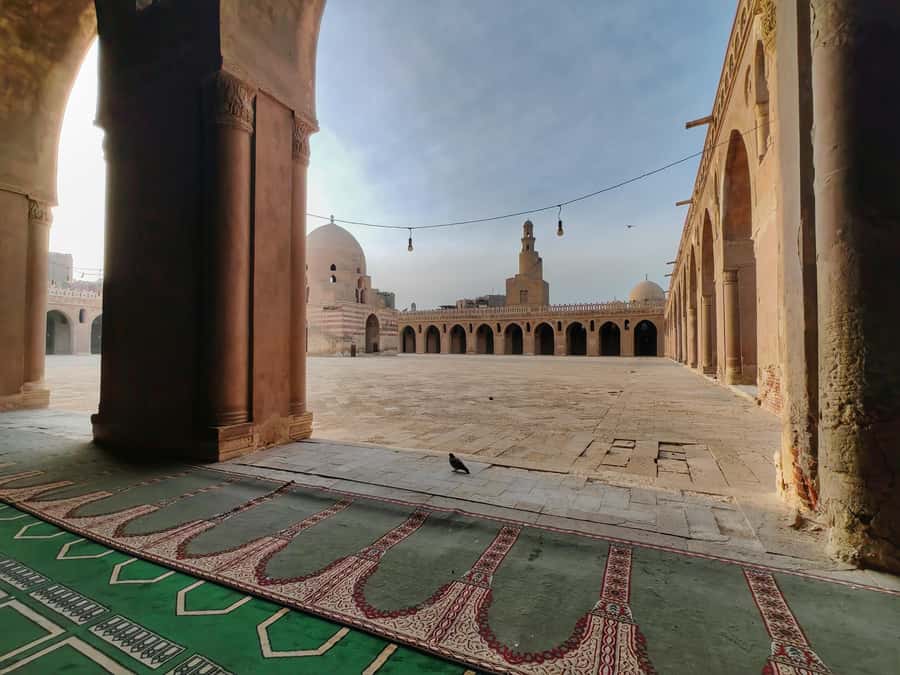
Next comes the Ibn Tulun Mosque, one of Egypt’s largest and historically significant mosques, with standing history of over 1,000 years. This stop is all about structure and scale. You get a wide-open courtyard surrounded by pointed arches, and it’s the kind of space where you can feel the architecture before you even memorize details.
Then there’s the signature photo-and-mental-image target: the spiral minaret. Climbing or viewing from the minaret area gives you panoramic views across Cairo, which turns your “I’m standing inside an old mosque” feeling into “I can see how old and modern Cairo overlap.” It’s a smart way to connect history to what you can still recognize today.
Two on-the-ground considerations:
- You should be ready for walking and stair time (especially if you go up for the views).
- Modesty is part of the experience, not an optional detail. Women should have a scarf for religious sites—carry one so you’re not scrambling.
Gayer-Anderson Museum: Mamluk houses filled with art and everyday objects
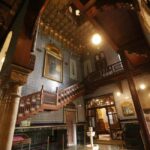
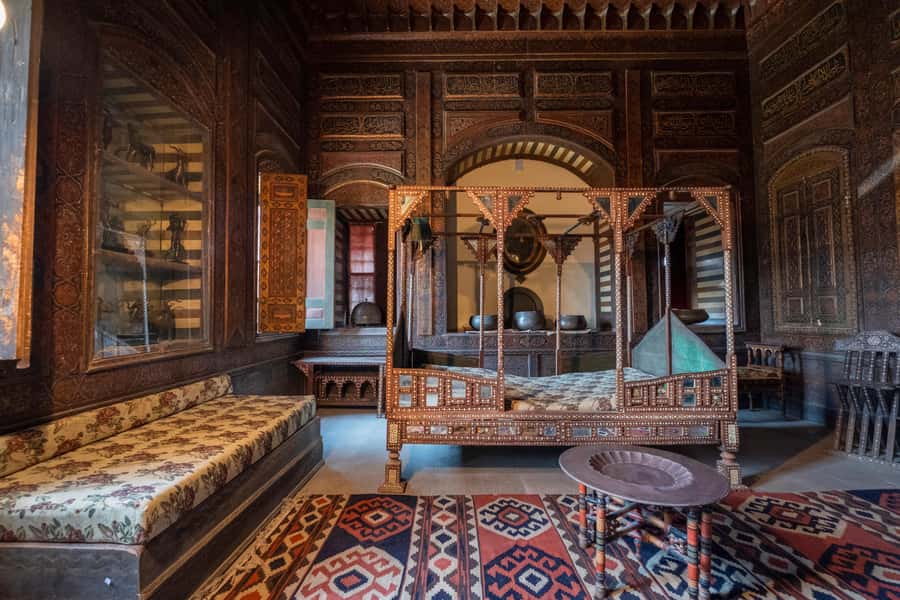
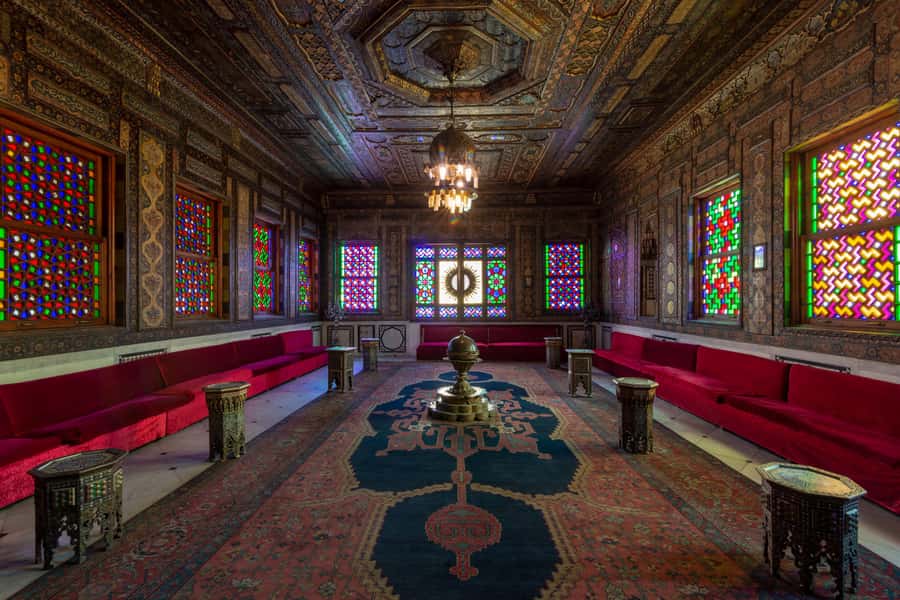
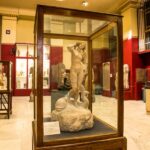
The final stop is the Gayer-Anderson Museum, set inside two preserved 17th-century Mamluk houses. This is the place where your brain stops racing and starts collecting small details—antique furniture, Islamic art, and rare artifacts arranged in rooms that feel like curated memory.
The museum’s story adds a lot to the visit. Major Gayer-Anderson assembled the collection during his 1930s residence, and the result is that you’re not just looking at objects—you’re seeing a slice of domestic and artistic life across centuries. It’s a different kind of “heritage” experience than a mosque or palace: more intimate, more about how people lived with craft and design.
Inside, you’ll likely find your guide pointing out room-by-room connections: materials, styles, and why certain items were collected and preserved together. That’s the value of the Egyptologist here; without context, the museum can feel like many rooms of things. With context, it becomes a coherent story.
Photography may be restricted in certain areas, so expect that some spots might be “rules on the day.”
Lunch in Cairo: a real break, not just a pause
Lunch is included at a local restaurant, with 45 minutes of lunch time/free time. This is a good length for a sit-down meal without turning the day into a restaurant marathon.
One detail you should plan for: drinks during lunch are not included. If you like soda, juice, tea, or bottled water with your meal, budget for that separately.
If you want to use the free time well, do the simple thing: eat first, then ask your guide one practical question while you’re still in the local mindset. For example: which street markets are near your next day plans, or what neighborhood vibe you should look for.
You can also read our reviews of more tours and experiences in Cairo

What you’ll really get from an Egyptologist guide
The guide is not a “nice-to-have” here. With three different types of sites—royal palace rooms, a major mosque courtyard and minaret, and a domestic-art museum—having someone explain what you’re seeing is the difference between a photo trip and a learning trip.
A strong guide also helps you manage the pacing. You’ll get historical and cultural context throughout the day, and you’ll also get a sense of where to focus your attention inside each space—especially in rooms where the details are abundant.
You’ll also appreciate the human touch. Some guides have been described as attentive and able to adapt the experience to different groups, including multi-generational families. Even if you’re traveling solo or as a couple, that adaptability often means fewer rushed moments and better explanations.
Logistics tips: what to bring, what to wear, and what to avoid
The tour asks for passport or ID card (a copy is accepted). Don’t overpack. Luggage or large bags are not allowed, so travel light and keep essentials easy to carry.
For clothing:
- Wear comfortable walking shoes. You’ll move between sites and spend time standing and walking indoors.
- Dress loose and modest: cover shoulders, arms, legs, and knees.
- Women should bring/use a scarf for religious sites.
Also be aware that this tour may include areas with photography restrictions, so don’t assume every room is fully shootable.
Who this tour suits best (and who might want something else)
This is a strong fit if you want:
- A guided, efficient route through major Cairo heritage sites without planning logistics.
- Clear explanations from an Egyptologist and enough time to actually look, not just pass by.
- A day that mixes monumental architecture with an arts-and-objects museum.
It may be a tougher match if you:
- Need wheelchair access, since it is not suitable for wheelchair users.
- Want a slow, open-ended itinerary with long stays and extra stops. This tour is structured and time-boxed.
- Are hoping to add extra bazaars or shopping stops on the fly. The day is tightly arranged, so if a specific add-on matters to you, confirm ahead of time.
Should you book this Cairo Heritage Tour?
If your goal is a focused, high-value Cairo day—palace, mosque, and museum—in one organized loop, I’d say yes. The pricing makes sense when you factor in guided interpretation, entries, and transportation, and the stop choices complement each other: power and art (Mohamed Ali Palace), faith and architecture at scale (Ibn Tulun), and collected design and everyday culture (Gayer-Anderson Museum).
Book it when:
- You want the experience to feel guided and coherent.
- You’d rather spend your time learning than negotiating tickets and directions.
- You like structured days with a real lunch break.
Consider a different option when:
- You want wheelchair-friendly access.
- You prefer unstructured free roaming or long stays at just one site.
- You’re building a very specific add-on plan and don’t want your day constrained by a set route.
FAQ
How long is the Cairo Heritage Tour?
The tour lasts about 5 hours.
What’s included in the price?
It includes hotel pickup and drop-off in Cairo or Giza, an air-conditioned vehicle, a professional Egyptologist guide, entry tickets for Mohamed Ali Palace, Ibn Tulun Mosque, and the Gayer-Anderson Museum, bottled water, and lunch at a local restaurant.
Where do you get picked up and dropped off?
Pickup and drop-off are available from hotels in the Cairo and Giza areas, with drop-off also listed at the Giza District, Cairo.
Which attractions are part of the tour?
The tour includes a palace visit focused on Mohamed Ali Palace (the Golden Palace), Ibn Tulun Mosque, and the Gayer-Anderson Museum.
Is lunch included, and are drinks covered?
Lunch is included at a local restaurant. Drinks during lunch are not included.
Do you skip the ticket line?
Yes, the tour includes skip-the-ticket line service.
What languages are available for the guide?
The live guide is available in English, French, German, Italian, and Spanish.
What should I bring with me?
Bring your passport or ID card. A copy is accepted.
Are large bags allowed?
No. Luggage or large bags are not allowed.
Is the tour wheelchair accessible?
No, the tour is not suitable for wheelchair users.