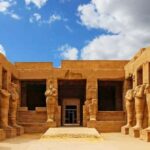
REVIEW · LUXOR
A Luxor Excursion to Habu Temple, Valley of Workers & Queens
Book on GetYourGuide →Operated by Emo Tours Swiss · Bookable on GetYourGuide
Three West Bank stops, one tight plan. This outing is interesting because it stacks Medinat Habu with the story of the workers who built royal tombs, then ends in the quieter power of the Valley of the Queens. I really like the way the day is handled with a private guided tour and an A/C vehicle, which keeps the temples from feeling rushed. One thing to consider: parts of the Valley area can have closures, so your guide may adjust the exact tombs you can enter.
You’ll start around 8:00 am with pickup from your hotel or Nile cruise, and you’ll use the morning to beat the hottest hours. The pace is compact—about 6 hours total—with entry fees and a licensed guide included, plus a bottle of water to keep things practical.
In This Review
- Key highlights to look for
- Habu Temple at Medinat Habu: the West Bank opener
- Deir el-Medina: seeing the workers behind the royal tombs
- Valley of the Queens (Ta-Set-Neferu): royal burials with a quieter mood
- Private logistics in Luxor: 8:00 pickup, A/C transfers, and skip-the-line value
- Guide quality: what good explaining adds at each site
- Price and value: what $91 gets you, and what to plan for
- A realistic order, and how to handle possible closures
- Who this tour suits best
- Should you book this Luxor West Bank tour?
- FAQ
- How long is the tour?
- Where do I get picked up?
- What sites are included in the itinerary?
- What’s included in the price?
- What language options are available for the guide?
- What should I pay for separately?
Key highlights to look for
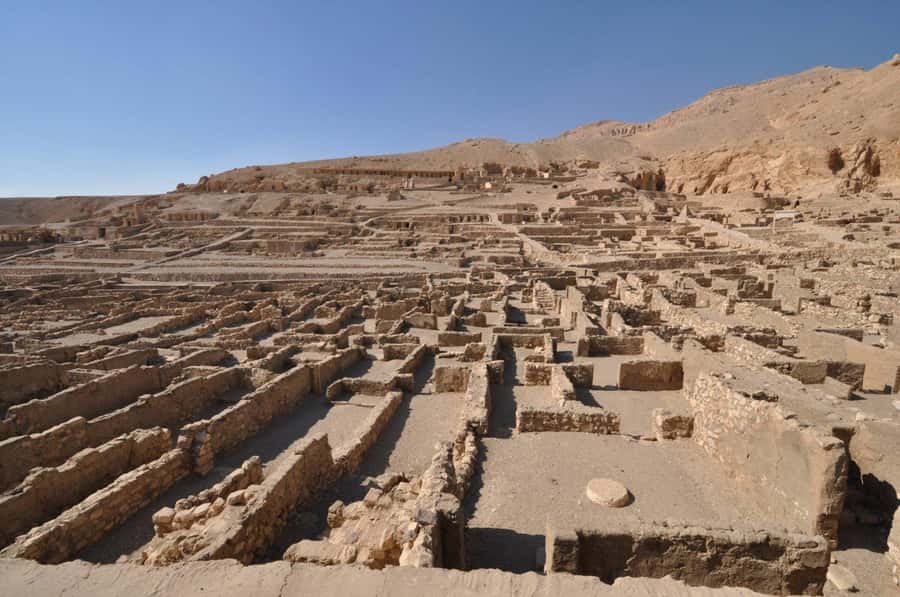
- Habu Temple at Medinat Habu: big columns and carved details that make more sense with guidance
- Deir el-Medina (Valley of the Workers): you get the human side of New Kingdom tomb building
- Valley of the Queens (Ta-Set-Neferu): a focused look at royal women’s burials and nearby chambers
- Private A/C transfers + hotel pickup: fewer logistics headaches on the West Bank
- Skip-the-ticket-line: you spend more time inside, less time queuing
- Guides you can trust: names that show up include Sawsan and Bahhgat, both noted for clear explanations
Habu Temple at Medinat Habu: the West Bank opener
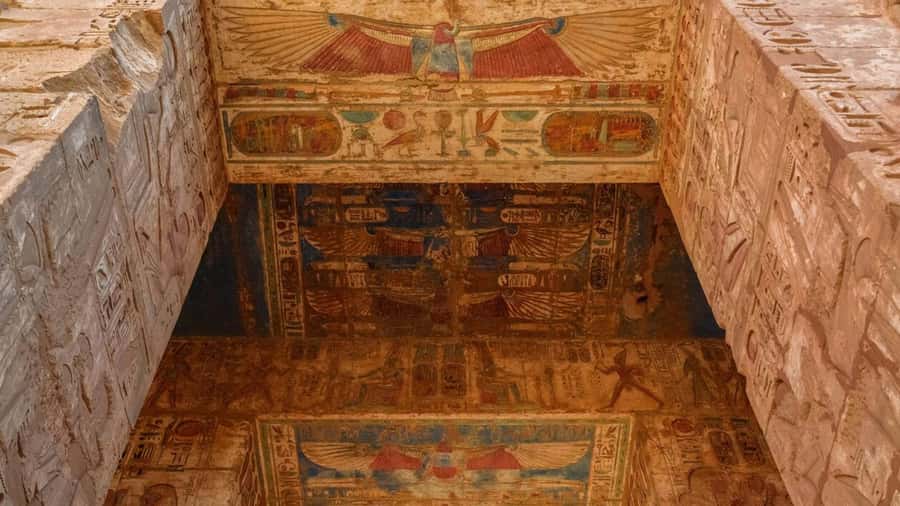
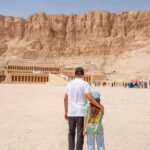
Your day begins with the West Bank drive across the Nile, aiming at one of Luxor’s most solid “start here” monuments: Medinat Habu, better known for Habu Temple.
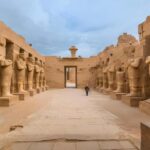
Habu Temple is the kind of place where the walls do a lot of talking—huge carved surfaces, layered scenes, and monumental scale. With a live guide, you’re not just looking at carvings; you’re learning what you’re seeing and why it mattered. This is one of the reasons the tour works well as a morning plan: when your eyes are fresh, the temple’s details can be easier to track.
You’ll have about one hour here with a guide. That’s enough time to get oriented, find the main visual themes, and still keep moving toward the next stop without feeling trapped in one site.
A practical note: the West Bank can be bright and dusty. Bring sunglasses and sunscreen, and wear shoes that handle uneven ground. Habu is worth the comfort investment.
You can also read our reviews of more tours and experiences in Luxor.
Deir el-Medina: seeing the workers behind the royal tombs
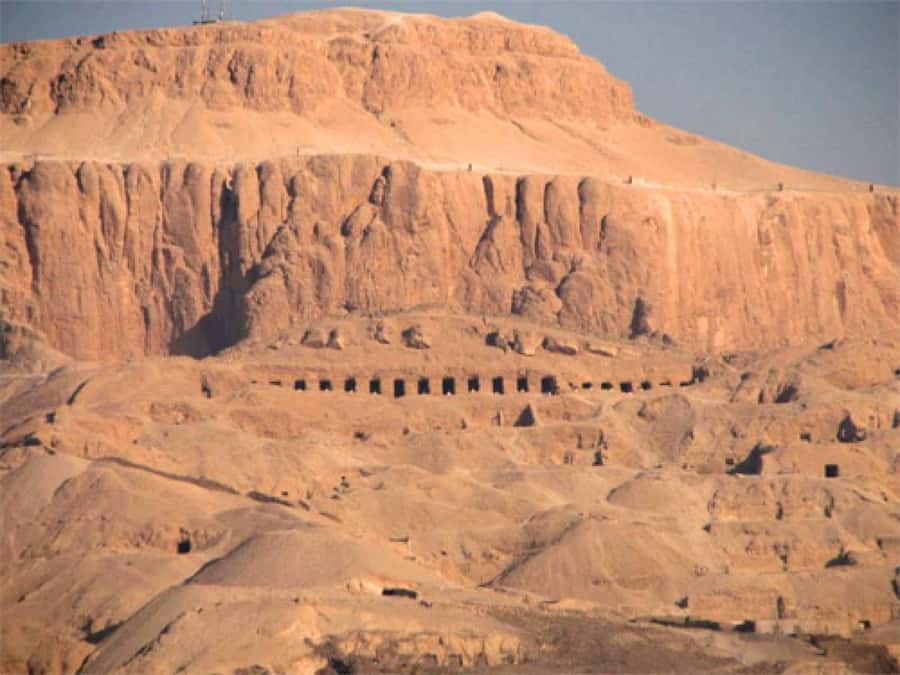
After Habu, the tour shifts from kings and queens to the people who actually made the tombs happen: Deir el-Medina, often described as the village of the workers.
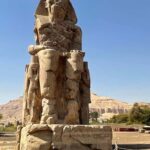
This ancient settlement housed the artisans who worked on the tombs in the Valley of the Kings during the 18th to 20th dynasties, covering roughly 1550–1080 BC. Even if you’ve heard the general story of Egypt’s tomb workers before, you’ll usually find Deir el-Medina hits differently because it makes the craft feel real: not a legend, but a workplace.
What I like about this stop is that it helps you connect the dots. After you’ve walked temple carvings at Habu, then you get to a place tied to daily labor, planning, and specialized work. The walls and painted traces can feel startlingly direct for such an old site, and the guide’s explanations help you interpret what’s preserved.
You’ll get about one hour here as well. That’s a good length for this kind of visit because you’re balancing context with movement. If you linger too long, you risk losing the thread of the day; if you keep the pace, you finish with a stronger understanding of how the tomb world worked.
Valley of the Queens (Ta-Set-Neferu): royal burials with a quieter mood
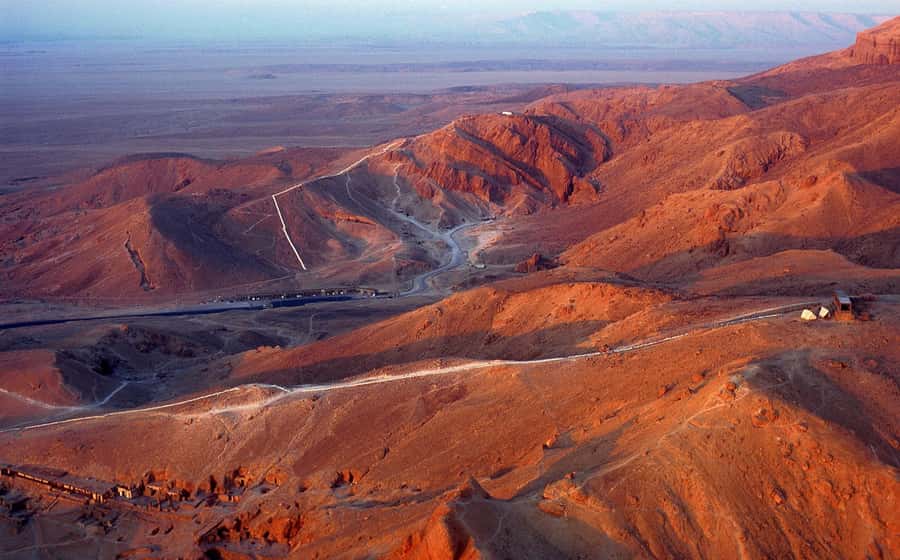
Next comes the Valley of the Queens, an area known in ancient times as Ta-Set-Neferu, meaning the place of the children of the pharaoh. That name is a big clue: it wasn’t only queens. Alongside queens from the 18th, 19th, and 20th dynasties, the area also includes princes, princesses, and other members of the nobility.
The guide plays an important role at this stop, because it’s easy to think, I’m in a valley, and they’re all tombs. But with interpretation, you start noticing patterns: how burials are organized, the idea of who was buried where, and why these choices reflect royal priorities.
You’ll typically have about one hour with a guide here. That’s long enough to see the main tombs included in the plan, but still short enough to keep you from burning your energy before the day ends.
Keep expectations grounded: this is archaeology, not a theme park. Some tomb interiors can be dim, and conditions can vary. One caution from prior experiences is that a specific tomb may close for maintenance, and the guide may redirect you to other included options. You can avoid disappointment by treating the itinerary as flexible rather than fixed.
Private logistics in Luxor: 8:00 pickup, A/C transfers, and skip-the-line value
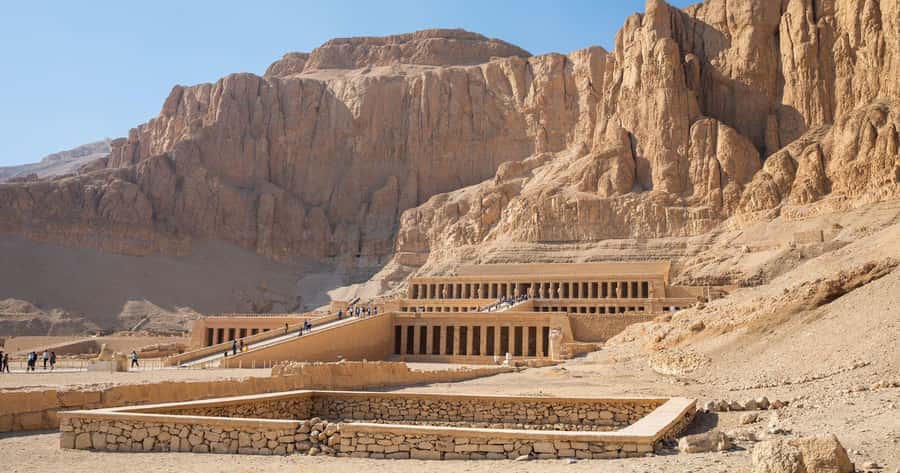
One of the real strengths of this tour is the logistics. Pickup is offered from either your hotel or Nile cruise or from Luxor International Airport, and you’re met by a guide holding a sign with the company name. That matters more than it sounds in Luxor, where it’s easy to lose time to “where do I meet again?” moments.
Then you get private transportation by an A/C vehicle. On the West Bank, heat and sun can knock the energy out of a day fast. Having one vehicle for the group—and not sharing it with a crowd—helps the schedule stay smooth.
The tour also includes entry fees, a tour guide, and a bottle of water, which keeps the early parts of the day from turning into surprise add-ons. And there’s skip the ticket line, which is the kind of small thing that can make the difference between enjoying the first site and feeling stuck outside with the rest of the crowd.
Timing-wise, it’s about 6 hours total. For many people, that’s the sweet spot: you get the big West Bank highlights without turning the day into an all-day endurance test.
Guide quality: what good explaining adds at each site
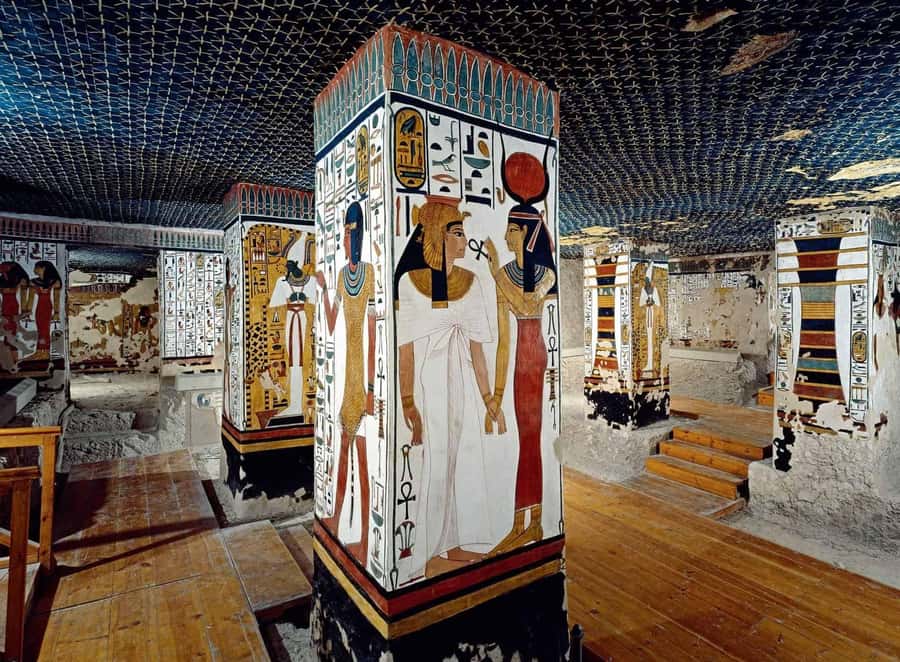
This is a tour where the guide can make your experience feel sharp instead of vague. When the explanation is clear, you stop treating tombs and temples like pretty walls and start reading them like messages.
The guide names that come up for this experience include Sawsan and Bahhgat, and both are described as friendly and strong at explaining. That matches what you actually want in Luxor: someone who can translate what the carvings and tomb layout mean, without turning the day into a lecture.
If you want to get the most out of your hour per site, come in with one simple mindset: ask yourself what question you want answered at each stop. For example:
- At Habu, focus on what makes it feel different from other temple buildings.
- At Deir el-Medina, focus on how workers lived and worked.
- At the Valley of the Queens, focus on who was buried there and what the naming tells you.
A good guide will naturally steer you toward those answers if you stay engaged.
Language options include Arabic, English, German, and Spanish, so you can match your comfort level and let the story land faster.


Price and value: what $91 gets you, and what to plan for
The price is listed as $91 per person for about 6 hours. That’s competitive for a private, guided West Bank outing when you factor in what’s covered: entry fees, a tour guide, private air-conditioned transfers, and a bottle of water.
You should plan for what’s not included:
- Tipping (expected in practice, even if not listed)
- Lunch
Now the real value question: is it worth it if you also plan to do other Luxor sites? For most visitors, yes—because this tour hits three targets in one organized morning/half-day:
1) Habu Temple for monument scale and carved storytelling,
2) Deir el-Medina for the worker context that makes the tombs feel human,
3) Valley of the Queens for the royal burial setting and the meaning behind the names.
If your schedule is tight and you don’t want to coordinate multiple transfers, this is the type of package that saves time and reduces stress.
There’s one more value angle: you skip the ticket line. In Luxor, that time can be the difference between enjoying your first stop and feeling tired before the day really starts.
A realistic order, and how to handle possible closures
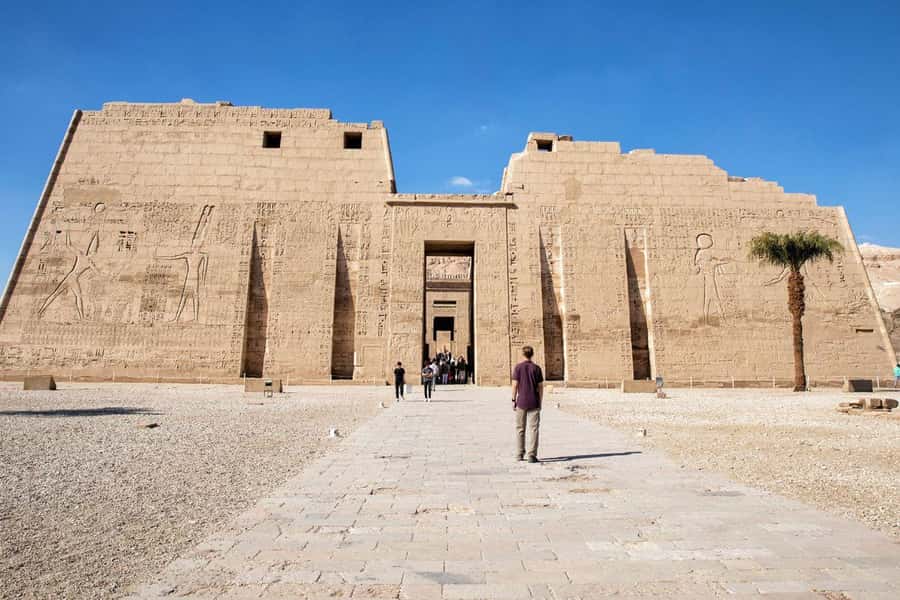
The tour’s core idea is clear: Habu Temple, then Deir el-Medina, then the Valley of the Queens. Your exact order may shift depending on timing and on-site conditions, and that’s normal on the West Bank.
Also, archaeological sites can have maintenance closures. One experience noted that a specific tomb in the Valley could be closed, and the guide redirected to other included options. If you’re building your hopes around one tomb name, keep your expectations flexible. The smartest approach is to treat this as a curated circuit of the West Bank’s key stories, not a guarantee of a single interior.
If you want to reduce uncertainty, ask your guide at the start: which tombs are currently open, and what happens if an interior is closed. You’ll get a practical answer fast, and you won’t waste your energy on what-ifs.
Who this tour suits best
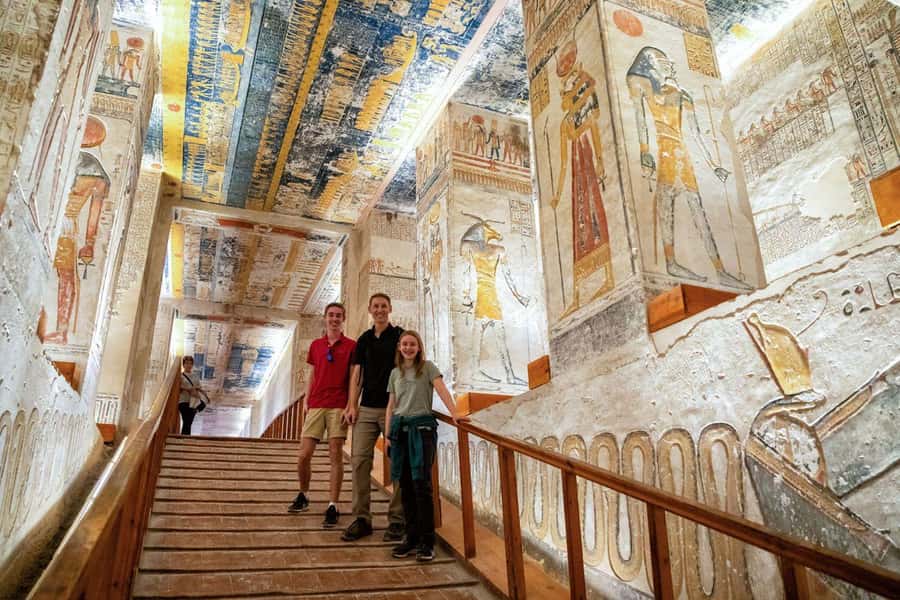
This is a good fit if you want:
- A private group experience rather than a crowded scramble
- A guided day that connects the sites (temple → workers → queens)
- A manageable 6-hour plan that doesn’t eat your whole daylight
It can also be a great choice if you’re visiting for the first time and want a West Bank tour that feels focused, not just long.
If you’re the type who loves “study mode” and wants maximum time inside every tomb, you might wish for longer. But if you want a strong overview with smart pacing, this hits the mark.
Should you book this Luxor West Bank tour?
If your goal is to see the best-known West Bank sites without wrestling with logistics, I’d book it. The value is in the pairing: Habu Temple gives you the monument feel, Deir el-Medina gives you the worker story, and the Valley of the Queens closes the loop with royal burials.
I’d hesitate only if you have a must-see tomb interior that you’d be devastated to miss due to maintenance. In that case, ask questions early, keep flexibility, and be ready for a guide-led adjustment.
Otherwise: this is one of those Luxor days that feels organized, meaningful, and efficient—exactly what you want when the heat is rising and the temples are waiting.
FAQ
How long is the tour?
The duration is 6 hours.
Where do I get picked up?
Pickup is available from your hotel or Nile cruise in Luxor, and there are also pickup options at Luxor International Airport.
What sites are included in the itinerary?
You’ll visit Medinat Habu (Habu Temple), the Valley of the Queens, and Deir el-Medina.
What’s included in the price?
Included are all transfers by a private air-conditioned vehicle, private transportation, entry fees, a tour guide, and a bottle of water.
What language options are available for the guide?
The tour guide is available in Arabic, English, German, and Spanish.
What should I pay for separately?
Tipping and lunch are not included.