REVIEW · LUXOR
Cairo: Overnight Trip to Luxor by Plane
Book on GetYourGuide →Operated by Emo Tours Egypt · Bookable on GetYourGuide
A 3:30 a.m. start leads to real wonder. This overnight Cairo-to-Luxor trip is interesting because it stacks the West Bank burial sites and East Bank temples into a tight, efficient schedule with guided context and private A/C transfers. I like how early timing helps you hit the big tomb areas before the day gets long, and I like that you get both Luxor Temple and Karnak rather than just one. The trade-off: you’ll be moving all day, with limited downtime between sites and a very early pickup.
Two things make this plan feel practical. One is the logistics: hotel pickup in Cairo, round-trip economy flights, entrances handled, lunch included, and a one-night stay in Luxor. The other is the guiding—names like Shareen (Cairo) and Sam (Luxor) show up as examples of guides who answer questions and take care of you from the moment you step out the door. A possible drawback to consider is that tombs and temples involve walking, uneven surfaces, and time indoors, so good shoes matter.
If you’re the type who wants to understand what you’re looking at (not just take photos and flee), this format works well. You’ll also get multiple language options—English, Spanish, German, and Arabic—so the explanations don’t get lost in translation. Net: it’s a focused, Egypt-first itinerary that’s easy to book, and easy to follow.
In This Review
- Key highlights to look for
- Price and logistics: what you’re really paying for
- Day 1: the 3:30 a.m. Cairo pickup and the West Bank story
- Valley of the Kings: where the kings tried to outlast time
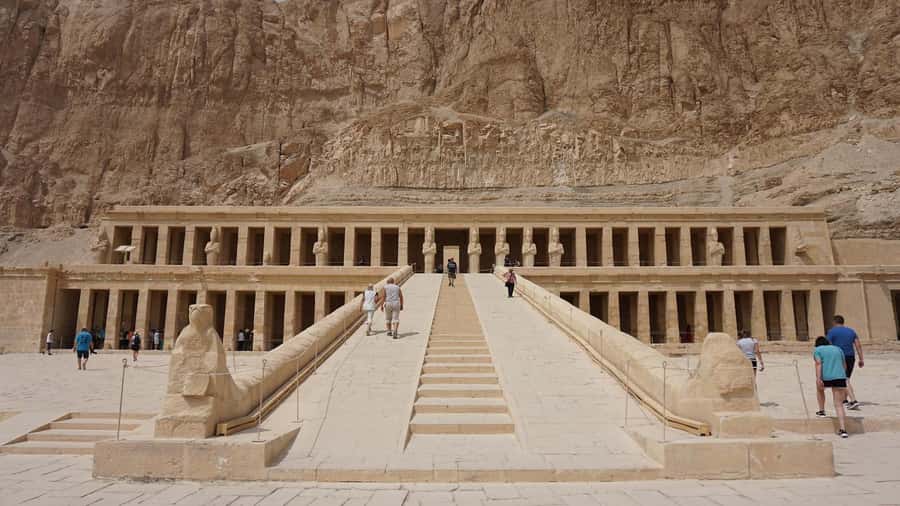
- Hatshepsut at el-Dir el-Bahari: a pharaoh who ruled in a different way
- Medinat Habu: an archaeological site near the Theban Hills
- Deir el-Medina: the Valley of the Worker and paintings that still hit
- Valley of the Queens: not just wives, but royal children too
- Colossi of Memnon: scale without needing extra tickets
- Day 2: Karnak and Luxor Temple on the East Bank
- Karnak Temple: the big worship center built for Amon, Mut, and Khonsu
- Temple of Luxor: Amunhotep III to Ramesses II
- Back to Cairo by flight
- Iberotel Luxor Hotel for one night: what to expect from the overnight setup
- Guides make the difference: Shareen and Sam as examples
- What walking feels like, and how to plan your comfort
- Who this overnight Cairo to Luxor trip fits best
- Should you book this overnight Cairo to Luxor by plane?
- FAQ
- What time is pickup in Cairo?
- How do you get from Cairo to Luxor?
- What happens on Day 1 in Luxor?
- What happens on Day 2?
- What hotel is included for the overnight?
- What meals are included?
- What languages are the tour guides available in?
- Do I need a passport, and is there free cancellation?
Key highlights to look for
- Valley of the Kings timing: start early from Cairo so your West Bank day feels productive
- A “full Luxor” East Bank day with Karnak Temple plus Luxor Temple
- Deir el-Medina and its artisans: you’ll see where the workers lived and painted
- Hatshepsut at el-Dir el-Bahari: a major royal story told in stone
- Colossi of Memnon and Medinat Habu for scale and atmosphere beyond the main hits
Price and logistics: what you’re really paying for
The stated price is $515 per person for a 2-day package that includes round-trip economy flights, private A/C transfers, a live guide, entrance fees, one night at Iberotel Luxor Hotel (or similar) with breakfast, plus lunch at a local restaurant. That mix matters. This isn’t just “here are some tickets.” It’s paying for the hard parts: getting you from Cairo to Luxor by plane without wasting a whole day in transit, then arranging guided entry and movement once you’re there.
You’re also paying for time. The early Cairo pickup at 3:30 am is aggressive, but it’s what makes an overnight schedule work without feeling like you’re arriving only to head home. If you prefer slow travel and long café breaks, this might feel too busy. If you want maximum Egypt per day, it’s built for you.
One more practical note: the tour includes skip-the-line access. That can save real waiting time at ticket points, especially when you’re packing multiple major sites into two days.
You can also read our reviews of more tours and experiences in Luxor.
Day 1: the 3:30 a.m. Cairo pickup and the West Bank story
Day 1 starts with the hotel pickup in Cairo or Giza at 3:30 am, followed by transfer to the domestic airport for your flight to Luxor. Once you arrive, a representative meets you and you head by private A/C vehicle to the West Bank. This first day is all about royal tombs, mortuary architecture, and the people who worked around them.
Valley of the Kings: where the kings tried to outlast time
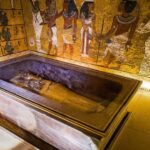
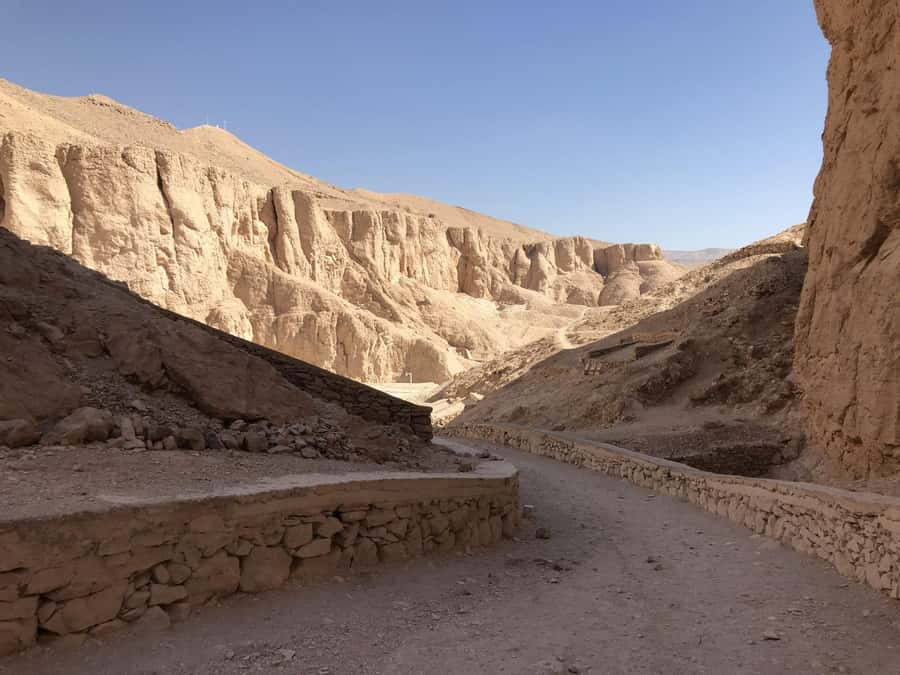
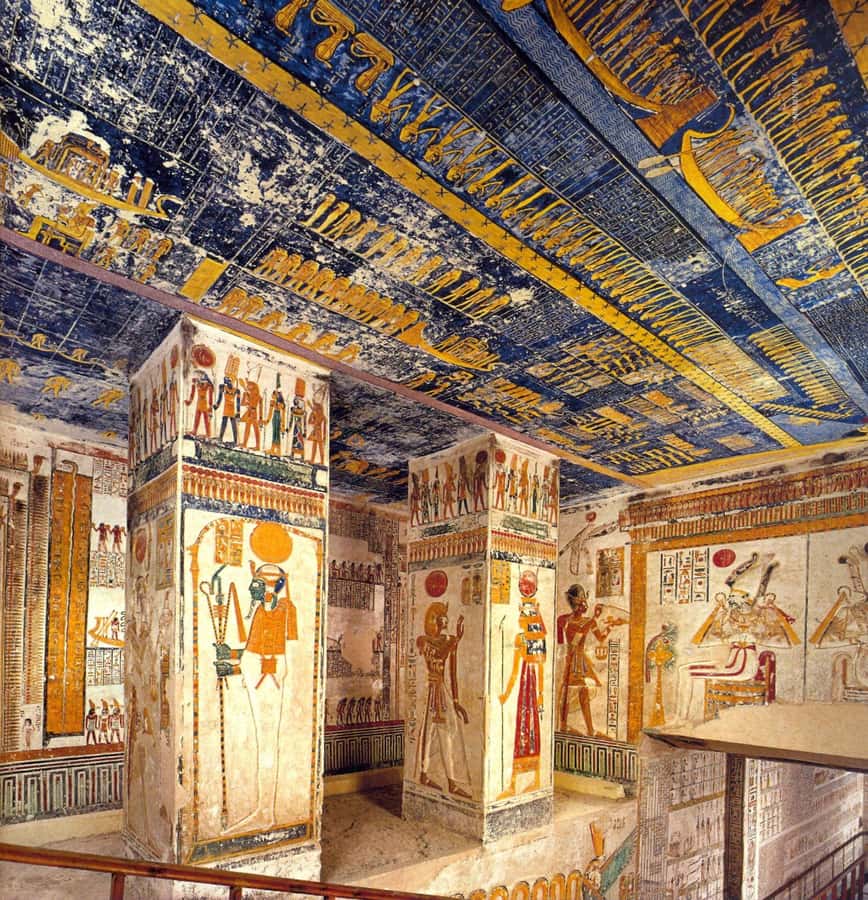
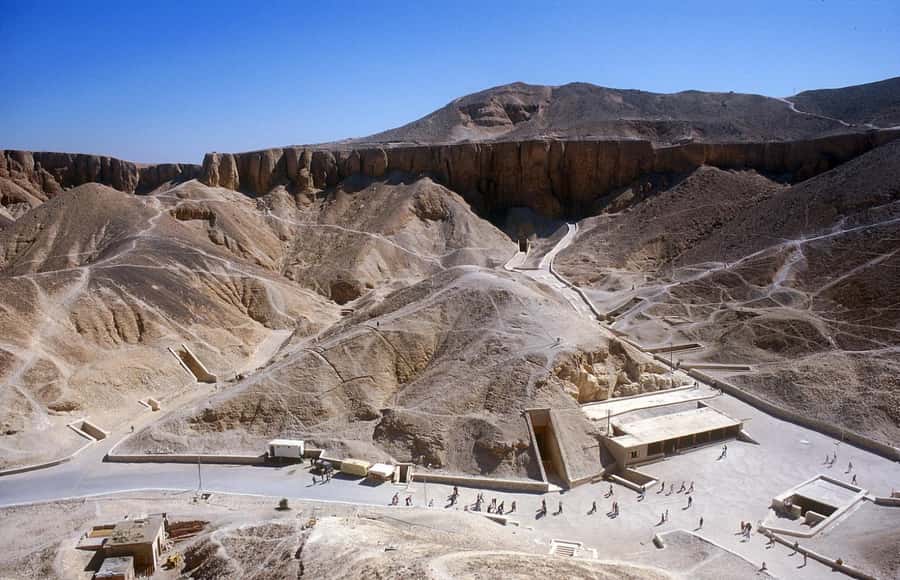
The day begins at the Valley of the Kings, the burial valley for Egyptian rulers. You’ll hear what these tombs were built for—grandeur and permanence—and you’ll also learn that not every tomb is equally famous. The most known ones listed include Tut-Ankh-Amon (spelled in the tour as Tut-Ankh-Amon), Ramses VI, Merenptah, and tombs connected with rulers like Tutmosis and Amonhotep.
Why this stop is worth your attention: even if you’ve seen photos before, being guided here changes what you notice. You start seeing the valley as an entire system—pathways, rock-cut design, burial intention—not just one “must-see tomb.” The early start helps because you’ll have more energy for walking and reading the story instead of just trying to get through before fatigue kicks in.
Hatshepsut at el-Dir el-Bahari: a pharaoh who ruled in a different way
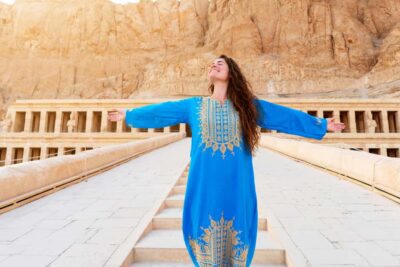
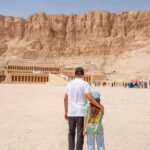
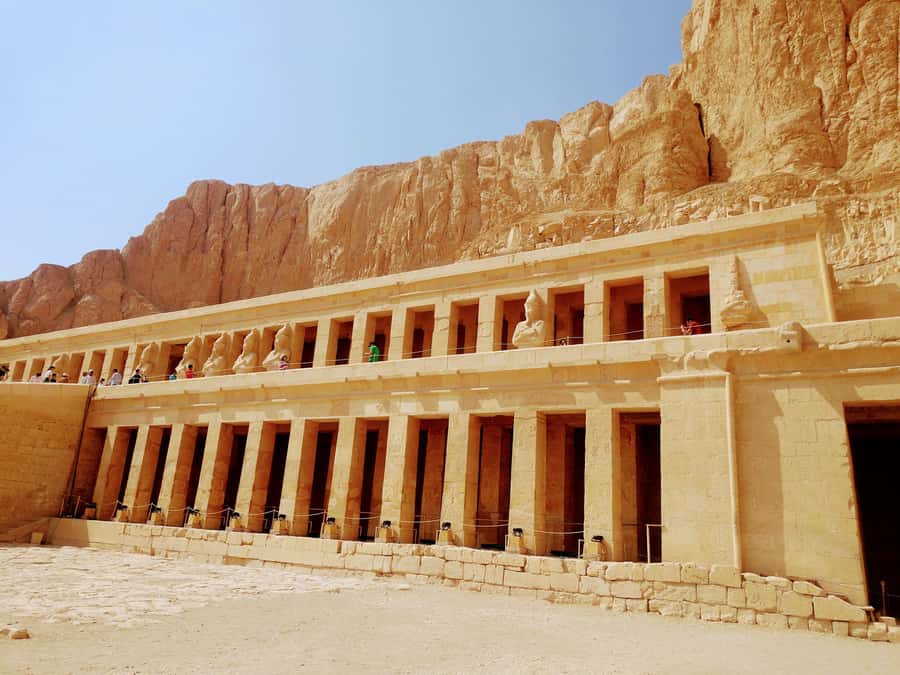
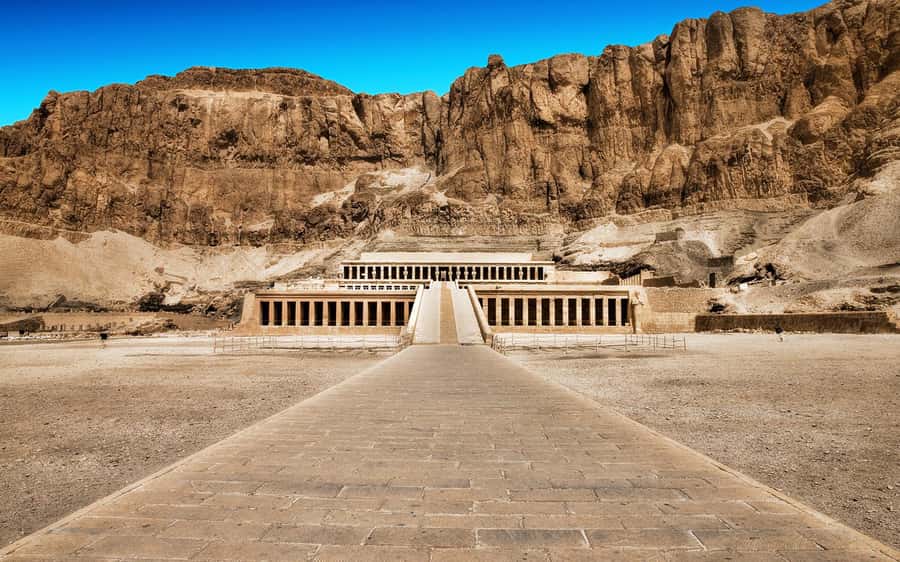
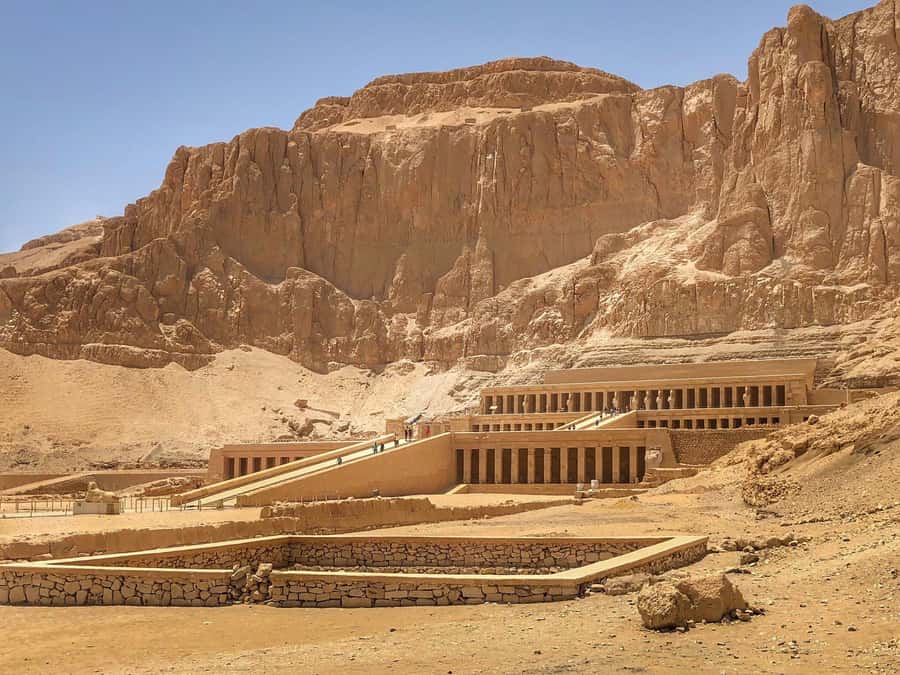
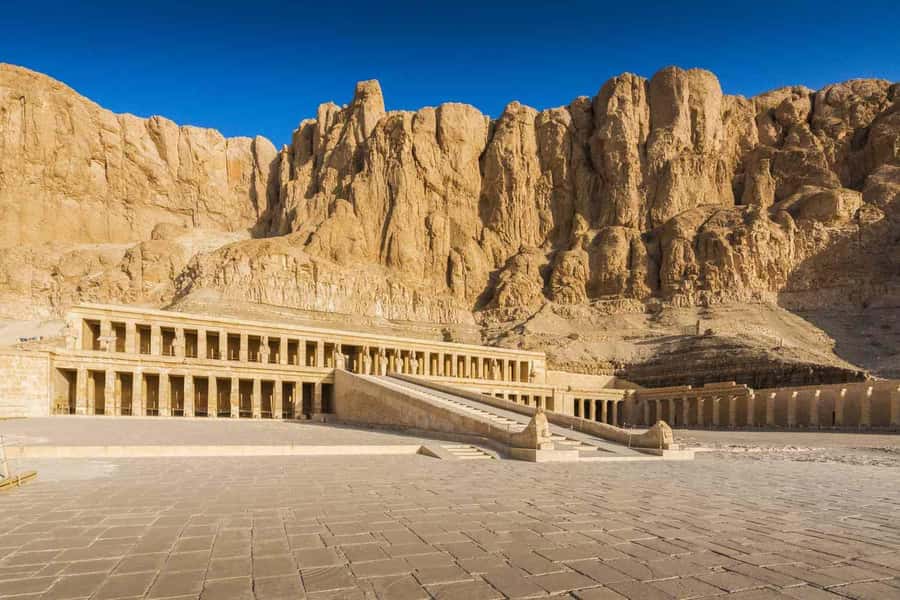
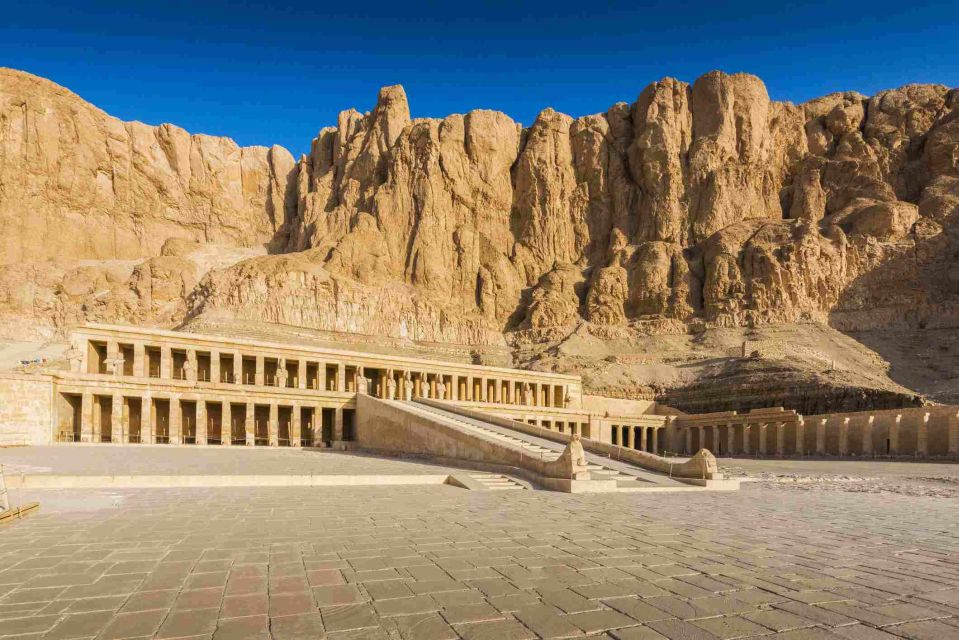
Next comes el-Dir el-Bahari, the temple built by Queen Hatshepsut. The tour frames her clearly: she ruled Egypt for about 20 years during the 18th Dynasty and is described as the only pharaonic woman who reigned in ancient Egypt.
This visit matters because it shifts the tone of the West Bank day. The Valley of the Kings is burial and kingship after death. el-Dir el-Bahari adds political power during life—an ambitious design meant to reinforce legitimacy. If you like your history with character (and a little drama), this is one of your best stops.
One consideration: you’ll likely spend time outdoors before moving indoors or deeper into temple spaces. Wear layers and be ready for the morning’s shift as the day heats up.
Medinat Habu: an archaeological site near the Theban Hills
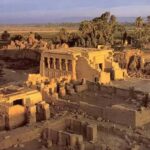
After Hatshepsut, you continue to Medinat Habu. The tour description places it on the West Bank near the foot of the Theban Hills, opposite the modern city of Luxor.
Why it’s valuable in a two-day plan: it broadens the West Bank beyond the single most famous names. You’re still in the same sacred zone, but you’re not repeating the same type of view. Instead, you get a different angle on the way these sites sit within the region’s geography.

Deir el-Medina: the Valley of the Worker and paintings that still hit
Then it’s on to Deir el-Medina, sometimes called the Valley of the Worker. This was an ancient village where the artisans lived—people who worked on the tombs in the Valley of the Kings during the 18th to 20th Dynasties (ca. 1550–1080 BC).
The best part here is the perspective shift. After spending time on royal projects, you finally get the human scale: the workers, their village, and the culture that produced the tombs. The tour also notes the paintings can appear strikingly fresh, which is a big deal. Even if you don’t know Egyptian art styles yet, you’ll likely feel how vivid some wall decoration still looks.
Practical tip: this is a stop where good attention helps. If you drift, you’ll miss the point of the village setting and its role in the tomb-making process.
Valley of the Queens: not just wives, but royal children too
After Deir el-Medina, you head to the Valley of the Queens, where queens of pharaohs were buried. It’s also described with the ancient name ta-set-neferu, meaning the place of the children of the pharaoh, because princes and princesses were also buried here along with queens from the 18th, 19th, and 20th dynasties.
Why this stop works: it expands your idea of who mattered in royal burials. You’re not seeing only one category of person. You’re seeing a whole family structure reflected in the tomb geography.
Colossi of Memnon: scale without needing extra tickets
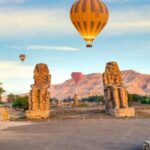
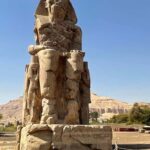
At the end of Day 1, you visit the Colossi of Memnon. These are described as remains of a mortuary temple area. Even if you’re not a hardcore Egyptology nerd, the scale is the point. Two giant standing figures are a fast way to understand how much stone and effort went into mortuary monuments.
Then you wrap Day 1 with a transfer back to your hotel for your one-night stay, with breakfast included the next morning.
Day 2: Karnak and Luxor Temple on the East Bank
Day 2 starts with pickup in Luxor at 10:00 am by the tour guide. You transfer by private A/C vehicle to the East Bank, where you’ll see two of Luxor’s great temple experiences: Karnak Temple and the Temple of Luxor.
Karnak Temple: the big worship center built for Amon, Mut, and Khonsu
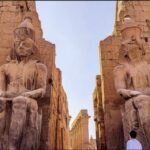
Karnak is described as the greatest example of worship in history, dedicated to God Amon, his wife Mut, and their son Khonsu.
If you’re trying to understand why Karnak feels overwhelming, it’s because it grew into its own city of temples over time. A good guide can help you pick out the core idea: worship space as a political and religious statement, not just a single monument.
One helpful angle for you: Karnak becomes much easier when you have a mental map of what those different divine connections mean, and why the temple complex focuses on a family of gods rather than one.
Temple of Luxor: Amunhotep III to Ramesses II
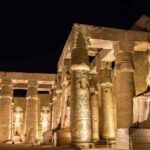
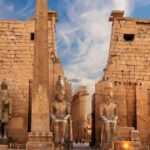
After Karnak, you visit the Temple of Luxor, built by Amunhotep III in the 18th Dynasty and completed by Ramesses II in the 19th Dynasty.
This temple visit pairs nicely with Karnak because it’s the same broad world—Amun and royal authority—but expressed in a different way. If Karnak is the sprawling engine room, Luxor Temple can feel more coherent and readable, especially when you’re tired from the morning and want the story to land cleanly.
Back to Cairo by flight
After the East Bank temples, you transfer to the domestic airport for your flight back to Cairo. Once you arrive, you’re met and assisted and transferred to your hotel.
Iberotel Luxor Hotel for one night: what to expect from the overnight setup
You stay one night at Iberotel Luxor Hotel or similar, and breakfast is included. With a schedule like this, the hotel’s main job is simple: a safe, comfortable place to reset your body so Day 2 feels doable.
This kind of overnight often works best when you pack smart. Keep your passport, comfy walking shoes, and basic sun protection ready. You’ll be doing enough walking across multiple major sites that you’ll appreciate even a small hotel advantage—like not having to think about breakfast or where to store stuff.
Guides make the difference: Shareen and Sam as examples
The most consistently helpful part of this experience is the guidance. One of the best signs you’re booking the right format is that you’re not just being dropped at gates and left to figure out what you’re seeing.
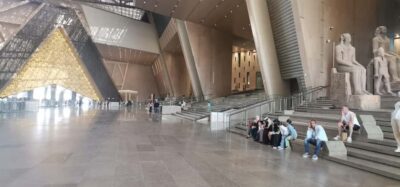
In the feedback provided, Shareen is highlighted for being very knowledgable and for handling safety and questions after visiting GEM in Cairo. In Luxor, Sam is described as absolutely brilliant and extremely knowledgeable, spending the full two days with care and answering questions.
Even if your guide isn’t one of those names, the point holds: a guide who can explain what you’re looking at and keep your group moving smoothly can turn a crowded site into a clear experience.
What walking feels like, and how to plan your comfort
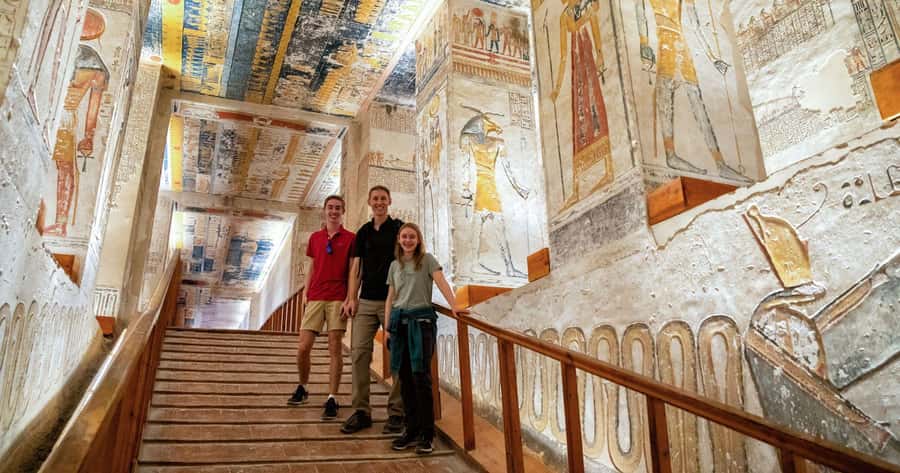
This trip is packed, and that’s the real reality behind the list of famous names. You’ll be switching between valleys, temple areas, and viewpoints—some outdoors, some with indoor or semi-outdoor elements. The tour also includes skip-the-line access, which helps reduce waiting time, but it doesn’t remove the need for mobility.
To make it easier on you:
- Bring comfortable walking shoes with good grip
- Keep water and sun protection ready (especially with early starts)
- Plan for breaks to be short; this schedule is designed to keep momentum
If you’re sensitive to uneven ground or you hate rushed pacing, you may find the pace tiring. If you’re okay with a full-on two days and love seeing big sites back-to-back, you’ll likely enjoy it.
Who this overnight Cairo to Luxor trip fits best
This package is a strong match if you:
- Want big Luxor highlights in a short time
- Prefer guided context over self-guided wandering
- Like the efficiency of flying rather than spending the whole day on the road
- Can handle an early start and a full schedule
It may be less suitable if you:
- Need lots of downtime between stops
- Strongly prefer exploring at your own pace without a fixed route
- Don’t like early morning departures
Should you book this overnight Cairo to Luxor by plane?
If your goal is to see Valley of the Kings, Hatshepsut at el-Dir el-Bahari, Deir el-Medina, and then finish with Karnak and Luxor Temple over two days, this is a smart way to do it. The price is not cheap, but when you factor in round-trip flights, private A/C transfers, entrance fees, a live guide, lunch, and one night with breakfast, it’s closer to a full-service Egypt package than a basic add-on.
I’d book it if you’re excited by structure—knowing the route, getting context, and maximizing your time in Luxor. I’d think twice if you want slow travel, long breaks, or a more flexible pace. Either way, this plan is built for people who want to come away with a clear story of Luxor rather than just a stack of photos.
FAQ
What time is pickup in Cairo?
Pickup from your hotel in Cairo is at 3:30 am.
How do you get from Cairo to Luxor?
You take a round-trip domestic flight (economy seats). You also use private, air-conditioned vehicles for hotel and site transfers.
What happens on Day 1 in Luxor?
You travel to the West Bank and visit the Valley of the Kings, the Temple of Queen Hatshepsut (el-Dir el-Bahari), Medinat Habu, Deir el-Medina, the Valley of the Queens, and the Colossi of Memnon. Lunch is included at a local restaurant.
What happens on Day 2?
On Day 2 you visit the East Bank: Karnak Temple and the Temple of Luxor. Then you transfer to the domestic airport for your flight back to Cairo.
What hotel is included for the overnight?
You get one night at Iberotel Luxor Hotel or similar, with breakfast included.
What meals are included?
The tour includes lunch at a local restaurant. Breakfast is included with your hotel stay.
What languages are the tour guides available in?
The live guide is available in English, Spanish, German, and Arabic.
Do I need a passport, and is there free cancellation?
You’ll need a passport. The tour also offers free cancellation up to 3 days in advance for a full refund.