REVIEW · LUXOR
Luxor to Aswan: 6-Day Dahabiya Nile Cruise with Ancient Tour
Book on GetYourGuide →Operated by Oceanus Tours · Bookable on GetYourGuide
Nile sailing feels like time travel. This Luxor to Aswan Dahabiya trip gives you the big-Egypt sites plus the slow rhythm of the river, with the sundeck doing most of the work. You’ll spend your days on temples and your evenings floating, with views that don’t come from buses.
I especially like the live guide part—someone who keeps the stories straight and the timing smooth, so the temples make sense instead of feeling like a checklist. In past runs, guides such as Samar, Abdullah, Hussein, and Rambo were praised for being both engaging and funny, which matters when you’re walking in the heat for hours.
One thing to think about: the “6 days” headline can feel a bit longer on paper than on the water. Day 1 ends in a 4-star hotel in Luxor, and your Dahabiya nights begin after that, so double-check how many nights you’ll actually spend sleeping on the boat before you book.
In This Review
- Key highlights worth circling
- Why a Dahabiya cruise is different from big-ship Nile trips
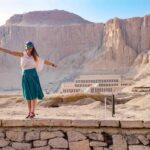
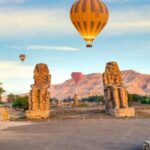
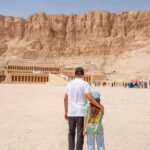
- Luxor West Bank power hour: Valley of the Kings, Hatshepsut, Colossi
- Karnak to Esna, then checking in on the boat
- Edfu temple plus a Nile village visit
- Gebel El-Silsila and Kom Ombo: two temples, two styles of meaning
- Aswan arrival and Philae Temple to end the journey
- Price and what you’re really buying at about $1,400
- What your day feels like: pacing, heat, and sundeck strategy
- Language: English or French guidance, and why it matters
- Who should book this Dahabiya cruise—and who might not
- Should you book this Luxor to Aswan Dahabiya cruise?
- FAQ
- What sites are included on the Luxor to Aswan itinerary?
- Where do pickups and transfers happen?
- Are entrance fees included for the temples?
- What meals are included during the 6 days?
- What languages is the tour guide available in?
- Can I cancel for a full refund?
Key highlights worth circling
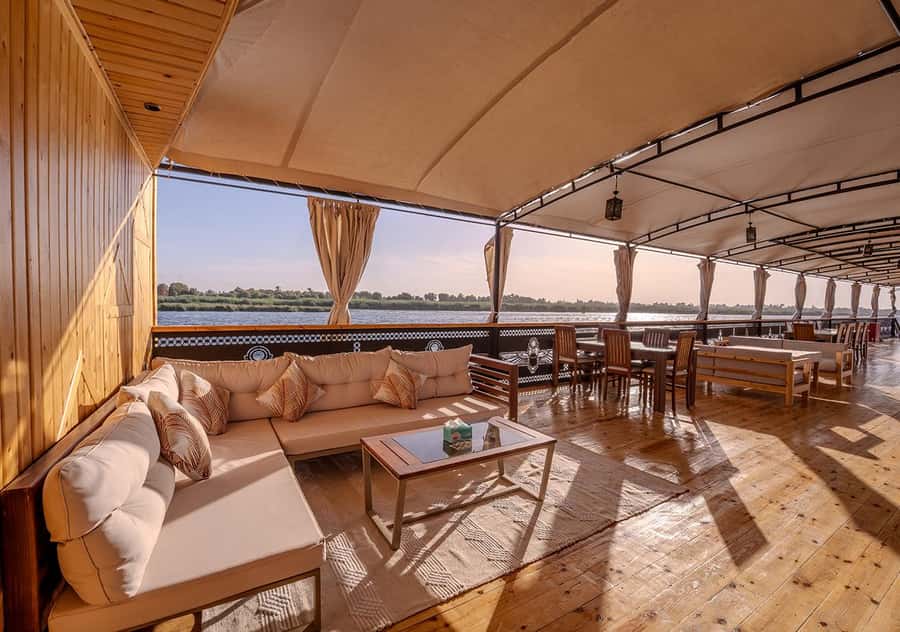
- Sundeck time that feels earned: comfortable deck chairs and slow sailing when the light turns soft.
- Big-name temples, well paced: Luxor West Bank classics to Karnak, Edfu, Kom Ombo, and Philae.
- Edfu area + local village stop: a break from only monuments, with time to see daily Nile life.
- Gebel El-Silsila storytelling: your guide explains why this area matters and how the stones were worked.
- Door-to-door A/C transfers: less logistical stress between Luxor and Aswan.
- Helpful onboard service: water and hot drinks included, and staff attention is a recurring compliment.
Why a Dahabiya cruise is different from big-ship Nile trips
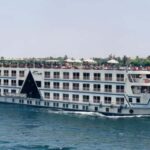
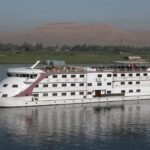
A Dahabiya is the “slow boat” version of cruising. You don’t just move from one port to the next—you feel the pacing of the Nile, with sailing time built into the day and a sundeck that becomes your default spot.
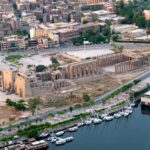
This particular route focuses on the classic corridor: Luxor to Aswan. That’s a smart choice if you want the highest concentration of famous temples without adding extra travel days. You also get a guided temple sequence rather than a free-for-all, which helps you connect what you’re seeing—especially in places like Luxor West Bank and the temple pairs at Edfu and Kom Ombo.
You can also read our reviews of more boat tours in Luxor
Luxor West Bank power hour: Valley of the Kings, Hatshepsut, Colossi
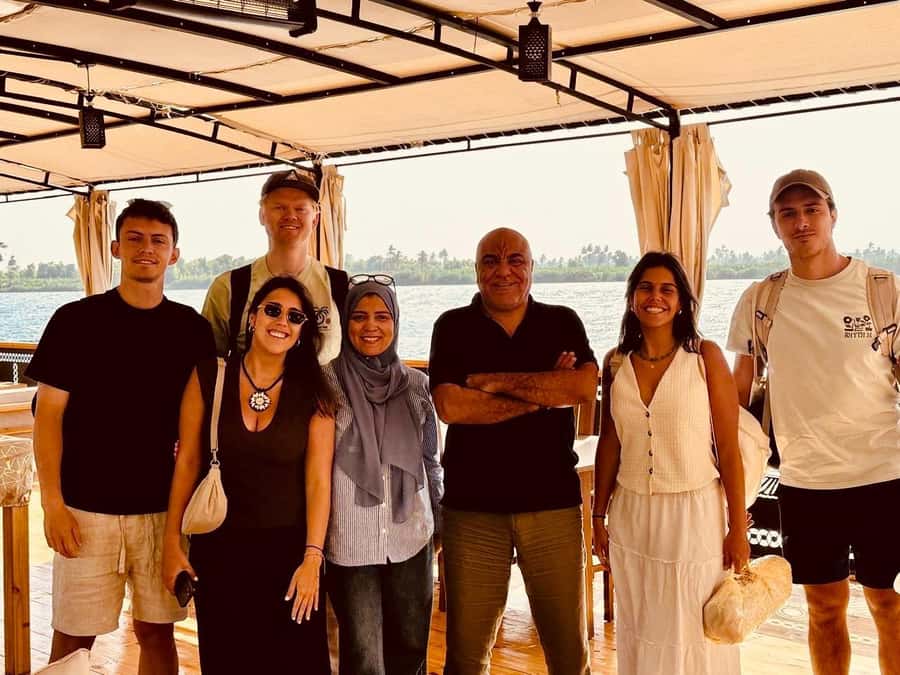
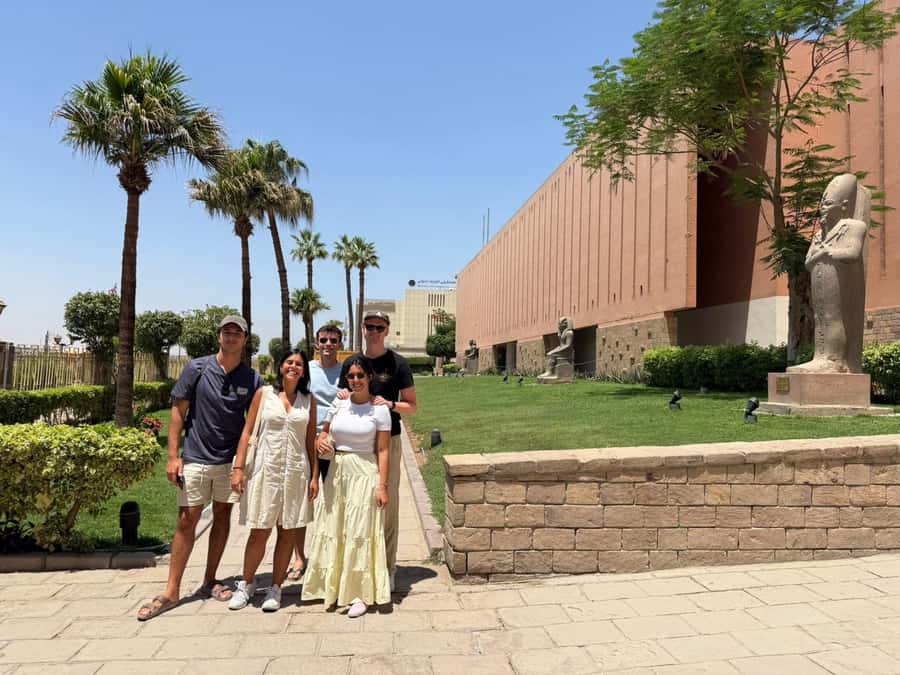
Day 1 is a concentrated Luxor day, starting with pickup in Luxor (hotel, train station, or Luxor airport). Then you cross to the west bank—where most people come for the “Egypt postcards,” and where your feet will earn every photo.
You’ll tour:
- Valley of the Kings
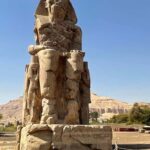
- Colossi of Memnon
- Temple of Queen Hatshepsut
Here’s what I like about this setup: it’s the proper order for a first day. You start with the royal necropolis atmosphere, then you move to the iconic standing figures and the impressive temple architecture tied to Hatshepsut’s reign. You’re not bouncing around randomly, and the drive afterward means you’ll actually end the day with a real hotel bed.
If you’re sensitive to heat, this is the day to wear your best, most breathable clothes and keep your hat on. Comfortable shoes matter a lot here, because the ground can be uneven.
Karnak to Esna, then checking in on the boat
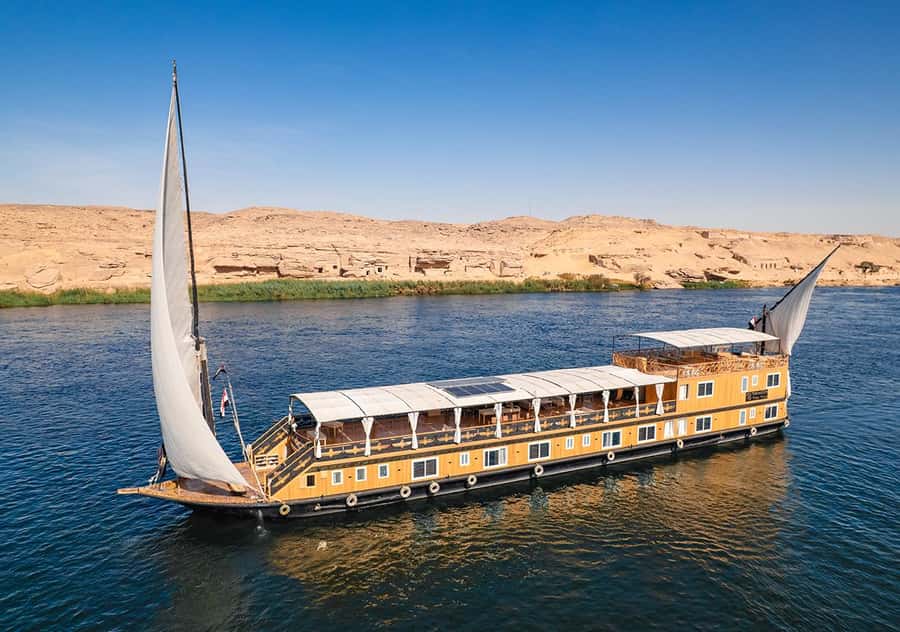
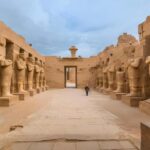
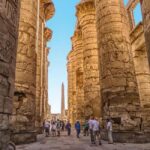
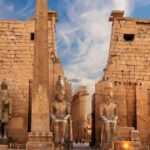
After breakfast at your Luxor hotel on Day 2, the day begins with Karnak Temple. Karnak is huge—so the benefit of a guided stop isn’t just narration. It’s knowing what to look for so you don’t spend the whole visit staring up and missing the connections between halls and sacred spaces.
From there, the itinerary shifts toward Esna, and you’ll drive to check in your Dahabiya. This transition is underrated. A lot of people start a Nile cruise feeling mentally scattered; checking into the boat early enough gives you time to settle, eat, and start using the sundeck instead of just thinking about the next temple.
Then sailing begins. You’ll have a handmade fresh lunch onboard, and you’ll be able to watch the river come alive with islands, fields, and gardens—less “tour bus window” and more slow-moving water and real riverbanks.
Edfu temple plus a Nile village visit
Day 3 gives you two very different kinds of time, and that contrast is what makes it memorable.
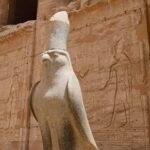
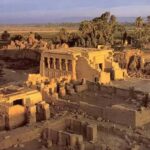
First is Edfu Temple, described as the second largest temple in Egypt and still in amazing condition. The payoff here is the story of Horus defeating Set—your guide explains the myth connection so the carvings aren’t just decoration.
Then you shift from temple stone to human scale. You’ll head toward a local village area on the Nile islands, with time to see daily life and simple routines in that quieter pocket of the river. This stop is a useful balance if you worry your whole trip will be ancient monuments only.
Practical note: this is not a “party boat” day. Plan for calm. Bring sun protection and expect short walks and waiting around while the group transfers.
Gebel El-Silsila and Kom Ombo: two temples, two styles of meaning
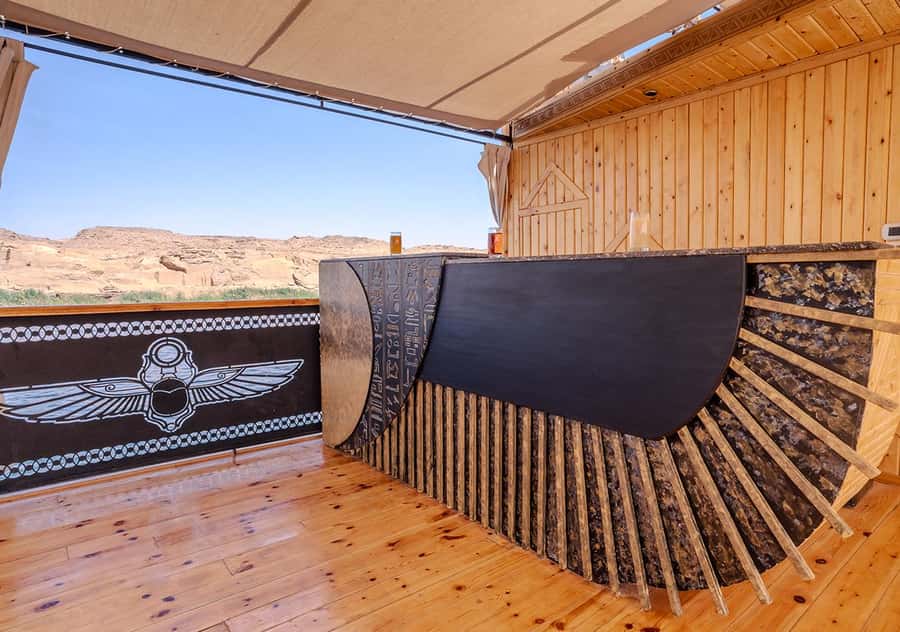
Day 4 has the kind of mix that keeps a Nile cruise from feeling repetitive.
You start with Gebel El-Silsila, a place your guide presents as a major temple source area—complete with an explanation of how people worked giant stones using basic tools. This isn’t just a viewpoint stop; it’s meant to help you understand the effort behind what you’re seeing.
After that, it’s back to the Dahabiya for sailing time on the sundeck, plus drinks while you move. This is where you’ll likely feel the cruise’s core benefit: the day isn’t only about walking. You get breaks that are actually restful.
Then comes Kom Ombo, a standout because it has two identical entrances dedicated to different gods. Your guide also shares the classic story about avoiding crocodiles—because in ancient river life, danger was real and religious stories had reasons. Even if you’ve heard versions before, it tends to land better when the guide ties it directly to why the temple is built the way it is.
You can also read our reviews of more tours and experiences in Luxor
Aswan arrival and Philae Temple to end the journey
By Day 5, you’re in Aswan, a city known here for Nubian history. You’ll visit Philae Temple—the one associated with legends of love and loyalty. It’s also a temple that feels especially atmospheric near the river, so saving it for the end makes sense: it gives your cruise a “last big note” before disembarking.
The evening includes a simple departure moment onboard, led by the Dahabiya staff, which gives a gentle close to the experience rather than a sudden scramble. Then you sleep onboard for the night, and Day 6 ends with disembarkation after breakfast.
Price and what you’re really buying at about $1,400
At $1,400 per person, this trip sits in the “pay for convenience and comfort” category. You’re not just paying for temples; you’re paying for:
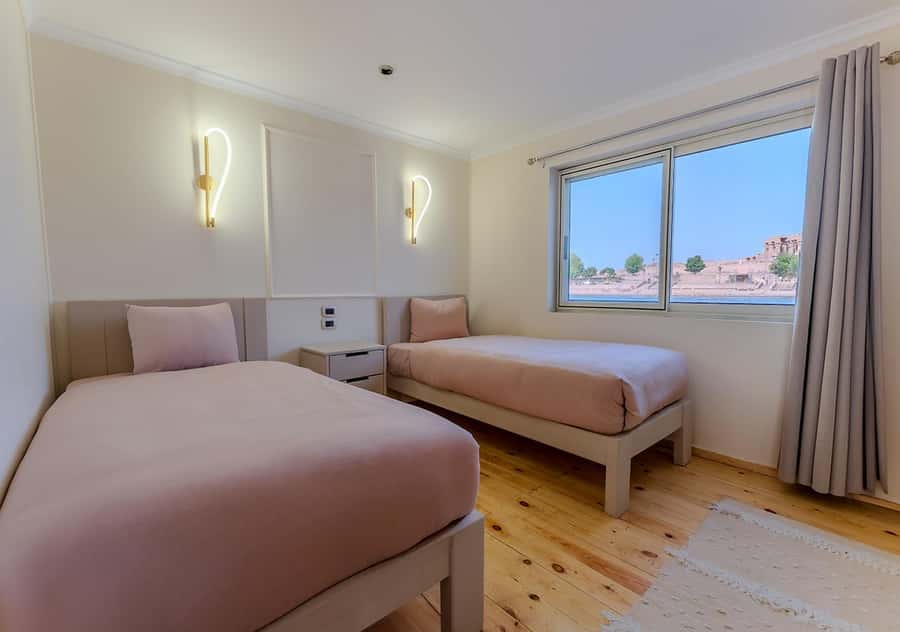
- 4 nights on the Dahabiya (plus one night in a Luxor 4-star hotel at the start)
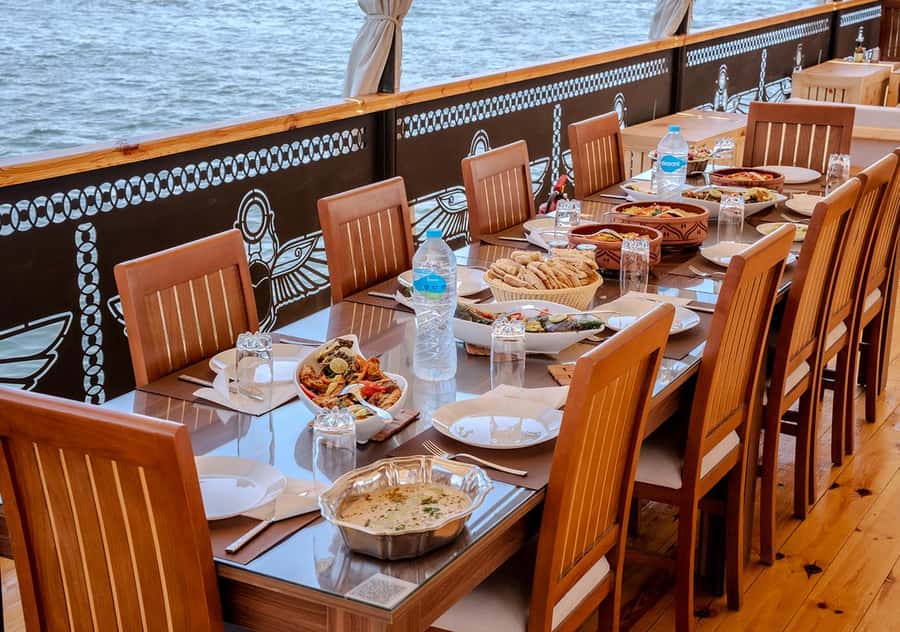
- Breakfasts, plus lunch the first day and food onboard across the sailing days
- An expert guide (English or French)
- Door-to-door A/C transfers between Luxor and Aswan
- Water and hot drinks while on the boat
- Taxes and charges
What’s not included: entrance fees for the sites on the itinerary. That can matter for budgeting, especially because temple fees can add up across multiple stops.
So the value question becomes simple: if you want a guided, guided-transported Luxor-to-Aswan flow with real onboard downtime, this price can make sense. If you’re trying to keep costs ultra-tight and don’t care about comfort or a guided pace, you might find cheaper options—but they often trade away the “all-in-one” smoothness.
What your day feels like: pacing, heat, and sundeck strategy
Egypt rewards smart timing. This route is built around that reality:
- Temple-heavy mornings
- Sailing and rest time mixed into the day
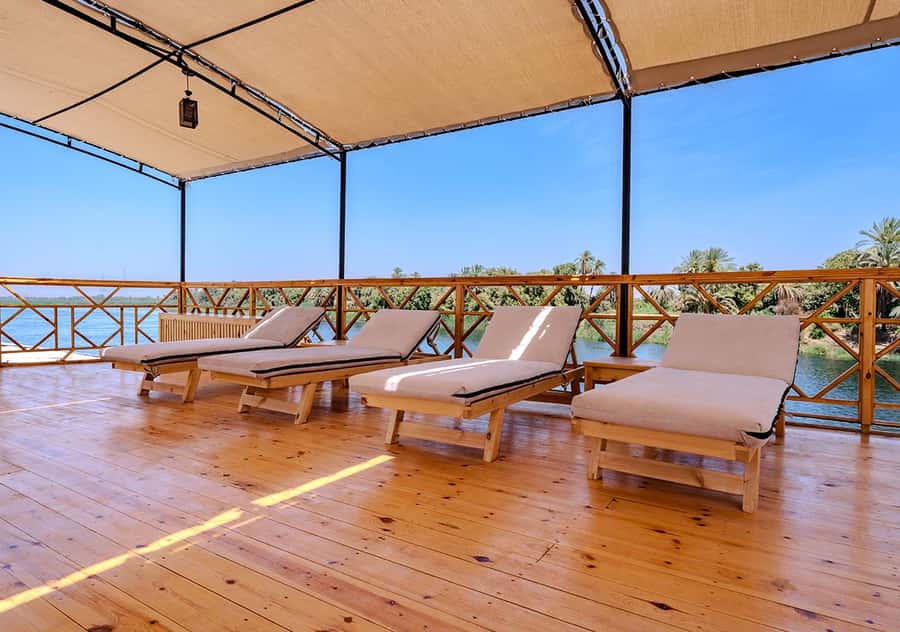
- Sundeck sessions that let you enjoy the Nile rather than just pass it
Your best move is to treat the sundeck like your second home. When you’re not walking temples, you’re watching the river. Bring sunglasses and sunscreen even if you think you won’t need them—sailing sun can surprise you.
Packing list from the tour guidance is straightforward:
- Comfortable shoes
- Sunglasses and a sun hat
- Sunscreen
- Comfortable clothes
- Beachwear (for onboard time)
- Passport (a copy is accepted)
If you’re the type who likes photos, you’ll probably enjoy the sailing windows most. The views are different depending on the time of day, and the boat’s slower pace gives you enough time to actually take a picture without feeling rushed.
Language: English or French guidance, and why it matters
The tour provides a live guide in English or French. That matters a lot in temple stops, where details like symbolism, timelines, and why the temple is laid out a certain way change how you experience each site.
One recent passenger specifically noted guidance in French, so if language is important to you, confirm that your preferred language is what you’ll get for the duration of the tour.
Who should book this Dahabiya cruise—and who might not
This is a good fit if you want:
- A Luxor-to-Aswan itinerary with major temples
- A slower, calmer experience than buses and trains
- The kind of onboard downtime where the boat isn’t just transportation
It’s not suitable for people over 95 years, based on the tour’s stated limits. Also note the on-boat rules: no drones, no pets, and no smoking indoors.
If you’re traveling solo or as a couple, the structure tends to work well because transfers and guides handle the hard parts. If you want total flexibility to wander on your own, you may find a guided schedule a bit tight—temple days are planned and time is managed.
Should you book this Luxor to Aswan Dahabiya cruise?
If your priority is a smooth, guided, comfortable Luxor-to-Aswan journey with real time on the river, I’d say this is an easy yes. You’re getting the big temples plus at least one pause for everyday Nile life, and the sundeck time is built in rather than optional.
Before you book, do one practical check: look closely at how the “6 days” break down for you. Day 1 ends in a Luxor hotel, and your cruise time begins after check-in. If you’re picturing a week where every night is on the boat, this might feel shorter than expected—so set the expectation correctly and you’ll enjoy it more.
If you do book, focus on the basics: sunscreen, comfortable walking shoes, and a willingness to slow down. The best moments on this route are the ones you don’t rush.
FAQ
What sites are included on the Luxor to Aswan itinerary?
You’ll tour Valley of the Kings, Colossi of Memnon, and Hatshepsut Temple, then visit Karnak Temple, Edfu Temple, Gebel El-Silsila, Kom Ombo, and Philae Temple. The plan also includes sailing time and a local village stop.
Where do pickups and transfers happen?
Pickup is included from your Luxor location, such as a hotel, the train station, or Luxor airport. Transfers are also included between Luxor and Aswan with door-to-door A/C service, and you’ll have a final transfer in Aswan after disembarking.
Are entrance fees included for the temples?
No. Entrance fees for the mentioned sites are not included.
What meals are included during the 6 days?
You’ll have lunch on the first day after boarding, open-buffet breakfast on Day 2 at your hotel, breakfast during sailing days, and breakfast on the last day after disembarking. Water and hot drinks are included during your stay on the Dahabiya.
What languages is the tour guide available in?
The live tour guide is available in English and French.
Can I cancel for a full refund?
Yes. Free cancellation is offered up to 24 hours in advance for a full refund.