REVIEW · LUXOR
From Cairo: Trip to Luxor By Flight and King Tut Tomb Visit
Book on GetYourGuide →Operated by Ramses tours · Bookable on GetYourGuide
Fly, ride, and see Luxor fast. I like the small group setup and the Egyptologist guide keeping your time focused on the biggest hits of Luxor, especially Karnak and the Valley of the Kings. The main drawback is the tight 8-hour structure, which can feel rushed when you’re dealing with early pickups and Luxor heat.
Once you’re in Luxor, you’ll walk the Avenue of the Sphinxes, then hit Karnak’s Hypostyle Hall with 134 massive columns before the schedule shifts into the darker world of rock-cut tombs. I also like the variety: you don’t just stay in Karnak Temple, you also get El Deir el Bahary for Hatshepsut’s terraces and a quick breather at the Colossi of Memnon.
At $150 per person, the value can be strong, but it depends on what options you selected, especially domestic flights and entry tickets. And because flight times are approximate, you should expect a real early start from Cairo on many departure schedules.
In This Review
- Key Points To Know Before You Go
- Cairo-to-Luxor by Flight: Why This Tour Exists
- Hotel Pickup and Domestic Flights: What Your Day Actually Starts
- Karnak Temple: The Hypostyle Hall Moment You’ll Remember
- Avenue of the Sphinxes and the Temple of Amon: Reading the Walls
- Valley of the Kings: Tomb Visits and the Reality of Rotations
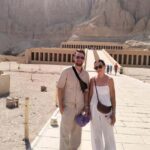
- Hatshepsut’s Temple at El Deir el Bahary: Terraces, Cliffs, and Scale
- Colossi of Memnon: A Quick Nile Landmark Before the Flight
- Timing, Heat, and Group Pace: How to Stay Comfortable
- Price and Value: Is $150 Actually a Good Deal?
- Before You Book: Questions I’d Ask to Avoid Surprises
- Should You Book This Cairo-to-Luxor Day Trip?
- FAQ
- How long is the Cairo to Luxor day trip?
- Are domestic flights from Cairo to Luxor included?
- Which sites have entry tickets included?
- Can I confirm which Valley of the Kings tombs I’ll visit?
- Is King Tutankhamun’s tomb included?
- What group size and language support should I expect?
- Is pickup included, and is the tour wheelchair accessible?
- What is the cancellation policy?
Key Points To Know Before You Go
- Small group (10 max) means less waiting and more chance to ask questions
- Karnak Temple + Hypostyle Hall (134 columns) is the main visual payoff
- Valley of the Kings tombs rotate by government rules, so you can’t fully pick your set of tombs
- King Tutankhamun’s tomb is optional depending on the package selection
- El Deir el Bahary (Hatshepsut) adds a terraced, dramatic change of pace
- Language support is flexible with live guide options and audio support in many languages
Cairo-to-Luxor by Flight: Why This Tour Exists
This day trip is built for one thing: squeezing Luxor’s top monuments into a schedule that starts in Cairo. If you only have a short window in Egypt, the flight saves you the long land route and lets you arrive in Luxor early enough to tour major sites without an overnight stay.
Because the tour is only 8 hours, you should treat it like a fast museum route, not a slow wander. The “guided” part matters here: your guide’s job is to help you move efficiently and understand what you’re looking at—whether that’s the scale of Karnak or why the Valley of the Kings feels so different from open-air temples.
Flight timing is approximate. Typical departures from Cairo are around 5:00, 6:00, or 7:00, with return flights around 6:00 pm or 11:00 pm. That variation can strongly affect how long you’ll wait at Luxor airport on the way back.
You can also read our reviews of more tours and experiences in Luxor.
Hotel Pickup and Domestic Flights: What Your Day Actually Starts
The tour includes hotel pickup and drop-off from select areas in Cairo, but there can be a supplement depending on where you’re staying (for example, pick-up from Heliopolis or 06th of October may cost extra). This matters because a tour that looks like an easy day trip can turn into a very early morning if pickup is scheduled far in advance.
You’ll also need to provide full names and passport details/copies in advance so the domestic flights can be booked. The tour notes that changing requested flight times can lead to extra charges and a different total price, so if you have tight plans, double-check your schedule early.
Once you’re airborne, the rest of the day is designed to flow in a logical order: Karnak first (big outdoor-to-indoor temple complex), then Valley of the Kings and Hatshepsut’s temple, and finally Colossi of Memnon before you head back to Luxor Airport.
Karnak Temple: The Hypostyle Hall Moment You’ll Remember
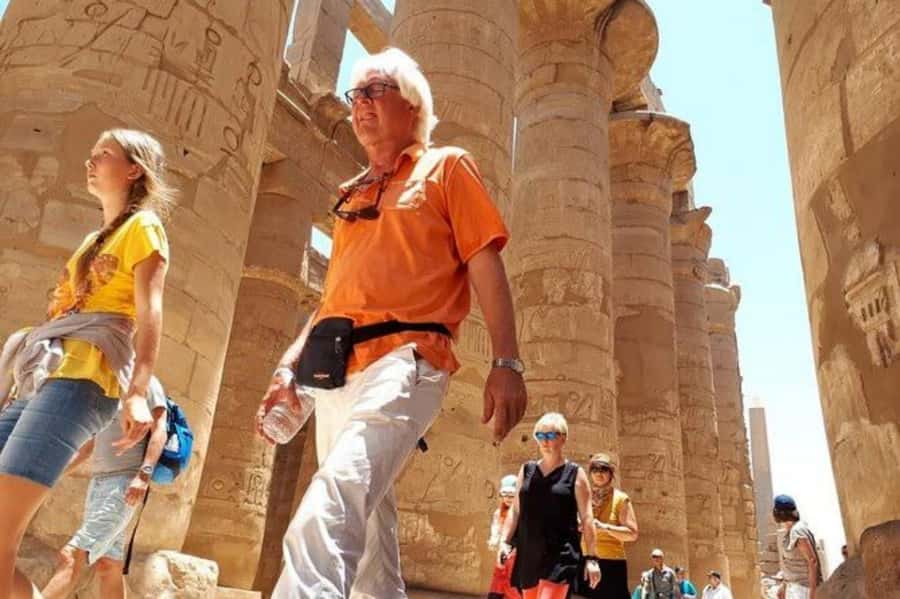
Karnak Temple is the largest temple ever built, and the tour leans into that fact with an efficient hit list. You’ll ride in an air-conditioned vehicle and then focus on the areas that most people come to see, including the Hypostyle Hall.
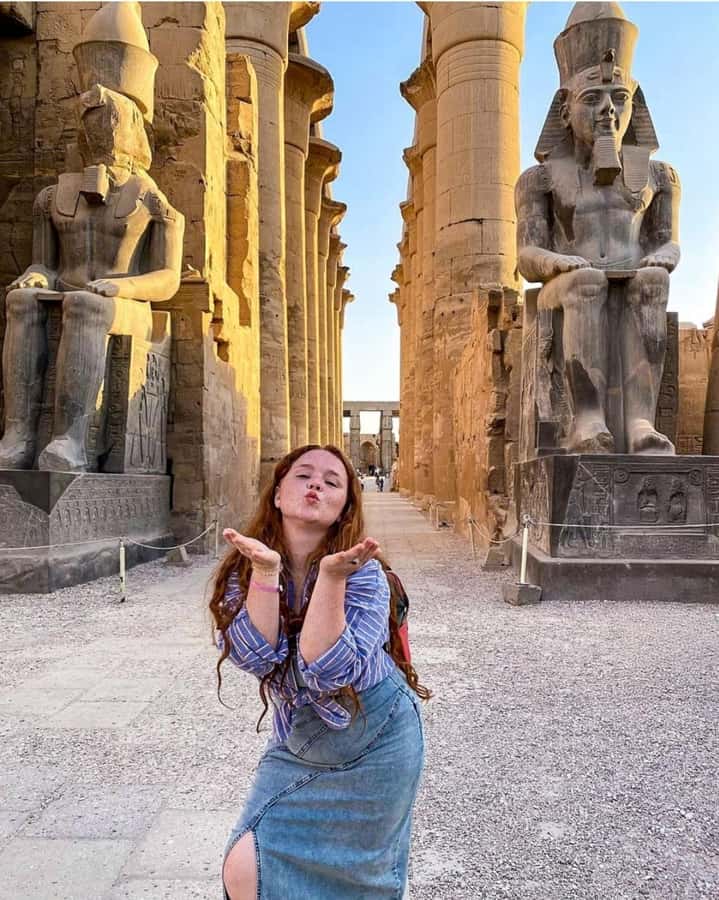
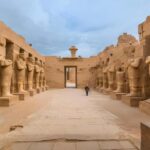
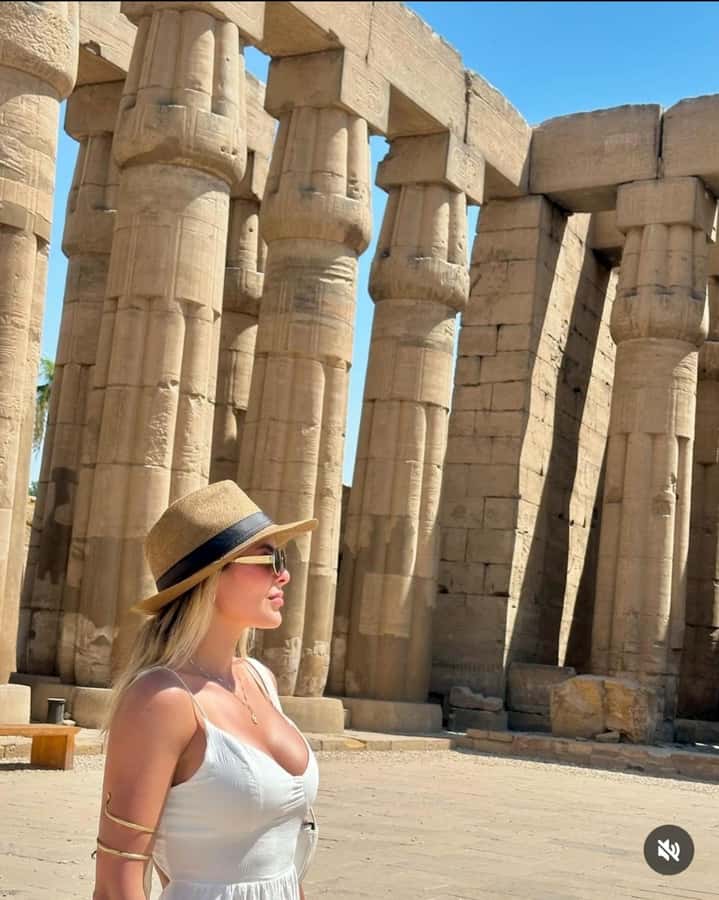
Hypostyle Hall is where the scale goes from impressive to hard to process: 134 giant columns fill the space and create a forest-like effect when you’re standing inside. In a fast tour format, that’s exactly the kind of stop that pays off—because you don’t need hours of wandering to get the impact.
The tour also includes key visual landmarks within Karnak, like the obelisks of Queen Hatshepsut and Thutmosis III. Seeing those names in stone helps you connect the dots between different reigns rather than treating Karnak like one single “Egypt museum room.”
If you want a DIY feel, you can always visit Karnak on your own. But on this kind of tight schedule, a good guide helps you understand why certain areas matter, and how the pieces of Karnak connect.
Avenue of the Sphinxes and the Temple of Amon: Reading the Walls
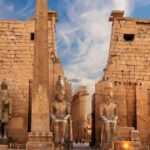
After Karnak’s main structures, you’ll walk the Avenue of Sphinxes, a processional route that helps you experience the temple complex the way ancient visitors would have moved through it. It’s one of those simple experiences that makes the architecture feel intentional instead of random.
The tour continues with the Temple of Amon, described with decorative motifs like lotus and papyrus designs. That’s a small detail, but it matters: when you know what you’re looking at, carvings stop being background noise and start becoming a story about symbolism.
One of the underrated benefits of doing Karnak with a guide is learning what to notice quickly. In a busy temple like this, you can spend time staring at nothing. With guidance, you’re more likely to spot the big scenes and the repeating patterns that define the site’s meaning.
Valley of the Kings: Tomb Visits and the Reality of Rotations
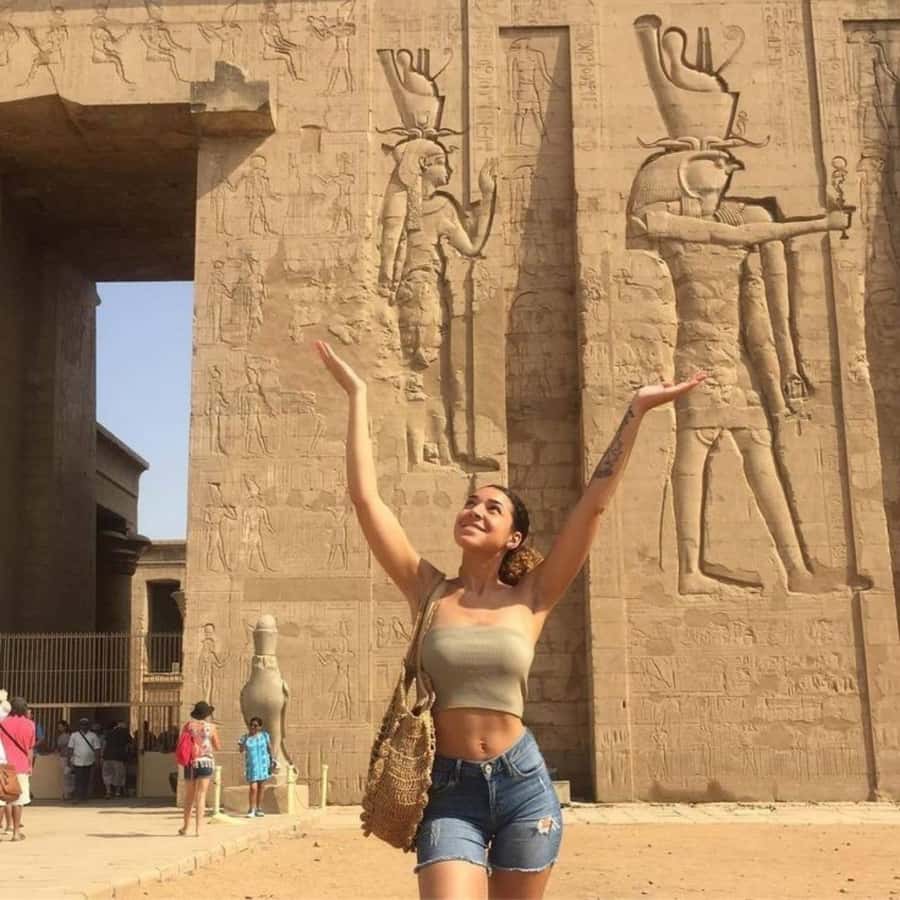
The Valley of the Kings is where the day’s tone changes. Instead of bright temple stone, you’re dealing with rock-cut entrances and the sense that these tombs were built for a very private afterlife world.
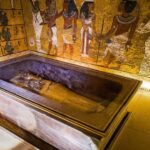
This tour includes the world-famous Valley of the Kings and gives you the opportunity to visit three tombs. Here’s the catch: the exact tombs are determined by the Egyptian Government to manage visitor flow, and the tour notes that they are rotated throughout the year, meaning you can’t reliably know in advance which tombs you’ll enter.
If you select the option for the King Tutankhamun tomb, that visit is included. So you’ll get at least one “anchor” tomb experience even though the other two may vary.
This rotation detail is important for setting expectations. If your heart is set on one specific tomb besides King Tut, this tour may or may not match that preference on your dates. If you’re more interested in the overall idea—multiple royal burials carved deep into desert rock—then the Valley portion is strong.
Also, go into this part with a practical mindset: tombs are physically and emotionally different from temples. Take your time with the entrances and the small architectural changes you’ll notice once you’re inside.

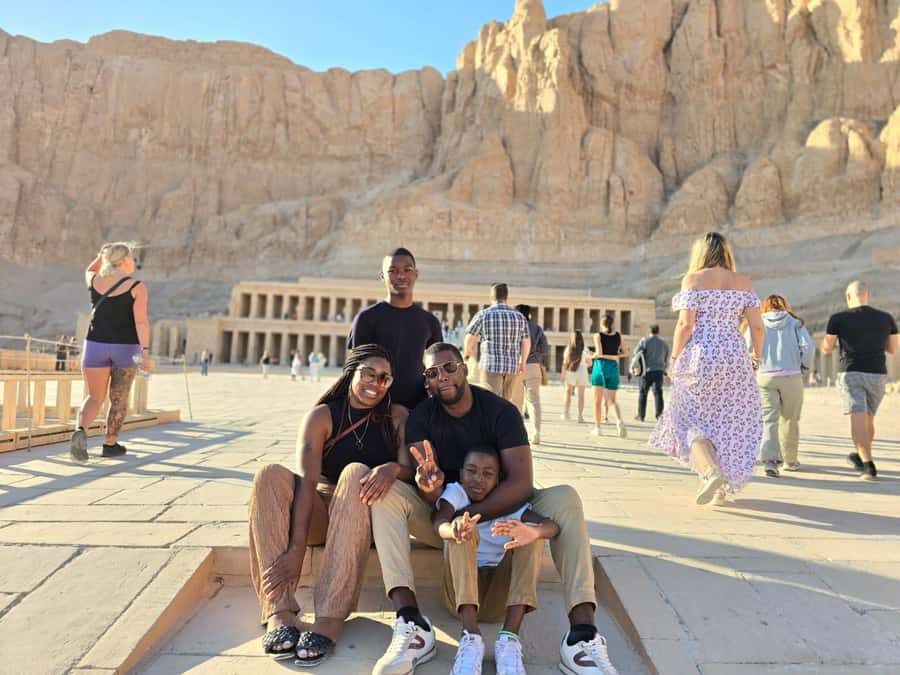
Hatshepsut’s Temple at El Deir el Bahary: Terraces, Cliffs, and Scale
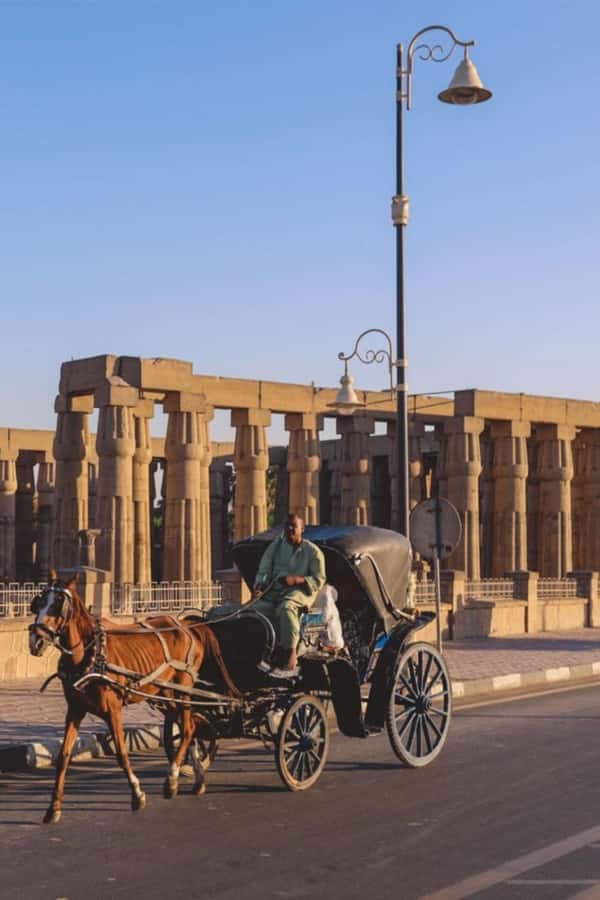
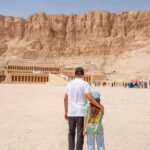
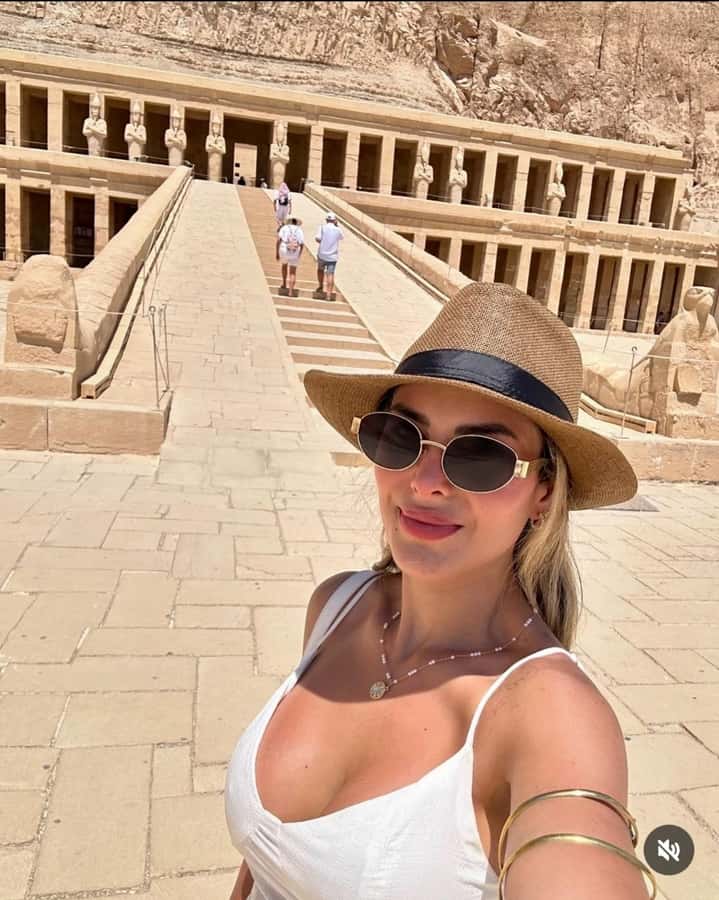
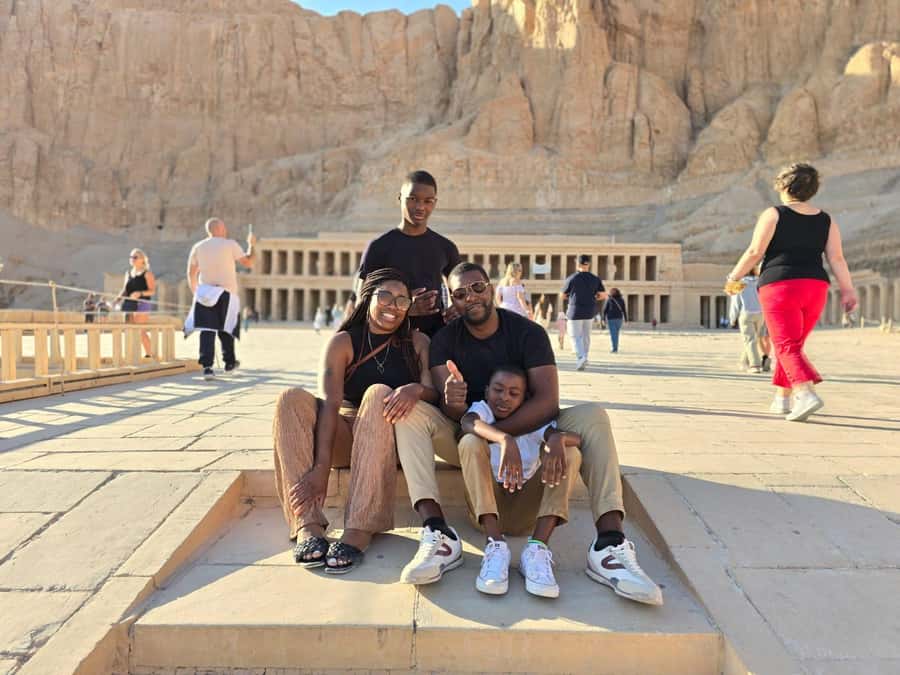
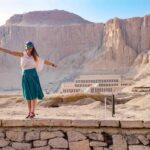
El Deir el Bahary is a contrast stop that gives you a different kind of awe. The tour describes Hatshepsut’s temple as rising out of the desert plain in terraces that merge with the limestone cliffs.
This is one reason I like including it on a packed schedule. Karnak is about overwhelming architecture inside and out. El Deir el Bahary feels like a designed landscape, where the setting is part of the monument’s message.
Hatshepsut is also a major draw: she’s presented here as the only female Pharaoh, and the temple is dedicated to her. Seeing that dedication in the layout helps you understand why the site is so famous—she’s not just a name on a plaque. Her power is expressed through stone and space.
In practical terms, the terraced view also means great photo angles from multiple directions, so it works even if you don’t have hours to linger. You’ll feel like you saw more than just entrances and corridors.
Colossi of Memnon: A Quick Nile Landmark Before the Flight
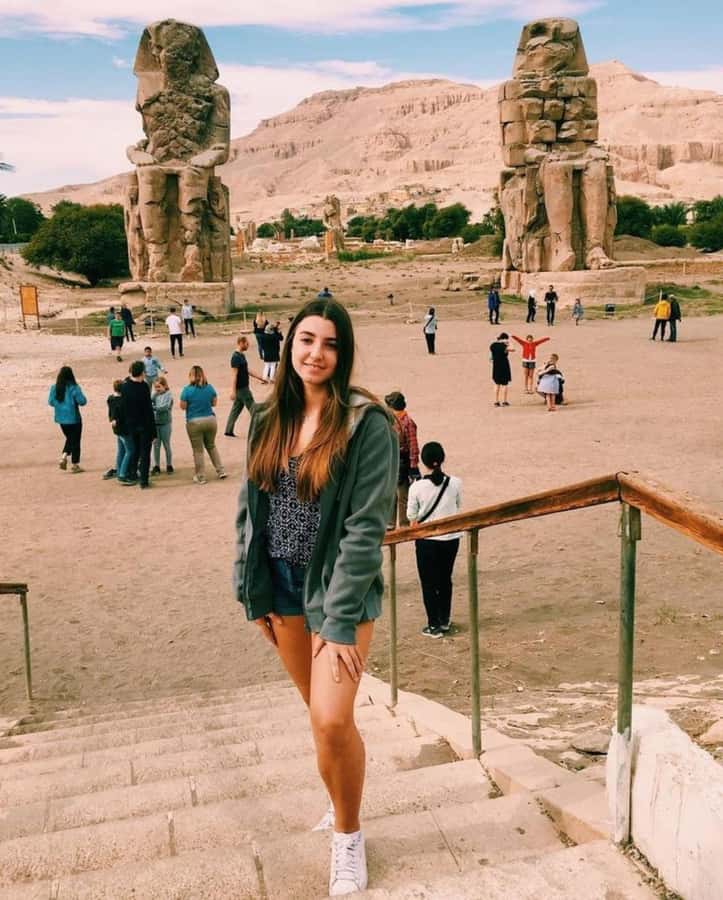
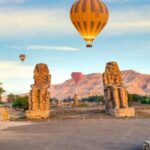
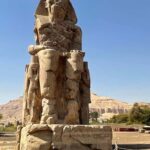
On the return journey, you stop at the Colossi of Memnon—two massive statues representing Amenophis III facing the Nile. This is a short stop, but it’s a useful one because it gives you open-air context before heading back to the airport.
Statues like this are easy to underestimate until you see their size. In a tour that’s otherwise heavy on temples and tomb interiors, this break helps your brain switch modes from “read the carvings” to “notice the scale of the ancient city.”
If your goal is maximum monuments per day, the time spent here is probably just right. If you prefer long pauses, this is the part you might wish lasted longer.
Timing, Heat, and Group Pace: How to Stay Comfortable
An 8-hour day with flights means you’re moving fast. Even when the tour includes air-conditioned transport, the time you spend outdoors—walking, lining up, and transitioning between sites—can add up quickly, especially in peak season.
Two practical moves make a big difference:
- Bring what you need for water and basic comfort. The tour doesn’t list water as an included item.
- Wear breathable clothes and shoes you can walk in for temple paths and uneven ground.
Also, because the tour can include optional entries (like the King Tut tomb), you may run into moments where you’re asked to consider upgrades. I recommend keeping a clear idea of what your ticket includes, and asking upfront if you’re being offered something “extra” so you don’t get surprised later.
One more timing reality: if you get a return flight that’s later in the evening (the tour mentions 6 pm or 11 pm options), expect more waiting time at Luxor airport. If you’re the kind of person who hates downtime, plan something simple for that gap—snacks, a book, and patience.
Price and Value: Is $150 Actually a Good Deal?
The headline price is $150 per person, and the tour can include a lot for that number—especially if you selected the options that cover flights and entry tickets. Included items list:
- Egyptologist guide
- Hotel pickup and drop-off from select areas
- Domestic economy or business class flights (if selected)
- Entry tickets to Karnak Temple and Hatshepsut’s Temple (if selected)
- Entry to King Tutankhamun tomb (if selected)
So the real value depends on your selections. If your package includes both the flight and the major temple tickets, you’re paying mostly for a guided, timed route with transportation—less hassle, fewer lines, and someone coordinating the day.
If your selected options don’t include flights or key entries, then the effective value drops, because you’d need to price those items separately. Either way, this is a tour aimed at people who want “Luxor highlights today” more than people who want free time and deep, slow exploration.
Also note: the tour mentions that pickup supplements may apply for certain Cairo areas. That can change the true all-in cost.
Net: the tour is good value when it’s set up correctly for your dates and options. If it’s missing key inclusions for your travel style, it may be cheaper to piece things together on your own.
Before You Book: Questions I’d Ask to Avoid Surprises
Before paying, I’d confirm three things so the day matches your expectations:
- Which flight class (economy or business) you selected, and the approximate departure/return time you’re getting
- Whether your package selection includes Karnak entry, Hatshepsut entry, and King Tut tomb entry
- Your pickup area in Cairo, so you know if any supplement applies
If you care about language, check what live guide languages are available for your date. The tour notes that guide languages other than English can be subject to availability, and additional charges may apply on certain dates. If your preferred language isn’t available, you should still get help from a live English-speaking guide and an audio guide in your desired language.
Finally, remember that tomb selection in the Valley can’t be guaranteed because of government rotation. If you’re the type who plans around one specific tomb, this tour may feel hit-or-miss—unless King Tut is your must-see and you selected that option.
Should You Book This Cairo-to-Luxor Day Trip?
Book it if you want the biggest Luxor monuments in one day, you’re okay with a fast pace, and you’re selecting the options that matter to you (especially flights and entry tickets, including King Tut if that’s your priority). The Karnak-to-Valley-to-Hatshepsut sequence is a smart way to get variety without wasting time.
Skip or reconsider if you hate early starts, want lots of downtime, or you’re very sensitive to heat and schedule changes. Also, because the Valley tombs can rotate and optional add-ons may be offered, you’ll get the best experience by double-checking what’s already included before you get to Luxor.
If you’re flexible and practical, this is one of those tours that makes sense: you trade a bit of freedom for real structure—and Luxor’s highlights are exactly the kind of places where structure helps.
FAQ
How long is the Cairo to Luxor day trip?
The duration is listed as 8 hours.
Are domestic flights from Cairo to Luxor included?
Domestic economy or business class flights are included only if you select that option. The tour notes approximate flight timing such as Cairo to Luxor around 5:00, 6:00, or 7:00, and Luxor to Cairo around 6:00 pm or 11:00 pm.
Which sites have entry tickets included?
Entry tickets are included for Karnak Temple and Hatshepsut’s Temple if those options are selected. Entry to King Tutankhamun’s tomb is also included if the King Tut option is selected.
Can I confirm which Valley of the Kings tombs I’ll visit?
You’ll have the opportunity to visit three tombs, but the exact tombs are rotated by the Egyptian Government and can’t be confirmed ahead of time.
Is King Tutankhamun’s tomb included?
It is included only if the option is selected.
What group size and language support should I expect?
The group is limited to 10 participants. The tour offers live guides in many languages when available, and if your preferred language isn’t available, you’ll have a live English-speaking guide plus an audio guide in your desired language.
Is pickup included, and is the tour wheelchair accessible?
The tour includes hotel pickup and drop-off from select areas, with a supplement possible for certain locations like Heliopolis or 06th of October. It is listed as wheelchair accessible.
What is the cancellation policy?
You can cancel up to 3 days in advance for a full refund.