REVIEW · LUXOR
Day tour to east and west Nile Banks from Luxor
Book on GetYourGuide →Operated by Egypt Nile Felucca · Bookable on GetYourGuide
A full day in two worlds of Luxor. You’ll see the West Bank royal sites and the East Bank temples on one efficient loop from Luxor. I like that it’s a true private tour with a dedicated guide and air-conditioned transfers, and I also like the practical add-ons like entrance fees, lunch, and a skip-the-ticket-line setup. One thing to consider: if you’re hoping for deep, interactive storytelling (especially in a specific language), guide communication and pace can vary, and lunch quality is an iffy spot.
This tour is built for first-timers who want the big-name sights without a long planning headache. You’ll move between sites in a private vehicle, and you’ll receive a separate direct entry ticket so entry can be straightforward at the gates. In an 8-hour day, that matters—less time figuring things out, more time looking closely at what you came for.
If you prefer a guided day (not self-guided wandering), this format makes sense. It also helps if you’re traveling with just a few people and want flexibility inside the day instead of rushing with strangers. Just keep realistic expectations for the number of stops—8 hours is plenty for the highlights, but it’s not long enough to slow down at every single corner.
In This Review
- Key things worth knowing before you go
- How the East and West Nile Banks Fit Into 8 Hours
- West Bank: Valley of the Kings and the Tomb Option You Should Know
- Queen Hatshepsut’s Temple: When the Architecture Does the Talking
- Colossi of Memnon: The Photo Moment With Historical Weight
- East Bank: Luxor Temple and the Feel of the Sacred Center
- Karnak Temple Complex: Where You Go for Scale and Details
- Lunch at a Local Restaurant: Included, But Check Your Expectations
- Private Group Value: What You’re Really Paying for at $115
- Guide Quality and Language: How to Get What You’re Paying For
- Who Should Book This Tour From Luxor
- Should You Book This East and West Nile Banks Tour?
- FAQ
- What’s included in the tour price?
- Is this tour private?
- How long is the tour?
- Do I get a skip-the-line benefit?
- Is entry inside the Tomb of King Tutankhamun included?
- Will I receive separate tickets?
- What’s not included besides the tomb entry?
- Is cancellation free?
Key things worth knowing before you go
- Private, air-conditioned transfers: all movement between sites is handled for you.
- Skip the ticket line: you’re set up for faster entry at attractions.
- Entrance fees are included: you’re not doing a pay-as-you-go math problem all day.
- West Bank highlights in one sweep: Valley of the Kings area plus the Hatshepsut Temple and Colossi of Memnon.
- East Bank temples with real scale: Luxor Temple and Karnak Temple complex.
- Lunch is included, but quality can vary: bring a backup plan in your mind if you’re picky about food served.
How the East and West Nile Banks Fit Into 8 Hours
Eight hours in Luxor sounds like a lot—until you’re actually moving between the West Bank and East Bank. The value here is that the day is organized around the “must-see” cluster on both sides, with a private car doing the heavy lifting.
This is the kind of tour that works best when you want a guided route that covers the key stops: the Valley of the Kings area and major West Bank monuments first, then the East Bank’s temple powerhouses. You’ll get enough time at each place to take in the architecture, not just snap photos and leave.
Also, tipping isn’t included. If you normally tip based on service, plan for it. The tour price covers the main components, but your final “thanks” is still on you.
You can also read our reviews of more tours and experiences in Luxor.
West Bank: Valley of the Kings and the Tomb Option You Should Know
The West Bank is where Luxor turns serious. You’ll visit the Valley of the Kings area, which is the famous royal burial landscape carved into the cliffs. It’s one of those places where even without walking into every tomb, the scale and design explain why it became legendary.
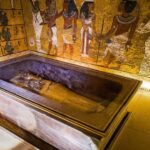
Here’s the key limitation: entry inside the Tomb of King Tutankhamun is not included. That doesn’t mean you won’t see what you need for the full experience, but it does mean you shouldn’t buy this expecting a Tut tomb visit inside as part of the price. If Tut is your top priority, factor that into your decision before you book.
Even when you’re not going inside a specific tomb, the Valley is still worth it. The setting gives you immediate context for how Egypt built burial sites into the geography—temples and tombs made to last, in a landscape that feels both dramatic and purposeful.
Queen Hatshepsut’s Temple: When the Architecture Does the Talking
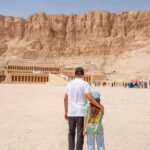
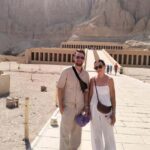
Next comes Queen Hatshepsut’s Temple (often called the Temple of Hatshepsut at Deir el-Bahari). This is one of those sites where your eyes keep catching details: terraces, colonnades, and the grand way the whole structure is composed in the desert setting.
I like this stop because it’s less about “one room” and more about reading the building. You can stand back, then walk in your mind’s eye from level to level, and suddenly the temple makes more sense than if you only had a quick look.
This also helps with pacing. After the Valley of the Kings, where time can feel tight depending on tomb access, Hatshepsut’s Temple gives you breathing room to absorb the shape of the place. It’s a strong “anchor stop” in the West Bank portion of the day.
Colossi of Memnon: The Photo Moment With Historical Weight
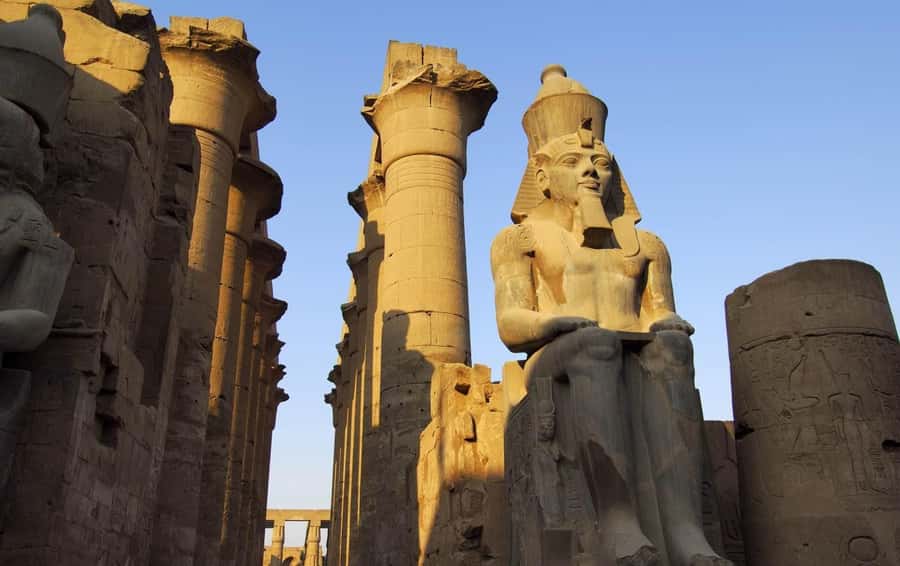
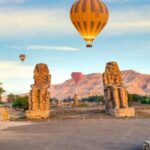
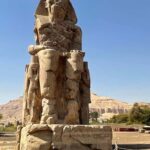
Then you hit the Colossi of Memnon. These are massive seated statues tied to the funerary complex of Amenhotep III, and they make a simple point instantly: Egypt built monuments to dominate space.
If you care about photos, this is a good one to slow down for. Stand at different angles, notice how the statues sit against the backdrop, and give yourself a minute to just look. If you’re with a guide who actually explains what you’re seeing, this stop becomes more than a picture—it becomes a clue about how monumental the ancient Egyptians aimed for.
The advantage of including Colossi of Memnon is that it’s memorable without requiring extra ticketed entry beyond what the tour already covers. In an 8-hour schedule, that’s a smart use of time.
East Bank: Luxor Temple and the Feel of the Sacred Center
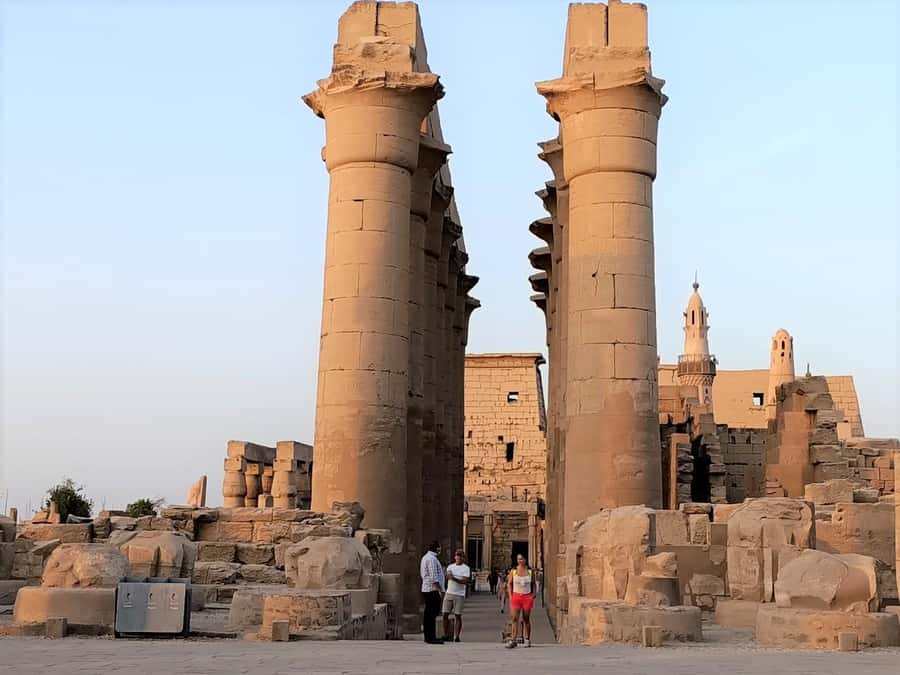
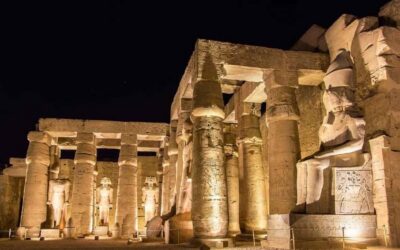
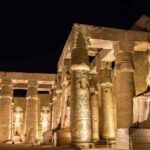
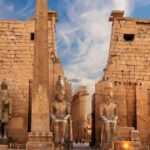
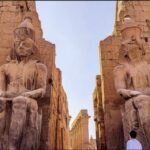
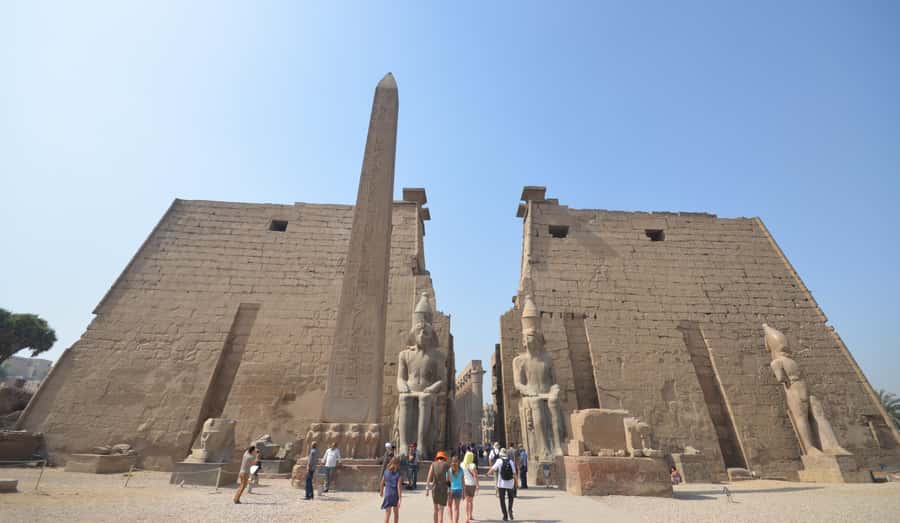
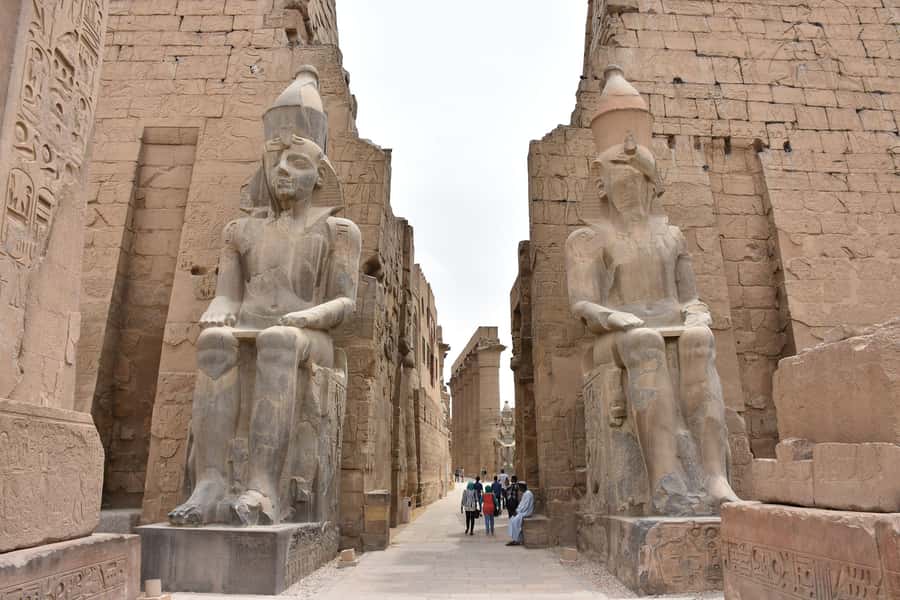
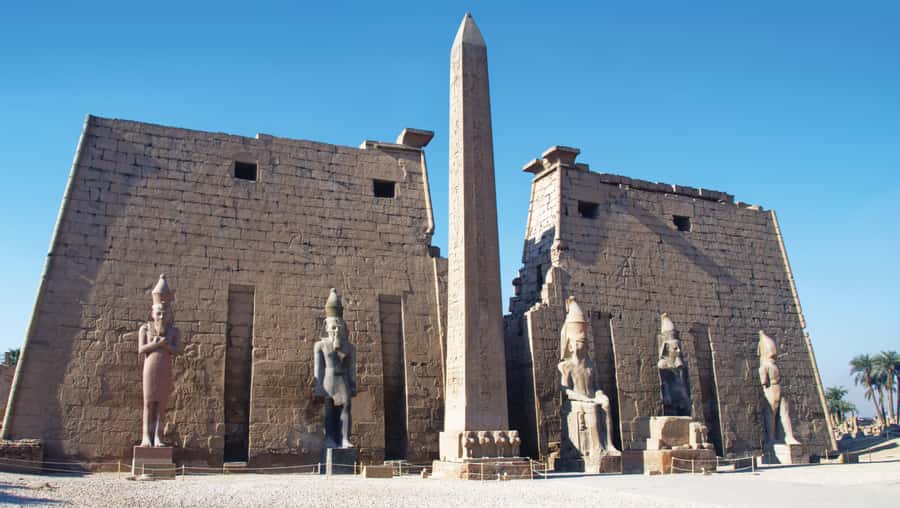
Once you cross back to the East Bank, the tone shifts from cliffside tombs to a temple built for ritual and public presence. Luxor Temple is the “closer-to-town” grand temple in the mix, and it’s a great transition point after the West Bank’s dramatic landscape.
Luxor Temple helps you understand how temples functioned beyond a single tomb or statue. You’re looking at a complex that was meant for ceremonies and ongoing worship—architecture that communicates importance through scale, symmetry, and repeated forms.
If you’re the type who likes to connect “what you see” to “what it meant,” you’ll do well here. A good guide can point out details that make the temple feel less like stone and more like a planned space with purpose.


Karnak Temple Complex: Where You Go for Scale and Details
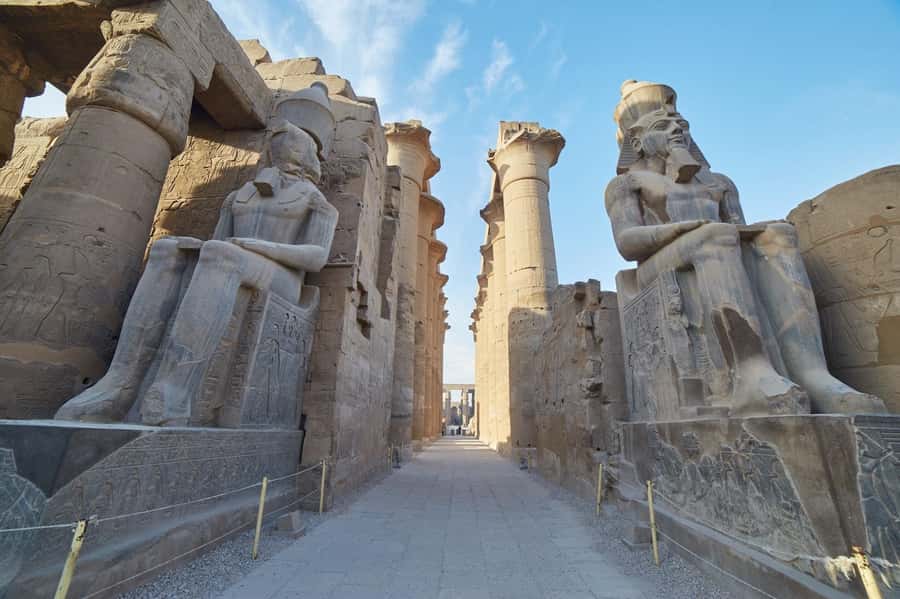
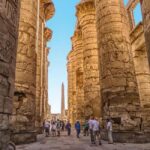
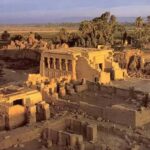
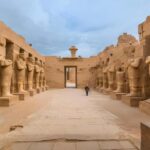
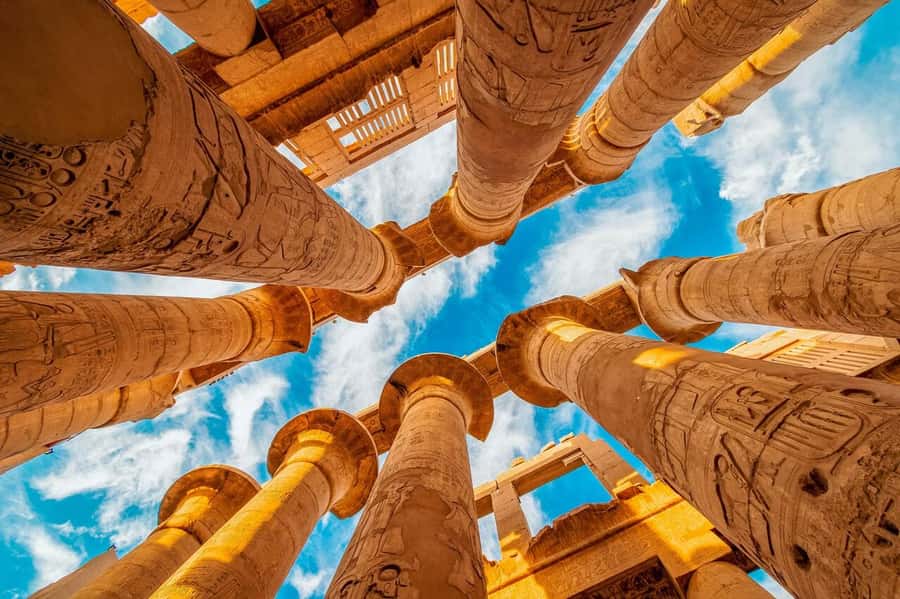
Karnak is where most people start to realize they’re in a different category of site. It’s not one monument—it’s a huge temple complex that developed over time, so the experience is partly about exploring and partly about understanding how the parts relate.
I’d focus on orientation first. Look for the central axis and major halls from wherever your guide positions you, then use that as your map for what comes next. When you see the layout as a system, Karnak stops feeling like a blur of columns and becomes a readable space.
This is also a site where guide quality really matters. With a strong guide, you’ll know what to look at and why it was built that way. Without much explanation, you can still enjoy the scale, but you may miss some of the “aha” moments that turn Karnak from impressive to unforgettable.
Lunch at a Local Restaurant: Included, But Check Your Expectations
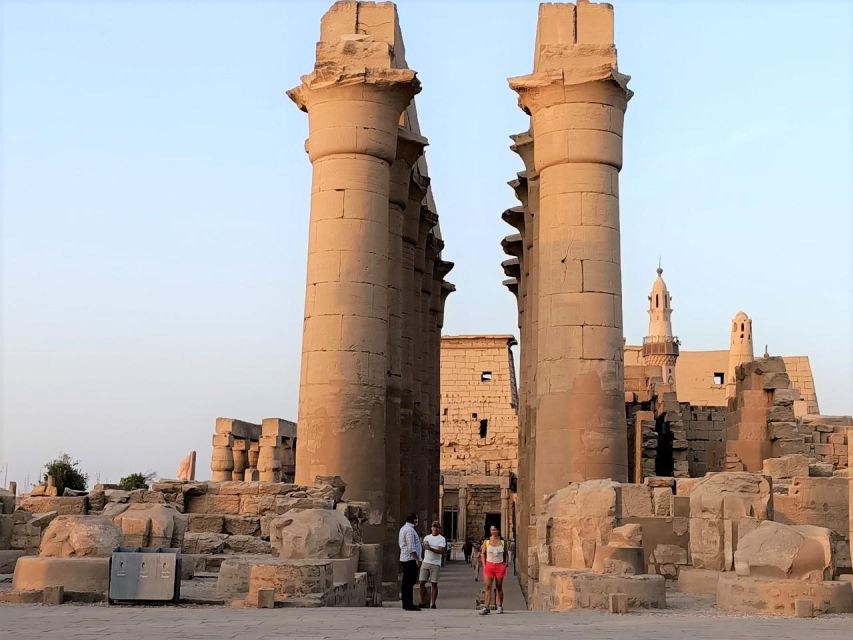
Lunch is included at a local restaurant, along with a bottle of water. This is convenient, especially in a day tour where you don’t want to hunt for food with tired feet.
That said, lunch is the one area where service quality can swing. Some days, you may get a meal that’s served fresh and comfortable. Other days, it may be less warm or less impressive than you hoped, especially if the restaurant is moving with tour schedules.
My practical advice: treat lunch as part of the day’s convenience, not as the highlight. If you’re a picky eater or hate lukewarm food, consider bringing a small snack you can count on, just in case.
Private Group Value: What You’re Really Paying for at $115
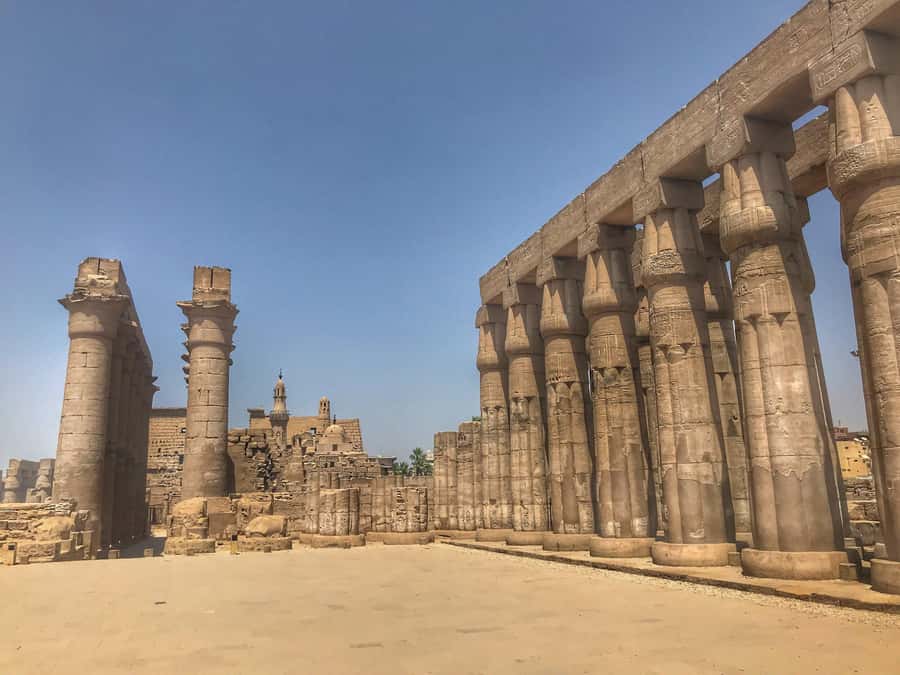
At $115 per person for an 8-hour private day, you’re paying for time-saving and friction removal. You’re not just buying viewpoints—you’re buying transportation, a guide, entrances, and lunch built into one package.
Let’s break down why that can be good value:
- Transfers are handled in a private air-conditioned vehicle, which saves real fatigue.
- Entrance fees are included, so you don’t get surprised by add-on costs on arrival.
- Skip the ticket line helps when schedules are tight at popular sites.
- Lunch and water mean you’re less likely to lose time grabbing quick food.
Is it the cheapest way to do Luxor in a day? Probably not. But this price can be a good trade if you value comfort, guidance, and a structured route over bargaining for separate tickets and sorting transport yourself.
The overall satisfaction score sits around 3.6 out of 5 based on multiple bookings. That doesn’t scream “perfect,” but it does suggest you can have a great day—if the guide and execution match what you want.
Guide Quality and Language: How to Get What You’re Paying For
This tour lives or dies on the guide. When it works well, you’ll get patience, knowledge, and a guide who actually speaks to you, not only to the driver. On strong departures, people have cited guides like Ash for patience and knowledge, and drivers like Mahmoud for smooth transitions between stops.
On weaker days, the issues tend to be the opposite: minimal explanation, poor engagement, or a language mismatch. One booking issue involved a guide language not matching what was requested, with a refund situation that took time to resolve.
So here’s how you protect yourself:
- If language matters, confirm the guide language before you go.
- Ask your guide at the start what they’ll cover in the day, then request more detail if you’re not getting it.
- If you want more than basic facts, be direct: tell them you’d like explanation of symbols and architecture, not just where to stand for photos.
This isn’t about perfection. It’s about steering your day so you get your money’s worth.
Who Should Book This Tour From Luxor
This is a smart fit for:
- First-time visitors who want the major hits on both banks in one day
- Travelers who dislike logisitics and prefer a guided plan
- Small groups who want private comfort over group-queue time
- Anyone who wants the West Bank classics plus Karnak and Luxor Temple without overthinking the route
It may be less ideal if:
- You’re chasing specific tomb access inside King Tutankhamun’s tomb as part of the included package
- You need a highly customized itinerary and detailed theme (like only hieroglyphs or only archaeology) beyond what a standard guide covers
- You’re very sensitive to lunch quality and want more control than a included local meal provides
Should You Book This East and West Nile Banks Tour?
I’d book it if you want a well-structured, private day that hits the big Luxor landmarks, with entrances, lunch, and transfers handled. The biggest reasons to choose it are the efficiency and the chance to see the West Bank and East Bank key sites in one run.
But I’d also book with eyes open. If you care about learning depth, make language and explanation a priority before the day starts. And if you’re picky about food, remember lunch is included but not guaranteed to be your best meal of the trip.
If you’re aiming for the classic Luxor checklist with a guide doing the route management, this tour is a practical way to get there—especially when you want a smooth, no-stress day under an 8-hour umbrella.
FAQ
What’s included in the tour price?
Entrance fees, a tour guide, lunch at a local restaurant, bottle of water, and all transfers by a private air-conditioned vehicle are included.
Is this tour private?
Yes. It’s described as a private group.
How long is the tour?
The duration is 8 hours.
Do I get a skip-the-line benefit?
Yes, the tour includes skip the ticket line.
Is entry inside the Tomb of King Tutankhamun included?
No. Entry inside the tomb of King Tutankhamun is not included.
Will I receive separate tickets?
Yes. You’ll receive a separate direct entry ticket delivered to the traveler.
What’s not included besides the tomb entry?
Tipping isn’t included.
Is cancellation free?
Free cancellation is available up to 24 hours in advance for a full refund.