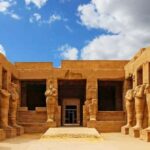
REVIEW · LUXOR
Luxor: West and East Banks All-Inclusive Tour & Balloon Ride
Book on GetYourGuide →Operated by Nice Tours · Bookable on GetYourGuide
Balloon sunrise makes Luxor feel unreal. This full-day Luxor tour strings together the West Bank and East Bank temple giants, then adds a sunrise balloon view you’ll remember long after you’re back in town.
I love the sunrise hot air balloon portion—over 1500 feet up for big, early-morning views—and I also love that the day is guided end-to-end, so sites like the Valley of the Kings and Karnak Temple don’t feel like disconnected stops.
The main consideration is the pace. It’s an 11-hour, packed day with lots of walking and stairs, and the balloon isn’t meant for everyone (for example, children under 6 can’t fly).
In This Review
- Key points worth knowing
- Getting going before dawn: pickup and balloon timing
- Sunrise balloon over Luxor: what the flight really adds
- Valley of the Kings: tomb country with a guided sense of place
- Hatshepsut at Deir el-Bahari: terraces that look like they belong in the cliffs
- Colossi of Memnon: two statues and a quick history anchor
- Lunch stop: fuel up before the East Bank pace picks up
- Felucca on the Nile: the slow break Luxor deserves
- Karnak Temple: the worship machine behind Amun and the Theban triad
- Luxor Temple: Amenhotep III to Ramses II, in one framed walk
- Price and Logistics: is $188 good value for this exact package?
- Who should book this Luxor day (and who should skip it)
- Should you book this Luxor West and East Banks + balloon tour?
- FAQ
- How long is the Luxor West and East Banks tour?
- Where does hotel pickup and drop-off happen?
- What’s included in the price?
- Is the hot air balloon ride guaranteed?
- What is the balloon flight height?
- Who cannot join the balloon flight?
- Is this tour suitable for wheelchair users or people with mobility impairments?
- What temples and sites are included?
- Are drinks included during the felucca ride?
- What should I bring?
- Can I cancel for a full refund?
- Is West Bank hotel pickup included?
Key points worth knowing
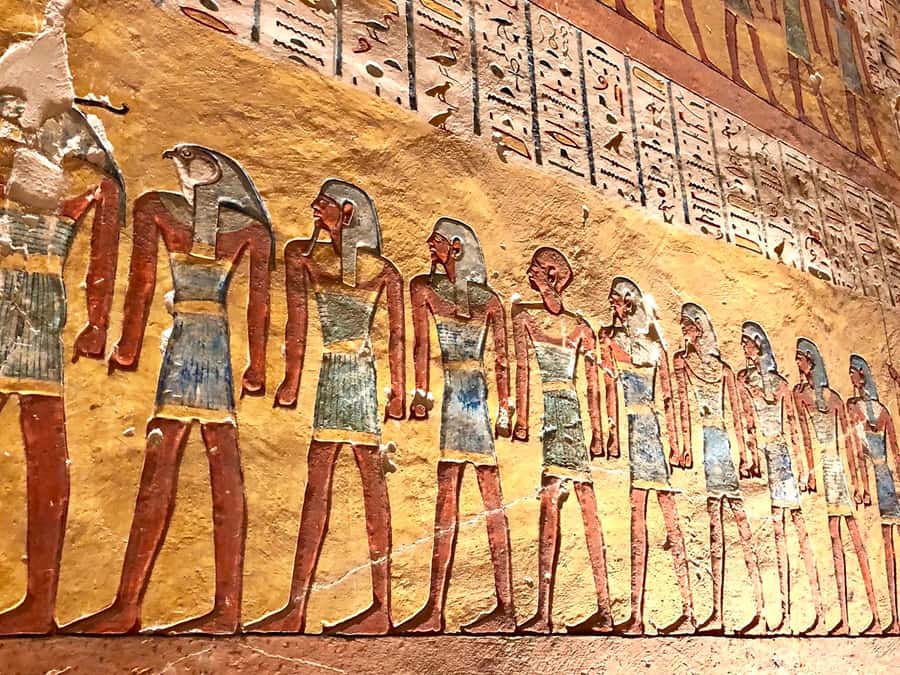
- Sunrise balloon flight included over Luxor’s historic sites, with a height of over 1500 feet
- West Bank temples after landing, including Valley of the Kings, Hatshepsut’s Mortuary Temple, and the Colossi of Memnon
- East Bank highlights with Karnak Temple and Luxor Temple built by Amenhotep III and completed by Ramses II
- Traditional Nile felucca ride as a slower, scenic break between major temple stops
- A guide who connects the dots: many guides named in feedback (like Salma, Manal, and Issa) are praised for clear explanations and good pacing
Getting going before dawn: pickup and balloon timing
This is the kind of Luxor day that starts early on purpose. You’ll be picked up from an East Bank hotel (10 minutes before the scheduled pickup time), then you’ll head toward your sunrise hot air balloon experience.
The early start matters because the best balloon moments come when the air is calm and the light is soft. You’ll get a short briefing, then you lift off and look down on the river and temple sites while the day is still waking up. The ride is listed as going to over 1500 feet, which is high enough to make the geography feel clear—where the Nile bends, where the desert sits, and where the major monuments anchor everything.
A practical tip: wear comfortable clothes you can handle in changing temperatures. Morning air can feel cooler than mid-day, but Luxor heats up fast.
You can also read our reviews of more tours and experiences in Luxor.
Sunrise balloon over Luxor: what the flight really adds
The balloon part isn’t just a checklist tick. It changes how you understand the rest of the day.
From above, the West Bank doesn’t look like a pile of temples. It looks like a system: cliffs, valley entrances, and key monuments placed with intention. From the air, Deir el-Bahari’s terraces read like steps carved into the land, and Karnak’s scale becomes obvious even before you walk into it.
Also, if you care about photos, altitude helps. Temple walls and long corridors are easier to frame when you’re not squeezed at ground level. Many guides named in feedback also get you out at the right time to take pictures without feeling like you’re constantly battling crowds.
Valley of the Kings: tomb country with a guided sense of place
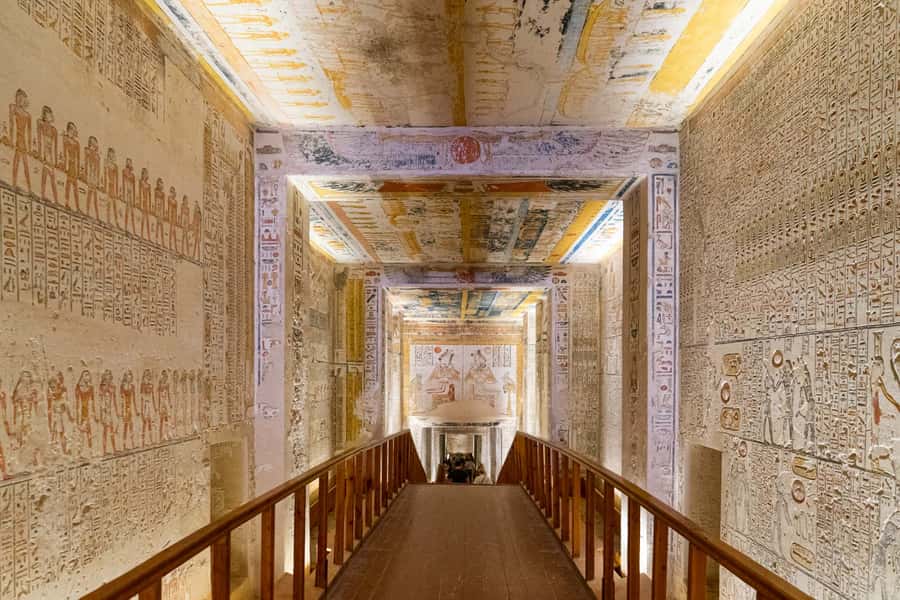
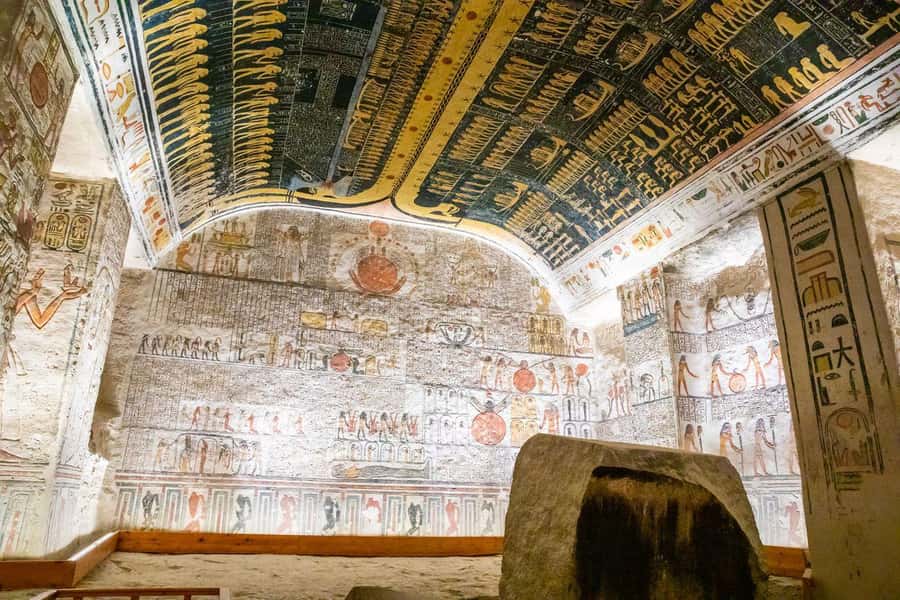
After landing, the itinerary turns toward the West Bank. First stop is the Valley of the Kings, also known as the Valley of the Gates of Kings. That alternate name is a clue: you’re not just visiting “tombs.” You’re visiting doorways in the desert—places where ancient Egyptians prepared for the afterlife, and where architectural choices were meant to shape a journey.
With a guide leading you, you’ll get context before you go inside or stand near entrances. That context is what makes the Valley of the Kings click. You start noticing how the valley’s layout supports processions, how tomb locations relate to the surrounding terrain, and why the whole place carries an organized logic instead of feeling random.
Practical note: this is walking-heavy. Comfortable shoes aren’t a suggestion here; they’re your survival gear.
Hatshepsut at Deir el-Bahari: terraces that look like they belong in the cliffs
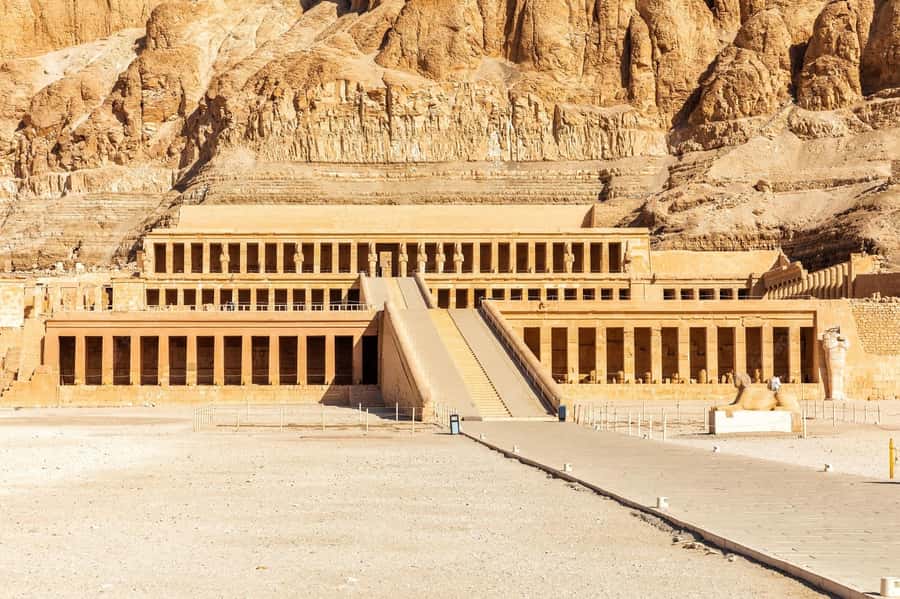
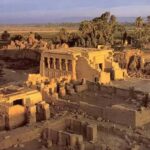
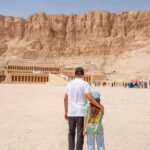
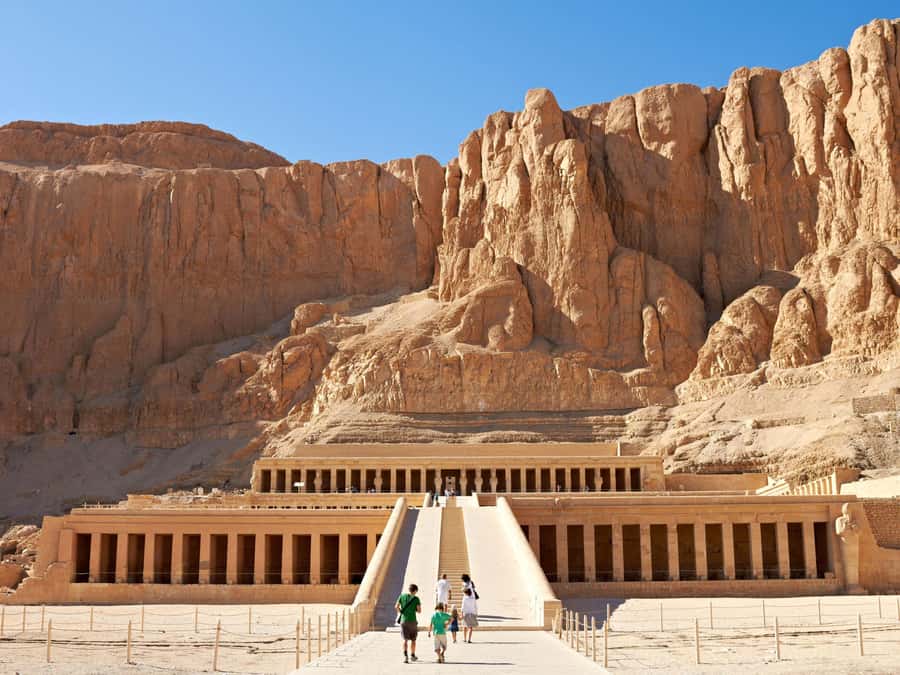
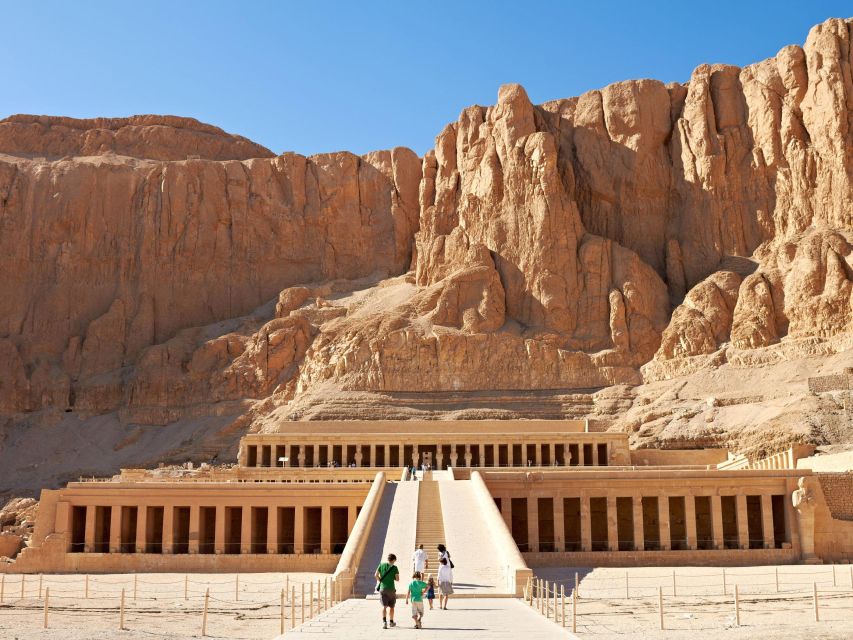
Next comes the Mortuary Temple of Queen Hatshepsut, opposite the city of Luxor and a major architectural masterpiece. You’ll see the famous three massive terraces that rise from the desert floor up into the cliffs of Deir el-Bahari.
What makes this stop special is how visual it is. Even if you only catch it from a distance at first, the structure tells you what it is: a temple built like a staged setting, meant to be approached and revealed.
On the ground, look for how the terraces frame the environment. The temple design turns the landscape into part of the storytelling—how your eye moves upward, where the temple pulls you, and how the cliff backdrop makes the whole composition feel intentional.
Heat can be a factor here, so take the shade when you can and keep water handy. (Snacks are also listed as something to bring.)
Colossi of Memnon: two statues and a quick history anchor
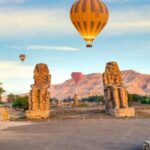
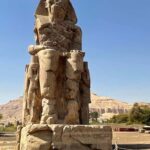
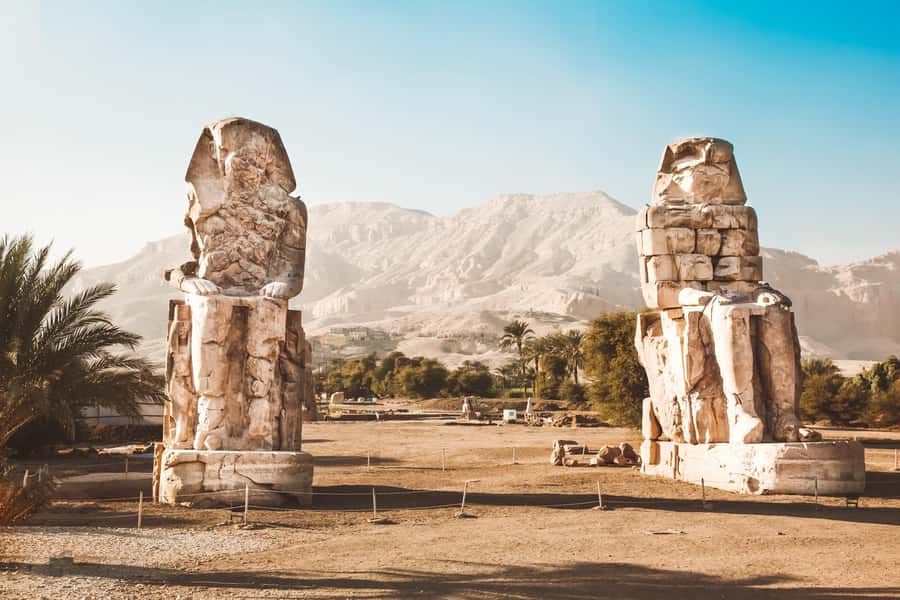
Then you’ll reach the Colossi of Memnon, where you can view the mortuary temple of Amenhotep III connected to this site. Even though you’re essentially seeing “two giants” in stone, this stop works as a history anchor.
A good guide will help you place it in the bigger West Bank picture: pharaohs, memory, and how monuments acted like long-lasting statements. You’ll also get a chance to reset your legs between the heavier walking zones, since it’s a more open, stop-and-see moment compared with tomb-hunting in the valley.
If you’re tempted to rush: don’t. Stand back, let your brain map the scale, then come in for closer details.

Lunch stop: fuel up before the East Bank pace picks up
You’ll stop at a local restaurant for lunch. This matters because the day continues with more major monuments after you cross from the West Bank story into the East Bank power centers.
Choose something that settles your stomach and keeps you going. In hot weather, heavy meals can make you slower through temple corridors. I always aim for simple, and I carry a snack so I’m not stuck waiting if I get hungry between explanations.
Felucca on the Nile: the slow break Luxor deserves
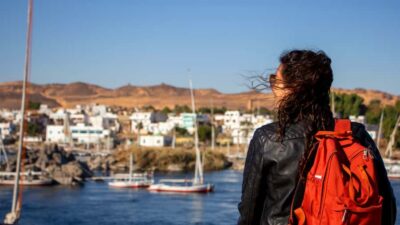
A traditional felucca ride is included, and you’ll cruise along the Nile River for a scenic reset. The tour description specifically notes relaxing with a drink while you soak up the scenery.
This part is valuable because it balances the whole day. You’ve spent the morning and early afternoon moving through large, complex sites. The felucca gives you a softer pace—time to look outward instead of only up at carvings and inscriptions.
If you’re the type who gets temple-fatigued, this is where your brain catches up. I also like it because the Nile itself becomes a visual link between what you’re seeing on both banks.
Karnak Temple: the worship machine behind Amun and the Theban triad
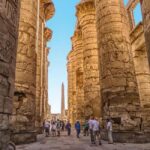
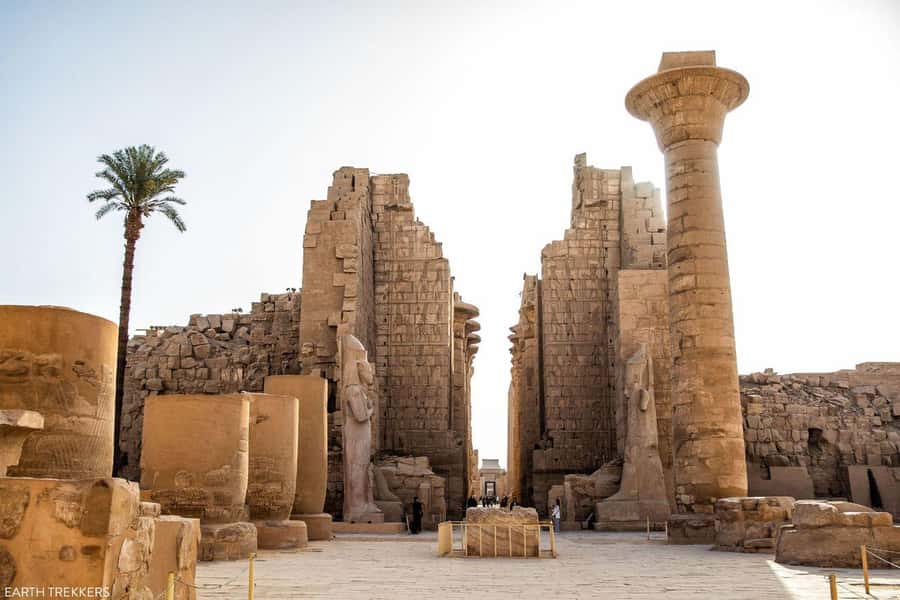
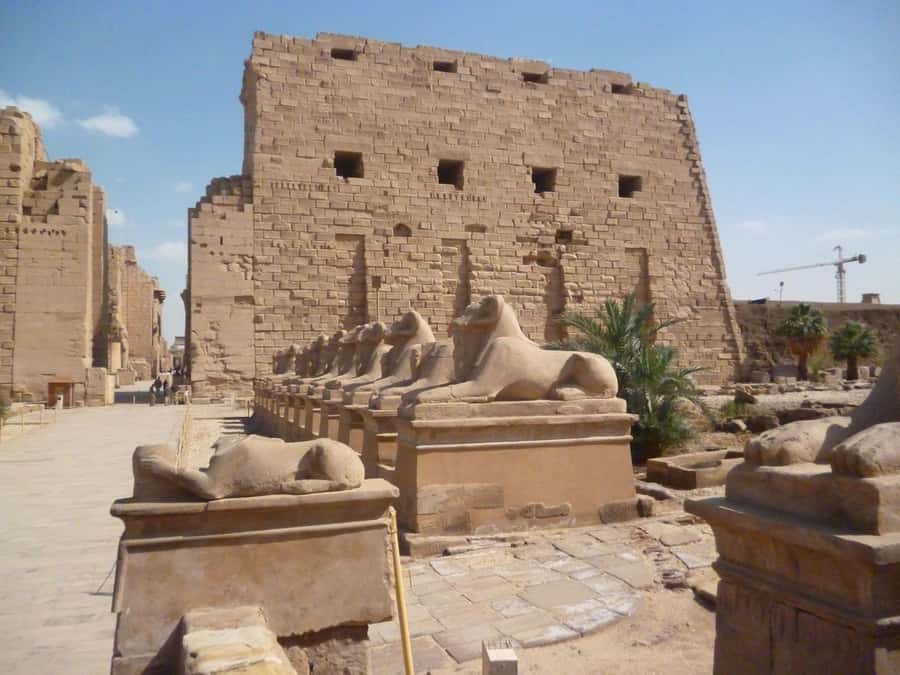
After lunch and the river break, you’ll head to Karnak Temple, described as one of the greatest examples of worship in history. This is where the guide’s storytelling becomes extra important.
Karnak isn’t just one building. It’s a complex, and it can feel overwhelming if you only look at it like “big ruins.” With a good explanation, you’ll learn how it was dedicated to god Amun, alongside Mut (his wife) and Khonsu (their son), representing the Theban triad.
Why that matters: it gives you a reason for the scale. Karnak was built to support ritual, power, and a long religious worldview, not just to impress. When your guide connects the dots between the gods and the architecture, you start seeing the temple as a system that guided worship over generations.
Practical tip: plan for time inside the main spaces, but also plan for pauses. Karnak is large enough that you’ll want breaks so you can actually absorb what you’re looking at.
Luxor Temple: Amenhotep III to Ramses II, in one framed walk
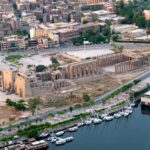
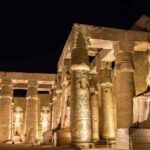
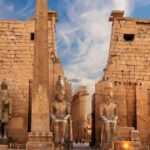
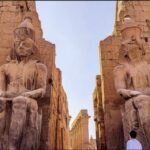
The final major temple stop is the Luxor Temple, linked to the 18th Dynasty build by Amenhotep III, then completed by Ramses II.
This one is a strong closer because it feels more “finished” as a visitor experience than some temple complexes. You get a sense of continuity: earlier royal intentions, later completion, and the way a site can be reworked across reigns while still keeping its identity.
As you walk through, think about how the two big sides of Luxor connect. Karnak shows worship power and complex planning. Luxor Temple gives you a more direct, walkable expression of royal devotion and later-era adaptation.
Price and Logistics: is $188 good value for this exact package?
At $188 per person for an 11-hour day, you’re not just paying for guided walking. You’re paying for the hardest-to-schedule part: a sunrise balloon ride plus a full circuit of major temples and a Nile felucca ride.
You also get practical inclusions that matter when you’re short on time in Luxor:
- hotel pickup and drop-off from East Bank hotels
- temple entry fees included
- a professional English-speaking guide
- a driver handling the driving so you can focus on the sites
- lunch included, plus skip-the-ticket-line convenience
If you’re staying on the East Bank, this price tends to feel fair because transport and access are packaged together. If you’re on the West Bank, note that West Bank pickup is listed as extra at $5 per person, so factor that into your total.
The only “hidden cost” to plan for is energy. This is a long day. Even with a good guide, you’ll want good shoes and some snacks, and you’ll want to pace yourself.
Who should book this Luxor day (and who should skip it)
This tour makes the most sense if you want one day that covers both banks without having to choose between temples.
It’s also a good fit if you like a structured plan with context. Many guides named in feedback (like Salma, Manal, Jackie, Ahmed Bahaa, and Issa) are praised for clear explanations and friendly, helpful pacing—exactly what you want when you’re seeing a lot of sites in one hit.
Skip it if you fall into the tour’s listed “not suitable” group: pregnant women, people with mobility impairments, and wheelchair users. And if you’re traveling with kids, remember children under 6 can’t join the hot air balloon flight due to civil aviation rules.
Should you book this Luxor West and East Banks + balloon tour?
Yes, if you’re chasing a once-in-a-lifetime Luxor moment and you want maximum value for time. The combination of sunrise balloon, West Bank classics (Valley of the Kings, Hatshepsut, Colossi), and East Bank heavy hitters (Karnak and Luxor Temple) is a strong package, especially with entry fees, lunch, felucca, and transfers handled.
I’d book it when:
- you have limited time in Luxor
- you want a guide to explain what you’re seeing
- you’re comfortable with an intense, long day
I’d think twice when:
- your group needs a slower pace
- you’re sensitive to heat and long walking distances
- balloon flying isn’t an option for your party
If you fit the first list, you’ll come away with a Luxor view from above and a temple circuit that actually makes sense, start to finish.
FAQ
How long is the Luxor West and East Banks tour?
The tour duration is listed as 11 hours.
Where does hotel pickup and drop-off happen?
Hotel pickup and drop-off are included from East Bank hotels. The tour also notes arrival back at Luxor Governorate.
What’s included in the price?
Entry fees to the temples, a professional English-speaking guide, driver, sunrise hot air balloon ride, felucca ride, lunch, and all taxes and service charges are included.
Is the hot air balloon ride guaranteed?
The activity includes a sunrise hot air balloon ride. No guarantee wording is provided in the tour data you shared.
What is the balloon flight height?
The balloon flight is described as being at a height of over 1500 feet.
Who cannot join the balloon flight?
Children under 6 years can’t join the hot air balloon flight (civil aviation rule).
Is this tour suitable for wheelchair users or people with mobility impairments?
No. It is listed as not suitable for people with mobility impairments and wheelchair users.
What temples and sites are included?
You’ll visit the Valley of the Kings, the Mortuary Temple of Queen Hatshepsut, the Colossi of Memnon, Karnak Temple, and Luxor Temple.
Are drinks included during the felucca ride?
The tour description says you can relax with a drink during the felucca ride.
What should I bring?
Bring comfortable shoes, a camera, snacks, and comfortable clothes.
Can I cancel for a full refund?
Yes. Free cancellation is available up to 24 hours in advance for a full refund.
Is West Bank hotel pickup included?
West Bank pickup is available for an extra cost of $5 per person.