REVIEW · LUXOR
From Luxor: 4-Day Nile Cruise to Aswan with Balloon Ride
Book on GetYourGuide →Operated by Special Egypt · Bookable on GetYourGuide
Flying over Egypt beats everything.
This is one of those rare packages that pairs a VIP hot-air balloon ride with a 5-star Nile cruise, so you get monuments by day and wide-open sky time early on. I like the way the temples are explained by an Egyptologist, with the sort of clear, site-by-site storytelling that keeps even kids engaged. One thing to consider: the balloon experience may not match the perfect picture you’re hoping for, and you’ll want to double-check what’s included versus what’s extra (especially entrance fees).
What makes this trip feel efficient is the coverage. You start with Luxor’s big hitters on the East Bank (Luxor Temple, then Karnak), move to Luxor’s West Bank for the Valley of the Kings and the memorials of Hatshepsut and Memnon, then continue cruising past Edfu to Kom Ombo. The trip ends with an early run to Abu Simbel, one of Egypt’s most dramatic temple complexes, then back to Aswan with your luggage handled.
In This Review
- Key things to know before you go
- A Luxor-to-Aswan Nile cruise that uses time well
- Luxor East Bank: Luxor Temple and Karnak’s scale shock
- West Bank reality check: Valley of the Kings, Hatshepsut, and Memnon
- Why onboard life matters on this route
- The VIP balloon ride: big views, early mornings, real-world conditions
- Edfu: Horus Temple and why the carvings work better with a guide
- Kom Ombo: a double temple built for two gods
- Abu Simbel at dawn: the final payoff and the luggage reality
- Price and value: what $860 buys (and what can cost extra)
- Who this tour is best for
- Should you book this 4-day Luxor-to-Aswan package?
- FAQ
- FAQ
- What’s included in the tour price?
- Are entrance fees included?
- Where do the transfers start and end?
- How early do I need to be for the balloon and Abu Simbel?
- What guide languages are available?
- How long is the full experience?
- Can I cancel and get a refund?
Key things to know before you go
- Balloon pickup is usually very early: expect around 4 a.m., with the day starting before your brain fully wakes up.
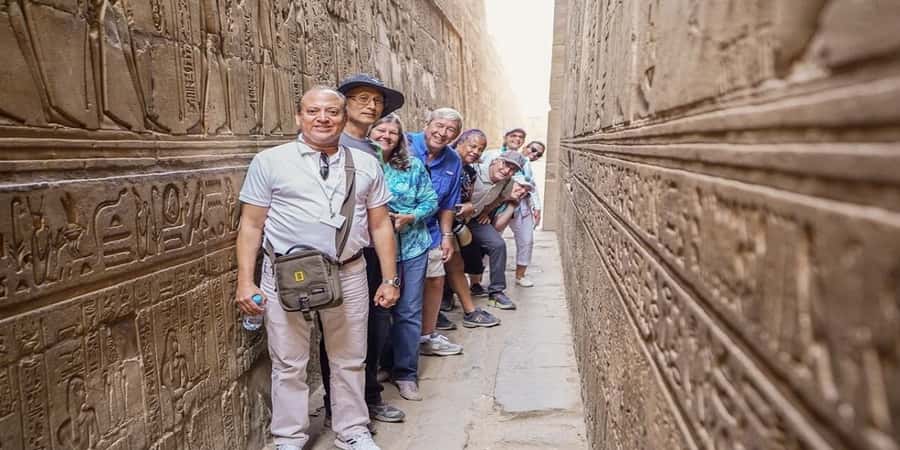
- You get expert-led temple time: Luxor East and West Bank stops come with guided context that makes the carvings readable.
- Cruise time is built into the schedule: you’re not just touring temples back-to-back; you sail after key days.
- Edfu and Kom Ombo come as a pair: Horus at Edfu, then the double layout at Kom Ombo for Sobek and Horus.
- Abu Simbel is the big final push: plan for an early pickup and a quick, focused temple visit.
A Luxor-to-Aswan Nile cruise that uses time well
This is a classic Upper Egypt route, but the value is in the order and pacing. You’re moving in the direction you actually want—Luxor to Aswan—with a Nile cruise doing the “travel leg” while you sleep and reset your energy.
The day structure matters. You’ll have a first day with Luxor temples and an onboard lunch, then a morning balloon day that sets up the mood, then more temples plus sailing days later. By the time you’re heading out to Abu Simbel, you’ve already seen how the big monuments connect: kings, gods, afterlife beliefs, and how power was shown in stone.
If you hate rushed museum marathons, this package is more comfortable than a straight land tour, because the ship gives you real downtime between sites.
You can also read our reviews of more boat tours in Luxor

Luxor East Bank: Luxor Temple and Karnak’s scale shock
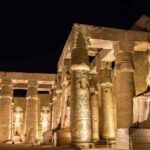
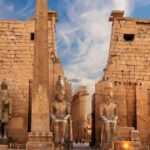
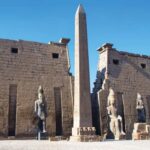
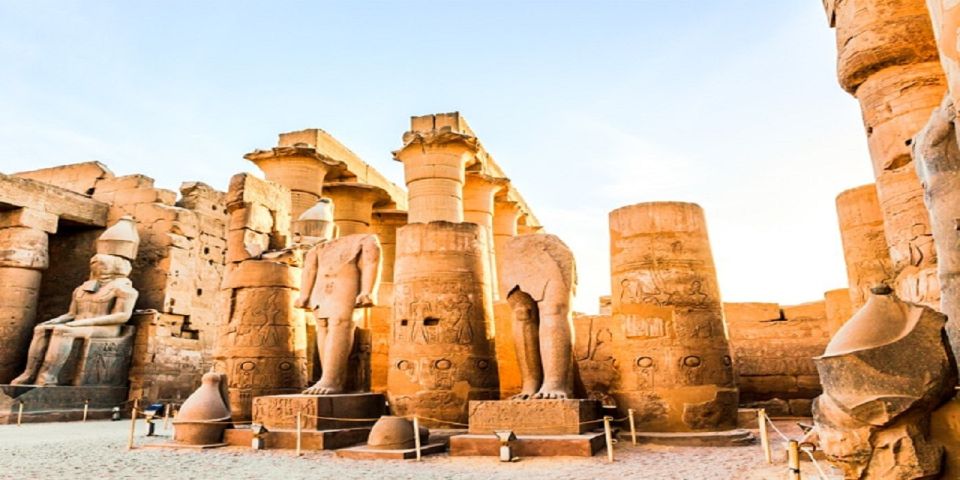
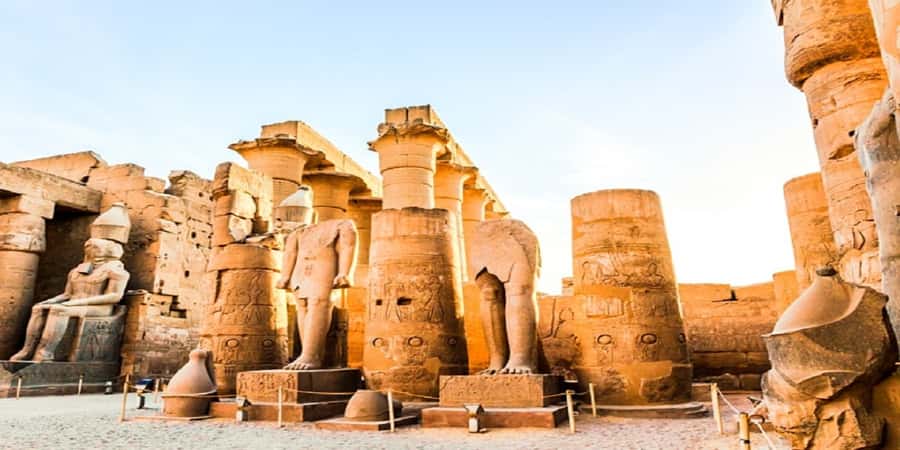
Your first steps in Luxor are on the East Bank, with Luxor Temple first. The key detail here is that this temple wasn’t just decoration—it was tied to major ceremonies, especially the annual Opet celebrations. When your guide connects the temple functions to the story of the rituals, the place feels less like ruins and more like a stage where Egypt performed its beliefs.
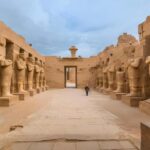
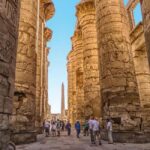
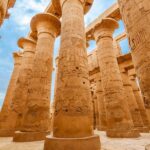
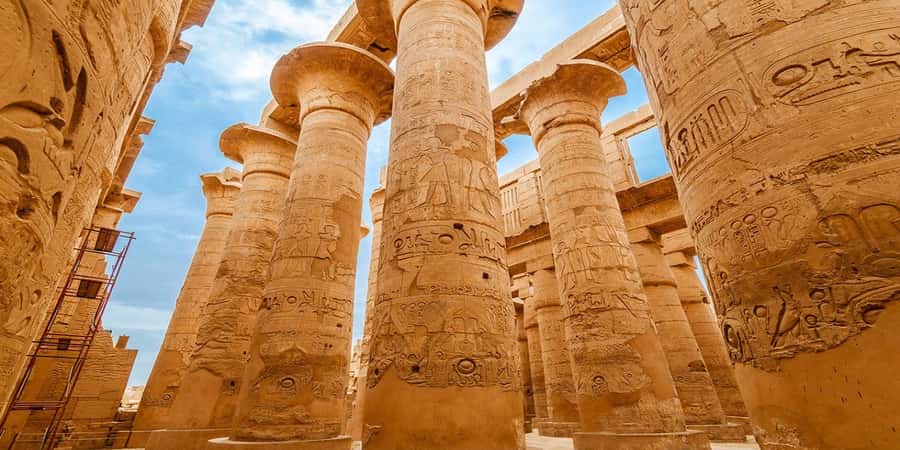
Next comes Karnak, and yes, it’s huge. This complex includes multiple temples—plus smaller enclosed temples and outer areas—representing work across many generations of builders. The practical takeaway: going with a guide helps you avoid wandering past carvings without understanding what you’re looking at. Karnak rewards attention, and you won’t get the same impact if you just follow a crowd with a vague map.
Bring patience. Karnak is the kind of site where your brain needs a minute to shift gears from “wow” to “I get why that matters.”
West Bank reality check: Valley of the Kings, Hatshepsut, and Memnon
After Luxor’s East Bank, the West Bank gives you the contrast. This side is where ancient Egyptians built their burial places, designed for the afterlife. The itinerary is built around that idea, starting with the Valley of the Kings.
From the outside, it can look like a rocky gorge. The payoff is inside the tombs and chambers, where you see astonishing inscriptions and the way burial plans were tied to belief. If you go in expecting a simple “temples and tombs” checklist, you’ll miss the point. Go in expecting symbolic storytelling carved into walls.
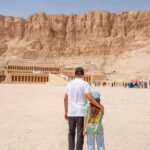
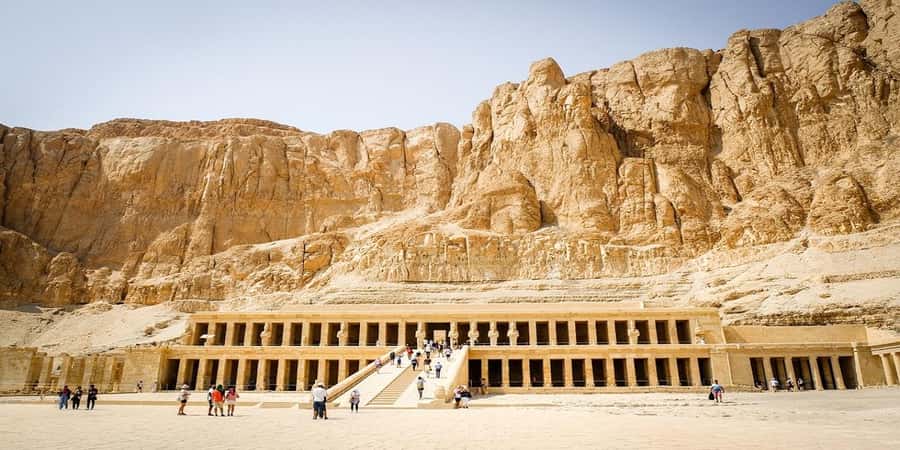
Then you head to the Temple of Hatshepsut, which stands out because the wall inscriptions tell stories about her birth and her trade journeys to Punt (often linked to areas of modern-day Somalia and parts of the Arabian Peninsula). It’s a reminder that this wasn’t only about gods and kings—it was also about empire, connections, and how female rule could be presented as rightful and powerful.
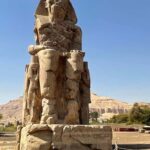
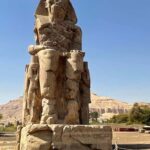
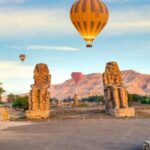
Finally, you’ll see the Colossi of Memnon. These monumental statues are famous for a reason: even when you’re taking photos, you feel their scale. They’re also a useful “breather stop” before you move back toward sailing and rest.
Why onboard life matters on this route
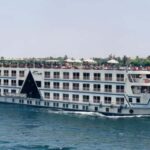
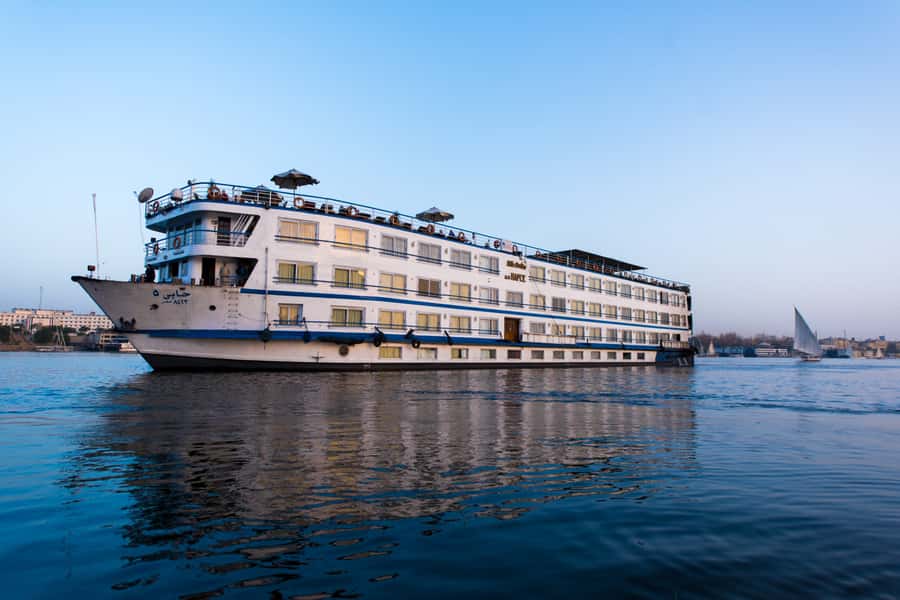
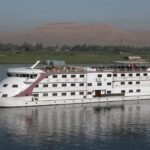
You’re not only traveling; you’re recovering while the Nile does some of the legwork. The package includes 3-night accommodation on a 5-star Nile cruise, and the ship experience can be the difference between enjoying the trip and feeling like you’re just sleeping between checkpoints.
The best-case version of this trip includes a clean, comfortable ship with staff who help you stay relaxed, plus solid onboard food. In some cases, the overall coordination is praised for keeping schedules realistic and making sure transfers work smoothly even when connection or communication gets patchy.
A practical point: a “luxury” label can mean different things. This particular cruise is advertised as 5-star, but if you’re the type who gets picky about how “luxury” feels, keep your expectations flexible and watch for inconsistencies in day-to-day operations.
The VIP balloon ride: big views, early mornings, real-world conditions
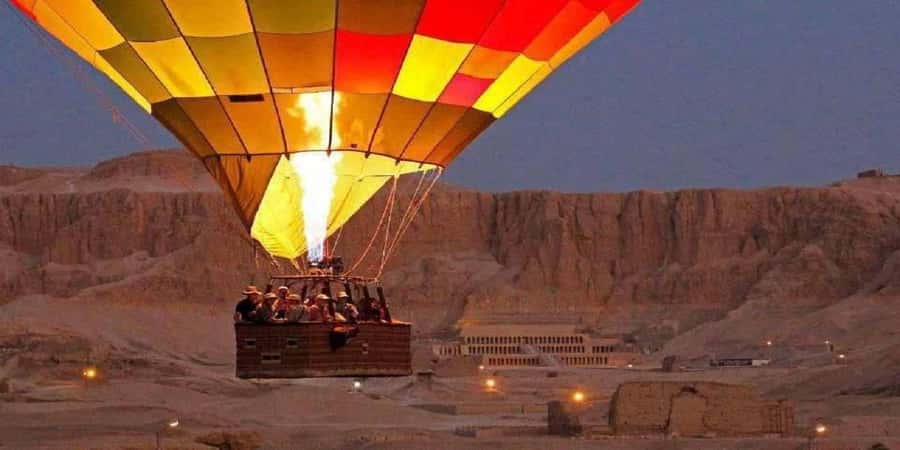
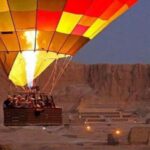
The headline here is the VIP hot-air balloon ride, usually with pickup around 4 a.m. on Day 2. The promised value is the view over Luxor’s green fields and temples, seen from above when the city is quieter and the world looks different.
Here’s the practical truth: balloon schedules are weather-dependent, and operations can vary. Based on what I’ve seen highlighted by past customers, the balloon might not always fly over the exact areas you hoped for, and there can be safety concerns if equipment or conditions are poorly managed. That doesn’t mean you should skip it—it means you should go in expecting an early start and a bit of uncertainty.
What to do: ask the operator what your flight route typically looks like and what happens if conditions change. Also dress for cool morning air and be ready for a long day after sunrise-level excitement.
And if you’re traveling with kids or someone who’s sensitive to heat or noise, keep an eye on comfort during boarding and briefing. Balloon rides are usually safe, but small lapses in handling can turn into big problems.
You can also read our reviews of more tours and experiences in Luxor


Edfu: Horus Temple and why the carvings work better with a guide
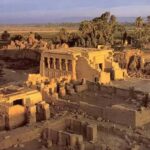
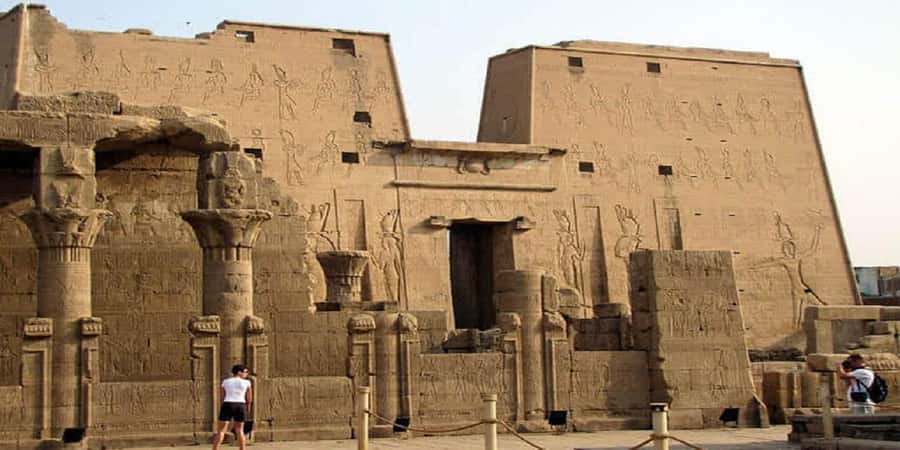
After breakfast onboard, you’ll visit Horus Temple in Edfu. This temple is tied to the Ptolemaic dynasty and represents a style of storytelling that helps you see ancient Egyptian culture through later-era lens.
This stop matters because it shifts the feel of the trip. Luxor can be overwhelming—Edfu is more focused, and the guided approach helps you read the place instead of just admiring the walls. If you want to understand how Egyptian religious art communicates ideas, this is a strong mid-cruise day.
Then you return to the ship and continue sailing.
Kom Ombo: a double temple built for two gods
Next up is Kom Ombo, known for a double temple layout dedicated to Sobek (the crocodile god) and Horus (the falcon-headed god). The design is practical and clever: two temple sections, each with its own gateways and chapels.
The value of visiting with a guide is speed. You don’t want to spend time trying to figure out what you’re looking at while the tour timetable keeps moving. When someone explains the split layout and how each side relates to its deity, you’ll understand why the complex is arranged the way it is.
After the visit, you go back aboard and keep sailing, with the next morning set for Abu Simbel.
Abu Simbel at dawn: the final payoff and the luggage reality
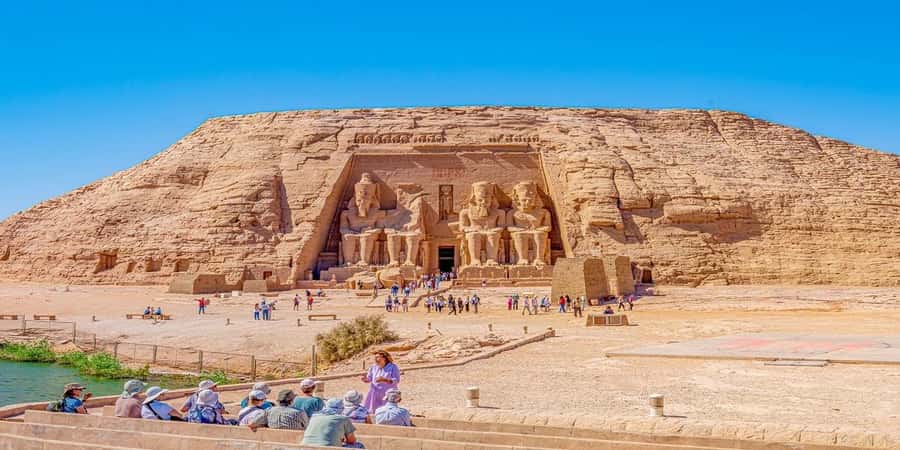
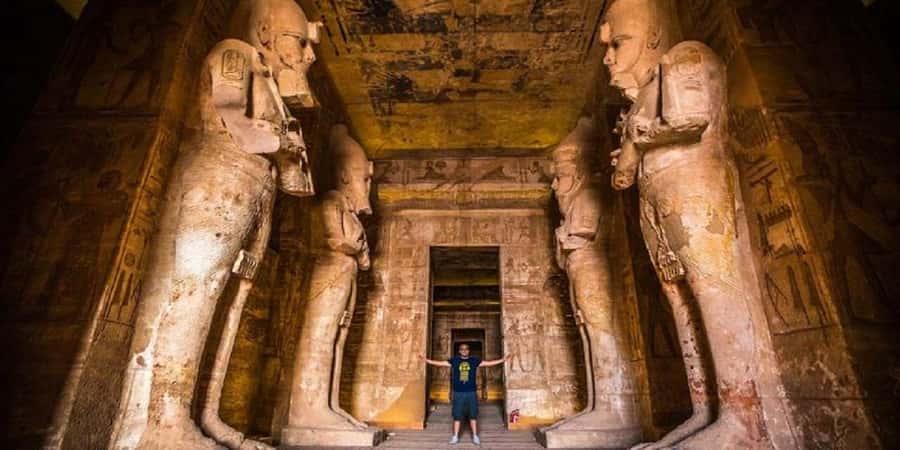
Day 4 is the big one. You’ll have an early pickup to visit the Great Temple of Abu Simbel, dedicated to major gods including Amun, Ra-Horakhty, and Ptah, plus Ramesses himself. The whole point is the temple’s scale and status among the most impressive pharaoh-era commissions.
The logistics are straightforward but non-negotiable: you should check out before leaving and leave your luggage at reception. Then you travel by air-conditioned vehicle, explore the temple, and return to the ship to pick up your bags before being dropped in Aswan.
If you’ve never done an early Abu Simbel run, it can feel intense. But when it’s done well, it’s also the moment where the whole route clicks: you go from Luxor’s ceremonial temples and royal tomb culture to a massive statement of power in Nubia.
Price and value: what $860 buys (and what can cost extra)
At $860 per person for 4 days, the value really comes from bundling. You’re getting:
- private air-conditioned transfers
- pick-up and drop-off between Luxor accommodations and an Aswan end point
- a professional Egyptologist-style guided approach
- a VIP balloon ride
- 3 nights on a 5-star cruise
- service charges and taxes
The not-so-hidden catch is that entrance fees aren’t included. That means your final budget can rise, depending on what you visit and the exact fee structure on the day. If you’re budget-minded, plan to pay entrance fees separately rather than assuming the price covers everything on-site.
Also, balloon and cruise operations can vary in execution. A trip can still be enjoyable, but if you’re a hard “details must match the ad” person, you’ll want to confirm how the balloon experience will be handled on your dates and how the language plan will work for your group.
Who this tour is best for
This works well if you want three things at once:
- major Egyptian monuments across Luxor and beyond
- expert-led explanations that make carvings and tombs easier to grasp
- a cruise component that keeps you from over-driving every day
It’s a strong fit for first-timers who don’t want to piece together transport and guides. It’s also a good choice for families, since the guide explanations are designed to be clear and engaging.
Where you should be careful: if “luxury” is a hard requirement, or if language matching matters deeply to you, verify the guide setup. In some cases, there have been frustrations about communication and extra arrangements when a different language was expected.
Should you book this 4-day Luxor-to-Aswan package?
I’d book it if your priority is a big Upper Egypt checklist with support built in—especially the combo of Luxor temples plus sailing plus Abu Simbel, with the balloon ride as your once-in-a-lifetime add-on.
I’d hesitate or at least research carefully if:
- you’re very sensitive to schedule changes (balloons can shift)
- you expect every detail to run exactly like the marketing photos
- you need a specific guide language and want everything handled without extra steps
If you go in prepared—entrance fees paid separately, early mornings expected, and balloon conditions understood—this can be a memorable, well-paced way to see some of Egypt’s most famous monuments without turning your trip into a logistics job.
FAQ
FAQ
What’s included in the tour price?
It includes all air-conditioned transfers, private pick-up and drop-off, a professional English guide (and language options by additional cost), a VIP hot-air balloon ride, 3-night accommodation on a 5-star Nile cruise, and service charges and taxes.
Are entrance fees included?
No. Entrance fees to all attractions mentioned in the itinerary are not included.
Where do the transfers start and end?
You’re picked up from your accommodation in Luxor and dropped off at your accommodation in Aswan after the Abu Simbel visit.
How early do I need to be for the balloon and Abu Simbel?
The balloon pickup is usually around 4 a.m. For Abu Simbel, pickup is usually around 4 a.m. as well, and you’ll need to check out and leave luggage at reception before you go.
What guide languages are available?
Arabic, English, French, German, and Spanish are offered, with an additional cost if you want a Spanish, German, or French guide instead of English.
How long is the full experience?
The tour runs for 4 days.
Can I cancel and get a refund?
Yes. Free cancellation is available up to 24 hours in advance for a full refund.